
Feeding Whole Raw Eggs To Dogs: Shells, Membrane, & Yolk
Forget what you’ve heard. The fear-mongering around feeding raw eggs to dogs is one of the most pervasive, and frankly, lazy myths in the canine nutrition world. As the Canine Nutrition Hacker, I’m here to cut through the noise and give you the unvarnished truth. The humble egg isn’t just a simple food item; it’s a complete, self-contained nutritional powerhouse. We’re not just talking about the yolk or the white. We’re talking about the entire package: the yolk, the albumen, the shell, and the often-ignored membrane. When sourced and prepared correctly, the whole egg becomes one of the most cost-effective and biologically appropriate supplements you can add to your dog’s bowl. This guide will serve as your forensic breakdown of this incredible food, showing you how to safely unlock its full potential for your dog’s health, from stronger bones to healthier joints, without falling for the marketing hype of expensive, synthetic supplements.
The Nutritional Autopsy: Deconstructing the Whole Egg
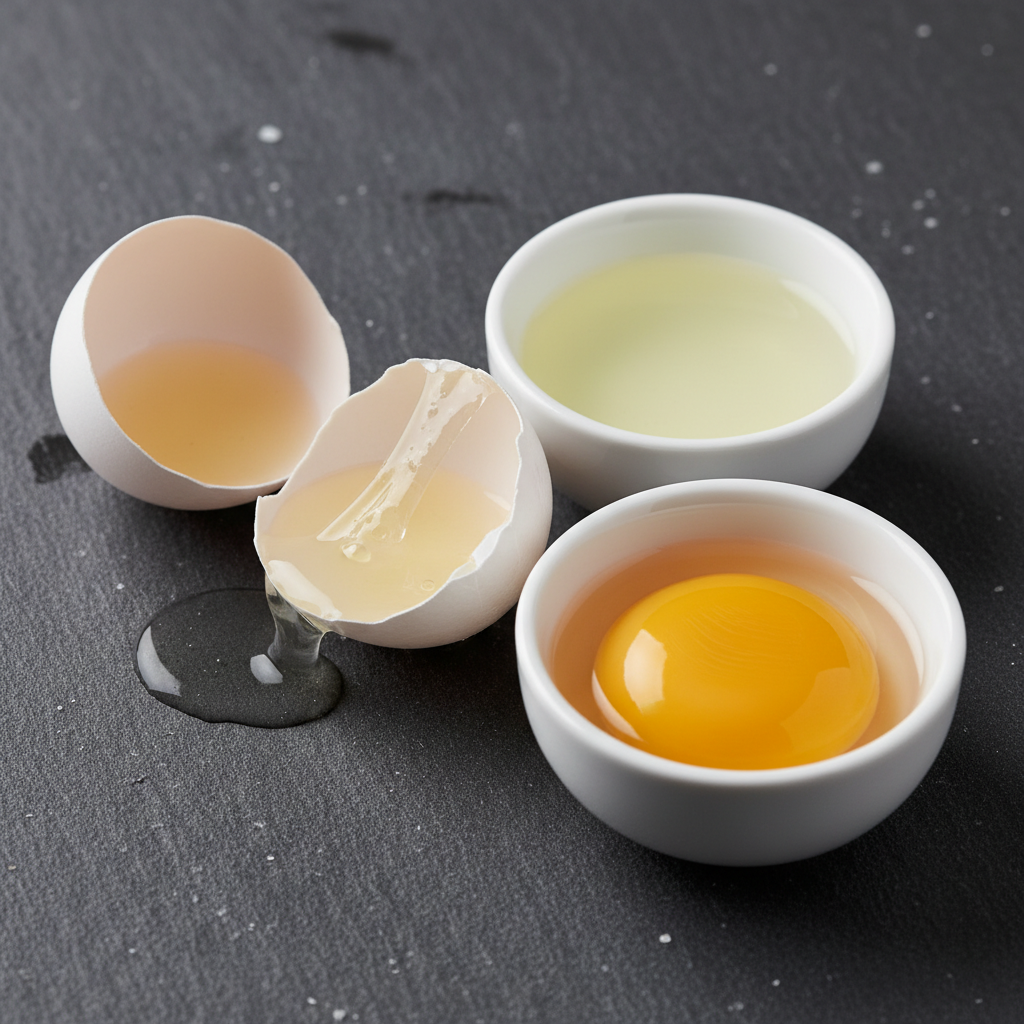
Before you add any new element to your dog’s diet, you must understand it on a molecular level. A commercial supplement bottle gives you a list of isolated chemicals. A whole egg gives you a synergistic matrix of nutrients, exactly as nature intended. Let’s put it under the microscope.
The Yolk: The Nutrient-Dense Core
The yolk is the life force of the egg, and it’s where the majority of the vitamins and minerals are concentrated. It’s a rich source of fat-soluble vitamins, which are critical for countless bodily functions. Here’s the rundown:
- Vitamin A: Crucial for vision, immune function, and cellular health.
- Vitamin D: Essential for calcium regulation and bone formation. Dogs cannot synthesize Vitamin D from sunlight as effectively as humans, making dietary sources vital.
- Vitamin E: A powerful antioxidant that protects cells from oxidative damage.
- Vitamin K: Plays a key role in blood clotting.
- B-Vitamins: The yolk is packed with B12, riboflavin, and folate, which are essential for energy metabolism and neurological function.
- Selenium & Choline: Selenium is a vital antioxidant mineral, while choline is critical for brain health and liver function.
The White (Albumen): The Protein Powerhouse
The egg white, or albumen, is primarily composed of water and high-quality, easily digestible protein. It contains all the essential amino acids your dog needs to build and repair tissue, support muscle development, and maintain a healthy coat. We’ll address the infamous avidin/biotin issue later, but for now, understand that the protein quality in egg whites is second to none.
The Shell: A Calcium Power-Up
Throwing away the eggshell is like throwing away a free, perfectly balanced calcium supplement. Commercial dog foods often use bone meal or synthetic calcium carbonate. An eggshell is a pure, whole-food source of calcium carbonate, which is essential for:
- Bone and Teeth Health: The primary building block for a strong skeletal structure.
- Muscle Function: Calcium is required for proper muscle contraction and nerve transmission.
- Heart Health: It plays a role in maintaining a regular heartbeat.
Crucially, the shell must be prepared correctly. Simply crushing it is not enough. It must be ground into a fine powder to ensure safe digestion and optimal absorption.
The Membrane: The Unsung Joint Hero
That thin, wispy layer between the shell and the white? That’s the membrane, and it’s nutritional gold for joint health. This is the component that supplement companies are now isolating and selling for exorbitant prices. The membrane is a natural source of:
- Collagen: The primary structural protein in connective tissues.
- Glucosamine: Helps build and repair cartilage.
- Chondroitin Sulfate: Gives cartilage its elasticity and shock-absorbing properties.
- Hyaluronic Acid: Lubricates joints and aids in tissue hydration.
Feeding the whole egg provides these compounds in their natural, synergistic form, which can be far more effective than isolated, synthetic versions.
The Hacker’s Safety Protocol: Sourcing and Preparation

SAFETY DISCLAIMER: I am a canine nutrition analyst, not a veterinarian. The information provided here is for educational purposes. Always consult with a trusted veterinarian or a certified canine nutritionist before making significant changes to your dog’s diet, especially if they have pre-existing health conditions like kidney disease.
Now that you know the ‘why,’ let’s focus on the ‘how.’ Proper execution is non-negotiable. Cutting corners here can negate the benefits and introduce unnecessary risks.
Sourcing is Everything
Do not grab the cheapest carton of eggs from the generic supermarket shelf. The source of your eggs directly impacts their nutritional quality and safety profile. Your hierarchy of choice should be:
- Pasture-Raised from a Local Farm: This is the gold standard. Chickens that roam freely and eat a natural diet of grass and insects produce eggs with a superior nutritional profile—higher in Omega-3s and vitamins.
- Certified Organic & Pasture-Raised: The next best option from a reputable grocery store. The organic certification ensures the hens were not fed pesticide-laden grain.
- Conventional Eggs: Use these only as a last resort. The hens are raised in less-than-ideal conditions, which can impact the quality of the egg and potentially increase the risk of contamination.
Preparation for Consumption: The Non-Negotiable Steps
Preparing the whole egg is simple but requires attention to detail, particularly with the shell.
- Wash the Exterior: Gently wash the egg in warm water to remove any dirt or contaminants from the shell’s surface.
- Crack and Separate (Optional): You can feed the yolk and white directly to your dog. For the shell, it’s best to separate it for grinding.
- Prepare the Shell: This is the most critical step. After cracking the egg, rinse the shell halves thoroughly. Allow them to air dry completely for a day or so. You must then grind the dry shells into a very fine powder. A clean coffee grinder or a powerful spice grinder is ideal for this. A mortar and pestle works but requires more effort. The final consistency should be like flour, with no sharp pieces. Sharp shell fragments can cause irritation to the mouth and digestive tract.
- Serving: You can serve the raw yolk and white by simply pouring it over your dog’s regular meal. Sprinkle the powdered eggshell over the food according to your dog’s calcium needs (a good starting point is about 1/2 teaspoon of powder per cup of food, but this should be adjusted based on the calcium content of their main diet).
Hacker Tip: Maximize your efficiency. Don’t grind one shell at a time. Save up the shells from a dozen eggs, wash and dry them in a batch, and then grind them all at once. Store the finished powder in a sealed, airtight glass jar in the refrigerator for up to a month. This creates a ready-to-use, free calcium supplement.
Risk vs. Reward: Debunking the Raw Egg Myths
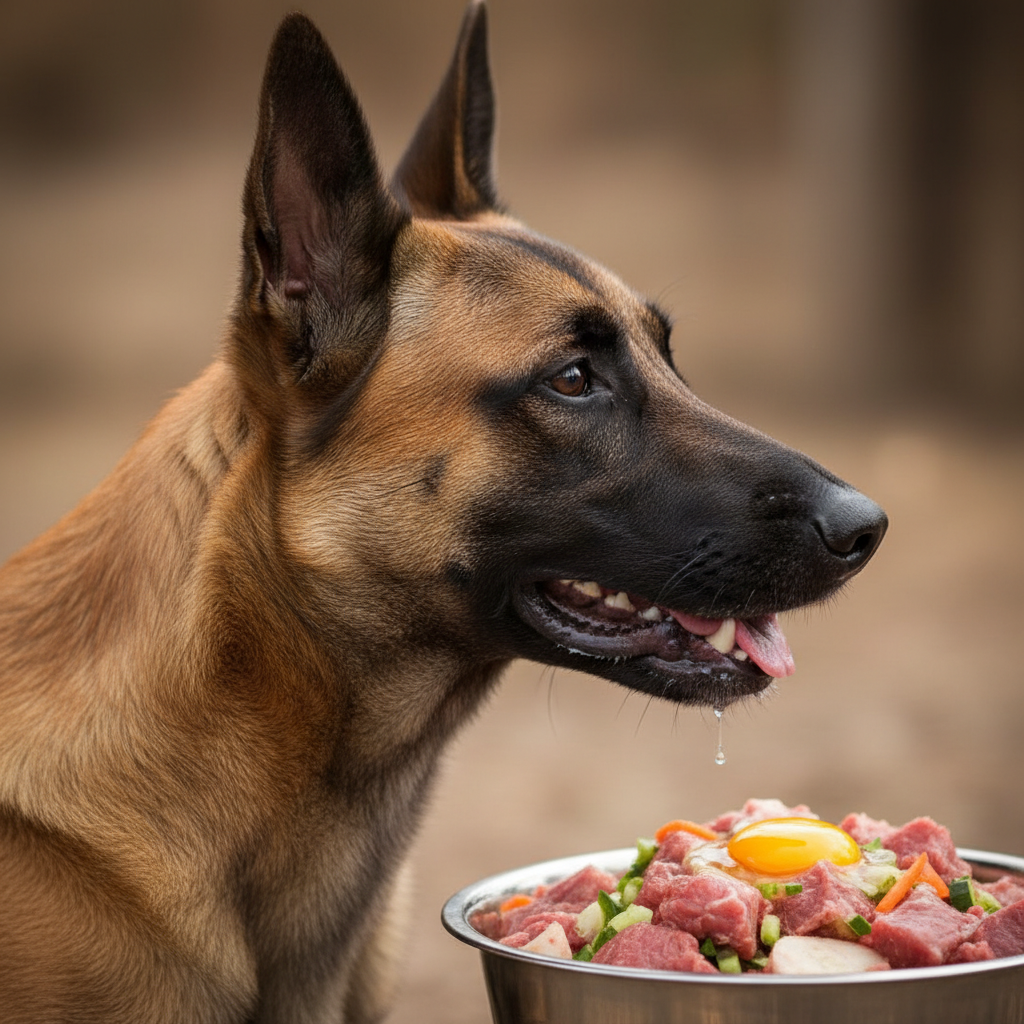
The two primary arguments leveled against raw eggs are the risk of Salmonella and the potential for biotin deficiency. Let’s dismantle these claims with facts, not fear.
The Salmonella Scare
The concern over Salmonella is valid for humans, but it’s largely overblown for healthy dogs. A dog’s digestive system is built for this. It is:
- Highly Acidic: A dog’s stomach acid is significantly stronger than a human’s, creating a hostile environment for most bacteria.
- Short and Efficient: Their digestive tract is much shorter, meaning food passes through quickly, giving bacteria less time to colonize and cause problems.
Can a dog get sick from Salmonella? Yes, it’s possible, especially if the dog is very young, very old, or immunocompromised. However, the risk is extremely low when you follow proper sourcing and handling protocols. The primary risk is often to the humans handling the food. Always wash your hands and surfaces after handling raw eggs.
The Biotin Deficiency Myth
This myth stems from a scientific half-truth. Egg whites contain a glycoprotein called avidin, which binds to the B-vitamin biotin, preventing its absorption. This sounds alarming, but the context is everything.
- Nature’s Balance: The egg yolk is one of the most concentrated food sources of biotin on the planet. When you feed the whole egg, the abundant biotin in the yolk more than compensates for the binding effect of the avidin in the white.
- The Matter of Quantity: For a biotin deficiency to occur, a dog would have to consume a diet consisting almost exclusively of only raw egg whites over a prolonged period. Feeding a few whole eggs a week is nowhere near the level required to cause an issue.
In short, when fed as a whole food in moderation, the risk of biotin deficiency is a non-issue. It’s a classic case of laboratory science being misapplied to real-world, whole-food nutrition.
The Bottom Line: Cost Analysis and Practical Integration

As a Canine Nutrition Hacker, my goal is to achieve optimal nutrition at the lowest possible cost by leveraging whole foods. Adding eggs to your dog’s diet is a prime example of this philosophy in action. Let’s break down the real-world savings when you replace overpriced commercial supplements with a simple egg.
Consider the monthly cost for a medium-sized (50lb) dog. Many owners are convinced they need to buy separate bottles of calcium pills and joint-support chews. Here’s how that compares to the whole-egg alternative.
| Supplement Type | Commercial Product (Monthly Cost) | DIY Egg-Based Alternative (Monthly Cost) | The Hacker’s Verdict |
|---|---|---|---|
| Calcium Supplement | $15 – $25 (e.g., Powdered Calcium Carbonate) | $2 – $4 (Using shells from 8-12 pasture-raised eggs per month) | Massive Savings. Eggshells provide a bioavailable, whole-food source of calcium with trace minerals, superior to isolated chemical supplements. |
| Joint Support (Glucosamine/Chondroitin) | $30 – $50 (e.g., Popular Branded Chewable Tablets) | $4 – $8 (Cost of the eggs providing the membrane) | Significant Value. While not as concentrated as a dedicated high-dose supplement for severe arthritis, the membrane provides a natural, synergistic blend of joint-supporting compounds perfect for preventative care and mild support. |
How to Integrate Eggs into Your Dog’s Diet
Integration is simple. You are not replacing a meal with an egg. You are supplementing their existing, balanced diet.
- For Kibble-Fed Dogs: This is the easiest upgrade you can make. An egg serves as a fantastic ‘topper,’ adding much-needed moisture and a boost of fresh, high-quality nutrients to a dry, processed diet. Simply crack the egg over the kibble and sprinkle on your pre-ground eggshell powder.
- For Raw or Home-Cooked Diets: An egg fits seamlessly. It can be a part of the meal, contributing to the overall protein, fat, and mineral content. Just be sure to account for its nutrients in your overall recipe balance.
Frequency and Amount
Moderation is key. An egg should be a supplement, not a staple. A good guideline is:
- Small Dogs (under 20lbs): 1-2 eggs per week.
- Medium Dogs (20-60lbs): 2-4 eggs per week.
- Large Dogs (over 60lbs): 3-5 eggs per week.
Start with a smaller amount to ensure it agrees with your dog’s digestive system, and gradually work up to the recommended frequency.
Conclusion
The evidence is clear and irrefutable: the whole raw egg is a nutritional masterpiece. It offers a complete package of high-quality protein, essential fatty acids, a full spectrum of vitamins, and a free, perfectly balanced source of calcium and joint-supporting compounds. By understanding the science and ignoring the outdated myths, you can bypass the expensive, over-marketed supplement industry. You no longer need to pay for fancy packaging and synthetic ingredients when a superior, whole-food alternative is sitting in your refrigerator. Take control of your dog’s nutrition. Scrutinize the labels, question the conventional wisdom, and leverage the power of real food. Hack the system, feed the whole egg, and watch your dog thrive.