
Fennel for Dogs: A Natural Remedy for Gas and Bloating
That familiar, room-clearing sound—followed by an even more potent smell. Canine flatulence is a common complaint among pet owners, often laughed off as a quirky trait. But persistent gas, bloating, and digestive discomfort are no laughing matter for your dog. They can signal underlying dietary issues that, if left unaddressed, can impact overall health and vitality. Before you reach for an expensive, chemically-laden supplement, the solution might be hiding in your spice rack. Welcome to the insider’s guide on fennel, a potent, ancient herb that acts as a powerful carminative to soothe your dog’s gut.
As the Canine Nutrition Hacker, my job is to cut through the marketing noise and arm you with data-driven, practical solutions. We’re not just talking about masking symptoms; we’re talking about addressing the root cause of digestive upset. This guide will deconstruct why your dog is gassy, how fennel scientifically counteracts this process, and precisely how to administer it safely and effectively. MEDICAL DISCLAIMER: I am a canine nutrition analyst, not a veterinarian. The information in this article is for educational purposes only. Always consult with your trusted veterinarian before introducing any new food, herb, or supplement into your dog’s diet, especially if your dog has pre-existing health conditions or is on medication.
Deconstructing Canine Gas: The Science Behind the Stench
Deconstructing Canine Gas: The Science Behind the Stench
To effectively solve a problem, you must first understand its origin. Gas (flatulence) in dogs is primarily caused by the fermentation of undigested food in the colon. When your dog’s digestive system struggles to break down certain ingredients, gut bacteria go into overdrive, producing hydrogen, methane, and hydrogen sulfide—the latter being the source of that infamous rotten-egg smell. While occasional gas is normal, chronic flatulence is a red flag pointing directly at your dog’s food bowl.
Enemy Ingredients: The Common Culprits in Your Dog’s Diet
Let’s perform a forensic analysis of what’s likely causing the issue. Many commercial dog foods, even those marketed as ‘premium,’ are loaded with ingredients that are difficult for a canine’s system to process. These are the primary offenders:
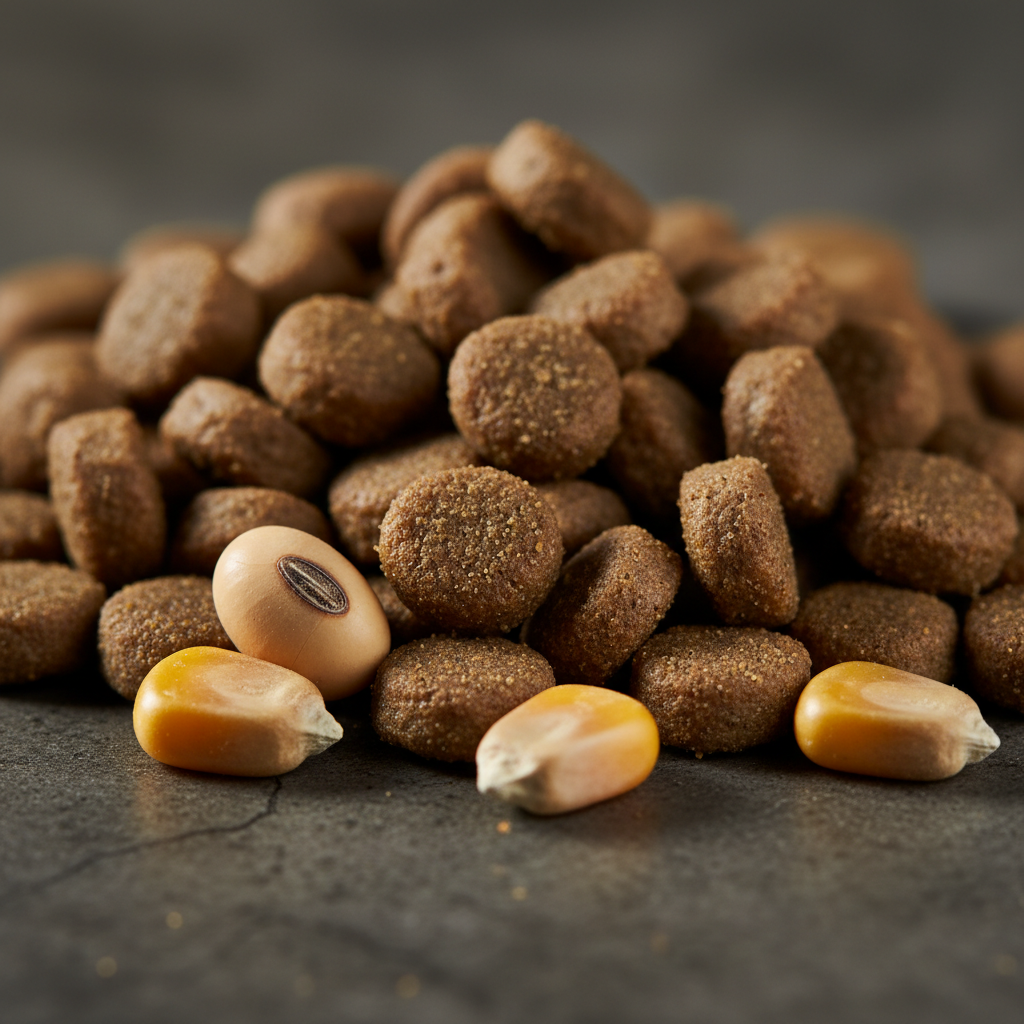
- Low-Quality Fillers: Ingredients like corn, wheat, and soy are cheap carbohydrates that offer minimal nutritional value. They are notoriously difficult for many dogs to digest, leading to significant fermentation and gas. If you see ‘corn gluten meal’ or ‘soybean meal’ high on the ingredient list, you’ve likely found a major contributor.
- Certain Fibers: While fiber is necessary, an excess of specific types, particularly from sources like pea fiber or beet pulp in large quantities, can be too much for some dogs, leading to gas and loose stools.
- Carrageenan: A common thickener and binder found in many wet foods, carrageenan has been linked to intestinal inflammation and digestive upset in some studies. It’s an ingredient to watch for and avoid if your dog has a sensitive stomach.
- Dairy Products: Most adult dogs are lactose intolerant. Giving them cheese, milk, or other dairy products as treats is a near-guaranteed recipe for gas, bloating, and diarrhea.
- High-Fat Foods: Rich, fatty foods (like table scraps or low-quality foods using rendered fats) can slow down digestion, giving gut bacteria more time to ferment undigested food particles, producing excess gas.
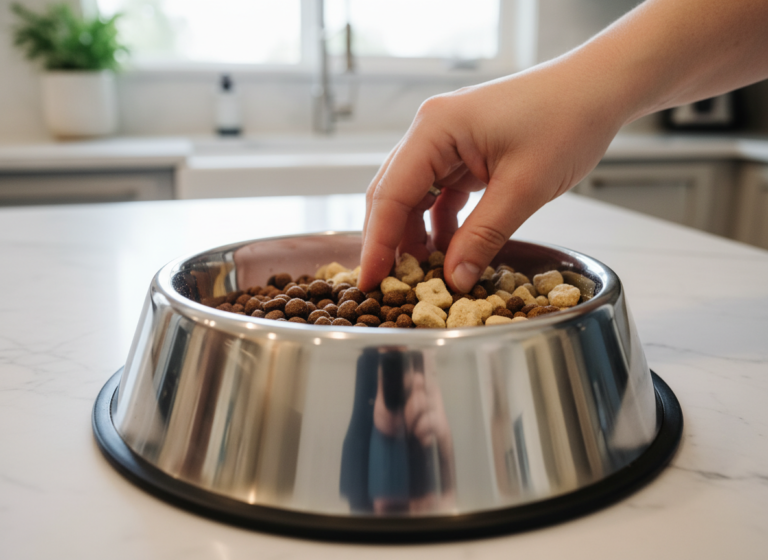
Beyond ingredients, the simple act of eating too quickly can cause a dog to swallow large amounts of air (aerophagia), leading to bloating and gas. This is especially common in flat-faced (brachycephalic) breeds and food-motivated dogs. Understanding these triggers is the first step in reclaiming your dog’s digestive peace—and your home’s air quality.
Fennel to the Rescue: A Potent Carminative for Canines
Fennel to the Rescue: A Potent Carminative for Canines
Now that we’ve identified the enemy, let’s bring in the hero: Foeniculum vulgare, or fennel. This licorice-flavored herb has been used for centuries in human traditional medicine to treat digestive ailments, and its benefits are directly applicable to our canine companions. Fennel’s power lies in its unique chemical composition, which works on multiple levels to restore gut harmony.
The Science of Soothing: How Fennel Works
Fennel’s primary mode of action is as a carminative. A carminative is a substance that prevents the formation of gas in the gastrointestinal tract or facilitates its expulsion. It achieves this through several key compounds:
- Anethole: This is the star player. Anethole, the aromatic compound responsible for fennel’s licorice-like flavor, has antispasmodic properties. It works directly on the smooth muscles of the intestinal tract, helping to relax cramping and spasms. This relaxation allows trapped gas to pass more easily and less painfully, relieving the pressure and bloating your dog feels.
- Fenchone and Limonene: These volatile oils contribute to fennel’s antimicrobial properties. By subtly discouraging the overgrowth of ‘bad’ gas-producing bacteria in the gut, fennel helps to rebalance the gut microbiome, addressing the problem at its source rather than just managing the symptoms.
- Increased Motility: Fennel can gently stimulate motility in the GI tract. This doesn’t mean it’s a laxative; rather, it helps keep things moving along smoothly, preventing food from stagnating and fermenting in the colon, which is a primary cause of gas production.
Insider Secret: The magic of fennel isn’t just in dispelling existing gas; it’s in creating an intestinal environment where excessive gas is less likely to form in the first place. It’s a proactive, not just reactive, approach to your dog’s digestive health.
By relaxing gut muscles, inhibiting microbial fermentation, and promoting healthy digestion, fennel offers a multi-pronged, natural attack against the discomfort of gas and bloating. It’s a safe, effective tool that every savvy pet owner should have in their nutritional arsenal.
The Safe Administration Protocol: How to Give Your Dog Fennel
The Safe Administration Protocol: How to Give Your Dog Fennel
Knowing that fennel is beneficial is one thing; knowing how to use it correctly is another. Proper dosage and preparation are critical to ensure safety and efficacy. Haphazardly sprinkling it on food is not the hacker’s way. We use precision.
Forms of Fennel
You can use fennel in several forms, but the most common and effective for dogs are:
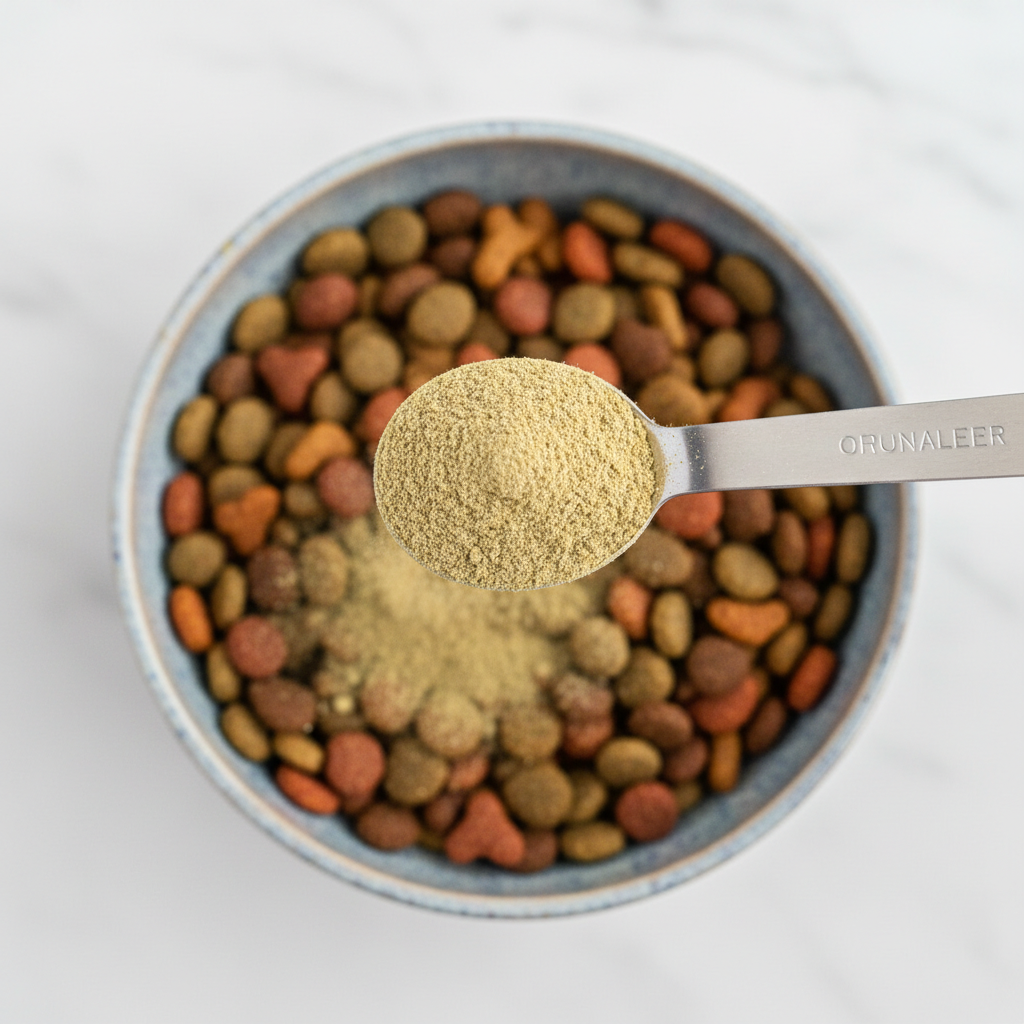
- Ground Fennel Seed: This is the easiest and most recommended method. The seeds contain the highest concentration of volatile oils. Grinding them just before use (or buying a pre-ground, high-quality spice) makes the beneficial compounds more bioavailable.
- Fresh Fennel: The chopped bulb or feathery fronds can be added to food. While less concentrated than the seeds, they provide fiber and hydration. This is a good option for dogs who enjoy the taste.
- Fennel Tea: A weak, cooled fennel tea can be added to your dog’s water bowl or mixed with their food. This is an excellent method for gentle, consistent administration.
Dosage Guidelines: Start Low, Go Slow
Dosage is dependent on your dog’s size. These are general starting guidelines. Always start with the lowest possible dose to see how your dog reacts. Use a standard measuring spoon for accuracy.
| Dog’s Weight | Ground Fennel Seed (per day) |
|---|---|
| Under 20 lbs | A tiny pinch to 1/8 teaspoon |
| 20-50 lbs | 1/4 to 1/2 teaspoon |
| 50-90 lbs | 1/2 to 1 teaspoon |
| Over 90 lbs | Up to 1.5 teaspoons |
Important: This is a total daily dose. It’s best to divide this amount between your dog’s meals (e.g., give half in the morning and half at night) to maintain a consistent level in their system.
Preparation Methods
- For Ground Seed: Simply mix the measured dose directly into your dog’s wet or dry food. If using dry kibble, adding a little water or bone broth can help the powder adhere better.
- For Fresh Fennel: Finely chop the bulb or fronds and mix into their meal. Start with about one teaspoon for a medium-sized dog and adjust as needed.
- For Fennel Tea: Steep one teaspoon of fennel seeds (lightly crushed) in one cup of boiling water for 5-10 minutes. Let it cool completely. You can then add 1-4 tablespoons of this tea to your dog’s food or water, depending on their size.
Hacker Tip: To maximize the potency of fennel seeds, lightly toast them in a dry pan for 30-60 seconds until fragrant before grinding. This process helps to release the volatile oils, making them more effective. Let them cool completely before grinding and adding to food.
Potential Risks and Contraindications: When to Avoid Fennel
Potential Risks and Contraindications: When to Avoid Fennel
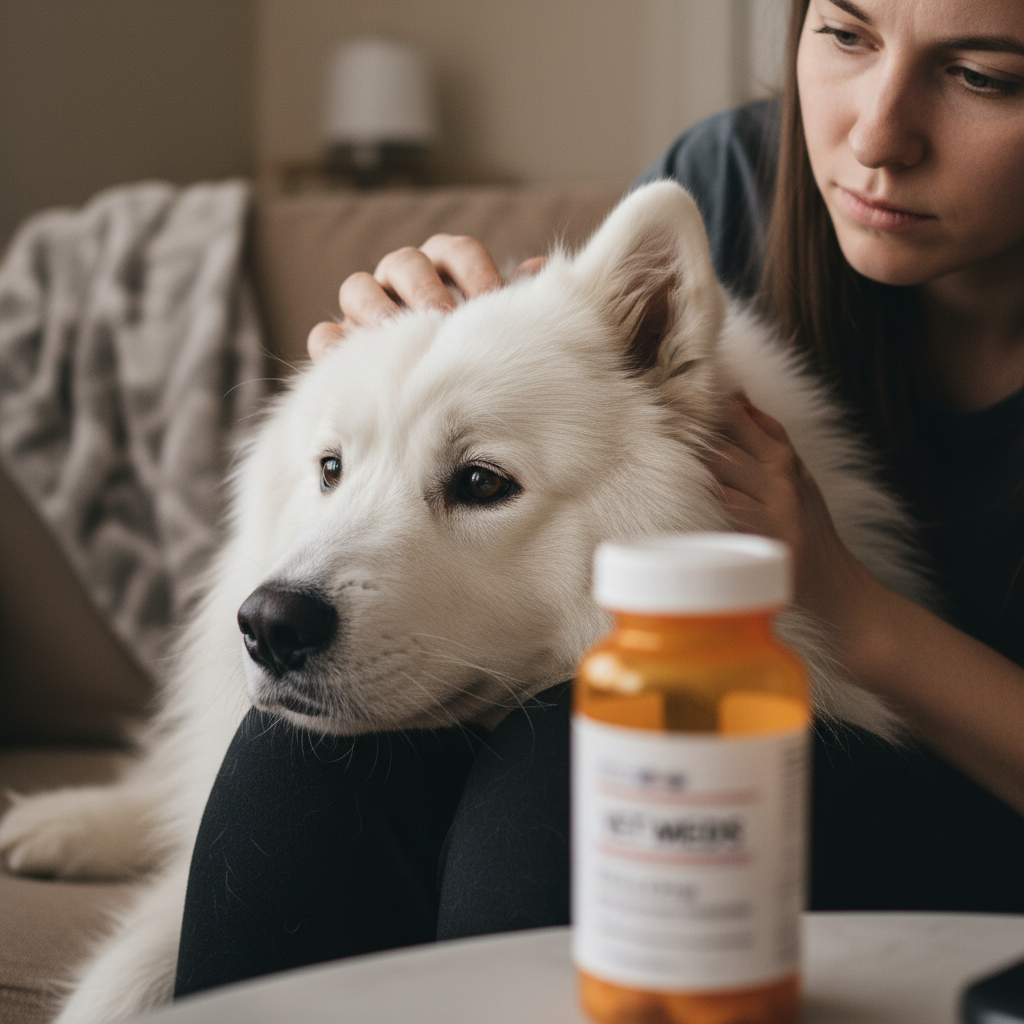
A professional approach requires a complete picture, and that includes potential risks. While fennel is overwhelmingly safe for most dogs in appropriate amounts, there are specific situations where caution is non-negotiable. Ignoring these can turn a helpful remedy into a harmful problem.
Allergic Reactions
Like any plant or food, fennel can cause an allergic reaction in a small number of dogs. Fennel belongs to the carrot family (Apiaceae), so if your dog has a known sensitivity to carrots, celery, or parsley, introduce fennel with extreme caution. Signs of an allergic reaction can include:
- Skin irritation, such as hives, itching, or redness
- Gastrointestinal upset, such as vomiting or diarrhea (the opposite of the intended effect)
- Facial swelling or difficulty breathing (rare, but a medical emergency)
This is why the ‘start low, go slow’ principle is paramount. Begin with a tiny pinch and monitor your dog closely for 24-48 hours before gradually increasing to the recommended dose.
Pregnancy and Seizure Disorders
Do not give fennel to pregnant or lactating dogs. Fennel contains compounds that can have mild estrogenic effects and could potentially stimulate uterine contractions, posing a risk to the pregnancy. The safety for nursing puppies has not been established, so avoidance is the only responsible course of action.
Additionally, there is some anecdotal evidence and theoretical concern that high doses of fennel could potentially lower the seizure threshold. Therefore, if your dog has a known seizure disorder or epilepsy, you must consult your veterinarian before using fennel. The risk may be low, but it is not zero.
Photosensitivity
In very high doses, compounds in fennel can increase sensitivity to sunlight (photosensitivity), potentially leading to sunburn, particularly in dogs with light-colored fur and skin. This is generally not a concern with the recommended therapeutic doses, but it’s a factor to be aware of if you were to significantly overdo it.
Ultimately, fennel is a safe herb when used responsibly. Responsible use means respecting dosages, being aware of your dog’s individual health status, and maintaining an open line of communication with your veterinarian.
Synergistic Solutions: Amplifying Fennel’s Effects
Synergistic Solutions: Amplifying Fennel’s Effects
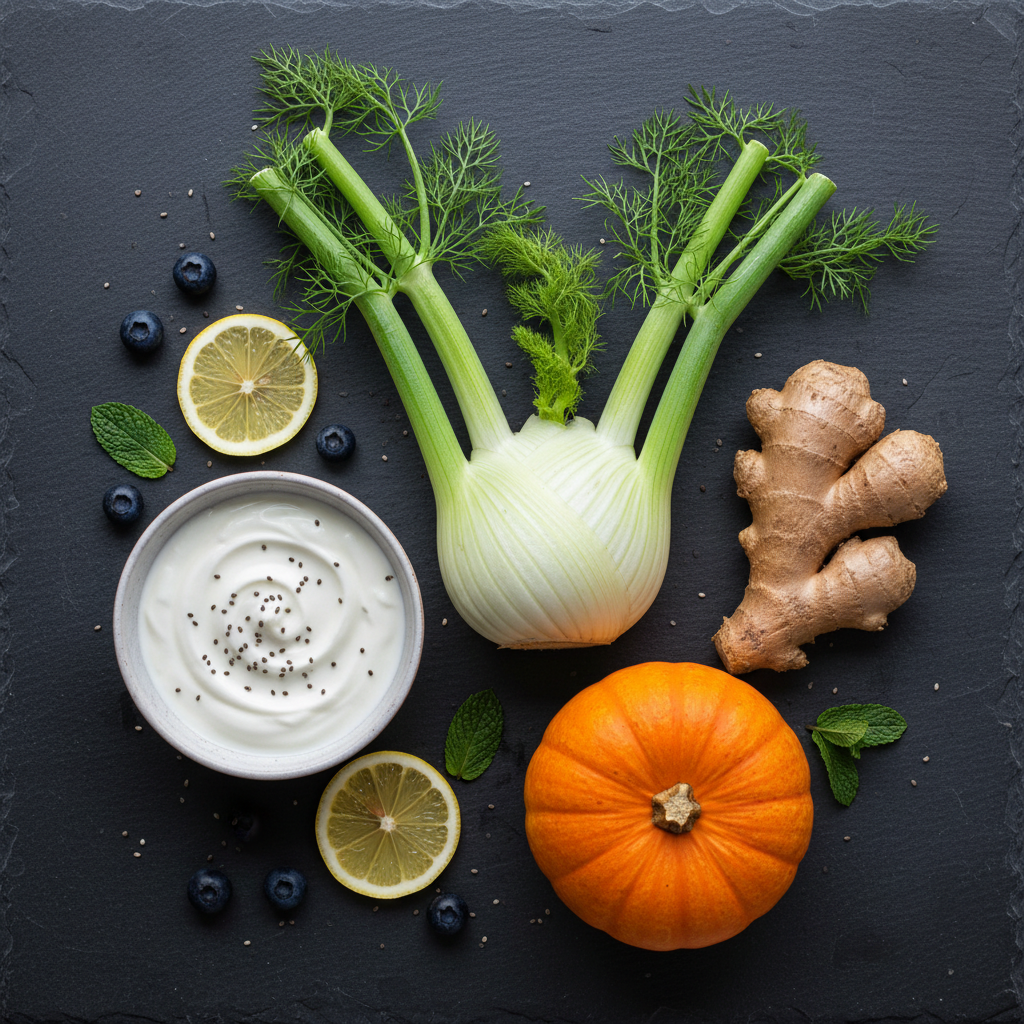
While fennel is a powerful standalone tool, the most effective nutritional strategies often involve a multi-faceted approach. You can amplify fennel’s gut-soothing benefits by combining it with other hero ingredients known for promoting digestive health. This creates a synergistic effect, tackling gas and bloating from multiple angles.
Building a Gut-Health Power Team
Consider adding these ingredients to your dog’s regimen alongside fennel for a comprehensive digestive support system. Remember to introduce any new ingredient one at a time to monitor for tolerance.
- Ginger: Like fennel, ginger is a potent carminative and antispasmodic. It is particularly effective at relieving nausea and stimulating gastric motility (the rate at which food exits the stomach). A small amount of fresh grated ginger or ginger powder can work in tandem with fennel to calm an upset stomach. Dosage is key; too much can be irritating. A tiny pinch of powder is all that’s needed for most dogs.
- Pumpkin Purée: A true digestive superstar. Ensure you are using 100% pure pumpkin purée, not pumpkin pie filling which is toxic to dogs. Pumpkin is rich in soluble fiber, which can help regulate bowel movements, firming up loose stool or softening hard stool. It acts as a prebiotic, feeding the beneficial bacteria in your dog’s gut.
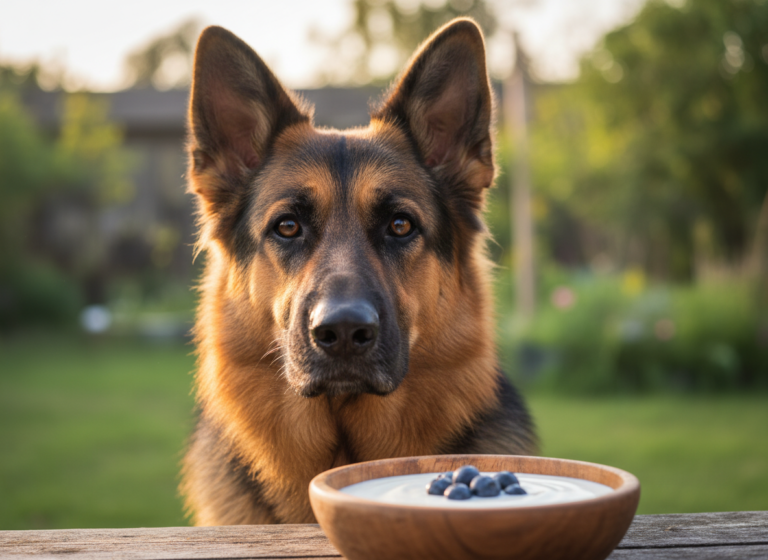
- Probiotics: Probiotics are the ‘good’ bacteria themselves. Supplementing with a high-quality canine-specific probiotic can help restore balance to the gut microbiome, crowding out the gas-producing bacteria that thrive on undigested food. You can use probiotic powders or add a spoonful of plain, unsweetened yogurt or kefir (which also contain probiotics) to your dog’s meal.
- Chamomile: Known for its calming properties, chamomile can also help soothe intestinal spasms and reduce inflammation in the gut lining. A cooled, weak chamomile tea can be added to food or water, much like fennel tea.
The Holistic Approach
Creating a truly healthy gut isn’t just about adding supplements; it’s about removing the offenders. The most powerful combination is to use fennel and its allies while simultaneously transitioning to a higher-quality, more digestible diet. By removing the low-quality fillers, mystery proteins, and artificial additives that cause the problem in the first place, you allow these natural remedies to heal and maintain a healthy digestive system, rather than just constantly fighting symptoms. This two-pronged strategy—removing the negative and adding the positive—is the ultimate hack for long-term canine digestive wellness.
Conclusion
Persistent gas and bloating are more than just an inconvenience; they are a clear signal from your dog’s body that something is amiss internally. By understanding the dietary triggers and leveraging the scientifically-backed power of fennel, you can move beyond managing symptoms and begin to solve the root problem. Fennel offers a safe, natural, and effective way to relax the intestinal tract, reduce painful gas, and restore balance to the gut. Remember the core principles of the Canine Nutrition Hacker: start with a high-quality, digestible diet, use natural remedies like fennel with precision and respect for dosage, and always partner with your veterinarian. Empowered with this knowledge, you are now equipped to not only quiet the noise (and the smell) but to fundamentally improve your dog’s comfort, health, and quality of life from the inside out.