Homemade Dog Food Recipes Specifically for Shih Tzu Allergies
If you’re a Shih Tzu owner, you’re likely familiar with the relentless cycle of itching, scratching, paw-licking, and digestive upset. You’ve tried the expensive kibbles, the medicated shampoos, and the endless vet visits, yet the problem persists. Here’s the hard truth the multi-billion dollar pet food industry doesn’t want you to know: the ‘premium’ or ‘hypoallergenic’ food you’re buying is often part of the problem. It’s frequently packed with common allergens, inflammatory fillers, and mystery proteins that perpetuate your dog’s misery.
I’m The Canine Nutrition Hacker. I don’t fall for slick marketing; I analyze ingredient labels with forensic precision. The most powerful tool you have in the fight against your Shih Tzu’s allergies isn’t another pill—it’s what you put in their bowl. By taking control and making your dog’s food from scratch, you eliminate the guesswork and provide a targeted, pure diet that can resolve allergy symptoms at their source. This guide will give you the blueprint to do it safely, effectively, and without breaking the bank. It’s time to stop managing symptoms and start solving the problem.
Decoding the Itch: Common Allergens That Plague Shih Tzus
The Shih Tzu Allergy Profile
Shih Tzus are a brachycephalic breed with a unique genetic makeup that, unfortunately, makes them predisposed to a range of sensitivities, particularly atopic dermatitis and food allergies. Their compromised immune systems often overreact to proteins that other dogs handle without issue. The result is chronic inflammation that manifests as itchy skin, ear infections, hot spots, and gastrointestinal distress. Understanding the enemy is the first step to victory.
The ‘Usual Suspects’ Ingredient Lineup
When I analyze a dog’s diet, I immediately look for these common culprits. These ingredients are cheap for manufacturers to use, but can be costly for your dog’s health:
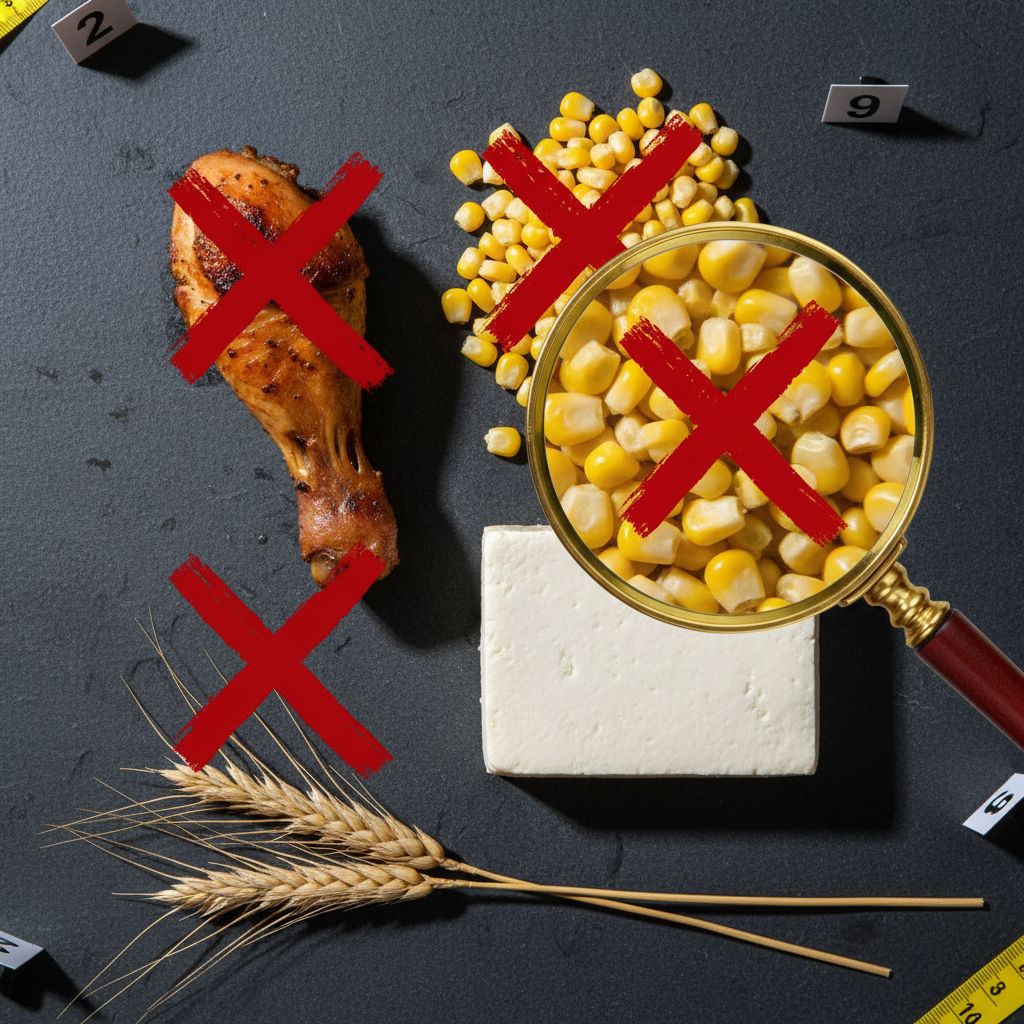
- Chicken & Beef: These are the two most common protein allergens in dogs simply because they have been the most common proteins in dog food for decades. Constant exposure can lead to the development of an allergy.
- Dairy: Many dogs, like many humans, are lactose intolerant. Dairy can cause significant digestive upset, including gas, bloating, and diarrhea.
- Wheat & Corn: These are classic filler carbohydrates. They offer minimal nutritional value and contain gluten and other proteins that are notorious for triggering inflammatory and allergic responses in sensitive dogs. You’ll often see them listed as ‘corn gluten meal’ or ‘wheat middlings’—cheap binders that have no place in a premium diet.
- Soy: Another inexpensive, plant-based protein filler that is a well-documented allergen for canines. It’s often used to artificially boost the protein percentage on the label, but it’s not the high-quality, bioavailable protein your dog needs.
Insider Secret: The difference between a food allergy and a food intolerance is crucial. An allergy is an immune system response (itching, hives), while an intolerance is a digestive issue (gas, diarrhea). Both are resolved by eliminating the trigger food, which is why a homemade diet is so effective—you have 100% control over every single ingredient.
The Canine Nutrition Hacker’s Blueprint for a Balanced Bowl
CRITICAL SAFETY DISCLAIMER: I am not a veterinarian. Before making any significant changes to your dog’s diet, you MUST consult with a board-certified veterinary nutritionist. A homemade diet is incredibly powerful, but it must be properly balanced. Nutritional deficiencies can cause serious health problems. This guide is a starting point, but professional guidance is essential to ensure your Shih Tzu receives all necessary vitamins and minerals, often through a high-quality supplement powder designed for homemade diets.
Macronutrient Architecture for a Shih Tzu
A balanced bowl isn’t just a random mix of meat and vegetables. It’s a calculated formulation. For a typical adult Shih Tzu, a good starting point for ratios is:
- 40-50% Protein: The foundation of the meal. Focus on novel proteins.
- 25-35% Carbohydrates: For energy, but must be low-glycemic and allergy-friendly.
- 20-25% Vegetables & Fruits: For essential fiber, vitamins, and antioxidants.
- 5% Healthy Fats & Supplements: Crucial for skin, coat, and overall health.
Hero Ingredients: Your Anti-Allergy Arsenal
Swap the ‘enemy’ ingredients for these nutritional powerhouses:
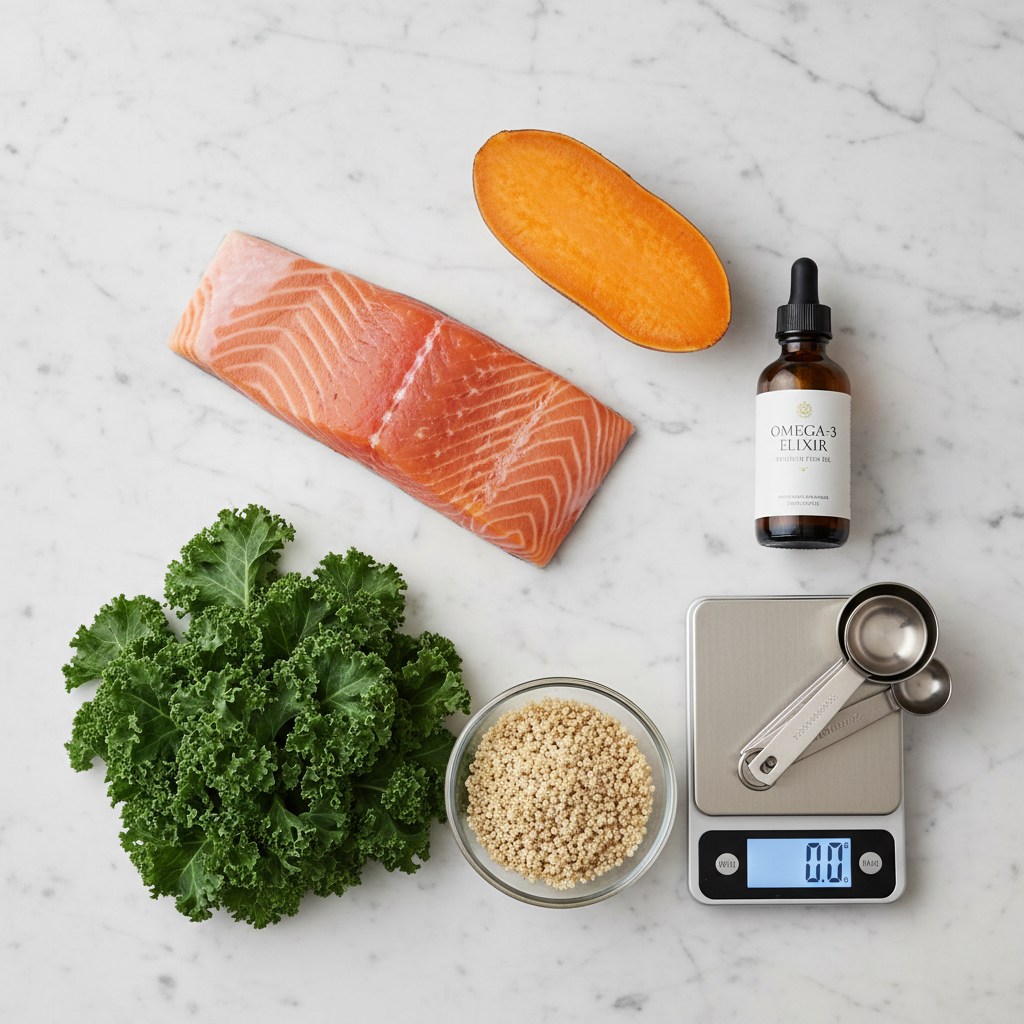
- Novel Proteins: These are proteins your dog has likely never been exposed to, minimizing the chance of an allergic reaction. Think duck, rabbit, lamb, or fish like salmon and sardines.
- Healthy Fats: Omega-3 fatty acids are potent anti-inflammatories. They are your best friend for healing itchy, irritated skin. Sources include fish oil (from salmon or krill), flaxseed oil, and chia seeds.
- Allergy-Friendly Carbohydrates: Ditch the corn and wheat for easily digestible, nutrient-dense options like sweet potatoes, pumpkin, butternut squash, and quinoa.
- Fibrous Greens & Antioxidant-Rich Fruits: Finely chopped or pureed kale, spinach, broccoli, blueberries, and cranberries support gut health and fight inflammation.
Field-Tested Recipes: The Allergy-Annihilator Meals
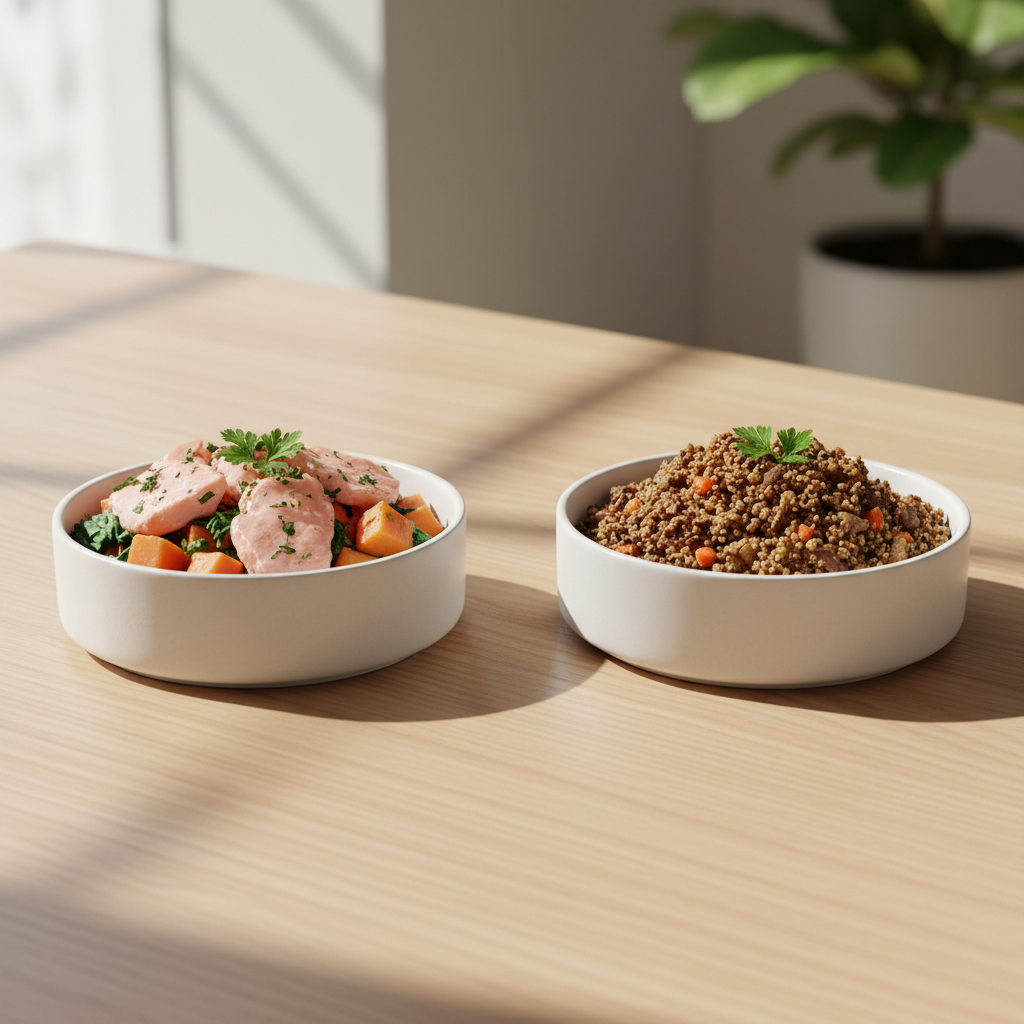
These recipes are formulated with the principles we’ve discussed. They are simple, based on a limited number of ingredients to minimize allergic potential, and packed with nutrition. The quantities below will make approximately 4 cups of food, which would feed a 10-12 lb Shih Tzu for about 4 days (at ~1 cup per day). Adjust based on your dog’s specific weight, age, and activity level.
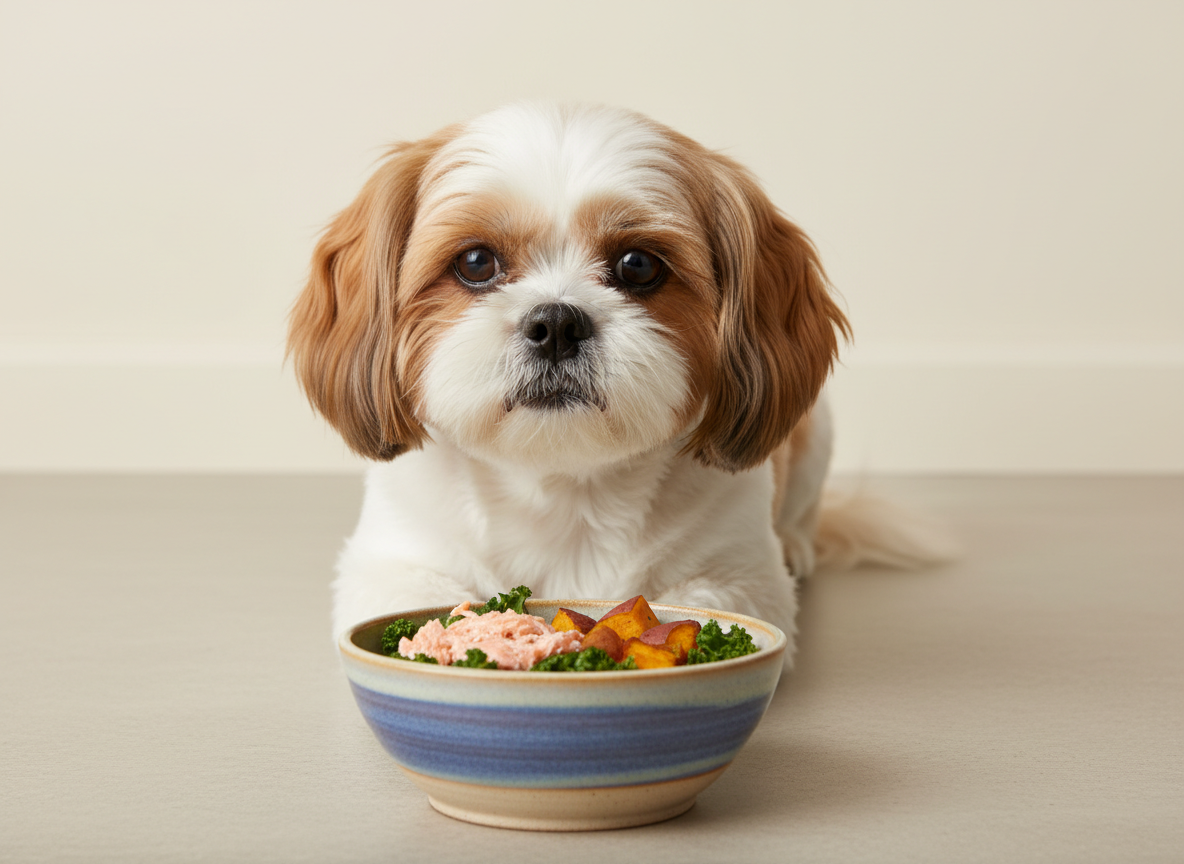
Recipe 1: The Salmon & Sweet Potato Soother
- 1 lb boneless, skinless salmon, baked or poached and flaked
- 1.5 cups sweet potato, baked and mashed (about 1 large sweet potato)
- 1 cup kale or spinach, finely chopped and lightly steamed
- 1 tablespoon ground flaxseed
- 1 teaspoon fish oil or coconut oil
- Required: A vet-approved multivitamin/mineral supplement for homemade diets (follow package dosage)
- Cook the salmon by baking at 400°F (200°C) for 12-15 minutes or until opaque. Let it cool and flake it with a fork.
- While the salmon cooks, bake or boil the sweet potato until tender. Mash it thoroughly.
- Lightly steam the kale or spinach for 2-3 minutes until wilted. This makes it easier to digest.
- In a large bowl, combine the flaked salmon, mashed sweet potato, steamed greens, ground flaxseed, and fish oil.
- Mix until everything is evenly incorporated. Once the mixture is completely cool, stir in the required dose of your chosen supplement powder.
Recipe 2: The Duck & Quinoa Calmer
- 1 lb ground duck
- 1 cup quinoa, cooked according to package directions (yields about 2-3 cups cooked)
- 1 cup mixed vegetables (e.g., finely chopped carrots and broccoli), steamed
- 1 tablespoon fresh parsley, chopped (aids in fresh breath)
- 1 teaspoon olive oil
- Required: A vet-approved multivitamin/mineral supplement for homemade diets (follow package dosage)
- In a skillet over medium heat, cook the ground duck until no longer pink. Drain off most of the excess fat, leaving about a teaspoon in the pan.
- Cook the quinoa separately as directed.
- Steam the chopped carrots and broccoli until tender-crisp.
- In a large bowl, combine the cooked duck, cooked quinoa, steamed vegetables, and chopped parsley. Drizzle with olive oil.
- Mix thoroughly. Wait for the food to cool completely before adding the nutritional supplement.
Hacker Tip: Use a food processor to quickly chop your vegetables into a fine, almost-pureed consistency. This not only saves time but also increases the bioavailability of the nutrients for your dog, making them easier to digest and absorb.
The Bottom Line: Cost Analysis of Homemade vs. High-End Commercial Food
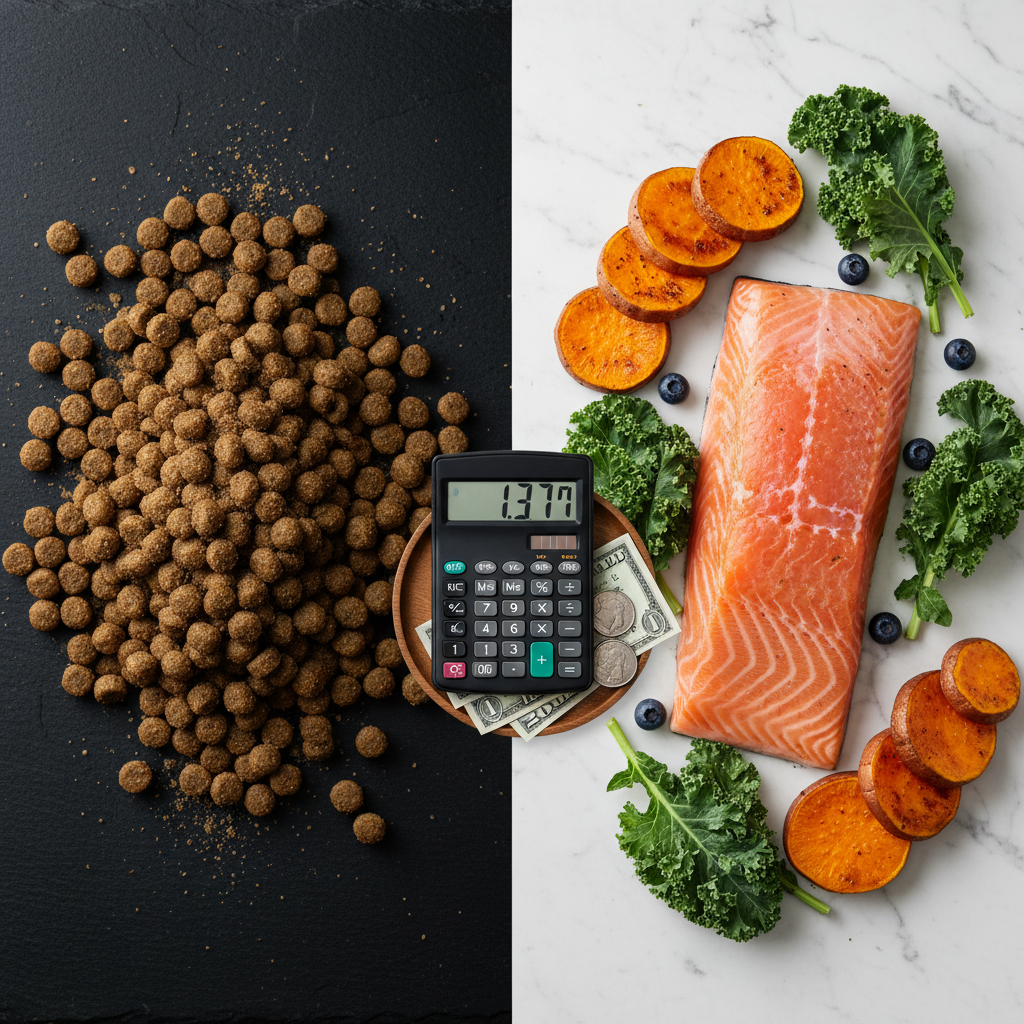
A common misconception is that homemade dog food is prohibitively expensive. Let’s break down the numbers. We’ll compare our DIY Salmon Recipe to a popular ‘premium’ grain-free, limited ingredient salmon kibble, calculating the cost for a hypothetical 10 lb Shih Tzu.
| Feature | Premium ‘Hypoallergenic’ Kibble | DIY Salmon & Sweet Potato Recipe |
|---|---|---|
| Primary Protein Source | Salmon Meal (often of questionable origin) | Fresh, Whole Salmon |
| Primary Carbohydrate | Peas, Lentils, Potato Starch (common secondary allergens) | Sweet Potato (high in vitamins) |
| Presence of Fillers? | Yes (Pea protein, potato fiber, etc.) | Absolutely None |
| Approx. Cost per Pound | ~$4.50/lb (for a 24lb bag) | ~$6.00/lb (varies by location/sales) |
| Cost per Day (10lb Dog) | ~$0.90/day | ~$1.25/day (including supplements) |
| The Hacker Verdict | Cheaper upfront, but you’re paying for fillers and potentially inflammatory ingredients that may lead to vet bills. | Slightly higher daily cost for vastly superior ingredient quality, complete transparency, and targeted nutrition that can save you money on allergy treatments long-term. |
As you can see, the daily cost difference is often negligible, especially when you consider the nutritional superiority and the peace of mind that comes from knowing exactly what your dog is eating. You’re not paying for marketing, fancy bags, or factory processing; you’re paying for pure, wholesome food.
Efficiency Hacking: Batch Cooking & Storage for the Savvy Owner
The key to maintaining a homemade diet without spending every evening in the kitchen is strategic batch cooking. Dedicate a few hours one day a week or every other week to prepare a large supply.
The Batch & Freeze Method
- Scale Up: Multiply your chosen recipe by 4 or 8. Cook all the ingredients in large batches. For example, bake multiple pounds of salmon at once and cook a large pot of quinoa or mash several sweet potatoes.
- Mix & Cool: Use an extra-large mixing bowl (or a clean bucket) to combine all the cooked ingredients. Spread the mixture on baking sheets to cool down rapidly and evenly. Do not add the supplement powder yet.
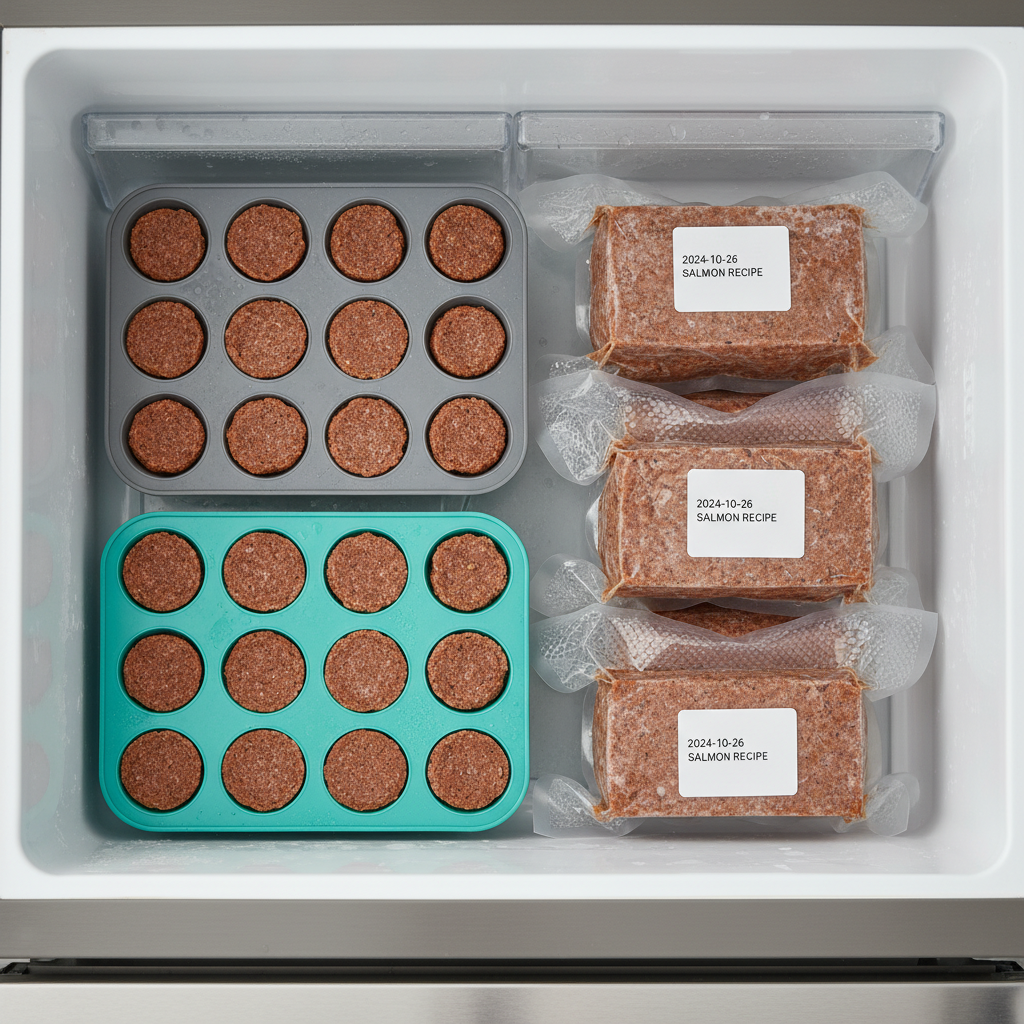
- Portion & Pack: Once completely cool, portion the food into daily or single-meal servings. Freezer-safe zip-top bags, reusable silicone bags, or BPA-free plastic containers work well. Squeeze out as much air as possible to prevent freezer burn.
- Label & Freeze: Clearly label each container or bag with the recipe name and the date it was made. The food will last for 3-4 days in the refrigerator and up to 3 months in the freezer.
Hacker Tip: For perfect, easy-to-thaw portions, use large silicone muffin tins or jumbo ice cube trays. Spoon the food mixture into the molds, freeze until solid, then pop out the frozen pucks and store them in a large freezer bag. You can grab exactly what you need each day. Add the supplement powder after thawing and just before serving to preserve its potency.
Conclusion
Transitioning your Shih Tzu to a homemade diet is the single most impactful step you can take to combat their food allergies. It removes you from the cycle of corporate pet food marketing and places the power of nutrition directly in your hands. You become the gatekeeper of your dog’s health, ensuring every ingredient in their bowl is purposeful, pure, and designed to heal rather than harm. Yes, it requires an investment of your time, but the reward—a happy, healthy, itch-free companion—is immeasurable. Stop treating the symptoms. It’s time to eliminate the cause. Build the bowl, and watch your dog thrive.
Final Medical Disclaimer: The information provided in this article is for educational purposes only and is not a substitute for professional veterinary advice. Always work with a qualified veterinarian or veterinary nutritionist to create a dietary plan that is safe and appropriate for your individual dog’s health needs.