How to Restore Your Dog’s Gut Microbiome After Antibiotics
Antibiotics are a blunt instrument. While essential for fighting off dangerous bacterial infections, they operate with a scorched-earth policy, annihilating both the pathogenic invaders and the beneficial bacteria that form your dog’s critical gut microbiome. This internal ecosystem is the command center for your dog’s health, governing everything from nutrient absorption and immune response to mood and inflammation. When it’s compromised, you’re left with a barren internal landscape vulnerable to chronic issues.
Most conventional advice ends once the last pill is given. As The Canine Nutrition Hacker, I’m here to tell you that this is precisely when the real work begins. Restoring your dog’s gut isn’t about passively hoping for the best; it requires a strategic, multi-phase approach to repopulate, nourish, and fortify their internal defenses. This guide provides the actionable, no-filler protocol to do just that.
MEDICAL DISCLAIMER: This article is for informational purposes only. I am a canine nutrition analyst, not a veterinarian. The information provided is not a substitute for professional veterinary advice, diagnosis, or treatment. Always seek the advice of your veterinarian with any questions you may have regarding your dog’s medical condition, especially after a course of antibiotics.
The Aftermath: Understanding Antibiotic-Induced Gut Disruption
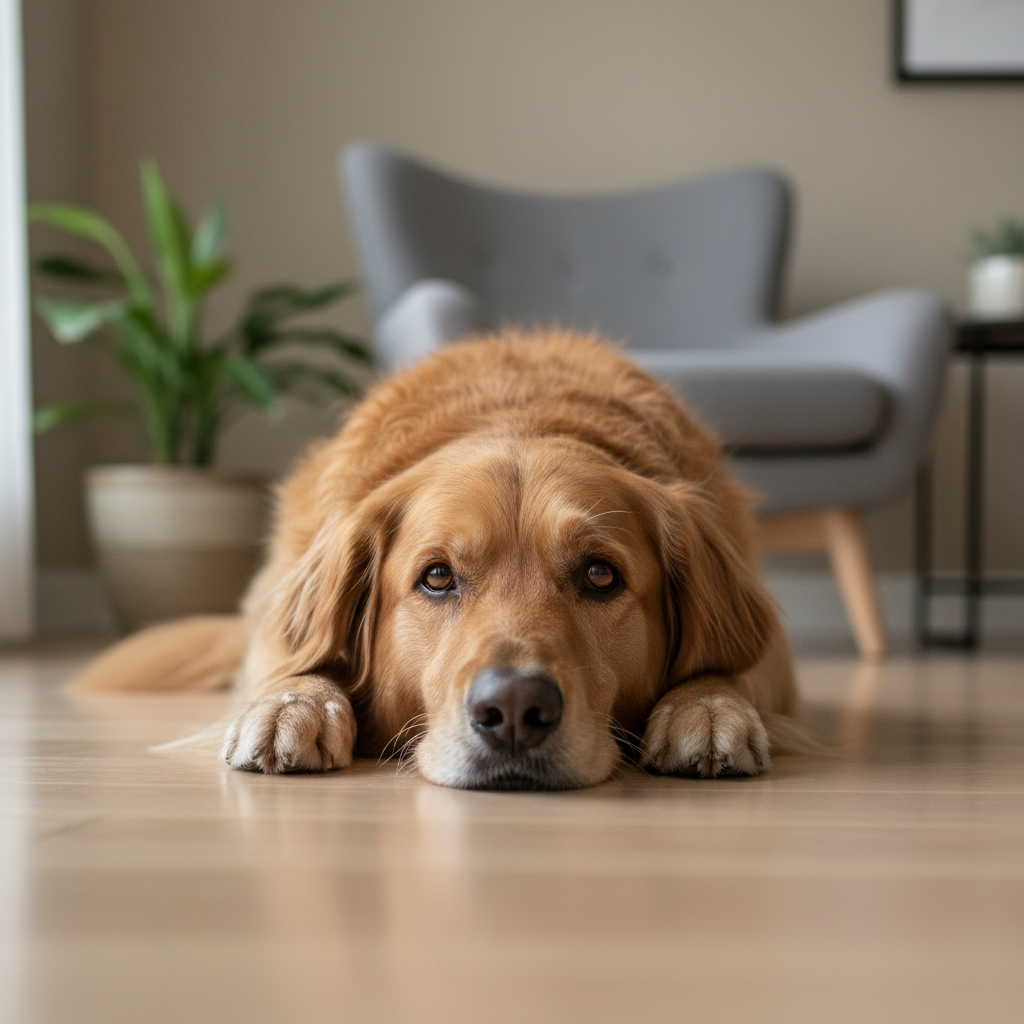
The technical term for the chaos antibiotics wreak on the gut is dysbiosis. In simple terms, the bad guys—like yeast (Candida) and harmful bacteria (Clostridium)—are given an opportunity to stage a hostile takeover of the territory once occupied by beneficial microbes. This isn’t just a minor inconvenience; it’s a fundamental disruption that can manifest in various ways long after the infection is gone.
Common Red Flags of Post-Antibiotic Dysbiosis:
- Digestive Upset: The most immediate sign is often loose stools or diarrhea. You might also notice increased gas, bloating, or stomach gurgling.
- Yeast Overgrowth: With the good bacteria gone, yeast can proliferate unchecked. This often presents as intense paw licking and chewing, chronic ear infections with dark, smelly debris, or red, irritated skin in folds or on the belly.
- Weakened Immunity: Since approximately 70-80% of the immune system resides in the gut, a compromised microbiome can lead to your dog getting sick more often.
- Lethargy and Mood Changes: The gut-brain axis is a powerful connection. A dog with an imbalanced gut may seem more tired, less engaged, or even anxious.
Ignoring these signs is a critical mistake. An imbalanced gut left to its own devices can pave the way for long-term health problems, including food sensitivities, allergies, inflammatory bowel disease (IBD), and other autoimmune conditions. The period immediately following an antibiotic course is a crucial window to intervene and rebuild the foundation of their health from the inside out.
Phase One: The Soothe & Repair Protocol (First 1-2 Weeks)
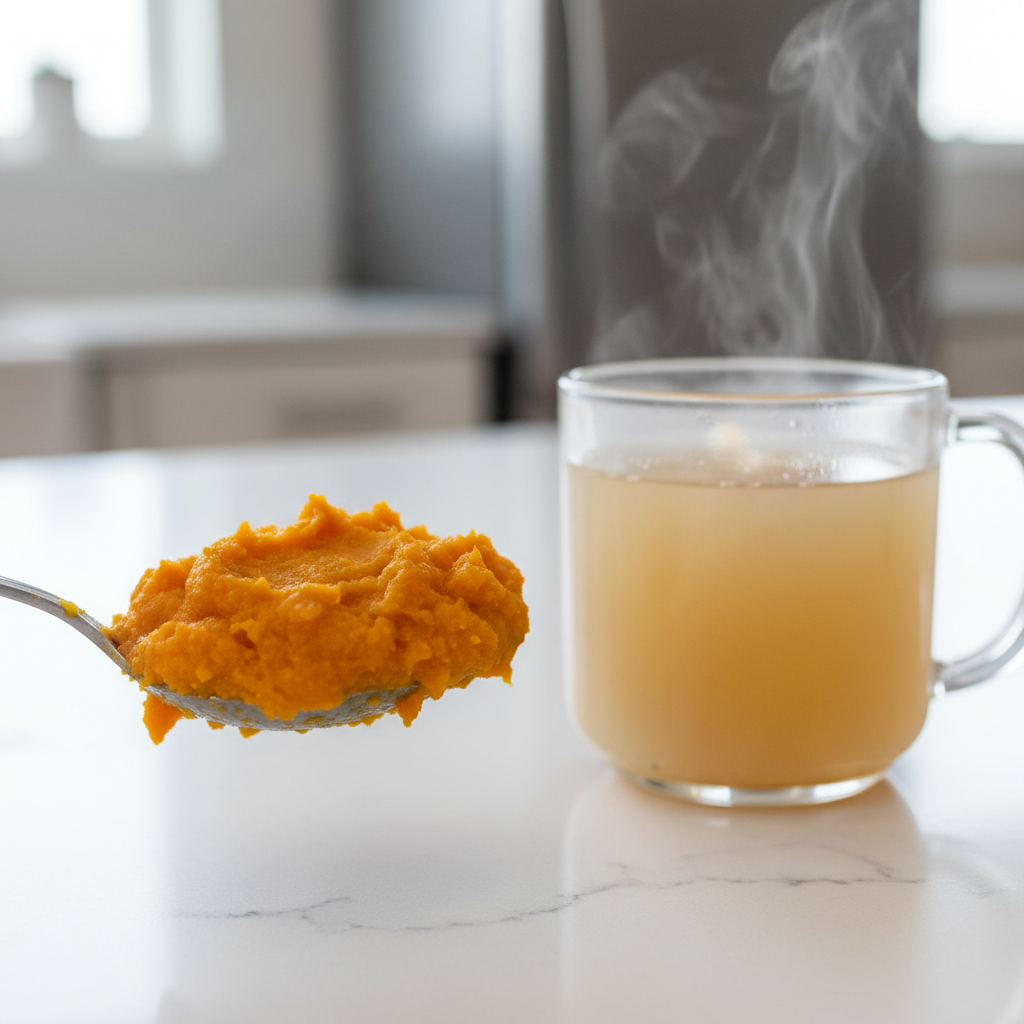
The first step isn’t to bombard the gut with new bacteria; it’s to create a hospitable environment for them to thrive. The gut lining itself is often inflamed and irritated after the antibiotic assault. Our immediate goal is to soothe this irritation and remove anything that could feed the opportunistic bad microbes.
Enemy Ingredients: Your ‘Do Not Feed’ List
During this critical phase, you must be ruthless about what goes into your dog’s bowl. We are starving the bad guys and avoiding anything that adds stress to the digestive system.
- High-Starch Fillers: Ingredients like corn, wheat, and soy are cheap fillers that break down into sugar, which is the preferred fuel for yeast and harmful bacteria. Scrutinize your dog’s food and treat labels.
- Sugars & Simple Carbs: Avoid foods with added sugars like molasses or corn syrup. Even high-glycemic vegetables like potatoes and peas should be minimized during this initial phase.
- Inflammatory Proteins: Common proteins like chicken can be allergenic for some dogs. If your dog has shown any signs of sensitivity, consider a novel or easily digestible protein.
Hero Ingredients: Your Gut-Soothing Arsenal
- Plain, Canned Pumpkin: Ensure it is 100% pure pumpkin, not pie filling. Pumpkin is a powerhouse of soluble fiber, which can help firm up loose stools and provides a gentle food source for emerging beneficial bacteria. A tablespoon or two per meal is a good starting point for a medium-sized dog.
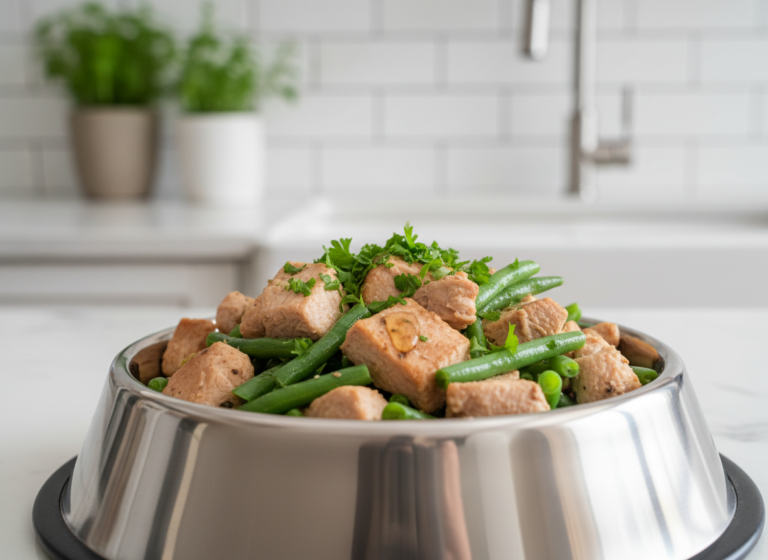
- Bone Broth (Unsalted): A quality bone broth is rich in collagen, gelatin, and amino acids like glycine, which are the literal building blocks for repairing a damaged gut lining (often called ‘leaky gut’). It’s hydrating and highly palatable.
- Slippery Elm or Marshmallow Root: These herbs create a soothing, protective coating over the mucous membranes of the digestive tract, reducing inflammation. They are available as powders and must be used under veterinary guidance for proper dosage.
Hacker Tip: Make your own potent bone broth by simmering bones (like chicken feet or beef marrow bones) with a splash of apple cider vinegar for 24 hours. The vinegar helps extract the minerals. Let it cool, skim the fat, and serve the gelatinous result. Never use onions or garlic.
Phase Two: The Probiotic Offensive (Weeks 2-6)
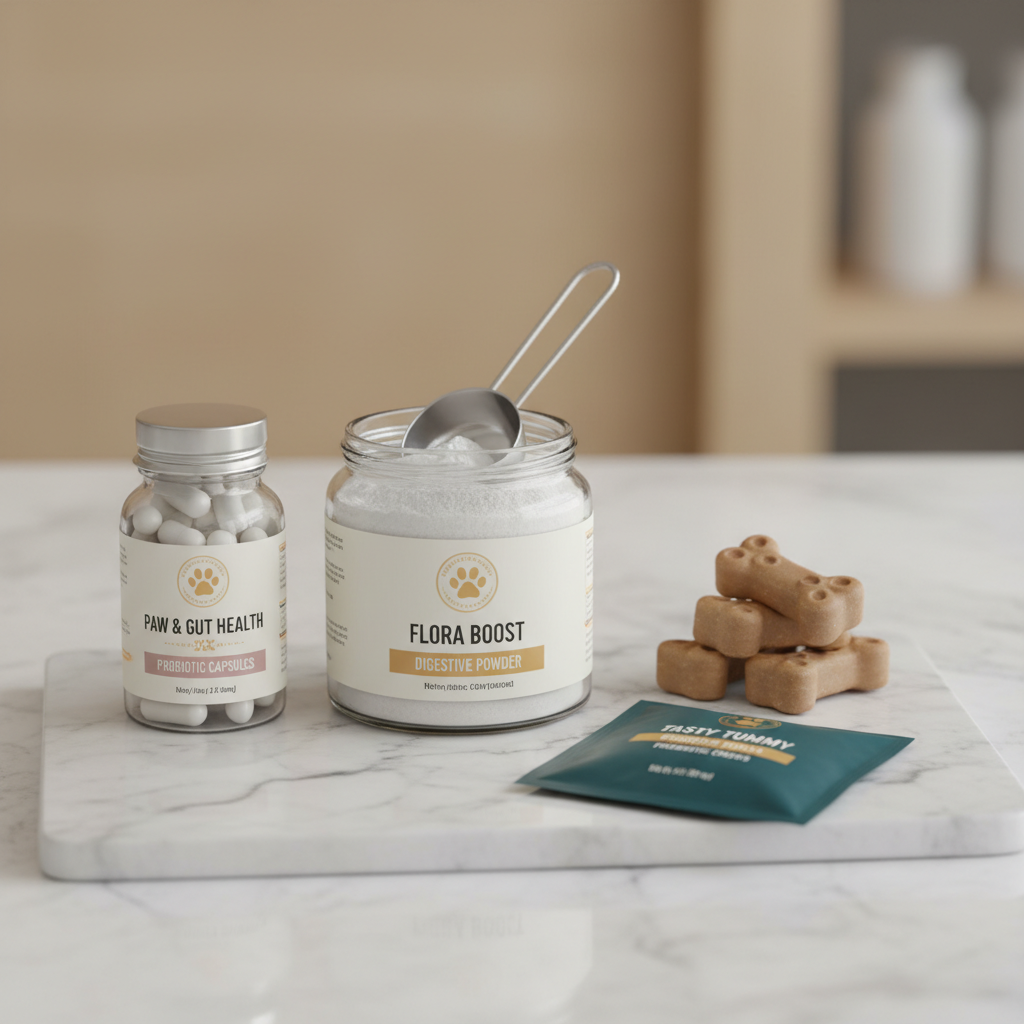
With the gut environment prepped and soothed, it’s time to send in the reinforcements. This is the repopulation phase, where we introduce massive quantities of diverse, beneficial bacteria to reclaim the territory. Simply grabbing any probiotic off the shelf is a waste of money; a forensic approach is required.
Decoding Probiotic Labels: What Really Matters
- CFUs (Colony-Forming Units): This is the measure of viable bacteria. For post-antibiotic recovery, you need a high-potency product. Look for formulas with at least 10-25 billion CFUs per serving for a medium-sized dog. Don’t be fooled by low-CFU ‘maintenance’ products.
- Strain Diversity: A healthy gut contains thousands of different bacterial species. A good probiotic supplement should reflect this diversity. Look for products containing multiple strains from key families like Lactobacillus, Bifidobacterium, and Saccharomyces boulardii (a beneficial yeast that’s particularly effective at fighting pathogenic bacteria and yeast).
- Survivability: The bacteria must survive the acidic environment of the stomach to reach the intestines. Look for brands that mention microencapsulation or other delivery technologies that protect the microbes.
Choosing the right delivery system depends on your dog’s preference and your needs. Here is a breakdown of the options:
| Probiotic Type | Pros | Cons | Hacker’s Verdict |
|---|---|---|---|
| Powders | Easy to dose accurately; can be mixed directly into food. Often have the highest CFU counts. | Can be messy; some dogs may dislike the taste or texture. | The Gold Standard. Offers the best potency and value for serious gut repair. Choose a reputable, vet-formulated brand. |
| Capsules | Taste-neutral; protects bacteria from stomach acid. | Can be difficult to administer to picky dogs. | Excellent for efficacy, but less convenient than powders. You can open them and sprinkle on food if needed. |
| Chews | Highly palatable and easy to give as a ‘treat’. | Often lower in CFUs and may contain added sugars, fillers, or flavorings to make them tasty. | Best for maintenance, not for intensive post-antibiotic repair. Scrutinize the ‘inactive ingredients’ list for fillers. |
| Probiotic Foods (Kefir/Yogurt) | Natural source of beneficial bacteria; can be a healthy food addition. | CFU count is variable and often much lower than supplements. Must be plain and unsweetened. | A great adjunct to a high-potency supplement, but not powerful enough to be the primary tool for post-antibiotic recovery. |
Phase Three: Feeding the New Recruits with Prebiotics
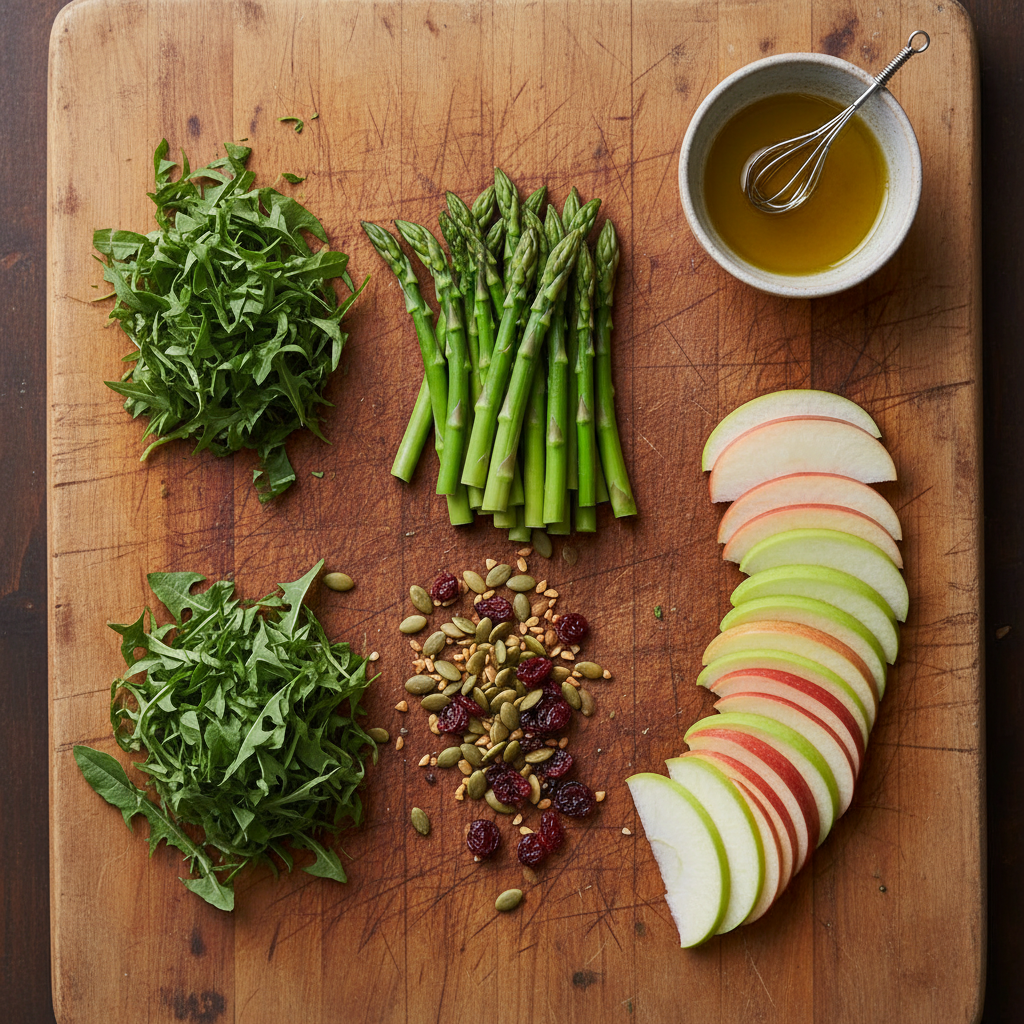
You’ve successfully deployed your probiotic army. Now, you must provide them with the right rations to ensure they establish a permanent colony and thrive. That’s the job of prebiotics. Prebiotics are specific types of indigestible fibers that act as fertilizer for beneficial gut bacteria.
Adding prebiotics ensures that the probiotics you’re investing in have the fuel they need to multiply and outcompete any lingering pathogens. Many high-quality probiotic supplements will already include a prebiotic source, often listed as FOS (fructooligosaccharides) or inulin.
Whole-Food Prebiotic Sources to Add to the Bowl:
- Dandelion Greens: Finely chop and add a small amount to your dog’s food. They are a fantastic source of inulin.
- Asparagus: Steamed and chopped into small, bite-sized pieces, asparagus is another excellent prebiotic source. Introduce it slowly.
- Apple Slices: A few small slices (with core and seeds removed) provide pectin, a beneficial prebiotic fiber.
- Chicory Root: While you won’t feed the root directly, it’s a common and highly effective prebiotic ingredient found in many high-end dog foods and supplements.
Insider Secret: Don’t just plant the seeds (probiotics); you have to fertilize the soil (prebiotics). This synergy is the key to creating a resilient, self-sustaining microbiome that doesn’t require constant intervention. The goal is to rebuild an ecosystem, not just provide temporary support.
This phase also encourages the production of postbiotics. These are the beneficial compounds—like short-chain fatty acids (SCFAs)—that are created when probiotics consume prebiotics. Postbiotics are the ‘end product’ that actually does much of the heavy lifting: they help reduce inflammation, strengthen the gut wall, and provide energy for intestinal cells. By providing prebiotics, you are directly fueling the factory that produces these critical health-promoting substances.
The Long-Term Strategy: Fortifying the Microbiome for Life
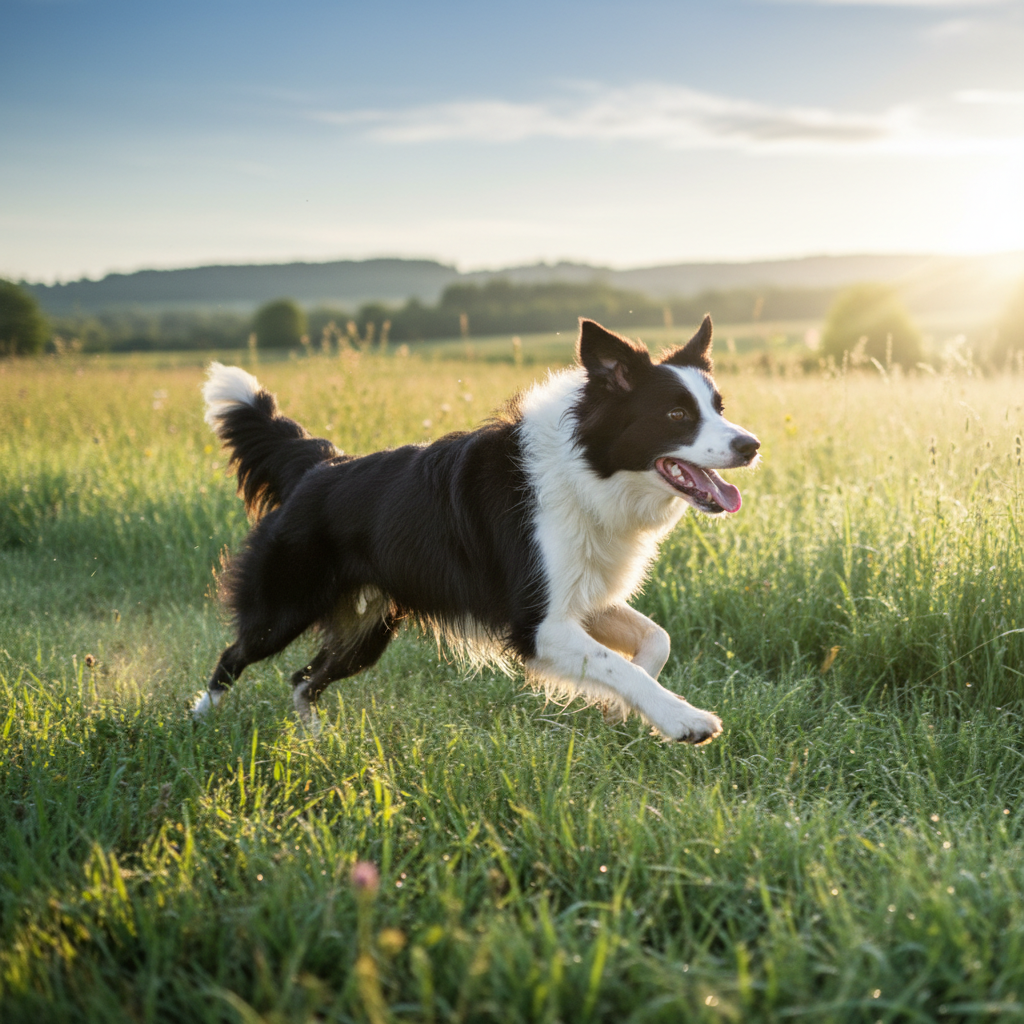
Gut restoration is not a one-time fix; it’s the beginning of a new, more resilient approach to your dog’s nutrition. Once the initial 6-8 week recovery protocol is complete, the focus shifts to long-term maintenance and fortification to prevent future issues.
Building a Resilient Gut Ecosystem:
- Dietary Diversity: Don’t feed the same food with the same protein source year after year. A diverse diet encourages a diverse microbiome. Rotate between different high-quality proteins (e.g., beef, lamb, fish, duck) every few months. This exposes the gut to different nutrients and amino acid profiles, fostering a wider range of beneficial microbes.
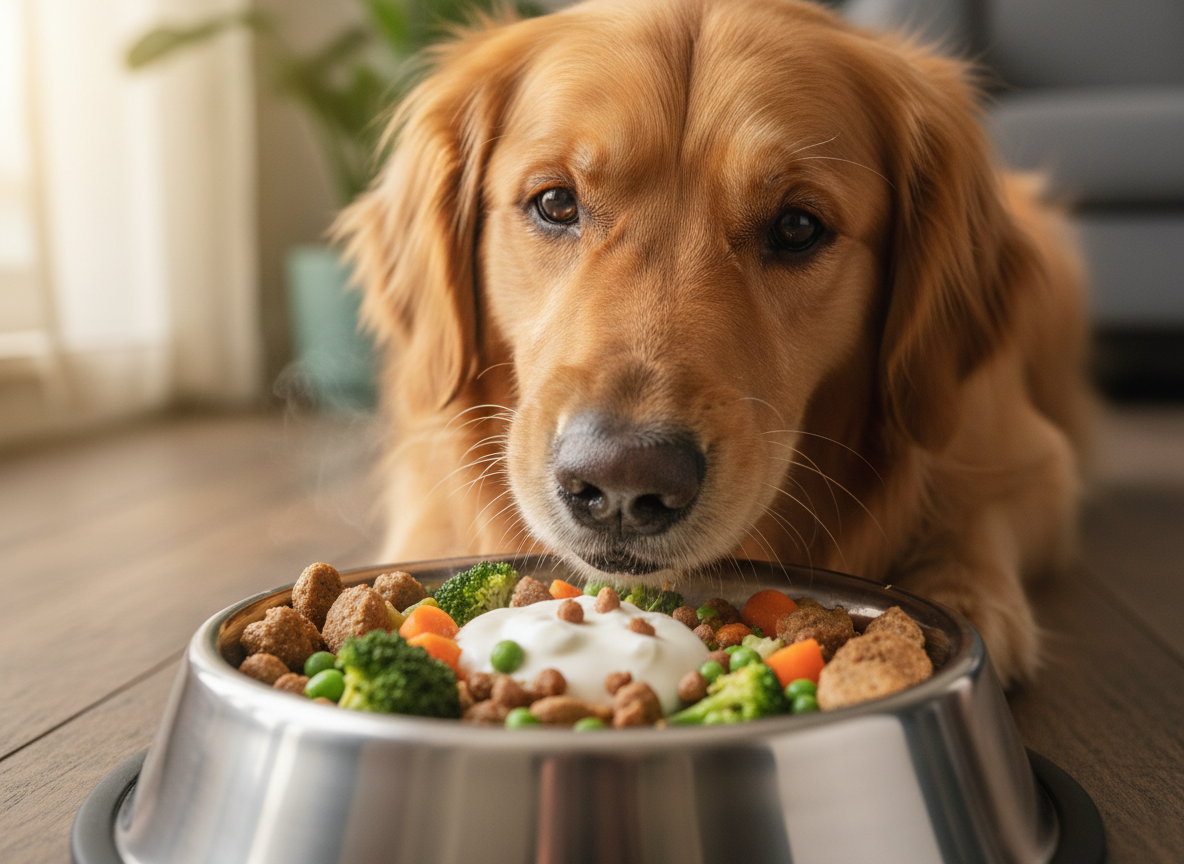
- Incorporate Fermented Foods: Once the gut is stable, you can add small amounts of fermented foods 2-3 times a week. A teaspoon of plain, unsweetened kefir or plain Greek yogurt can provide a continuous, natural source of probiotics.
- Minimize Chemical Exposure: Be mindful of the chemicals your dog is exposed to. Use filtered water to avoid chlorine, which can harm gut bacteria. Opt for natural household cleaners where possible, as harsh chemicals can be ingested when dogs lick their paws or surfaces.
- Support Overall Immune Health: A strong immune system is less likely to require antibiotics in the first place. Ensure your dog’s diet is rich in antioxidants from colorful vegetables (like blueberries and steamed broccoli) and omega-3 fatty acids from sources like fish oil or phytoplankton to keep inflammation in check.
By adopting this hacker’s mindset, you move from a reactive to a proactive state. You are no longer just cleaning up a mess; you are building a fortress. A robust, diverse microbiome is your dog’s best defense against illness, allergies, and digestive issues, ensuring they live a longer, healthier, and more vibrant life.
Conclusion
Rebuilding your dog’s gut microbiome after antibiotics is one of the most powerful actions you can take for their long-term health. It requires a more strategic approach than simply tossing them a probiotic chew. By following this multi-phase protocol—Soothe, Repopulate, Feed, and Fortify—you address the problem at its root. You create a healing environment, deploy high-quality reinforcements, provide them with the necessary fuel, and establish a long-term strategy for resilience. This isn’t just about recovering from a round of medication; it’s about fundamentally upgrading your dog’s internal operating system for a lifetime of optimal health.