How to Sprout Lentils for Dogs: A Kitchen Counter Superfood
Walk down any pet food aisle and you’ll be bombarded with marketing buzzwords: ‘superfood boost,’ ‘ancient grains,’ ‘ancestral diet.’ These products come in fancy packages with premium price tags, promising to fill the nutritional gaps left by standard kibble. But what if I told you the most potent, cost-effective superfood for your dog could be grown on your kitchen counter for pennies a day? It’s time to stop paying for marketing and start investing in real nutrition. We’re talking about sprouted lentils.
This guide isn’t just about adding a ‘healthy extra’ to your dog’s bowl. It’s about hacking their nutrition from the ground up, unlocking a powerhouse of bioavailable vitamins, minerals, and enzymes that high-heat processing has destroyed in their regular food. We will dissect the science, break down the costs, and give you a foolproof protocol to turn a dormant pantry staple into a living, digestive dynamo for your canine companion.
SAFETY DISCLAIMER: I am not a veterinarian. The information in this article is for educational purposes based on extensive research and personal experience. Sprouted lentils should be considered a supplemental food, not a complete meal. Always introduce any new food to your dog’s diet slowly and in moderation. Consult with a qualified veterinarian or canine nutritionist before making significant changes to your dog’s diet, especially if they have pre-existing health conditions.
Why Your Kibble is Crying Out for Help: The Sprouted Lentil Intervention
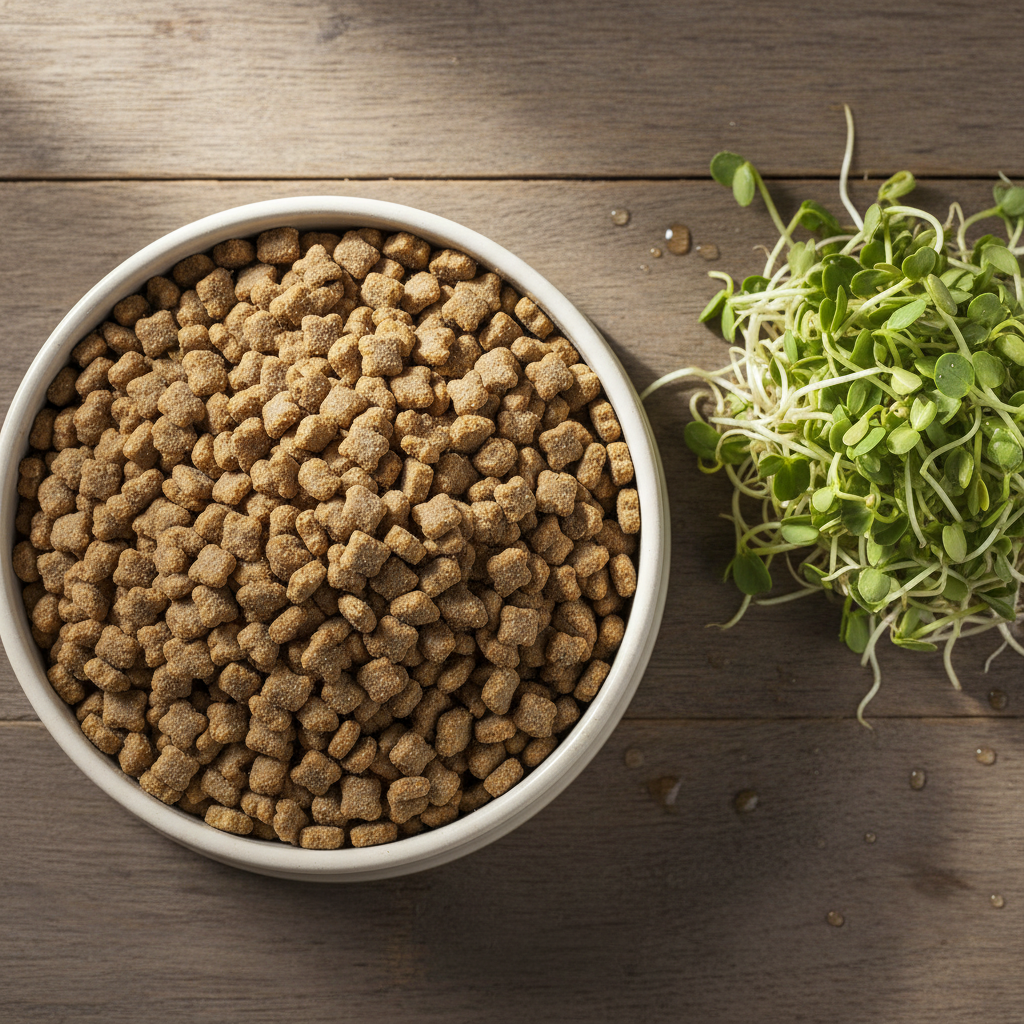
The foundation of most canine diets is a bag of dry kibble. It’s convenient, shelf-stable, and formulated to meet basic AAFCO standards. However, the convenience comes at a nutritional cost. The process used to create kibble, called extrusion, involves extremely high temperatures. This intense heat cooks the ingredients, but it also decimates delicate nutrients like vitamins and living enzymes crucial for digestion.
Food manufacturers then spray a coating of synthetic vitamins and minerals back onto the kibble to meet the required nutritional profiles. The problem? These synthetic nutrients are often less bioavailable than their whole-food counterparts, meaning your dog’s body may struggle to absorb and utilize them effectively. This is where we, as nutrition hackers, can intervene.
The Truth About Bioavailability
Bioavailability is the key concept the pet food industry doesn’t want you to focus on. It’s not about the nutrients listed on the bag; it’s about the percentage of those nutrients that your dog’s body can actually absorb and put to work. A food can be technically ‘complete and balanced’ on paper but be difficult for a dog to digest, leading to wasted nutrients and a greater strain on their system.
Sprouted lentils are the ultimate bioavailability hack. The very act of germination transforms a hard-to-digest legume into a pre-digested, living food. The seed’s own enzymes break down complex starches into simple sugars and proteins into amino acids, essentially doing the first stage of digestive work before your dog even takes a bite. This means less work for their digestive system and maximum nutrient absorption from their entire meal.
From Dormant Seed to Digestive Dynamo: The Science of Sprouting
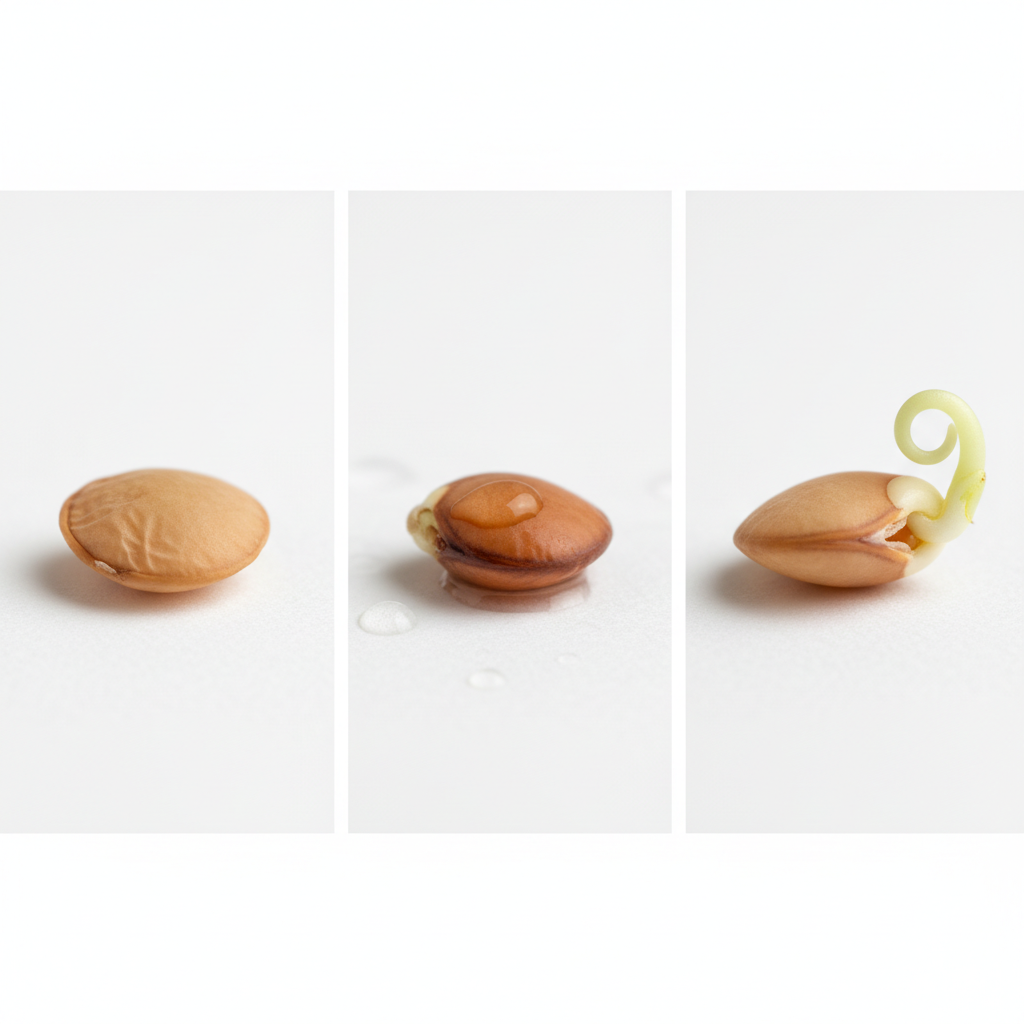
A dry lentil is a seed in a state of suspended animation. It contains all the genetic material and stored energy needed to grow into a full plant, but it’s locked away and protected by ‘anti-nutrients.’ These compounds, such as phytic acid and enzyme inhibitors, are nature’s defense mechanism to prevent the seed from sprouting until conditions are right. Unfortunately, these same compounds can make raw legumes difficult for dogs to digest and can even block the absorption of essential minerals like iron, zinc, and calcium.
The Magic of Germination
When you soak a lentil, you signal that it’s time to wake up and grow. This triggers a cascade of biochemical reactions:
- Enzyme Activation: Dormant enzymes flood the seed, beginning to break down stored nutrients. Amylase breaks down carbohydrates, while protease breaks down proteins. These are the same types of enzymes your dog’s pancreas produces for digestion.
- Anti-Nutrient Neutralization: The sprouting process dramatically reduces levels of phytic acid and other inhibitors. This ‘unlocks’ the minerals in the lentil, making them available for your dog’s body to absorb.
- Nutrient Synthesis: The developing plant begins to synthesize new vitamins. Vitamin C content, which is non-existent in dry lentils, explodes during sprouting. Levels of B vitamins, particularly folate (B9) and B6, also increase significantly.
Insider Secret: One of the biggest concerns with legumes is their lectin content. Lectins are sticky proteins that can interfere with nutrient absorption and contribute to digestive upset. The germination process deactivates a significant portion of these lectins, making sprouted lentils far safer and more digestible for your dog than cooked, unsprouted lentils.
The Canine Nutrition Hacker’s Cost Breakdown: DIY Sprouts vs. Retail ‘Superfood’ Powders
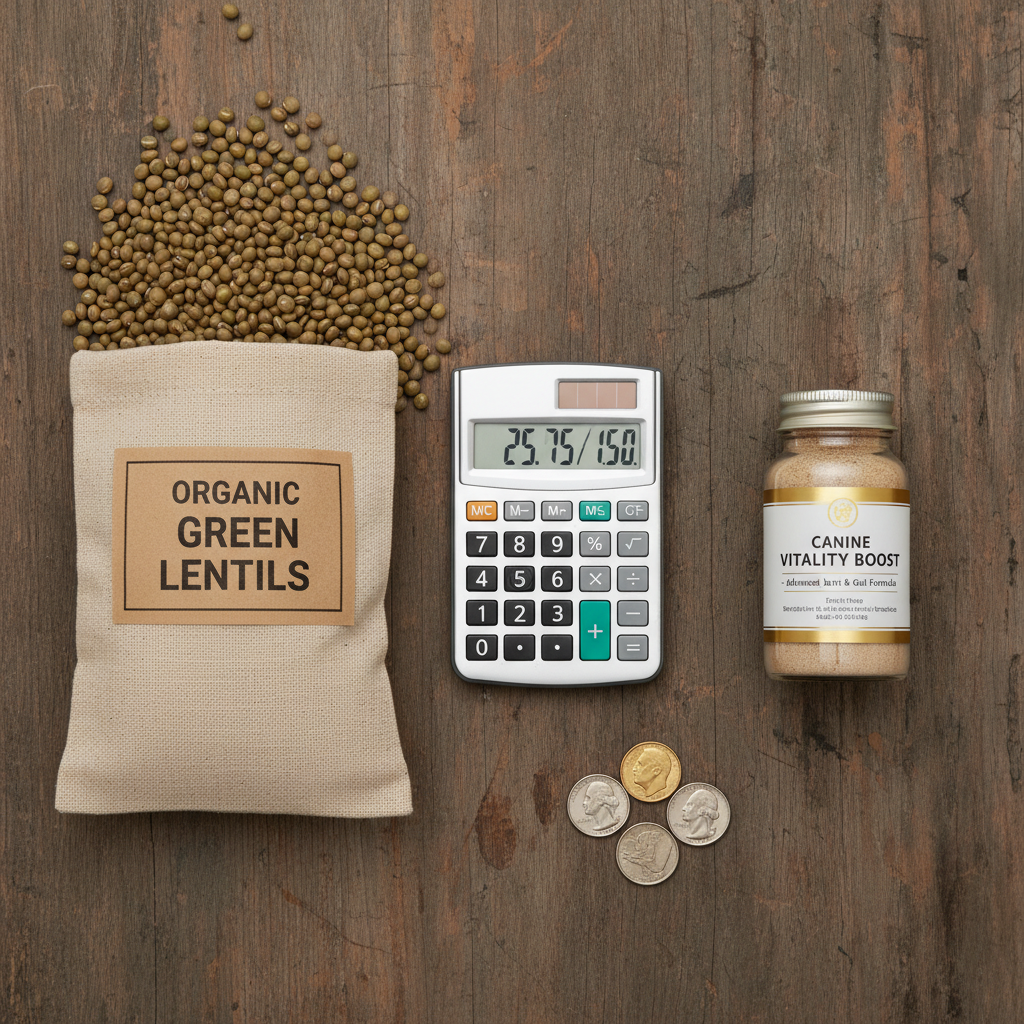
The ‘pet wellness’ market is a billion-dollar industry built on convincing you that you need expensive powders and potions to keep your dog healthy. Let’s run the numbers and expose the truth. We’ll compare the cost of making your own organic sprouted lentils to buying a popular commercial ‘superfood’ meal topper for a 50lb dog.
Assumptions: A 50lb dog receives approximately 1 tablespoon (about 15g) of sprouted lentils or the recommended serving of a commercial topper per day.
| Item | Typical Cost | Cost Per Gram | Monthly Cost (50lb Dog) | Nutritional Verdict |
|---|---|---|---|---|
| DIY Organic Sprouted Lentils | $4.00 for a 1lb (454g) bag of dry lentils | $0.008/gram | ~$3.60 | Living food, high in enzymes, bioavailable vitamins (C, B-complex), minerals, and fiber. No additives or preservatives. |
| Commercial ‘Green Superfood’ Powder | $35.00 for an 8oz (227g) container | $0.154/gram | ~$21.00 (at a 4.5g daily serving) | Powdered, processed ingredients. Nutrient value depends on sourcing and processing. Often contains fillers and flavoring agents. Lacks living enzymes. |
| Premium Freeze-Dried Meal Topper (e.g., Beef Liver) | $20.00 for a 4oz (113g) bag | $0.177/gram | ~$26.50 (at a 5g daily serving) | Excellent single-ingredient topper, but nutritionally different. Provides protein and specific vitamins (like Vitamin A) but lacks the unique enzymatic and fibrous benefits of sprouts. |
The analysis is stark. By investing about 10 minutes of active time per week, you can provide a fresh, living superfood for a fraction of the price of a processed powder. The monthly savings of over $17 compared to the green powder can be reallocated to higher-quality base food or other aspects of your dog’s care. This is the essence of being a Canine Nutrition Hacker: achieving superior results for a lower cost through knowledge and effort.
The Foolproof Sprouting Protocol: From Countertop to Dog Bowl in 3 Days
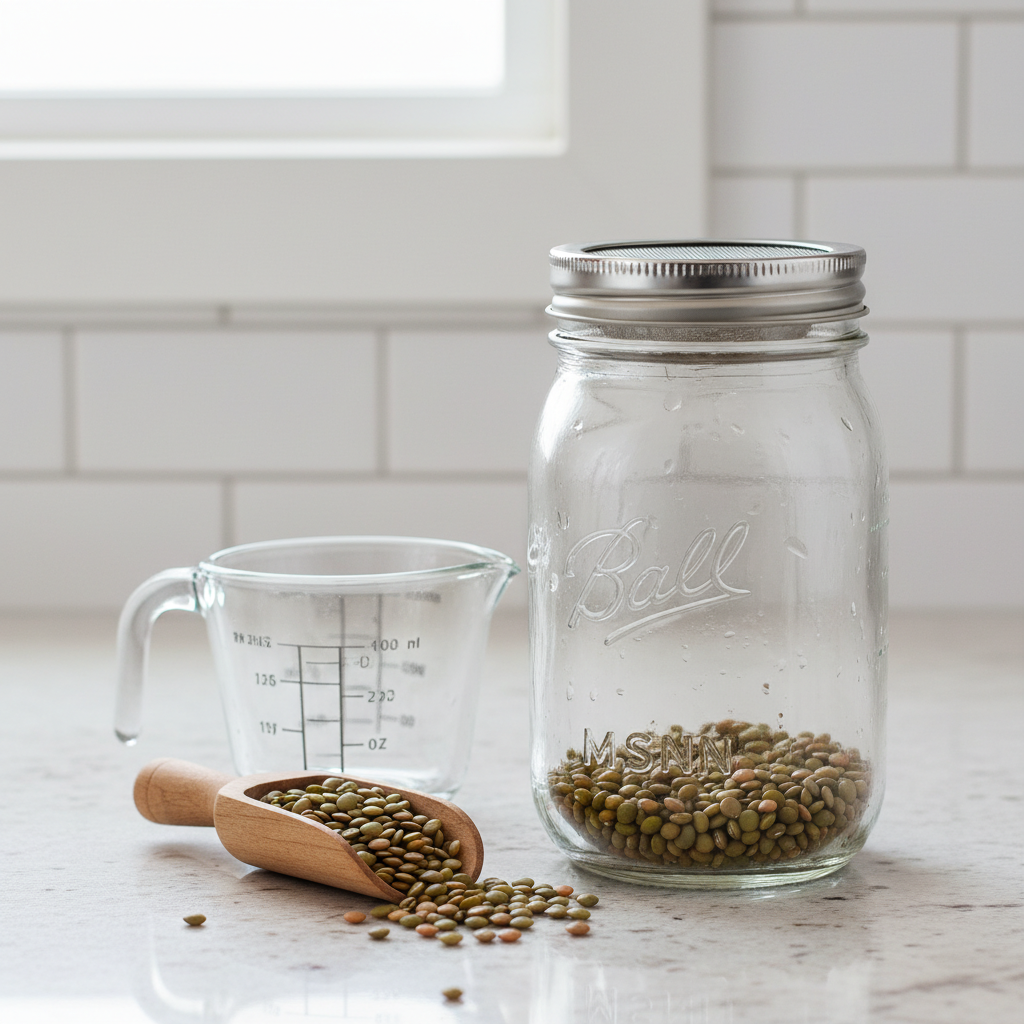
This process is incredibly simple and requires no special equipment beyond a glass jar and a mesh lid. You can buy sprouting lids online, or simply use a piece of cheesecloth secured with a rubber band.
What You’ll Need:
- A wide-mouth quart-sized glass jar (e.g., a Mason jar)
- A sprouting lid or cheesecloth and a rubber band
- Organic whole green or brown lentils (Do not use split lentils, as they will not sprout)
- Cool, filtered water
Step-by-Step Instructions:
- The Initial Rinse: Place 3-4 tablespoons of dry lentils into your jar. Cover with water, swirl, and drain to remove any dust or debris.
- The Overnight Soak: After the initial rinse, fill the jar about three-quarters full with cool, filtered water. The lentils will expand, so give them plenty of room. Let them soak on your counter for 8-12 hours, or overnight.
- The Drain: After soaking, drain all the water out of the jar through your mesh lid. It’s crucial that the lentils are damp, not sitting in a pool of water, which can lead to mold. Give them one final rinse with fresh water and drain thoroughly again.
- The Rinse Cycle: Place the jar upside down at an angle in a bowl to allow for continued drainage and air circulation. Twice a day (morning and evening), rinse the lentils thoroughly with cool water and drain them completely before returning the jar to its angled position.
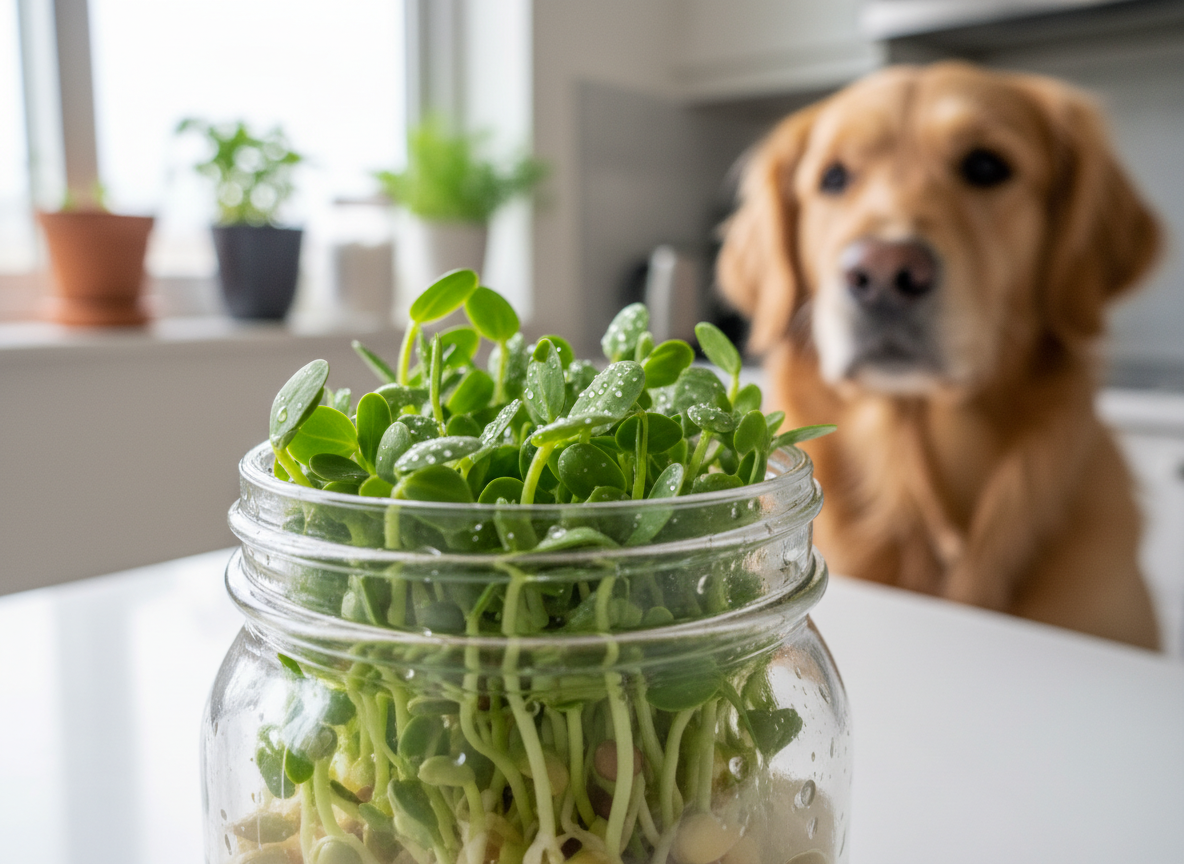
- Harvest Time: After 2-4 days, you will see small ‘tails’ emerging from the lentils. They are ready to eat when the tail is about the same length as the lentil itself. They should smell fresh and earthy. If they ever smell sour or look slimy, discard them and start over.
Serving and Dosage:
Once harvested, give the sprouts a final rinse before serving. Introduce them slowly. For a starting point, use the following guide and mix thoroughly with their regular food:
- Small dogs (under 20 lbs): Start with 1 teaspoon per day.
- Medium dogs (20-50 lbs): Start with 1 tablespoon per day.
- Large dogs (over 50 lbs): Start with 1-2 tablespoons per day.
Important: These are a source of fiber. Too much too soon can cause gas or loose stools. Monitor your dog and adjust the amount as needed. These are a supplement, not a meal replacement.
Mastering Storage and Integration: The Batch-Prepping Secret
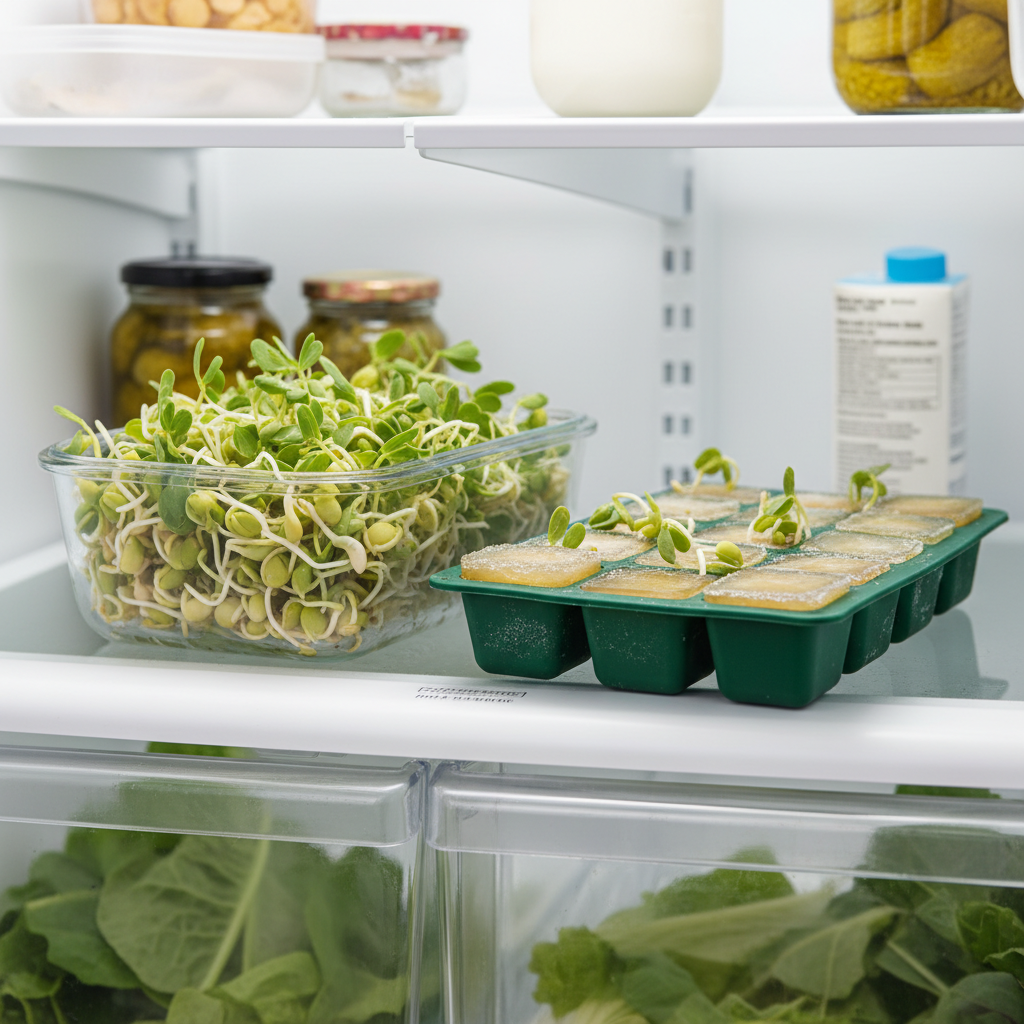
Your first successful batch of sprouts is ready. Now, the key is to maintain freshness and make them a seamless part of your daily routine. Proper storage is critical to prevent spoilage and retain maximum nutritional value.
Fridge Storage Protocol
Once your sprouts have reached the desired length, give them one final, thorough rinse. The next step is crucial: they must be as dry as possible before refrigeration. You can gently pat them dry with a clean kitchen towel or use a salad spinner on a low setting. Excess moisture is the enemy and will lead to sogginess and mold.
Transfer the dry sprouts to an airtight glass container lined with a paper towel. The paper towel will absorb any residual moisture. Store them in the refrigerator, where they will stay fresh for up to 5-7 days. The cold temperature will significantly slow their growth and keep them crisp.
Hacker Tip: Don’t throw away the water from your final rinse! This ‘sprout tea’ is packed with nutrients and enzymes. Use it to water your houseplants for a fantastic, free fertilizer boost.
Batch-Prepping and Freezing
To ensure you always have sprouts on hand, get into a rhythm. When you move one batch to the fridge, start a new batch soaking on the counter. A rotating system of two jars will provide a continuous supply.
For longer-term storage, sprouts freeze surprisingly well. Portion them into an ice cube tray, top with a little water or sodium-free bone broth, and freeze. These ‘sprout cubes’ can be popped out and thawed as needed, or even given to your dog as a crunchy, refreshing treat on a hot day. This is an excellent way to preserve a large batch if you’re going on vacation.
Creative Serving Ideas
- The Classic Mix-In: The easiest method is to simply mix the fresh sprouts directly into their kibble or raw meal.
- The Lick Mat Paste: For a great enrichment activity, blend the sprouts with a little plain yogurt or pumpkin puree and spread it on a lick mat.
- The Homemade Treat Booster: Finely chop the sprouts and add them to your favorite homemade dog treat recipe to boost the fiber and vitamin content.
Conclusion
You now possess the knowledge to bypass the expensive marketing of the commercial pet food industry and provide your dog with a superior nutritional supplement for pennies. Sprouting lentils is more than just a DIY project; it’s a fundamental shift in how you approach your dog’s health. It’s about adding living, vibrant, enzyme-rich food back into a diet that is often overly processed and sterile.
By taking a few minutes each day, you are taking active control of your dog’s nutrition, ensuring they absorb more from their food, support their digestive health, and receive a spectrum of vitamins that are often degraded in commercial kibble. This is the core philosophy of the Canine Nutrition Hacker: maximum impact, minimum cost, and total transparency. Stop buying the hype in the bag and start growing real health on your countertop.
Remember to start slow, observe your dog’s response, and always consult your veterinarian with any questions or concerns about your dog’s specific dietary needs. Welcome to the next level of canine nutrition.