Is Sunflower Butter Safe for Dogs? A Peanut Butter Alternative
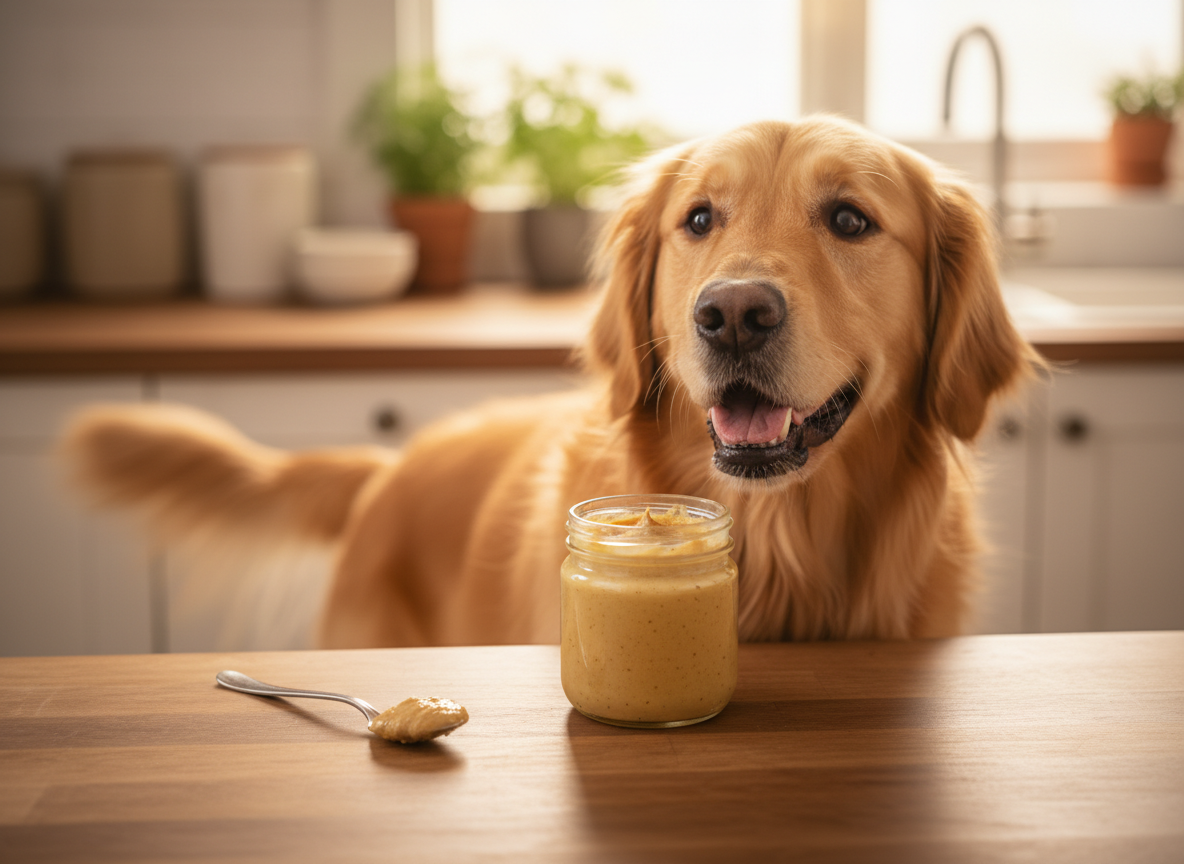
In the world of dog treats, peanut butter has long reigned supreme. It’s the go-to for stuffing toys, disguising medication, and rewarding a good sit. But a dark side has emerged. The rising prevalence of xylitol—a sugar substitute lethal to dogs—in many popular peanut butter brands has turned a simple treat into a potential game of Russian roulette. Add to that the possibility of peanut allergies in our canine companions, and it’s clear why savvy owners are searching for a safer alternative.
Enter sunflower butter. Made from roasted sunflower seeds, it presents itself as a nut-free, potentially safer option. But is it? As The Canine Nutrition Hacker, I don’t take marketing claims at face value. We’re going to put sunflower butter under the microscope, dissecting its nutritional profile, exposing its hidden risks, and providing you with an ironclad protocol for determining if it deserves a place in your dog’s diet. Forget the fluff; this is the authoritative guide to sunflower butter safety you’ve been looking for.
The Nutritional Autopsy: What’s Really Inside Sunflower Butter?
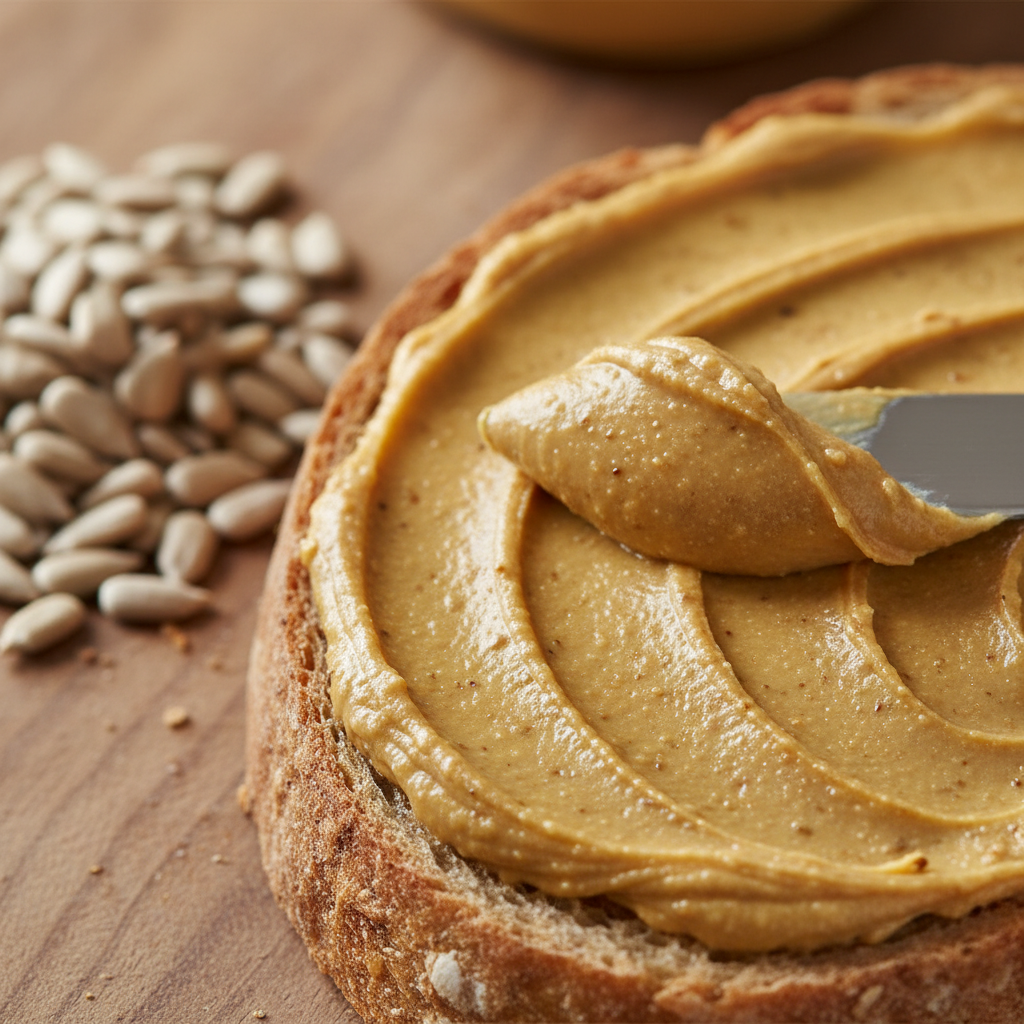
Before we can declare sunflower butter safe, we must analyze its core components. At its best, sunflower butter contains one ingredient: roasted sunflower seeds. This simple formula is where the benefits lie. Sunflower seeds are a powerhouse of certain nutrients that can be beneficial for your dog in moderation.
Hero Ingredients: The Good Stuff
- Vitamin E: This is a fat-soluble antioxidant that is crucial for a dog’s immune system, muscles, heart, and liver. It also plays a vital role in skin and coat health, helping to maintain a lustrous shine.
- Healthy Fats: Sunflower seeds are rich in polyunsaturated fats, particularly linoleic acid (an omega-6 fatty acid). Omega-6 is an essential fatty acid for dogs, meaning they must get it from their diet. It’s critical for normal growth, immune function, and maintaining the skin’s barrier.
- Magnesium: This mineral is involved in hundreds of biochemical reactions in the body, from energy production to muscle function and nerve signaling.
Enemy Ingredients: The Potential Dangers
The problem arises when manufacturers start adding other ingredients to improve taste, texture, and shelf life for human consumers. These additions are where the real danger for dogs hides.
- Fats (in excess): While some fats are good, sunflower butter is extremely high in fat. A sudden high-fat meal can be a major trigger for pancreatitis, a painful and potentially fatal inflammation of the pancreas. This is not a low-calorie health food.
- Sugar: Added sugars, whether cane sugar, corn syrup, or molasses, are unnecessary calories that contribute to weight gain, dental problems, and can disrupt a dog’s metabolic balance. A dog’s palate doesn’t need added sweeteners.
- Salt (Sodium): Many brands add salt for flavor. While dogs need a certain amount of sodium, excess salt can lead to increased thirst, urination, and in severe cases, sodium ion poisoning. Dogs with heart or kidney conditions are especially vulnerable.
- Xylitol: THIS IS THE MOST CRITICAL DANGER. This sugar substitute is becoming increasingly common in ‘sugar-free’ or ‘low-sugar’ products, including some nut and seed butters. It is extremely toxic to dogs and will be discussed in its own dedicated section.
Insider Secret: The ingredient list is your only source of truth. Ignore the claims on the front of the jar like ‘Natural’ or ‘Simple’. Turn it over and read the list. If it’s longer than one or two ingredients (sunflower seeds, maybe a touch of salt), it requires extreme scrutiny.
Red Alert: The Xylitol Landmine in Spreads
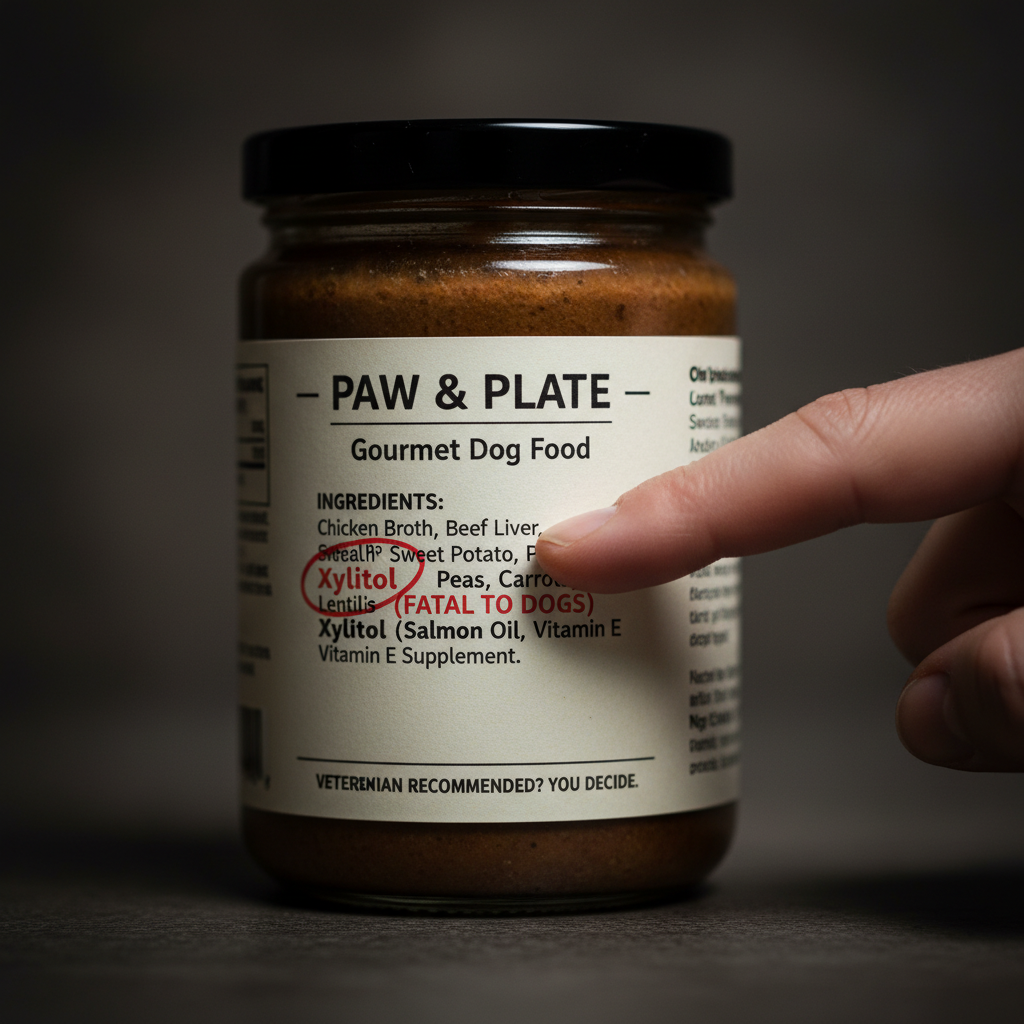
We must dedicate an entire section to this lethal ingredient because the threat cannot be overstated. Xylitol is a sugar alcohol used as a sugar substitute in countless products, from chewing gum and toothpaste to baked goods and, yes, some nut and seed butters. While perfectly safe for humans, it is a potent poison for dogs.
Why is Xylitol So Dangerous?
In the canine body, xylitol is absorbed into the bloodstream with lightning speed. The dog’s pancreas mistakes it for real sugar and releases a massive, catastrophic amount of insulin. This insulin surge causes the dog’s blood sugar (glucose) to plummet to life-threateningly low levels, a condition called hypoglycemia. This can happen within 10 to 60 minutes of ingestion.
Symptoms of xylitol poisoning include:
- Sudden vomiting
- Weakness or lethargy
- Staggering or difficulty walking (ataxia)
- Collapse
- Seizures
If that weren’t enough, higher doses of xylitol can lead to acute liver necrosis, causing the liver to fail. This is often fatal. The amount of xylitol needed to cause poisoning is shockingly small. A single serving of a product containing xylitol could be enough to kill a small dog.
Hacker Tip: Xylitol can also be listed on ingredient labels as ‘Birch Sugar’. Memorize both names. Furthermore, do not trust a brand just because you’ve bought it before. Manufacturers change their formulas without warning. You must verify the ingredients on the physical jar in your hand every single time you purchase it. There are no shortcuts to this safety check.
The Safe Selection Protocol: Your Checklist for a Dog-Friendly Brand
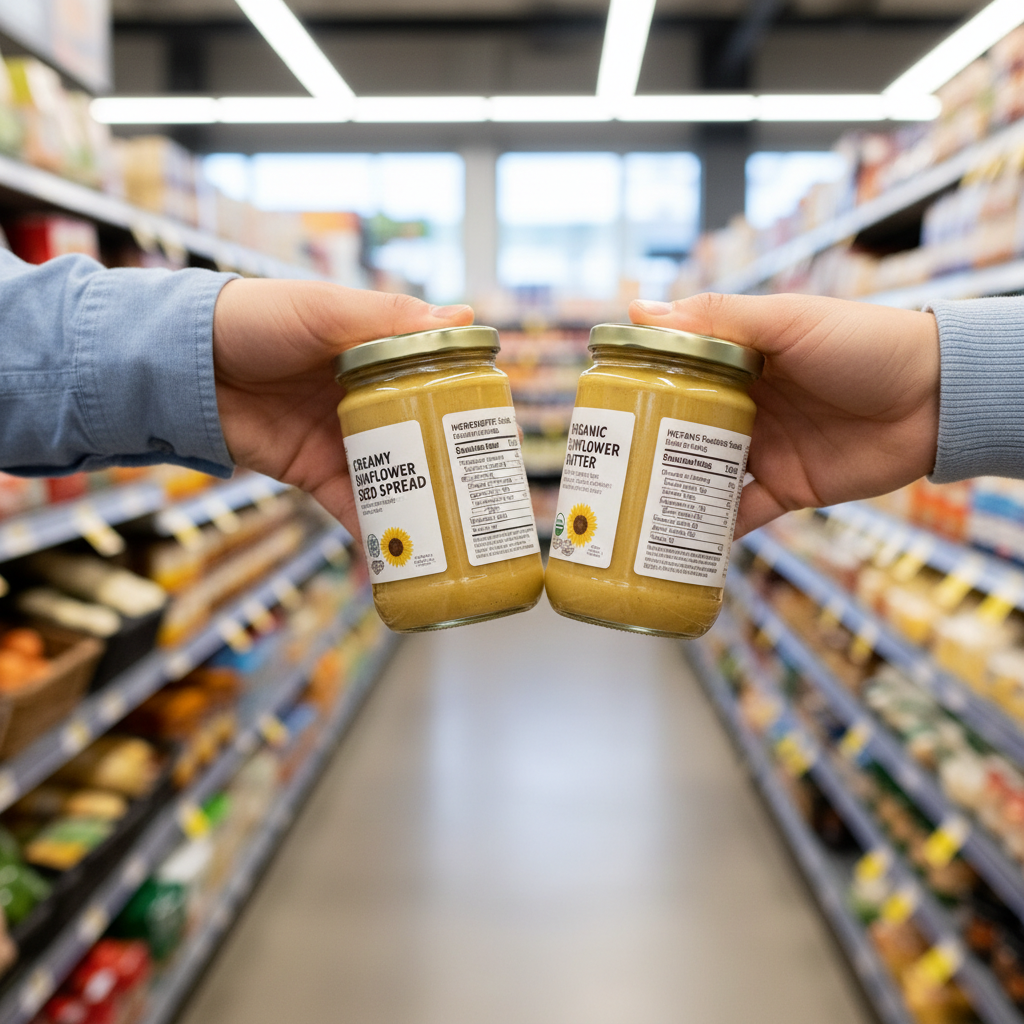
Now that you understand the risks, you can arm yourself with the knowledge to navigate the grocery store aisle. Follow this protocol without deviation to ensure you select a brand that is safe for your dog.
The Non-Negotiable Checklist
- Rule #1: Confirm ZERO Xylitol. This is the first and most important check. Read the entire ingredient list. If you see ‘xylitol’ or ‘birch sugar’, put the jar back immediately. It is poison.
- Rule #2: Choose Unsweetened. Look for the words ‘unsweetened’ or ‘no sugar added’. Scan the ingredients for any form of sugar (cane sugar, molasses, corn syrup, etc.). Your dog does not need it.
- Rule #3: Find Low Sodium or No Salt Added. The ideal choice has no added salt. If that’s not available, compare the sodium content on the nutritional panels of different brands and choose the absolute lowest one.
- Rule #4: Demand Minimal Ingredients. The perfect sunflower butter for your dog has one ingredient: roasted sunflower seeds. Anything else is a potential red flag.
- Rule #5: Avoid Added Oils. Steer clear of products with added oils, especially ‘hydrogenated oils’ or ‘palm oil’. These are unnecessary fats that add calories and can be inflammatory.
To illustrate, let’s compare a safe product versus a typical, unsafe product you might find on the shelf.
| Feature | Safe Choice Example | Unsafe Choice Example | The Hacker’s Verdict |
|---|---|---|---|
| Ingredients | Roasted Sunflower Seeds. | Roasted Sunflower Seeds, Cane Sugar, Palm Oil, Salt, Xylitol. | Winner: Safe Choice. The single-ingredient list is pure and predictable. The unsafe choice is a minefield of fat, sugar, salt, and poison. |
| Xylitol Status | None. | Contains Xylitol. | Winner: Safe Choice. This is the most critical differentiator. The presence of xylitol makes the unsafe choice absolutely forbidden. |
| Sugar Content | ~1g per serving (natural) | ~3-5g per serving (added) | Winner: Safe Choice. No added sugars means no unnecessary calories or metabolic stress. |
| Sodium Content | 0mg | ~100mg per serving | Winner: Safe Choice. Unnecessary salt can be harmful, especially for dogs with health issues. |
Portion Control: The Fine Line Between Treat and Trouble
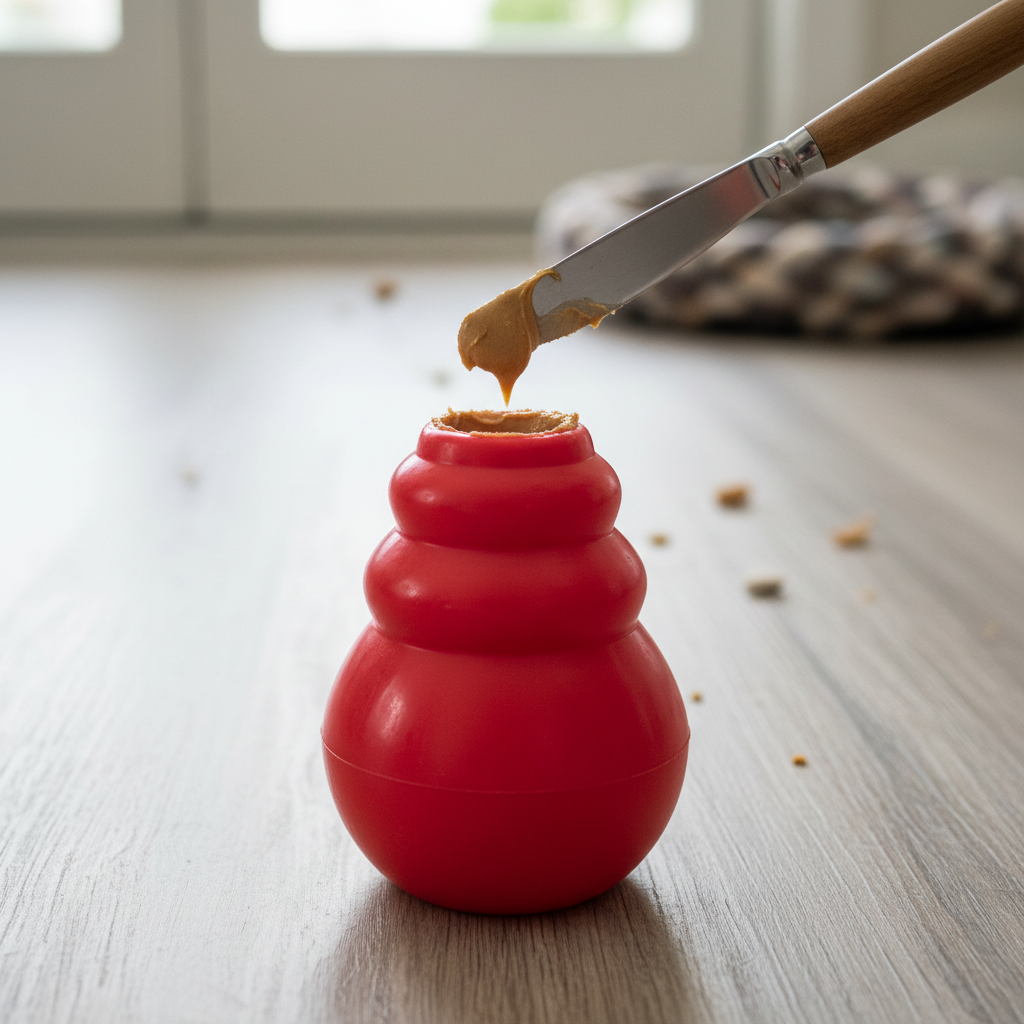
Even after you’ve selected a 100% safe, single-ingredient sunflower butter, your job isn’t done. Due to its high fat and calorie density, portion control is not just a suggestion—it’s a critical safety rule.
The cardinal rule of dog treats is that they should not constitute more than 10% of your dog’s total daily caloric intake. Sunflower butter is so calorie-dense that it’s easy to exceed this limit without realizing it.
Serving Size Guidelines
These are general guidelines. If your dog is overweight, inactive, or has a history of pancreatitis, you should be even more conservative and consult your vet.
- Small Dogs (under 20 lbs): No more than 1/2 teaspoon per day.
- Medium Dogs (20-60 lbs): No more than 1 teaspoon per day.
- Large Dogs (over 60 lbs): No more than 1 tablespoon per day.
Remember, these are maximums for an occasional treat, not a daily entitlement. Overfeeding high-fat foods is a direct path to obesity and can provoke a bout of pancreatitis, which is an excruciatingly painful and expensive veterinary emergency.
Insider Secret: The best way to use sunflower butter is as a high-value tool, not a meal supplement. Use a tiny smear on the end of a spoon for a training reward, or a small dab to coat a pill to make medicine time easier. A little goes a long way. Freezing a small amount inside a durable chew toy can provide minutes of mental stimulation with a safe, controlled portion.
The Final Showdown: Sunflower Butter vs. Peanut Butter
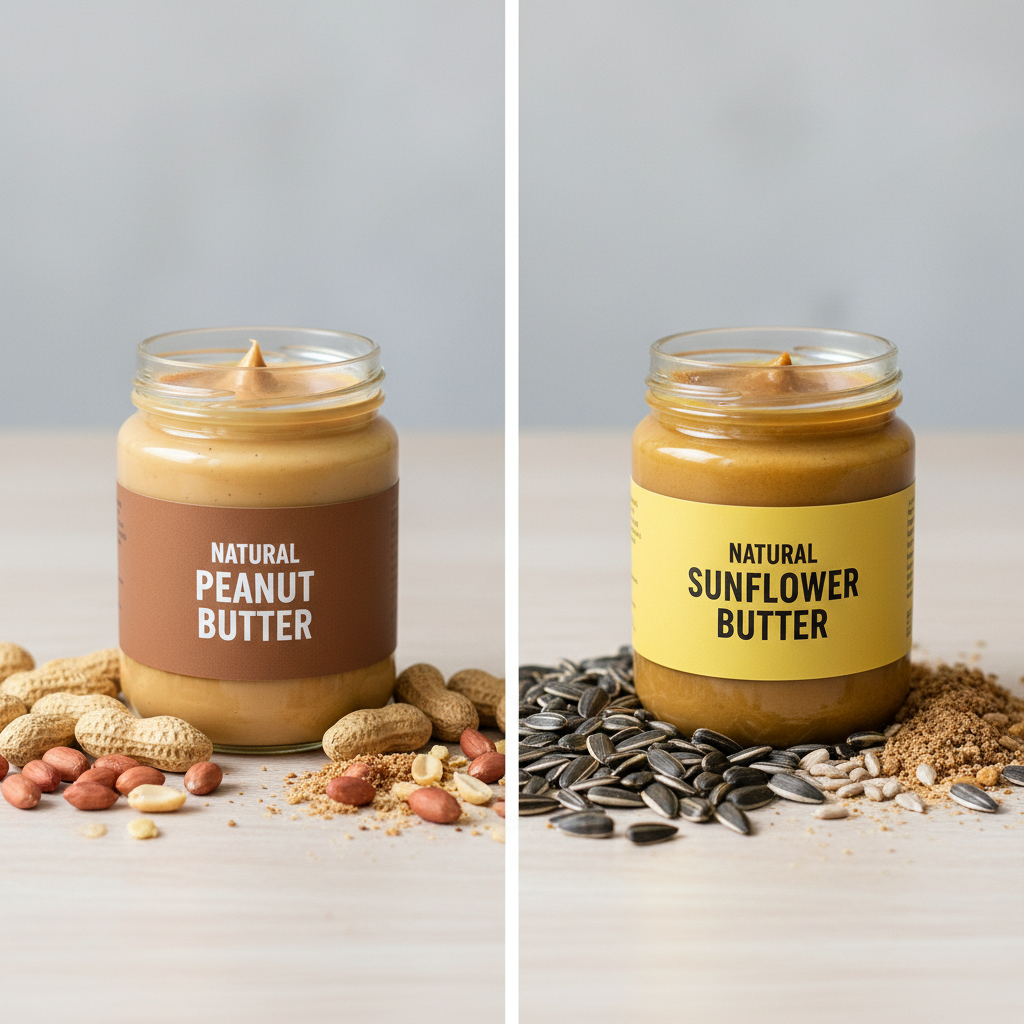
So, how does our alternative stack up against the classic? Both can be safe when chosen carefully, but they have distinct risk profiles and nutritional differences that a savvy owner must understand.
Let’s break down the head-to-head comparison.
| Factor | Peanut Butter (Dog-Safe Version) | Sunflower Butter (Dog-Safe Version) | The Hacker’s Verdict |
|---|---|---|---|
| Allergy Risk | Moderate. Peanut allergies in dogs exist and can be serious. | Very Low. True seed allergies are much rarer than nut allergies in dogs. | Winner: Sunflower Butter. It’s the clear choice for dogs with known or suspected nut allergies. |
| Xylitol Risk | High. Xylitol is increasingly found in many mainstream and ‘diet’ peanut butter brands. | Lower, but NOT zero. While less common, some ‘health-focused’ sunflower butter brands do contain it. Vigilance is still required. | Tie. The risk exists in both. The only defense is reading the label every time, regardless of the product. |
| Nutritional Profile | Slightly higher in protein. Fat content varies by brand. | Slightly higher in fat, particularly polyunsaturated fats. Rich in Vitamin E and Magnesium. | Tie. Both offer benefits. The choice depends on specific nutritional goals, but for most dogs, the difference is negligible in treat-sized portions. |
| Cost & Availability | Generally less expensive and widely available in all stores. | Often more expensive and may only be found in larger grocery stores or health food stores. | Winner: Peanut Butter. It’s the more budget-friendly and accessible option. |
Ultimately, the ‘better’ option depends on your specific dog and your diligence as an owner. If your dog has no nut allergies and you are an expert label-reader, a safe peanut butter works fine. However, if you’re managing a dog with allergies or simply want to use a product less commonly associated with xylitol, sunflower butter is an excellent, nutrient-rich alternative—provided you follow the safe selection and portioning protocols.
Conclusion
So, is sunflower butter safe for dogs? The answer is a conditional, resounding YES. It can be a perfectly safe and even beneficial alternative to peanut butter, but this safety is entirely dependent on your actions as the informed consumer. The dangers are not in the sunflower seeds themselves, but in the additives that cater to human tastes—sugar, salt, and the lethal poison, xylitol.
Your mission, as a Canine Nutrition Hacker, is to ignore the marketing on the front and become a forensic analyst of the ingredient label on the back. Armed with the protocols in this guide, you can confidently choose a product that is pure, safe, and worthy of your dog. Always serve in moderation, respecting the high fat and calorie content. By doing so, you can unlock the benefits of sunflower butter without ever exposing your trusted companion to its hidden risks.
Medical Disclaimer: This article provides general information and is not a substitute for professional veterinary advice, diagnosis, or treatment. Always consult with a qualified veterinarian regarding your dog’s health and before introducing any new food into their diet.