

Kangaroo Dog Food: The Novel Protein Solution for Severe Allergies
You’ve tried everything. The grain-free formulas, the ‘sensitive skin’ kibbles, the endless vet appointments, and the expensive prescription diets. Yet, your dog is still scratching, suffering from chronic ear infections, or plagued by digestive upset. This isn’t just frustrating; it’s a sign that the commercial pet food industry’s standard solutions are failing you. The problem often lies in the protein source itself—over-exposure to common proteins like chicken and beef has created an epidemic of food sensitivities and allergies.
As the Canine Nutrition Hacker, I’m here to cut through the marketing noise and give you a powerful, effective solution: the kangaroo protocol. This isn’t about a fancy new flavor. It’s about leveraging a true novel protein to reset your dog’s immune system and finally put an end to the allergic reactions. We will dissect the science, expose the enemy ingredients in your current food, and provide an actionable plan to reclaim your dog’s health.
MEDICAL DISCLAIMER: I am a canine nutrition analyst, not a veterinarian. The information in this article is for educational purposes only and is not a substitute for professional veterinary advice. Always consult with your veterinarian or a board-certified veterinary nutritionist before making any changes to your dog’s diet, especially if they have a pre-existing health condition.
Deconstructing the Allergy Crisis: Why Common Proteins Are the Enemy
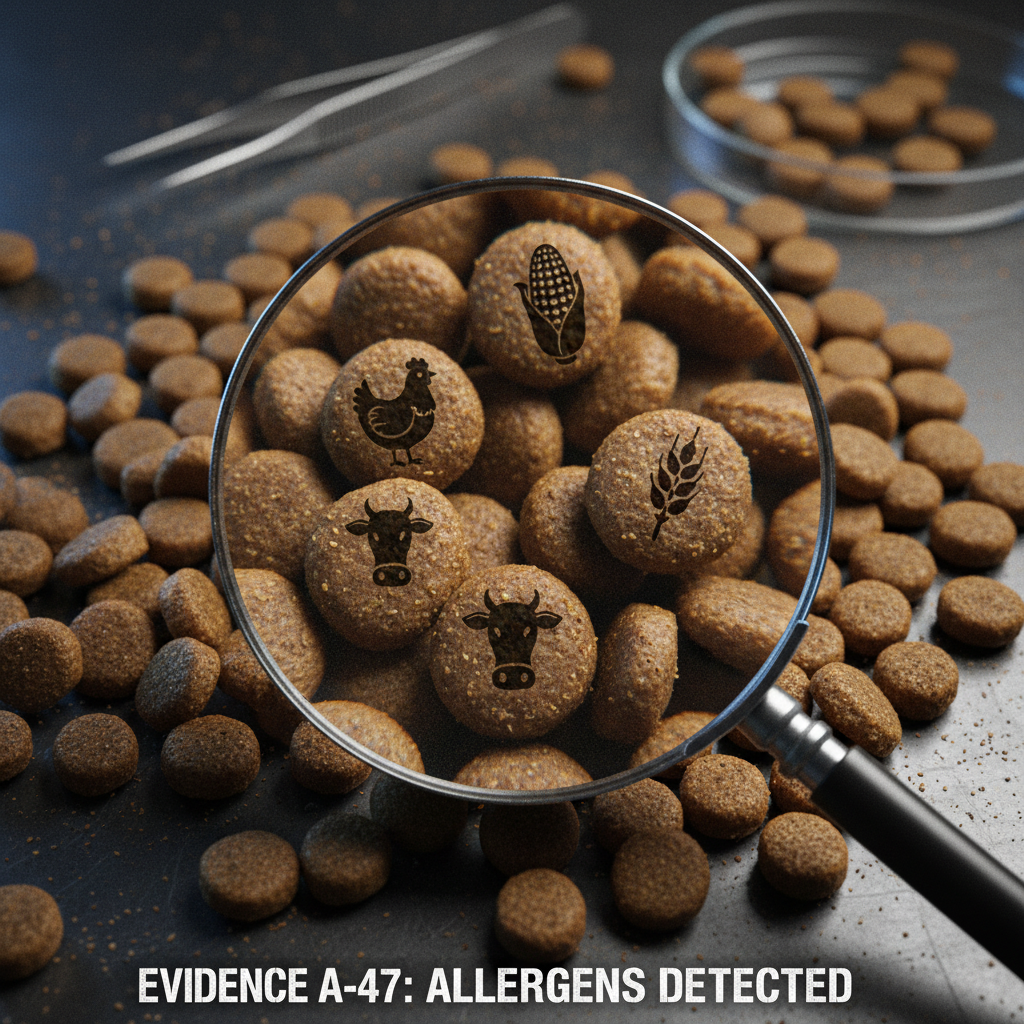
The term ‘food allergy’ is thrown around loosely, but for dogs suffering from a true hypersensitivity, it’s a state of constant inflammation. A food allergy is an immune response to a specific protein found in food. The immune system mistakenly identifies a harmless food protein as a threat and launches an attack, resulting in symptoms like itchy skin, hives, gastrointestinal distress, and chronic ear infections.
So, why are so many dogs allergic to common proteins? The answer is overexposure. For decades, the vast majority of commercial dog foods have been built on a foundation of a few key protein sources:
- Chicken: The most ubiquitous protein in dog food, from kibble and wet food to treats. Its constant presence has made it the number one food allergen for dogs.
- Beef: Another common protein that many dogs have been exposed to their entire lives, leading to a high rate of sensitivity.
- Dairy & Egg: Often used as binders or protein boosters, these can be significant triggers for sensitive dogs.
- Soy & Wheat Gluten: Cheap, plant-based protein sources used as fillers. They offer poor bioavailability and are notorious for causing allergic reactions and digestive issues.
Your dog’s immune system is like a security system. If it sees the same protein分子 day after day, year after year, it can eventually misidentify it as an intruder. This is where the marketing machine fails you. Brands will tout ‘new and improved’ formulas that simply swap chicken for beef, or add some peas and call it ‘grain-free,’ without addressing the core problem of protein rotation and novelty.
Hacker Tip: Don’t be fooled by labels like ‘Holistic,’ ‘Natural,’ or ‘Ancestral.’ These are marketing terms with no legal definition. Turn the bag over and read the first five ingredients. That’s the only truth you need. If you see chicken meal, corn gluten meal, or soy protein isolate, you’re looking at a potential allergy trigger, not a solution.
The Kangaroo Protocol: A Forensic Analysis of the Ultimate Novel Protein
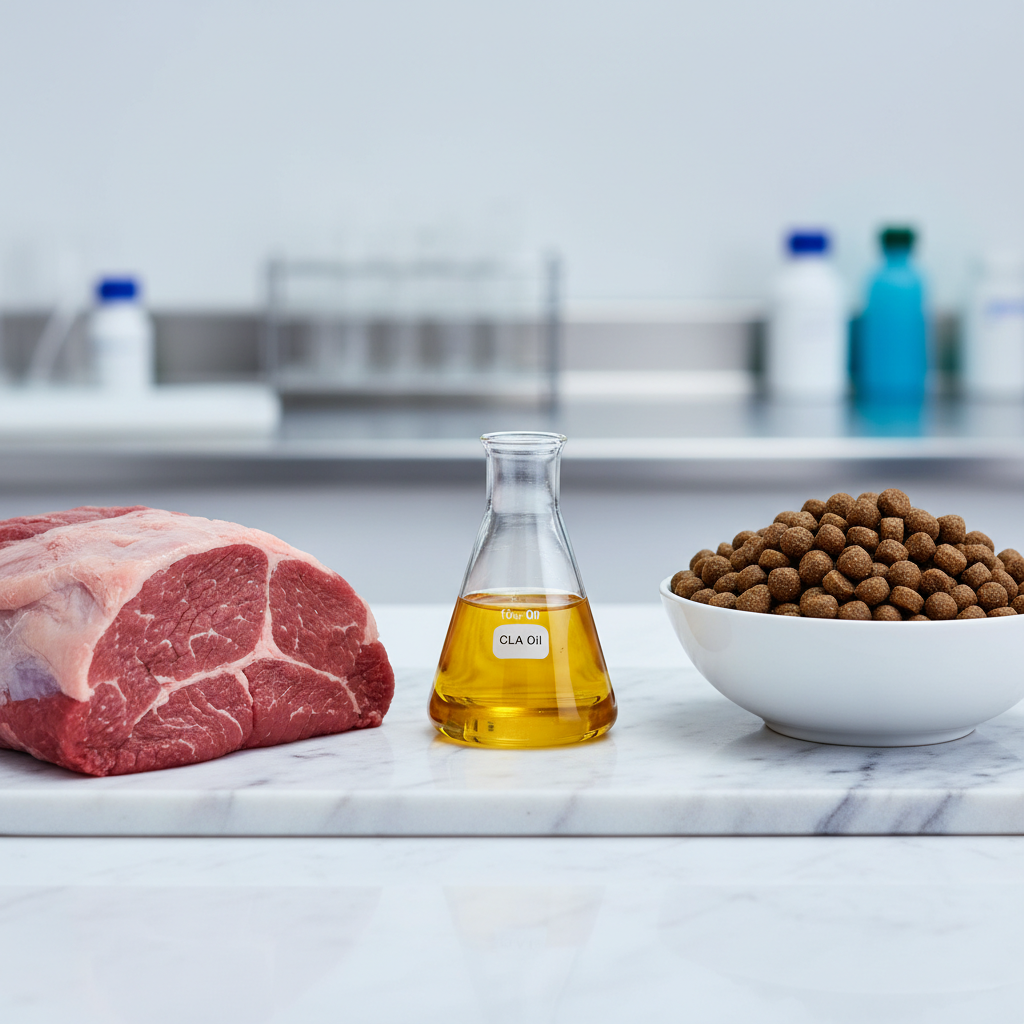
A ‘novel protein’ is simply one that your dog’s immune system has never encountered before. Because there is no prior exposure, there is no pre-programmed immune response. This gives the body a chance to calm down, breaking the cycle of inflammation and allergic reaction. While other novel proteins exist (like venison, duck, or rabbit), kangaroo stands in a class of its own for several critical reasons.
Unmatched Nutritional Profile
Kangaroo isn’t just novel; it’s a nutritional powerhouse. As a wild game meat, it is exceptionally lean and offers a superior biological value.
- Extremely High Protein, Low Fat: Kangaroo meat boasts one of the highest protein-to-fat ratios of any meat, making it ideal for building lean muscle mass without unnecessary calories. Most formulas contain less than 5% fat.
- Rich in Conjugated Linoleic Acid (CLA): Kangaroo has the highest known concentration of CLA of any red meat. CLA is a ‘good fat’ with proven anti-inflammatory and anti-cancer properties. For an allergic dog whose body is in a constant state of inflammation, this is a significant benefit.
- Packed with Iron and B Vitamins: It’s a rich source of bioavailable iron, zinc, and essential B vitamins (especially B12), which are crucial for energy metabolism and nervous system health.
The Purity Advantage
Because kangaroos are harvested from the wild in Australia, the meat is free from the antibiotics, growth hormones, and agricultural chemicals that can contaminate farmed livestock. This purity is a critical advantage when dealing with a dog that has a highly reactive system.
Nutritional Comparison: The Hard Data
Let’s look at the numbers. When you analyze the core components, it’s clear why kangaroo is a superior choice for sensitive dogs.
| Nutrient/Factor | Kangaroo | Chicken (Farmed) | Beef (Farmed) |
|---|---|---|---|
| Allergenicity Risk | Extremely Low (True Novel) | Very High (Common Allergen) | High (Common Allergen) |
| Protein Content (Avg.) | ~24g per 100g | ~20g per 100g | ~22g per 100g |
| Fat Content (Avg.) | ~2g per 100g | ~12g per 100g | ~15g per 100g |
| CLA Content | Highest of all red meats | Low | Moderate |
| Contaminants (Antibiotics, Hormones) | None (Wild Sourced) | Potential | Potential |
The data is unequivocal. For a dog suffering from allergies triggered by common proteins, kangaroo offers a clean, potent, and non-reactive alternative that can fundamentally change their health.
Executing the Switch: A Step-by-Step Transition Protocol
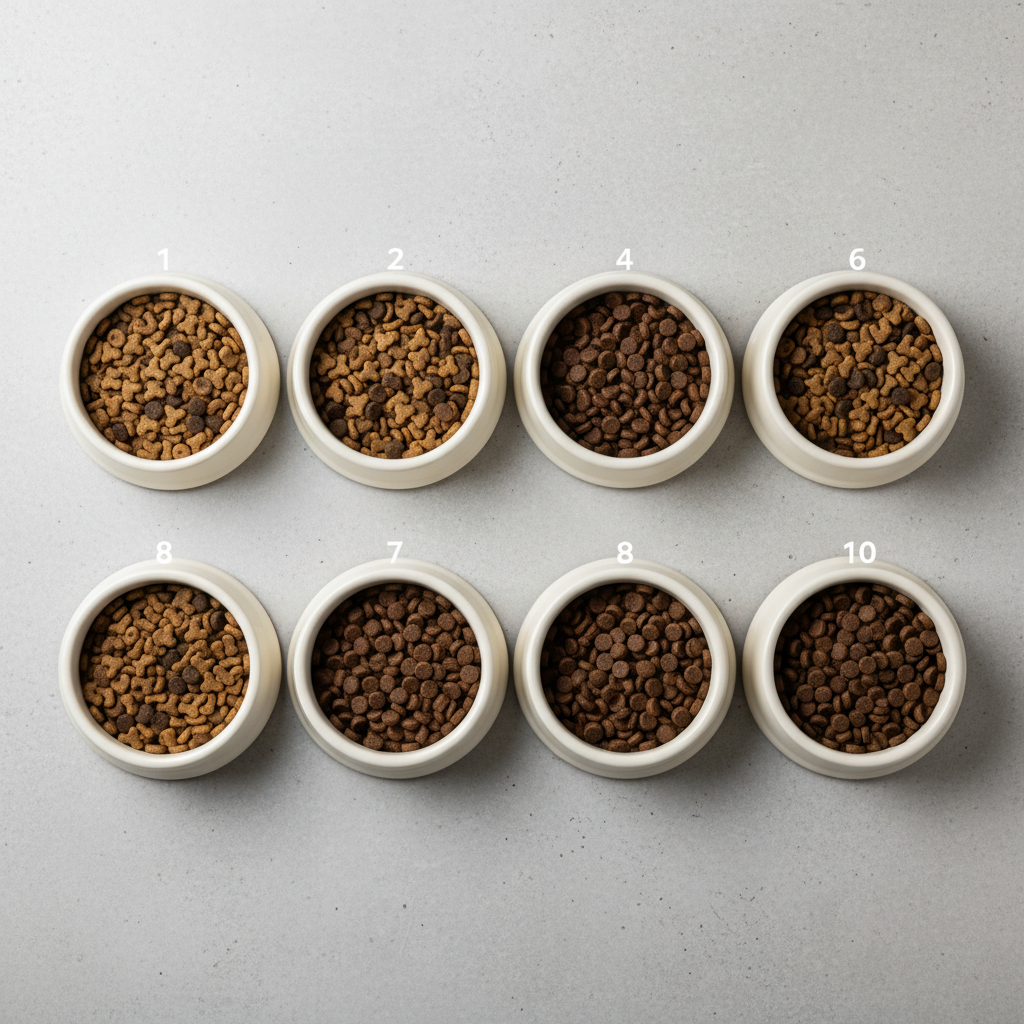
Switching your dog’s food, especially a sensitive dog, cannot be done overnight. A sudden change will almost certainly lead to digestive upset, which can cloud the results of your food trial. The goal is a slow, methodical transition that allows your dog’s gut microbiome to adapt to the new protein and ingredient profile. Follow this 10-day protocol for a seamless switch.
The 10-Day Transition Plan
- Days 1-3: The Introduction Phase. Start with a mixture of 75% old food and 25% new kangaroo food. Mix it thoroughly. Monitor your dog’s stool closely. It should remain firm.
- Days 4-6: The Acclimation Phase. If the first three days have gone well, move to a 50/50 mix of old and new food. At this stage, you are halfway there. Keep a close eye for any signs of gas, bloating, or loose stool.
- Days 7-9: The Takeover Phase. Now, shift the ratio to 75% new kangaroo food and only 25% old food. Your dog’s system should be well-acquainted with the new ingredients by now.
- Day 10 and Beyond: Full Transition. You can now feed 100% kangaroo dog food. Congratulations, you have successfully completed the transition.
Critical Rules for a Successful Food Trial
During this 10-day transition and for at least 8-12 weeks following, you must be ruthlessly strict. This is an elimination diet, and a single mistake can sabotage your efforts.
- No Other Foods: This means no treats containing other proteins (chicken, beef, etc.), no dental chews with mystery ingredients, no table scraps, and no flavored medications or supplements unless cleared by your vet.
- Single-Ingredient Treats Only: If you must give treats, they must be 100% kangaroo. Look for freeze-dried kangaroo chunks or single-ingredient kangaroo jerky. Read the label—’kangaroo flavor’ is not the same thing.
- Communicate with Everyone: Ensure every member of your household, as well as dog walkers or sitters, understands the strict ‘kangaroo only’ rule.
Hacker Tip: Before starting the transition, consider a 12-24 hour fast (for healthy adult dogs only, consult your vet). This can help ‘reset’ the digestive system and may make the initial transition smoother. Follow the fast with a small first meal of the new food mixture.
Beyond the Bag: Advanced Allergy Management and Label Forensics

Transitioning to kangaroo-based food is the most important step, but long-term success requires a new level of vigilance. You must become a forensic analyst of every single thing your dog consumes. The pet food industry is notorious for cross-contamination and misleading labeling.
Mastering the Ingredient Label
When selecting a kangaroo formula, the details matter. Look for a brand that is a true Limited Ingredient Diet (LID).
- Single Protein Source: The label should clearly state that kangaroo is the sole animal protein. Watch out for ‘protein meals’ that don’t specify the source, or formulas that add chicken fat for flavor (a common and disastrous mistake for allergic dogs).
- Clean Carbohydrate Source: Look for easily digestible, low-glycemic carbs like sweet potato, pumpkin, or lentils. Avoid formulas loaded with corn, wheat, or soy.
- No Mystery Ingredients: Phrases like ‘animal digest,’ ‘meat and bone meal,’ or ‘animal by-products’ are red flags. You have no way of knowing what protein sources are included. A reputable brand will list every ingredient specifically.
The Contamination Threat
A significant, often overlooked, issue is cross-contamination at the manufacturing facility. A brand might produce a dozen different formulas on the same equipment. If they make a chicken-based food right before their kangaroo formula without a thorough clean-down, microscopic protein particles can trigger a reaction in a highly sensitive dog.
Insider Secret: Look for brands that either own their own manufacturing facilities and have strict allergen protocols or are transparent about their manufacturing processes. Don’t hesitate to call a company and ask directly: “What are your protocols to prevent cross-contamination between your protein formulas?” A vague answer is a bad sign.
The Treat and Supplement Minefield
This is where most owners fail in an elimination diet. You must be just as vigilant with treats, supplements, and even toys as you are with their main food.
- Treats: The safest option is single-ingredient kangaroo treats. Dehydrated kangaroo ears, freeze-dried kangaroo liver, or kangaroo jerky are excellent choices.
- Supplements: Fish oil is generally safe and beneficial for skin health. However, check the ingredients of any other joint supplements or probiotics. Many use beef or chicken liver for flavoring.
- Toys: Be cautious with edible chew toys like bones or bully sticks, which are typically beef-based. Even some rubber toys can be flavored with animal digests. Opt for unflavored, durable rubber or nylon toys during the elimination trial.
By adopting this hacker mindset, you move from being a reactive owner treating symptoms to a proactive analyst controlling the inputs, giving your dog the best possible chance at an allergy-free life.
Conclusion
For the dog suffering from severe food allergies, kangaroo-based food is more than just another option—it’s a strategic intervention. By leveraging a pure, potent, and truly novel protein, you can break the inflammatory cycle that common commercial pet foods perpetuate. This protocol puts the power back in your hands, transforming you from a frustrated consumer into an informed canine nutrition hacker. By deconstructing labels, understanding the enemy ingredients, and executing a flawless transition, you can offer your dog the profound relief they deserve.
Remember, this is the beginning of a new nutritional strategy. Vigilance is key. Continue to scrutinize every treat, supplement, and table scrap with the same forensic intensity. Your dog’s long-term health and comfort depend on it.
Final Medical Disclaimer: The journey to diagnosing and managing food allergies should always be undertaken with the guidance of a qualified veterinarian. They can help rule out other causes of skin and digestive issues and ensure your dog’s new diet is nutritionally complete and appropriate for their specific health needs. This guide is a tool to empower your conversations with your vet, not to replace them.