Low Residue Dog Food: What It Is & When to Feed It (IBD Guide)
Chronic digestive upset in a dog is a uniquely frustrating experience. The cycle of diarrhea, vomiting, gas, and frantic trips outside can leave both you and your canine companion exhausted and distressed. You’ve likely tried countless ‘sensitive stomach’ formulas with little to no success. The problem is that many commercial foods are packed with components that, while not inherently ‘bad,’ create a significant amount of work for your dog’s gastrointestinal tract. This leftover, undigested material is what we call ‘residue’.
A low residue diet is a powerful, targeted nutritional strategy designed for one primary purpose: to maximize nutrient absorption while minimizing the amount of waste left in the colon. This isn’t just another marketing gimmick; it’s a therapeutic approach often essential for managing serious conditions like Inflammatory Bowel Disease (IBD). This guide will serve as your forensic manual. We will dissect the terminology, identify the precise situations that call for this diet, expose the ‘enemy’ ingredients that trigger flare-ups, and champion the ‘hero’ ingredients that soothe and heal. MEDICAL DISCLAIMER: I am not a veterinarian. The information in this article is for educational purposes only. Always consult with a qualified veterinarian before making any changes to your dog’s diet, especially if they have a medical condition.
Decoding ‘Low Residue’: What Vets Mean and Marketers Don’t Tell You
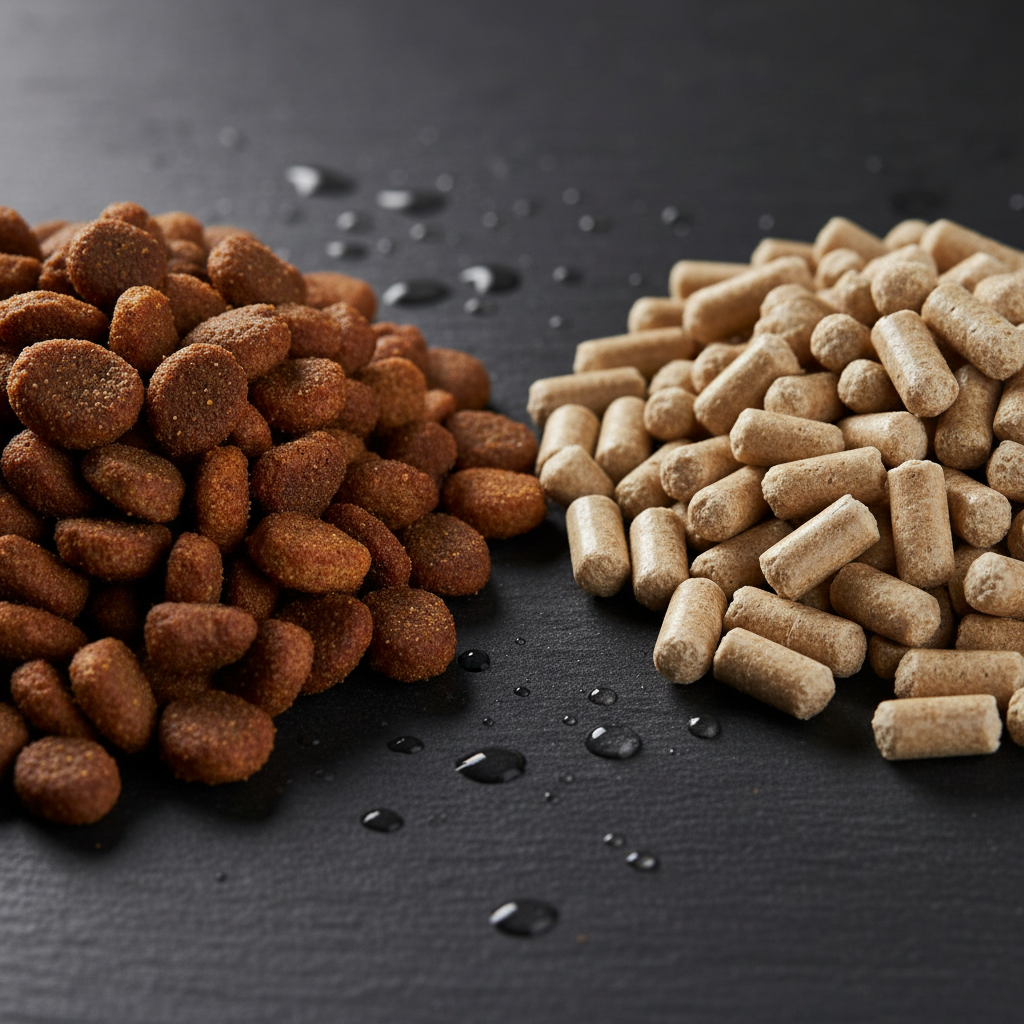
When your veterinarian recommends a ‘low residue’ diet, they are referring to a food formulated for maximum digestibility. Imagine your dog’s digestive system as a high-efficiency engine. A low residue diet is the premium, clean-burning fuel. It provides all the necessary power (nutrients) but leaves behind very little soot (waste). This means the small intestine can easily absorb the proteins, fats, and carbohydrates, sending a minimal amount of undigested material to the large intestine. The direct result? Smaller, firmer, and less frequent stools—a clear sign that your dog’s system is using the food effectively.
This is fundamentally different from what many pet food marketers want you to believe. They often conflate terms like ‘grain-free,’ ‘natural,’ or ‘limited ingredient’ with high digestibility. While these attributes can be beneficial, they do not automatically qualify a food as low residue. A grain-free food packed with peas, lentils, and chickpeas can be very high in certain fibers, creating significant residue and potentially worsening symptoms in a dog with IBD.
Hacker Tip: The true mark of a low residue diet isn’t just what’s absent (like corn or wheat), but what’s present. Look for highly bioavailable, single-source animal proteins and simple, easily processed carbohydrates. The goal is simplicity and efficiency for the gut.
The core principle is to reduce the workload on a compromised or inflamed gastrointestinal tract. By providing nutrients in a readily accessible form, the gut doesn’t have to work as hard, which can reduce inflammation, soothe irritation, and allow the intestinal lining to heal. This is why it’s a cornerstone of managing chronic digestive diseases.
Red Alert: Identifying the Canine Candidates for a Low Residue Diet

A low residue diet is not a catch-all solution for every minor tummy ache. It is a specific therapeutic tool for particular medical situations. Pushing a healthy dog with a robust digestive system onto such a diet can be unnecessary and may even be counterproductive, as it can lack the diverse fiber sources that feed a healthy gut microbiome. So, when is it truly warranted?
Primary Indication: Inflammatory Bowel Disease (IBD)
IBD is the poster child for low residue diets. This chronic condition involves inflammation of the intestinal tract, which severely impairs the ability to digest food and absorb nutrients. A low residue diet helps by:
- Reducing Irritation: Less undigested food means less material to physically irritate the inflamed intestinal lining.
- Minimizing Immune Triggers: Simple, often novel or hydrolyzed, proteins are less likely to trigger an inflammatory immune response in the gut.
- Improving Nutrient Uptake: With an impaired gut, making nutrients as easy as possible to absorb is critical to prevent weight loss and malnutrition.
Other Key Medical Uses:
- Acute Gastroenteritis: For severe, short-term bouts of vomiting and diarrhea, a vet might use a low residue diet to give the gut a ‘rest’ and allow it to recover.
- Post-Surgical Recovery: After gastrointestinal surgery, this type of diet is gentle on healing tissues and sutures.
- Pancreatitis: These diets are often, but not always, low in fat, which is critical for managing pancreatitis as the pancreas is responsible for producing fat-digesting enzymes.
- Exocrine Pancreatic Insufficiency (EPI): A condition where the pancreas doesn’t produce enough digestive enzymes. A highly digestible diet is essential.
- Senior Dogs: Some older dogs develop less efficient digestive systems and can benefit from an easier-to-process food.
Consult your vet if your dog exhibits persistent symptoms like chronic diarrhea, frequent vomiting (especially of undigested food), excessive gas, loud gut sounds (borborygmi), or weight loss despite a normal appetite. These are red flags that warrant a serious dietary discussion.
The Nutrition Hacker’s Dossier: Enemy vs. Hero Ingredients for Digestive Health
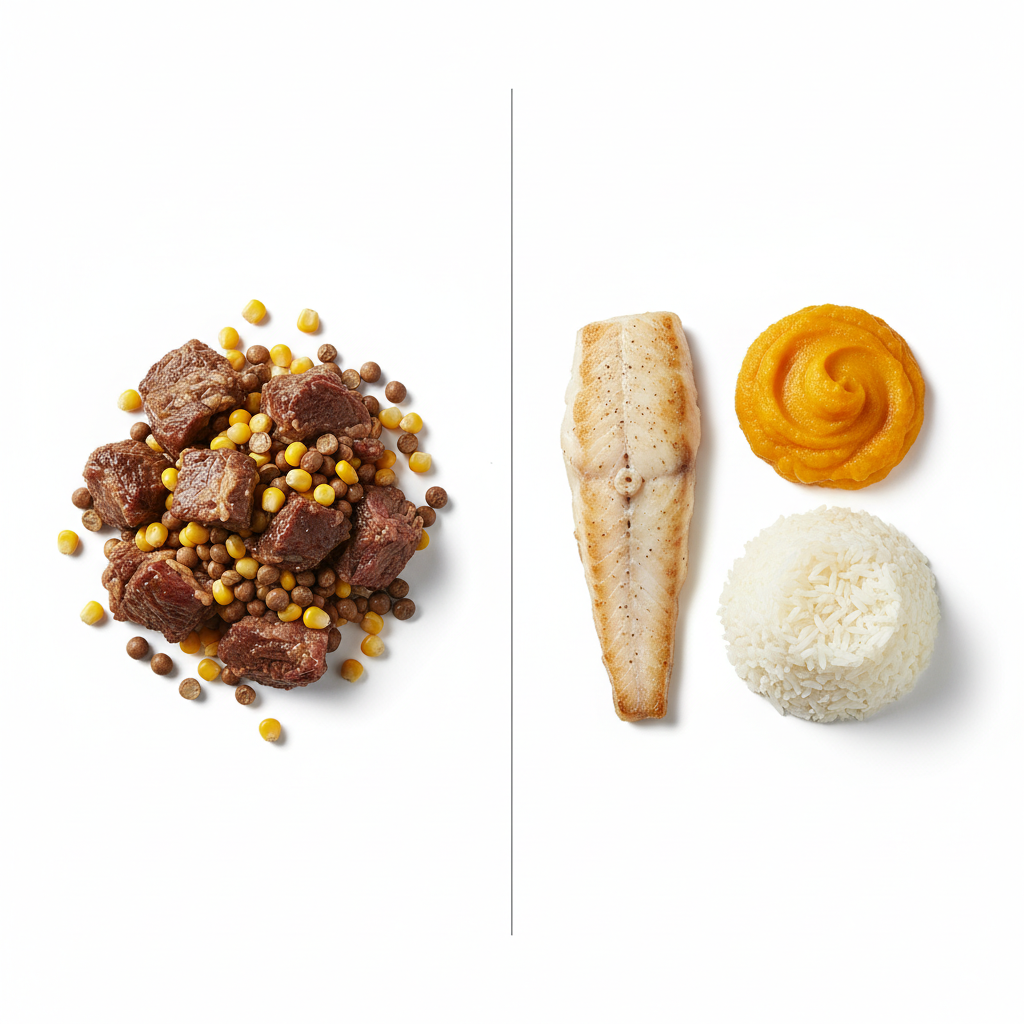
Success with a low residue diet hinges on forensic-level label analysis. You must become an expert at spotting the triggers (‘enemies’) and seeking out the soothing components (‘heroes’).
The Enemy Ingredients: What to Eliminate from the Bowl
These are the components that increase gut workload, can trigger inflammation, or are simply difficult to digest for a compromised system.
- High Fat Content: While essential for health, excessive fat is difficult to digest and can be a major trigger for pancreatitis and IBD flare-ups. Avoid foods with fat levels above 15% on a dry matter basis unless specifically recommended by your vet. Look for animal fat and greasy meat meals high on the ingredient list.
- Common Protein Allergens: The most common protein sources, like beef and chicken, are also the most common triggers for food sensitivities and allergies that can manifest as IBD-like symptoms.
- Excessive Insoluble Fiber: Ingredients like powdered cellulose are essentially wood pulp. While they add bulk, they are pure, undigestible residue and can be very irritating to an inflamed colon.
- Difficult-to-Digest Legumes & Fillers: Many grain-free foods substitute grains with high amounts of peas, lentils, and chickpeas. These are high in fermentable fibers that can cause significant gas and bloating. Classic fillers like corn gluten meal, wheat gluten, and soy are also common culprits.
- Artificial Additives: Artificial colors, flavors, and preservatives can be unnecessary chemical irritants to a sensitive gut.
The Hero Ingredients: Building the Ideal Low Residue Formula
These are the building blocks of a gut-friendly, highly digestible diet.
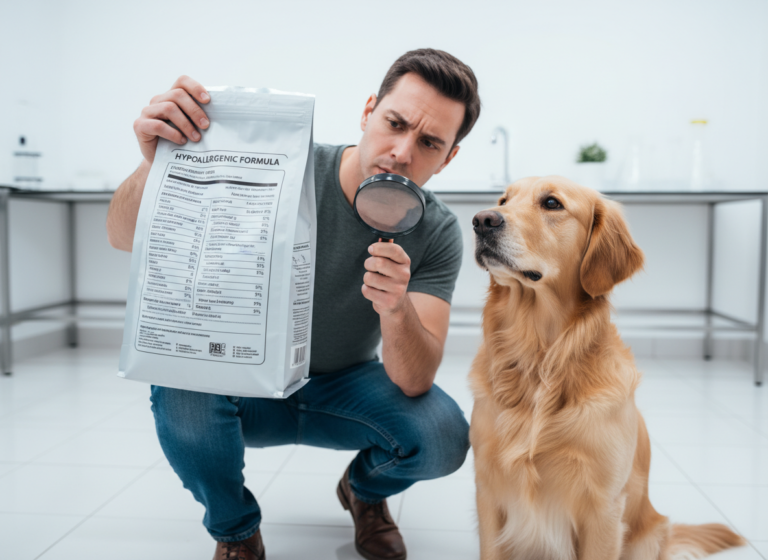
- Novel or Hydrolyzed Proteins: ‘Novel’ proteins are those your dog has likely never been exposed to, such as rabbit, venison, or duck. ‘Hydrolyzed’ proteins (e.g., hydrolyzed soy or chicken) have been broken down into such small pieces that the immune system doesn’t recognize them as an allergen. Egg protein and easily digestible whitefish are also excellent choices.
- Simple, Refined Carbohydrates: This is one of the few times where refined carbs are a positive. White rice and potato are easily broken down into glucose for energy, leaving very little behind. In contrast, brown rice contains a fibrous bran layer that can be irritating.
- Controlled Soluble Fiber: A small amount of soluble fiber can be beneficial. It absorbs water to form a gel, which can help firm up stool and acts as a prebiotic to feed beneficial gut bacteria. Look for sources like pumpkin or a small amount of beet pulp.
- Prebiotics & Probiotics: These additives directly support a healthy gut microbiome. Prebiotics (like FOS or MOS) are food for good bacteria, while probiotics are the beneficial bacteria themselves.
Brand Showdown: Prescription Powerhouses vs. OTC Contenders
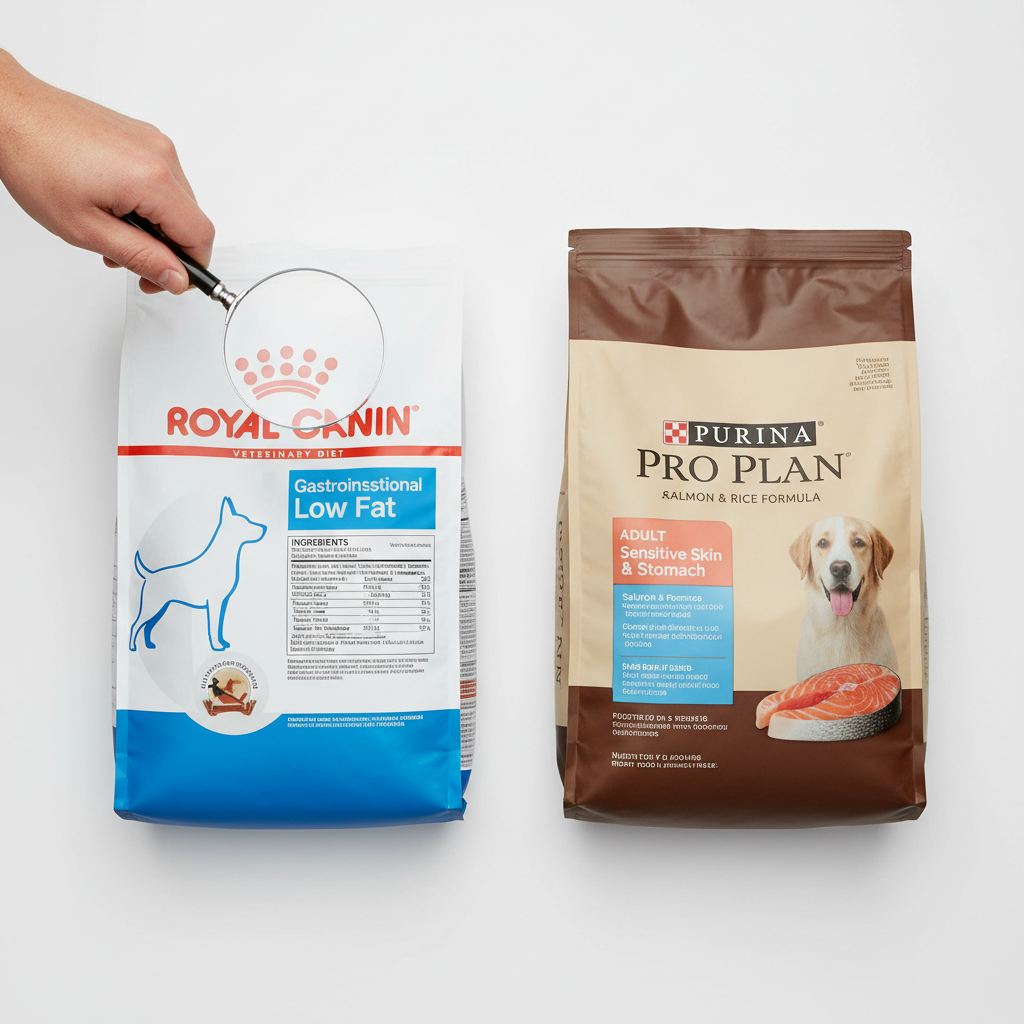
When choosing a low residue food, the primary fork in the road is between veterinary prescription diets and over-the-counter (OTC) options. Prescription diets are formulated for specific medical conditions and are sold only through a veterinarian. They have undergone clinical feeding trials to support their claims. High-quality OTC ‘sensitive stomach’ foods can be effective for milder cases but may not have the same level of therapeutic precision.
The Forensic Review: Prescription Diet
Brand: Royal Canin Veterinary Diet Gastrointestinal Low Fat
The ‘First 5’ Truth: Brewers Rice, Chicken By-Product Meal, Wheat, Barley, Natural Flavors. The use of ‘Brewers Rice’ and by-products may seem alarming to a boutique-brand enthusiast, but in a therapeutic diet, the focus is on digestibility and nutrient profile, not marketing appeal. These ingredients are chosen for being exceptionally easy to process for a compromised gut.
Cost Per Day (50lb dog): Approximately $3.50 – $4.50.
Recall Check: Royal Canin has had recalls in its history, but their veterinary lines are subject to extremely stringent quality control. It’s crucial to stay updated via the FDA database.
The Forensic Review: OTC Contender
Brand: Purina Pro Plan Sensitive Skin & Stomach (Lamb & Oatmeal Formula)
The ‘First 5’ Truth: Lamb, Oatmeal, Barley, Fish Meal, Canola Meal. This is a strong start. Lamb is a less common allergen than chicken, and oatmeal and barley are gentle, fiber-rich grains that are often well-tolerated.
Cost Per Day (50lb dog): Approximately $2.25 – $3.00.
Recall Check: Nestlé Purina is a massive company and has had recalls. However, their Pro Plan line is generally regarded as one of the most rigorously tested and researched retail diets available.
| Attribute | Royal Canin Gastrointestinal | Purina Pro Plan Sensitive Stomach |
|---|---|---|
| Primary Protein | Chicken By-Product Meal (highly digestible) | Lamb, Fish Meal |
| Primary Carb | Brewers Rice, Wheat | Oatmeal, Barley |
| Key Feature | Veterinary prescription, clinically tested, ultra-low fat | Widely available, uses a less common protein (lamb), includes probiotics |
| Price Tier | $$$$ (Premium/Veterinary) | $$$ (Mid-Range/Premium Retail) |
| Verdict | The gold standard for severe, medically diagnosed conditions like IBD and pancreatitis. The price reflects the research and specific formulation. | An excellent first-line OTC option for dogs with general sensitivities not requiring a strict, ultra-low-fat therapeutic diet. |
The DIY Protocol: The Safe & Temporary Bland Diet

In cases of acute digestive upset, your veterinarian may suggest a temporary homemade bland diet to calm the system before transitioning to a therapeutic food. This is a short-term intervention, not a lifestyle.
SAFETY DISCLAIMER: This is NOT a complete and balanced diet for long-term feeding. It lacks essential vitamins, minerals, and fatty acids. It should only be used for a few days under the direct guidance of your veterinarian to manage an acute flare-up.
The Classic Bland Diet Recipe
The goal is absolute simplicity. There is no room for creativity here; stick to the protocol.
- Choose a Protein: Boil a boneless, skinless chicken breast until thoroughly cooked. Alternatively, you can use lean ground turkey or cod. Do NOT add any salt, oil, or seasonings.
- Choose a Carbohydrate: Cook plain white rice. Again, no salt or butter. It should be soft and well-cooked.
- Get the Ratio Right: The standard starting ratio is one part cooked protein to two parts cooked white rice. For example, 1/2 cup shredded chicken mixed with 1 cup of white rice.
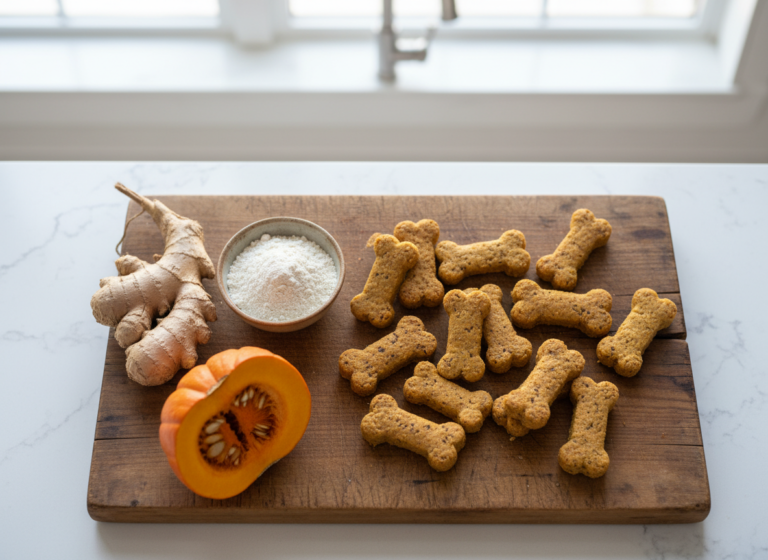
- Optional Addition: One tablespoon of 100% plain canned pumpkin (NOT pumpkin pie filling) can be added to the meal to provide a source of gentle soluble fiber, which can help firm up stool.
- Feeding: Feed small, frequent meals throughout the day rather than one or two large ones. This further reduces the workload on the gut.
Transitioning Back to Kibble
Once your vet gives the okay, you cannot simply switch back to their regular food. This must be a gradual process over 7-10 days to avoid shocking the system and causing a relapse.
- Days 1-2: 75% bland diet, 25% new kibble.
- Days 3-4: 50% bland diet, 50% new kibble.
- Days 5-6: 25% bland diet, 75% new kibble.
- Day 7 onwards: 100% new kibble.
Monitor your dog’s stool quality closely throughout this process. If diarrhea returns, go back a step and contact your veterinarian.
Conclusion
Navigating the world of canine digestive health can feel overwhelming, but understanding the principles of a low residue diet is a game-changer. It’s a precise, powerful tool designed to soothe, heal, and nourish dogs suffering from significant gastrointestinal distress. This is not about following trends like ‘grain-free’ or ‘ancestral’; it’s about applying targeted nutritional science to a medical problem. By learning to read an ingredient label with a critical eye, you can cut through the marketing noise and identify the foods that will genuinely support your dog’s well-being.
Remember, the single most important step is partnership with your veterinarian. They are your primary ally in diagnosing the underlying issue and formulating a comprehensive treatment plan, of which diet is a critical component. You are now equipped with the insider knowledge to ask intelligent questions and make informed decisions. You are your dog’s advocate, and by hacking their nutrition, you are providing them with the foundation for a more comfortable, healthier life.