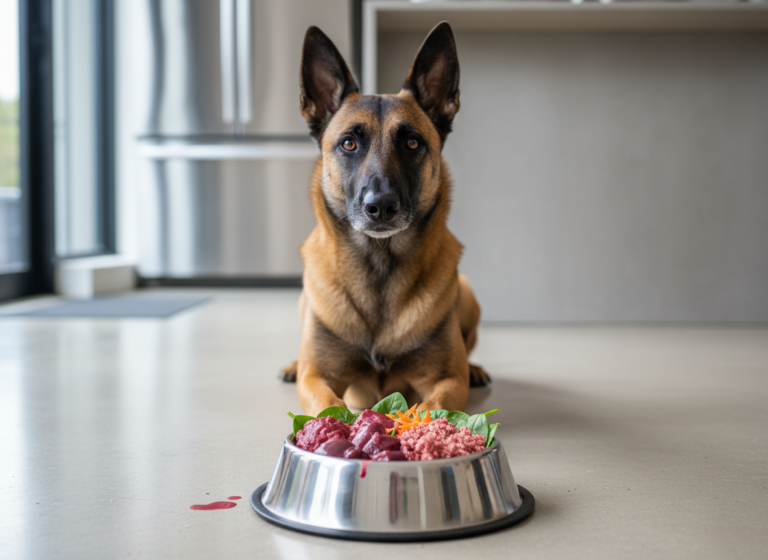
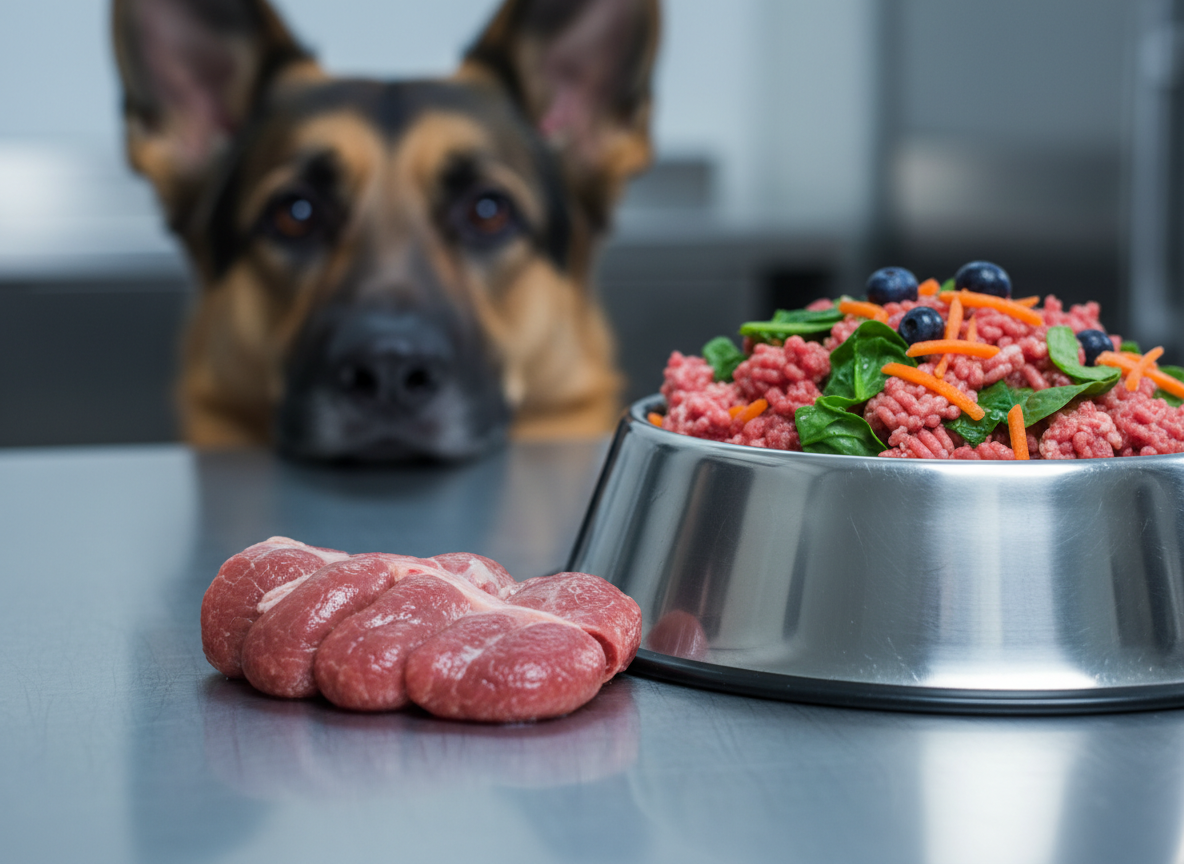
Nature’s Enzymes: Why You Should Add Raw Pancreas to Dog Meals
In the world of canine nutrition, there are the mainstream staples, and then there are the insider secrets—the game-changing additions that separate the savvy owner from the rest. One of the most potent of these secrets isn’t found in a fancy bag or an expensive bottle; it’s waiting in the butcher’s case. We’re talking about raw pancreas, nature’s unadulterated source of digestive enzymes. While commercial enzyme powders line the shelves of pet stores, they are often a pale, processed imitation of the real thing. For dogs struggling with digestive issues, particularly Exocrine Pancreatic Insufficiency (EPI), or for owners simply looking to optimize nutrient absorption, raw pancreas is a raw feeding hack that delivers unparalleled biological value. This guide will deconstruct the science, teach you how to source and handle it like a professional, and provide the exact protocols to safely incorporate this powerhouse into your dog’s meals. Forget the marketing hype; it’s time to tap into the foundational components of ancestral nutrition.
The Enzyme Powerhouse: Deconstructing Raw Pancreas
To understand why raw pancreas is so effective, you must first understand its biological function. The pancreas is a glandular organ responsible for producing the critical digestive enzymes that break down food into absorbable nutrients. When you feed raw pancreas, you are providing a direct, exogenous source of these enzymes in their most natural and potent form. Commercial processing, especially the use of high heat, denatures and destroys these delicate proteins, which is why kibble is enzymatically dead.
The Key Players: Nature’s Digestive Trio
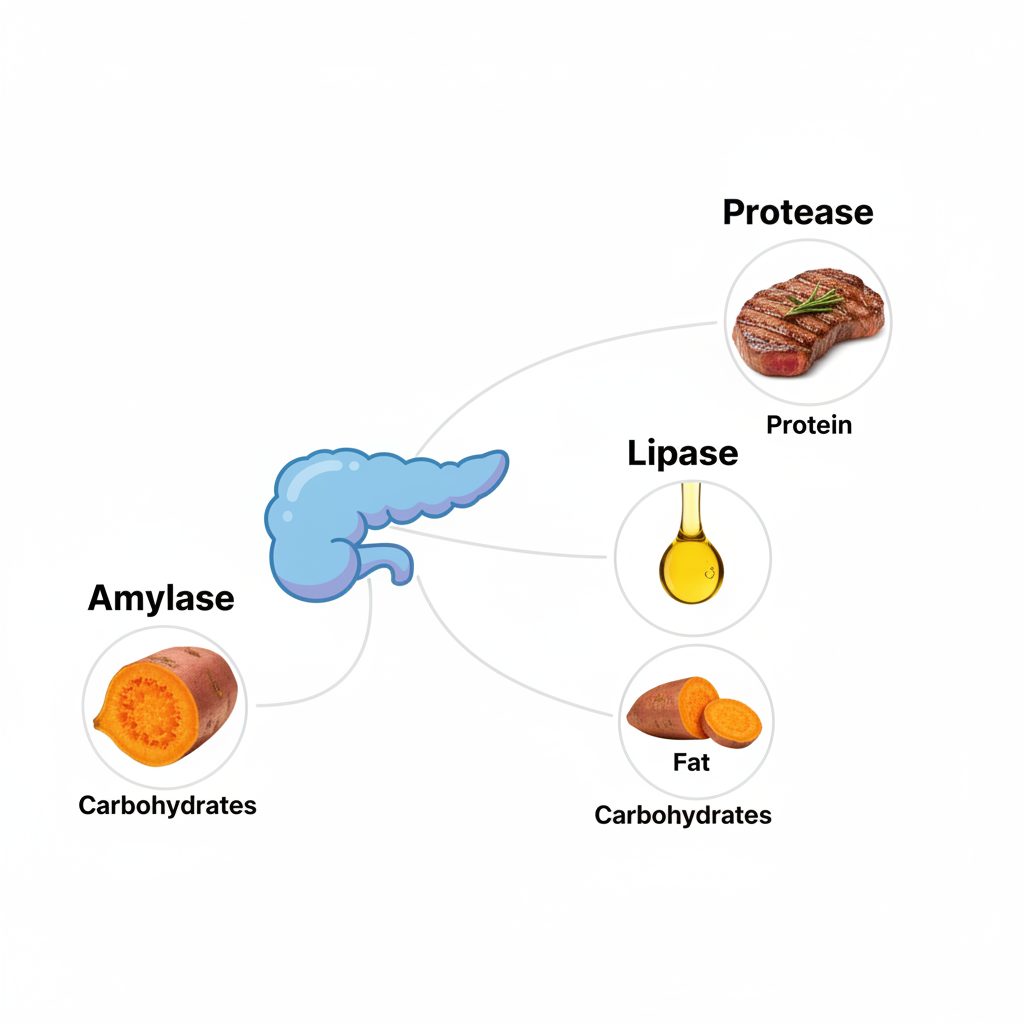
Raw pancreas is loaded with a trifecta of powerful enzymes essential for digestion:
- Protease: This is the enzyme responsible for breaking down proteins into amino acids. A deficiency can lead to poor muscle development, a weak immune system, and an inability to thrive. Supplying active protease ensures your dog is getting the full value from the expensive proteins in their diet.
- Amylase: This enzyme targets carbohydrates, breaking them down into simple sugars for energy. While dogs have a limited natural ability to produce amylase, providing it from a food source can ease the digestive burden, especially for dogs on a diet that includes starchy vegetables or grains.
- Lipase: Critical for fat digestion, lipase breaks down fats (lipids) into fatty acids and glycerol. Without sufficient lipase, fats pass through the digestive system undigested, leading to the classic greasy, foul-smelling stools (steatorrhea) seen in dogs with pancreatic insufficiency. Proper fat digestion is vital for absorbing fat-soluble vitamins (A, D, E, K) and for skin and coat health.
Insider Secret: The enzymes in raw pancreas are ‘live’ and begin working immediately upon contact with food, essentially ‘pre-digesting’ the meal in the bowl before it even reaches your dog’s stomach. This significantly reduces the metabolic stress on your dog’s own pancreas, freeing up its energy for other vital bodily functions.
By providing these enzymes directly from a whole food source, you are giving your dog’s digestive system the exact tools it needs, in the form it was designed to recognize and use. This is the fundamental principle of a species-appropriate diet and a core tenet of hacking your dog’s nutrition for optimal results.
Is Your Dog a Candidate? Identifying the Need for Supplemental Enzymes

While almost any dog can benefit from improved digestion, some are in critical need of enzymatic support. The primary medical condition requiring this intervention is Exocrine Pancreatic Insufficiency (EPI). This is a serious condition where the pancreas fails to produce enough digestive enzymes. It’s particularly prevalent in certain breeds, like German Shepherds and Rough-Coated Collies.
Telltale Signs of EPI and Poor Digestion:
A dog with EPI or severe digestive distress isn’t subtle about its symptoms. As a forensic owner, these are the red flags you must watch for:
- Ravenous Appetite with Weight Loss: This is the classic sign. The dog is starving because, despite eating copious amounts of food, it cannot absorb any nutrients. They are literally starving to death while eating you out of house and home.
- Voluminous, Greasy Stools (Steatorrhea): Stools are often yellowish-grey, have a putty-like consistency, and are extremely foul-smelling. You will notice an oily sheen on the stool, which is a direct result of undigested fat.
- Increased Stool Frequency: A dog that was once regular may now need to defecate 5-8 times a day, producing enormous piles each time.
- Coprophagia: Some dogs will attempt to eat their own stool in a desperate attempt to reclaim any undigested nutrients.
- Poor Coat and Skin Condition: Without fat and protein absorption, the coat becomes dull, dry, and brittle.
Beyond EPI: Other Dogs That Benefit
You don’t need a dire diagnosis of EPI to leverage the power of raw pancreas. Consider this nutritional hack for:
- Senior Dogs: As dogs age, their natural enzyme production can decline. A little enzymatic support can help them get more out of their food and maintain condition in their golden years.
- Dogs with Chronic Digestive Upset: For dogs that suffer from intermittent loose stools, gas, or general ‘sensitive stomachs,’ adding raw pancreas can provide the necessary boost to stabilize their system.
- Kibble-Fed Dogs: A processed diet is enzymatically sterile. Adding a small amount of raw pancreas to a bowl of kibble can help replenish some of the live enzymes that processing has destroyed, improving the digestibility of an otherwise difficult meal.
- Dogs Transitioning to Raw: A dog’s system accustomed to processed food may need time to ramp up its own enzyme production. Pancreas can help smooth this transition period.
If you suspect EPI, a veterinary diagnosis via a TLI (Trypsin-Like Immunoreactivity) blood test is non-negotiable. However, for general digestive support, a careful introduction of raw pancreas can be a powerful, proactive tool in your nutritional arsenal.
The Forensic Sourcing Guide: How to Safely Procure and Handle Raw Pancreas
Sourcing and handling raw organs requires a higher level of diligence than buying a bag of kibble. This is where you put on your forensic scientist hat. Your goal is quality, freshness, and impeccable safety standards.
Where to Source High-Quality Pancreas
- Local Butchers: Your best starting point. A good, old-fashioned butcher often processes whole animals and may have access to organs (often called ‘sweetbreads’) that don’t make it to the main counter. Ask for beef, lamb, or pork pancreas. Build a relationship with them.
- Raw Food Co-ops: These groups are a goldmine for raw feeders. They buy in bulk directly from farms and processors, giving you access to high-quality organs at a fraction of the price.
- Ethnic Markets: Markets that cater to cultures where nose-to-tail eating is common are excellent sources for organs.
- Online Raw Food Suppliers: Numerous reputable companies specialize in shipping frozen raw products for pets. Look for those that source from pasture-raised, antibiotic-free animals. Avoid sourcing from factory-farmed animals whenever possible.
Safe Handling: The Non-Negotiable Rules
Treat raw pancreas with the same stringent safety protocols you would use for any raw meat in your kitchen. The health of your dog and your family depends on it.
- Use a Dedicated Workspace: Designate a specific cutting board (plastic or glass is easier to sanitize than wood) and knife that are used only for raw meat.
- Thaw Safely: Never thaw raw pancreas on the counter. Thaw it in a sealed container in the refrigerator overnight.
- Wash Your Hands: Wash your hands thoroughly with hot, soapy water before and after handling raw meat.
- Sanitize Surfaces: After you are finished portioning, clean your work surface, sink, and utensils with a bleach solution or a food-safe disinfectant.
Hacker Tip: Batching for Efficiency
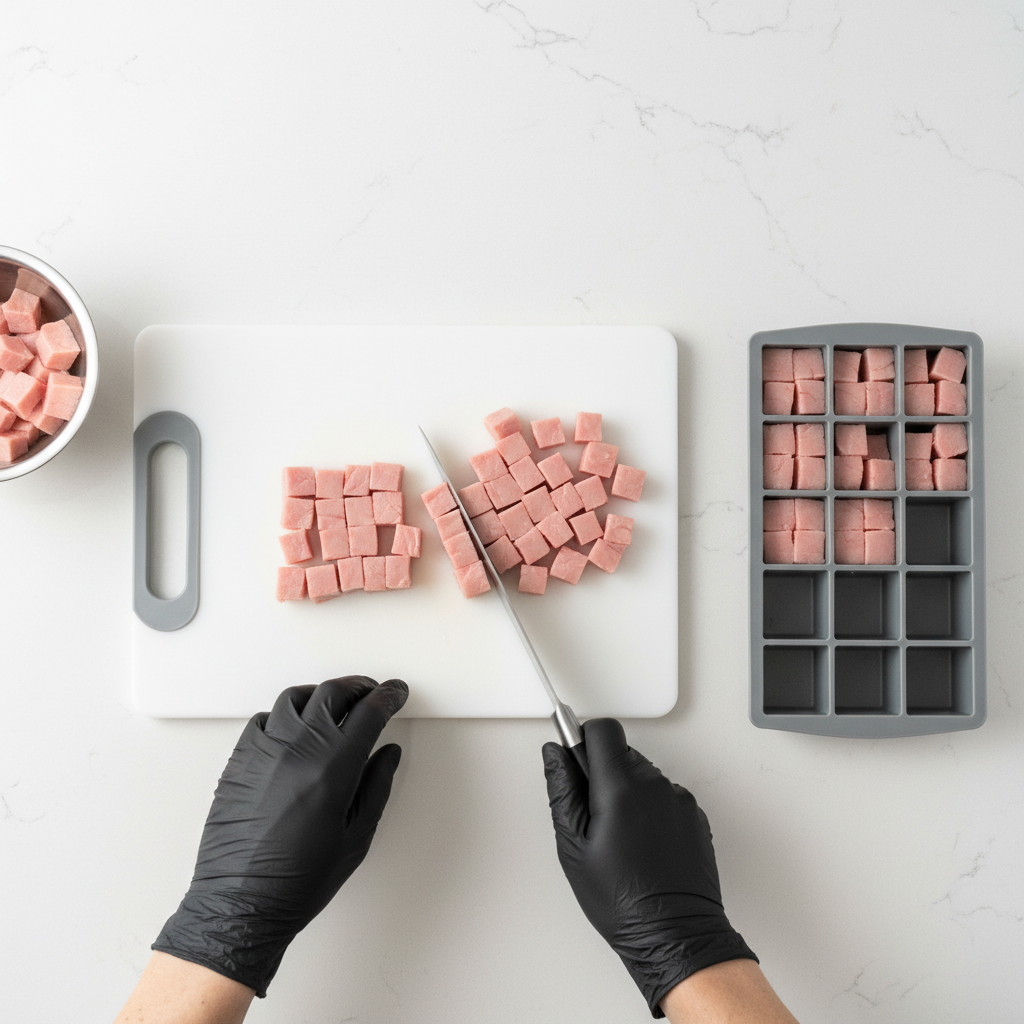
Raw pancreas is rich and only needed in small amounts. Freezing is the most effective way to preserve it without destroying the enzymes. Buy in bulk, and spend 30 minutes portioning it for the month. A silicone ice cube tray or candy mold is perfect for this. Dice the fresh pancreas into small, uniform pieces. Press the pieces into the molds, freeze until solid, then pop them out and store them in a labeled freezer bag. This gives you perfectly portioned, easy-to-serve doses for every meal.
The Safe Chef’s Protocol: Dosage and Introduction
MEDICAL DISCLAIMER: I am a canine nutrition analyst, not a licensed veterinarian. The information provided here is for educational purposes based on extensive research and experience. Exocrine Pancreatic Insufficiency (EPI) is a serious medical condition that requires a proper veterinary diagnosis. Always consult with a qualified veterinarian or a certified veterinary nutritionist before making significant changes to your dog’s diet, especially if your dog has a pre-existing health condition.
With the disclaimer understood, let’s move to the protocol. The principle here is simple: start low and go slow. Every dog’s digestive system is unique, and you must act as a careful scientist, observing the results of your experiment.
Calculating the Correct Dosage
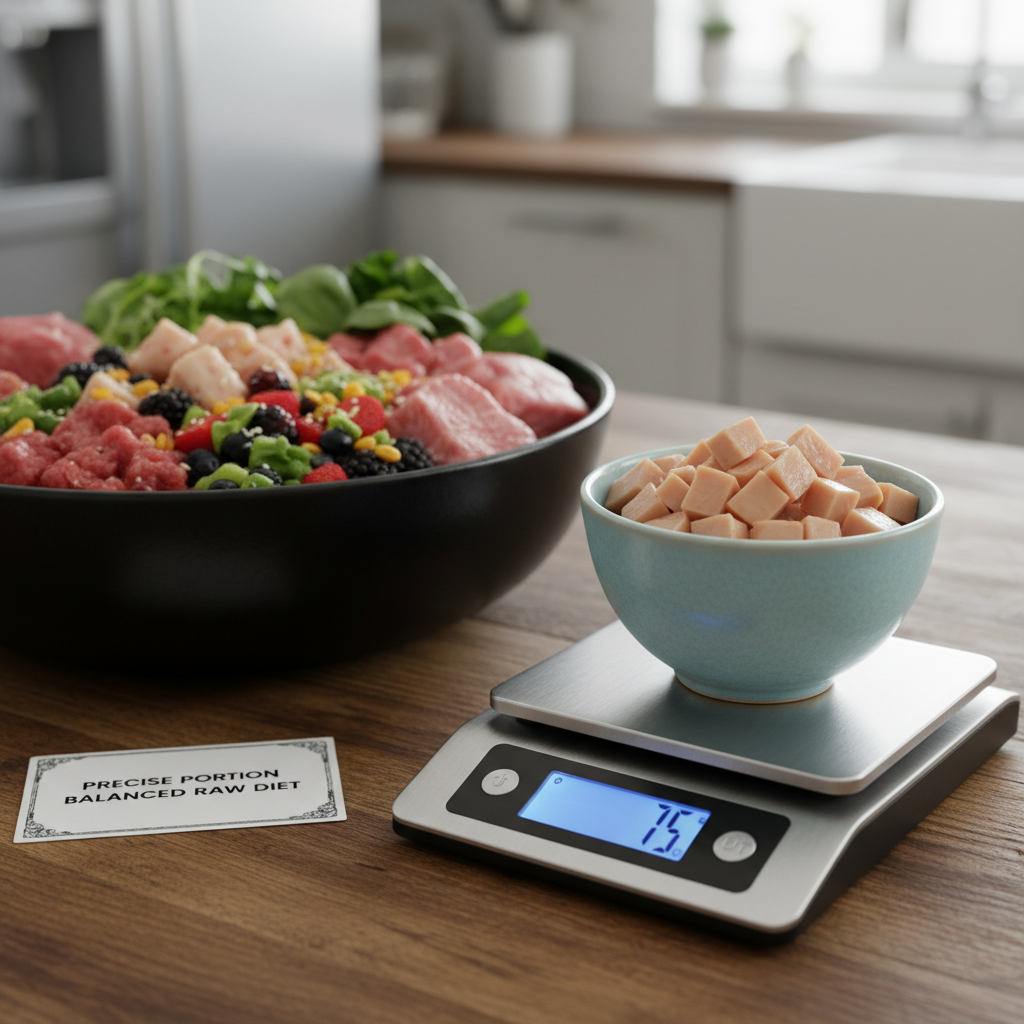
There is no universal, one-size-fits-all dose. It depends on the severity of the enzyme deficiency and the dog’s size. A common and safe starting point for general digestive support is to feed raw pancreas at a rate of 1-3% of the total meal weight.
For a more direct measurement, a general guideline is:
- Small Dogs (under 20 lbs): Start with 1 teaspoon per meal.
- Medium Dogs (20-50 lbs): Start with 1-2 teaspoons per meal.
- Large Dogs (over 50 lbs): Start with 1 tablespoon (3 teaspoons) per meal.
For dogs with a confirmed EPI diagnosis, the requirement is much higher, often around 1 ounce of pancreas per 20 pounds of body weight, per meal. This is why a veterinary partnership is crucial for diagnosed conditions.
The Introduction Protocol
- Begin with Half: For the first 3-4 days, give only half of the recommended starting dose. Your goal is to introduce the new, enzyme-rich food without shocking the system.
- Mix Thoroughly: Dice the pancreas portion into very small pieces and mix it thoroughly into the food. Allow it to sit for 15-20 minutes at room temperature before serving. This allows the enzymes to begin pre-digesting the meal.
- Monitor the Output: The proof is in the poop. You are looking for a shift towards well-formed, darker, less-frequent, and less-odorous stools. This is the primary indicator of success.
- Adjust as Needed: If stools remain loose, you may need to slightly increase the amount of pancreas. If stools become too hard, you may be giving too much. Small, incremental adjustments are key. Listen to your dog’s body; it will tell you what it needs.
The Bottom Line: Raw Pancreas vs. Commercial Enzyme Powders
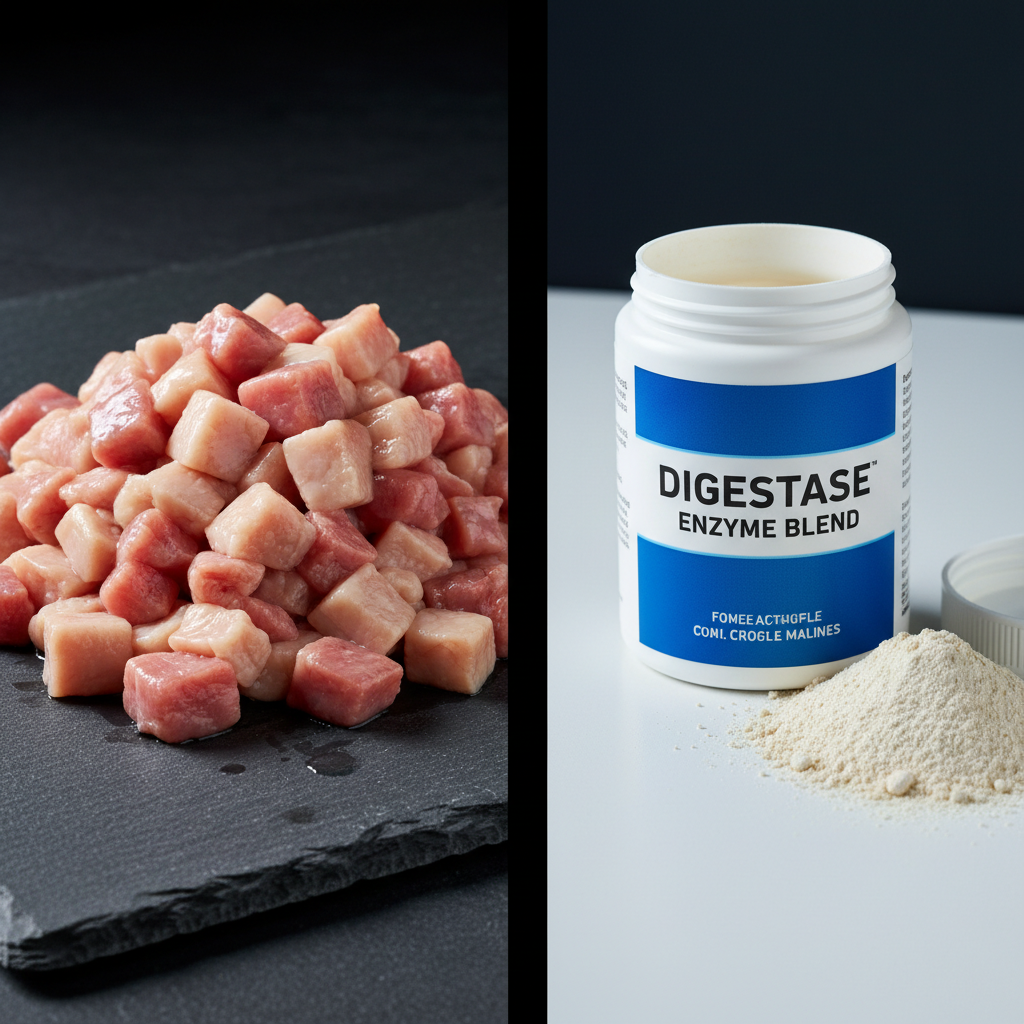
The pet supplement market is a billion-dollar industry, and powdered digestive enzymes are a popular product. But how do they stack up against the real thing? As a nutrition hacker, you must analyze the data and not the marketing. Let’s put them head-to-head.
| Feature | Raw Pancreas (Beef/Pork) | Commercial Enzyme Powder |
|---|---|---|
| Source | Whole food, single ingredient from an animal source. | Often plant-based (papain, bromelain) or porcine/fungal derived, then heavily processed and concentrated. |
| Bioavailability | Extremely high. The body recognizes it as food. Enzymes are in their natural, unaltered state with all necessary co-factors. | Variable. Processing can damage enzymes. May lack the natural co-factors needed for optimal function. Often contains fillers and binders. |
| Cost Breakdown (approx.) | ~$0.25 – $0.50 per ounce. A 50lb dog might need 1oz/day, costing $0.25/day. | ~$0.75 – $1.50 per dose. A leading brand costs ~$45 for a 12oz jar, with a daily dose costing $1.20/day. |
| Ingredient Purity | 100% pure pancreas. No additives, no preservatives, no fillers. You know exactly what you are feeding. | Often contains flow agents (silicon dioxide), binders, fillers (maltodextrin), and sometimes artificial flavorings. |
| Verdict | Superior bioavailability and purity at a significantly lower cost. The gold standard for enzyme supplementation. | Convenient and shelf-stable, but a more expensive and less biologically appropriate option with potential for unwanted additives. |
The analysis is clear. While a high-quality powder is better than nothing, it cannot compete with the biological perfection and cost-effectiveness of raw pancreas. By sourcing the organ yourself, you cut out the middlemen, the processing, the marketing, and the unnecessary additives, delivering a more potent product directly to your dog’s bowl for a fraction of the cost.
Conclusion
Adding raw pancreas to your dog’s meals is more than just a dietary tweak; it’s a strategic intervention that leverages the power of whole foods to solve complex digestive problems. You have now moved beyond the realm of the average pet owner and into the territory of the proactive canine nutrition hacker. You understand the enzymatic science, you have the protocol for safe sourcing and handling, and you’ve seen the forensic breakdown of why it’s superior to processed alternatives. By taking this step, you are not only potentially saving money but also providing your dog with a level of digestive support that simply cannot be replicated by a factory. Empowered with this knowledge, you can now make an informed decision to unlock a new level of health and vitality for your canine companion.