Ostrich Meat for Dogs: The Ultimate Novel Protein for Allergies?
Let’s cut to the chase. You’re here because your dog is miserable. The constant scratching, the hot spots, the ear infections, the digestive upset—it’s a frustrating, expensive, and heartbreaking cycle. You’ve tried different foods, followed your vet’s advice, and yet the symptoms persist. This isn’t just a pet problem; it’s a drain on your wallet and your peace of mind. The truth is, you’re fighting a battle against an invisible enemy hidden in plain sight: common protein allergens. But what if I told you there’s a powerful, under-the-radar solution that most pet owners have never even considered? It’s time to stop treating the symptoms and start hacking the ingredients. Welcome to the world of novel proteins, where ostrich meat reigns supreme.
Medical Disclaimer: I am The Canine Nutrition Hacker, not a veterinarian. The information in this article is based on extensive research and analysis of canine nutrition. It is not a substitute for professional veterinary advice. Always consult with your veterinarian before making any significant changes to your dog’s diet, especially if they have pre-existing health conditions.
Decoding Canine Food Allergies: Identifying the Enemy Ingredients

Before you can win the war, you have to know your enemy. A true food allergy involves an immune system response, while a food intolerance is a digestive issue. For your suffering dog, the distinction is academic—the result is the same: chronic inflammation and discomfort. The root cause is often overexposure. The pet food industry has relied on a handful of cheap, accessible proteins for decades, and our dogs’ immune systems are paying the price. These are the usual suspects, the ‘Enemy Ingredients’ I find on labels day in and day out:
- Chicken: The most common culprit, found in everything from kibble to treats. Its ubiquity is its downfall.
- Beef: Another frequent offender, often sourced from rendered fats and low-quality trimmings in budget foods.
- Dairy: Many dogs are lactose intolerant, leading to gas, bloating, and diarrhea. It’s a cheap binder and flavor enhancer.
- Soy: A plant-based protein filler that is notorious for causing allergic reactions and digestive issues in canines.
- Lamb: Once considered a novel protein, its widespread use has now made it a common allergen for many dogs.
- Wheat & Corn: These grains are cheap fillers that provide minimal nutritional value and are frequent triggers for allergic reactions.
Hacker Tip: Don’t be fooled by marketing terms like ‘premium’ or ‘natural.’ The enemy often hides in the first five ingredients. If you see ‘corn gluten meal’ or ‘chicken by-product meal’ at the top of the list, you’re paying a premium price for inflammatory fillers.
This cycle of exposure leads to a state of constant alert for your dog’s immune system. The result is the frustrating array of symptoms you know all too well: itchy paws, skin infections, chronic ear problems, and gastrointestinal distress. You switch from one chicken-based ‘sensitive skin’ formula to a lamb-based one, only to find the problem returns. That’s because you’re swapping one common allergen for another, not solving the core problem.
The Novel Protein Revolution: Why Ostrich is the Ultimate Hero Ingredient
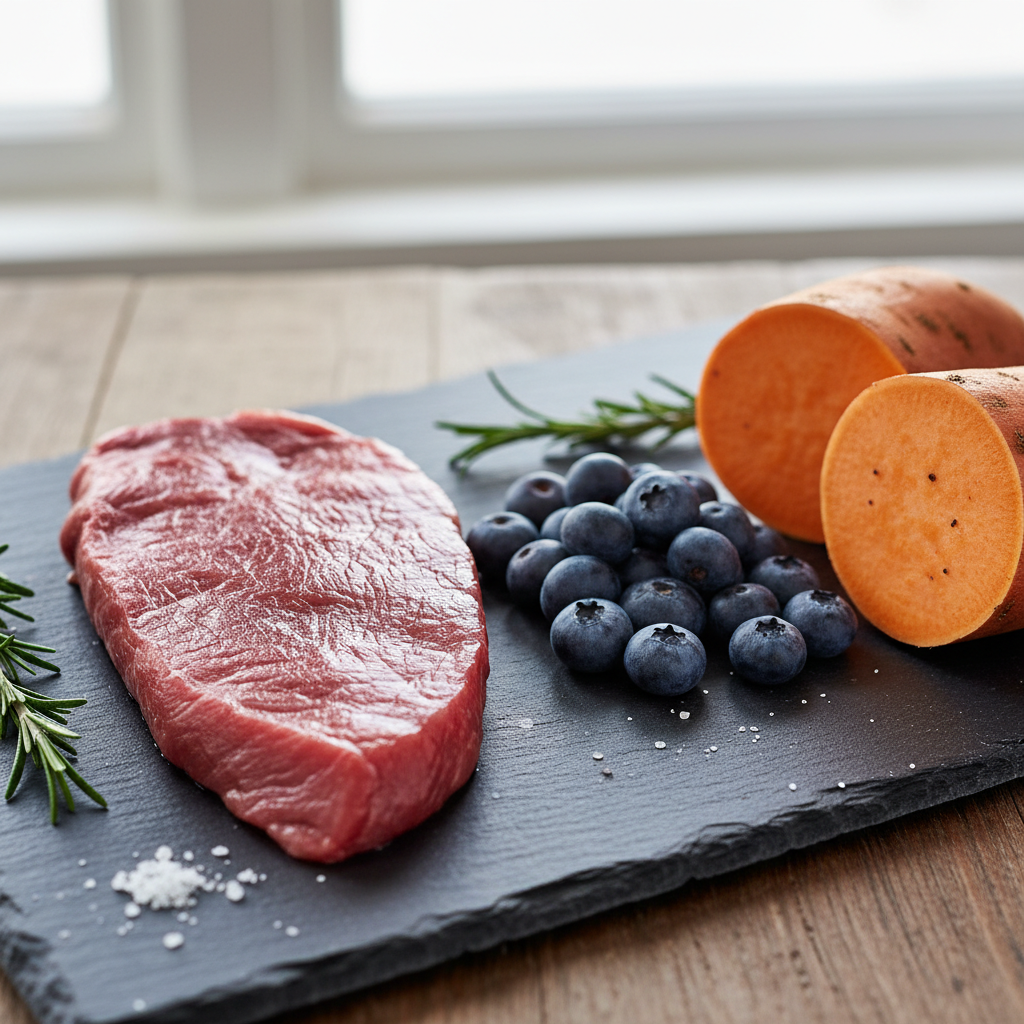
The solution isn’t just a different food; it’s a different category of food. Enter the ‘Hero Ingredient’: the novel protein. A novel protein is simply one your dog’s immune system has never encountered. With no history of exposure, there’s no pre-programmed allergic response. While options like venison, duck, and rabbit have become more common (and thus, less ‘novel’), ostrich remains the ultimate ace up your sleeve.
Why is ostrich the superior choice? The data speaks for itself:
- Truly Hypoallergenic: For the vast majority of dogs, ostrich is a completely new protein, making it one of the most effective options for a true elimination diet.
- Incredibly Lean: Ostrich is lower in fat than chicken, beef, and even turkey. This makes it an excellent choice for weight management and for dogs prone to pancreatitis.
- Packed with Nutrients: It boasts an impressive nutritional profile, being exceptionally high in iron (crucial for energy and oxygen transport), Vitamin B12, and lean protein.
- Environmentally Sustainable: Ostrich farming requires significantly less land and water than cattle farming and produces far fewer greenhouse gases. It’s a choice you can feel good about.
Let’s break down how it stacks up against the old guard:
| Protein Source | Allergen Risk | Fat Content (per 100g) | Key Nutrient | Sustainability Profile |
|---|---|---|---|---|
| Ostrich | Extremely Low | ~3g | Iron, B12 | Very High |
| Chicken | Very High | ~14g | Niacin | Moderate |
| Beef | Very High | ~15g | Zinc, Iron | Very Low |
| Lamb | High | ~21g | Selenium | Low |
The numbers don’t lie. Ostrich isn’t just another option; it’s a strategic nutritional upgrade. It directly counters the problem of overexposure while delivering a superior, nutrient-dense, and lean protein source that can help reset your dog’s system.
The Forensic Analysis: How to Spot a Legit Ostrich Dog Food
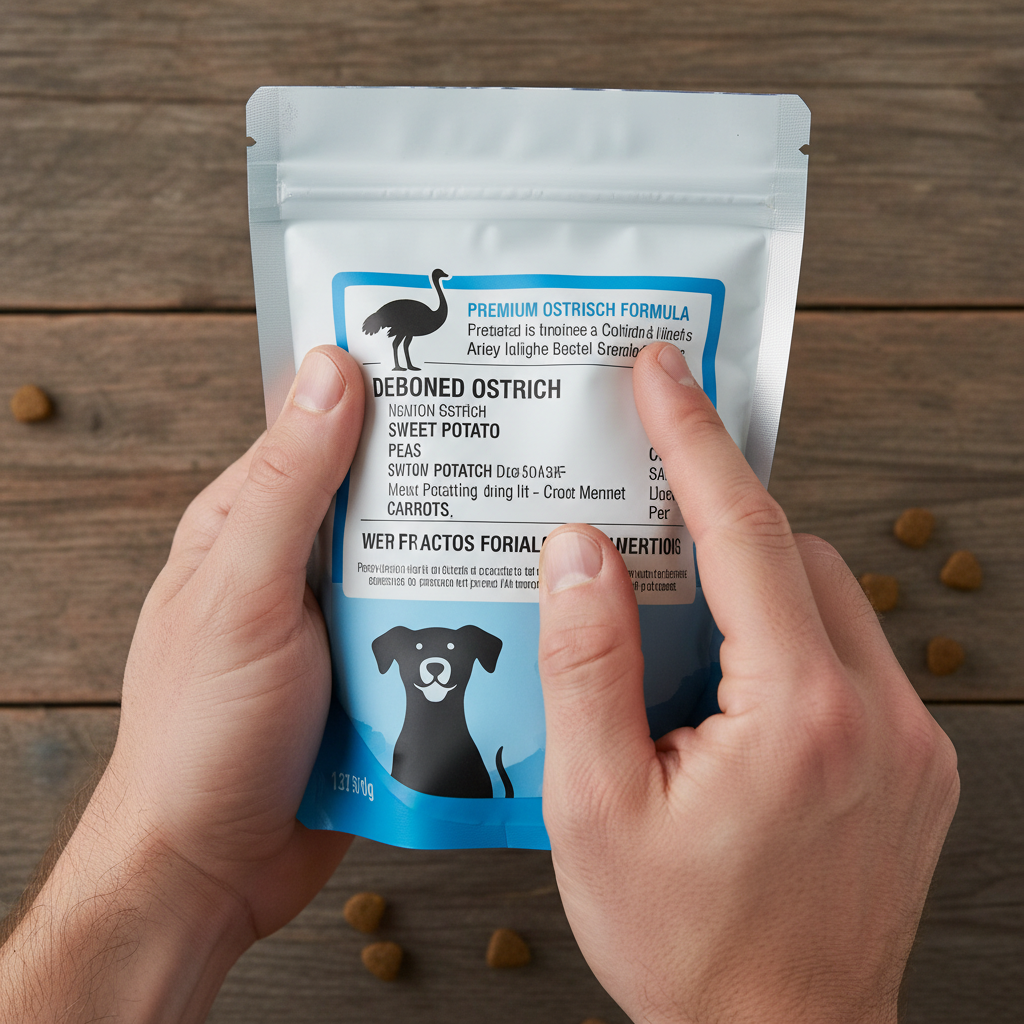
Now that you know the ‘what’ and ‘why,’ let’s focus on the ‘how.’ The market is flooded with deceptive packaging and clever marketing. Your job as a Canine Nutrition Hacker is to ignore the pictures on the front of the bag and become a forensic analyst of the ingredient panel on the back.
The ‘First 5 Ingredients’ Truth
The first five ingredients make up the bulk of the food. This is where the nutritional value (or lack thereof) is determined. When you’re investing in an ostrich-based food, you demand ostrich at the top.
- Green Flag (What you want to see): `Deboned Ostrich`, `Ostrich Meal` (a concentrated protein source), or `Ostrich`. Ideally, it should be the very first ingredient.
- Red Flag (What to avoid): If the first ingredient is `Corn`, `Wheat`, `Soy`, or even `Chicken Meal` in a food advertised as ‘with Ostrich,’ put the bag down. You’re paying for a marketing gimmick, not a true novel protein diet.
The Hit List: Fillers and Junk to Avoid
A true limited ingredient diet is clean. Watch out for these red flags anywhere on the label:
- By-Product Meals: Vague terms like ‘meat by-products’ can include a mix of rendered parts that are impossible to trace and can hide allergens.
- Artificial Colors & Flavors: Unnecessary chemicals like Red 40 or ‘bacon flavor’ serve no nutritional purpose and can be irritants.
- Chemical Preservatives: BHA, BHT, and ethoxyquin are controversial preservatives. Look for natural preservation methods using mixed tocopherols (Vitamin E).
- Sweeteners: Corn syrup, sucrose, or other sugars are addictive, inflammatory, and have no place in dog food.
Hacker Tip: Look at the ‘Guaranteed Analysis’ panel. A high-quality food will have a crude protein level of at least 25% (and often over 30%) and a crude fat level appropriate for your dog’s activity level (typically 12-18%). The fiber should be reasonable, usually under 6%, to ensure digestibility.
Your goal is a simple, clean, and short ingredient list. The fewer ingredients, the fewer potential triggers for your dog’s sensitive system. Ostrich should be the star of the show, supported by healthy, whole-food carbohydrates like sweet potatoes or peas, and beneficial fats like sunflower or fish oil.
The Transition Protocol: A Step-by-Step Guide to Introducing Ostrich
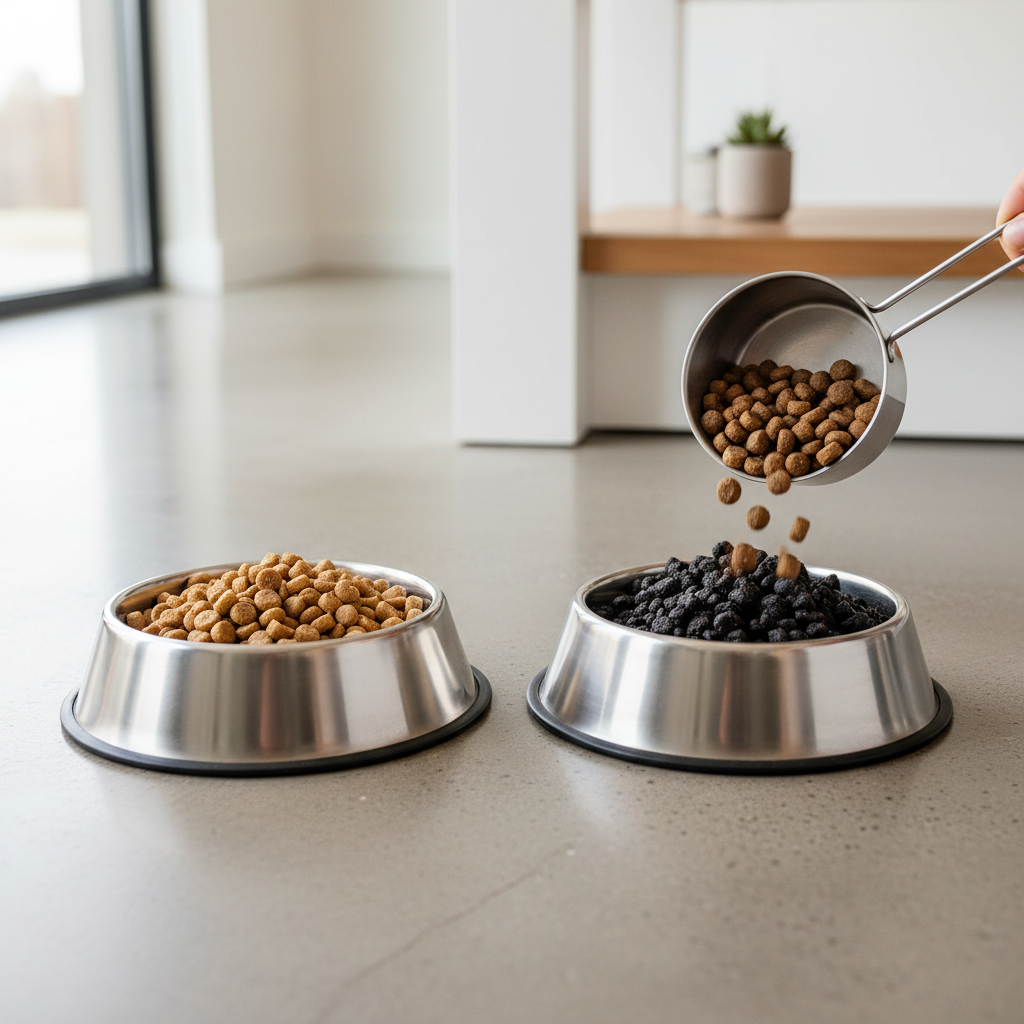
You’ve done the research and purchased a high-quality ostrich formula. The final, critical step is the transition. Switching food abruptly is a surefire way to cause digestive chaos, which can be easily mistaken for a reaction to the new food itself. You must give your dog’s gut biome time to adapt. Follow this protocol precisely for a seamless switch.
This is a marathon, not a sprint. A slow, methodical transition is non-negotiable for preventing digestive upset and ensuring your dog successfully adapts to the new nutrient profile.
- Days 1-3: The Introduction. Mix 75% old food with 25% new ostrich food. Observe your dog’s stool and energy levels closely.
- Days 4-6: The 50/50 Split. Move to a 50% old food and 50% new food ratio. By this stage, your dog’s system should be adjusting well.
- Days 7-9: The Home Stretch. Shift the balance to 25% old food and 75% new ostrich food. The new food is now the dominant part of their meal.
- Day 10 and Beyond: Full Transition. You can now feed 100% of the new ostrich-based formula. Continue to monitor your dog for the next few weeks as their body fully acclimates.
Important Warning: During this process, watch for any signs of digestive upset like loose stool, diarrhea, or vomiting. If this occurs, it doesn’t necessarily mean the food is wrong for them. Go back to the previous ratio for a few extra days before trying to increase the new food again. If problems persist, consult your vet.
Remember, an elimination diet takes time to show results. It can take 8-12 weeks for the old allergens to completely clear your dog’s system and for you to see a significant reduction in skin and coat issues. Patience is key.
Beyond the Bowl: Integrating Ostrich Treats and Toppers

A common mistake that sabotages even the most perfect diet plan is overlooking treats. You can feed the best hypoallergenic food in the world, but if you’re still giving your dog treats with chicken, beef, or wheat, you’re continuing to fuel the allergic reaction. Your treat game must be as clean as your food game.
This is where single-ingredient ostrich treats become an invaluable tool. They allow you to reward your dog without risking an allergic flare-up. Look for options like:
- Freeze-Dried Ostrich Meat: Pure, raw nutrition in a convenient, shelf-stable form. These can be used as high-value training rewards.
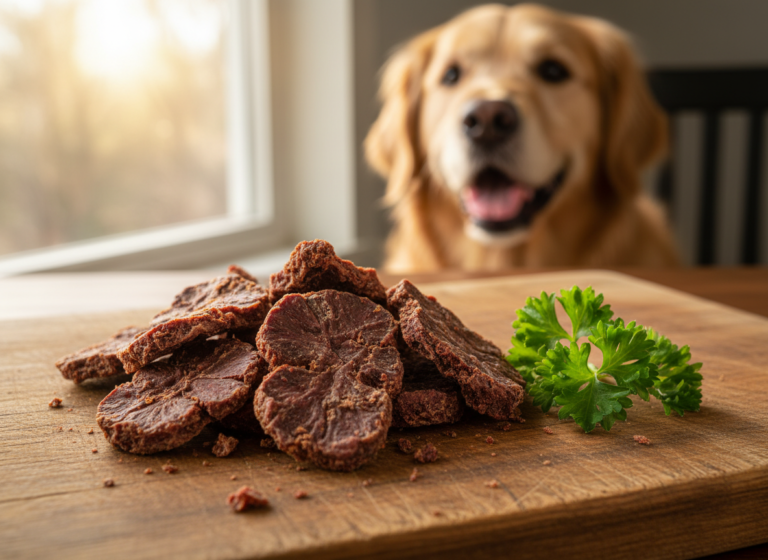
- Ostrich Jerky: A satisfying, chewy treat that helps with dental health. Ensure the ingredient list is just ‘ostrich’ and maybe a natural preservative like rosemary extract.
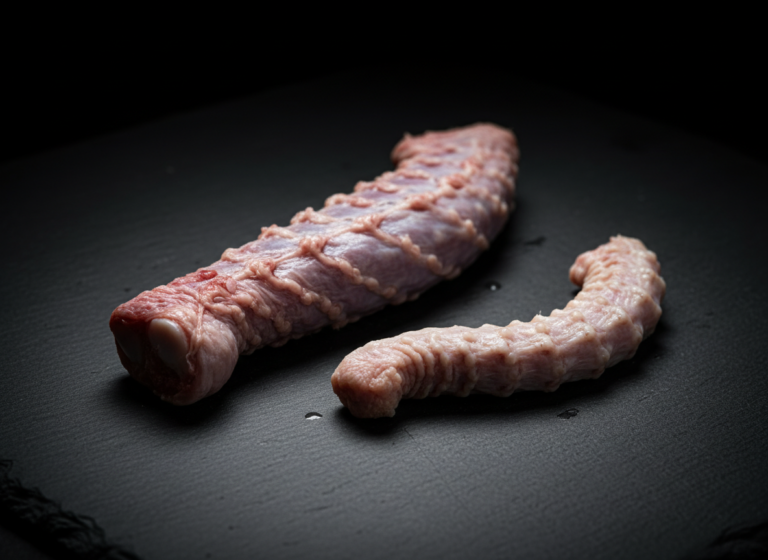
- Ostrich Tendons or Bones: Excellent long-lasting chews that provide mental stimulation and help clean teeth. Always supervise your dog with any bone or chew.
Hacking for Picky Eaters
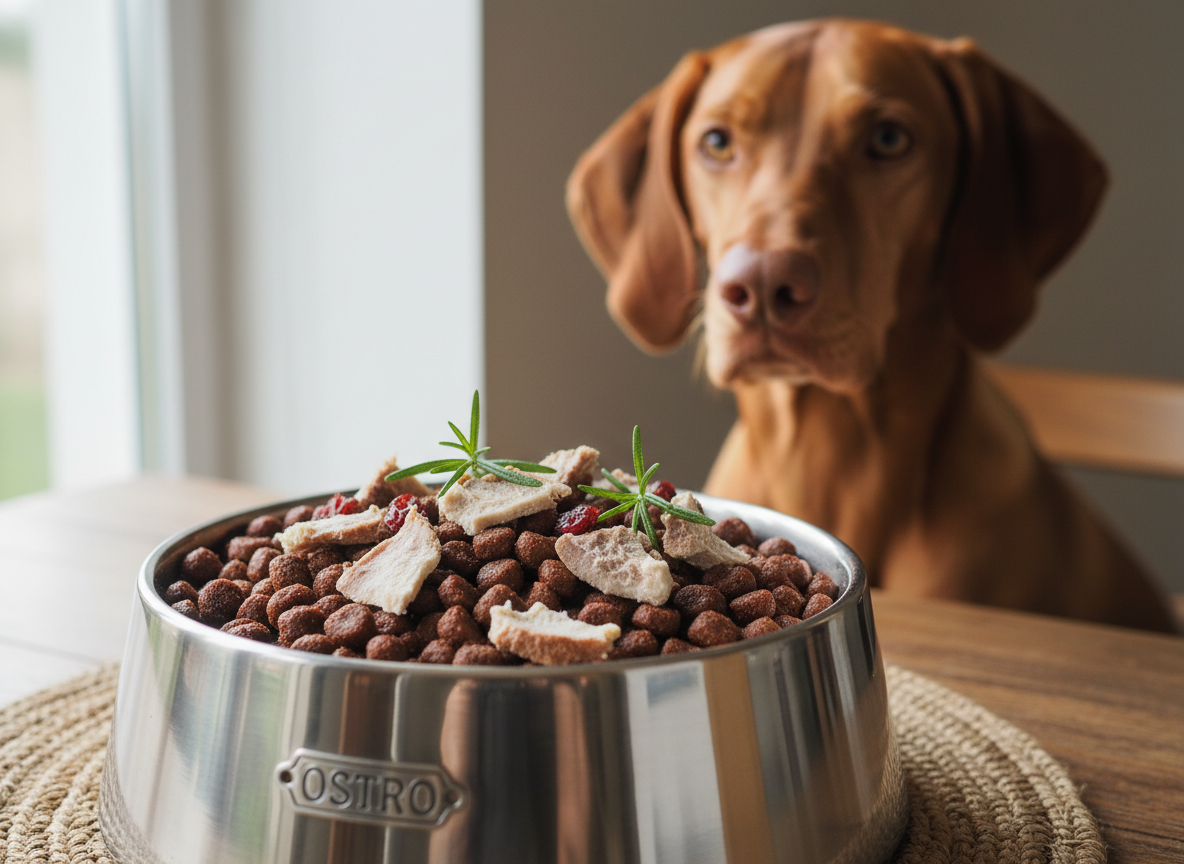
Some dogs can be resistant to new foods. If your dog is hesitant about the new kibble, an ostrich-based topper can be a game-changer. Crushing up a few freeze-dried ostrich nuggets and sprinkling them over the food can dramatically increase palatability without introducing new allergens. This ‘meal hacking’ technique ensures they get the novel protein they need while satisfying their desire for something extra.
Insider Secret: Read the ingredients on ‘dental chews’ and other functional treats. They are notorious for being packed with wheat gluten, corn starch, and mystery ‘natural flavors’ that can completely undermine your efforts. Stick to single-source protein treats to maintain a truly clean diet.
Conclusion
Navigating the world of canine food allergies is a complex and often demoralizing task. But you are now armed with the knowledge to fight back effectively. Ostrich meat isn’t a magic cure, but it is one of the most powerful, effective, and strategic tools available to the informed pet owner. By understanding the enemy ingredients, recognizing the power of a true novel protein, and learning to analyze an ingredient panel like a professional, you can break the cycle of itching and inflammation.
The power is in your hands. You have the ability to look past the flashy marketing and make an informed decision based on data and logic. Choosing a high-quality, ostrich-based diet, transitioning properly, and cleaning up your treat selection is a comprehensive strategy for success. Stop treating the symptoms. Start hacking the ingredients. Your dog’s health, comfort, and happiness are worth the effort.