Oven Baked vs. Kibble: Which Processing Method is Best?
You spend hours in the pet food aisle, turning over bags, decoding ingredient lists like a CIA cryptographer. You know to look for whole meat as the first ingredient and to avoid mysterious ‘by-products.’ But what if I told you the most critical factor determining your dog’s nutrition isn’t even on that ingredient panel? The real story is in the manufacturing process. The battle between oven-baked and traditional extruded kibble is one of the most significant, yet least-discussed, topics in canine nutrition. One method uses extreme, violent heat and pressure, while the other uses a gentle, slow-cooking technique. As The Canine Nutrition Hacker, I’m here to pull back the curtain on the factory floor. We’re going beyond the marketing hype to analyze the science, the nutritional impact, and the true cost of what you pour into your dog’s bowl every day. Prepare to rethink everything you thought you knew about dry dog food.
The Extrusion Engine: Deconstructing Traditional Kibble
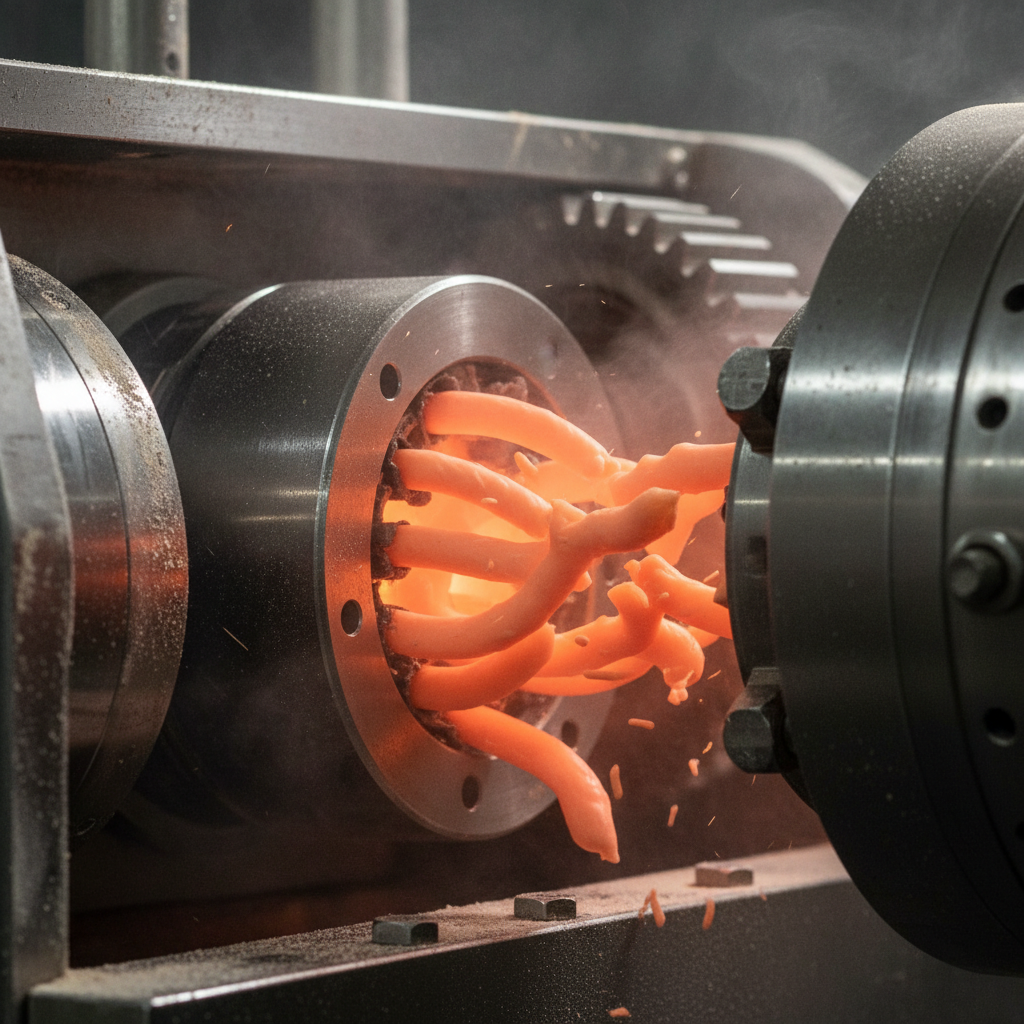
Over 95% of dry dog foods on the market are made through a process called extrusion. It’s fast, it’s cheap, and it’s incredibly efficient at mass-producing food. But that efficiency comes at a steep nutritional cost. Think of it as the fast food of the pet food world.
The High-Heat, High-Pressure Process
Here’s how it works: A mash of ingredients, including meat meals, grains, and starches, is mixed into a dough. This dough is fed into a massive machine—the extruder—where it’s subjected to extreme heat (often up to 400°F) and immense pressure. This intense cooking process forces the mixture through a die plate that cuts it into the familiar kibble shapes. As the kibble emerges from the high-pressure environment, it puffs up with air, much like a cheese puff.
The problem is, this violent process obliterates a significant portion of the natural nutrients. Key vitamins, fragile amino acids, and vital enzymes are destroyed by the extreme temperatures. To compensate for this nutrient degradation, manufacturers must then spray the now-sterile kibble with a coating of fats (for palatability) and a cocktail of synthetic vitamins and minerals. That’s right—the nutrition in most kibbles is literally sprayed on at the end, not preserved from the original ingredients.
The Starch Dependency
Furthermore, the extrusion process requires a high level of starch (from ingredients like corn, wheat, rice, or potatoes) to work correctly. The starch is necessary to bind the kibble together and create that puffed texture. This is a primary reason why even many ‘grain-free’ kibbles are loaded with starchy fillers like peas and lentils. This high carbohydrate load is not biologically optimal for our carnivorous companions and can contribute to weight gain and metabolic stress over time.
Insider Secret: The ‘sprayed-on’ fat layer is what makes low-quality kibble appealing to dogs. It’s a flavor trick that masks a nutritionally-void interior. If a kibble feels greasy or leaves a heavy residue on your hands, you’re feeling the sprayed-on fats, not inherent ingredient quality.
Slow and Low: The Secrets of Oven-Baked Dog Food
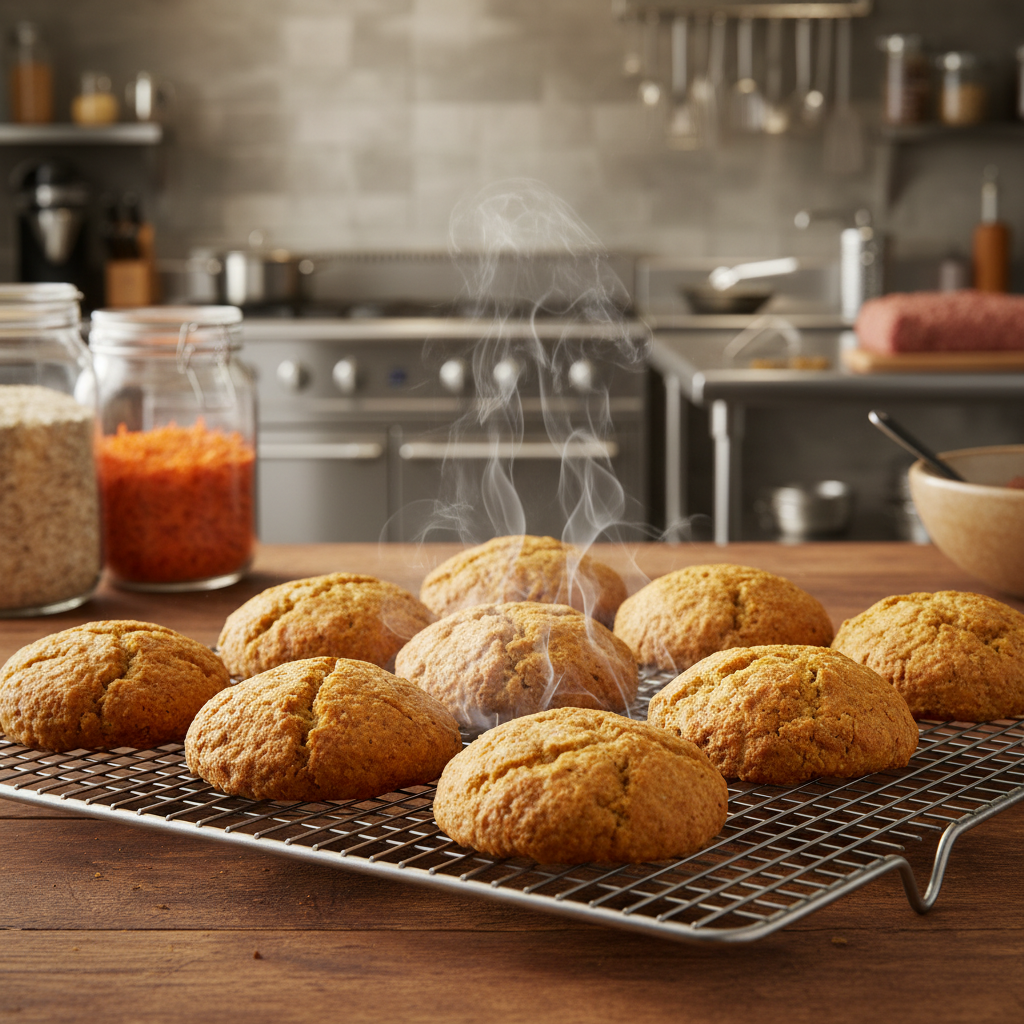
In stark contrast to the violence of extrusion, oven-baking is an artisanal approach. It’s a slower, gentler process that mirrors how you might cook food in your own kitchen. While it represents a smaller slice of the market, its nutritional philosophy is gaining serious traction among informed pet owners.
The Artisanal Cooking Method
As the name implies, oven-baked dog food is made by mixing ingredients into a dough, cutting it into shapes, and then slowly baking it in large ovens at much lower temperatures (typically 250-300°F). There is no high-pressure puffing. The process takes significantly longer, which is why it’s more expensive from a manufacturing standpoint.
This gentle heat is the game-changer. By avoiding extreme temperatures, oven-baking preserves a much higher percentage of the original nutrients from the whole food ingredients. Natural vitamins, enzymes, and the integrity of the proteins and fats remain largely intact. This means manufacturers don’t need to rely as heavily on a cocktail of synthetic supplements to meet AAFCO nutritional standards. The nutrition is baked in, not sprayed on.
Higher Density, Higher Meat Content
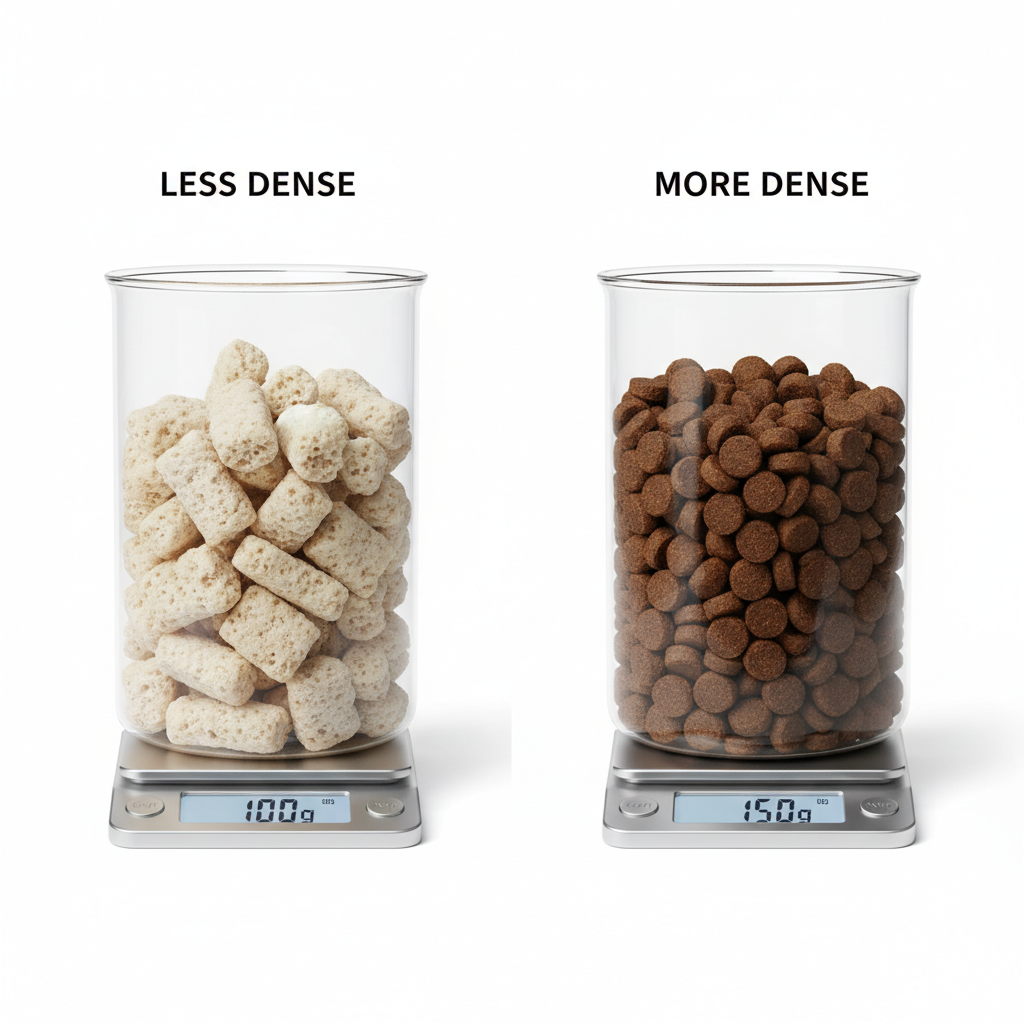
Because it doesn’t need to be ‘puffed’ with air, oven-baked kibble is naturally denser. A cup of oven-baked food can weigh significantly more than a cup of extruded kibble. This has two major benefits:
- Smaller Portions: You feed your dog smaller quantities by volume, which can be beneficial for dogs prone to bloating.
- More Room for Meat: The process doesn’t rely on high starch content for binding. This allows for a much higher percentage of fresh meat and whole ingredients to be included in the formula, creating a more species-appropriate diet.
The result is a food that is not only more nutritionally potent but also often more palatable, as the natural aromas and flavors of the meat and fats are preserved, not destroyed and artificially replaced.
Nutritional Face-Off: The Forensic Analysis
When we put these two methods under the microscope, the differences become starkly clear. It’s a classic case of industrial efficiency versus nutritional integrity. Let’s break down the key battlegrounds.
Nutrient Bioavailability
This is the most critical factor. ‘Bioavailability’ refers to the proportion of a nutrient that is absorbed and utilized by the body. The high heat of extrusion can ‘denature’ proteins, making them harder for a dog to digest and use. In contrast, the slow-baking process helps maintain the natural structure of proteins and fats, making them highly bioavailable. Your dog gets more nutritional bang for every bite from baked food.
Ingredient Integrity and Density
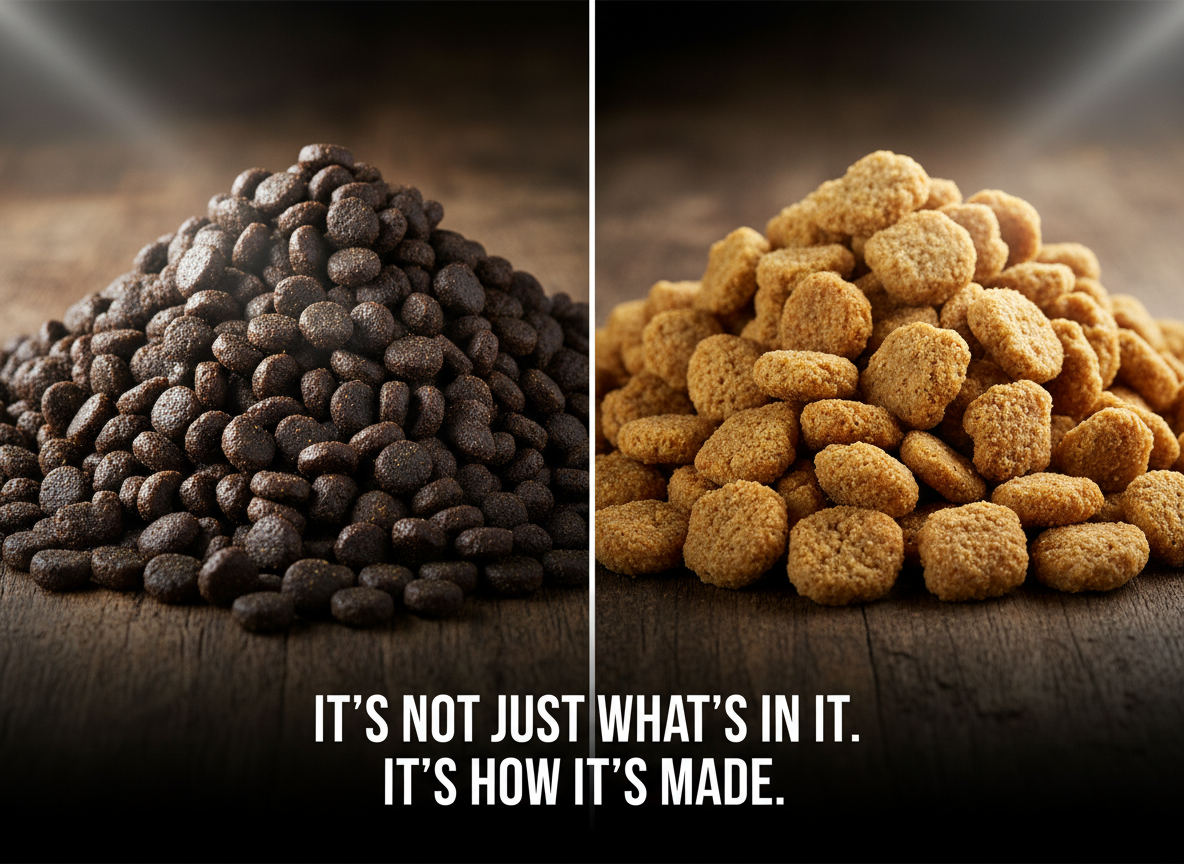
Extruded kibbles are light and airy. Oven-baked foods are dense and substantial. This density is a direct result of containing more real ingredients and less air. Pick up a piece of each—you can feel the difference immediately. This density means a smaller feeding portion can deliver the same or greater caloric and nutritional value, which can aid in weight management and reduce the risk of gastric torsion (bloat), a life-threatening condition.
Below is a direct, no-nonsense comparison of the core differences between the two processing methods.
| Feature | Extruded Kibble (The Standard) | Oven-Baked Food (The Challenger) | The Hacker’s Verdict |
|---|---|---|---|
| Cooking Temperature | Extremely High (300-400°F) | Low (250-300°F) | Winner: Oven-Baked. Lower heat preserves nutrient integrity. |
| Nutrient Retention | Poor. Significant vitamin and enzyme loss, requiring heavy synthetic supplementation. | Excellent. High retention of natural nutrients from whole ingredients. | Winner: Oven-Baked. Nutrition is baked in, not sprayed on. |
| Fresh Meat Content | Limited. Process requires high starch levels and often relies on rendered meat meals. | High. Process allows for a greater percentage of fresh, whole meats. | Winner: Oven-Baked. More biologically appropriate for canines. |
| Ingredient Density | Low. Puffed with air, less nutrition by volume. | High. Dense with nutrients, requiring smaller feeding portions. | Winner: Oven-Baked. Better value per calorie and safer for bloat-prone dogs. |
| Palatability Source | Relies on artificially sprayed-on fats and flavor enhancers. | Derives from the natural, preserved flavors of the baked ingredients. | Winner: Oven-Baked. Appeals to picky eaters without artificial additives. |
| Cost | Generally Lower | Generally Higher | Winner: Extruded. The clear winner on upfront cost, but not necessarily on long-term value. |
The Price Tag: Is Oven-Baked Worth the Investment?
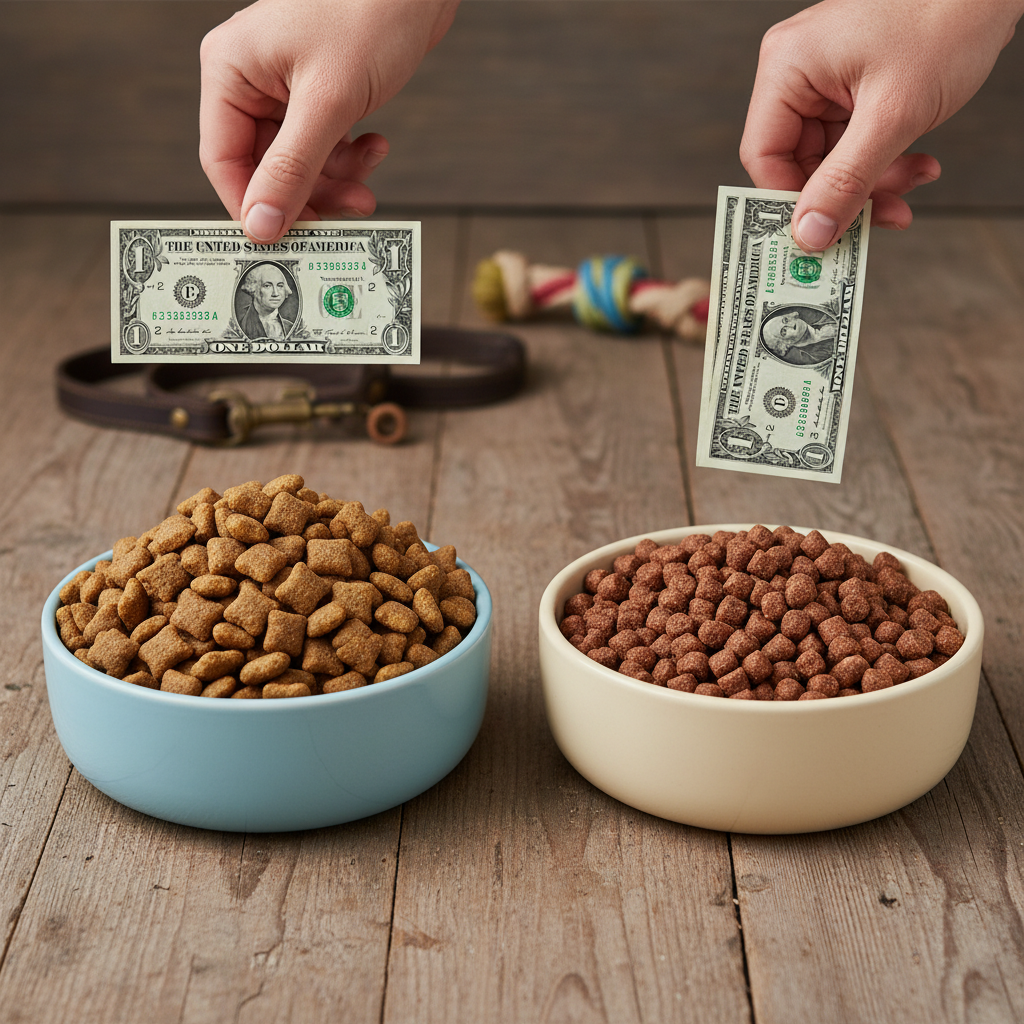
Let’s address the elephant in the room: the cost. A bag of oven-baked dog food almost always carries a higher price tag than a comparable bag of extruded kibble. This is an unavoidable consequence of a slower manufacturing process, smaller batch sizes, and a higher inclusion of expensive fresh meat ingredients. For many, this is an immediate deal-breaker. But the savvy owner knows to look beyond the initial price.
Calculating the True Cost: Per Day, Not Per Bag
The key is to shift your mindset from ‘cost per bag’ to ‘cost per day.’ Because oven-baked food is so much denser, the recommended daily feeding portion is often 20-25% smaller than that of an extruded kibble with similar caloric content.
Let’s run a hypothetical scenario for a 50lb dog:
- Standard Extruded Kibble: $60 for a 30lb bag. Feeding guide: 3 cups/day. Cost per day: ~$2.00.
- Premium Oven-Baked Food: $85 for a 25lb bag. Feeding guide: 2.25 cups/day. Cost per day: ~$2.80.
Yes, the oven-baked food is still more expensive per day. But the gap narrows considerably when you account for the smaller portions. The question then becomes one of value. Are you willing to pay an extra $0.80 per day for a significant upgrade in nutrient bioavailability, ingredient quality, and digestibility?
Hacker Tip: Look at the long game. The higher upfront cost of superior nutrition can be an investment in your dog’s long-term health. It may translate to a stronger immune system, a healthier coat, better digestion, and potentially fewer non-routine vet visits down the line. The ‘cheaper’ food might cost you more in the long run.
Ultimately, the decision rests on your personal budget. Not everyone can afford the premium option, and that’s okay. The goal is to make the most informed choice possible within your means.
Conclusion
The verdict is clear: from a purely nutritional and scientific standpoint, oven-baking is a superior processing method to extrusion. It treats high-quality ingredients with respect, preserving the vital nutrients that extrusion’s high-heat process destroys. It results in a denser, more bioavailable, and more species-appropriate food that is fundamentally better for most dogs.
However, the ‘best’ food for your dog is the one that fits your budget while providing the highest quality nutrition you can afford. If oven-baked food is within your reach, making the switch is one of the most impactful decisions you can make for your dog’s health. If you must stick with traditional kibble, use this knowledge to become a more discerning consumer. Look for brands that are transparent about their cooking temperatures and use high-quality, whole ingredients to minimize the damage of the extrusion process.
You are now armed with the insider knowledge that separates the average owner from the nutrition hacker. You understand that the factory process is just as important as the ingredient list. Use that power to make the absolute best choice for your loyal companion.