
Pumpkin for Dogs: The Miracle Cure for Constipation and Diarrhea
That sinking feeling in the pit of your stomach is familiar to every dog owner: the dreaded squat that produces nothing, or worse, the explosive mess that signals a major digestive crisis. Digestive upset is one of the top reasons for emergency vet visits, costing owners time, money, and significant stress. Before you rush to expensive medications or specialty foods, the solution might be sitting in your pantry. We’re talking about pumpkin—a simple, inexpensive, yet incredibly powerful tool for regulating your dog’s digestive system.
But this isn’t just an old wives’ tale. The effectiveness of pumpkin is rooted in hard science. It’s a dual-action powerhouse that can miraculously address both constipation and diarrhea. As the Canine Nutrition Hacker, my job is to cut through the noise and give you the actionable intelligence you need. In this guide, we will dissect the nutritional science of pumpkin, provide a precise protocol for its use, and expose the common—and potentially dangerous—mistakes owners make. It’s time to stop guessing and start leveraging this superfood like a pro.
MEDICAL DISCLAIMER: I am a canine nutrition analyst, not a veterinarian. The information in this article is for educational purposes only and is not a substitute for professional veterinary advice, diagnosis, or treatment. Always seek the advice of your veterinarian with any questions you may have regarding your dog’s medical condition. If your dog’s symptoms are severe or persist for more than 48 hours, consult your vet immediately.
The Science of the Squash: Why Pumpkin Is a Digestive Game-Changer
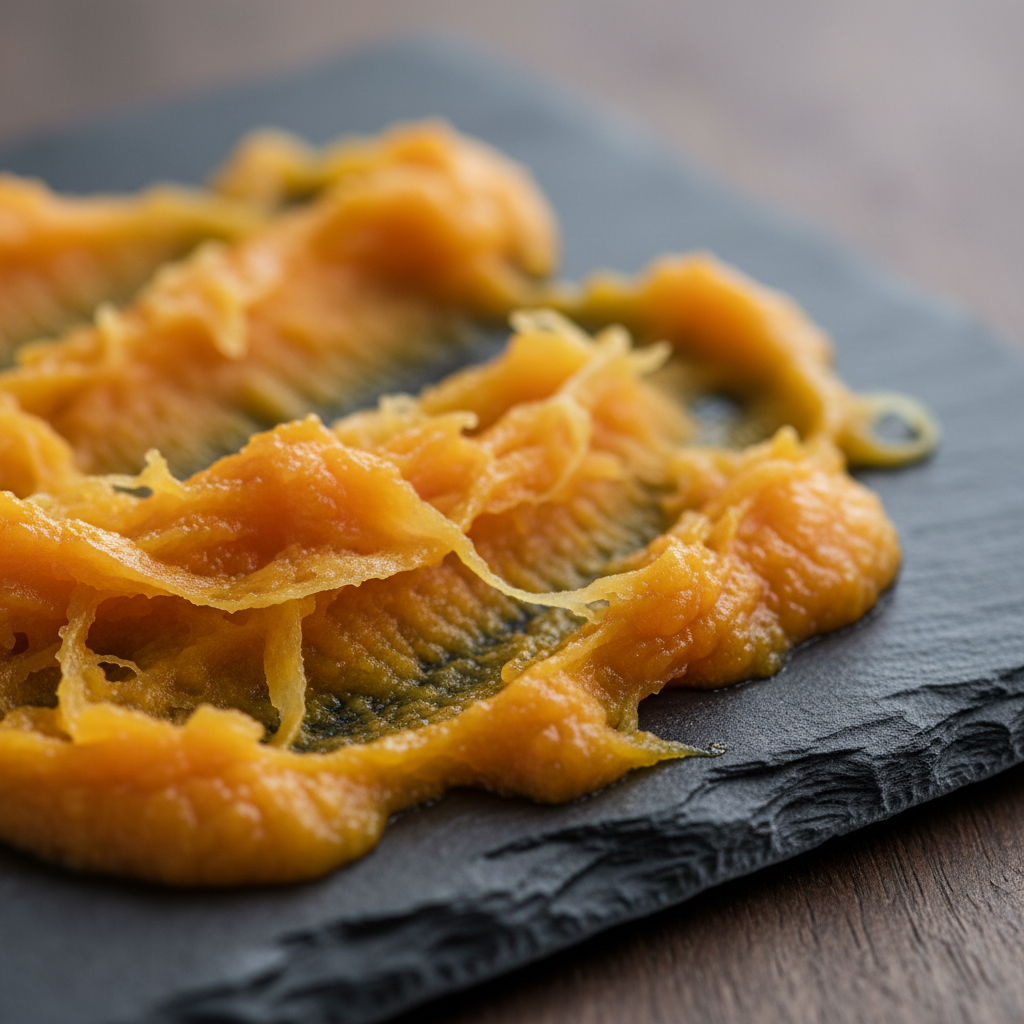
To understand why pumpkin is so effective, you have to look past the holiday pies and analyze its core components. The magic lies in its unique fiber profile, which contains a potent combination of both soluble and insoluble fiber. These two types of fiber work in completely different ways, which is why pumpkin can perform the seemingly contradictory feat of resolving both diarrhea and constipation.
The Soluble Fiber Effect: The ‘Sponge’ for Diarrhea
Soluble fiber dissolves in water to form a viscous, gel-like substance in the digestive tract. Think of it as a highly effective sponge. When a dog has diarrhea, the stool is loose and watery because it’s moving too quickly through the colon for sufficient water to be absorbed. When you introduce pumpkin, its soluble fiber absorbs this excess water, adding substance and form to the stool. This slows down the transit time, allowing the colon to function properly and producing a firmer, more normal bowel movement.
Furthermore, soluble fiber acts as a prebiotic. This means it serves as food for the beneficial bacteria (probiotics) living in your dog’s gut. A healthy gut microbiome is the foundation of a strong immune system and efficient digestion. By feeding these good bacteria, pumpkin helps to rebalance the gut environment, which is often disrupted during bouts of diarrhea.
The Insoluble Fiber Effect: The ‘Broom’ for Constipation
Insoluble fiber, as the name suggests, does not dissolve in water. Instead, it passes through the digestive system largely intact. Its primary role is to add bulk to the stool. For a constipated dog, whose stool is often hard, dry, and difficult to pass, this is critical. The increased bulk from insoluble fiber stimulates the muscles in the intestinal walls, promoting motility and moving things along. It essentially acts like a gentle broom, sweeping the contents of the colon towards the exit.
Crucially, insoluble fiber also attracts and holds water. This action softens the stool, making it significantly easier and less painful for your dog to pass. The combination of increased bulk and higher water content is the one-two punch that effectively resolves most cases of simple constipation.
The Pumpkin Protocol: Dosage, Dangers, and DIY Solutions

Knowing that pumpkin works is only half the battle. Executing the protocol correctly is what separates a successful home remedy from an ineffective (or even harmful) one. You must be precise about the type, dosage, and preparation of the pumpkin you give your dog.
Safe Sourcing: Not All Pumpkin is Created Equal
This is the single most important rule: you must use 100% pure canned pumpkin puree. Do NOT, under any circumstances, use pumpkin pie filling. Pie filling is loaded with sugar, fats, and spices like cinnamon, ginger, and nutmeg. Nutmeg, in particular, contains a compound called myristicin, which is toxic to dogs in large quantities and can cause disorientation, increased heart rate, and seizures. Always read the label. The only ingredient should be ‘pumpkin’.
| Pumpkin Type | Key Ingredients | Safety Verdict |
|---|---|---|
| 100% Pure Pumpkin Puree | Pumpkin | SAFE & RECOMMENDED |
| Pumpkin Pie Filling | Pumpkin, Sugar, Spices (Nutmeg) | DANGEROUS – DO NOT USE |
| Fresh Pumpkin (Cooked) | Pumpkin | SAFE (Requires preparation) |
| Raw Pumpkin | Pumpkin | NOT RECOMMENDED (Difficult to digest) |
Precise Dosing: The ‘Start Low, Go Slow’ Method
Overdoing it with pumpkin can lead to its own set of digestive issues. The high fiber load can be too much for some dogs if introduced too quickly. The following are general guidelines; always observe your own dog’s response.
- Small Dogs (under 15 lbs): 1 to 2 teaspoons per meal.
- Medium Dogs (15-50 lbs): 1 to 2 tablespoons per meal.
- Large Dogs (over 50 lbs): 2 to 4 tablespoons per meal.
Hacker Tip: When first introducing pumpkin, start with half the recommended dose for 24 hours. This allows your dog’s gut to adapt to the increased fiber. If the response is positive, you can increase to the full recommended amount. It’s always easier to add more than to deal with the consequences of giving too much.
The DIY Advantage: Cost-Effective & Preservative-Free
While canned pumpkin is convenient, making your own is simple and ensures absolute purity.
- Cut a small pie pumpkin in half and scoop out the seeds.
- Place the halves face-down on a baking sheet with a little water.
- Roast at 350°F (175°C) for about 45-60 minutes, or until the flesh is tender.
- Let it cool, then scoop the flesh away from the skin.
- Puree the flesh in a blender or food processor until smooth.
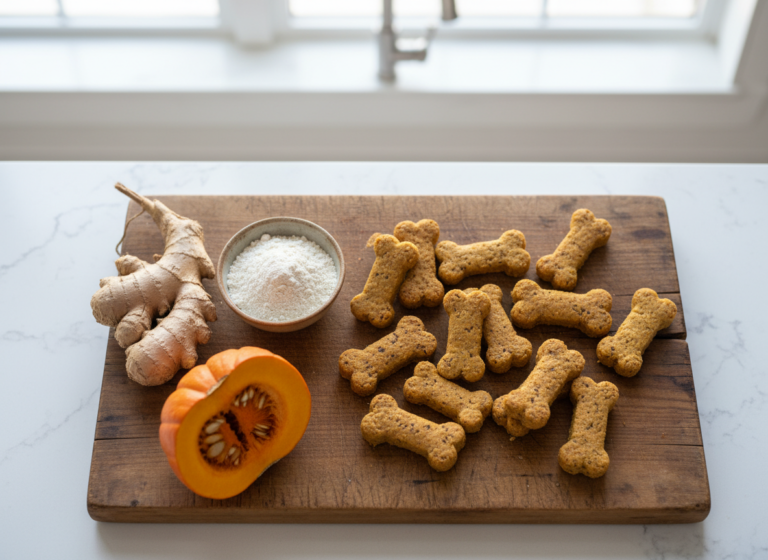
For storage, portion the puree into an ice cube tray and freeze. A single ‘pumpkin cube’ is a perfect, pre-measured dose for most dogs, saving you time and preventing waste.
Beyond the Gut: Pumpkin’s Hidden Nutritional Benefits
While pumpkin is a superstar for digestive health, its benefits don’t stop there. This low-calorie gourd is packed with a surprising amount of essential vitamins and minerals that contribute to your dog’s overall wellness, making it a valuable addition to their regular diet, not just a tool for emergencies.
A Powerhouse of Vitamins and Antioxidants
Pumpkin flesh is rich in several key micronutrients:
- Vitamin A (from Beta-Carotene): The bright orange color of pumpkin is a dead giveaway for its high beta-carotene content, a precursor to Vitamin A. This vitamin is crucial for maintaining healthy vision, immune function, and cell growth.
- Vitamin C: A powerful antioxidant that helps neutralize free radicals, reducing inflammation and supporting cognitive function, especially in aging dogs.
- Potassium: This electrolyte is vital for proper muscle contraction and nerve function. It plays a key role in keeping your dog’s heart beating regularly and their muscles working efficiently.
- Zinc: Helps improve skin and coat quality, making fur shinier and skin healthier.
A Secret Weapon for Weight Management
For dogs on a weight loss plan, pumpkin is a nutrition hacker’s dream. Due to its high fiber and water content (it’s over 90% water), it’s very low in calories but highly satiating. You can replace up to a quarter of your dog’s regular kibble with an equal amount of pumpkin puree. This drastically reduces the calorie count of the meal while ensuring your dog still feels full and satisfied, preventing begging and scavenging. This simple swap can make a significant difference in a calorie-controlled diet without sacrificing volume.
Don’t Forget the Seeds!
The seeds of the pumpkin (often called pepitas) are nutritional goldmines in their own right. They are a great source of omega-3 and omega-6 fatty acids, antioxidants, and minerals. Some holistic practitioners even use them as a natural deworming agent due to an amino acid called cucurbitacin, which is believed to paralyze and eliminate intestinal parasites. While scientific evidence for this is still emerging, the nutritional benefits are well-established.
IMPORTANT: Never feed your dog salted, roasted seeds intended for human consumption. Use only raw, organic, unsalted seeds. They must be ground into a fine powder before serving, as whole seeds can be a choking hazard and are difficult to digest. A small sprinkle (1/4 teaspoon for small dogs, up to 1 teaspoon for large dogs) on their food is sufficient.
Red Flags: When to Skip the Pumpkin and Call the Vet

Empowerment means knowing not only what to do but also when to stand down and call in a professional. Pumpkin is a fantastic first line of defense for minor, acute digestive upset. It is not a cure-all and can be ineffective or even mask a more serious underlying condition. Ignoring critical warning signs in favor of a home remedy can have severe consequences. You must escalate to your veterinarian immediately if you observe any of the following red flags:
- Duration: The constipation or diarrhea persists for more than 48 hours despite using pumpkin.
- Blood in Stool: You see any signs of blood, whether it’s bright red streaks (hematochezia) or dark, tarry stools (melena).
- Accompanying Symptoms: The digestive issue is paired with other serious symptoms like vomiting, extreme lethargy, loss of appetite, fever, or signs of dehydration (tacky gums, loss of skin elasticity).
- Pain or Discomfort: Your dog is whining, crying, has a bloated or hard abdomen, or assumes a ‘praying’ position (front end down, rear end up), which indicates severe abdominal pain.
- Known Ingestion: You know or suspect your dog has ingested a toxin, poison, or a non-food item (like a sock or part of a toy) that could be causing a blockage.
- Chronic Issues: If your dog has recurring bouts of diarrhea or constipation, this is not normal. It may indicate a chronic condition like Inflammatory Bowel Disease (IBD), food allergies, or pancreatitis that requires a proper diagnosis and long-term management plan from a vet.
Think of pumpkin as a tool for managing symptoms, not for curing disease. A responsible pet owner knows the limits of home remedies and respects the expertise of veterinary professionals for diagnosis and treatment of serious medical conditions.
Conclusion
Pumpkin is far more than a seasonal flavor; it is one of the most effective, affordable, and accessible tools in your canine nutrition arsenal. Its unique blend of soluble and insoluble fibers gives it the remarkable ability to manage both diarrhea and constipation, making it an essential item to have on hand for any dog owner. By understanding the science, you can now move beyond hope and start applying a proven protocol.
The key takeaways are simple: always use 100% pure pumpkin puree, dose appropriately for your dog’s size using the ‘start low, go slow’ principle, and consider the added benefits of its rich vitamin content and weight management potential. As a Canine Nutrition Hacker, your power comes from knowledge and precision. You now have the intelligence to use this simple superfood to its full potential, saving you from unnecessary stress and costly vet bills for minor issues.
However, true expertise also lies in knowing your limits. Always be vigilant for the red flags that signal a problem beyond the scope of a home remedy. Your veterinarian is your most important partner in your dog’s health. By combining their expertise with your proactive, informed approach, you can ensure your canine companion enjoys a long, healthy, and comfortable life.