Raw Feeding 101: Benefits of Beef Spleen For Dogs
Let’s cut through the noise. You’re bombarded with marketing for kibble packed with synthetic vitamins and pricey pre-made raw diets that promise the world. I’m The Canine Nutrition Hacker, and I operate on a different principle: nutritional authority comes from understanding the source. Today, we’re putting one of the most potent, yet criminally overlooked, ingredients under the microscope: beef spleen. This isn’t just another piece of offal; it’s a cost-effective, biological supercharger for your dog’s diet. But before we dive into the forensic breakdown, we need to establish the ground rules.
SAFETY DISCLAIMER: I am a canine nutrition analyst, not a veterinarian. The information in this guide is for educational purposes and is based on extensive research and experience in formulating raw diets. A raw diet must be properly balanced to be complete. This often requires careful calculation and supplementation beyond just adding one ingredient. Always consult with a qualified veterinarian or a certified canine nutritionist before making significant changes to your dog’s diet, especially if your dog has pre-existing health conditions.
Deconstructing the Spleen: Nature’s Blood-Building Powerhouse
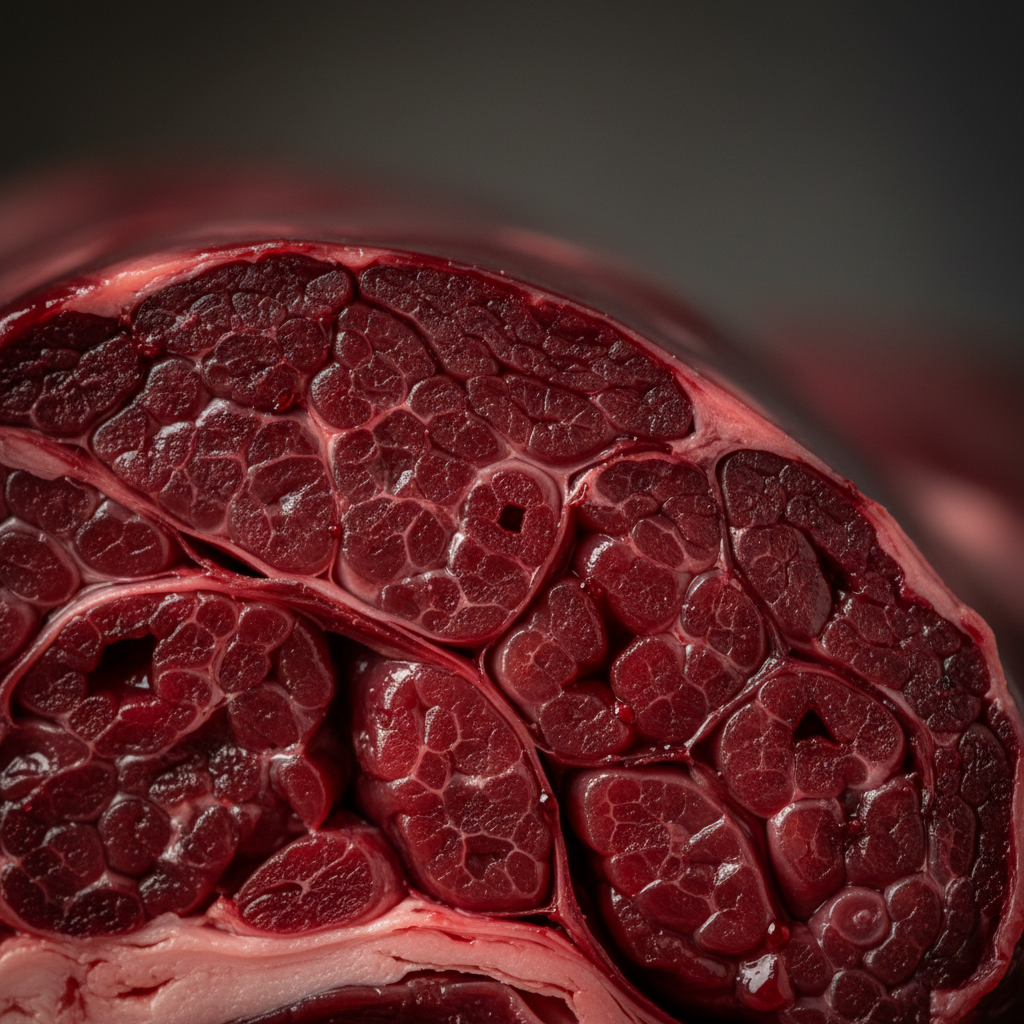
In the world of canine nutrition, we classify organs into two camps: muscle organs (like the heart) and secreting organs. The spleen, a vital part of the immune system, is a secreting organ, and that’s where its power lies. Its primary functions in the body are to filter blood, store red blood cells, and fight infection. When your dog consumes spleen, they are consuming a concentrated source of the very nutrients that support these critical life functions.
The Nutritional Fingerprint
Let’s analyze the data. Beef spleen isn’t just ‘good’ for dogs; its nutritional density is off the charts, particularly in a few key areas:
- Heme Iron: This is the crown jewel. Spleen is one of the richest natural sources of heme iron, the most bioavailable form of iron found in animal sources. Unlike non-heme iron from plants, heme iron is absorbed incredibly efficiently by a dog’s carnivorous digestive system. This is crucial for producing hemoglobin, which transports oxygen in the blood. For active dogs, anemic dogs, or growing puppies, a sufficient supply of heme iron is non-negotiable.
- Vitamin B12 (Cobalamin): Essential for brain function, nerve health, and the formation of red blood cells. Spleen provides a massive dose of B12, far surpassing what you’d find in muscle meat alone.
- Selenium: A powerful antioxidant that plays a key role in thyroid health and protecting the body from oxidative stress.
- Trace Minerals: Spleen is also a fantastic source of other vital minerals like zinc and copper, which are integral for everything from skin health to enzyme function.
When you compare the iron content of beef spleen to that of standard beef muscle meat, the difference is staggering. Ounce for ounce, spleen can contain up to 5-10 times more iron than a steak. This is the kind of nutritional efficiency that commercial food manufacturers try, and often fail, to replicate with synthetic additives.
The Forensic Analysis: Why Spleen Outperforms Synthetic Supplements
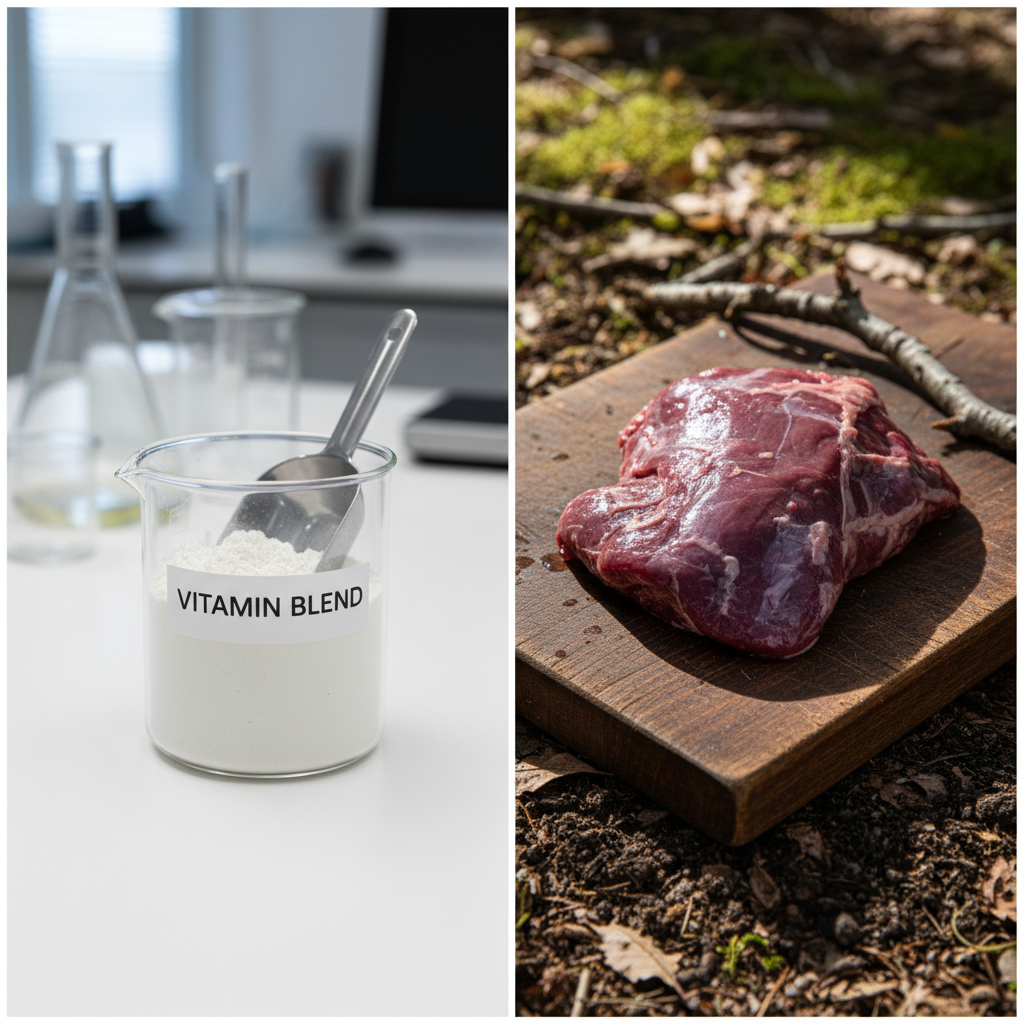
The commercial pet food industry spends billions convincing you that their scientifically formulated kibble, fortified with a laundry list of synthetic vitamins and minerals, is the pinnacle of nutrition. This is a masterclass in marketing, not biology. The truth is that a dog’s body is designed to derive nutrients from whole, raw foods, not from chemicals cooked up in a lab.
The nutrients in beef spleen are not isolated compounds. They exist in a natural, biological matrix, complete with co-factors and enzymes that enhance their absorption and utilization. This concept is known as food synergy. The iron in spleen works in concert with the B-vitamins and other minerals present, creating a holistic effect that a synthetic iron supplement simply cannot match. A synthetic vitamin is a brute-force approach; whole-food nutrition is a targeted, intelligent strategy.
Insider Secret: Many commercial ‘vitamin packs’ added to kibble are sourced from industrial chemical plants. They are designed to meet AAFCO minimums on paper after the extreme heat of the extrusion process destroys any natural nutrients in the base ingredients. Feeding an ingredient like spleen allows you to provide these nutrients in their original, unaltered, and most effective form.
Think of it this way: you can take a vitamin C pill, or you can eat an orange. Both provide vitamin C, but the orange also provides fiber, flavonoids, and other phytonutrients that work with the vitamin C. Spleen is the nutritional equivalent of the orange—a complete, synergistic package.
The Real Cost Breakdown: DIY Spleen vs. Commercial Alternatives
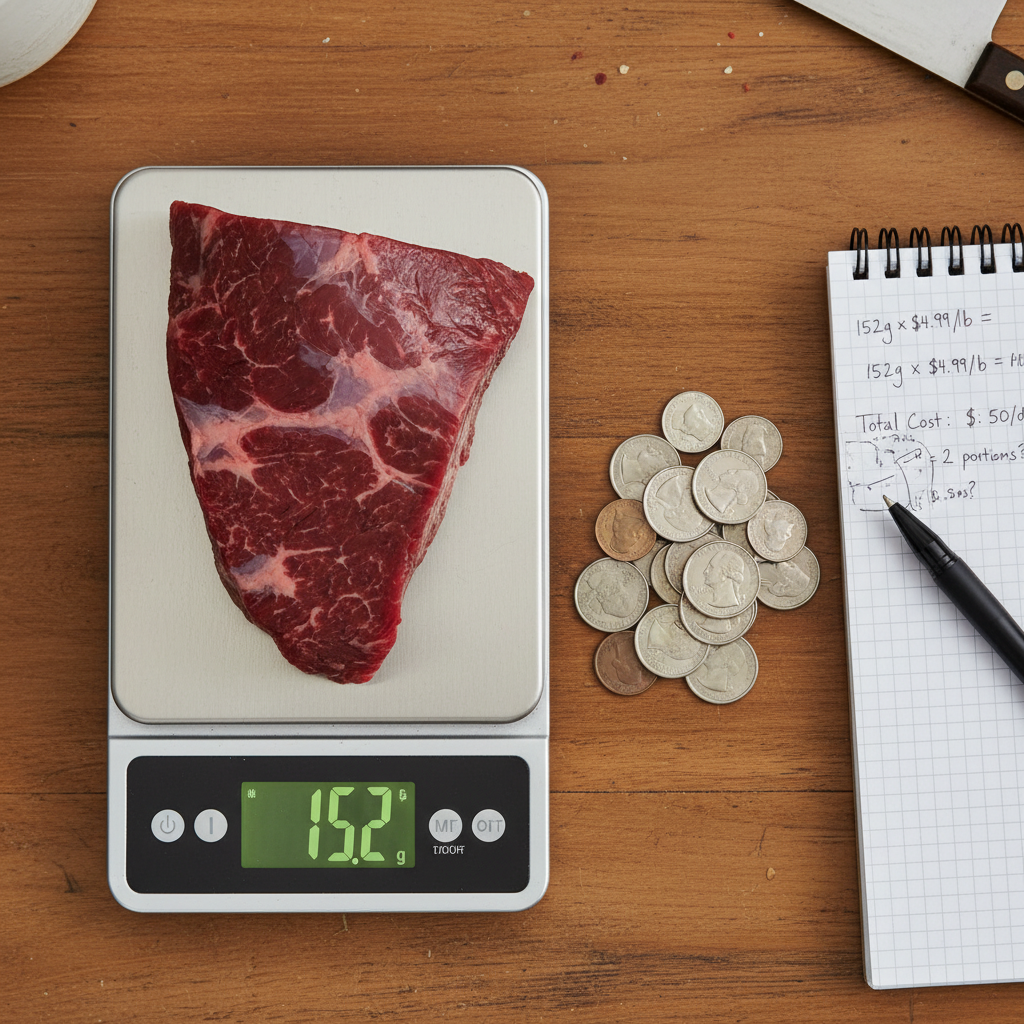
Empowerment in canine nutrition means taking control of the budget without sacrificing quality. Sourcing secreting organs like spleen yourself is one of the single most effective ways to slash your raw feeding costs while simultaneously boosting nutritional quality. Let’s run the numbers for a hypothetical 50lb dog requiring approximately 2 ounces of organ meat per day, with spleen making up part of that portion.
| Nutrient Source | Typical Cost (per lb) | Cost per Ounce | Verdict & Analysis |
|---|---|---|---|
| DIY Raw Beef Spleen | $2.00 – $4.00 | $0.13 – $0.25 | By far the most cost-effective method. Sourcing from local butchers or ethnic markets often yields the lowest prices. Offers unparalleled nutritional value for the cost. |
| Commercial Pre-Made Raw (with organs) | $7.00 – $12.00 | $0.44 – $0.75 | Convenient, but you pay a significant premium. The exact percentage of spleen is often unknown, lumped into a generic ‘organ blend’. You lose control and pay more for it. |
| Canine Iron Supplement (Chelated) | $20.00 per 100g bottle | ~$0.60 per effective dose | A targeted but artificial solution. Lacks the synergistic B-vitamins and other minerals found in spleen. Should be reserved for specific, vet-diagnosed deficiencies, not general wellness. |
The data is unequivocal. By sourcing beef spleen directly, you are not only providing a superior form of nutrition but doing so at a fraction of the cost of commercial alternatives. This is the core principle of the Canine Nutrition Hacker: maximizing nutritional ROI (Return on Investment).
The Safe Chef’s Protocol: Sourcing, Handling, and Feeding
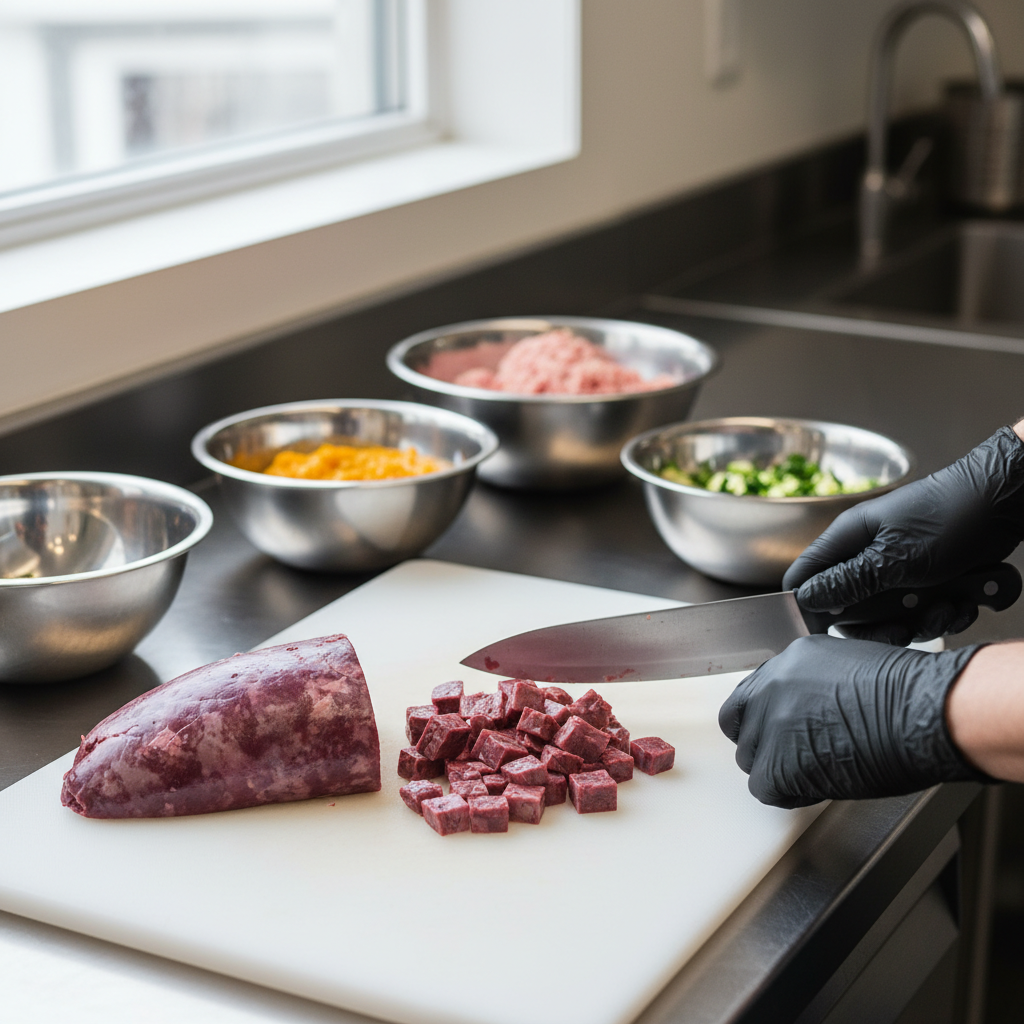
Incorporating spleen into your dog’s diet is straightforward, but it requires adherence to strict protocols for safety and balance. Precision is key.
Sourcing the Goods
Quality starts at the source. Do not compromise here. Look for spleen from grass-fed, pasture-raised cattle if possible. Your best sources will be:
- Local Butchers: Build a relationship. They often have access to fresh organs that don’t make it to the main display case.
- Ethnic Markets: Asian and Hispanic markets are excellent resources for a wide variety of fresh offal at competitive prices.
- Direct from Farms/Ranches: If you have access to a local farm, buying direct is the gold standard for freshness and quality.
- Online Raw Food Co-ops: These groups often place bulk orders for raw ingredients, including organs, directly from suppliers.
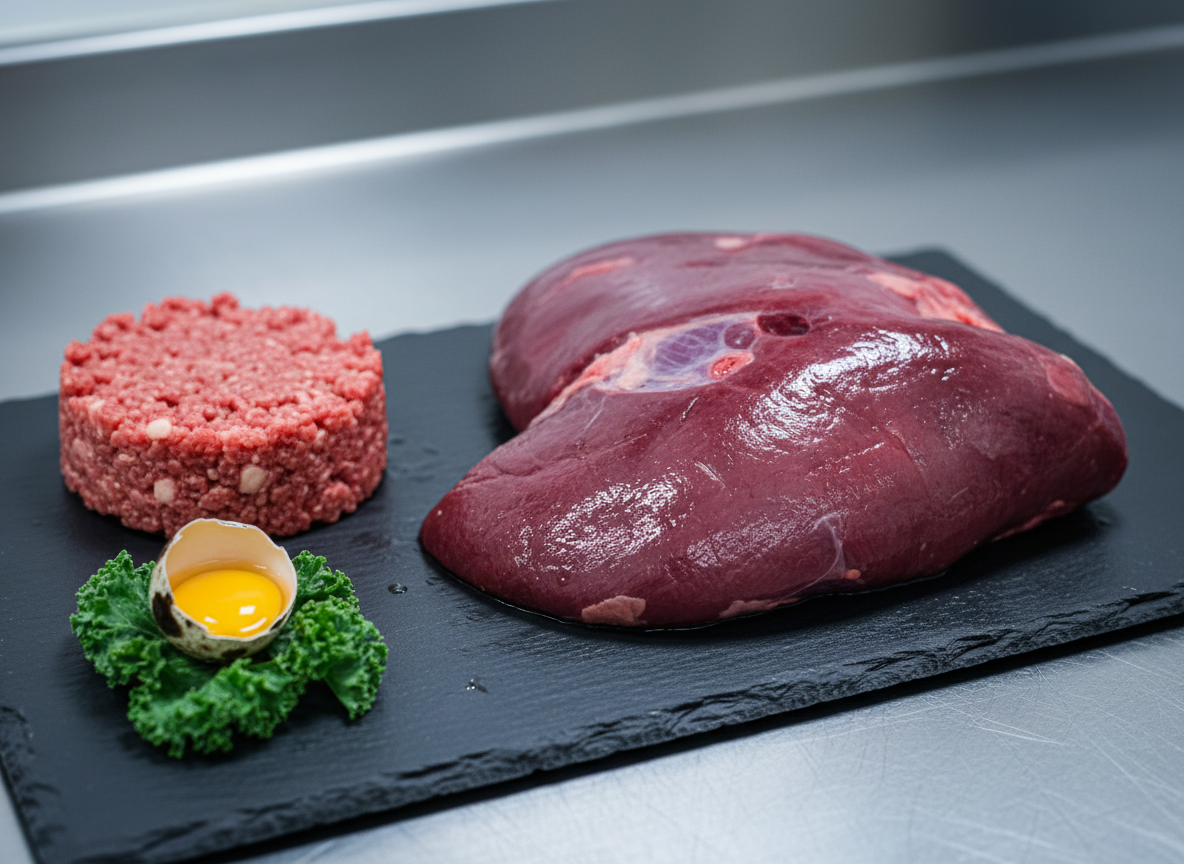
A fresh spleen should have a deep, rich red or brownish color and a firm texture. Avoid anything that looks greyish, feels slimy, or has an ‘off’ smell.
Safe Handling Procedures
Treat raw spleen with the same food safety discipline you would use for your own food. Assume all raw meat can harbor bacteria.
- Use a dedicated cutting board for raw meat, preferably a non-porous material like plastic or composite.
- Wash your hands, utensils, and all surfaces thoroughly with hot, soapy water after handling.
- Do not leave spleen out at room temperature for extended periods. Portion it for meals or for the freezer immediately.
The Hacker’s Ratio: How Much Spleen to Feed
This is the most critical part. Organ meats are incredibly rich, and overfeeding can lead to digestive upset (typically loose stools). The golden rule for a balanced raw diet is that organ meats should constitute about 10% of the total diet by weight. This 10% should be further broken down:
- 5% must be liver. This is non-negotiable due to its unique Vitamin A profile.
- The other 5% should be another secreting organ. Spleen is a perfect candidate for this slot.
Example for a 50lb dog eating 1lb (16oz) of food per day:
- Total food: 16oz
- Total organ meat (10%): 1.6oz
- Liver (5%): 0.8oz
- Beef Spleen (5%): 0.8oz
Never introduce spleen suddenly. Start with a much smaller amount (a tiny sliver) and gradually increase to the target amount over a week or two, monitoring your dog’s stool quality. This allows their digestive system to adapt.
Batching and Storage: The Efficiency Play
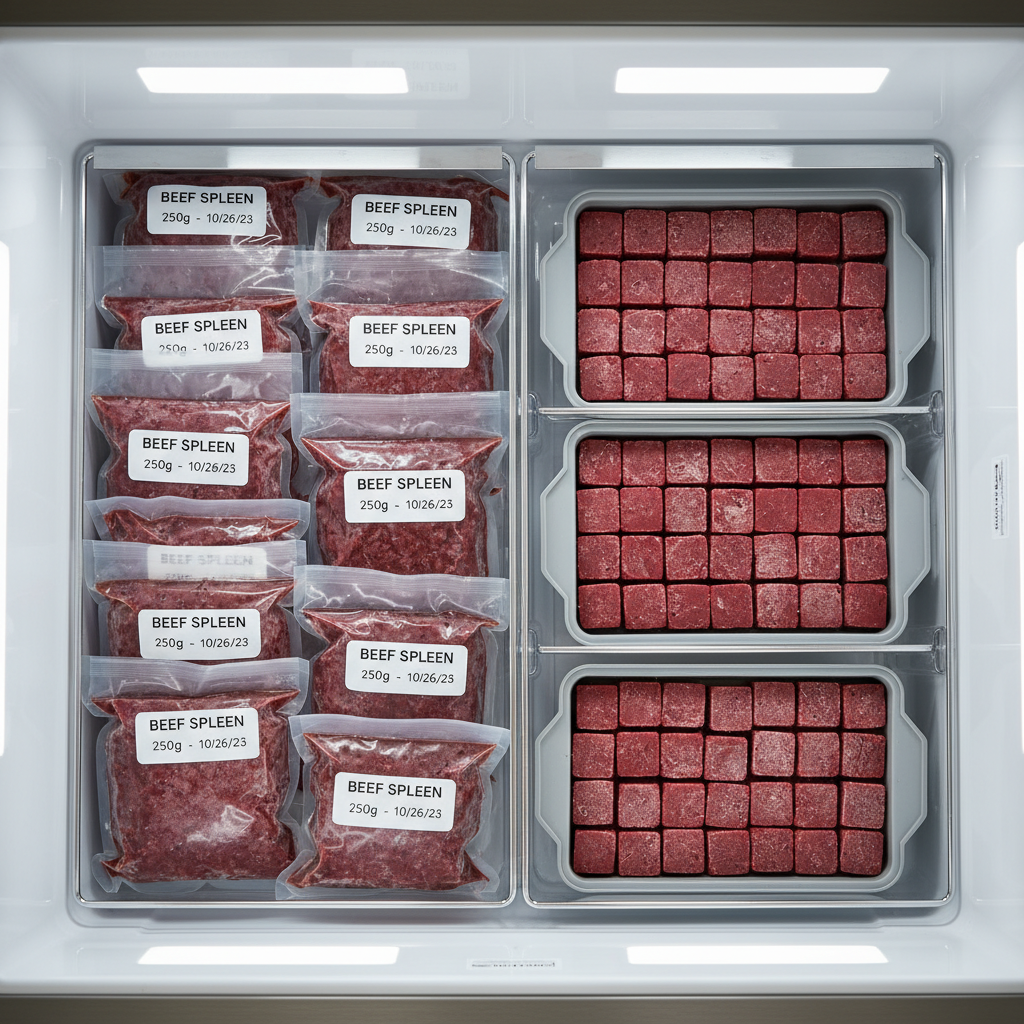
The key to making a DIY raw diet sustainable is efficiency. You don’t have time to prepare every meal from scratch every day. Batch processing your ingredients is the ultimate hack for long-term success. Spleen is perfectly suited for this method.
The Portion and Freeze Technique
Your freezer is your best friend. When you acquire a whole spleen, which can be quite large, your first step after washing it should be to portion it for future meals.
- Calculate the Daily Portion: Using the 5% rule, determine the daily portion size for your dog. For the 50lb dog in our example, this was 0.8oz.
- Dice or Grind: You can either dice the spleen into small, manageable chunks or run it through a meat grinder. Grinding makes it easier to mix into their main meal, preventing them from picking it out.
- Use Silicone Molds or Ice Cube Trays: This is the game-changer. Spoon the diced or ground spleen into silicone molds or standard ice cube trays. Each cube can be pre-measured to represent a single day’s portion or half a day’s portion. This eliminates guesswork later on.
- Flash Freeze: Place the filled trays in the freezer until the portions are solid.
- Bag and Label: Once frozen, pop the spleen cubes out of the molds and store them in a heavy-duty freezer bag or a vacuum-sealed bag. Crucially, label the bag with the contents (‘Beef Spleen’) and the date.
This process might take an hour one afternoon, but it will save you time and effort for weeks or even months. To feed, simply take out the required number of cubes and thaw them in the refrigerator overnight along with the rest of their meal. This ensures maximum freshness and safety.
Conclusion
Beef spleen is not an exotic ingredient; it is a fundamental component of a truly ancestral diet. By demystifying this organ and understanding its precise nutritional role, you move from being a simple pet owner to a proactive canine nutrition authority. You’ve seen the forensic data: it’s a bioavailable powerhouse of iron and B-vitamins that synthetic alternatives cannot replicate. You’ve analyzed the cost breakdown: it’s an incredibly cost-effective tool for optimizing your dog’s health. And you now have the safe handling and feeding protocols to implement it effectively.
Stop outsourcing your dog’s nutrition to multinational corporations. Take control. By incorporating whole, raw ingredients like beef spleen, you are making a direct investment in your dog’s long-term vitality and resilience. That is the ultimate nutritional hack.