Raw Goat Meat: The Underrated Protein for Sensitive Dogs
You’ve tried everything. The grain-free kibble, the limited-ingredient diets, the expensive prescription foods. Yet, your dog is still scratching, suffering from chronic ear infections, or plagued by digestive upset. It’s a frustrating, expensive, and emotionally draining cycle. The problem often lies in plain sight: the protein source. The very chicken and beef that dominate the pet food industry are frequently the culprits behind canine food sensitivities. It’s time to look beyond the mainstream and uncover an insider’s secret: raw goat meat.
Goat is a powerful, nutrient-dense, and critically, a novel protein for most dogs. This means their immune system hasn’t been overexposed to it, dramatically reducing the likelihood of an adverse reaction. This guide is not just another blog post; it’s a strategic blueprint for pet owners ready to stop managing symptoms and start solving the root problem.
MEDICAL & SAFETY DISCLAIMER: I am The Canine Nutrition Hacker, not a veterinarian. The information provided here is for educational purposes based on extensive research and experience. It is not a substitute for professional veterinary advice. Before making any significant changes to your dog’s diet, especially if they have underlying health conditions, you must consult with a qualified veterinarian or a board-certified veterinary nutritionist. Handling raw meat carries risks; always follow strict food safety protocols.
Deconstructing the Problem: Why Common Proteins Are Failing Your Dog
The modern pet food industry was built on a foundation of agricultural surplus. The most available and cheapest proteins—chicken and beef—became the default ingredients. Decades of feeding dogs the same limited protein sources have led to an epidemic of food sensitivities and allergies. When a dog’s immune system is constantly exposed to a specific protein, it can begin to flag it as an invader, triggering an inflammatory response. This manifests as the symptoms you know all too well: itchy skin, hot spots, paw licking, loose stools, and vomiting.
The Enemy Ingredient List
Beyond the primary protein, many commercial dog foods are packed with low-cost fillers that can exacerbate sensitivities. These are the ingredients you need to learn to spot and avoid like a forensic investigator:
- Vaguely Named Meats: Terms like “meat by-products” or “animal meal” are red flags. You have no way of knowing the source or quality of the protein.
- Common Allergens: Chicken, beef, dairy, and eggs are among the most frequent offenders in canine food allergies.
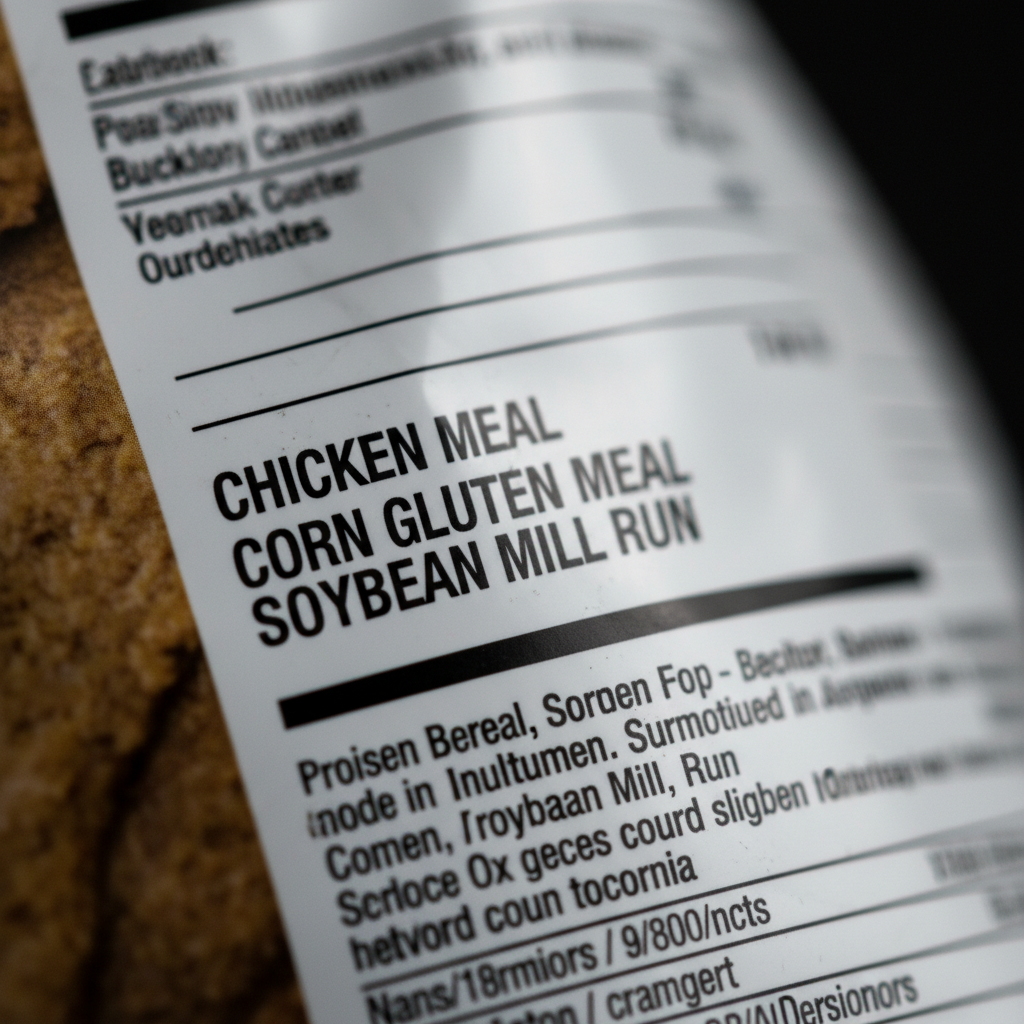
- Problematic Grains: While not all grains are bad, corn, wheat, and soy are low-cost fillers that provide minimal nutritional value and are common triggers for inflammation and allergic reactions. Look for “corn gluten meal” or “wheat flour” in the first five ingredients.
- Artificial Additives: Artificial colors, flavors, and preservatives like BHA, BHT, and ethoxyquin can contribute to chronic health issues and offer zero nutritional benefit.
The constant bombardment with these ingredients puts a dog’s digestive and immune systems under chronic stress, making them hyper-reactive. To break the cycle, you must introduce something entirely new to the system—a true novel protein.
Goat Meat: The Hypoallergenic Powerhouse
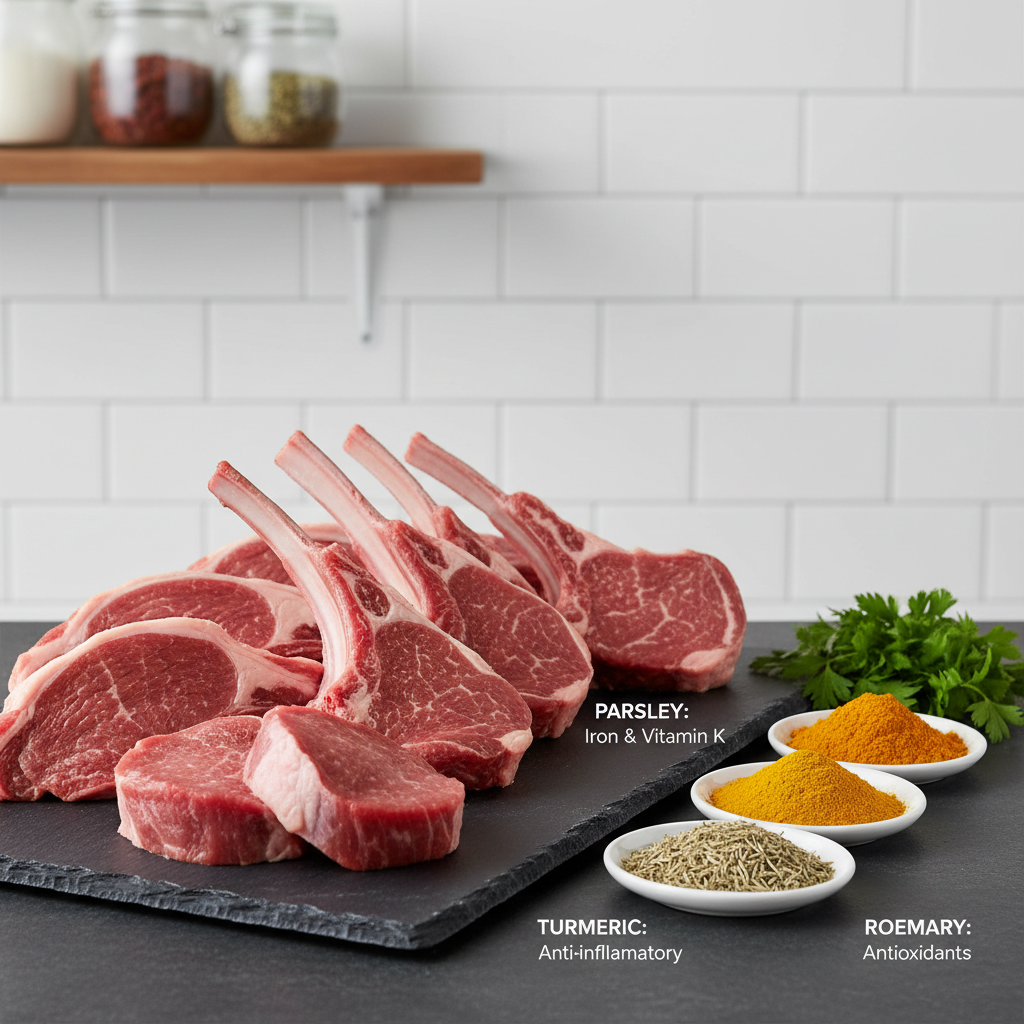
Goat meat isn’t just a novelty; it’s a nutritional superstar perfectly suited for sensitive dogs. Its molecular structure is different from that of common proteins, making it a true hypoallergenic option. For a dog whose immune system is on high alert for chicken or beef, goat meat flies completely under the radar. But its benefits go far beyond being a novel protein.
A Forensic Nutritional Analysis
- Superior Digestibility: Goat meat contains smaller fat globules and higher levels of medium-chain fatty acids compared to beef. This makes it significantly easier for a dog’s system to break down and absorb, which is a massive advantage for dogs with compromised digestive tracts.
- Nutrient Density: It’s a powerhouse of essential nutrients. Goat is richer in iron than beef, chicken, pork, and lamb. It’s also packed with potassium, which is vital for nerve function and muscle health, and has lower sodium levels.
- Leaner Profile: Goat meat is naturally leaner than many other red meats, containing less fat and cholesterol. This makes it an excellent choice for maintaining a healthy weight and supporting cardiovascular health.
- The ‘Cooling’ Protein: In Traditional Chinese Veterinary Medicine (TCVM), foods are classified by their energetic properties. Goat is considered a “neutral” to “cooling” protein, whereas chicken and lamb are “hot” or “warming.” For dogs with “hot” conditions like itchy skin and inflammation, feeding a cooling protein can help balance their system and reduce symptoms.
Insider Secret: Because goat is not a product of industrial factory farming in the same way as chicken or beef, the animals are often raised on pasture. This can lead to a healthier fatty acid profile (more Omega-3s) in the meat itself, providing built-in anti-inflammatory benefits.
The Bottom Line: A Cost-Benefit Analysis of a Raw Goat Diet
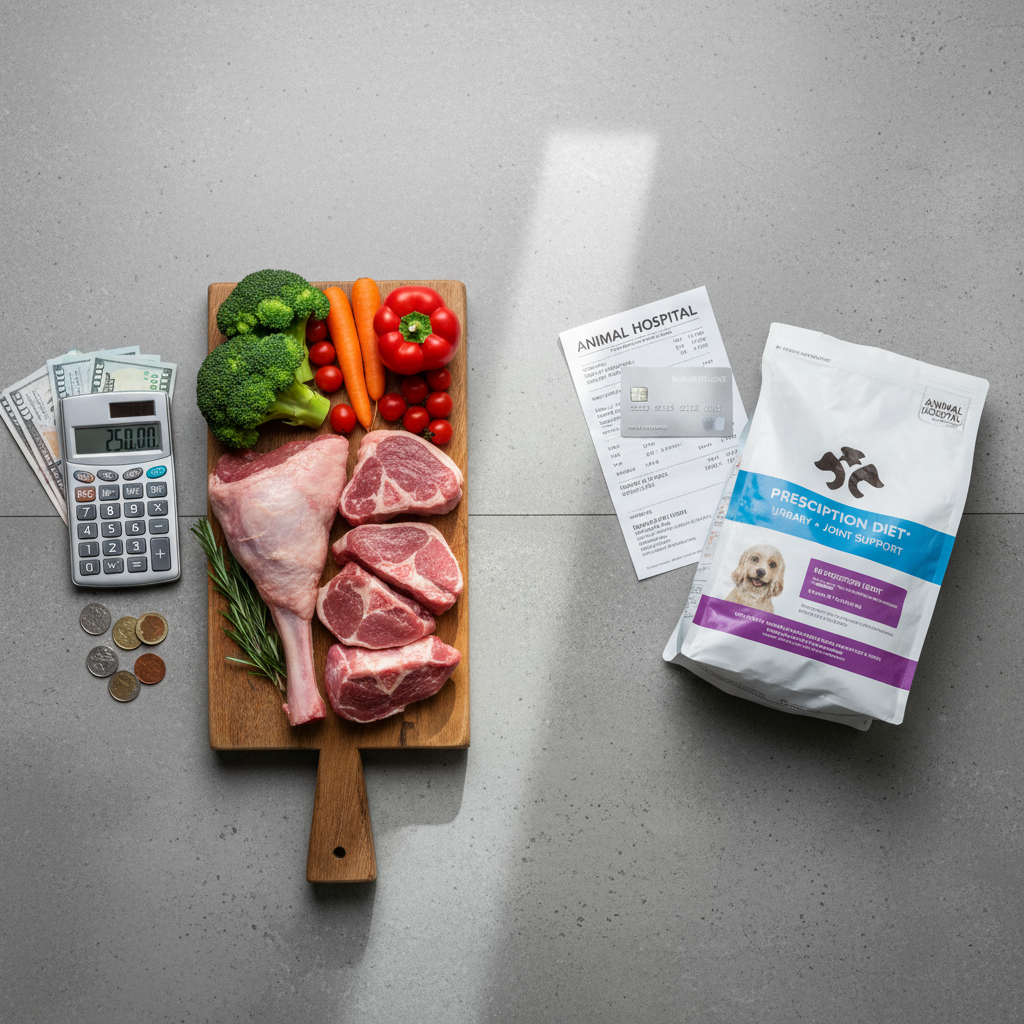
The most common objection to a raw diet is the perceived cost. Let’s break down the numbers with a no-nonsense comparison. The analysis below is based on the approximate daily feeding cost for a moderately active 50-pound dog. Prices are estimates and will vary based on your location and sourcing.
When you analyze the cost, you must also factor in the potential savings on vet bills for allergy treatments, medications, and prescription foods. The initial investment in a high-quality diet can yield significant long-term financial—and health—returns.
| Diet Type | Primary Ingredients | Approximate Cost/Day (50lb Dog) | Verdict |
|---|---|---|---|
| DIY Raw Goat Meat | Goat muscle meat, organs, ground bone, fresh vegetables | $3.50 – $5.00 | Highest initial effort but offers complete control over ingredients and superior nutritional quality. Most cost-effective raw option. |
| Premium Commercial Raw (e.g., Stella & Chewy’s) | Goat, organic fruits/veg, added vitamins/minerals | $7.00 – $10.00+ | Extremely convenient and nutritionally complete. The highest price point, but zero prep work required. |
| Veterinary Prescription Kibble (e.g., Hill’s z/d) | Hydrolyzed chicken liver, corn starch, soybean oil | $4.00 – $5.50 | Designed to not trigger an immune response, but often uses lower-quality, highly processed ingredients. Price is comparable to DIY raw. |
As you can see, a DIY raw goat diet is often on par with, or even cheaper than, the highly processed prescription kibbles veterinarians recommend for allergies. You’re simply reallocating your budget from a bag of processed pellets to fresh, whole foods.
The Canine Nutrition Hacker’s Blueprint: A Balanced Raw Goat Meat Recipe

This recipe is formulated using the principles of a Prey Model Raw (PMR) diet, which aims to mimic the nutritional composition of a whole prey animal. This blueprint is for a 1-week batch for a 50lb dog, fed at a rate of 2.5% of its body weight per day (1.25 lbs of food daily).
SAFETY FIRST:
Always handle raw meat with the same care you would for your own food. Wash hands, surfaces, and bowls thoroughly with hot, soapy water. Do not cross-contaminate. Thaw frozen food in the refrigerator, not on the counter.
Ingredients for a 1-Week Batch (approx. 8.75 lbs total):
- 7 lbs (80%) Ground Goat Muscle Meat: This is the foundation. If you can’t find pre-ground, you can cube it.
- 14 oz (5%) Goat Liver: Do not overfeed liver; it is extremely rich in Vitamin A.
- 14 oz (5%) Other Secreting Organ: Kidney is an excellent and easily sourced choice.
- 14 oz (10%) Raw Meaty Bones (RMBs): NEVER feed cooked bones. For goat, ribs or neck bones are great options. If you are not comfortable feeding whole bones, you can use a high-quality grinder to create a ground mix or substitute with a calcium supplement like eggshell powder. Consult your vet on this.
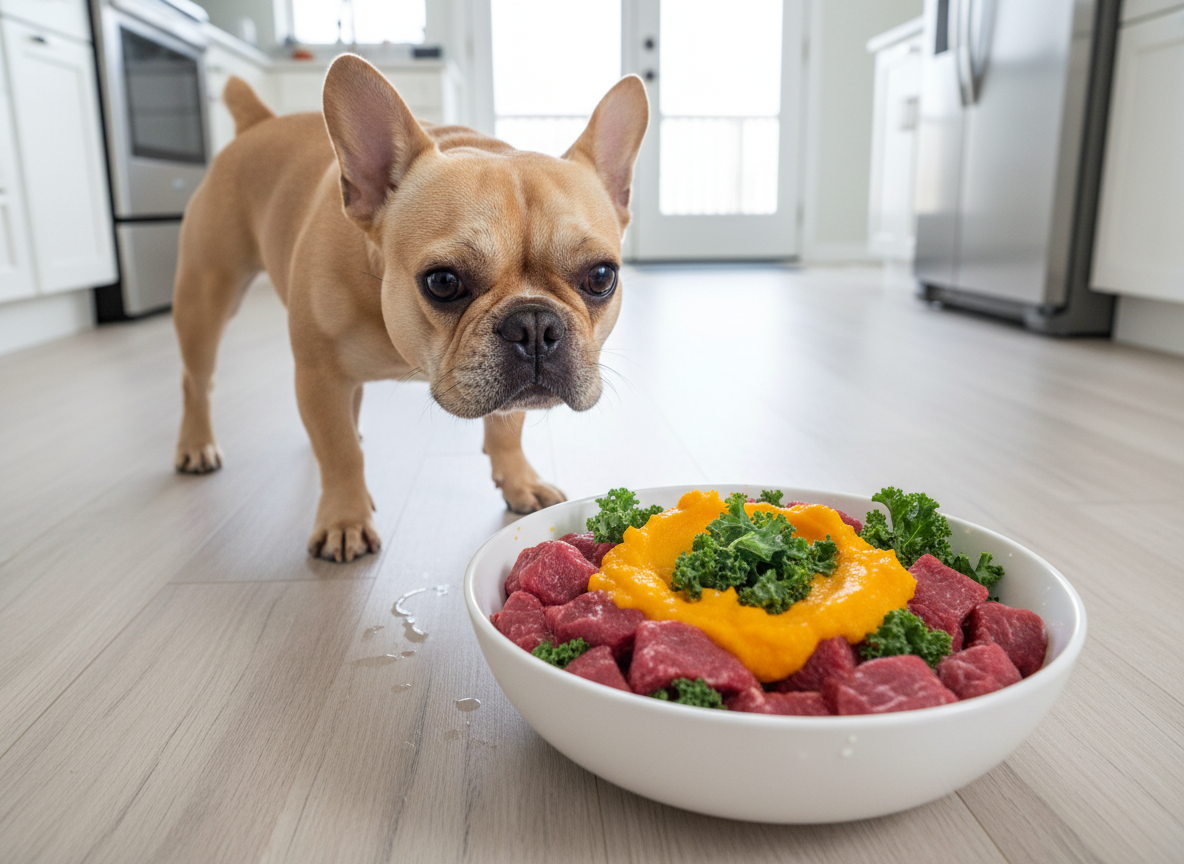
- Optional Add-ins: 1 cup pureed pumpkin (for fiber), 1/2 cup finely chopped dark leafy greens (like kale or spinach), 1-2 raw eggs (without shell) per week.
Essential Supplements:
A DIY diet is only complete with proper supplementation to fill nutritional gaps.
- Omega-3s: A high-quality fish oil or phytoplankton is crucial for combating inflammation. Add at serving time.
- Vitamin E: Works in tandem with Omega-3s.
- Trace Minerals: A sprinkle of kelp or a trace mineral supplement can provide iodine and other essential nutrients.
Instructions:
- If using whole cuts, chop muscle meat, organs, and vegetables into appropriate-sized chunks. A food processor can make this step much faster.
- In a large, non-reactive bowl (stainless steel is ideal), combine the ground meat, chopped organs, and any optional vegetable purees.
- Mix thoroughly until all ingredients are evenly distributed.
- Portion the mixture into daily servings (1.25 lbs for a 50lb dog) using freezer-safe containers or bags.
- If using Raw Meaty Bones, give them separately from the main meal as a supervised chew.
- Freeze all portions immediately. Thaw one day’s worth of food in the refrigerator 24 hours before serving.
Hacker Tip: Source your goat meat from local farms or ethnic markets. You’ll often find much better prices and higher quality meat, including essential organ meats, than at a standard supermarket. Building a relationship with a local butcher is a game-changer.
Conclusion
Switching your sensitive dog to a raw goat meat diet is more than just a dietary change; it’s a fundamental shift in how you approach their well-being. It requires effort, research, and a commitment to quality. However, the rewards—a dog free from the chronic discomfort of itching and digestive distress, a healthier coat, cleaner teeth, and renewed vitality—are immeasurable. You are moving from a passive consumer of processed goods to an active, empowered advocate for your dog’s health.
By understanding the failures of common commercial diets and embracing the clean, hypoallergenic power of a novel protein like goat, you can break the cycle of symptoms and vet visits. You have the blueprint. It’s time to take control of what goes into your dog’s bowl and unlock their true health potential.