
Sardine Oil vs. Salmon Oil: Which Omega-3 is Best for Dogs?
Walk down any pet supplement aisle, and you’ll be bombarded with bottles of salmon oil, touted as the gold standard for your dog’s health. It’s the popular choice, the one everyone recommends. But the Canine Nutrition Hacker doesn’t follow the crowd; we follow the science and the data. The truth is, the biggest name isn’t always the best game. There’s an underrated contender in the ring: sardine oil.
This isn’t just about choosing a different fish. This is a deep dive into toxicology, sustainability, and biological potency. We’re going to dismantle the marketing hype and look at the hard facts. We will analyze the risks of heavy metals, the deception on the labels, and the real-world cost-effectiveness of these two Omega-3 powerhouses. By the end of this investigation, you won’t just know which oil is better—you’ll understand why, and you’ll be equipped to make the most intelligent choice for your dog’s long-term health and vitality.
The Omega-3 Imperative: Why Your Dog’s Diet is Incomplete Without It
The Omega-3 Imperative: Why Your Dog’s Diet is Incomplete Without It
Before we pit our contenders against each other, let’s establish why this fight matters. Most commercial dog foods, even premium ones, are fundamentally imbalanced. They are often packed with Omega-6 fatty acids from ingredients like chicken fat and vegetable oils. While Omega-6s are necessary, an excessive amount without a counterbalance of Omega-3s creates a state of chronic inflammation in your dog’s body. This inflammation is the root cause of countless health issues, from itchy skin to aching joints.
This is where marine-based Omega-3s—specifically Eicosapentaenoic Acid (EPA) and Docosahexaenoic Acid (DHA)—become non-negotiable. These are the active forms of Omega-3s your dog’s body can use immediately. Plant-based sources like flaxseed provide ALA (Alpha-linolenic acid), which dogs convert to EPA and DHA with abysmal inefficiency. Relying on flax for Omega-3s is like trying to build a house with a single screwdriver; you need the heavy-duty power tools that only fish oil can provide.
The Proven Benefits of EPA & DHA:
- Joint Health & Mobility: EPA is a powerful natural anti-inflammatory. It directly combats the inflammation that causes stiffness and pain in arthritic joints, improving mobility in senior dogs and supporting the joint health of active dogs.
- Skin & Coat Health: This is the most visible benefit. Omega-3s strengthen the skin barrier, reducing dryness, flakiness, and atopic dermatitis (allergic skin reactions). The result is a dramatic reduction in itching and a thick, glossy coat.
- Cognitive Function: DHA is a primary structural component of the brain and retina. Supplementing with DHA is critical for puppy brain development and has been shown to slow cognitive decline in aging dogs, keeping them sharp and engaged.
- Cardiovascular Health: These fatty acids support heart health by maintaining healthy blood pressure and triglyceride levels, and supporting a normal heart rhythm.
- Immune System Support: By regulating inflammation, Omega-3s help modulate the immune system, making it more efficient at fighting off pathogens without overreacting and causing autoimmune issues.
In short, providing a high-quality fish oil supplement isn’t just about a shiny coat. It’s about providing the fundamental building blocks for your dog’s cellular health, from their brain to their paws.
Forensic Analysis: Salmon Oil vs. Sardine Oil
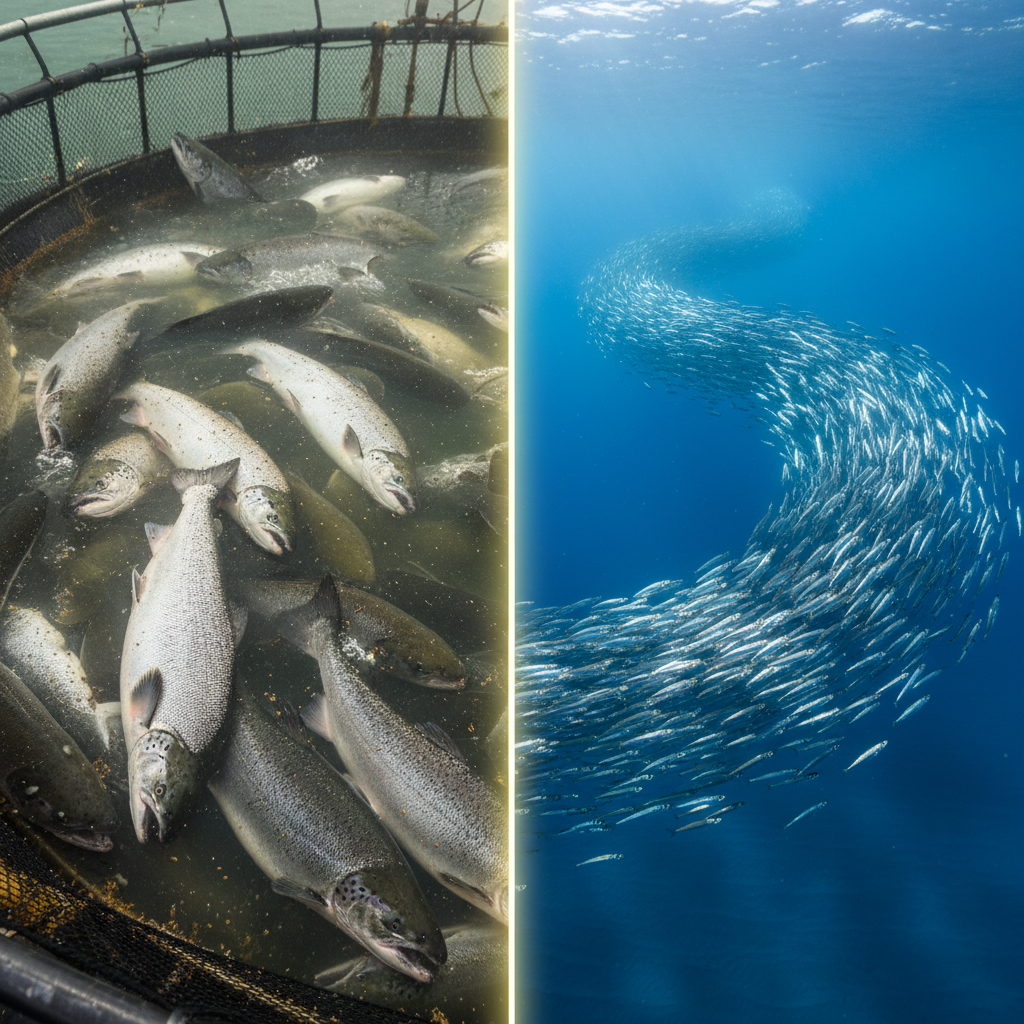
Forensic Analysis: Salmon Oil vs. Sardine Oil
Now, we place these two oils under the microscope. One is the famous incumbent, the other is the strategic challenger. Let’s analyze the data to see who truly deserves the title of Omega-3 champion for canines.
The Popular Champion: Salmon Oil
Salmon oil’s popularity is its greatest strength and its most significant weakness. The demand has led to a massive industry, but with it comes compromises. The primary issue is the source: farmed vs. wild-caught salmon. Wild-caught salmon is nutritionally superior, but it’s expensive and raises sustainability concerns. The majority of salmon oil on the market is derived from farmed Atlantic salmon. These fish are often raised in crowded pens, fed a diet of processed fish meal and grains (which lowers their Omega-3 content and increases inflammatory Omega-6s), and may be exposed to antibiotics and pesticides. This is a far cry from the pristine, wild source consumers imagine.
The Underrated Powerhouse: Sardine Oil
Sardines, along with other small fish like anchovies and mackerel, are what we call ‘forage fish.’ They exist at the bottom of the aquatic food chain, feeding on phytoplankton. This position is their superpower. Because they don’t consume other fish, they don’t accumulate the high levels of heavy metals and environmental toxins (like mercury, PCBs, and dioxins) that larger, longer-living fish like salmon do. Furthermore, sardines have a rapid reproduction cycle, making them a far more sustainable and ecologically responsible choice. Their diet of phytoplankton makes them naturally rich in the most potent forms of EPA and DHA.
Insider Secret: Many of the highest-quality fish oils on the market are not pure sardine oil, but rather a blend of small, oily fish like sardines, anchovies, and mackerel. This diversification further improves the nutrient profile and sustainability. Look for products that list these sources.
| Feature | Salmon Oil (Primarily Farmed) | Sardine Oil (or Small Fish Blend) | The Hacker’s Verdict |
|---|---|---|---|
| Position on Food Chain | High | Low | Winner: Sardine Oil. A lower position means a cleaner, purer oil from the start. |
| Contaminant Risk (Mercury, PCBs) | Moderate to High | Extremely Low | Winner: Sardine Oil. This is a massive safety advantage. Why introduce unnecessary toxins? |
| EPA/DHA Potency | Variable; often lower in farmed sources | Consistently High and Concentrated | Winner: Sardine Oil. You often get more of the good stuff per teaspoon. |
| Sustainability | Questionable, especially wild-caught sources | Excellent; rapid life cycle | Winner: Sardine Oil. An ecologically responsible choice for the conscious consumer. |
| Cost-Effectiveness | Often more expensive due to brand recognition | Generally more affordable for higher purity | Winner: Sardine Oil. You pay for quality, not for marketing hype. |
The Heavy Metal Risk: Bioaccumulation Explained
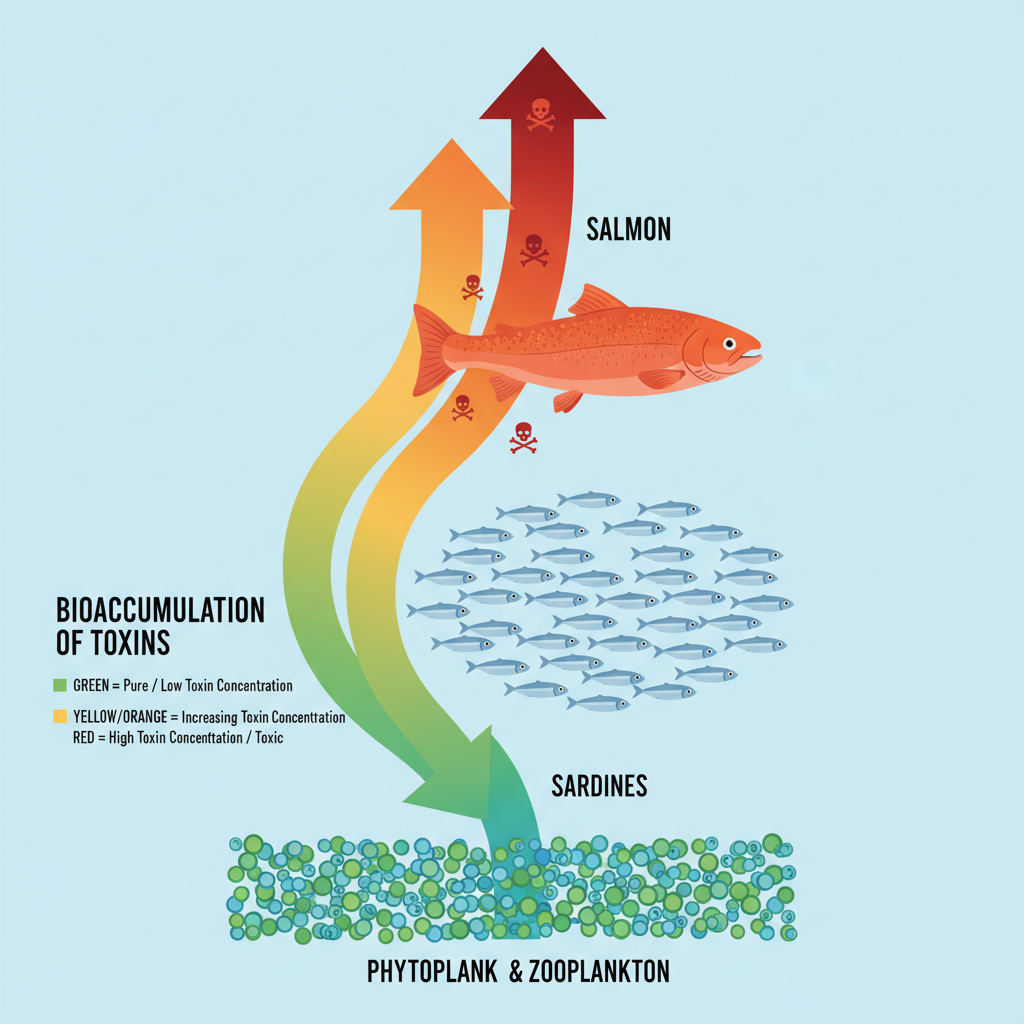
The Heavy Metal Risk: Bioaccumulation Explained
The single most critical factor that elevates sardine oil above salmon oil is the concept of bioaccumulation. This is a term manufacturers of salmon oil hope you never investigate. Every time a larger fish eats a smaller fish, it absorbs and stores the toxins from its prey. These toxins, particularly heavy metals like mercury and persistent organic pollutants like PCBs, build up in the fatty tissues over the fish’s lifespan.
Think of it like this: A salmon is a 20-year-old predator. Over its life, it has eaten thousands of smaller fish. It has stored a little bit of mercury from every single one of those meals. The salmon’s body becomes a concentrated reservoir of two decades’ worth of environmental pollution. A sardine, on the other hand, has a lifespan of only 1-2 years and eats plankton. Its body simply doesn’t have the time or the toxic food sources to accumulate a dangerous level of contaminants.
Decoding Purity: The Importance of Third-Party Testing
So, how can you be sure any oil is safe? The answer is independent, third-party testing. Reputable brands will voluntarily submit their products to organizations that test for purity and potency. The gold standard is the IFOS (International Fish Oil Standards) Program. An IFOS 5-star rating guarantees:
- The oil contains the amount of Omega-3s stated on the label.
- It has passed the most stringent international standards for oxidation (rancidity).
- It has extremely low, safe levels of PCBs, dioxins, and furans.
- It has passed all standards for heavy metals like mercury, lead, arsenic, and cadmium.
Hacker Tip: Do not trust a brand’s internal claims of ‘purity tested’ or ‘molecularly distilled.’ These are marketing terms. Look for the actual IFOS logo or a Certificate of Analysis (COA) from a third-party lab on the company’s website. If you can’t find it in 30 seconds, buy from a brand that is transparent. They have nothing to hide.
While some high-end, wild-caught salmon oils are purified to meet these standards, the inherent risk is higher, and the purification process can be harsh. Starting with a cleaner source material, like sardines, is the smarter, safer, and more logical approach.
The Dosage Deception: How to Read the Label Like a Pro
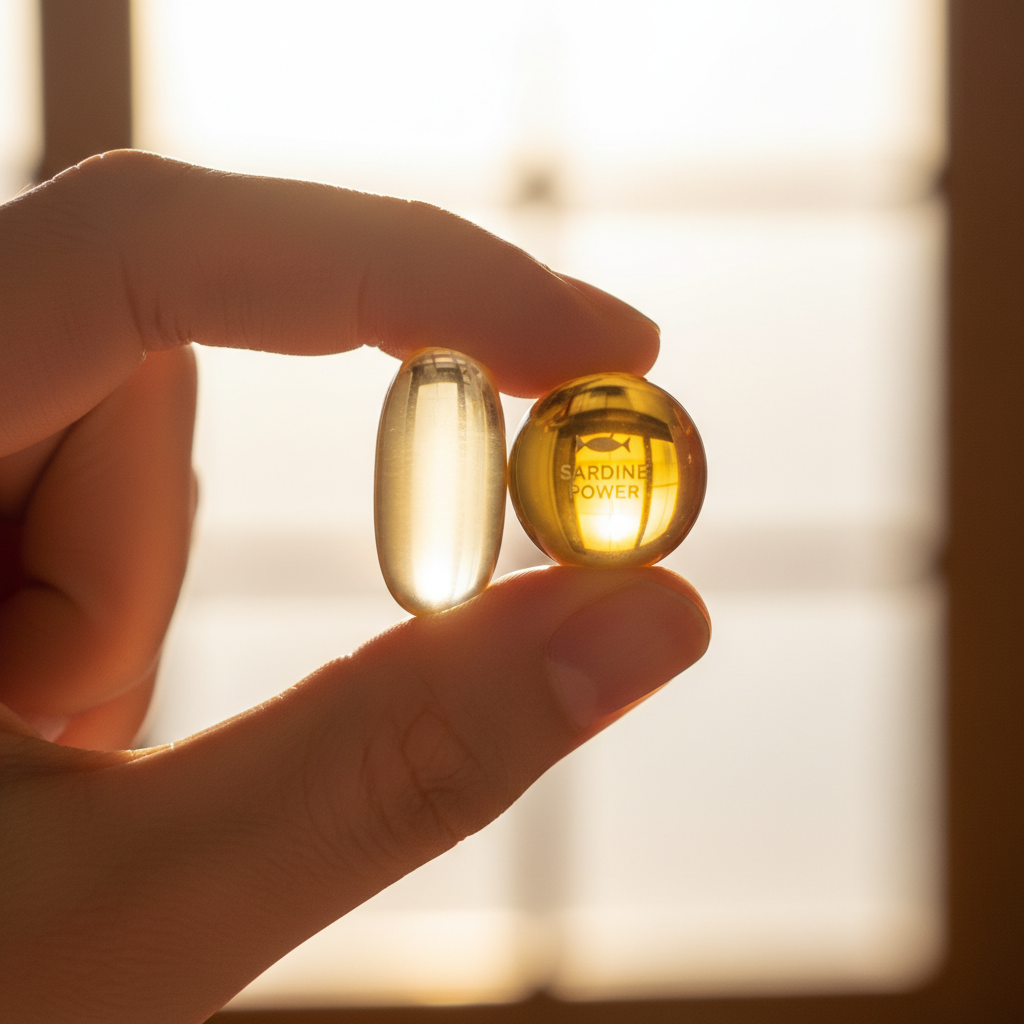
The Dosage Deception: How to Read the Label Like a Pro
You’ve chosen a high-quality sardine oil blend with a third-party purity certification. The final step is ensuring you’re giving the correct, therapeutic dose. This is where many well-intentioned owners are misled by labels.
The most common mistake is looking at the total fish oil amount. A label might proudly state ‘1,200 mg Fish Oil Per Serving.’ This number is almost meaningless. What matters is the concentration of the active ingredients within that oil. You must flip the bottle over and find the ‘Guaranteed Analysis’ or ‘Supplement Facts’ panel. There, you need to find two numbers:
- Total EPA (Eicosapentaenoic Acid)
- Total DHA (Docosahexaenoic Acid)
Add these two numbers together. This sum is the total amount of active Omega-3s per serving, and it’s the only figure you should use for calculating your dog’s dose. A low-quality oil might have only 300mg of combined EPA/DHA in a 1200mg softgel, meaning 75% of what you’re giving is just fish fat, not the therapeutic compounds you’re paying for.
General Dosing Guidelines
While you must consult your veterinarian for a dose tailored to your dog’s specific health needs, a widely accepted starting point for general health maintenance is between 20-55 mg of combined EPA+DHA per pound of body weight daily. For conditions like severe arthritis or skin allergies, your vet may recommend a higher, therapeutic dose.
Let’s do the math for a 50lb dog:
- Low-end maintenance dose: 50 lbs x 20 mg/lb = 1000 mg of combined EPA+DHA daily.
- High-end maintenance dose: 50 lbs x 55 mg/lb = 2750 mg of combined EPA+DHA daily.
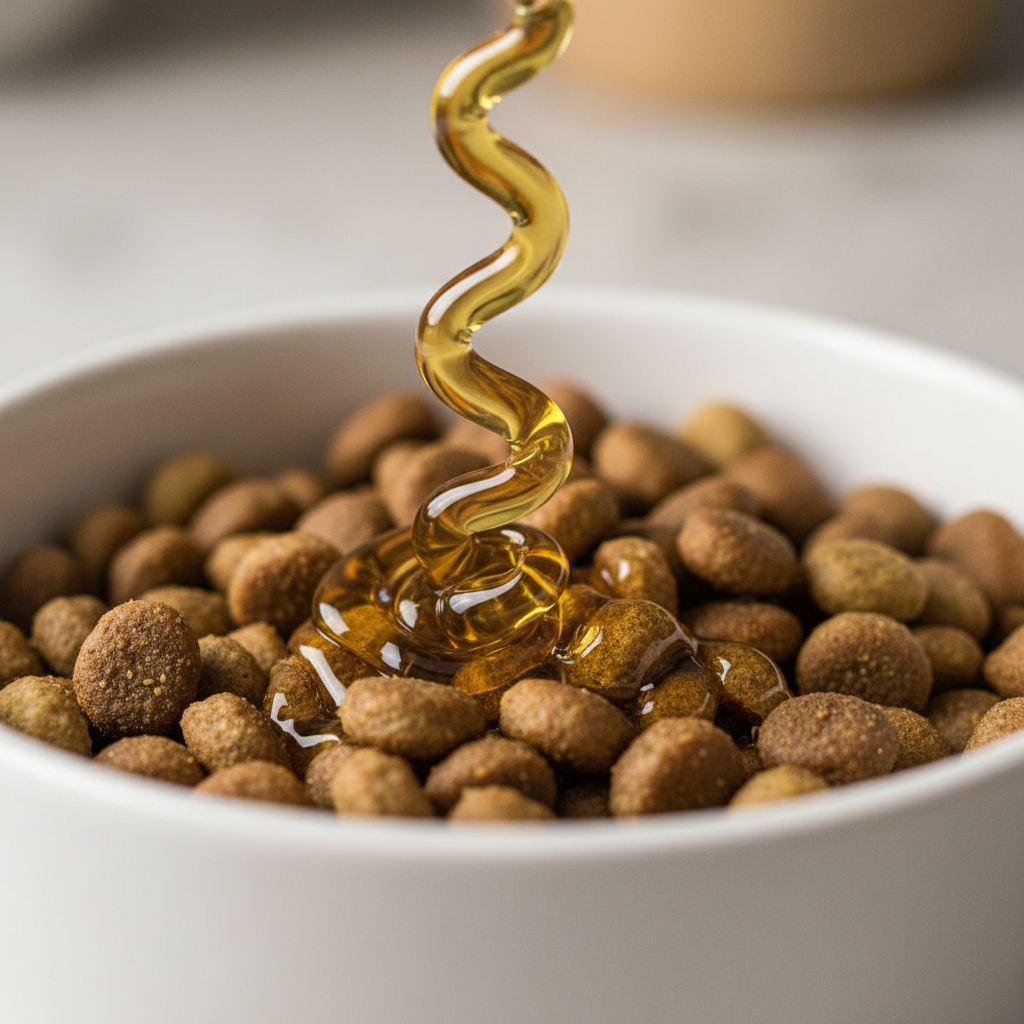
You can now see why potency matters. With a high-potency sardine oil, you might achieve this dose with one teaspoon. With a low-potency salmon oil, you might need three or four, drastically increasing the cost and the number of fat calories your dog consumes.
A Warning on Rancidity
Finally, proper storage is critical. Omega-3s are polyunsaturated fats, which means they are highly susceptible to oxidation (going rancid) when exposed to heat, light, and air. Rancid oil is not just ineffective; it’s harmful, creating free radicals that can damage your dog’s cells. Always store fish oil in a cool, dark place (the refrigerator is ideal after opening) and use it before the expiration date. If it smells overly ‘fishy’ or acrid, like old paint, throw it out immediately. A fresh, high-quality oil should have a very light, clean scent of the ocean.
Medical Disclaimer: This information is for educational purposes only. Always consult with a licensed veterinarian before adding any new supplement to your dog’s diet. They can assess your dog’s individual health status and recommend the most appropriate product and dosage.
Conclusion
The Verdict: Crowning the Canine Omega-3 Champion
After a rigorous, evidence-based analysis, the conclusion is clear and decisive. While a high-quality, wild-caught, and rigorously tested salmon oil can be a good supplement, it operates at a disadvantage. The inherent risks of bioaccumulation, the questions of sustainability, and the prevalence of lower-potency farmed sources make it a minefield for the average consumer.
Sardine oil, or a blend derived from other small, oily fish, is the undisputed champion. It offers a profile that is inherently purer, more potent, and more sustainable. By choosing an oil from fish low on the food chain, you are making a strategically superior decision that minimizes risk and maximizes the therapeutic benefits of EPA and DHA for your dog.
You are now armed with the knowledge to see past the marketing on the front of the bottle and analyze the facts on the back. You understand the critical importance of third-party testing, the correct way to calculate dosage, and the science behind why smaller fish provide a cleaner oil. You are no longer just a pet owner buying a supplement; you are the Canine Nutrition Hacker, making an informed, scientific choice to protect and enhance the health of your loyal companion for years to come.