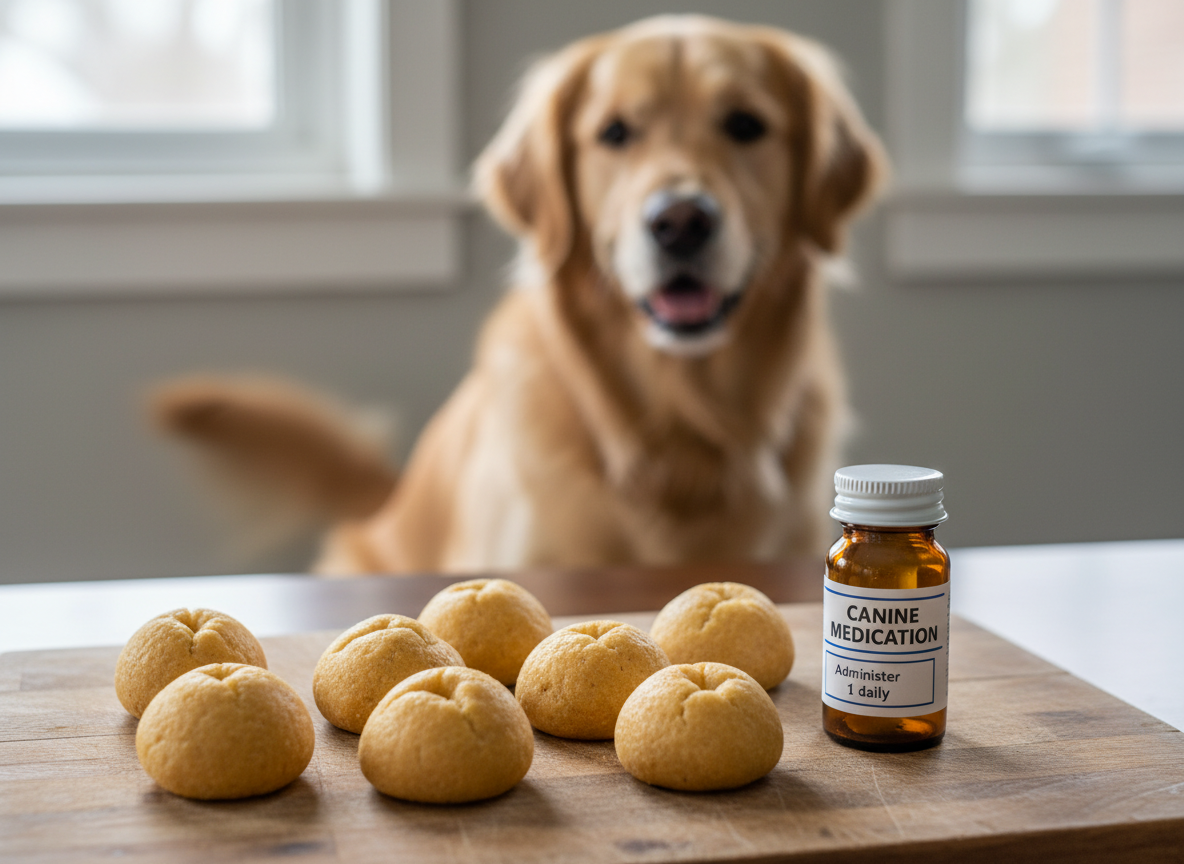
Save Money With These 3-Ingredient Homemade Pill Pockets
Giving your dog medication can be a daily battle. You buy expensive, commercially produced pill pockets, thinking you’re doing the best for your companion. But have you ever stopped to analyze what you’re actually paying for? As The Canine Nutrition Hacker, I’m here to tell you that you’re likely paying a premium for cheap fillers, sugars, and a list of unpronounceable ingredients. It’s time to stop funding the pill pocket racket and take back control of your dog’s health and your wallet.
This guide isn’t just a recipe; it’s a financial and nutritional exposé. We’ll break down the true cost of convenience, dissect the labels of popular brands, and then build a superior, cost-effective alternative from scratch with just three simple, wholesome ingredients. You’ll save a significant amount of money and have the peace of mind that comes from knowing exactly what your dog is consuming.
SAFETY DISCLAIMER: I am a canine nutrition analyst, not a veterinarian. The information provided here is for educational purposes. This recipe is intended for use as a treat to administer medication and is not a complete or balanced meal. Always consult with your veterinarian before introducing new foods into your dog’s diet, especially if your dog has allergies, sensitivities, or underlying health conditions. Ensure all ingredients, especially peanut butter, are free from xylitol, which is highly toxic to dogs.
The Pill Pocket Racket: A Forensic Analysis of Store-Bought Labels

Before we build a better solution, we must first understand the problem. Let’s put a popular brand of pill pockets under the microscope. The marketing promises a tasty, stress-free way to give pills, but the ingredient panel tells a different story—one of high-margin fillers and questionable additives designed for shelf stability and hyper-palatability, not optimal canine health.
The ‘First 5 Ingredients’ Truth
The first five ingredients make up the bulk of any product. Let’s examine a typical label you might find on a chicken-flavored pill pocket:
- Rehydrated Chicken: This sounds good, but ‘rehydrated’ often means processed chicken powder or concentrate, not fresh meat.
- Glycerin: A sugar alcohol used to keep the treats moist and chewy. While generally considered safe in small amounts, it’s essentially a sweetener with no nutritional value.
- Wheat Flour: A common binder and one of the most prevalent allergens for dogs. It’s a cheap carbohydrate filler.
- Wheat Gluten: The protein of wheat, used to add structure. It’s another potential allergen and a low-quality protein source compared to meat.
- Vegetable Oil: A generic fat source, often a highly processed blend of soy, corn, or canola oil. It lacks the specific benefits of higher-quality fats like fish oil or flaxseed oil.
Further down the list, you’ll often find things like corn syrup solids or molasses (more sugar), artificial flavors, and chemical preservatives. You are paying a premium for a product primarily composed of wheat, sugar, and processed byproducts. This isn’t a health food; it’s canine junk food engineered to hide a pill.
The Real Cost Breakdown: DIY vs. Retail

The financial argument for making your own pill pockets is staggering. Commercial brands leverage convenience to justify their exorbitant prices. Let’s break down the numbers for a typical 40-50 lb dog that needs medication twice a day. We’ll compare a leading brand with our 3-ingredient homemade recipe.
Cost Analysis: Per Pocket & Per Year
Store-bought pill pockets often come in packages of 30 or 60. A 30-count package can easily cost $8-$10. The homemade version uses pantry staples that are incredibly inexpensive per unit.
| Metric | Leading Store-Bought Brand | The Canine Nutrition Hacker’s DIY Pockets |
|---|---|---|
| Average Cost per Package | $9.00 (for 30 pockets) | ~$5.50 (for ingredients making 100+ pockets) |
| Cost Per Pocket | $0.30 | ~$0.05 |
| Daily Cost (2 pills/day) | $0.60 | $0.10 |
| Monthly Cost (30 days) | $18.00 | $3.00 |
| Annual Cost | $216.00 | $36.00 |
| Total Annual Savings | An incredible $180.00! | |
The savings are undeniable. For less than the cost of two months of store-bought pockets, you can make your own for an entire year. You’re not just saving money; you’re investing in a higher-quality, filler-free product for your dog. This is the core principle of nutrition hacking: achieving superior results for a fraction of the cost.
The Canine Nutrition Hacker’s 3-Ingredient Pill Pocket Recipe
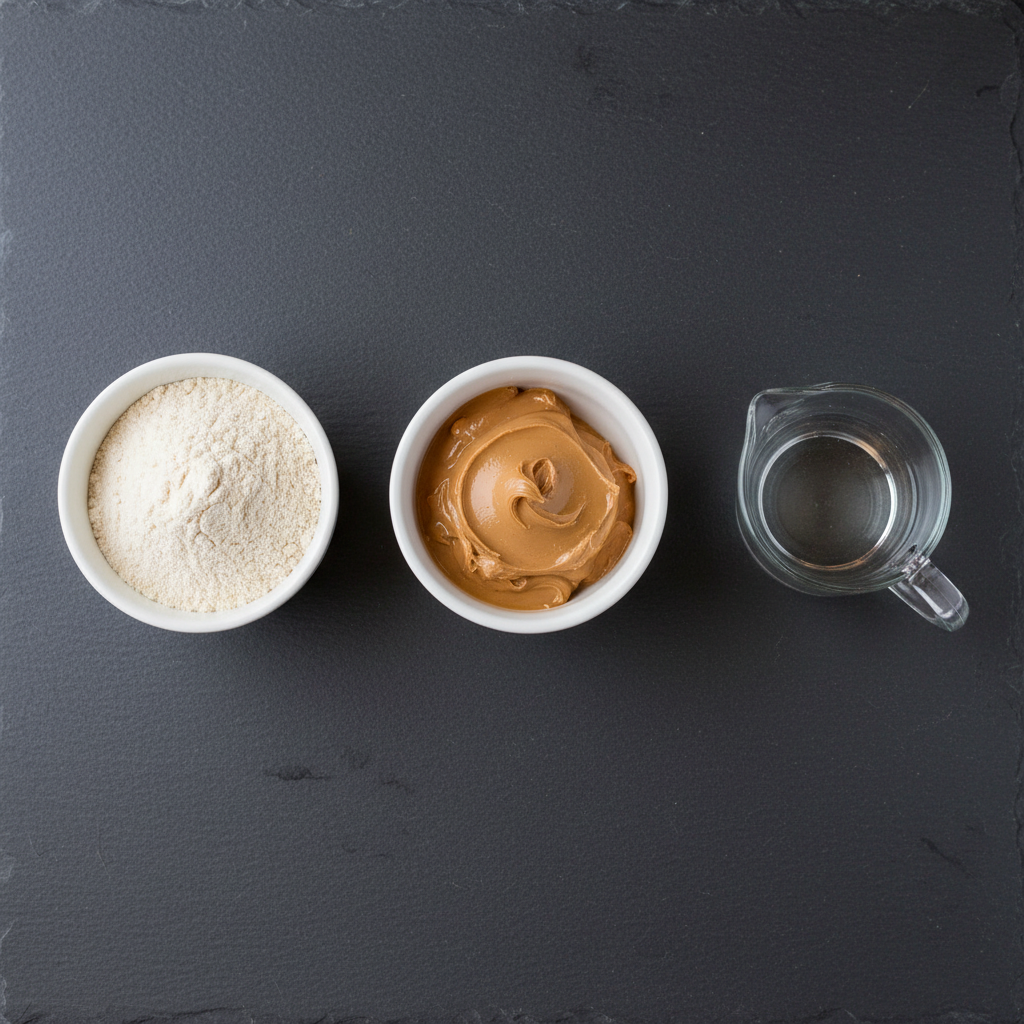
This recipe is the cornerstone of our mission. It’s simple, fast, and infinitely better than the commercial alternative. We’re choosing ingredients for their nutritional value, binding properties, and palatability—not for their low cost to a manufacturer.
Why These Ingredients?
- Oat Flour: We use oat flour (which you can make by simply blending rolled oats) instead of wheat. It’s a gluten-free option that’s rich in fiber, vitamins, and minerals. It’s gentle on most dogs’ digestive systems.
- Natural Peanut Butter: A fantastic source of protein and healthy fats that dogs find irresistible. CRITICAL WARNING: You MUST use a natural peanut butter containing only peanuts and salt. Check the label meticulously to ensure it contains NO XYLITOL (sometimes listed as ‘birch sugar’), which is extremely toxic to dogs.
- Water or Unsalted Broth: The liquid binder. Using unsalted chicken or beef broth can increase palatability, but water works perfectly fine.
Ingredients & Equipment
- 1/2 cup Oat Flour
- 1/4 cup Natural, Xylitol-Free Peanut Butter
- 2-3 tablespoons Water or Unsalted Bone Broth
- Mixing Bowl
- Spoon or Spatula
- Airtight container for storage
Step-by-Step Instructions
- Combine Dry and Wet: In your mixing bowl, add the 1/2 cup of oat flour and the 1/4 cup of peanut butter.
- Mix Thoroughly: Using your spoon or hands, work the peanut butter into the oat flour. The mixture will be crumbly and dry, similar to sand. This is normal.
- Add Liquid Slowly: Add 2 tablespoons of water or broth. Begin mixing. The dough will start to come together. Be patient and incorporate all the crumbly bits.
- Adjust Consistency: If the dough is still too dry, add the final tablespoon of liquid, or even a little more, a teaspoon at a time. The goal is a firm, pliable dough that is not sticky. It should feel like Play-Doh.
- Form the Pockets: Pinch off a small amount of dough (about the size of a hazelnut or grape, depending on the pill size). Roll it into a ball. Use your thumb or the end of a pen to create a small indentation or pocket in the center.
- Administer or Store: The pocket is now ready! Simply push the pill into the indentation and pinch the top closed to conceal it completely.
Hacker Tip: The exact amount of liquid can vary based on the brand of oat flour and the oiliness of your peanut butter. The key is to add it slowly. If you accidentally add too much water and the dough becomes sticky, simply knead in a little more oat flour until you reach the perfect consistency.
Advanced Tactics: Batching, Storage, and Customization
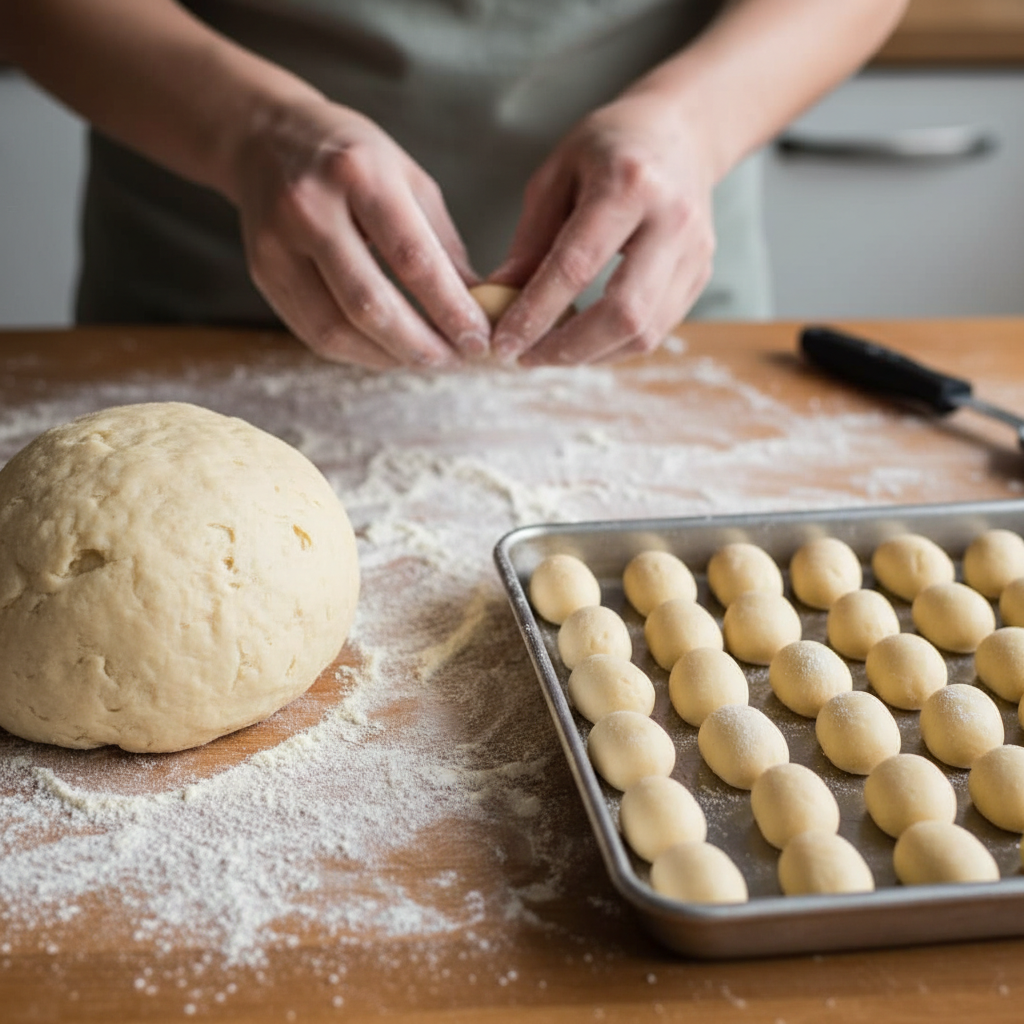
Once you’ve mastered the basic recipe, you can optimize the process for maximum efficiency and even tailor it to your dog’s specific health needs. A true nutrition hacker is always looking for ways to improve the system.
Batch Cooking & Long-Term Storage
Don’t waste time making a new batch every week. This recipe is perfect for batching. Simply double or triple the ingredients to make a large supply. To store them effectively:
- Refrigeration: For short-term use (up to 7-10 days), place the formed pill pockets in a single layer within an airtight container and store them in the refrigerator. Separating layers with wax paper can prevent sticking.
- Freezing: For long-term storage (up to 3 months), place the individual pockets on a baking sheet lined with parchment paper. Freeze them for about an hour until they are solid. This prevents them from clumping together. Once frozen solid, transfer them to a labeled freezer bag or airtight container. You can then pull out what you need a few minutes before medicating your dog.
Customizing for Your Dog’s Needs (With Veterinary Approval)
The base recipe is a blank canvas. With your vet’s guidance, you can incorporate beneficial supplements. WARNING: Never add new supplements to your dog’s diet without professional veterinary consultation.
- For Joint Health: A small sprinkle of turmeric (with a pinch of black pepper to aid absorption) can be kneaded into the dough for its anti-inflammatory properties.
- For Digestive Health: You can open a capsule of your vet-approved canine probiotic and mix the powder into the dough.
- For Picky Eaters: If peanut butter isn’t an option due to allergies or preference, you can substitute it with an equal amount of canned pumpkin puree or sweet potato puree. You may need to adjust the amount of oat flour to achieve the right consistency.
By batching and customizing, you transform a simple recipe into a powerful tool in your canine care arsenal, saving you time, money, and stress in the long run.
Conclusion
You now possess the knowledge and the recipe to officially opt out of the commercial pill pocket market. You’ve seen the subpar ingredients, you’ve calculated the exorbitant costs, and you now have a simple, healthy, and affordable alternative. Making your own 3-ingredient pill pockets is more than just a DIY project; it’s a fundamental shift in how you approach your dog’s nutrition. It’s about rejecting marketing hype in favor of wholesome ingredients and taking empowered, informed control over what goes into your dog’s body. Welcome to the world of the Canine Nutrition Hacker. Now go save that $180 and invest it back into what truly matters: more quality time with your healthy companion.