Shamrock Shakes: Spinach & Yogurt St. Patrick’s Dog Treats
When holidays roll around, it’s easy to get caught up in the festivities and want to share the fun with our dogs. But before you’re tempted by that green-frosted cupcake, let’s talk strategy. Most human treats are a minefield of sugar, xylitol, and other ingredients toxic to canines. Even the commercial ‘holiday’ dog treats are often just cleverly marketed junk food packed with fillers and artificial dyes. This is where we hack the system.
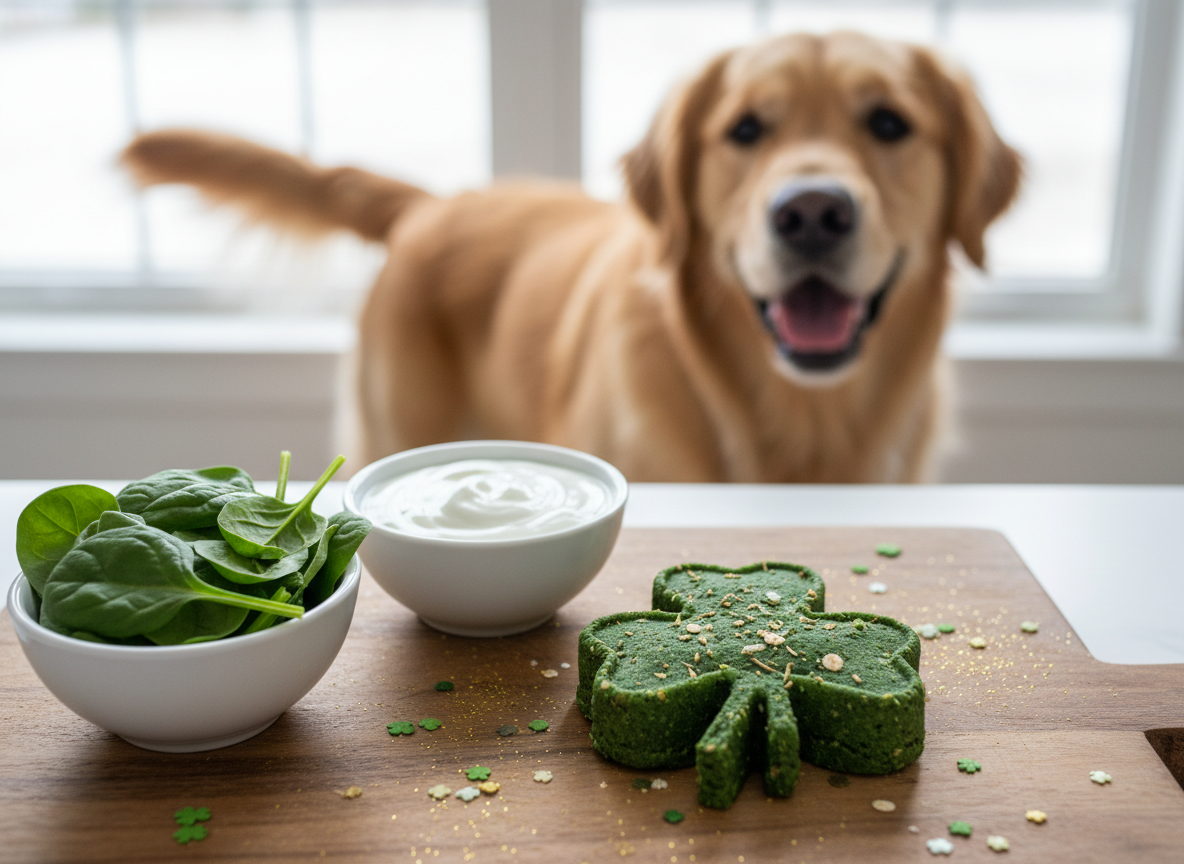
We’re going to create a St. Patrick’s Day treat that’s not only safe but actively beneficial for your dog. These ‘Shamrock Shakes’ leverage the power of whole-food ingredients like spinach and yogurt to deliver a nutrient-packed punch. It’s about taking control, moving beyond deceptive marketing, and giving your dog the best, because you’re the one in charge of the ingredient label.
IMPORTANT SAFETY DISCLAIMER
I am a canine nutrition analyst, not a veterinarian. This recipe is intended as a treat and should not replace your dog’s balanced daily diet. The information provided is for educational purposes. Always consult with your veterinarian before introducing new foods into your dog’s diet, especially if your dog has underlying health conditions, allergies, or dietary sensitivities. Ensure all ingredients, particularly yogurt, are free from xylitol, which is highly toxic to dogs.
Deconstructing the Ingredients: Why This Isn’t Just Holiday Fluff

A smart pet owner never trusts the front of the bag; they analyze the ingredient panel. Let’s apply that same forensic scrutiny to our homemade treats to understand the ‘why’ behind each component. This isn’t about cute shapes; it’s about targeted nutrition.
The Power Greens: Spinach & Parsley
Spinach is the engine behind the festive green color, but its role is more than aesthetic. It’s loaded with vitamins A, B, C, and K, iron, antioxidants, and beta-carotene. This combination supports vision, immune response, and energy levels. However, there’s a catch: oxalates. Spinach contains oxalic acid, which can interfere with calcium absorption and cause kidney issues in very large quantities. HACKER TIP: We mitigate this by lightly steaming or blanching the spinach before use. This process breaks down most of the oxalates, making the nutrients more bioavailable and safer for your dog. Moderation is key; these are treats, not a meal. We also add a small amount of fresh parsley, a powerhouse for fighting bad breath (halitosis) thanks to its chlorophyll content.
The Gut Health Hero: Plain, Probiotic Yogurt
Let me be direct: NEVER use yogurt that contains artificial sweeteners, especially xylitol, which is lethal to dogs. Avoid flavored or high-sugar varieties. The target is plain, unsweetened yogurt that contains live active cultures (probiotics). These beneficial bacteria are critical for maintaining a healthy gut microbiome, which is the foundation of your dog’s immune system. A healthy gut aids in nutrient absorption, digestion, and can even help combat yeast-related skin issues. Greek yogurt is an excellent choice as it’s typically higher in protein and has a thicker consistency that works well in dough.
The Binder Blueprint: Superior Flours
Many commercial treats use cheap fillers like corn, wheat, and soy—common allergens that provide little nutritional value. We’re upgrading. For this recipe, we’ll use oat flour. You can buy it or make it yourself by simply blending rolled oats into a fine powder. Oats are a great source of soluble fiber, which helps regulate blood glucose levels and supports digestion. For dogs with grain sensitivities, coconut flour is an excellent alternative. It’s high in fiber and healthy fats. The goal is to use a binder that adds nutritional value, rather than just empty calories.
The Forensic Cost Breakdown: DIY vs. ‘Boutique’ Treats
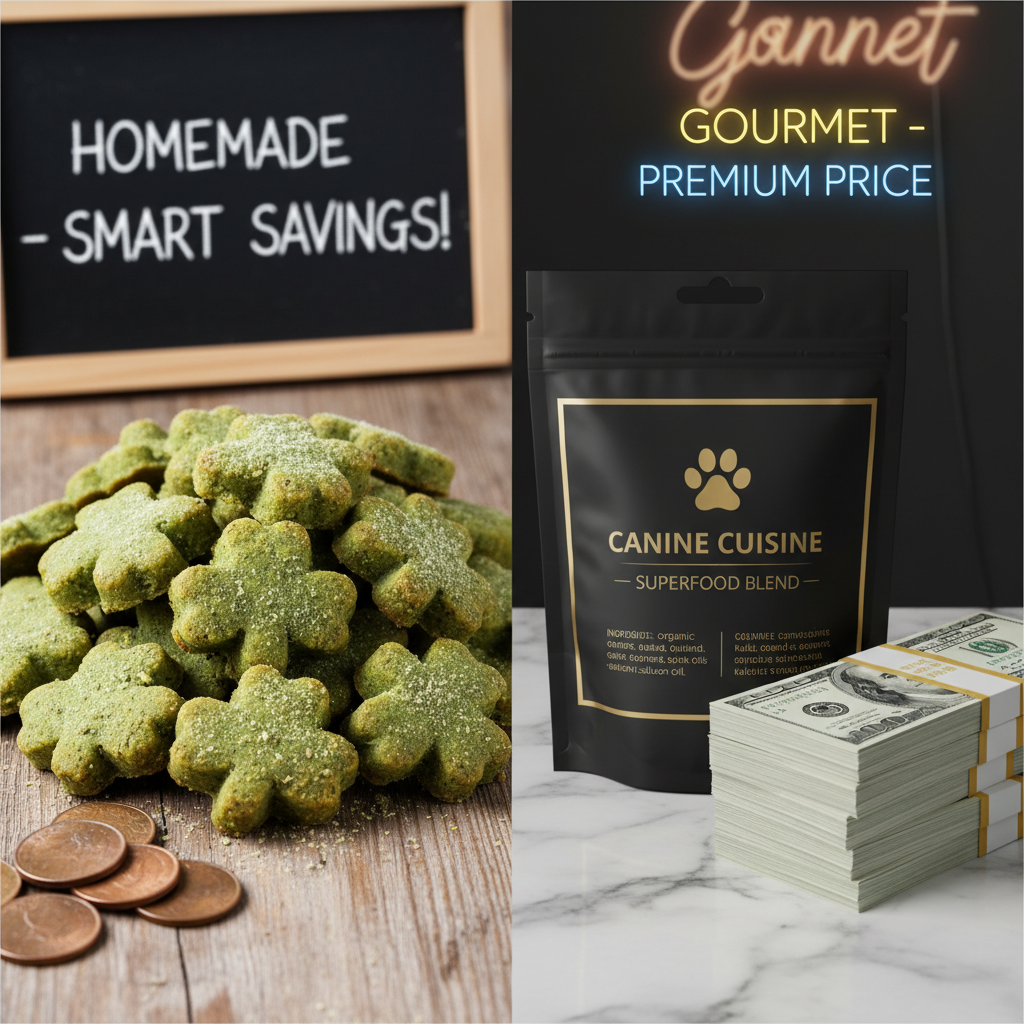
The ‘gourmet’ and ’boutique’ pet treat market is a billion-dollar industry built on clever marketing. They sell you on ‘human-grade’ ingredients and fancy packaging, but the price tag is often wildly inflated. Let’s run the numbers and see how much you can save by taking five minutes to make these treats yourself.
We’ll compare a single batch of our DIY Shamrock Shakes (which yields approximately 30 treats) to a typical 8 oz bag of a premium, grain-free ‘superfood’ biscuit from a boutique pet store.
| Ingredient / Item | DIY ‘Shamrock Shakes’ Cost Analysis | Boutique ‘Green Superfood’ Treat Cost |
|---|---|---|
| Core Ingredients | Organic Spinach (~$0.75), Plain Greek Yogurt (~$1.00), Oat Flour (~$0.50), Egg (~$0.25) | Proprietary blend, often with less than 5% of the advertised ‘superfood’ |
| Total Cost Per Batch/Bag | Approximately $2.50 | $12.00 – $18.00 per 8oz bag |
| Yield | ~30 treats (approx. 8-10 oz total) | ~25-30 treats (8 oz) |
| Cost Per Treat | ~$0.08 per treat | ~$0.48 per treat |
| Verdict | Massive cost savings. You get 100% control over ingredient quality and freshness for a fraction of the price. No preservatives, no fillers, no marketing gimmicks. | You are paying a premium for packaging, marketing, and convenience. Ingredient sourcing and freshness can be questionable. |
The numbers don’t lie. You can save over 80% by making these treats at home. That’s money that can go towards higher-quality daily food, supplements, or veterinary care—things that have a real impact on your dog’s long-term health. Hacking your dog’s nutrition is also about hacking your budget.
The Official Canine Nutrition Hacker Recipe: Shamrock ‘Shakes’

This is the blueprint. Follow it precisely for consistent, healthy, and dog-approved results. This recipe is designed for ease and maximum nutritional impact. Total prep time is about 15 minutes, with a 20-minute bake time.
Ingredients:
- 1 cup fresh spinach, packed
- 1/4 cup fresh parsley (optional, for breath)
- 1 large egg
- 1/2 cup plain, unsweetened yogurt (ensure NO XYLITOL)
- 1/4 cup water or bone broth (no salt added)
- 2 1/2 cups oat flour (or a grain-free alternative like coconut or almond flour)
Equipment:
- Blender or food processor
- Mixing bowl
- Rolling pin
- Shamrock-shaped cookie cutter (or any small shape)
- Baking sheets lined with parchment paper
Step-by-Step Protocol:
- Prepare the Greens: Lightly steam or blanch the spinach for 1-2 minutes until wilted. Squeeze out as much excess water as possible. This is a critical step to reduce oxalates.
- Blend Wet Ingredients: In your blender, combine the blanched spinach, parsley, egg, yogurt, and water/bone broth. Blend until completely smooth. The mixture should be a vibrant green liquid.
- Combine Ingredients: Pour the green liquid mixture into a large mixing bowl. Gradually add 2 cups of the oat flour, mixing with a spatula until a sticky dough begins to form.
- Knead the Dough: Sprinkle the remaining 1/2 cup of flour onto a clean surface. Turn the dough out and knead for a minute or two, adding more flour as needed, until it’s no longer sticky and is easy to handle.
- Roll and Cut: Roll the dough out to about 1/4-inch thickness. Use your cookie cutter to cut out the shapes and place them on your parchment-lined baking sheet.
- Bake: Bake in a preheated oven at 350°F (175°C) for 20-25 minutes, or until the edges are slightly golden and the treats are firm. For a crunchier treat, turn off the oven and let them cool inside with the door cracked.
- Cool Completely: Let the treats cool completely on a wire rack before serving or storing. This prevents moisture buildup and spoilage.
Insider Secret: For a simple, healthy ‘frosting,’ mix a small amount of plain Greek yogurt with a tiny pinch of spirulina powder to enhance the green color. Use a very thin layer and apply it only after the treats have cooled completely. This adds an extra probiotic boost.
The Batch & Store Protocol: Maximizing Your Efforts
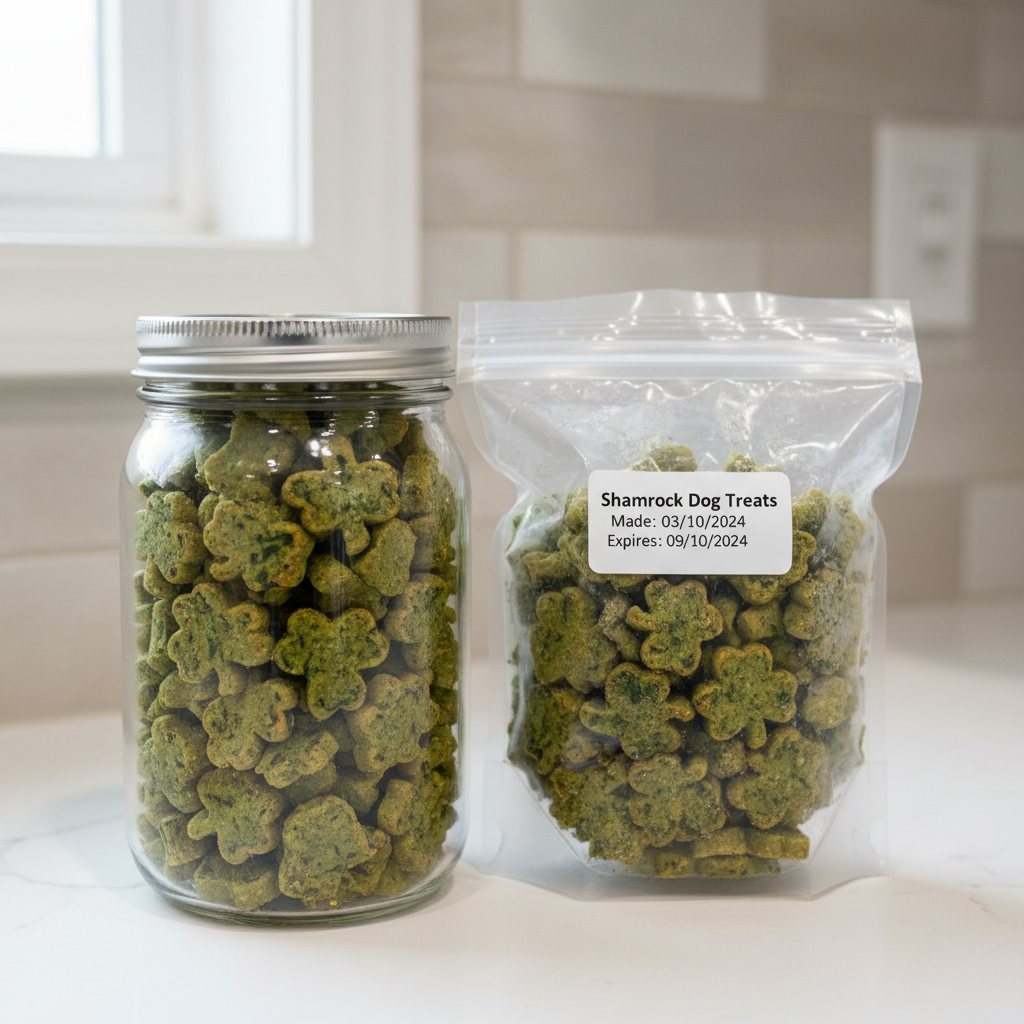
You’ve invested the time to make a superior product; now let’s ensure it stays fresh and safe. Proper storage is non-negotiable to prevent mold and spoilage, as these treats contain no artificial preservatives.
Short-Term Storage (Up to 3-5 Days)
Once the treats are 100% cooled (this is critical), you can store them in an airtight container at room temperature. A glass jar or a sealed container works best. If your treats have any moisture left in them, they will spoil quickly. If you opted for a crunchier, more dehydrated treat by letting them cool in the oven, they will last longer on the counter.
Medium-Term Storage (Up to 10 Days)
To extend their life, place the cooled treats in an airtight container or a zip-top bag and store them in the refrigerator. The cooler temperature will significantly slow down any potential for mold growth. This is the best option if you plan to use the batch within a week and a half.
Long-Term Storage (Up to 3 Months)
For maximum efficiency, make a double or triple batch and freeze them. This is the ultimate Canine Nutrition Hacker move.
- Flash Freeze: Arrange the cooled treats in a single layer on a baking sheet. Place the sheet in the freezer for 1-2 hours, or until the treats are frozen solid.
- Package for Freezing: Once frozen, transfer the treats into a freezer-safe, zip-top bag or a vacuum-sealed bag. Squeeze out as much air as possible to prevent freezer burn.
- Label and Store: Clearly label the bag with the contents and the date. They will maintain their quality in the freezer for up to 3 months.
To serve from frozen, simply take out the desired number of treats and let them thaw at room temperature for about 15-20 minutes. There is no need to reheat them.
Conclusion
You’ve now successfully bypassed the commercial treat aisle and created a product that is cheaper, healthier, and made with complete transparency. This ‘Shamrock Shake’ recipe is more than just a festive activity; it’s a practical demonstration of how easy it is to take control of your dog’s nutrition. By understanding the function of each ingredient, analyzing the true cost, and mastering preparation and storage, you are no longer just a consumer—you are your dog’s personal chef and nutritionist. This is the core philosophy of the Canine Nutrition Hacker: empower yourself with knowledge, question the marketing, and always put your dog’s long-term health first.