Slow Cooker Dog Food: Simple Chicken and Rice Recipe
IMPORTANT SAFETY DISCLAIMER: Before you change your dog’s diet, you must consult with a qualified veterinarian or a board-certified veterinary nutritionist. I am The Canine Nutrition Hacker, not a veterinarian. This recipe is a foundational guide and is not nutritionally complete for long-term feeding without proper supplementation. Nutritional deficiencies can cause serious health problems. This guide is for educational purposes to empower you to have informed conversations with your vet.
Tired of staring at dog food bags with ingredient lists a mile long, filled with words you can’t pronounce? You’re not alone. The commercial pet food industry is a master of marketing, hiding low-grade fillers and questionable preservatives behind glossy packaging and pictures of happy dogs. It’s time to stop guessing and start knowing exactly what goes into your dog’s bowl. Making your own dog food isn’t about being a gourmet chef; it’s about taking back control. This slow cooker chicken and rice recipe is your first step to becoming the gatekeeper of your dog’s nutrition—saving you money and providing your companion with a wholesome, simple meal you can actually trust.
The Unfiltered Truth: Why You Should Question That Bag of Kibble
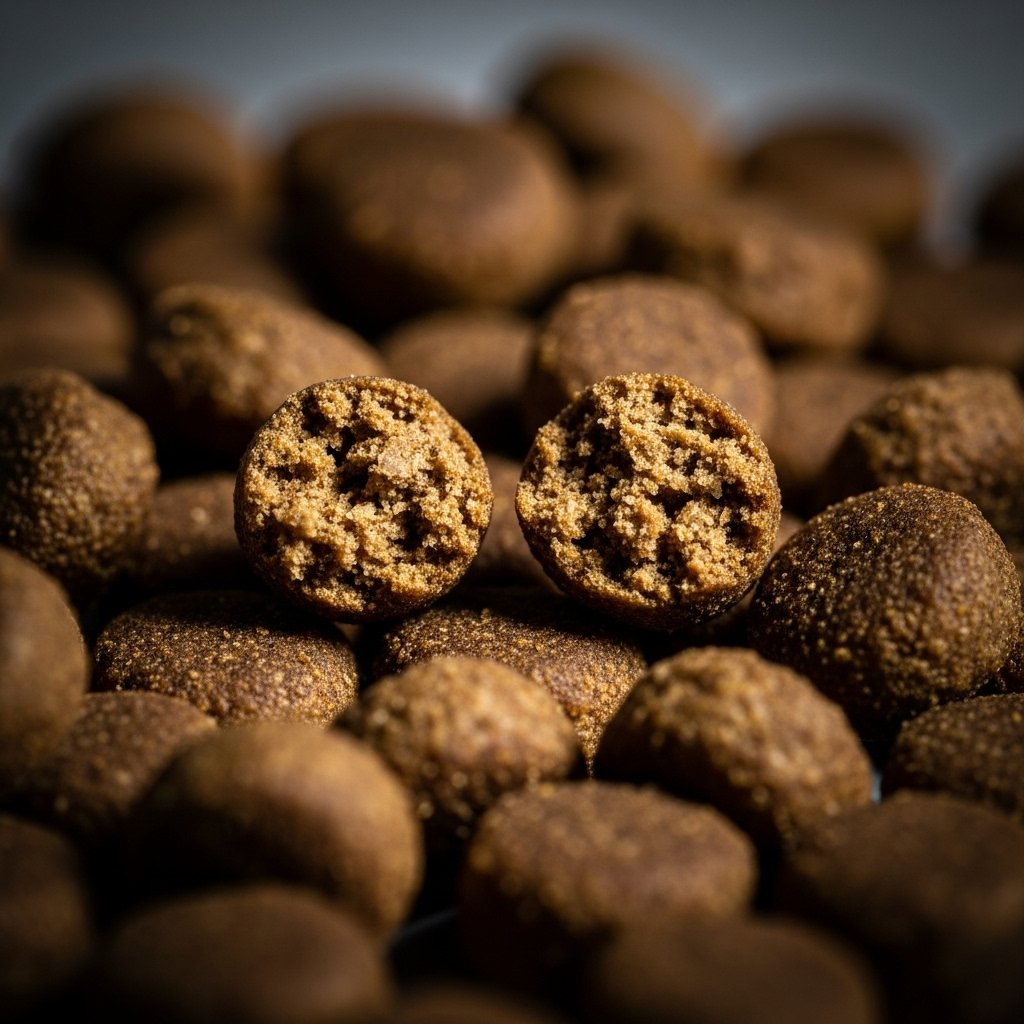
Let’s get one thing straight: not all commercial dog food is poison. But a vast majority of it is built for profit, not for optimal canine health. The goal is to meet the bare minimum nutritional standards set by AAFCO (Association of American Feed Control Officials) as cheaply as possible. This is where the ‘hacks’ of the industry come into play.
The ‘First 5 Ingredients’ Deception
You’ve heard the advice: ‘Check the first five ingredients.’ It’s good advice, but manufacturers know this. They use deceptive tactics like ‘ingredient splitting.’ For example, instead of listing ‘corn’ as the first ingredient, they might list ‘chicken,’ followed by ‘corn gluten meal,’ ‘ground corn,’ and ‘corn flour.’ Individually, they fall lower on the list, but combined, the low-quality corn filler is the primary ingredient. You are paying a premium for a corn-based food disguised as a meat-based one.
Common Fillers and Problematic Ingredients to Watch For:
- Meat Meal/By-Products: This is a rendered product. While it can be a concentrated source of protein, the quality is highly variable. It can include parts of the animal not suitable for human consumption. You have no idea what you’re truly getting.
- Corn, Wheat, and Soy: These are cheap, subsidized crops often used as primary protein and carbohydrate sources. They are common allergens for many dogs and offer limited nutritional value compared to animal-based proteins and more complex carbohydrates.
- Artificial Colors and Preservatives: Does your dog care if its kibble is bright red? No. Dyes like Red 40, Yellow 5, and Blue 2 are for you, the consumer. Chemical preservatives like BHA, BHT, and ethoxyquin are effective but have been linked to health concerns.
Hacker Tip: If the ingredient list reads like a chemistry experiment, put the bag down. Real food has simple, recognizable ingredients. Your goal is to move from mystery pellets to wholesome nutrition you control from start to finish.
Cost Analysis: DIY Slow Cooker vs. ‘Premium’ Store-Bought Kibble
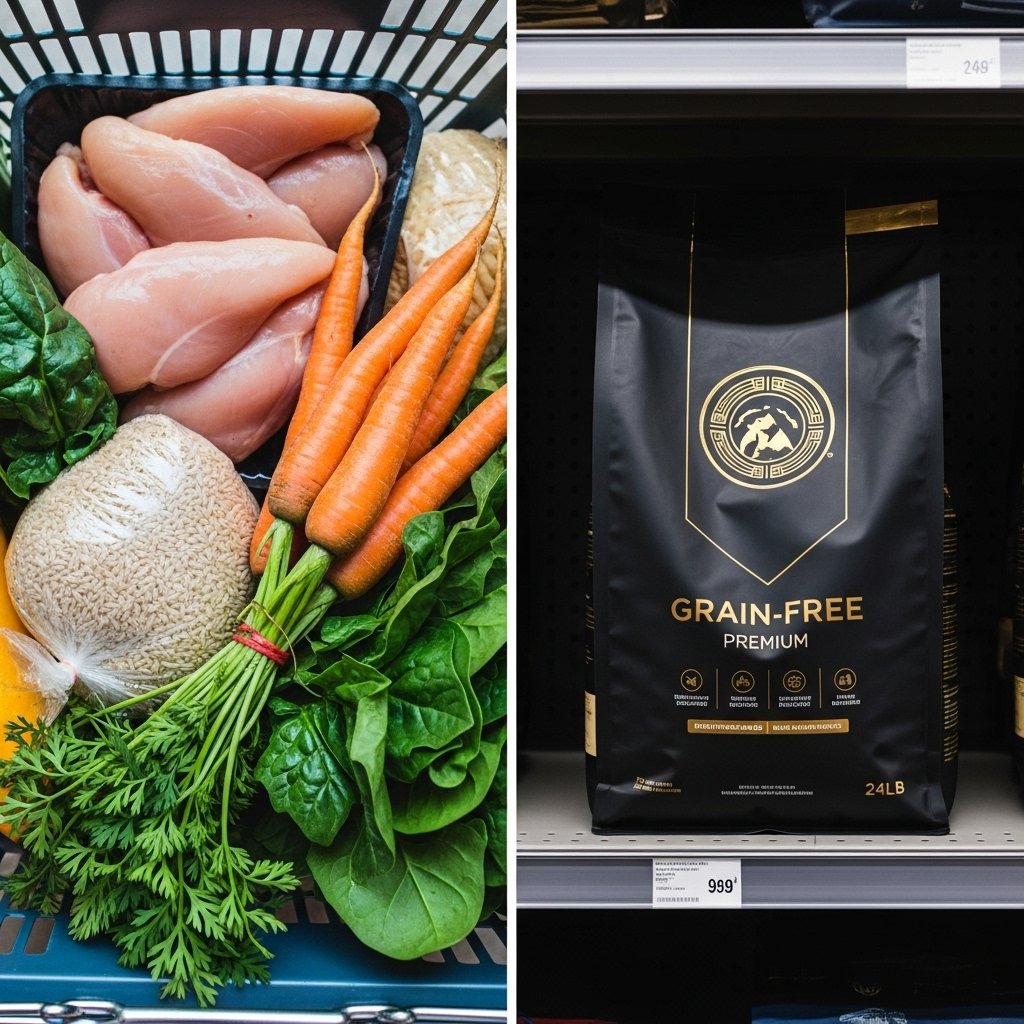
One of the biggest hurdles for pet owners considering a fresh diet is the perceived cost. The marketing for ‘premium,’ ‘grain-free,’ or ‘ancestral’ kibble comes with a premium price tag, leading many to believe that fresh food is a luxury. Let’s break down the numbers with a real-world comparison for a 50lb dog. The results will surprise you.
We’ll analyze the cost of our slow cooker recipe against a popular high-end, grain-free chicken recipe kibble. Prices are based on average US supermarket and pet store costs and can vary by location.
| Metric | DIY Slow Cooker Chicken & Rice | Premium Grain-Free Kibble |
|---|---|---|
| Primary Ingredients | Chicken Breast, Brown Rice, Carrots, Peas, Spinach | Deboned Chicken, Chicken Meal, Peas, Potatoes |
| Cost of Ingredients (DIY) / Bag (Kibble) | Approx. $25 for a 12lb batch | Approx. $75 for a 24lb bag |
| Price Per Pound | ~$2.08 per pound | ~$3.13 per pound |
| Approx. Daily Serving (50lb Dog) | ~2.5 cups (~1.25 lbs) | ~3 cups (~0.75 lbs) |
| Cost Per Day | ~$2.60 per day | ~$2.35 per day |
| Verdict & Notes | Slightly higher daily cost, but with 100% human-grade ingredients, no fillers, and superior moisture content. You control quality completely. Cost can be reduced by buying ingredients in bulk or on sale. | Slightly cheaper per day but contains processed meals and potato fillers. You’re paying for marketing, packaging, and a long shelf life, not just ingredients. |
As you can see, the daily cost is surprisingly close. For a marginal increase, you are upgrading from processed meals and fillers to 100% fresh, human-grade ingredients. When you factor in the potential for improved health and fewer vet visits down the line, the value proposition of homemade food becomes undeniable. You’re not just buying food; you’re investing in your dog’s long-term wellness.
The Canine Nutrition Hacker’s Blueprint: Slow Cooker Chicken & Rice Recipe
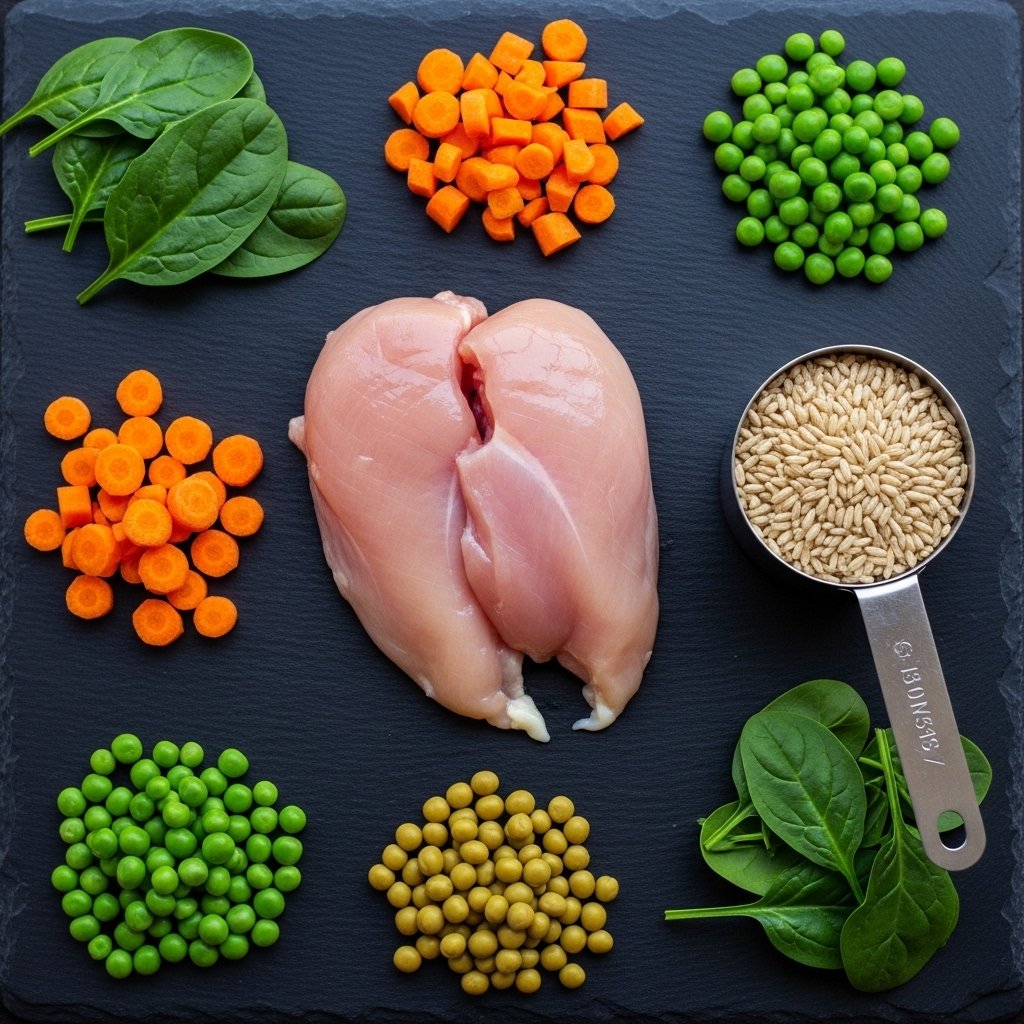
This is the foundational recipe. It’s simple, balanced in its macronutrients, and incredibly easy to make. Remember, this recipe is a base. You will need to add a nutritional supplement to make it complete for long-term feeding (more on that in the next section).
Ingredient Ratios (The 50/25/25 Rule)
A good starting point for a homemade diet is a ratio of 50% protein, 25% complex carbohydrates, and 25% vegetables.
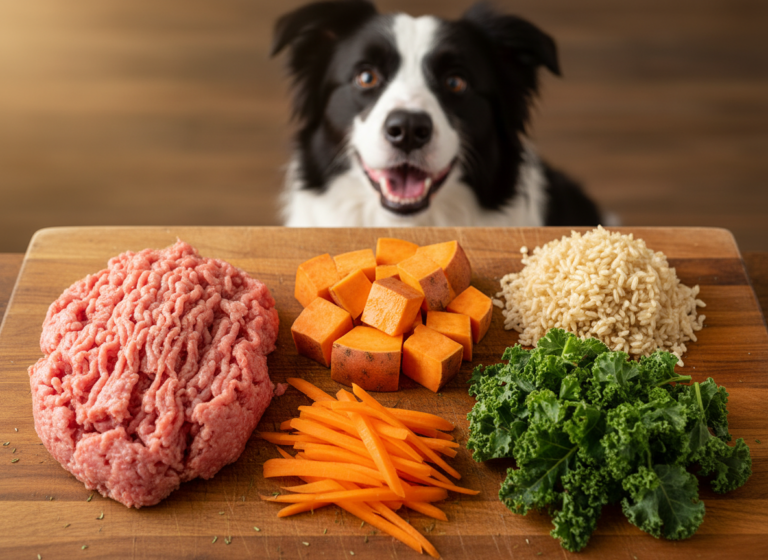
- Protein (50%): 3 lbs boneless, skinless chicken breasts or thighs
- Complex Carbs (25%): 1.5 cups uncooked brown rice
- Vegetables (25%): 2 cups chopped carrots, 1 cup peas (frozen is fine), 2 large handfuls of fresh spinach
- Liquid: 4 cups of water or low-sodium chicken broth
Step-by-Step Instructions
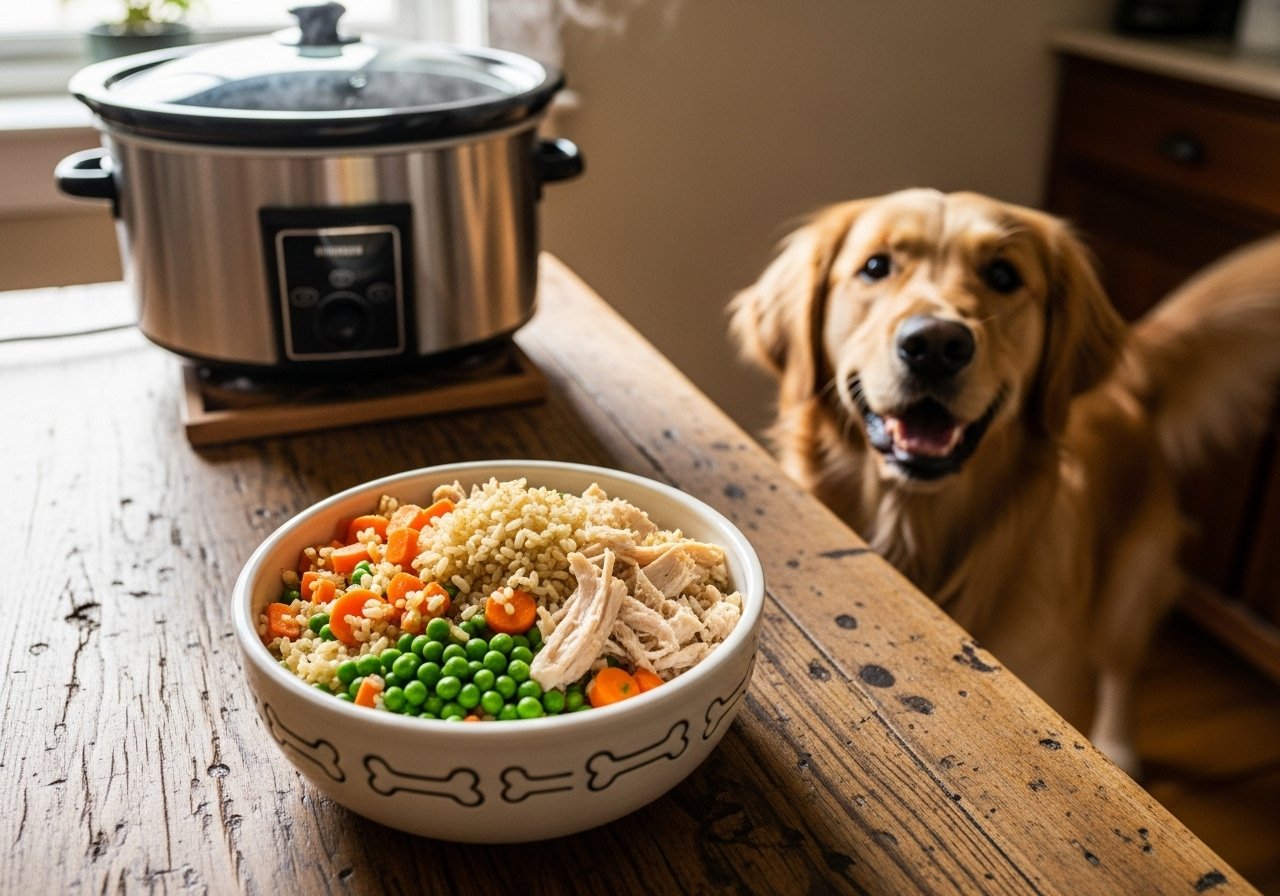
- Prepare the Base: Place the chicken breasts at the bottom of your slow cooker. Add the uncooked brown rice and chopped carrots around the chicken.
- Add Liquid: Pour the water or low-sodium broth over the ingredients. Ensure the rice is mostly submerged.
- Cook Low and Slow: Cover and cook on a low setting for 6-8 hours, or on high for 3-4 hours. The chicken should be cooked through and tender, and the rice should be soft.
- Shred and Wilt: About 30 minutes before it’s done, remove the chicken breasts and shred them with two forks. Return the shredded chicken to the pot. Stir in the frozen peas and fresh spinach. The residual heat will cook them perfectly while preserving some of their nutrients.
- Cool and Portion: Turn off the slow cooker and let the mixture cool completely. This is a critical step to prevent your dog from burning its mouth. Once cool, stir everything together to ensure an even mix.
Hacker Tip: Don’t drain the liquid! The broth created during the cooking process is rich in collagen and nutrients that have leached from the ingredients. This moisture-rich meal is also excellent for your dog’s hydration.
The Critical Missing Piece: How to Balance the Bowl
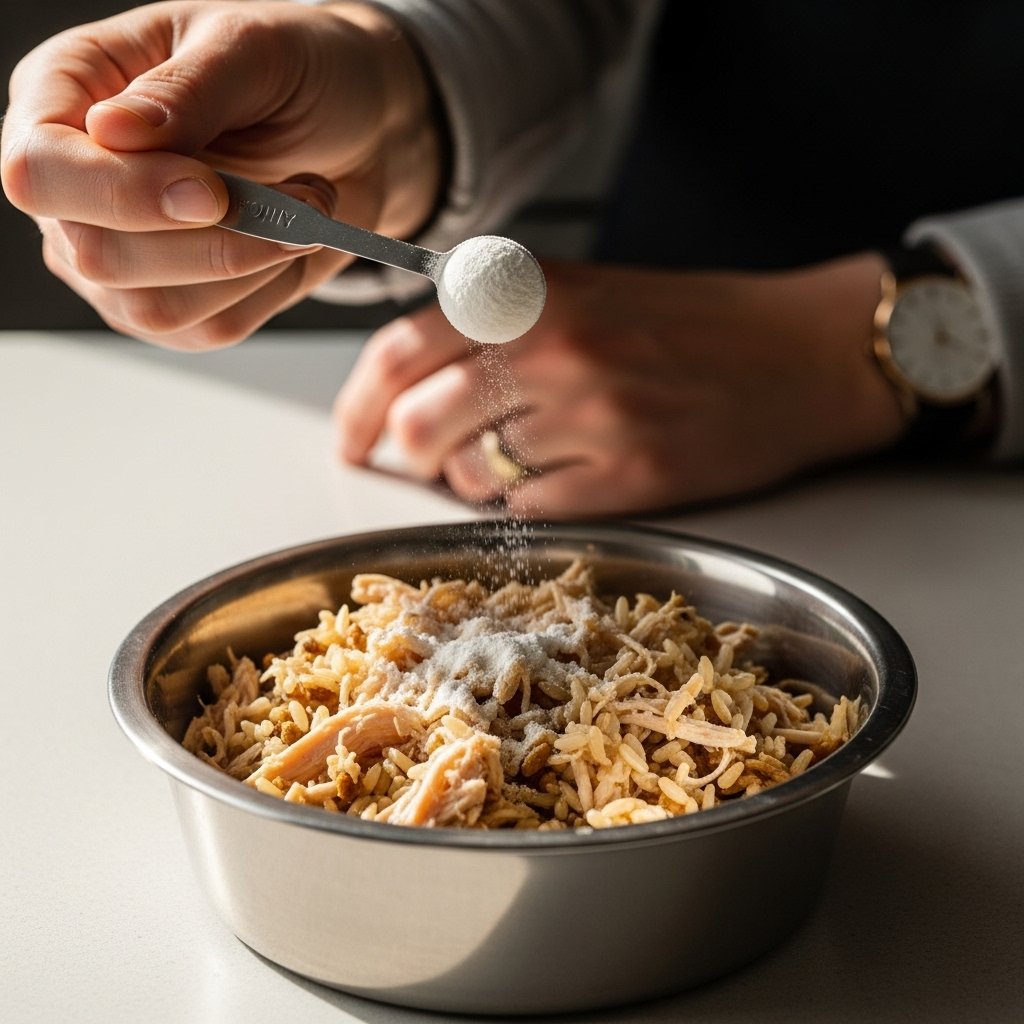
This is the most important section of this guide. Simply feeding your dog chicken, rice, and vegetables over the long term will lead to dangerous nutritional deficiencies. Commercial dog foods are fortified with a specific blend of vitamins and minerals to be ‘complete and balanced.’ Our homemade recipe is not.
What Your Homemade Food is Missing
Even with a variety of fresh ingredients, a simple recipe like this will likely be deficient in crucial nutrients, including:
- Calcium and Phosphorus: Essential for bone health. A diet high in meat and low in bone or a specific supplement will have an improper Calcium-to-Phosphorus ratio, which can be dangerous, especially for puppies.
- Omega-3 and Omega-6 Fatty Acids: Crucial for skin, coat, joint, and brain health.
- Essential Vitamins: Such as Vitamin D and E.
- Trace Minerals: Including Zinc, Copper, and Iodine.
Your Action Plan for a Complete Diet
- Consult a Professional: Your first and most important step is to speak with a board-certified veterinary nutritionist. They can analyze this recipe and formulate a specific supplement plan tailored to your dog’s age, breed, and health status.
- Use a Reputable Supplement: Do not just grab a generic multivitamin. You need a supplement specifically designed to balance homemade dog food. Brands like Balance IT or Just Food For Dogs offer canine vitamin and mineral blends created by veterinary nutritionists. Follow the dosage instructions precisely.
- Rotate Ingredients: Don’t be afraid to occasionally swap ingredients to provide a wider range of nutrients. You can substitute chicken with turkey or lean ground beef, brown rice with quinoa or sweet potatoes, and mix up the vegetables (green beans and pumpkin are excellent choices). Always introduce new foods slowly.
WARNING: Never add onions, garlic, grapes, raisins, or chocolate to your dog’s food. These are toxic. Always research any new ingredient before adding it to their bowl.
Pro-Level Batch Cooking & Storage for Busy Owners
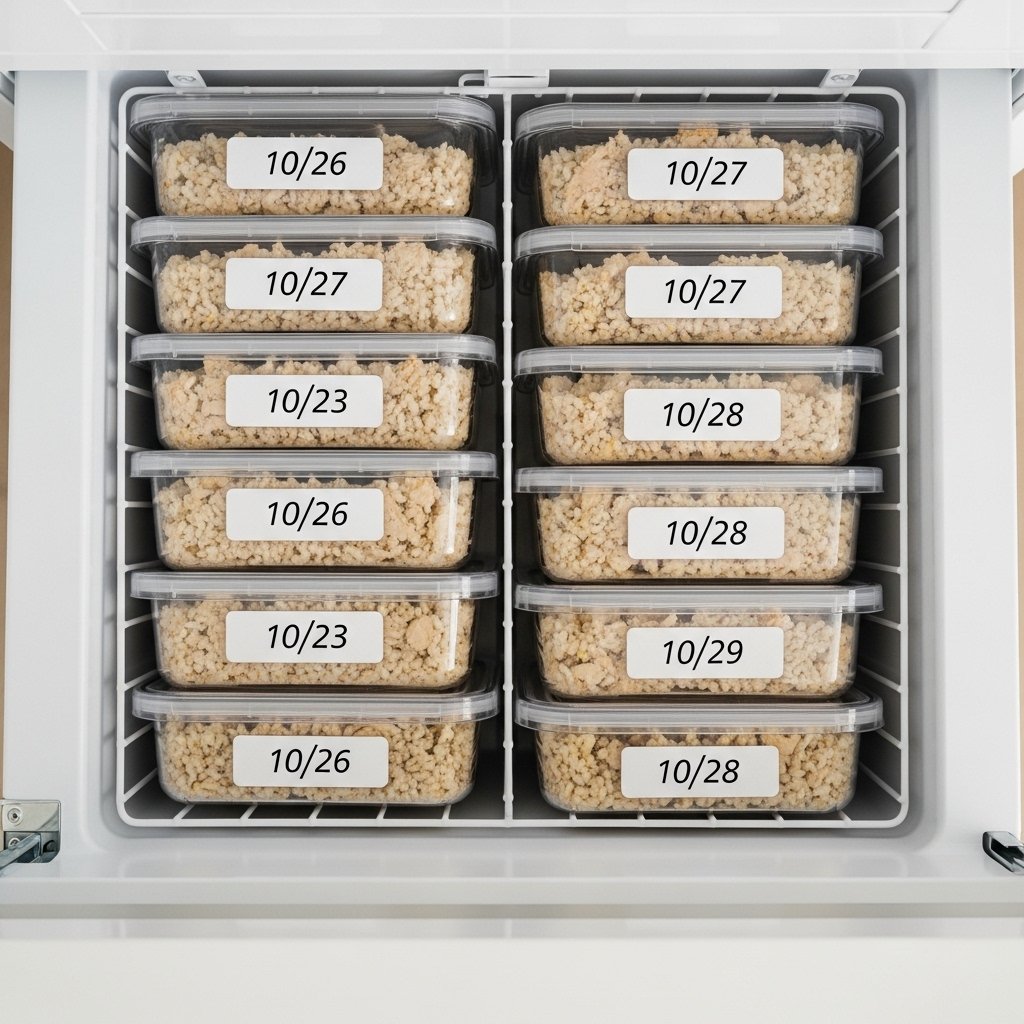
The beauty of this slow cooker recipe is its scalability. You can easily double or triple the ingredients (if your slow cooker is large enough) to make a large batch that will last for weeks. This is the ultimate ‘nutrition hack’ for saving time without sacrificing quality.
The Cooling Protocol
As mentioned, cooling the food completely before storage is non-negotiable. Spreading the food out on baking sheets can speed up the cooling process significantly. Storing warm food can promote bacterial growth, even in the refrigerator or freezer.
Portioning and Refrigeration
Once cool, portion the food into individual meal sizes based on your dog’s needs. You can store these portions in airtight containers in the refrigerator for up to 4 days. Any food that will not be consumed within that timeframe should be frozen immediately.
Freezing for Freshness
Freezing is the best way to preserve the food’s nutritional integrity for long-term storage.
- Use Freezer-Safe Containers: Glass containers, BPA-free plastic, or reusable silicone bags work well.
- Remove Excess Air: Press out as much air as possible before sealing to prevent freezer burn.
- Label Everything: Clearly label each container with the date it was made. The food will keep well in the freezer for up to 3 months.
Hacker Tip: Use a large ice cube tray or silicone muffin pan to freeze perfect single-serving ‘pucks’ of food. Once frozen solid, you can pop them out and store them in a large freezer bag. This makes thawing quick and easy—just grab the number of pucks you need for the next day’s meals and thaw them in the fridge overnight.
Conclusion
You now have the blueprint to take complete control over your dog’s diet. By moving away from the ambiguity of processed kibble, you’re providing a wholesome, moisture-rich meal made with ingredients you can see and trust. You’ve seen that the cost is comparable to premium brands, but the quality is in a different league entirely. This isn’t just a recipe; it’s a new philosophy for your dog’s nutrition.
Remember, the journey starts with a conversation. Take this information, talk to your veterinarian or a veterinary nutritionist, and create a balanced, complete, and delicious diet plan. You have the power to hack your dog’s nutrition for a healthier, happier life. It’s time to close the bag of mystery pellets and open the door to real food.