
Stop the Itch: Best Limited Ingredient Dog Foods Reviewed
That incessant scratching. The chewing at paws. The red, irritated skin. As a savvy dog owner, you know it’s more than just a minor annoyance—it’s a sign that something is fundamentally wrong. More often than not, the culprit is hiding in plain sight: your dog’s food bowl. Commercial dog foods are frequently packed with common allergens that trigger a cascade of inflammatory responses, leading to chronic itchiness. This is where a Limited Ingredient Diet (LID) becomes your most powerful weapon.
But the market is flooded with brands slapping an “LID” label on the bag, hoping you won’t look closer. That’s what we’re here to do. We’re not just reviewing dog food; we’re conducting a forensic analysis. We’ll dissect ingredient lists, expose marketing gimmicks, and give you the unvarnished truth about what you’re actually feeding your dog. This is your guide to cutting through the noise and finding a real solution.
MEDICAL DISCLAIMER: I am The Canine Nutrition Hacker, not a veterinarian. This guide is for informational purposes and is based on extensive research and analysis. A sudden change in your dog’s skin or health warrants a professional veterinary diagnosis. Always consult with your vet before making significant changes to your dog’s diet, especially if they have pre-existing health conditions.
Decoding the Itch: Identifying the Enemy in the Bowl
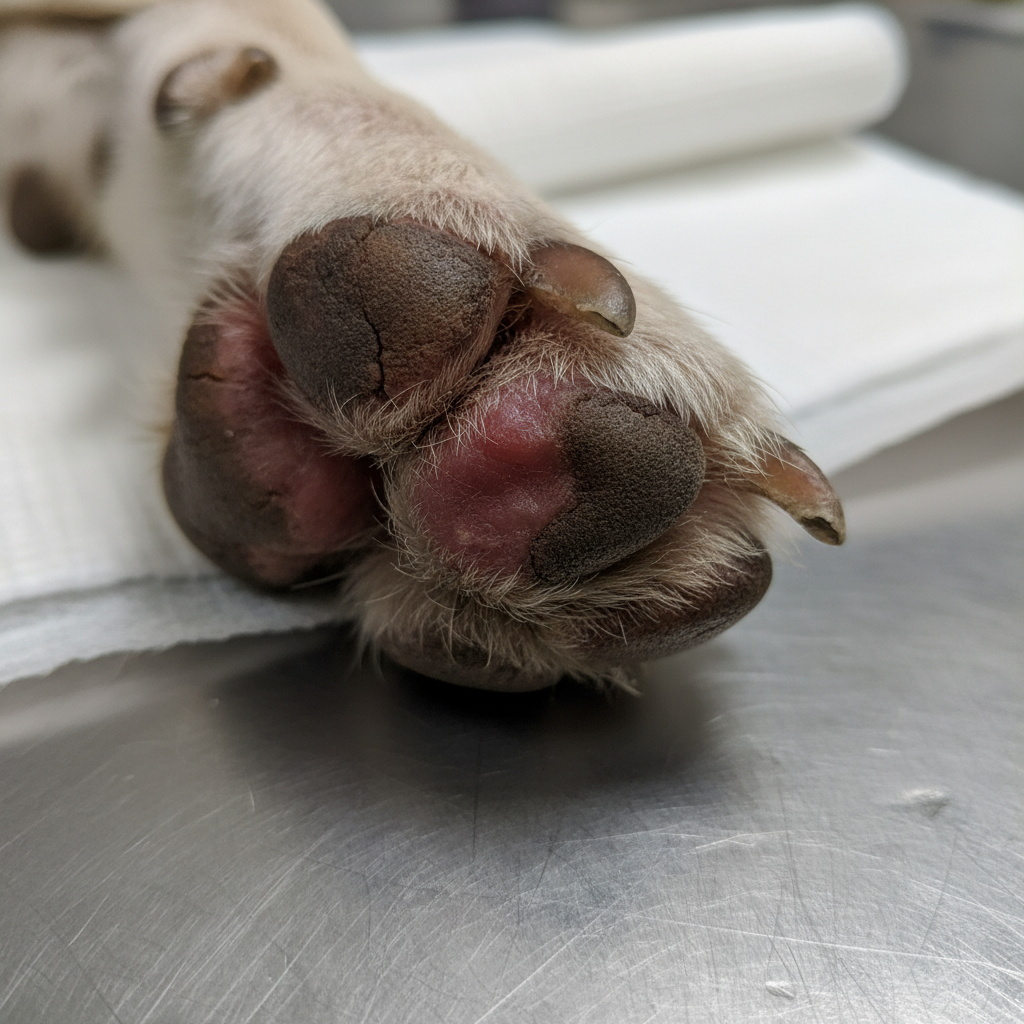
Before you can solve the problem, you must understand its source. The constant scratching is often the result of an adverse food reaction. This falls into two categories: a true food allergy (an immune system response) and a food intolerance (a digestive issue). For your dog, the itchy result is the same. The goal of an LID is to eliminate potential triggers and calm the system down.
The Usual Suspects: Top Canine Allergens
While any ingredient can theoretically be an allergen, years of data show a few common culprits are responsible for the vast majority of food-related skin issues. These are the ‘enemy ingredients’ you must learn to spot and avoid:
- Common Proteins: The most frequent offenders are the proteins dogs have been exposed to the most. This includes Chicken, Beef, and sometimes Dairy and Egg. Their molecular structures are what the immune system often mistakenly flags as a threat.
- Problem Grains & Fillers: Many dogs react poorly to certain grains, not just because of gluten, but because they are low-cost fillers that can be inflammatory. Be wary of Corn (especially corn gluten meal), Wheat, and Soy. These offer minimal nutritional value and are often used to artificially boost protein percentages on the label.
- Artificial Additives: Artificial colors, flavors, and preservatives can also contribute to inflammation and adverse reactions in sensitive dogs. A quality LID will have none of these.
Hacker Tip: Don’t be fooled by the ‘grain-free’ trend alone. A grain-free food packed with chicken and potatoes is useless if your dog is allergic to chicken. The key is a truly novel protein and a limited, clean ingredient panel.
The Forensic Review: How to Vet Any Limited Ingredient Diet
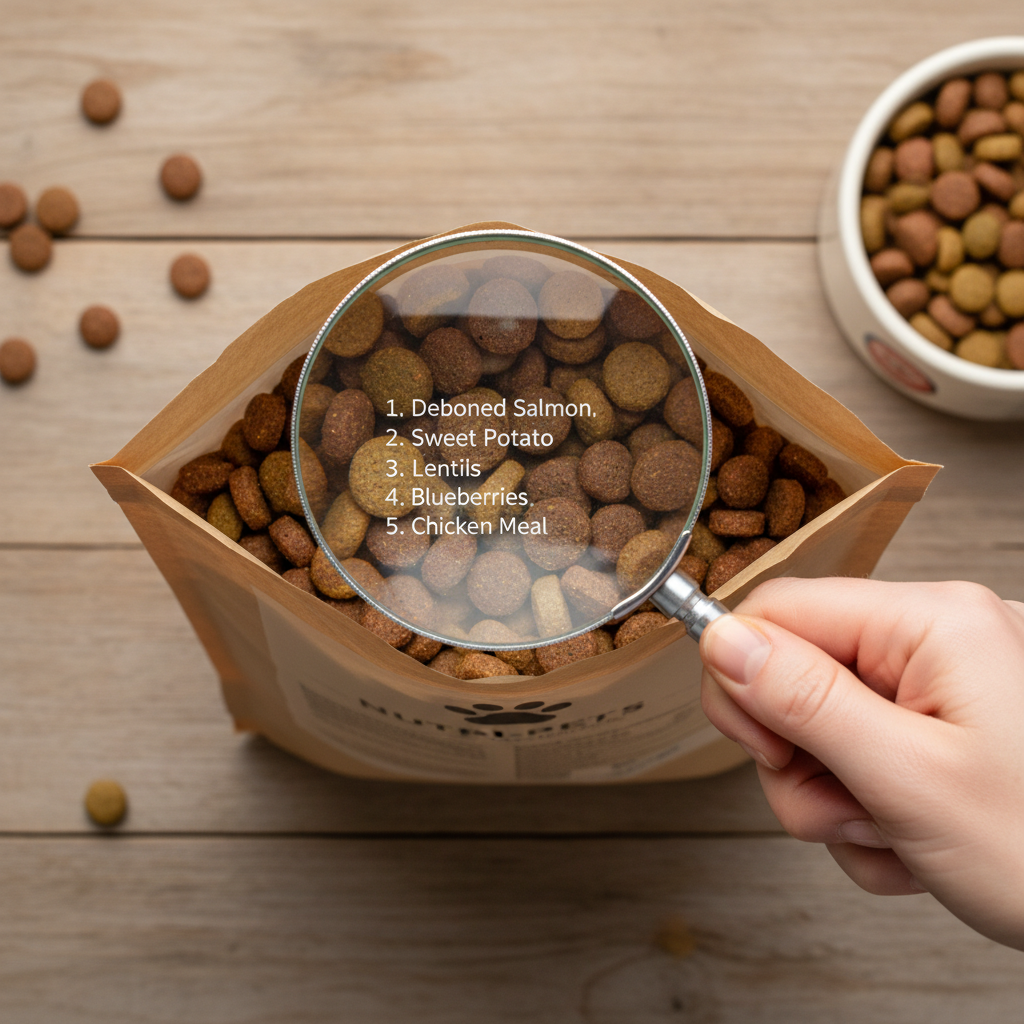
To beat the marketers at their own game, you need a system. When you pick up a bag of dog food, you are an investigator. Your only concern is the data printed on the back. Here is the exact checklist I use to separate the contenders from the pretenders.
The ‘First 5 Ingredients’ Truth
The first five ingredients listed make up the vast majority of the food by weight. This is where the truth lies. The first ingredient must be a named, single-source animal protein (e.g., ‘Deboned Lamb,’ not ‘Meat Meal’). The subsequent ingredients should be clean, whole-food carbohydrates and fats. If you see corn, wheat, soy, or vague terms like ‘animal by-product meal’ in the top five, put the bag down and walk away.
The Novel Protein & Carb Mandate
An effective LID relies on ingredients your dog’s immune system has likely never encountered before. This is the ‘novel’ component. Look for formulations built around a single novel protein source:
- Excellent Novel Proteins: Duck, Lamb, Salmon, Venison, Rabbit, Kangaroo.
- Quality Carbohydrate Partners: Sweet Potatoes, Peas, Chickpeas, Pumpkin. These are complex carbohydrates that are easily digestible and offer far more nutritional value than cheap grain fillers.
Cost Per Day: The True Price of Nutrition
Don’t be swayed by the price tag on the bag. A cheap, low-quality food requires you to feed larger portions, meaning you run out faster. A nutrient-dense, high-quality food costs more per bag but requires smaller serving sizes. The only real metric is the cost per day. We calculate this for a standard 50lb dog to give you a true apples-to-apples comparison.
The Contenders: A Forensic Analysis of Top LIDs
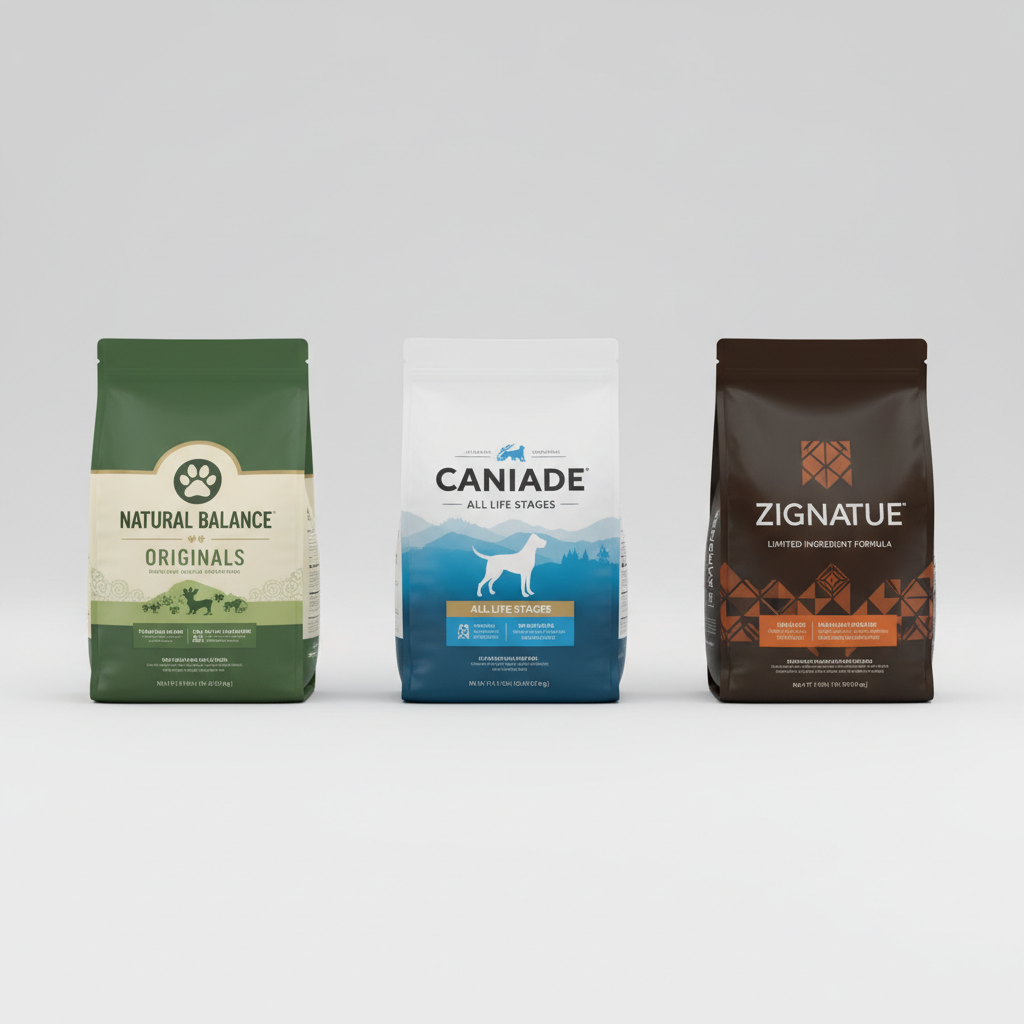
We’ve applied our rigorous vetting process to some of the most popular LIDs on the market. Here’s the unvarnished breakdown of what’s inside the bag.
Natural Balance L.I.D. Lamb & Brown Rice Formula
- The ‘First 5 Ingredients’ Truth: Lamb, Brown Rice, Lamb Meal, Brewers Rice, Rice Bran. The primary protein is lamb, which is excellent. However, the presence of three different rice products (‘ingredient splitting’) can be a way to downplay how much rice is actually in the formula. Still, it’s a solid, time-tested option.
- Cost Per Day (50lb dog): Approximately $2.15/day.
- Recall Check: Natural Balance has had recalls in the past, most notably during the large 2007 melamine recall, but has maintained a relatively clean record in recent years.
- The Hacker’s Verdict: A reliable, widely available entry-point into LIDs. It’s not grain-free, which can be a benefit for dogs that need healthy grains. A good first choice for suspected chicken or beef allergies.
CANIDAE PURE Real Salmon & Sweet Potato Recipe
- The ‘First 5 Ingredients’ Truth: Salmon, Salmon Meal, Menhaden Fish Meal, Sweet Potatoes, Peas. This is a powerful list. It leads with multiple, high-quality fish sources for a protein and omega-3 fatty acid punch, paired with excellent complex carbs. No fluff.
- Cost Per Day (50lb dog): Approximately $2.75/day.
- Recall Check: Canidae has a very strong safety record with only one voluntary recall in its history, which was precautionary.
- The Hacker’s Verdict: A premium, grain-free option ideal for dogs with both protein and grain sensitivities. The high omega-3 content from salmon is an added bonus for skin and coat health. Worth the price if it fits your budget.
Zignature Turkey Limited Ingredient Formula
- The ‘First 5 Ingredients’ Truth: Turkey, Turkey Meal, Peas, Chickpeas, Pea Flour. Excellent. Turkey is a less common poultry allergen than chicken. The formula is built on a foundation of legumes, making it a very low-glycemic, grain-free option.
- Cost Per Day (50lb dog): Approximately $3.10/day.
- Recall Check: Zignature has a clean recall history. It was named in the FDA’s 2019 report on grain-free diets and potential links to DCM, but no causal link has been proven, and the brand has been transparent in its response.
- The Hacker’s Verdict: A top-tier, ‘clean’ formula for extremely sensitive dogs. Zignature specializes in exotic novel proteins, making them a go-to for elimination diets when more common proteins have failed. It’s an investment, but for dogs with severe allergies, it can be a game-changer.
The Comparison Matrix: At-a-Glance LID Breakdown

Data drives decisions. This table cuts through the marketing and puts the critical facts side-by-side. Use it to quickly compare the foods we analyzed based on the metrics that matter most for your itchy dog.
| Brand & Formula | Primary Novel Protein | Primary Carb Source | Grain-Free? | Approx. Cost/Day (50lb Dog) | The Hacker’s Verdict |
|---|---|---|---|---|---|
| Natural Balance L.I.D. | Lamb | Brown Rice | No | $2.15 | Best for beginners; a reliable grain-inclusive option for chicken/beef sensitivities. |
| CANIDAE PURE | Salmon | Sweet Potato | Yes | $2.75 | Excellent for skin/coat health due to high omegas; a premium grain-free choice. |
| Zignature | Turkey | Peas / Chickpeas | Yes | $3.10 | Top-tier for severe allergies; ideal for elimination diets when other proteins fail. |
The Transition Protocol: Switching Foods Without Digestive Upset

Once you’ve chosen your new LID, you can’t simply swap the food overnight. Doing so will almost guarantee digestive chaos—vomiting, diarrhea, and gas—which will confuse your elimination trial. A slow, methodical transition is non-negotiable.
The 10-Day Switch Strategy
The goal is to gradually introduce the new food while phasing out the old one. Use this ratio as your guide:
- Days 1-3: 75% Old Food / 25% New Food
- Days 4-6: 50% Old Food / 50% New Food
- Days 7-9: 25% Old Food / 75% New Food
- Day 10: 100% New Food
Monitor your dog’s stool throughout this process. If you notice any looseness, slow down the transition and spend an extra day or two at the current ratio before increasing the new food. Patience is paramount.
Hacker Tip: Keep an ‘Itch & Stool’ journal during the transition and for the first 30 days on the new food. Every day, rate the itchiness on a scale of 1-10 and note the stool quality. This objective data is invaluable for tracking progress and for discussions with your vet. It can take 8-12 weeks to see the full benefits of a diet change, so don’t give up too early.
Conclusion
Stopping the itch is a process of elimination, and you, the owner, are the lead investigator. By arming yourself with knowledge about ingredients, learning to dissect a label like a professional, and committing to a methodical transition, you can take back control from the faceless pet food corporations. A Limited Ingredient Diet isn’t a magic bullet, but it is the single most effective diagnostic tool at your disposal. It empowers you to identify your dog’s specific triggers and build a nutritional plan that promotes calm, healthy skin from the inside out.
Remember the checklist: demand a single novel protein, scrutinize the first five ingredients, and ignore the marketing hype on the front of the bag. Your dog’s relief is written in the data on the back. Now you have the tools to read it. Make an informed choice, be patient with the process, and always partner with your veterinarian to ensure your dog’s holistic health.