Teff for Dogs: Is This Ancient Grain Safe?
In the complex world of canine nutrition, the debate over grains is a battleground littered with misinformation. You’ve been told grains are ‘fillers,’ cheap additives used to pad out profits. While that’s often true for highly processed ingredients like corn and wheat gluten, a new class of ‘ancient grains’ has entered the arena, promising superior nutrition. One of the most talked-about is teff.
But what is it, really? Is teff just another marketing gimmick, or is it a legitimate nutritional powerhouse for our dogs? As The Canine Nutrition Hacker, my job is to cut through the noise. We’re not going to rely on slick packaging or buzzwords. We’re going to conduct a forensic analysis of teff, examining its molecular makeup, its digestive impact, and its real-world application for dogs with specific health needs. This is your definitive guide to understanding whether this ancient grain is a safe and beneficial addition to your dog’s bowl.
Deconstructing Teff: A Forensic Look at the Nutrient Profile

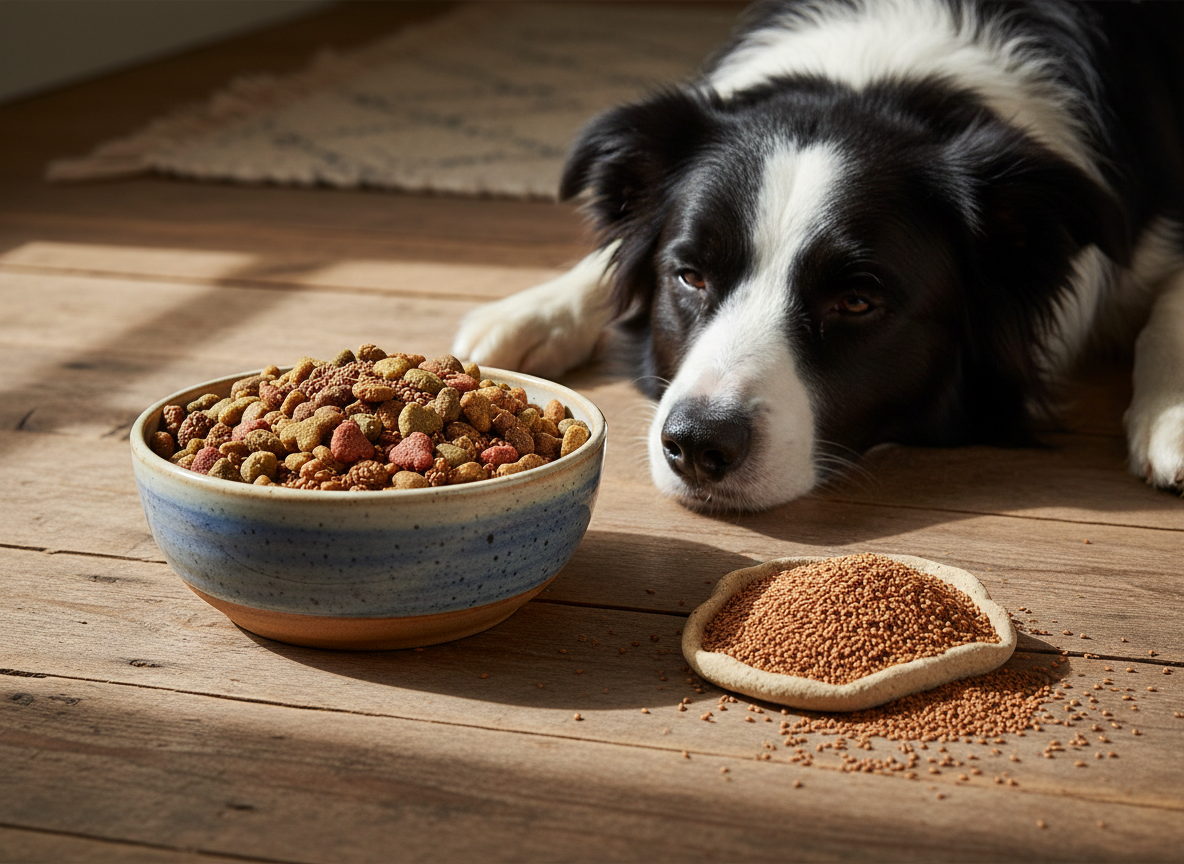
Before we can determine its safety, we must first understand what teff is. Teff is not a modern, lab-created invention; it’s a tiny, poppy-seed-sized grain that has been a staple food in Ethiopia and Eritrea for thousands of years. Its small size belies its powerful nutritional density, which is precisely why it’s catching the eye of premium pet food formulators.
The Nutritional Breakdown
Let’s put teff under the microscope. Unlike cheap fillers designed to simply add bulk, every component of teff serves a purpose:
- Complete Protein Source: Teff contains all the essential amino acids your dog needs to build and repair muscle tissue. Its protein content is comparable to other high-quality grains, making it a valuable plant-based contributor to the overall protein percentage in a diet.
- Rich in Minerals: It is exceptionally high in calcium, which is vital for bone health, and iron, crucial for oxygen transport in the blood. It also provides significant amounts of magnesium, manganese, and phosphorus.
- High in Fiber and Resistant Starch: This is a critical point. Teff is loaded with dietary fiber, which aids in digestion and promotes firm stools. More importantly, it’s a fantastic source of resistant starch, a prebiotic fiber that bypasses digestion in the small intestine and ferments in the large intestine. This process feeds the beneficial bacteria in your dog’s gut, promoting a healthy microbiome.
- Naturally Gluten-Free: This is perhaps its most significant advantage in the canine world. Teff contains no gluten, making it an excellent carbohydrate source for dogs with confirmed wheat allergies or gluten sensitivities, which often manifest as skin irritation, itchiness, and gastrointestinal distress.
Hacker Tip: Don’t just look at the ‘Guaranteed Analysis’ on a dog food bag. The *type* of fiber matters. The resistant starch in teff acts as a ‘superfood’ for your dog’s gut bacteria, which can lead to improved immunity and better digestion over time. This is a benefit you won’t find in cheap corn fillers.
The Safety Verdict: Can Dogs Eat Teff?

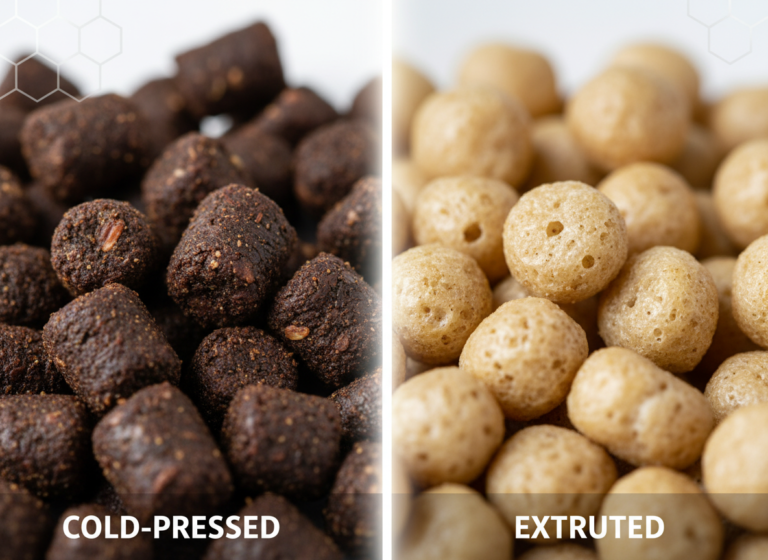
Let’s get straight to the point: Yes, teff is generally safe for dogs to consume when it is properly cooked and served in moderation. The raw, uncooked grain is difficult for a dog’s digestive system to process and should be avoided. In commercial dog foods, the extrusion and cooking process makes the nutrients in teff bioavailable and easy to digest.
The Rules of Safe Consumption
Safety isn’t just a yes or no question; it’s about protocol. Follow these rules to ensure teff is a help, not a hindrance:
- Cooked is Non-Negotiable: If you’re adding teff to a homemade diet, it must be thoroughly cooked until soft, just like oatmeal or quinoa. This breaks down the grain’s outer shell and complex carbohydrates, allowing your dog to absorb its nutrients without GI upset.
- Moderation is Key: Teff is nutrient-dense, but it is still a carbohydrate. It should be a component of a balanced diet, not the primary ingredient. For most dogs, grains and carbohydrates should complement a high-quality, animal-based protein source. Overfeeding any grain can lead to weight gain and unbalance the diet’s nutritional profile.
- The Gradual Introduction Protocol: Never switch your dog’s food abruptly. The high fiber content in teff, while beneficial, can cause temporary gas or loose stools if introduced too quickly. We’ll cover the exact protocol for this in a later section.
A word of warning: While teff is considered safe, any individual dog can have a unique sensitivity. Always monitor your dog for any signs of adverse reaction, such as vomiting, diarrhea, excessive scratching, or lethargy after introducing any new food.
Teff as a ‘Hero’ Ingredient for Sensitive Dogs
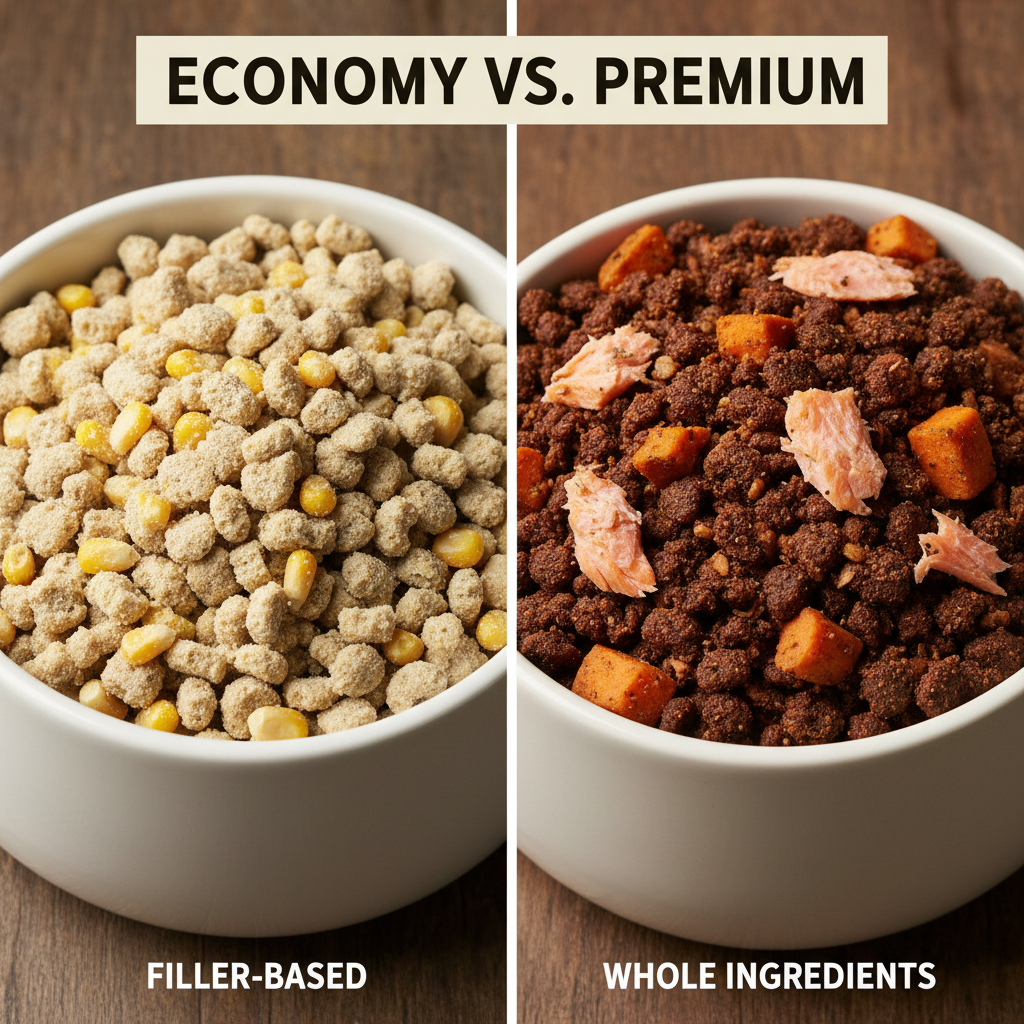
For many dog owners, the search for the right food is a frustrating journey of trial and error, especially for dogs plagued by sensitivities. This is where a forensic understanding of ingredients becomes your greatest weapon. In this context, teff can be a true ‘hero’ ingredient.
The Enemy Ingredients List
For dogs with sensitivities, the common culprits, or ‘enemy ingredients,’ are often the cheapest and most prevalent in low-quality foods:
- Wheat and Wheat Gluten: A primary cause of gluten-related allergies and intolerance.
- Corn and Corn Gluten Meal: A lower-quality protein source that is a known allergen for many dogs.
- Soy: Often used as a cheap protein filler, soy is another common trigger for allergic reactions.
- Artificial Additives: Colors, flavors, and preservatives can cause a host of inflammatory responses.
How Teff Solves the Problem
Teff acts as a problem-solver by providing essential carbohydrates and nutrients without the associated baggage of common allergens.
- It’s a Novel Grain: Because teff has not been widely used in pet food until recently, it’s a ‘novel’ ingredient for most dogs. This means their immune system is less likely to have developed a sensitivity to it, making it a fantastic choice for an elimination diet or for dogs who react to common grains.
- It’s a Gut-Soother: The prebiotic fiber (resistant starch) we discussed earlier actively works to improve gut health. A healthier gut microbiome can lead to a stronger immune system and a reduced inflammatory response, which can help calm irritated skin and digestive tracts.
- Low Glycemic Index: Teff has a lower glycemic index than many processed grains like rice or corn. This means it causes a slower, more controlled rise in blood sugar levels after a meal. While you should always consult your vet, this property makes it a potentially better choice for diabetic dogs or those at risk for metabolic conditions.
The Canine Nutrition Hacker’s Protocol for Introducing Teff
Knowing an ingredient is safe is only half the battle. Executing its introduction correctly is what separates a successful dietary upgrade from a week of cleaning up messes. The goal is to give your dog’s digestive system time to adapt to the new fiber and nutrient profile. Follow this protocol precisely.
Step 1: The 7-Day Transition Plan
If you’re switching to a commercial food that contains teff, use this gradual transition schedule. This method minimizes the risk of digestive upset.
| Days | Old Food Percentage | New Food Percentage |
|---|---|---|
| Days 1-2 | 75% | 25% |
| Days 3-4 | 50% | 50% |
| Days 5-6 | 25% | 75% |
| Day 7 | 0% | 100% |
Step 2: The Homemade Topper Method
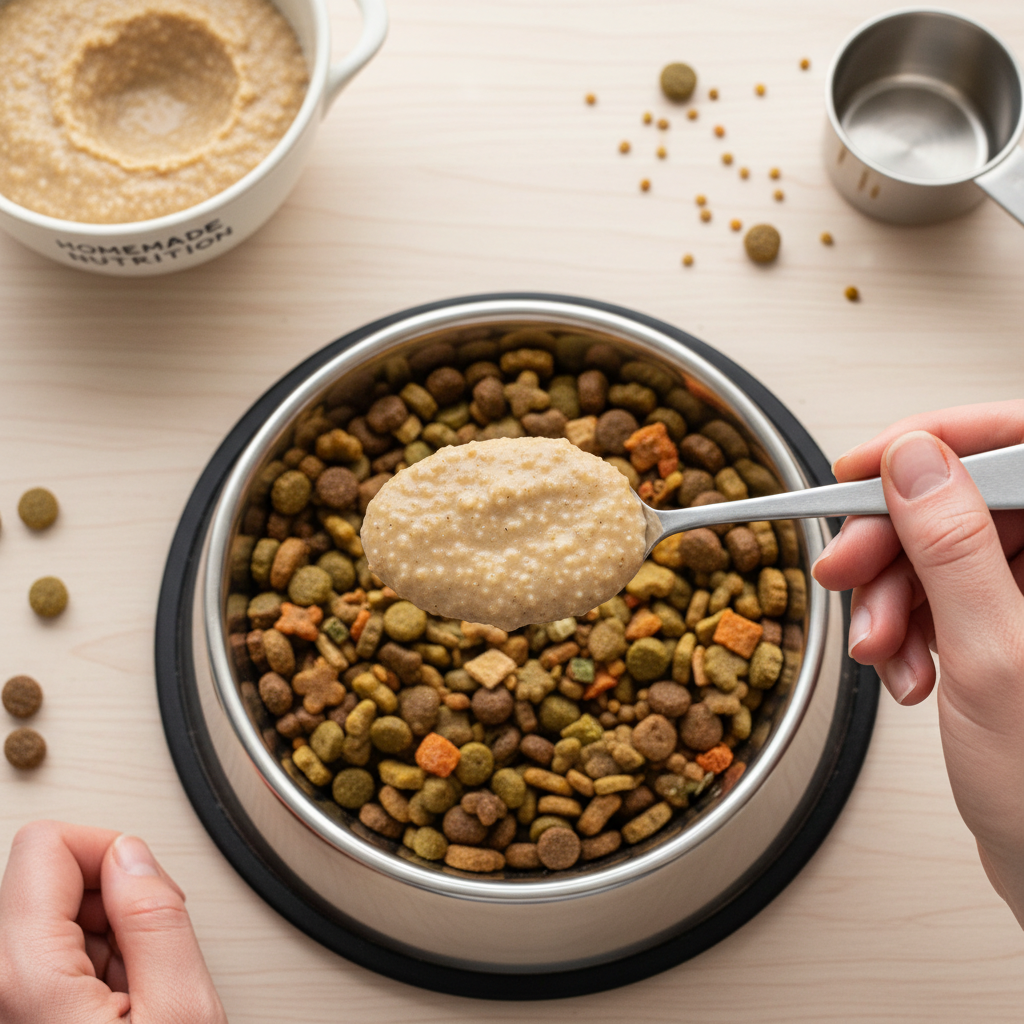
If you want to supplement your dog’s current food with teff, you must cook it first. Never serve it raw.
- Preparation: Cook teff using a 1:4 ratio of grain to water (1/4 cup teff to 1 cup water). Bring to a boil, then simmer for 15-20 minutes until the water is absorbed and the grain is soft, forming a porridge-like consistency. Let it cool completely. Do not add any salt, spices, or oils.
- Initial Introduction: For a 50lb dog, start with just one teaspoon of the cooked teff mixed thoroughly into their regular meal. For smaller dogs, use half a teaspoon.
- Monitor and Increase: Do this once a day for three days. Watch for any signs of digestive issues—gas, bloating, or loose stools. If all is well, you can increase the amount to two teaspoons for the next few days.
Insider Secret: The golden rule for any new food, including teff, is the 10% Rule. Treats and supplements should never make up more than 10% of your dog’s total daily caloric intake. Use an online canine calorie calculator to understand your dog’s needs and ensure a teff topper doesn’t unbalance their diet.
Step 3: Vigilant Observation
During the introduction phase, become a forensic observer of your dog’s output. Stool quality is the best and fastest indicator of how well they are tolerating a new food. A healthy stool should be firm, log-shaped, and easy to pick up. Any deviation means you should pause the introduction and consult your vet.
Conclusion
The verdict is in: Teff is not a marketing fad. It is a nutritionally dense, gluten-free ancient grain that is safe for most dogs when prepared correctly and introduced gradually. Its unique profile, particularly its high mineral content and beneficial resistant starch, makes it a powerful ‘hero’ ingredient for dogs with sensitivities to common grains like wheat and corn.
However, it is not a magic bullet. Its safety and efficacy are conditional on moderation and its place within a well-balanced, protein-forward diet. As a Canine Nutrition Hacker, your job is to be your dog’s advocate. Read the labels, understand the ingredients, and follow a strict introduction protocol. Teff can be an excellent tool in your nutritional arsenal, but like any tool, it must be used with knowledge and precision.
Medical Disclaimer: I am a canine nutrition analyst, not a veterinarian. The information in this article is for educational purposes only. Always consult with your trusted veterinarian before making any changes to your dog’s diet, especially if they have pre-existing health conditions.