Top Low-Purine Kibble Brands for Dalmatians: 2025 Buyer’s Guide
As a Dalmatian owner, you know you have more than just a dog; you have a living piece of art. But beneath that iconic spotted coat lies a unique genetic quirk that the big pet food corporations don’t talk about in their commercials. This metabolic anomaly makes your Dalmatian a ticking time bomb for excruciatingly painful urinary stones if fed a standard diet. I’m The Canine Nutrition Hacker, and I’m not here to sell you marketing fluff. I’m here to give you the unvarnished truth about what’s in your dog’s bowl. This guide is your forensic toolkit for dissecting dog food labels and choosing a low-purine kibble that will protect your Dalmatian’s health and save you from catastrophic vet bills. Forget the fancy packaging and celebrity endorsements; we’re going straight to the science and the ingredient panel to find the nutritional gold. Let’s get to work.
Deconstructing the Dalmatian Diet: Why Purines are Public Enemy #1
To effectively protect your Dalmatian, you first need to understand the adversary. The enemy is a class of organic compounds called purines. While present in all living cells (including your dog’s), the problem arises from dietary intake. Most dog breeds can break down excess purines into a highly soluble compound called allantoin, which is easily flushed out in their urine. Dalmatians, however, are different. Due to a near-universal genetic mutation in the breed, they have a faulty liver transport system. This defect means they can’t convert purines efficiently. Instead, they excrete uric acid directly into their urine.
This high concentration of uric acid—a condition known as hyperuricosuria—is the root of all evil. It creates an environment ripe for the formation of sharp, painful urate crystals and stones in the bladder or kidneys. Think of it like trying to dissolve too much sugar in a glass of iced tea; eventually, it crystallizes at the bottom. For your dog, this crystallization process can lead to blockages, infections, and emergency surgery.
Enemy Ingredients: High-Purine Foods to Avoid
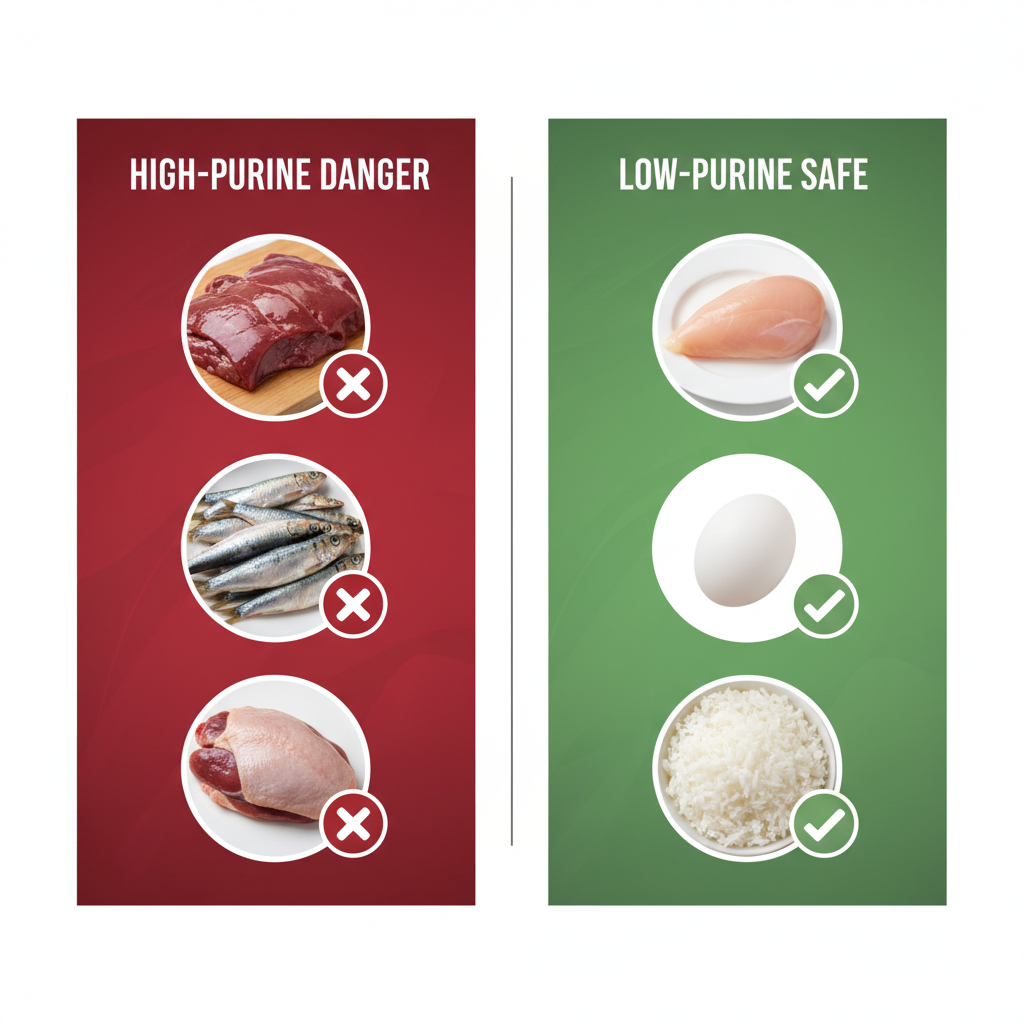
Your first line of defense is identifying and eliminating high-purine ingredients from your dog’s diet. These are the primary culprits that overload their system:
- Organ Meats: Liver, kidney, heart, and sweetbreads are extremely high in purines. They are often used as flavor enhancers in lower-quality foods.
- Game Meats: Venison, duck, and other game are typically moderate-to-high in purines.
- Certain Seafood: Sardines, anchovies, mackerel, and mussels are purine powerhouses and must be avoided.
- Yeast Extracts: Brewer’s yeast and other yeast supplements are often added for B vitamins but are very high in purines.
Hacker Tip: Water is the ultimate flushing agent. Your Dalmatian’s best defense against stone formation is constant hydration. Adding a splash of warm water to their kibble not only enhances flavor but critically increases their daily water intake, diluting their urine and making crystal formation less likely.
The Forensic Review: Top Low-Purine Kibble Brands for 2025
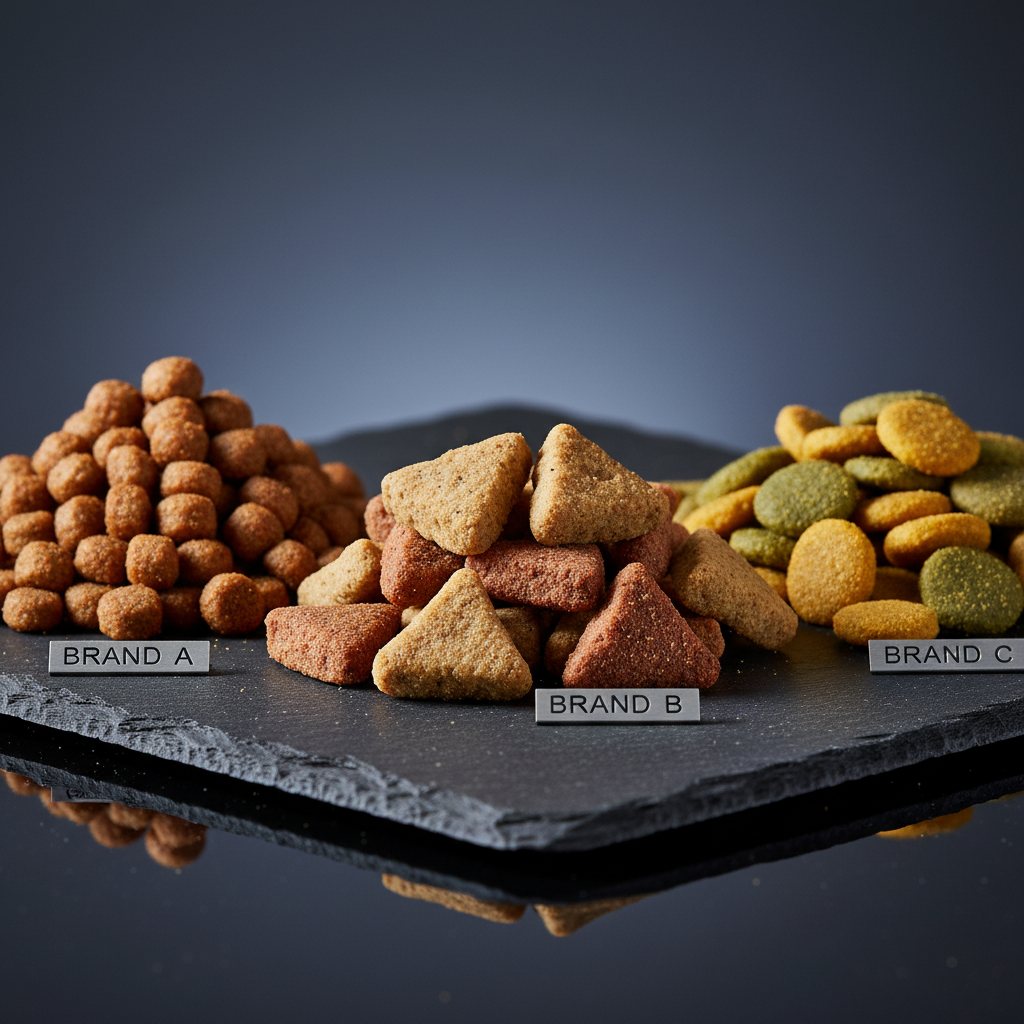
Now we move from theory to application. I’ve analyzed dozens of formulas, cutting through the marketing jargon to identify kibbles that meet the strict low-purine requirements for a Dalmatian. We’re looking for moderate protein from clean sources, an absence of high-purine red flags, and a formulation that supports urinary health. Here are the top contenders that pass the forensic inspection for 2025.
Royal Canin Dalmatian Adult Dry Dog Food
This is one of the few breed-specific formulas on the market that actually gets the science right. It’s formulated by veterinary nutritionists who understand the Dalmatian’s unique metabolic needs.
- The “First 5 Ingredients” Truth: Brewers Rice, Wheat, Corn, Chicken Fat, Egg Product. The use of grains like rice, wheat, and corn as the top ingredients is intentional here. It keeps the overall protein and purine load low. The primary animal proteins are chicken fat and egg product, both low-purine sources.
- Purine Profile Analysis: This formula is built from the ground up to be low in purines. By using vegetable and grain proteins and selecting specific low-purine animal sources, it directly tackles the uric acid problem. It also includes nutrients to support skin health, a common secondary issue for the breed.
- Cost Per Day (50lb dog): Approximately $2.25/day. This is a premium, veterinary-formulated food, and its price reflects that.
- Recall Check: Royal Canin maintains a strong safety record but has had recalls in the past, though none recently related to this specific formula. Always stay informed.
- The Verdict: The gold standard for a scientifically formulated, low-effort solution. If you want peace of mind and are willing to pay the premium, this is the most direct route to a safe diet.
Hill’s Science Diet Adult Sensitive Stomach & Skin
While not Dalmatian-specific, this formula’s ingredient profile makes it an excellent and widely available low-purine option. It focuses on gentle, easily digestible ingredients.
- The “First 5 Ingredients” Truth: Chicken, Brewers Rice, Chicken Meal, Yellow Peas, Cracked Pearled Barley. The primary protein is chicken, a safe, moderate-purine choice. Chicken meal is more concentrated, but the overall formula is balanced by the heavy inclusion of low-purine grains and vegetables.
- Purine Profile Analysis: The formula avoids high-purine triggers like organ meats or fish oil from sardines. The protein level is moderate (around 21%), which is ideal for managing uric acid production. It also contains prebiotic fiber to support digestive health.
- Cost Per Day (50lb dog): Approximately $1.90/day. More accessible than the breed-specific option, offering good value.
- Recall Check: Hill’s Pet Nutrition has a long history and, like other major brands, has faced recalls. Their quality control is generally considered robust.
- The Verdict: A fantastic, accessible, and veterinarian-recommended alternative. It provides a safe purine profile while also addressing the sensitive skin and stomachs many Dalmatians experience.
Purina Pro Plan Adult Sensitive Skin & Stomach Lamb & Oat Meal Formula
This formula from Purina’s premium line offers another excellent choice, particularly for dogs who may have sensitivities to chicken.
- The “First 5 Ingredients” Truth: Lamb, Oat Meal, Barley, Rice, Canola Meal. Lamb is the single animal protein source, which is a moderate-purine meat. The formula is heavily based on low-purine grains, which is exactly what we’re looking for.
- Purine Profile Analysis: By using lamb and avoiding other animal proteins, this formula keeps the purine sources limited and manageable. The inclusion of oat meal is excellent for digestive health. It’s fortified with live probiotics and contains no corn, wheat, or soy.
- Cost Per Day (50lb dog): Approximately $1.85/day. Competitively priced within the premium category.
- Recall Check: Purina is a massive company and has had recalls across its various lines over the years, but the Pro Plan line is subject to stringent quality checks.
- The Verdict: The best choice for a chicken-free diet. It delivers a safe, moderate-purine profile with the added benefits of skin and stomach support from a trusted brand.
Head-to-Head: Low-Purine Kibble Comparison
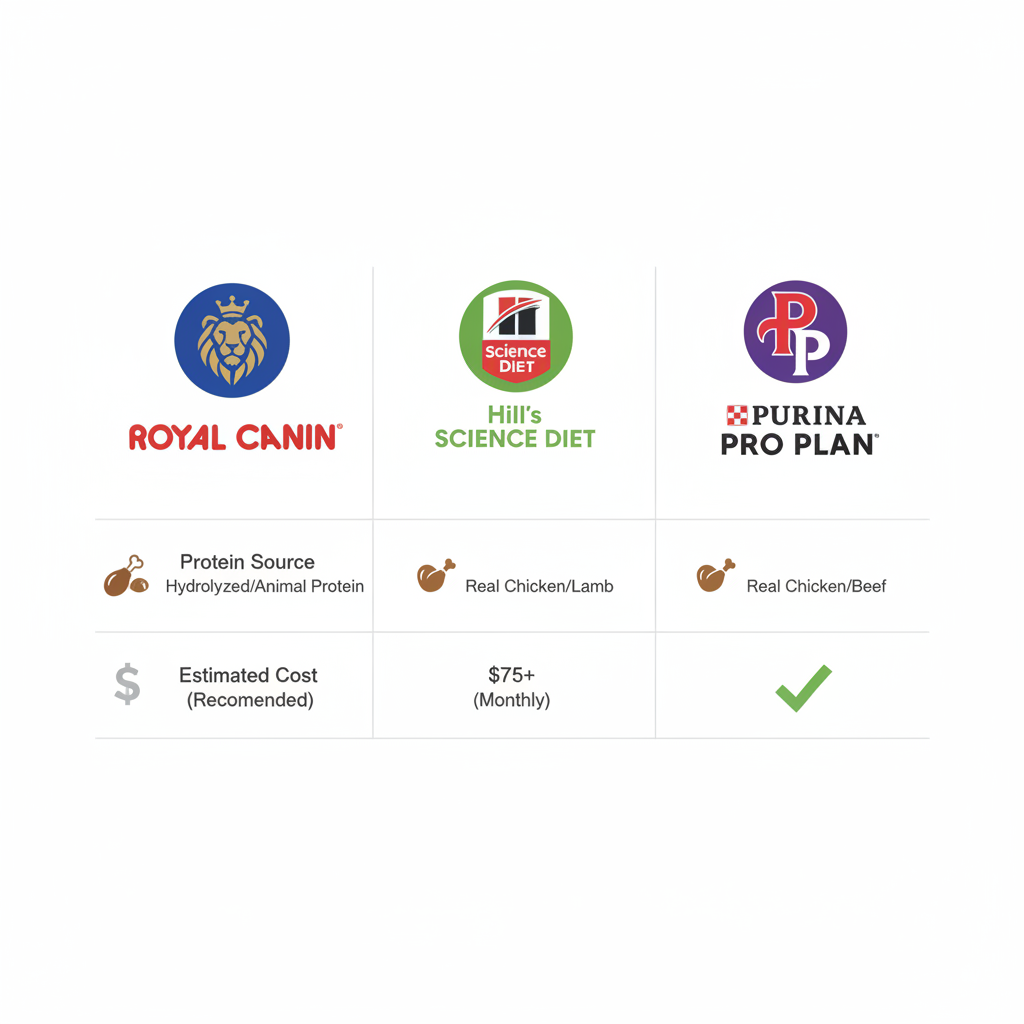
Navigating the details can be overwhelming. This table breaks down the critical factors for each of our top contenders, giving you a clear, at-a-glance analysis to make the best decision for your Dalmatian and your budget.
| Brand | Primary Protein Source(s) | Purine Level | Grain-Free? | Approx. Cost/Day (50lb Dog) | Hacker’s Verdict |
|---|---|---|---|---|---|
| Royal Canin Dalmatian Adult | Egg Product, Chicken Fat | Very Low (Formulated) | No (Grains are primary) | $2.25 | The scientific, worry-free choice for those who prioritize precision over price. |
| Hill’s Science Diet Sensitive Stomach & Skin | Chicken, Chicken Meal | Low-Moderate | No | $1.90 | An excellent, widely available vet-recommended option that balances cost and quality. |
| Purina Pro Plan Sensitive Skin & Stomach | Lamb | Low-Moderate | No (Corn/Wheat/Soy Free) | $1.85 | The top pick for dogs with chicken sensitivities, offering a safe purine profile. |
Beyond the Bowl: Lifestyle Hacks to Prevent Urate Stones
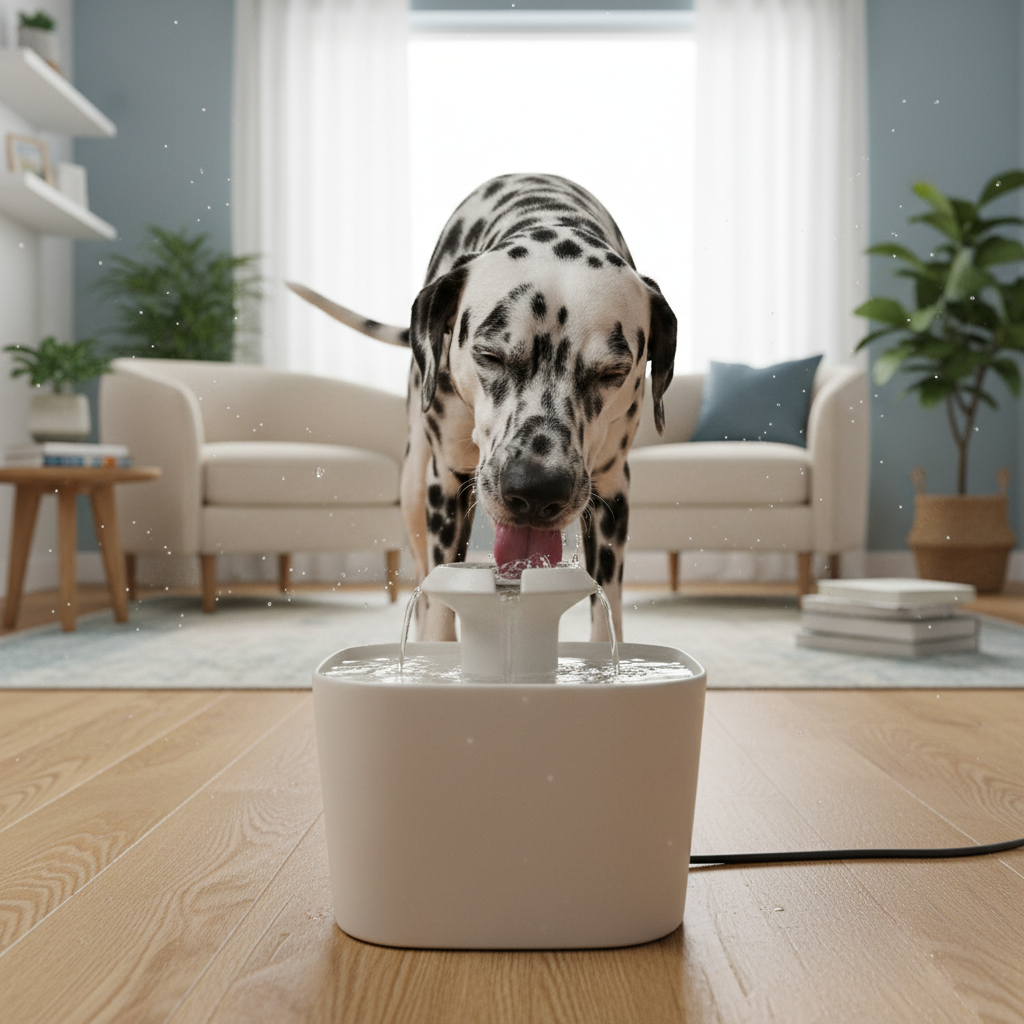
The right kibble is the foundation of urate stone prevention, but it’s not the whole story. Your daily habits and routines are just as critical. Integrating these hacks into your lifestyle will create a comprehensive defense system for your Dalmatian’s urinary health.
Hack #1: Weaponize Hydration
We’ve mentioned it before, but it cannot be overstated: water is the most important nutrient for your Dalmatian. Dilute urine is safe urine. Your goal is to make drinking water as easy and appealing as possible.
- Multiple Water Stations: Place fresh water bowls in every main area of your home.
- Invest in a Fountain: The sound and motion of a pet water fountain encourages many dogs to drink more frequently.
- Enhance the Kibble: Always add a quarter to a half cup of warm water to every meal of kibble. This guarantees a significant, consistent increase in fluid intake.
Hack #2: Mandate Frequent Potty Breaks
The longer urine sits in the bladder, the more time crystals have to form. A Dalmatian should never be forced to ‘hold it’ for extended periods. Ensure your dog gets outside to urinate at least every 4-6 hours during the day. A mid-day walk or let-out is not a luxury; it’s a medical necessity for this breed.
Hack #3: Police the Treats
You can undo all the good of a low-purine diet with one bad treat. Many popular dog treats, especially jerky and those made with liver, are loaded with purines. Read the labels on treats as carefully as you do on their food.
Insider Secret: Some of the best treats are already in your refrigerator. Baby carrots, green beans, and slices of apple (no seeds) are fantastic, low-purine, and healthy snacks that most dogs love.
By combining a forensically-chosen low-purine kibble with these essential lifestyle adjustments, you create an environment where it is incredibly difficult for urate stones to develop.
Conclusion
Choosing the right food for your Dalmatian isn’t about being a picky pet owner; it’s about responsible stewardship of a breed with highly specialized needs. You are now armed with the critical knowledge to decode ingredient labels, identify the purine enemies, and select a kibble that acts as a shield for your dog’s urinary system. Whether you opt for the precision-engineered Royal Canin formula or a carefully selected option from Hill’s or Purina, you are making an informed choice that prioritizes long-term health over short-term convenience or flashy marketing. Remember to pair your chosen food with a commitment to hydration and proper care. By doing so, you’re not just feeding your dog—you’re investing in a long, happy, and pain-free life for your spotted companion.
Medical Disclaimer: I am The Canine Nutrition Hacker, an expert in analyzing pet food ingredients, not a veterinarian. The information in this guide is for educational purposes only and is not a substitute for professional veterinary advice. Always consult with your trusted veterinarian before making any changes to your dog’s diet, especially when managing a serious health condition like the risk of urate stones.