Why Amaranth is the Supergrain Your Dog Needs
The pet food aisle is a battleground of marketing claims, with the ‘grain-free’ banner flying higher than any other. For years, we’ve been conditioned to believe that all grains are cheap fillers, dietary villains responsible for allergies and poor health. But this oversimplified narrative has led many well-intentioned owners astray, sometimes with serious consequences. It’s time to cut through the noise with a forensic approach. The truth is, not all grains are created equal, and some aren’t even grains at all.
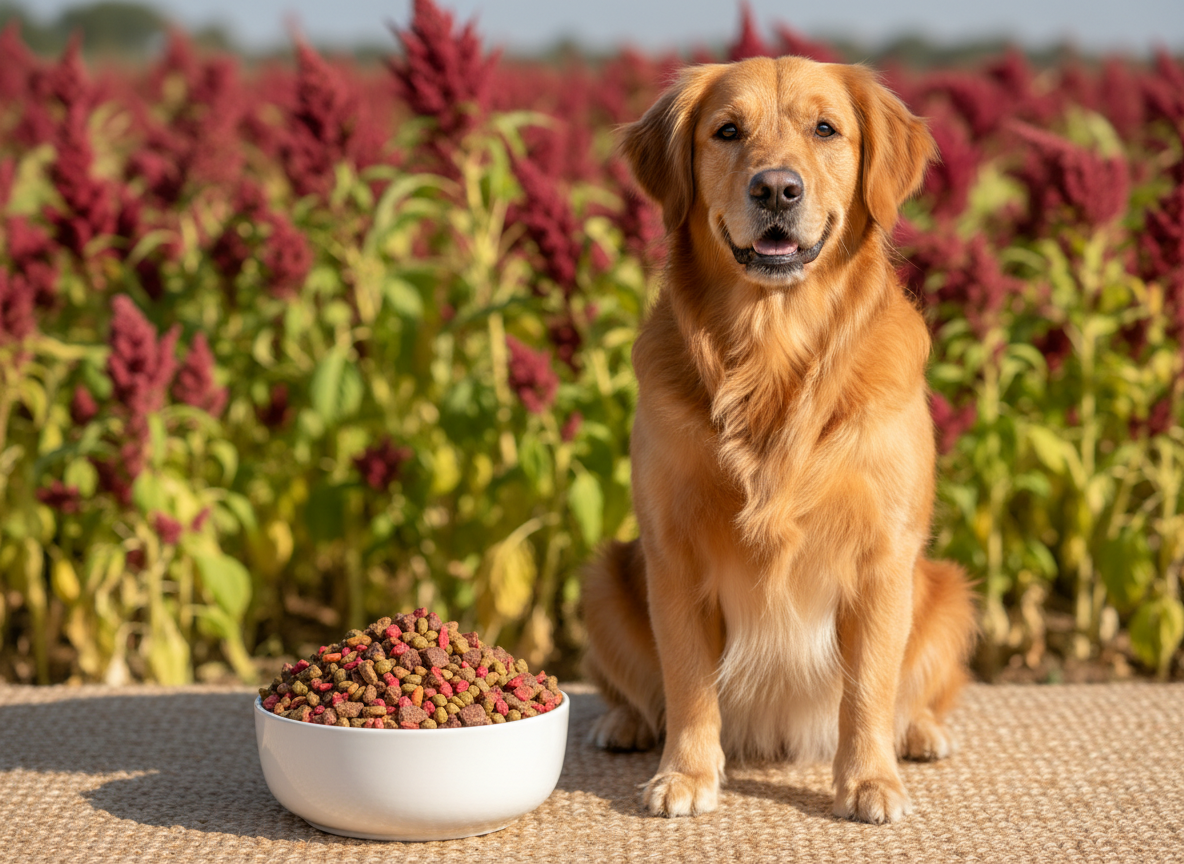
Enter amaranth. This ancient powerhouse, once a staple of Aztec warriors, is technically a ‘pseudo-cereal’—a seed that’s nutritionally similar to a cereal grain but from a different plant family. It contains none of the common allergens like gluten and offers a nutritional profile so robust it puts corn, wheat, and even some popular ‘grain-free’ fillers to shame. This is not just another ingredient; it’s a strategic nutritional tool. This guide will deconstruct the science behind amaranth, expose its superiority over common carbohydrates, and provide a clear protocol for leveraging its benefits for your dog’s long-term health and vitality.
Deconstructing the ‘Grain-Free’ Myth: Not All Grains Are Villains
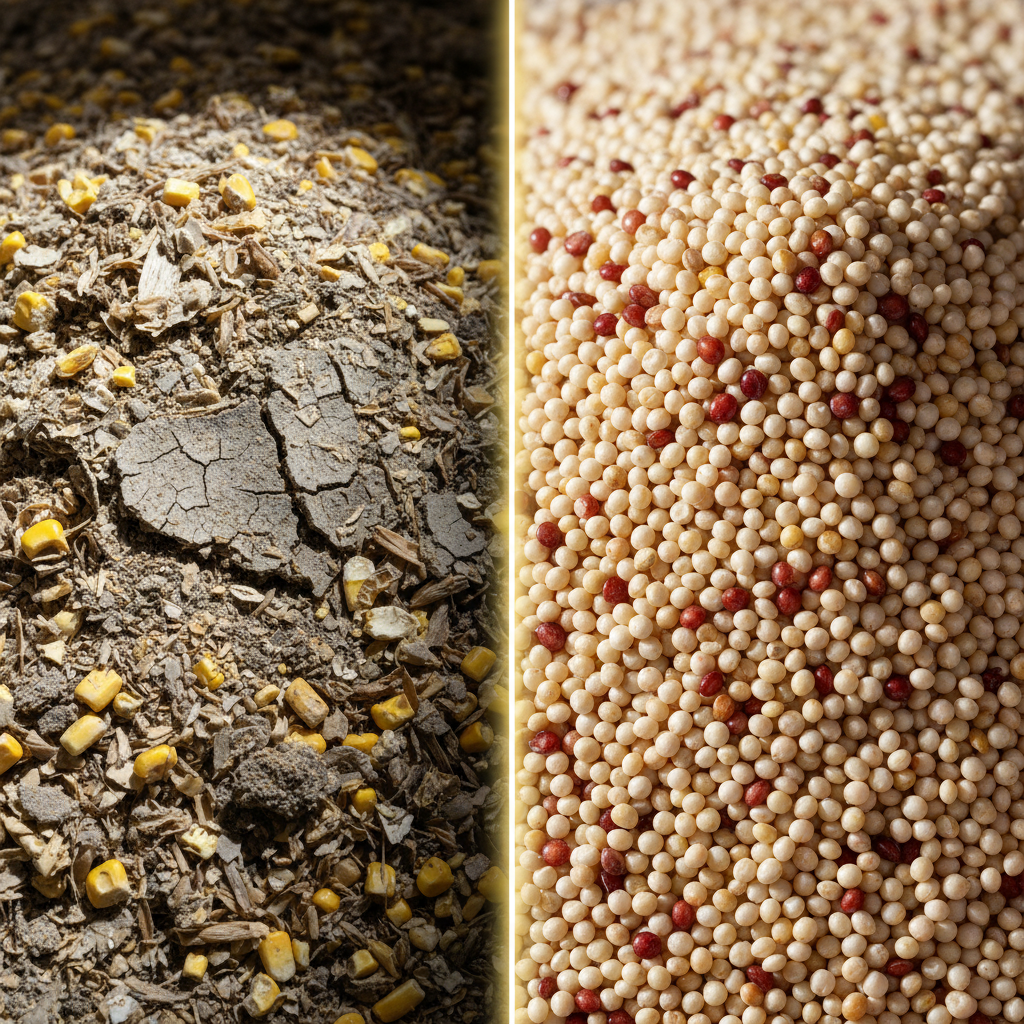
The ‘grain-free’ movement began with a kernel of truth. Pet owners noticed that eliminating common grains like corn, wheat, and soy—notorious for being low-cost fillers and potential allergens—often resolved skin issues and digestive upset. The industry responded, and soon, ‘grain-free’ became synonymous with ‘premium.’ However, the solution created a new, more complex problem.
To replace grains, manufacturers turned to legumes and pulses like peas, lentils, and chickpeas. While seemingly healthy, their heavy use as primary ingredients has been linked by the FDA to a potential increase in a serious heart condition called non-hereditary Dilated Cardiomyopathy (DCM). This investigation revealed a crucial insight: the enemy was never ‘grains’ as a whole category, but rather the nutritionally-void, allergenic fillers used to cut costs.
This is where a sophisticated understanding of ingredients becomes a pet owner’s greatest asset. The intelligent approach isn’t ‘no grains,’ but ‘the right grains.’ Amaranth stands in a class of its own because it sidesteps the issues associated with both traditional grain fillers and the legume replacements.
Amaranth: The Pseudo-Cereal Advantage
- Not a True Cereal Grain: Amaranth belongs to a different botanical family than wheat, corn, or rice. This distinction is critical for dogs with sensitivities to common cereal grains.
- Naturally Gluten-Free: It contains zero gluten, a common protein composite that can trigger inflammatory responses and digestive issues in sensitive dogs.
- Nutrient-Dense, Not a Filler: Unlike corn or wheat middlings, which offer little more than empty calories, every gram of amaranth is packed with functional nutrition. It’s included in high-end formulas for what it adds, not for what it replaces cheaply.
Hacker Tip: The term ‘grain’ on a dog food label is not a red flag. The specific type of grain is what matters. If you see ‘corn gluten meal’ or ‘wheat flour’ in the top five ingredients, that’s a signal of a low-quality, filler-heavy formula. If you see ‘amaranth,’ ‘quinoa,’ or ‘millet,’ you’re likely looking at a thoughtfully formulated diet.
The Forensic Analysis: Amaranth’s Nutritional Profile

Analyzing an ingredient label requires a forensic mindset. We must look beyond the marketing and examine the raw data. When placed under the nutritional microscope, amaranth’s superiority over common fillers becomes undeniable. It’s a complete nutritional matrix, delivering benefits that directly impact your dog’s health from the cellular level up.
The Complete Protein Powerhouse
Protein is made of amino acids, the building blocks of life. While many plant sources offer incomplete protein profiles, amaranth is a rare exception. It contains all nine essential amino acids, making it a complete protein. Most critically, it is remarkably rich in lysine, an amino acid vital for muscle development, calcium absorption, and hormone production. Cereal grains like corn are notoriously deficient in lysine, which can create a nutritional bottleneck even in a food that appears high in protein on the paper.
A Mineral Matrix for Foundational Health
Amaranth is a rich source of bioavailable minerals that are essential for a dog’s structural and metabolic health. It significantly outperforms traditional grains in several key areas:
- Calcium: Crucial for bone density, dental health, and proper nerve function.
- Iron: Essential for creating hemoglobin, the molecule that transports oxygen in the blood, directly impacting energy and stamina.
- Magnesium: A cofactor in over 300 enzymatic reactions, supporting everything from muscle function to cardiovascular health.
- Manganese: Plays a key role in bone formation, connective tissue health, and protecting against oxidative stress.
Let’s put this into perspective with a direct comparison against a common, low-cost filler.
| Nutrient (per 100g, cooked) | Amaranth | Ground Yellow Corn | The Verdict |
|---|---|---|---|
| Protein | ~9g | ~3.3g | Amaranth is nearly 3x richer in protein. |
| Lysine (Amino Acid) | ~433mg | ~91mg | Amaranth provides over 4.7x more of this critical amino acid. |
| Calcium | ~159mg | ~2mg | An astronomical difference; amaranth is a true source of calcium. |
| Iron | ~7.6mg | ~0.5mg | Amaranth delivers over 15x the iron. |
The data is conclusive. Choosing a food with amaranth over one with corn isn’t a minor upgrade; it’s a fundamental shift in the quality of nutrition you are providing.
The Amaranth Advantage: Solving Common Canine Health Issues

Understanding the nutritional data is one thing; applying it to solve real-world health problems is where the true power lies. Amaranth isn’t just ‘healthy’ in a general sense—its unique properties make it a targeted solution for some of the most common issues plaguing modern dogs.
Enemy Ingredient: Common Protein & Carb Allergens
Many canine allergies are not to ‘grains’ but to the specific proteins within them, or to common meat proteins like chicken and beef that have saturated the market. Constant exposure can lead to the development of sensitivities, presenting as itchy skin, chronic ear infections, or digestive upset.
Hero Ingredient: Amaranth as a Novel Carbohydrate
As a novel carbohydrate and protein source for most dogs, amaranth is highly unlikely to trigger an allergic response. For a dog suffering from food sensitivities, switching to a diet featuring a novel protein (like duck or rabbit) and a novel carbohydrate like amaranth can provide immense relief by giving the immune system a much-needed break from its usual triggers.
Targeted Support for an Active and Aging Body
Amaranth’s benefits extend far beyond allergy relief. Its dense nutritional profile directly supports the systems that keep a dog vibrant and mobile.
- Lean Muscle Mass: The high concentration of lysine and other essential amino acids directly fuels muscle repair and growth. This is critical for active sporting dogs that need efficient recovery and for senior dogs fighting age-related muscle wasting (sarcopenia).
- Skeletal Integrity: The high, bioavailable levels of calcium, magnesium, and manganese work synergistically to build and maintain strong bones and healthy connective tissues. This can be a game-changer for large breeds prone to joint issues.
- Sustained Energy Release: As a complex carbohydrate with a low glycemic index, amaranth provides a steady stream of energy. This prevents the blood sugar spikes and subsequent crashes associated with high-glycemic fillers like corn, promoting stable energy levels and a healthy weight.
The Canine Nutrition Hacker’s Protocol for Introducing Amaranth
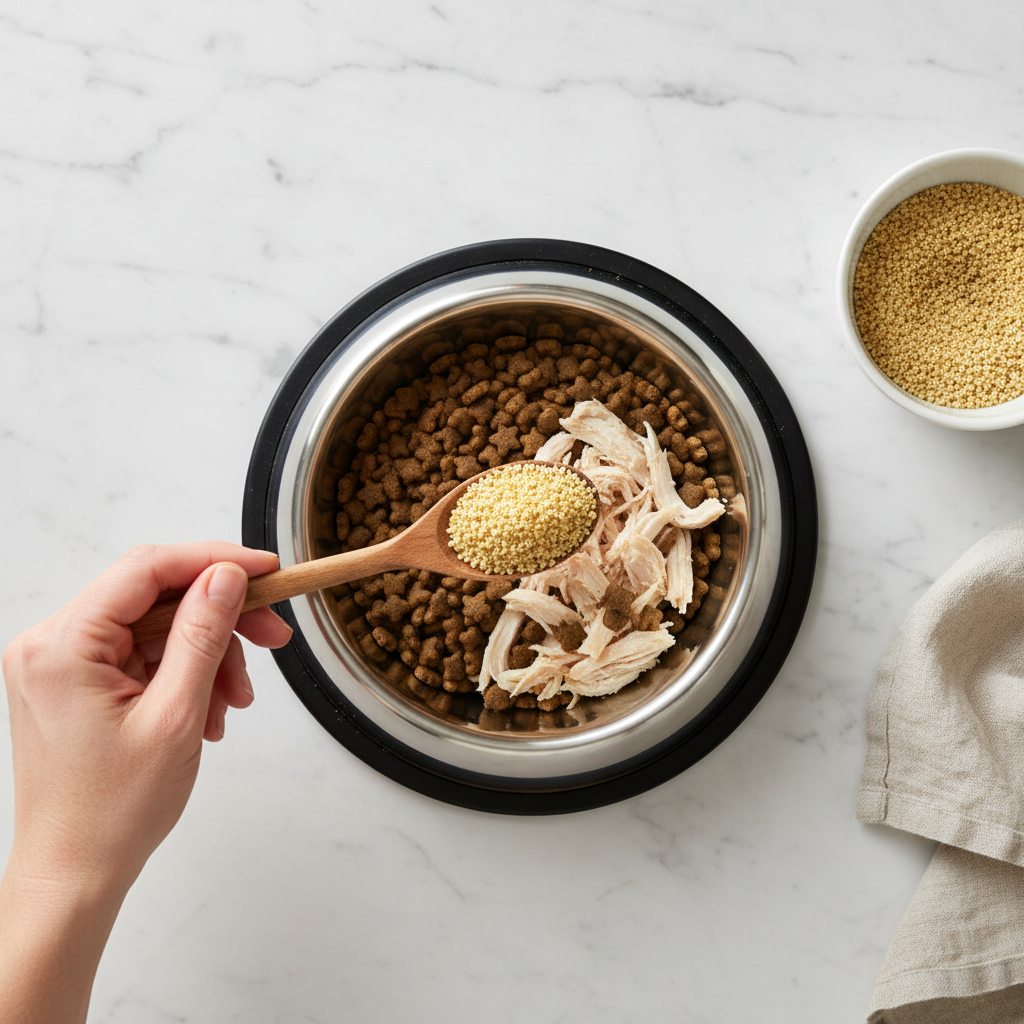
Knowledge without action is useless. Now that you understand the ‘why,’ it’s time for the ‘how.’ Safely and effectively integrating amaranth into your dog’s diet can be done in two primary ways: through a carefully selected commercial food or as a strategic homemade addition. Regardless of the method, one rule is non-negotiable.
CRITICAL SAFETY NOTE: Always consult with your veterinarian or a board-certified veterinary nutritionist before making any significant changes to your dog’s diet. This information is for educational purposes and is not a substitute for professional veterinary advice.
Option 1: The Forensic Label Review (Commercial Foods)
The easiest and most balanced way to introduce amaranth is to find a high-quality commercial food that uses it as a key ingredient. This ensures the diet remains complete and balanced. Here’s how to analyze the bag like an expert:
- Check the Ingredient Split: The first five ingredients make up the bulk of the food. Look for amaranth to be listed within the first 7 ingredients, preferably after a named meat meal (e.g., ‘Chicken Meal,’ ‘Deboned Lamb’).
- Identify the Purpose: Is it a primary carb source, or is it ‘label dressing’? If amaranth is listed after ‘salt’ or ‘vitamins,’ it’s present in trace amounts for marketing only and provides no functional benefit.
- Avoid Problematic Co-Ingredients: Ensure the rest of the ingredient panel is clean. A food using amaranth alongside corn gluten meal or by-products is still a low-quality food.
Insider Secret: Don’t be fooled by the ‘Human-Grade’ marketing term unless it’s backed by official certification. Focus on the quality and placement of amaranth on the guaranteed analysis and ingredient list—that’s the real data.
Option 2: The DIY Topper (The Safe Chef Method)
For owners who are happy with their dog’s current food but want to add a nutritional boost, a small amount of cooked amaranth can serve as an excellent meal topper. This approach requires precision and restraint.
- The Recipe: It’s simple. Use a ratio of 1 part raw amaranth to 3 parts water. Bring to a boil, then reduce heat, cover, and simmer for 20-25 minutes, or until the water is absorbed and the seeds are soft and fluffy. Let it cool completely before serving. Never add salt, spices, or oils.
- The 10% Rule: Any additions or toppers should not exceed 10% of your dog’s total daily caloric intake. Exceeding this can unbalance the carefully formulated nutrition of their main kibble. For a 50lb dog eating 2 cups of food per day, this means no more than 1-2 tablespoons of cooked amaranth per meal.
- The Slow Transition: Introduce the amaranth topper gradually over 7-10 days. Start with just a teaspoon to ensure it agrees with your dog’s digestive system, slowly increasing the amount to your target.
Conclusion
The journey to optimal canine nutrition requires you to be more than just a pet owner; it requires you to be a nutritional detective. By moving beyond the simplistic ‘grain vs. grain-free’ debate, you can uncover superior ingredients that the mass market often overlooks. Amaranth is the prime example of such a discovery. It is not a filler. It is a functional, nutrient-dense superfood with a profile that actively supports muscle integrity, skeletal health, and robust energy levels, all while being a hypoallergenic solution for many sensitive dogs.
Whether you choose a premium commercial diet that features it prominently or decide to add it as a careful, controlled topper to their current meals, incorporating amaranth is a strategic move towards building a more resilient, vibrant, and healthy companion. Stop letting marketing departments dictate your dog’s diet. Read the label, understand the science, and choose ingredients that work as hard for your dog’s health as you do.