Why Insect-Based Dog Food is the Next Big Sustainable Trend
Let’s cut to the chase. For years, the pet food industry has sold you a very specific image: sprawling green fields, happy cows, and free-roaming chickens. This idyllic picture is meant to justify the premium price you pay for food supposedly packed with ‘ancestral’ proteins. But as a Canine Nutrition Hacker, my job is to look past the marketing and into the science and supply chain. The inconvenient truth? The beef and chicken in your dog’s bowl come with a staggering environmental cost and are often the root cause of chronic health issues like allergies and digestive upset.
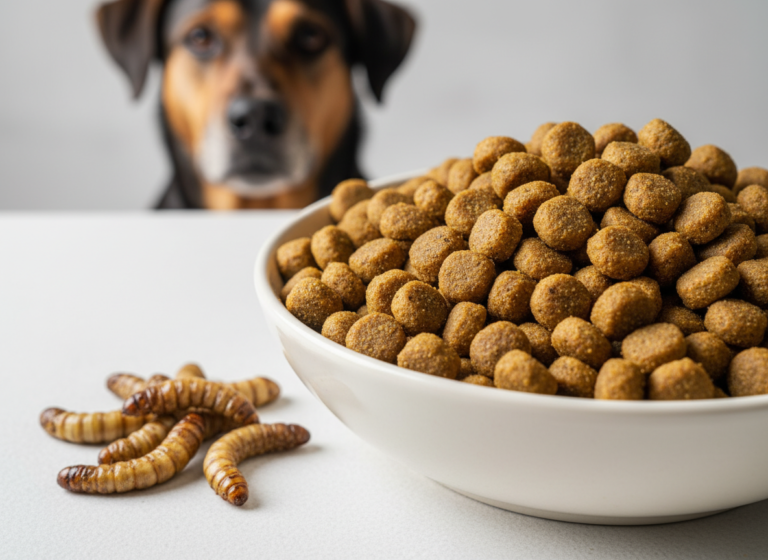
Big Pet Food is banking on you not looking for an alternative. But there’s a revolution happening in canine nutrition, one that’s cleaner, more sustainable, and often nutritionally superior. I’m talking about insect-based dog food. Before you dismiss the idea, understand this: this isn’t a gimmick. It’s a scientifically-backed, nutrient-dense solution that solves many of the problems plaguing the industry. It’s time to expose the facts and explore why this ‘creepy-crawly’ protein source is poised to become the gold standard for informed, responsible pet owners.
Deconstructing the Environmental Paw Print of Traditional Pet Food
The foundation of any good analysis is understanding the problem. The problem with traditional pet food isn’t just about questionable fillers; it’s about the very source of its protein. The global pet food market is a multi-billion dollar industry, and its appetite for animal protein has devastating consequences.
The Land and Water Lie
Let’s talk numbers. A 2017 UCLA study revealed that dogs and cats in the United States are responsible for consuming about 25-30% of the environmental impact of meat consumption. Think about what that means:
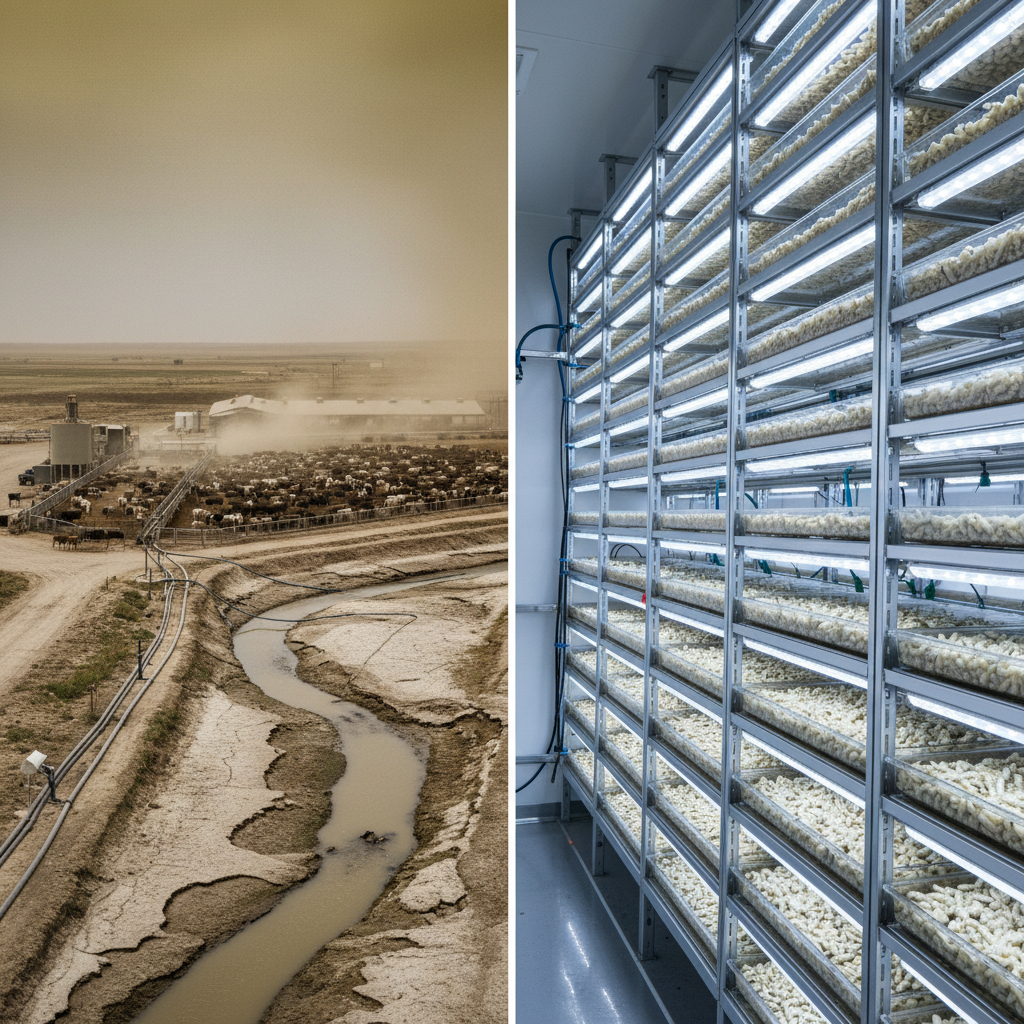
- Land Use: Raising livestock requires immense amounts of land, not just for the animals themselves, but primarily to grow their feed (like corn and soy). This leads to deforestation, habitat loss, and soil degradation. An insect farm, by contrast, can produce the same amount of protein using a fraction of the land through vertical farming techniques.
- Water Consumption: Producing one kilogram of beef requires an estimated 15,000 liters of water. The water footprint for chicken is lower but still significant. Black Soldier Fly Larvae (BSFL), the most common insect used in pet food, require minimal water, as they derive most of what they need from their food source—which is often pre-consumer food waste.
- Greenhouse Gas Emissions: The livestock industry is a leading contributor to methane and nitrous oxide emissions, potent greenhouse gases that contribute directly to climate change. Insects produce negligible amounts of these gases.
The marketing on a bag of beef-based kibble won’t show you this. It won’t show you the carbon footprint required to get that single bag to your home. As owners, we’ve been conditioned to believe that more meat equals better quality, without ever questioning the sustainability of that model. It’s an outdated, inefficient, and frankly, irresponsible system.
The Nutritional Breakdown: Analyzing Insect Protein Under the Microscope
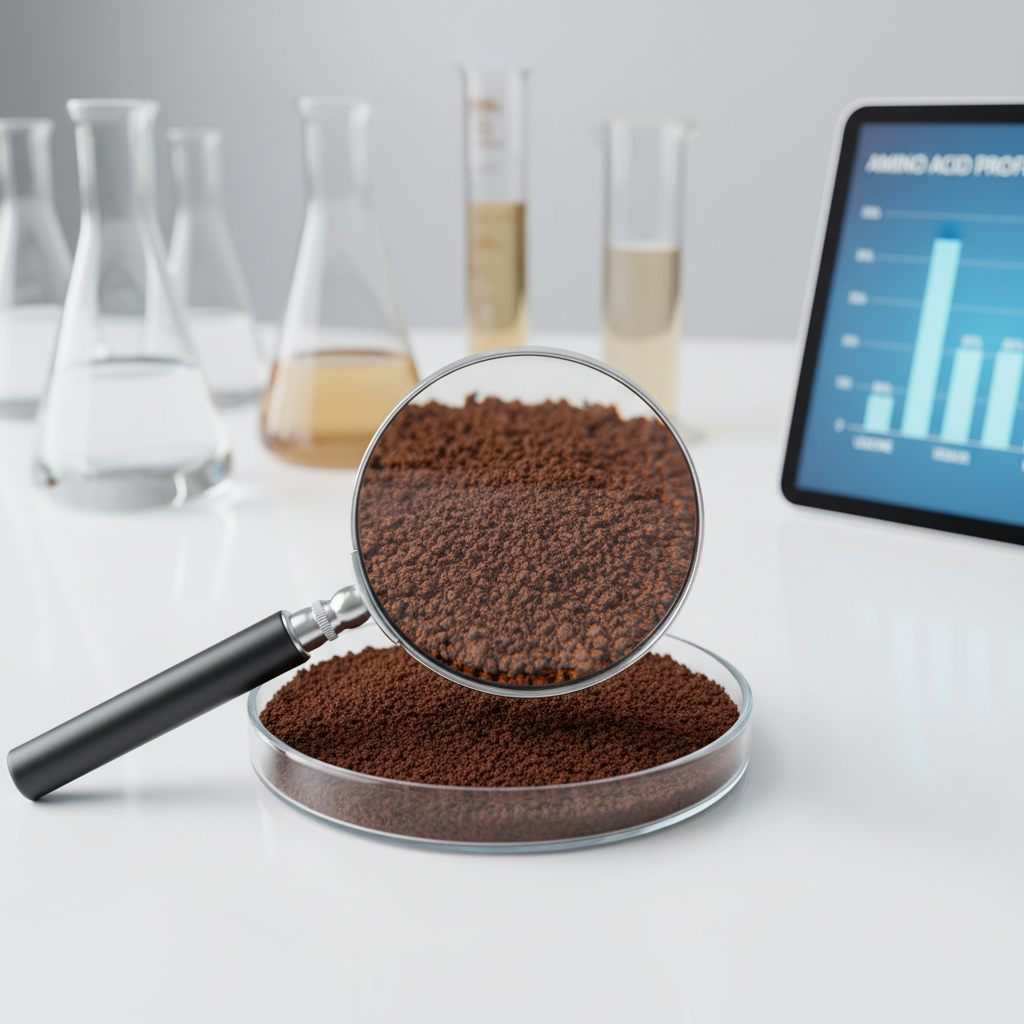
Sustainability is a crucial piece of the puzzle, but my primary focus is always canine health. If insect protein wasn’t a nutritional powerhouse, its eco-friendly credentials wouldn’t matter. So, let’s put it under the microscope and compare it to the industry’s go-to proteins.
Nutrient Profile Showdown
When we break it down, the nutritional profile of Black Soldier Fly Larvae (BSFL) isn’t just comparable to traditional meats; in some ways, it’s superior.
- Complete Protein: BSFL provides a complete protein, meaning it contains all ten essential amino acids required by dogs, including taurine, methionine, and lysine, in highly digestible forms.
- Healthy Fats: It’s rich in beneficial fatty acids, including lauric acid, which is known for its antimicrobial properties and can contribute to improved skin and coat health.
- Essential Minerals: Insect protein is a fantastic source of vital minerals like calcium, iron, and zinc. In fact, BSFL contains significantly more calcium than beef or chicken, which is crucial for bone health.
The ‘Hypoallergenic’ Hero Ingredient
This is where insect protein becomes a game-changer for a huge population of dogs. Food allergies and sensitivities are one of the most common reasons for vet visits. The culprits? Almost always, they are the proteins the dog has been exposed to most frequently. The top Enemy Ingredients include:
- Beef
- Chicken
- Dairy
- Lamb
- Soy
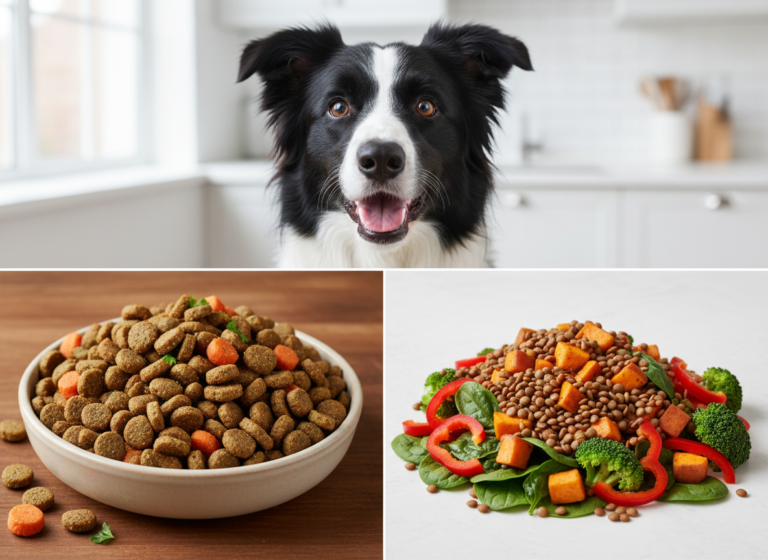
When a dog develops an allergy, the immune system mistakenly identifies a common protein as a threat, leading to symptoms like itchy skin, chronic ear infections, and digestive upset. The solution is often a ‘novel protein’—a protein the dog has never eaten before. For years, vets have recommended exotic options like kangaroo, venison, or duck. Insect protein is the ultimate novel protein. Since it’s entirely new to your dog’s system, the chance of an allergic reaction is extremely low, providing relief where other foods have failed.
Digestibility and Gut Health
It’s not just about what a food contains, but how much of it your dog’s body can actually absorb and use. Studies have shown insect protein to be highly digestible, often exceeding 80%. Furthermore, the exoskeleton of insects is made of chitin, a natural prebiotic fiber. Prebiotics act as food for the beneficial bacteria (probiotics) in your dog’s gut, promoting a healthy microbiome. A healthy gut is the cornerstone of overall health, impacting everything from the immune system to nutrient absorption.
The Bottom Line: Does Sustainable Mean Unaffordable?

Let’s address the elephant in the room: the price tag. As a ‘hacker,’ I’m always focused on value. Currently, insect-based dog foods are positioned as premium products, and their cost reflects that. The technology is new, and the scale of production is still growing. But a simple price-per-pound comparison doesn’t tell the whole story.
Cost Per Day Breakdown
For a typical 50lb dog, a premium, grain-free chicken kibble might cost around $2.50/day. A comparable insect-based formula may come in closer to $3.00-$3.50/day. Yes, that’s a noticeable difference. But we must analyze the total cost of ownership. If your dog suffers from allergies, how much are you spending on vet visits, medicated shampoos, steroid shots, and prescription diets? These costs can easily add hundreds, if not thousands, of dollars to your annual pet care budget. By switching to a hypoallergenic protein source proactively, you may significantly reduce or eliminate those expenses.
Hacker Tip: While the upfront cost of insect-based foods can be higher, factor in the potential long-term savings on vet bills for allergy-related issues. Proactive nutrition is always cheaper than reactive treatment. Think of it as an investment in your dog’s health and your financial peace of mind.
To truly understand the value proposition, a direct comparison is necessary:
| Feature | Insect Protein (BSFL) | Conventional Chicken Meal | Conventional Beef Meal |
|---|---|---|---|
| Sustainability | Excellent (low land/water use, minimal emissions) | Poor (high water use, moderate emissions) | Very Poor (highest land/water use and emissions) |
| Hypoallergenic Potential | Excellent (novel protein source) | Poor (common allergen) | Poor (most common allergen) |
| Protein Quality | Excellent (complete amino acid profile) | Good (complete profile but quality can vary) | Good (complete profile but quality can vary) |
| Price Tier | Premium | Low to Premium | Mid to Premium |
| The Hacker’s Verdict | The future-proof choice for health and environment. | An economical but high-risk option for sensitive dogs. | An unsustainable and high-risk option for sensitive dogs. |
Navigating the New Frontier: Reading the Insect-Based Label
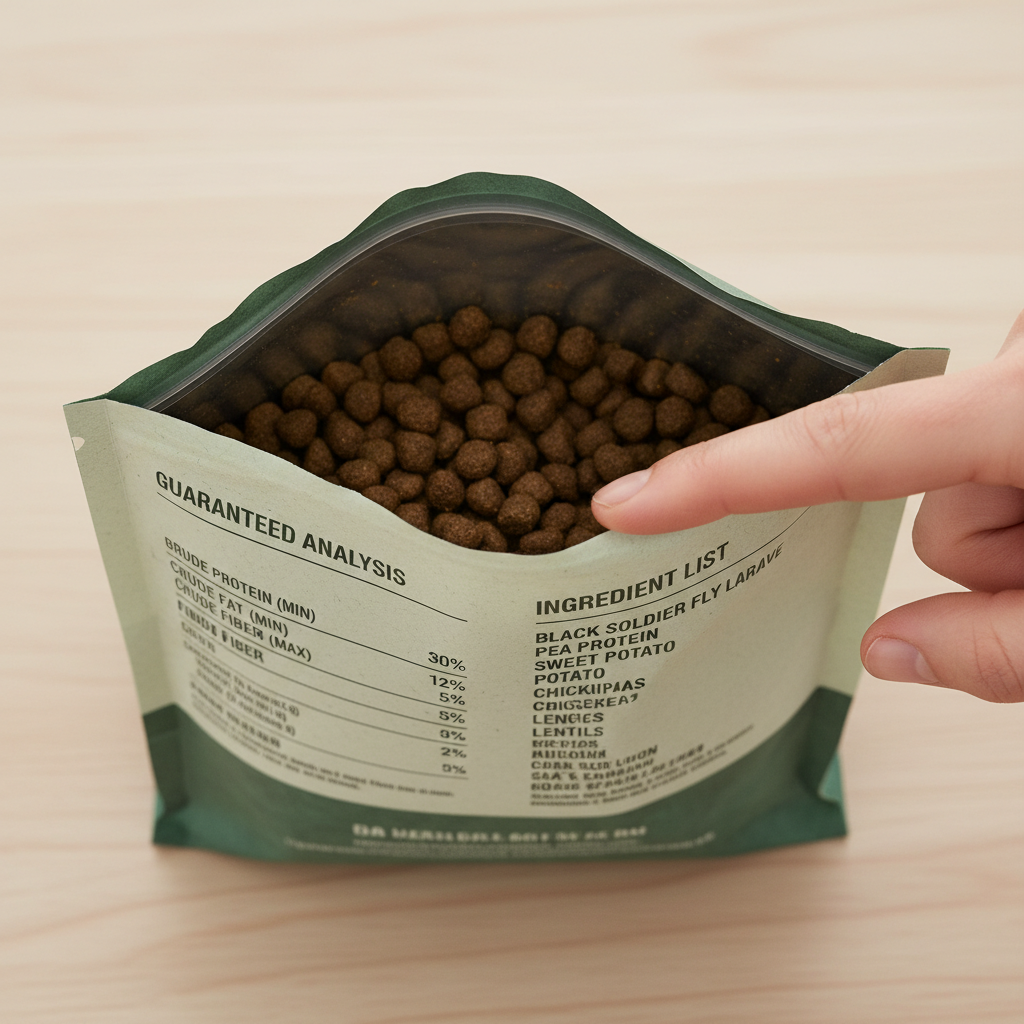
As this trend grows, more brands will flood the market. It’s your job as an informed owner to know how to read the label and separate the high-quality formulas from the opportunistic imitators. Not all insect proteins are created equal, and the supporting ingredients matter just as much.
The ‘First 5 Ingredients’ Truth
The first five ingredients on a dog food label make up the bulk of the formula. This is where you find the truth about its quality. Here is what an excellent insect-based food label looks like:
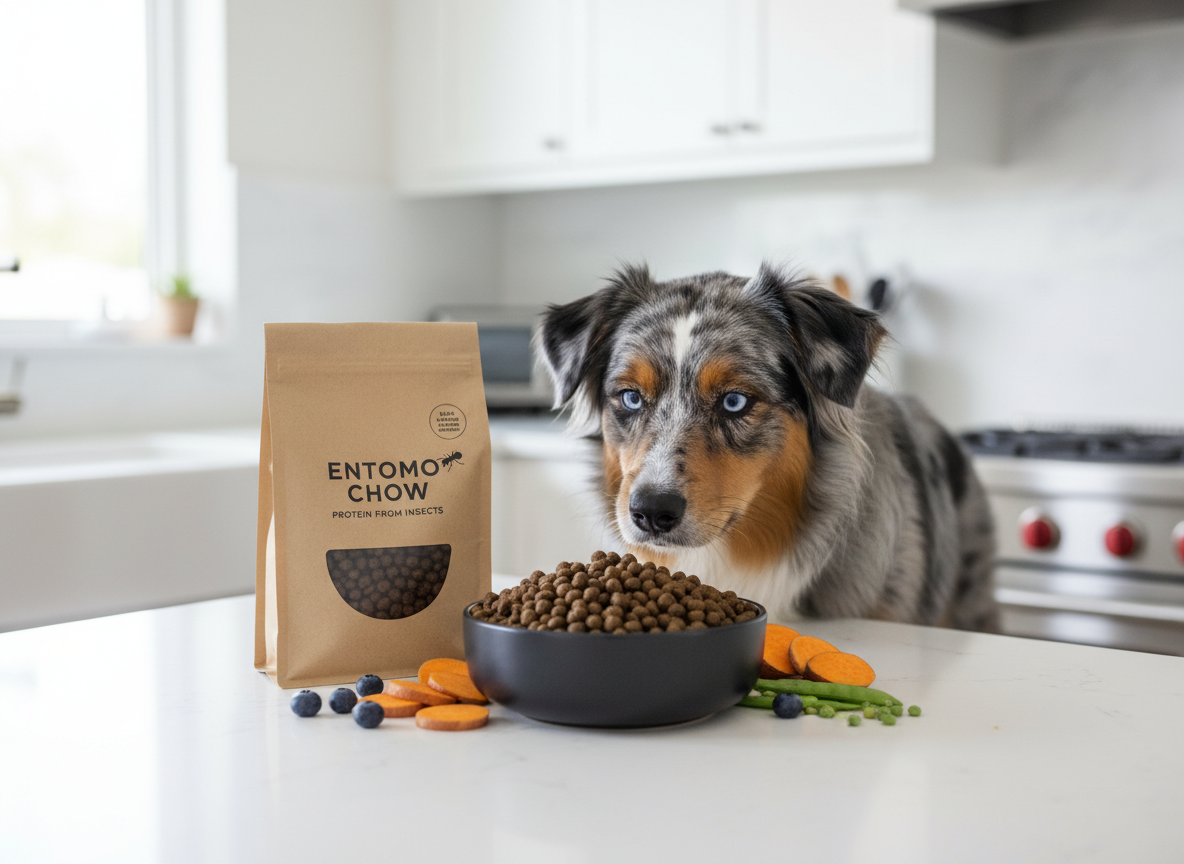
- Black Soldier Fly Larvae (BSFL): This should be the first ingredient. Look for specificity. Avoid vague terms like ‘insect meal’ which could be a mix of unknown sources.
- Sweet Potatoes: A highly digestible, complex carbohydrate source packed with vitamins and fiber.
- Peas: A good source of protein and fiber. (Note: Ensure the formula is not overloaded with legumes to inflate the protein percentage, a practice known as ingredient splitting).
- Flaxseed: An excellent source of Omega-3 fatty acids for skin and coat health.
- Blueberries: A powerful antioxidant to support immune health.
This ingredient panel tells you the food is built on a high-quality, specific protein source and supported by whole-food ingredients, not cheap fillers like corn gluten meal, wheat, or soy. Always check for the AAFCO (Association of American Feed Control Officials) statement on the bag, which ensures the food is complete and balanced for your dog’s life stage. The market is still young, but brands like Jiminy’s and Chippin are paving the way in North America, demonstrating what a transparent, high-quality insect-based product looks like.
Conclusion
The shift towards insect-based dog food is not a fleeting fad; it’s a necessary evolution driven by data, ethics, and a growing awareness of our environmental impact. It represents a paradigm shift away from the unsustainable and often unhealthy traditions of the past. For the Canine Nutrition Hacker, the evidence is clear: insect protein offers a potent combination of benefits that are simply too significant to ignore.
It is a nutritionally complete, highly digestible, and powerfully hypoallergenic protein source that directly addresses some of the most common health ailments in modern dogs. Simultaneously, it offers a viable, scalable solution to the immense environmental strain caused by industrial livestock farming. By choosing an insect-based diet, you are making a calculated decision for your dog’s long-term health and a conscious choice for the health of our planet. The power is in your hands—and in your dog’s bowl. It’s time to demand better, smarter, and more sustainable nutrition. The future is here, and it’s buzzing with potential.