Wild Boar for Dogs: Benefits of this Gamey Novel Protein
You see the signs: the incessant scratching, the chronic ear infections, the digestive turmoil. You’ve tried everything—grain-free, limited ingredient, even prescription diets—yet your dog’s discomfort persists. The problem often isn’t the brand; it’s the protein source. The modern dog is in the midst of an allergy epidemic, fueled by overexposure to a handful of mass-produced proteins. The solution isn’t another bag of chicken and rice; it’s a strategic nutritional reset. It’s time to look beyond the farm and into the wild.
Enter wild boar. This isn’t a trendy gimmick; it’s a potent, biologically appropriate ‘novel protein’ that can fundamentally change your dog’s health. As The Canine Nutrition Hacker, I don’t follow fads. I follow the data. We’re going to dissect the science behind novel proteins, expose the ‘enemy’ ingredients lurking in plain sight, and reveal why wild boar is a superior choice for sensitive dogs. This is your guide to reclaiming your dog’s well-being, one ingredient at a time.
Medical Disclaimer: I am a canine nutrition analyst, not a veterinarian. The information in this article is for educational purposes only. Always consult with a qualified veterinarian before making any significant changes to your dog’s diet, especially if your dog has a pre-existing health condition.
The Allergy Epidemic: Why Common Proteins are Failing Our Dogs
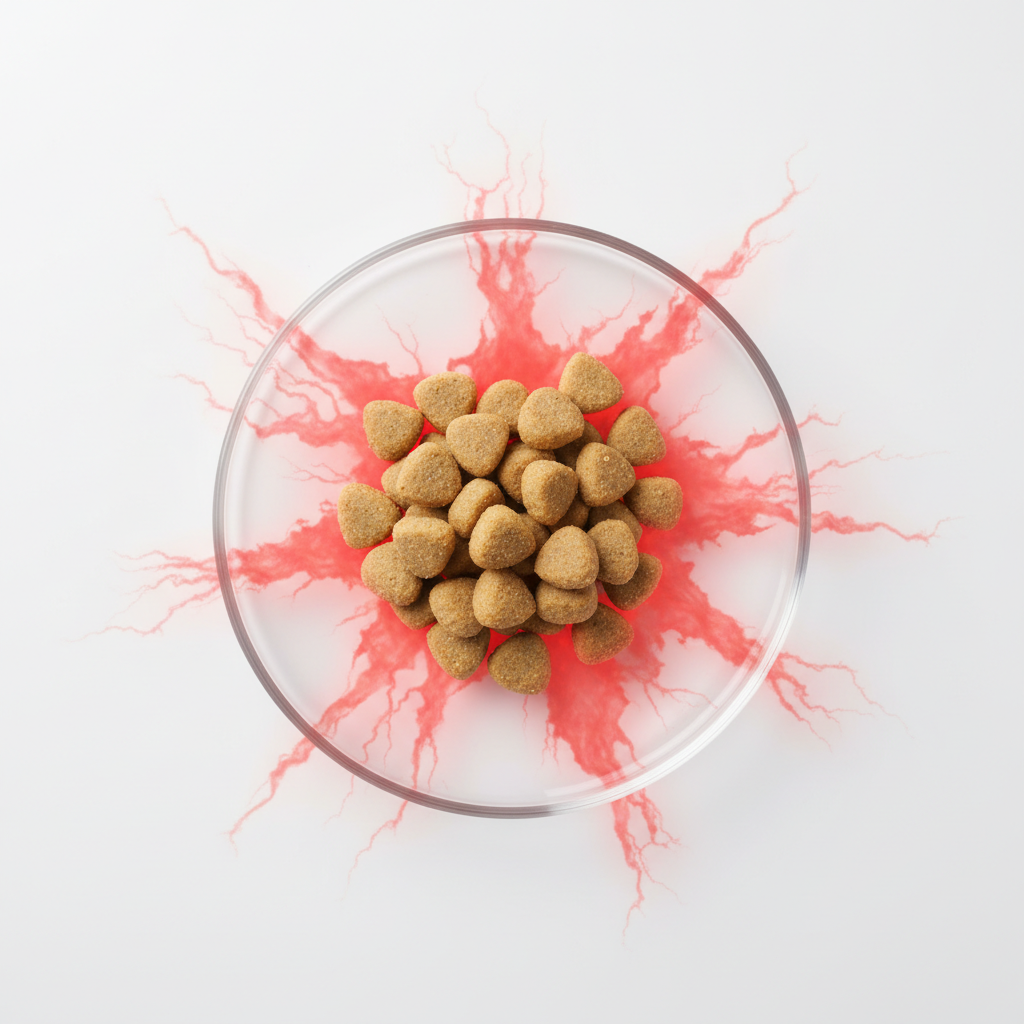
The vast majority of commercial dog foods rely on a small rotation of proteins: chicken, beef, and to a lesser extent, lamb and soy. For decades, these have been the unchallenged staples. This very ubiquity is the root of the problem. A food allergy or intolerance is an immune system response. When a dog is fed the same protein day after day, year after year, its immune system can eventually flag that protein as a foreign invader, launching an inflammatory attack.
The Usual Suspects: Identifying Enemy Ingredients
When a dog presents with allergy symptoms, the culprit is often one of these overused proteins. These are the ingredients you must learn to identify and scrutinize on every label:
- Chicken: The most common canine allergen. It’s inexpensive and plentiful, making it the default protein for countless formulas, which has led to massive overexposure.
- Beef: Another frequent offender. While nutritionally dense, its prevalence in everything from kibble to treats makes it a high-risk ingredient for sensitive dogs.
- Dairy & Soy: Often used as cheap protein boosters or fillers, these are not biologically appropriate for canines and are well-known triggers for both digestive and skin issues.
- Corn and Wheat Gluten: While not proteins in the same sense as meat, these plant-based glutens are used to artificially inflate the ‘protein percentage’ on the label and are notorious for causing inflammation and allergic reactions.
Insider Secret: Don’t be fooled by clever marketing. Terms like ‘poultry meal’ or ‘animal by-product meal’ can still contain the specific proteins you’re trying to avoid. If the source isn’t explicitly named (e.g., ‘duck meal’), assume it’s a low-quality mix that likely includes chicken.
The symptoms of this immune response are frustratingly vague and often misdiagnosed as environmental allergies. They include incessant paw licking, red and inflamed skin, chronic ear infections, gas, loose stools, and overall lethargy. By constantly battling these inflammatory triggers, the dog’s body is in a perpetual state of stress, unable to thrive.
The Novel Protein Solution: A Biological Reset Button
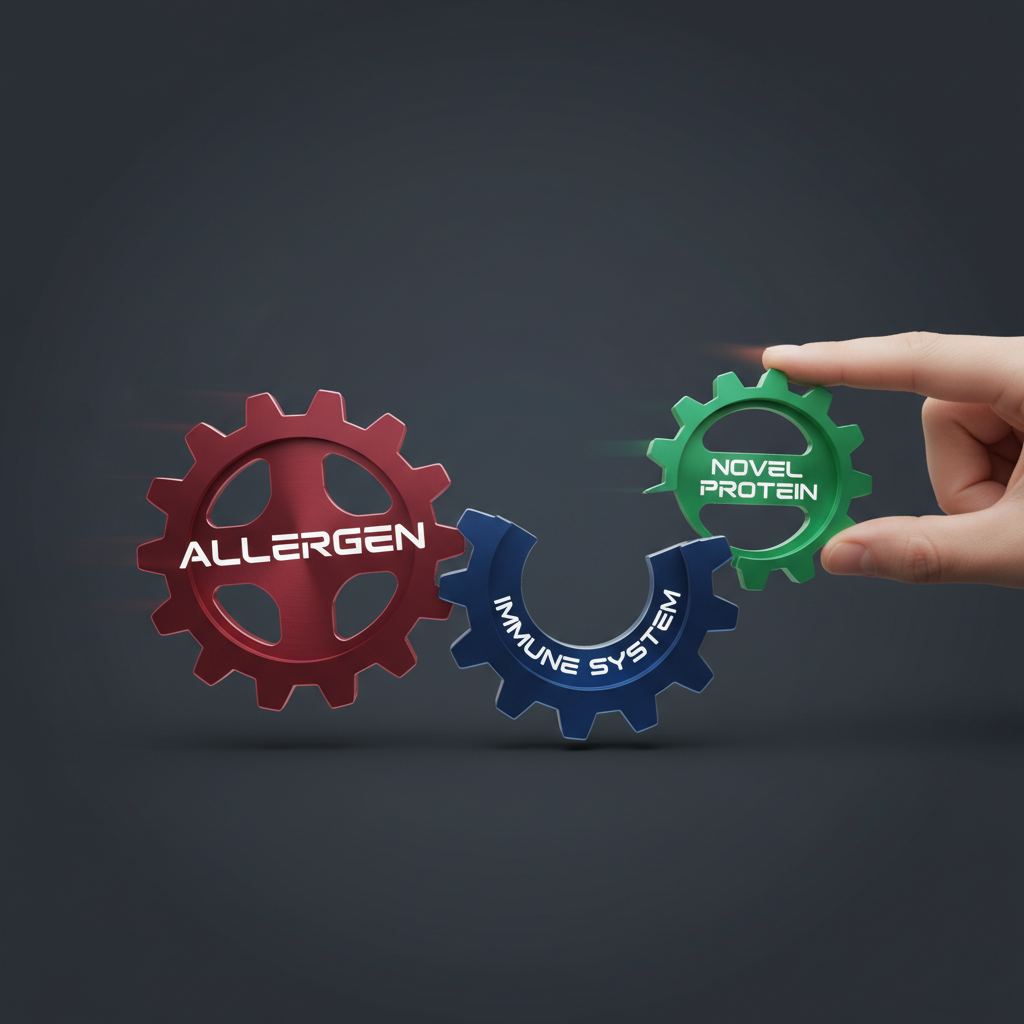
The strategy to combat food intolerance is elegantly simple: introduce a protein the dog’s immune system has never encountered. This is the definition of a novel protein. Because the body has no memory of it, there are no pre-existing antibodies ready to attack it. This gives the immune system—and the dog’s inflamed gut and skin—a chance to calm down and reset.
Think of it like a clean slate. By removing the triggers (the ‘enemy’ ingredients) and providing a safe, non-reactive protein source, you stop the inflammatory cascade. This allows the body to heal from the inside out. While many brands offer novel protein options, not all are created equal. Common choices include:
- Duck
- Venison
- Rabbit
- Kangaroo
- Bison
- And, of course, Wild Boar
The goal of an elimination diet, conducted under veterinary supervision, is to switch to a single novel protein and carbohydrate source for 8-12 weeks to see if symptoms resolve. Wild boar has emerged as a particularly effective option within this strategy due to its unique nutritional profile and low incidence of allergic reactions.
Wild Boar Decoded: The Nutritional Superiority of Game Meat
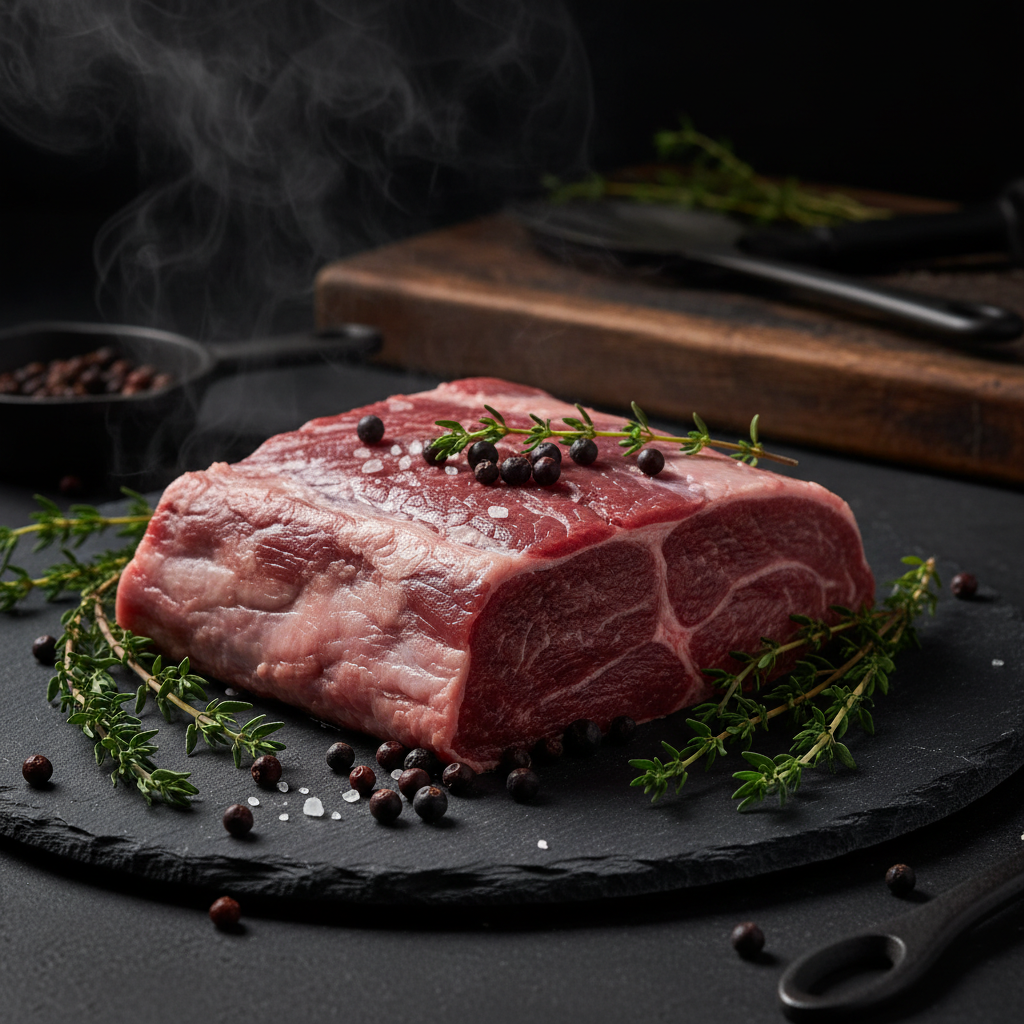
Wild boar is not simply ‘pork from the wild.’ As a true game animal, its meat is profoundly different from its domesticated counterpart. Wild boars are foragers, consuming a varied diet of roots, nuts, and vegetation. They are constantly moving, resulting in a lean, dense muscle tissue that is a powerhouse of nutrition.
A Forensic Nutritional Comparison
Let’s put wild boar head-to-head with the industry’s most common protein, chicken, and a popular red meat, beef. The numbers speak for themselves. The following is a general comparison per 100g serving:
| Nutrient | Wild Boar (Approx.) | Chicken Breast (Skinless) | Ground Beef (85/15) |
|---|---|---|---|
| Protein | ~28g | ~25g | ~22g |
| Total Fat | ~8g | ~3.6g | ~15g |
| Saturated Fat | ~2.8g (Lower) | ~1g | ~6g |
| Iron | ~1.6mg | ~0.7mg | ~2.2mg |
| Zinc | ~4.5mg | ~0.8mg | ~5.3mg |
| B Vitamins (B6, B12) | Excellent Source | Good Source | Excellent Source |
As the data shows, wild boar offers a significant protein advantage over both chicken and beef, with less saturated fat than ground beef. Its high levels of zinc are crucial for immune function and skin health, and its iron content supports energy and red blood cell production. Furthermore, because it’s a true game meat, it is naturally free from antibiotics and growth hormones commonly used in industrial farming. For many dogs, this ‘cleaner’ protein source is less likely to trigger inflammatory responses. The rich, gamey flavor is also highly palatable, making it an excellent choice for picky eaters who have grown tired of bland, conventional diets.
Label Forensics: How to Spot High-Quality Wild Boar Dog Food
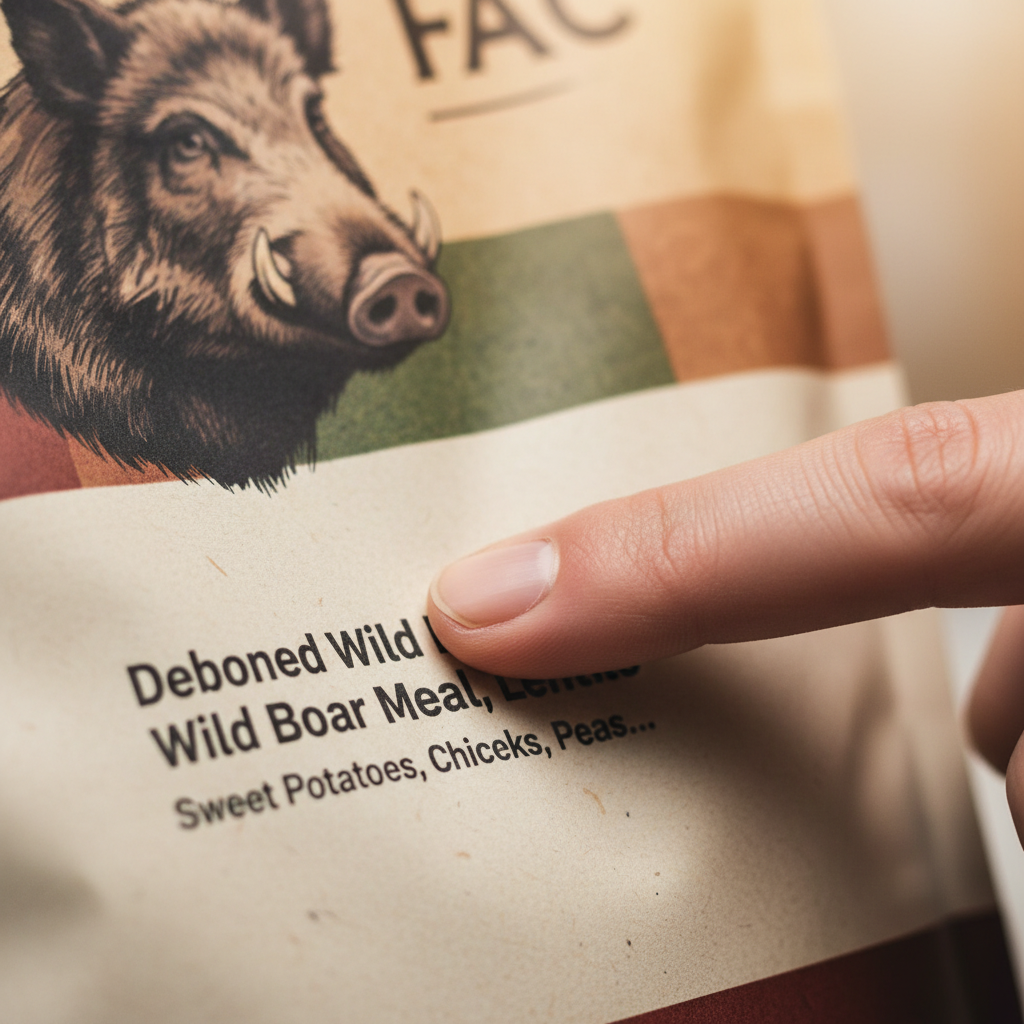
Not all wild boar foods are created equal. Manufacturers know that ‘wild boar’ is a premium keyword, and some will use it to mask a low-quality formula. You must become a forensic analyst of the ingredient panel.
The ‘First 5 Ingredients’ Rule
The first five ingredients listed on a dog food bag make up the vast majority of the formula by weight. This is where the nutritional truth is told. Here’s what to look for versus what to avoid:
- Hero Ingredients (Green Flags):
- Deboned Wild Boar: The best-case scenario. This is whole meat.
- Wild Boar Meal: A highly concentrated source of protein. ‘Meal’ means the water has been rendered out, making it a more potent protein source by weight than whole meat.
- Whole Legumes: Lentils, chickpeas, and peas provide excellent low-glycemic carbohydrates and fiber.
- Nutrient-Rich Vegetables: Sweet potatoes, pumpkin, and carrots offer vitamins and digestive support.
- Enemy Ingredients (Red Flags):
- Vague ‘Meat’ Terms: ‘Meat and bone meal’ or ‘animal by-product’ are low-quality, mystery ingredients. Avoid at all costs.
- Fillers: Corn, wheat, and soy are cheap fillers that offer little nutritional value and are common allergens.
- Splitting Ingredients: A trick where manufacturers list components of the same ingredient separately (e.g., ‘pea protein’, ‘pea fiber’, ‘yellow peas’) to push them further down the list.
- Artificial Preservatives: BHA, BHT, and ethoxyquin are chemical preservatives linked to health issues. Look for natural preservation with mixed tocopherols (Vitamin E).
Hacker Tip: When you see ‘Deboned Wild Boar’ as the first ingredient, be aware that whole meat contains about 75% water. That’s why seeing a high-quality ‘Wild Boar Meal’ as the second or third ingredient is a powerful sign of a truly protein-dense food. It ensures that after cooking, the primary protein source is still meat, not a carbohydrate.
Transitioning Safely: The 10-Day Switch Protocol
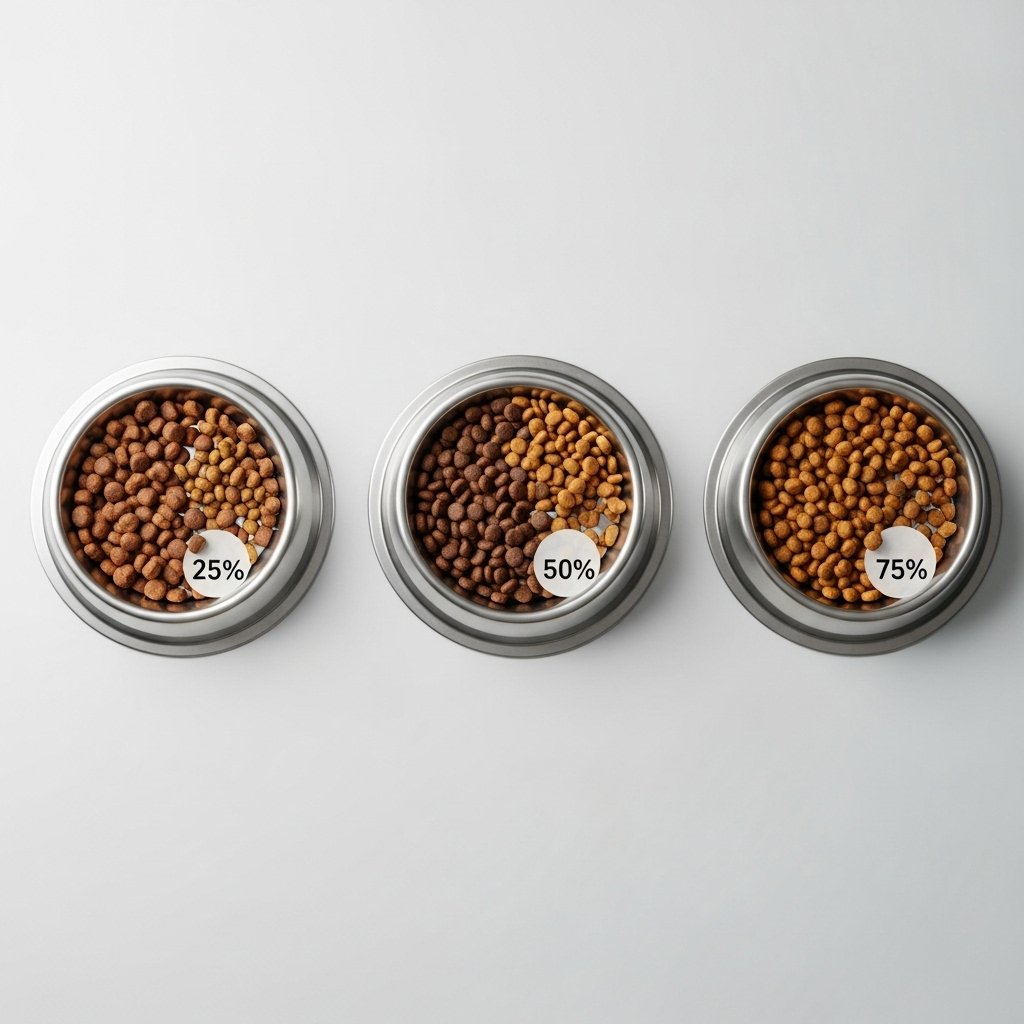
Once you’ve selected a high-quality wild boar formula, you cannot simply switch your dog’s food overnight. An abrupt change can shock the digestive system, leading to vomiting or diarrhea, which you might mistakenly blame on the new food itself. A slow, methodical transition is critical for allowing your dog’s gut microbiome to adapt.
Follow this proven 10-day protocol for a seamless transition:
- Days 1-3: Serve a mixture of 75% old food and 25% new food. Mix them together thoroughly so your dog doesn’t just pick out the new kibble.
- Days 4-6: Adjust the ratio to 50% old food and 50% new food. At this stage, monitor your dog’s stool closely. It should remain firm.
- Days 7-9: Shift the balance to 25% old food and 75% new food. Your dog should be well-adjusted to the new ingredients by now.
- Day 10 and Beyond: You can now feed 100% of the new wild boar formula.
Throughout this process, pay close attention to your dog’s energy levels, skin condition, and digestive health. If you notice any persistent loose stool, scale back the transition speed. It may take some dogs up to three weeks to fully adjust. Patience is key to a successful dietary change. Once fully transitioned, it can take 8-12 weeks for the full benefits, such as a reduction in skin inflammation, to become apparent as the old allergens clear from their system.
Conclusion
Navigating the world of canine nutrition can feel overwhelming, but the principle of novel proteins offers a clear, logical path away from the chronic issues plaguing so many dogs. Wild boar isn’t just another flavor; it’s a strategic tool. Its hypoallergenic nature, combined with a superior nutritional profile, makes it one of the most effective solutions for dogs with sensitivities to conventional proteins.
You are your dog’s primary advocate. The power to improve their health lies in your ability to look past the flashy marketing on the front of the bag and become a forensic investigator of the ingredient panel on the back. By understanding the roles of ‘hero’ and ‘enemy’ ingredients, you can make an informed choice that addresses the root cause of discomfort, rather than just managing the symptoms. Stop the cycle of scratching and stomach upset. It’s time to take control of what goes into your dog’s bowl and unlock the profound benefits of a truly novel, biologically appropriate protein.
Remember to consult your veterinarian to confirm if a dietary change is the right course of action for your dog’s specific needs and to guide you through a proper food elimination trial.