

7 Best Dog Foods for German Shepherds with Hip Dysplasia
Watching a powerful German Shepherd struggle with the pain of hip dysplasia is a gut-wrenching experience for any owner. You’re told it’s genetic, a cruel lottery of fate. But what the big brands don’t want you to know is that what you put in their bowl can be a powerful tool to manage symptoms, reduce inflammation, and improve quality of life. This isn’t about marketing gimmicks or pretty packaging. This is a forensic analysis of what your dog actually needs.
As The Canine Nutrition Hacker, I dissect ingredient labels for a living. I expose the cheap fillers and highlight the powerhouse nutrients that make a real difference. We’re going to cut through the noise and identify the absolute best dog foods engineered to support your German Shepherd’s joints. It’s time to stop being a passive consumer and start being your dog’s nutritional advocate.
MEDICAL DISCLAIMER: I am a canine nutrition analyst, not a veterinarian. The information in this article is for educational purposes only and is not a substitute for professional veterinary advice. Always consult with your veterinarian before making any changes to your dog’s diet, especially when managing a medical condition like hip dysplasia.
Decoding the Label: Hero vs. Enemy Ingredients for Hip Dysplasia
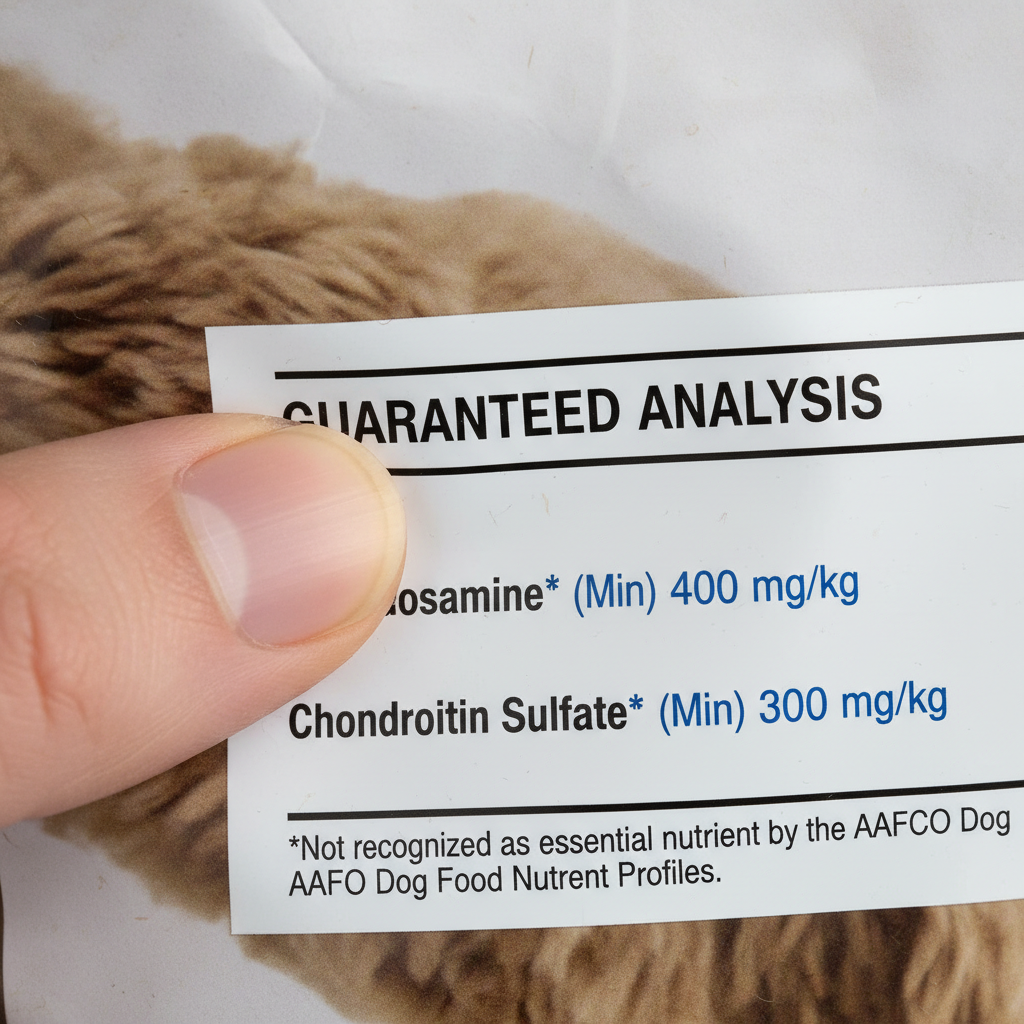
Before we name names, you need to learn the battlefield: the ingredient list. Hip dysplasia is a condition exacerbated by inflammation. Your primary goal is to feed an anti-inflammatory diet that provides the building blocks for cartilage and joint fluid. It’s a simple strategy: eliminate the enemies and maximize the heroes.
Enemy Ingredients: The Inflammation Triggers
These are the cheap, low-quality ingredients that can promote inflammation and offer little nutritional value for a GSD’s specific needs. If you see these high on the list, put the bag down.
- Corn, Wheat, and Soy: These are common allergens and are known to have pro-inflammatory properties in some dogs. They are often used as cheap protein and carbohydrate fillers.
- Unnamed Meat Meals or By-Products: Vague terms like “meat and bone meal” or “animal by-product meal” signal low-quality, mystery-source ingredients. You want named sources, such as “chicken meal” or “lamb meal.”
- Excessive Omega-6 Fatty Acids: While necessary, an imbalance with too much Omega-6 (found in sunflower oil, corn oil) and not enough Omega-3 can promote inflammation.
- Artificial Preservatives, Colors, and Flavors: Chemicals like BHA, BHT, and ethoxyquin have no place in a therapeutic diet. Natural preservatives like mixed tocopherols (Vitamin E) are the gold standard.
Hero Ingredients: The Joint Support Arsenal
These are the ingredients you should actively seek. They are the foundation of a diet aimed at managing hip dysplasia.
- Glucosamine & Chondroitin Sulfate: These are the non-negotiable superstars. They are the fundamental building blocks of cartilage and help to slow its deterioration. Look for foods with guaranteed levels, ideally over 800 mg/kg of glucosamine and 600 mg/kg of chondroitin for a large breed.
- Omega-3 Fatty Acids (EPA & DHA): Sourced from fish oil (like salmon, herring, or pollock oil), these are powerful natural anti-inflammatories. They directly combat the joint inflammation that causes pain.
- Lean, High-Quality Animal Protein: Muscle maintenance is crucial for supporting unstable joints. Look for deboned chicken, lamb, fish, or beef as the first ingredient. Strong muscles act as shock absorbers for the hips.
- Antioxidants: Ingredients like blueberries, spinach, carrots, and sweet potatoes provide vitamins C and E, which fight oxidative stress and cellular damage in the joints.
The Forensic Review: 7 Top-Tier Foods for GSD Joint Health
Now that you know what to look for, let’s put it into practice. I’ve analyzed dozens of formulas to bring you the top 7 contenders. This isn’t a sponsored list; it’s a breakdown based on ingredient quality, joint-support formulation, and brand reputation.
1. Hill’s Science Diet Adult Large Breed Perfect Digestion
The First 5 Ingredients Truth: Chicken, Cracked Pearled Barley, Brown Rice, Brewers Rice, Whole Grain Oats. A solid start with real chicken, followed by quality grains that are generally easy to digest. No corn, wheat, or soy in the top five.
Joint Support Spotlight: While not a dedicated mobility formula, it’s formulated for large breeds with an emphasis on overall health, which is foundational. It contains natural sources of glucosamine and chondroitin from the chicken meal used in the full recipe. The real win here is the “ActivBiome+” prebiotic blend, as a healthy gut reduces systemic inflammation, indirectly benefiting joints.
Verdict: An excellent, veterinarian-backed choice for GSDs with mild hip dysplasia who also have sensitive stomachs. It builds a strong foundation of health from the gut out.
2. Royal Canin German Shepherd Adult Dry Dog Food
The First 5 Ingredients Truth: Brewers Rice, Chicken By-Product Meal, Oat Groats, Brown Rice, Corn Gluten Meal. The presence of by-product meal and corn gluten meal is a sticking point for many purists. However, Royal Canin invests heavily in breed-specific nutritional science.
Joint Support Spotlight: This is where the formula shines. It’s enriched with high levels of glucosamine, chondroitin, and targeted EPA & DHA specifically for the known joint issues in German Shepherds. The kibble shape is even designed for the GSD’s long muzzle to encourage chewing.
Verdict: A scientifically formulated, breed-specific option. If you can look past the less-than-premium grain sources, the targeted nutrient package for joints is one of the most robust on the market.
3. Purina Pro Plan Large Breed Sensitive Skin & Stomach (Salmon & Rice)
The First 5 Ingredients Truth: Salmon, Rice, Barley, Canola Meal, Oat Meal. Excellent. Salmon is the first ingredient, providing rich protein and anti-inflammatory Omega-3s. The grains are easily digestible.
Joint Support Spotlight: This formula is a powerhouse of anti-inflammatory ingredients. The primary protein is salmon, a fantastic source of EPA and DHA. It’s also fortified with glucosamine to support joint health. It tackles inflammation from two angles: skin and joints.
Verdict: A top-tier choice, especially for GSDs who suffer from both skin issues and hip dysplasia. The high level of Omega-3s from salmon offers significant benefits for reducing inflammation.
4. Blue Buffalo Life Protection Formula Large Breed Adult (Chicken & Brown Rice)
The First 5 Ingredients Truth: Deboned Chicken, Chicken Meal, Brown Rice, Oatmeal, Barley. A very strong start with high-quality protein sources and wholesome grains. Chicken meal is a concentrated source of protein and glucosamine.
Joint Support Spotlight: Blue Buffalo includes a guaranteed analysis for both glucosamine and chondroitin in their large breed formulas. It also contains their signature “LifeSource Bits,” a separate cold-formed pellet containing a precise blend of antioxidants and vitamins that support immune health.
Verdict: A well-rounded, popular choice that directly addresses joint support needs with guaranteed levels of key ingredients. A reliable option available in most pet stores.
5. Wellness Complete Health Large Breed Adult (Deboned Chicken & Brown Rice)
The First 5 Ingredients Truth: Deboned Chicken, Chicken Meal, Ground Brown Rice, Barley, Peas. Another excellent ingredient panel, prioritizing real meat and quality carbohydrates. No fillers.
Joint Support Spotlight: Wellness guarantees high levels of joint support: 828 mg/kg of Glucosamine and 747 mg/kg of Chondroitin. This is a potent, therapeutic-level dose for an over-the-counter food. It’s also supplemented with salmon meal and flaxseed for Omega-3s.
Verdict: For owners looking for the highest possible levels of glucosamine and chondroitin without a prescription, this is a leading contender. The ingredient quality is superb.
6. Orijen Original Dog Food
The First 5 Ingredients Truth: Deboned chicken, deboned turkey, flounder, whole eggs, whole Atlantic mackerel. Unbeatable. This is a biologically appropriate, protein-packed list that mimics a natural canine diet. 85% of the ingredients are from quality animal sources.
Joint Support Spotlight: Orijen’s philosophy is that nutrients should come from whole food sources. The high content of animal ingredients, including cartilage and bone, provides a rich, natural source of glucosamine and chondroitin. The inclusion of multiple types of fish ensures a high concentration of EPA and DHA.
Verdict: The peak of evolutionary nutrition. It’s expensive, but for owners who want a high-protein, low-carbohydrate diet that naturally supports joints, Orijen is in a class of its own.
7. Nutro Ultra Large Breed Adult
The First 5 Ingredients Truth: Chicken, Chicken Meal, Whole Brown Rice, Brewers Rice, Rice Bran. A solid profile featuring the “Superfood Medley” of three proteins: chicken, lamb, and salmon.
Joint Support Spotlight: This formula contains naturally sourced glucosamine and chondroitin from chicken meal. It’s also supplemented with sunflower oil (Omega-6), flaxseed (Omega-3), and fish oil (Omega-3) for a balanced fatty acid profile to help control inflammation.
Verdict: A great value proposition that combines multiple protein sources for a complete amino acid profile while still providing the essential joint support needed for large breeds like the GSD.
Comparative Analysis: Prescription vs. Premium OTC Diets
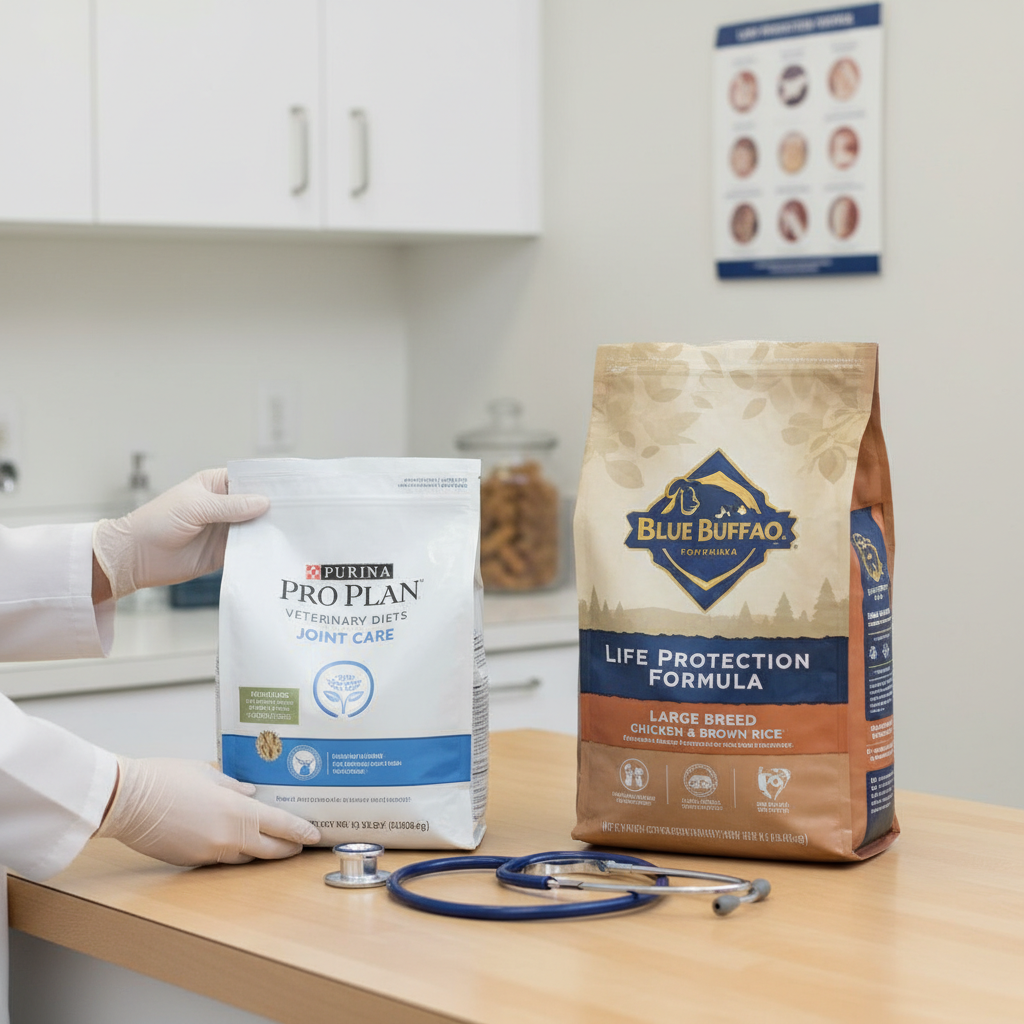
For moderate to severe cases of hip dysplasia, your veterinarian may recommend a prescription therapeutic diet. These foods are formulated with clinical-level, guaranteed amounts of active ingredients. They are essentially nutrition as medicine. Here’s how some of the best over-the-counter (OTC) options stack up against a veterinary diet.
Insider Secret: The primary difference between a premium OTC food and a veterinary diet is the level of quality control and the guaranteed potency of the active ingredients. Vet diets undergo rigorous clinical testing to prove their efficacy for a specific condition.
| Brand & Formula | Primary Protein | Key Joint Support | Grain Status | Price Tier |
|---|---|---|---|---|
| Hill’s Prescription Diet j/d Joint Care | Chicken | Extremely high levels of EPA, DHA, Glucosamine, and Chondroitin. Clinically proven. | Contains Grains | $$$$ (Prescription) |
| Royal Canin Veterinary Diet Joint Care | Chicken By-Product Meal | New Zealand Green Lipped Mussel, Glucosamine, Chondroitin, EPA/DHA. | Contains Grains | $$$$ (Prescription) |
| Wellness Complete Health Large Breed | Deboned Chicken | Guaranteed high levels of Glucosamine (828 mg/kg) & Chondroitin (747 mg/kg). | Grain-Inclusive | $$$ (Premium OTC) |
| Purina Pro Plan Sensitive (Salmon) | Salmon | High in natural Omega-3s (EPA/DHA) from salmon; fortified with Glucosamine. | Grain-Inclusive | $$ (Mid-Tier OTC) |
As you can see, the prescription diets are in their own league for sheer potency and clinical backing. However, a high-quality premium OTC food like Wellness or Purina Pro Plan provides a significant level of support that is more than adequate for many dogs, especially when combined with proper weight management and additional supplements.
Weight Management: The Most Critical Factor You Control
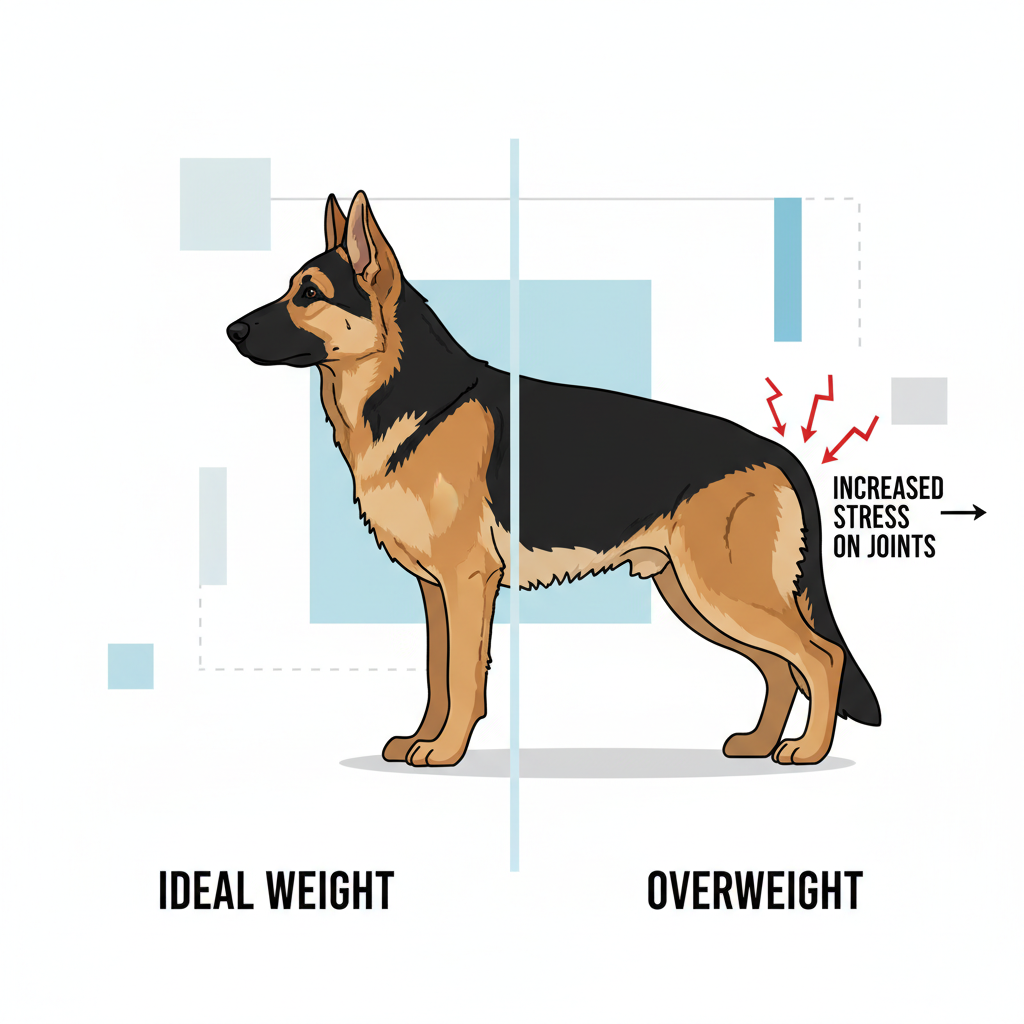
You can buy the most expensive, scientifically advanced dog food on the planet, but if your German Shepherd is overweight, you are fighting a losing battle. Every extra pound on your dog’s frame is exponential stress on their hip joints. Maintaining a lean, athletic body condition is the single most impactful non-surgical intervention for managing hip dysplasia.
An overweight GSD carries excess fat, which not only adds physical strain but also produces inflammatory hormones, creating a vicious cycle of pain and joint degradation. Your goal is to be able to easily feel your dog’s ribs and see a distinct abdominal tuck when viewed from the side.
Calorie Hacking 101
- Find the kcal/cup: This is legally required to be on the dog food bag. It’s your most important number.
- Calculate a Baseline: A typical, less active 80lb GSD might need around 1,400-1,600 kcal per day. A highly active one might need over 2,000. Start with the feeding guide on the bag, but be prepared to adjust.
- Measure Precisely: Do not use a coffee mug or guestimate. Use a proper 8oz measuring cup. Every meal, every time.
- Monitor and Adjust: Weigh your dog weekly. If they are not losing (or gaining) weight, adjust their daily food intake by 10% and monitor for another two weeks. It’s a slow, steady process.
Treats have calories too. A single large dog biscuit can be over 100 calories. Factor these into your dog’s daily total or switch to low-calorie options like baby carrots or green beans. Your diligence here will pay more dividends for your dog’s comfort than any single ingredient.
Conclusion
Navigating the world of dog food for a German Shepherd with hip dysplasia requires you to become a nutritional detective. The power to improve their comfort and mobility lies directly in your hands—and in their food bowl. Stop falling for flashy marketing and start analyzing the facts on the ingredient label. Prioritize lean, high-quality proteins and a potent combination of glucosamine, chondroitin, and Omega-3 fatty acids. Above all, commit to maintaining your GSD at a lean, healthy weight, as this is the cornerstone of effective joint management.
By choosing one of the forensically analyzed foods on this list and applying these principles, you are not just feeding your dog; you are actively participating in their therapy. You are giving them the nutritional tools their body needs to fight inflammation and support their joints for a happier, more active life.