Milk Thistle for Dogs: Correct Dosage for Liver Support
Your dog’s liver is a silent, hardworking powerhouse. It’s the body’s primary filtration system, a metabolic engine, and a defense shield, tirelessly processing everything your dog eats, breathes, and absorbs. But in our modern world, this vital organ is under constant assault from environmental toxins, processed food ingredients, and necessary medications. When the liver is compromised, the effects can be devastating. As a Canine Nutrition Hacker, I don’t deal in fluff; I deal in solutions. One of the most potent, scientifically-backed tools in our arsenal for liver defense is Milk Thistle. This isn’t just about sprinkling a new herb on their food; it’s about understanding the active compound, silymarin, and deploying it with precision. This guide will cut through the noise and provide you with the actionable, authoritative information you need to correctly dose milk thistle for maximum liver support and protection.
Decoding Liver Distress: The Silent Epidemic in Dogs
Why Your Dog’s Liver is a Primary Target
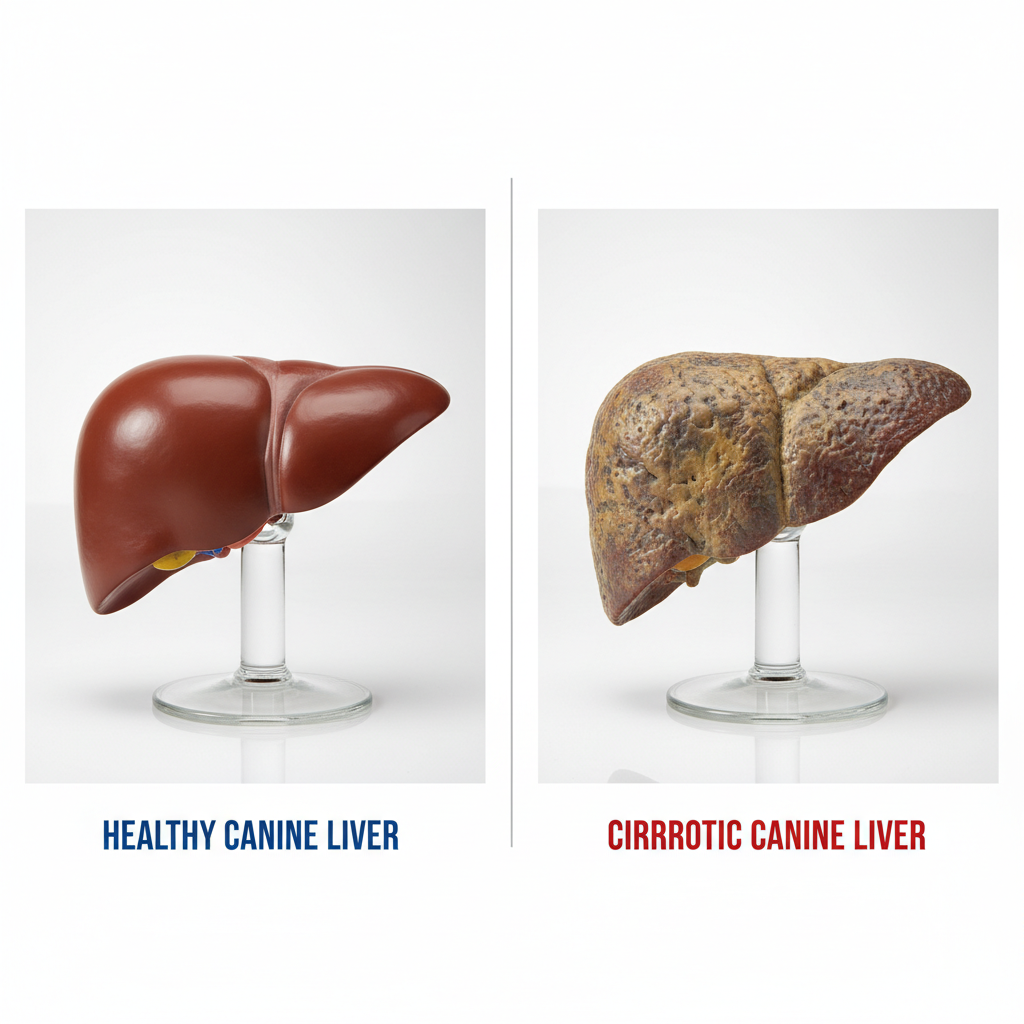
Before we can fix a problem, we must understand the battlefield. Your dog’s liver performs over 500 vital functions, from detoxifying blood and metabolizing drugs to producing bile for digestion and storing essential vitamins. It is, without exaggeration, central to their overall health. However, its role as the body’s main filter makes it uniquely vulnerable.
Consider the daily toxic load your dog endures:
- Environmental Toxins: Pesticides on the grass, household cleaning chemicals, flame retardants in furniture, and pollutants in the air.
- Processed Pet Foods: Chemical preservatives (like BHA and BHT), artificial colors, mycotoxins from grain storage, and low-quality, rendered fats can all place a heavy burden on the liver.
- Medications: While often life-saving, drugs like NSAIDs for pain, steroids, antibiotics, and flea/tick preventatives must be processed by the liver, contributing to its workload and potential for damage over time.
- Biological Stressors: Illness, infections, and even the natural aging process can impair liver function and its ability to regenerate.
Because the liver has a massive reserve capacity, signs of trouble often don’t appear until significant damage—up to 75%—has already occurred. This is why proactive support is not a luxury; it’s a strategic necessity for long-term health. Waiting for symptoms like jaundice, vomiting, or lethargy means you’re already far behind in the fight.
The Science of Silymarin: Milk Thistle’s Liver-Protecting Powerhouse
The Active Ingredient That Matters
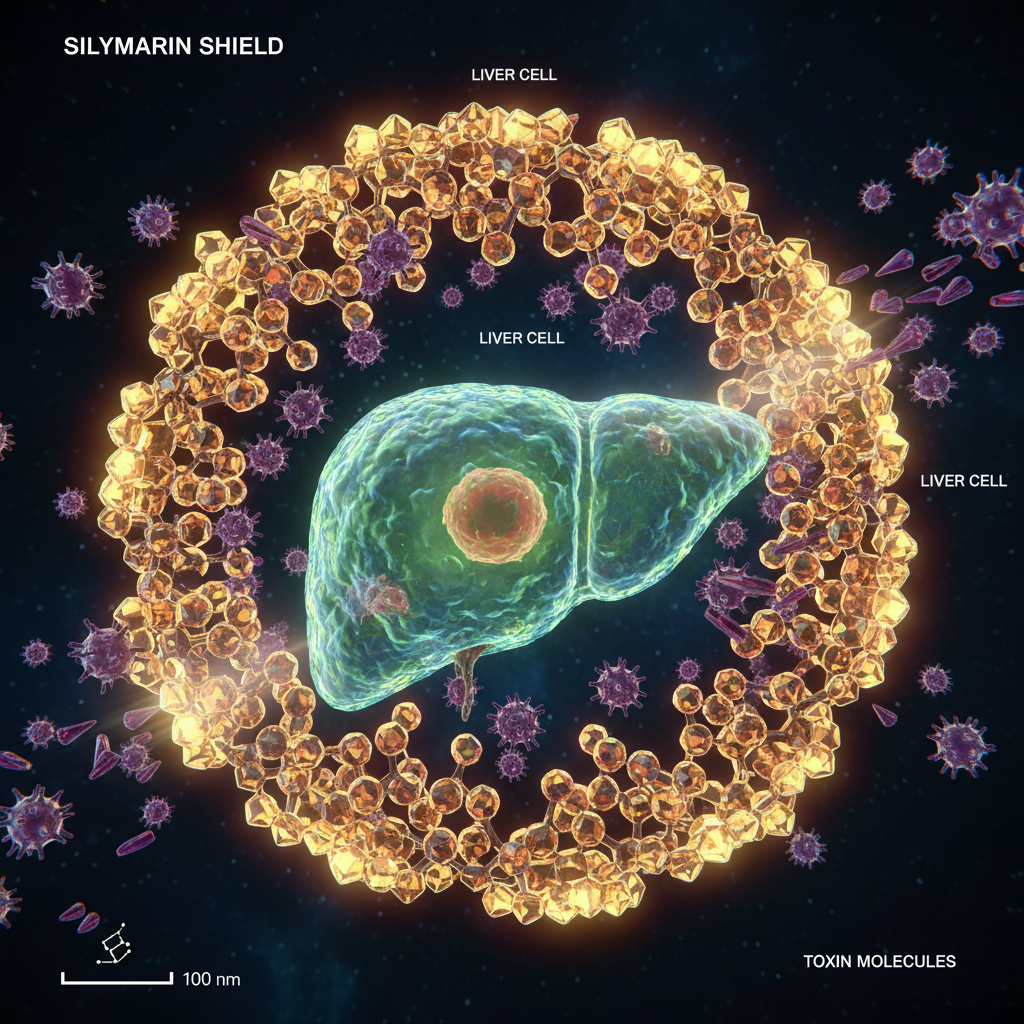
The term ‘milk thistle’ is often used loosely. The real therapeutic power comes from a group of active compounds called silymarin, extracted from the plant’s seeds. Simply buying ground milk thistle seed is not enough; you need a concentrated, standardized extract to achieve a clinical effect. Silymarin is a potent flavolignan complex that wages a multi-front war to protect and heal liver cells (hepatocytes).
Silymarin’s Four Pillars of Liver Defense:
- Potent Antioxidant Activity: The liver’s detoxification processes naturally generate a high volume of free radicals—unstable molecules that damage cells. Silymarin is a powerful antioxidant that neutralizes these free radicals, preventing oxidative stress and cellular damage.
- Anti-Inflammatory Action: Chronic inflammation is a key driver of liver disease. Silymarin inhibits the production of inflammatory cytokines and prostaglandins, helping to quell the inflammatory response within the liver.
- Enhanced Regeneration: This is silymarin’s most remarkable property. It stimulates protein synthesis within liver cells, which accelerates the regeneration and repair of damaged tissue. It essentially helps the liver rebuild itself more efficiently.
- Toxin Blockade (Membrane Stabilization): Silymarin alters the outer membrane of liver cells, making it more difficult for toxins to penetrate and cause harm. It acts like a gatekeeper, preventing poisons from gaining entry in the first place.
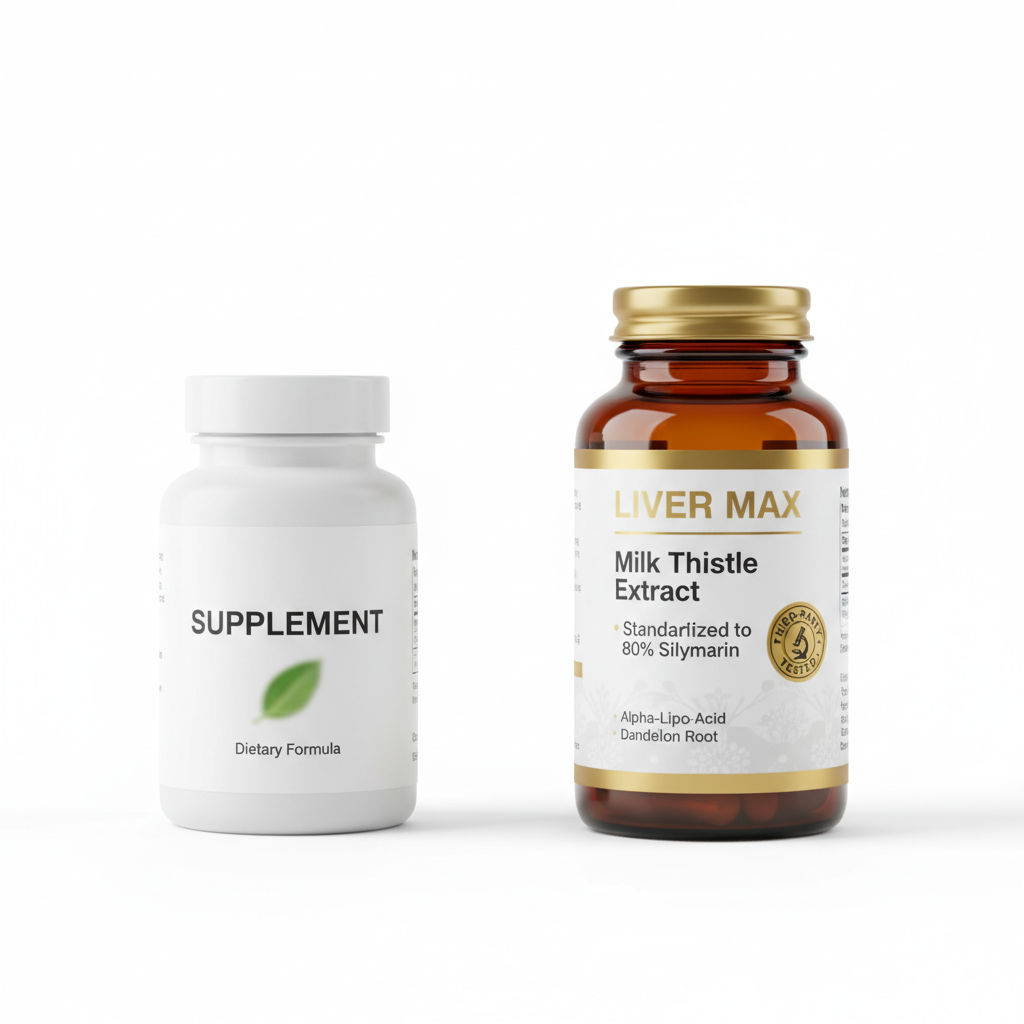
As an insider secret, never trust a product that doesn’t specify its ‘standardized silymarin content.’ A product might contain 500mg of milk thistle seed powder but have a negligible amount of the active silymarin. Look for labels that explicitly state ‘standardized to 80% silymarin‘—this is the gold standard.
The Dosage Code: Precision is Paramount for Safety and Efficacy
CRITICAL DISCLAIMER: I am not a veterinarian. The following information is for educational purposes only and is not a substitute for professional veterinary advice. Always consult your veterinarian to determine the appropriate supplement protocol and dosage for your dog’s specific health needs.
Incorrect dosing is the number one mistake owners make. Too little, and you’re wasting your money on a placebo effect. Too much, and you risk gastrointestinal upset. The correct dosage is based on the amount of active silymarin, not the total milk thistle powder.
The generally accepted therapeutic dosage range for dogs is between 50-250 mg of silymarin per day, depending on the dog’s weight and condition. A common starting point recommended by holistic veterinarians is approximately 10-15 mg of silymarin for every 5 pounds of body weight per day, often divided into two doses.
Calculating the Correct Dose: A Practical Example
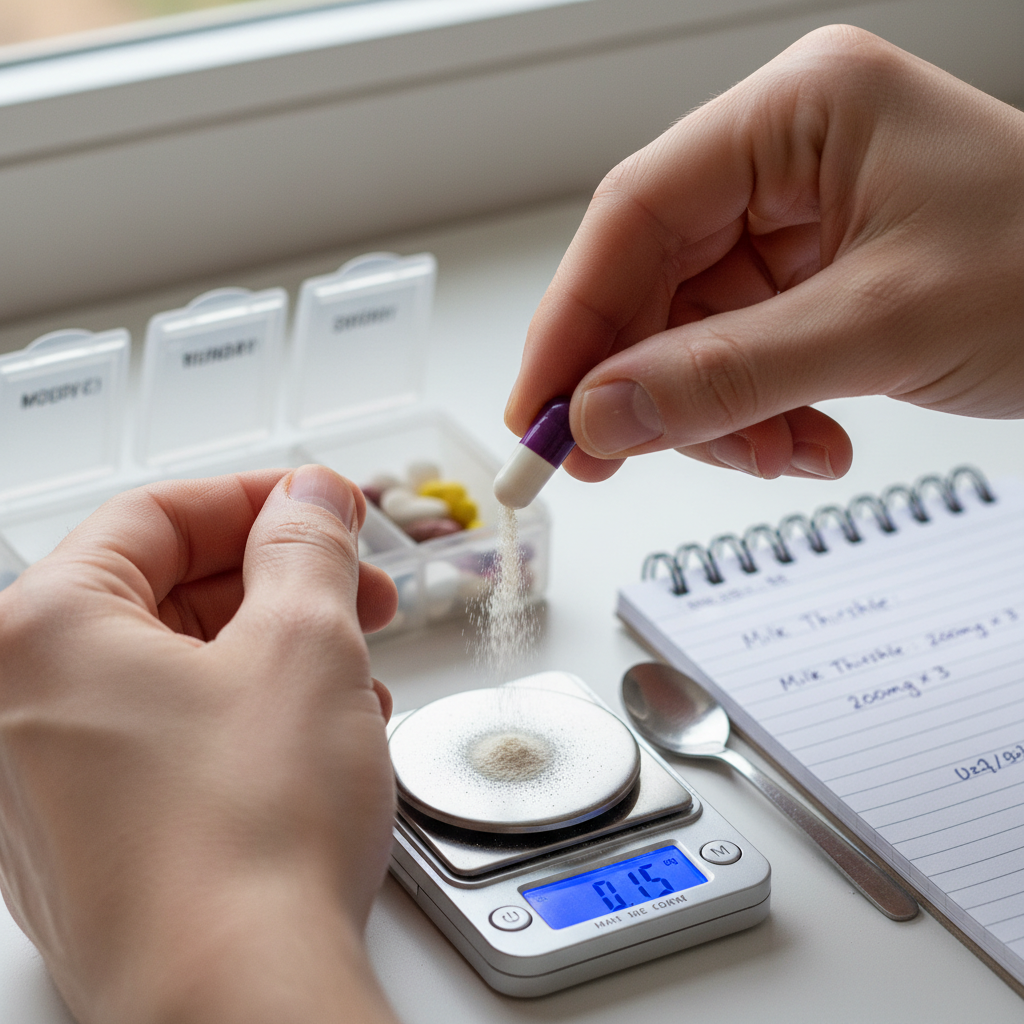
Let’s say you have a 50lb dog. The target dose is (50 lbs / 5 lbs) * 15 mg = 150 mg of silymarin per day.
Now, look at your supplement bottle. If it’s a 250mg capsule ‘standardized to 80% silymarin’, the calculation is: 250mg * 0.80 = 200mg of active silymarin per capsule. In this case, giving one full capsule would be slightly high, but likely safe. You could give half a capsule twice a day to get closer to the target. Precision matters.
General Dosage Reference Table (Based on 80% Silymarin Extract)
| Dog’s Weight | Target Daily Silymarin Dose | Example Product (200mg Silymarin per capsule) |
|---|---|---|
| 10 lbs | 30-40 mg | Approx. 1/5 of a capsule daily |
| 25 lbs | 75-100 mg | Approx. 1/2 capsule daily |
| 50 lbs | 150-200 mg | Approx. 1 capsule daily |
| 75 lbs | 225-300 mg | Approx. 1.5 capsules daily |
| 100+ lbs | 300-400 mg | Approx. 2 capsules daily |
Important Note: For dogs with active liver disease, your veterinarian may prescribe a significantly higher therapeutic dose. Do not attempt to treat a diagnosed condition without direct veterinary supervision.
Sourcing the Gold Standard: How to Spot a Potent Supplement
Navigating the Supplement Minefield
The supplement industry is notoriously unregulated. Your ability to read a label and identify quality is your dog’s best defense against ineffective or even harmful products.
Enemy Ingredients & Red Flags:
- Alcohol-Based Tinctures: Never give a dog an alcohol-based supplement. Alcohol is toxic and must be processed by the very organ you are trying to support.
- Undisclosed Silymarin Content: If the label just says ‘Milk Thistle 250mg’ without specifying the standardized silymarin percentage, assume it’s low-quality, inactive powder.
- Unnecessary Fillers: Ingredients like magnesium stearate, silicon dioxide, and rice flour are manufacturing aids. While not overtly harmful in small amounts, their presence can indicate a lower-quality product.
- Proprietary Blends: These hide the exact amount of each ingredient, making precise dosing impossible. Avoid them.
Hero Ingredients & Quality Indicators:
- Standardized to 80% Silymarin: This is the non-negotiable mark of a high-quality, potent product.
- Combined Formulations: Some of the best liver support products combine silymarin with other synergistic compounds like S-Adenosylmethionine (SAMe), B-vitamins, or Zinc. SAMe, in particular, is a powerful antioxidant and is crucial for liver cell function.
- Third-Party Testing: Look for seals from organizations like NSF International or the USP (United States Pharmacopeia). This verifies that the product contains what the label claims and is free from contaminants.
- Capsules or Powder: These forms are superior to tablets, which often contain more binders and fillers, and are preferable to alcohol-based tinctures.
Practical Application: Administration and Monitoring
Integrating Milk Thistle Into Your Dog’s Routine
Getting the supplement into your dog is the final step. Fortunately, milk thistle has a relatively mild taste and is easy to administer.
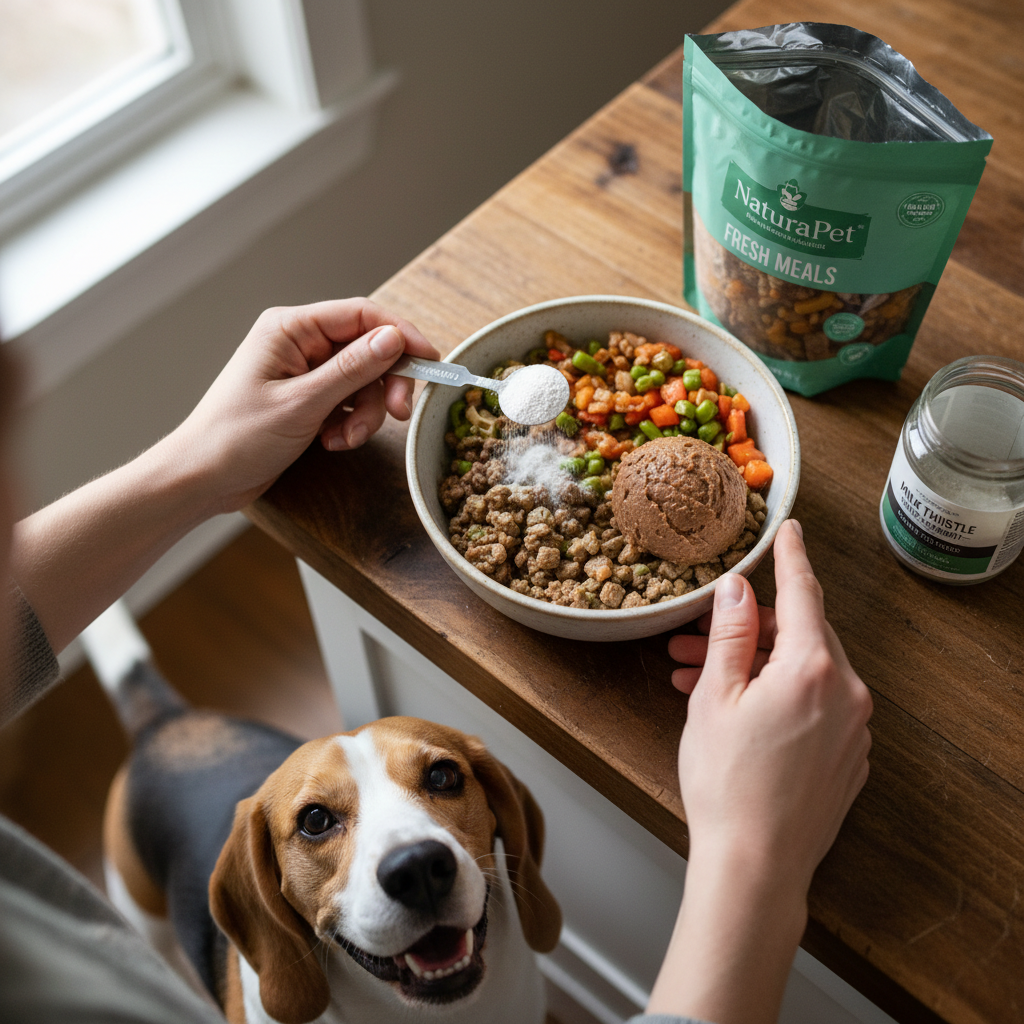
- Administration: For powders or the contents of capsules, mix them thoroughly into a small amount of wet food, plain yogurt, or bone broth. The fat content in the food can help with absorption. Administering with food also minimizes the risk of any potential stomach upset.
- Dosing Schedule: It’s best to divide the total daily dose into two servings (morning and evening) to maintain more stable levels in the bloodstream.
- Monitoring for Side Effects: Milk thistle is remarkably safe with a very low incidence of side effects. When they do occur, they are typically mild and gastrointestinal in nature, such as loose stools or gas. If you notice any adverse effects, stop administration and consult your vet. They may recommend lowering the dose or trying a different formulation.
- Contraindications: While safe for most dogs, it’s wise to exercise caution. Consult your veterinarian before giving milk thistle to pregnant dogs or dogs with known allergies to the Asteraceae family of plants (like ragweed or daisies).
Remember, supplementation is a long-term strategy. For general support, milk thistle can be given daily. For detoxification after exposure to medication or toxins, a vet might recommend a specific course lasting several weeks.
Conclusion
Empowering yourself with knowledge is the most critical step in advocating for your dog’s health. You now understand that your dog’s liver is a vital organ under constant threat, and that milk thistle, specifically its active compound silymarin, is a scientifically-validated tool for its defense. You know that success lies not in the act of giving the supplement, but in the precision of the dose and the quality of the source. You are equipped to dissect labels, reject inferior products, and calculate dosages like a professional. The next step is a conversation. Take this knowledge to your veterinarian, discuss your dog’s individual risk factors, and work together to build a proactive liver support protocol. By doing so, you move beyond being just a pet owner and become your dog’s most valuable health ally.