7 Healing Post-Neuter Recovery Treats to Comfort Your Pup
The drive home from the vet’s office post-neuter is quiet. Your dog is groggy, you’re on high alert, and the ‘cone of shame’ is already a source of mutual frustration. The vet gave you pain meds and a list of restrictions, but they left out a critical component of recovery: targeted nutrition. I’m The Canine Nutrition Hacker, and I’m here to tell you that what you feed your dog in the days following surgery is just as important as keeping the incision clean.
Forget the store-bought junk filled with preservatives and inflammatory fillers. Your dog’s body is in a state of repair. It’s battling the after-effects of anesthesia and working overtime to heal tissue. This is not the time for empty calories. It’s time for functional, healing foods that comfort, hydrate, and accelerate recovery. This guide provides seven simple, powerful treat recipes designed specifically for the post-operative pup. We’re not just making treats; we’re building a recovery toolkit.
Medical Disclaimer: I am a canine nutrition analyst, not a veterinarian. The information here is for educational purposes. You must consult your veterinarian before introducing any new foods to your dog, especially after a surgical procedure. Their advice is paramount and tailored to your dog’s specific health needs.
The Post-Op Nutritional Landscape: What Your Dog’s Body Needs

Before we get to the recipes, you need to understand the battlefield. Anesthesia can wreak havoc on the digestive system, often causing nausea, temporary anorexia (loss of appetite), and constipation. The surgical trauma itself triggers an inflammatory response. Our mission is to counter these effects with a strategic nutritional assault.
Enemy Ingredients: The Post-Op ‘Do Not Fly’ List
During recovery, you must become a ruthless gatekeeper of your dog’s diet. The following ingredients can hinder healing and must be avoided:
- High-Fat Foods: Greasy or fatty foods (like bacon, fatty meats, or cheese) can trigger pancreatitis, a painful and dangerous condition your dog is more susceptible to post-op.
- Hard, Crunchy Kibble or Treats: Your dog may have a sore throat from the intubation tube used during anesthesia. Hard foods can be painful to swallow. Furthermore, crunchy treats require more digestive energy.
- Artificial Additives: Colors, flavors, and preservatives are chemical junk that your dog’s stressed liver and kidneys don’t need to process right now. Read every label.
- Common Allergens: Unless you know your dog is 100% fine with them, avoid common triggers like wheat, corn, and soy, which can add inflammatory stress.
- Heavy Spices & Dairy: Avoid anything that could cause gastric upset. Stick to bland, simple ingredients.
Hero Ingredients: Your Recovery Arsenal
These are the nutritional powerhouses that will form the basis of our healing treats. They are easily digestible, packed with benefits, and gentle on a sensitive system.
- Bone Broth: A hydration superstar packed with collagen, glycine, and glucosamine. It supports gut health, joint health (important for dogs who are stiff from inactivity), and is incredibly palatable.
- Pumpkin Purée: Use 100% pure pumpkin, not pie filling. This is a digestive miracle worker, rich in soluble fiber that can help with both constipation and diarrhea.
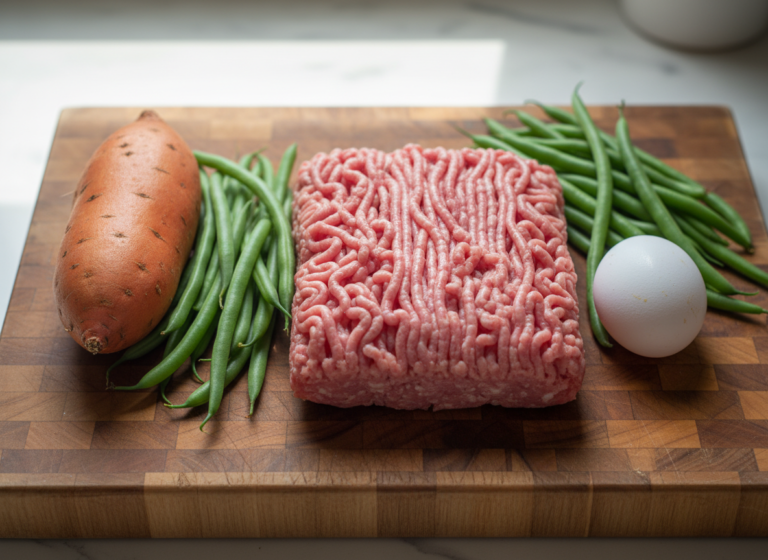
- Lean Protein: Cooked, unseasoned lean ground turkey, chicken breast, or whitefish provides the essential amino acids needed for tissue repair without the heavy fat content.
- Ginger: A powerful, natural anti-nausea agent. A tiny, freshly grated amount can soothe an upset stomach.
- Turmeric: Contains curcumin, a potent natural anti-inflammatory compound. Always use with a tiny pinch of black pepper to increase absorption.
- Gelatin (Unflavored): Excellent for gut lining repair and a great source of protein and collagen.
Treats 1-3: The ‘Cone of Shame’ Soothers (Lickable & Frozen)
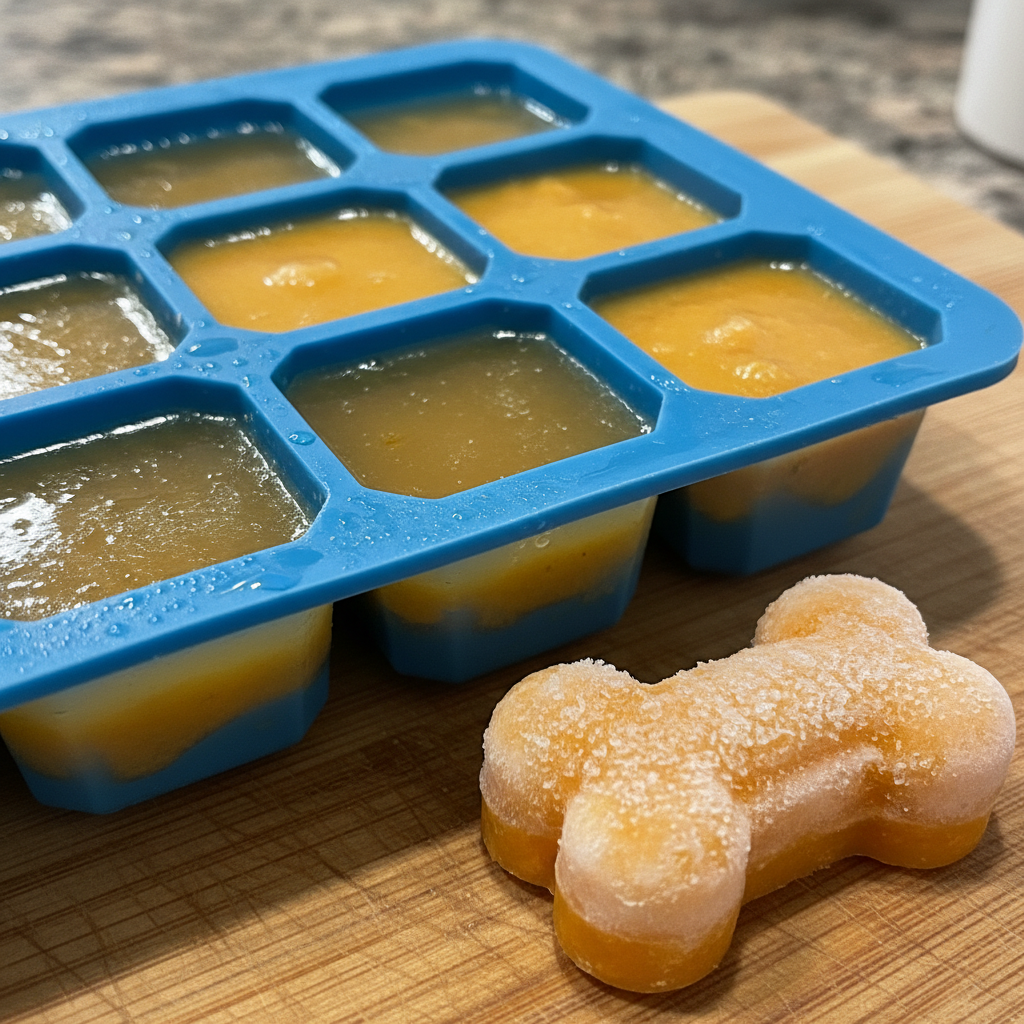
In the first 24-48 hours, your dog’s appetite may be low, and licking is often more appealing than chewing. Lickable and frozen treats provide comfort, hydration, and nutrition without requiring much effort. They are also a fantastic way to provide mental stimulation for a bored, restricted dog.
Treat #1: Frozen Bone Broth ‘Pupsicles’
This is the simplest and most effective recovery treat. It’s pure hydration and gut-soothing goodness.
- Obtain high-quality bone broth. Look for one with no onions, garlic, or added salt. You can find dog-specific brands or make your own.
- Pour the broth into a silicone ice cube tray. For smaller dogs, use trays that make smaller cubes.
- Freeze for at least 4 hours, or until solid.
- Serve one cube to your dog in their bowl. It will slowly melt, encouraging them to lick and stay hydrated.
Treat #2: Calming Pumpkin & Ginger Swirl
This targets two major post-op issues: digestive upset and nausea. It’s a gentle, soothing option.
- In a small bowl, mix 1/4 cup of 100% pure pumpkin purée with 1/8 teaspoon of freshly grated ginger.
- You can serve this directly from a spoon or in their bowl as a meal topper.
- For a longer-lasting treat, spoon the mixture into a Kong toy and freeze it, or freeze in an ice cube tray.
Treat #3: Probiotic Yogurt Dots
Anesthesia and antibiotics can disrupt the delicate balance of your dog’s gut microbiome. This treat helps replenish beneficial bacteria.
- Choose a plain, unsweetened yogurt (Greek is great) that contains live, active cultures and NO xylitol or other artificial sweeteners.
- Spoon the yogurt into a plastic bag and snip off a tiny corner.
- Pipe small, dime-sized dots onto a parchment paper-lined baking sheet.
- Freeze until solid. Store the frozen dots in an airtight container in the freezer.
Hacker’s Tip: The freezer is your best friend during recovery. Batch-prepare all these frozen treats before your dog’s surgery. You’ll have a stockpile of healing goodies ready to go, which means less stress for you when you’re focused on your pup’s care.
Treats 4-5: Soft & Gentle Bites for Tender Appetites

As your dog’s appetite starts to return, you can introduce soft, easy-to-chew treats. These should be protein-focused to aid in tissue regeneration but remain bland and easy to digest. Remember to keep portions very small.
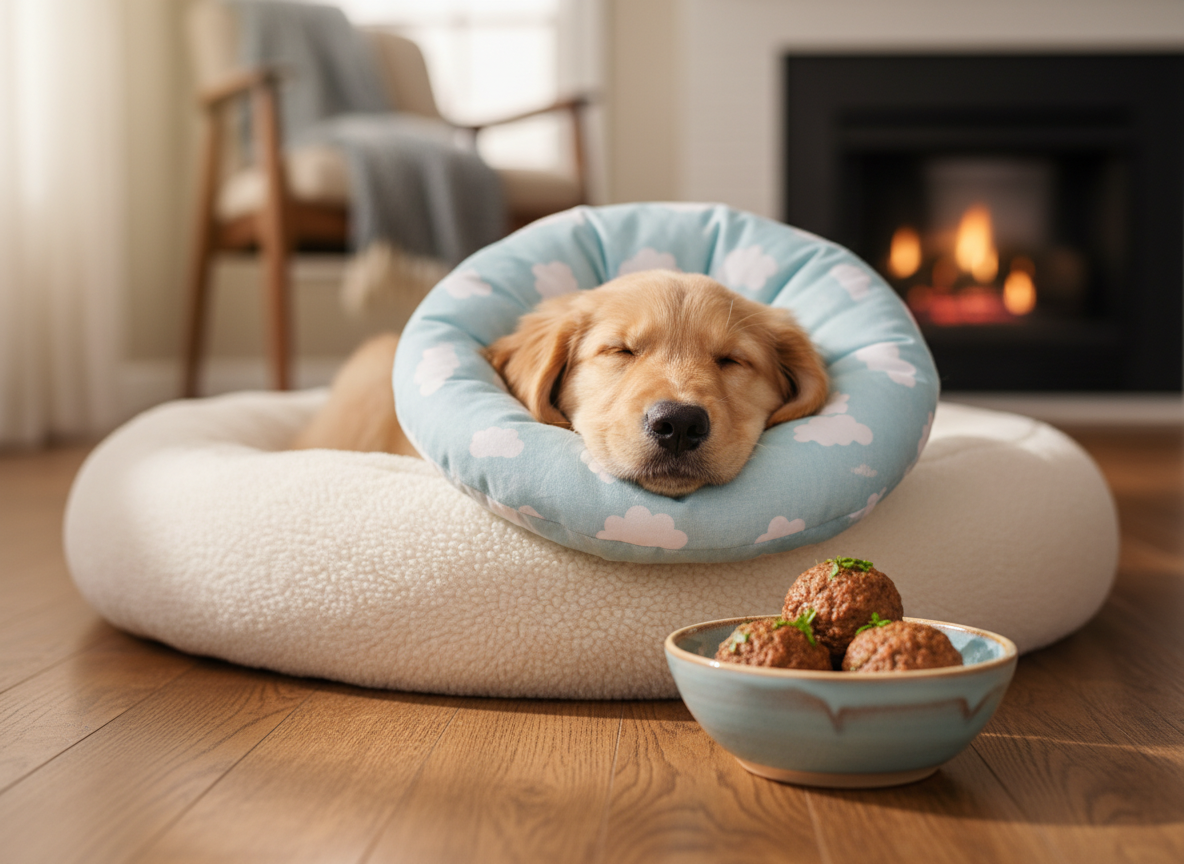
Treat #4: ‘Get Well Soon’ Turkey Meatballs
These are pure, high-value protein bombs that are gentle on the stomach and perfect for rebuilding muscle and tissue.
- Preheat your oven to 375°F (190°C).
- In a bowl, combine 1 lb of lean ground turkey (93/7 or 99/1), 1/4 cup of finely grated carrot, and 1 tablespoon of finely chopped parsley (for fresh breath).
- Do not add any salt, oil, or seasonings.
- Roll the mixture into very small, bite-sized meatballs (about the size of a marble or a grape, depending on your dog’s size).
- Place on a parchment-lined baking sheet and bake for 15-20 minutes, or until cooked through.
- Let them cool completely before serving. Store in the fridge for up to 3 days.
Treat #5: Sweet Potato & Turmeric Puffs
This treat combines the anti-inflammatory power of turmeric with the gentle, fiber-rich energy of sweet potato.
- Cook one medium sweet potato until very soft (baking or boiling works well). Let it cool and remove the skin.
- Mash the sweet potato thoroughly. Mix in 1/2 teaspoon of turmeric and a tiny pinch of black pepper (this is crucial for absorption).
- Add 2-3 tablespoons of oat flour (you can make your own by blending rolled oats) until the mixture forms a soft, non-sticky dough.
- Roll into small, pea-sized balls and place on a parchment-lined baking sheet.
- Bake at 350°F (175°C) for 10-12 minutes, until firm but still soft.
- Cool completely before serving. These provide sustained energy without spiking blood sugar.
Treats 6-7: The Hydration Heroes (Beyond the Water Bowl)

Proper hydration is non-negotiable for recovery. It flushes out residual anesthesia, aids nutrient transport to healing tissues, and prevents constipation. Some dogs are reluctant to drink enough water after surgery, so these ‘treats’ are a clever way to sneak in extra fluids.
Treat #6: Watermelon & Mint Slush
Watermelon is over 90% water, making it a delicious hydration tool. The hint of mint can also help settle a queasy stomach.
- Cut up a small amount of seedless watermelon. Ensure you have removed all of the rind and any potential seeds.
- Place a handful of watermelon chunks in a blender with one or two fresh mint leaves.
- Blend until it forms a liquid or slushy consistency.
- Serve a small amount (a few tablespoons) in your dog’s bowl. This is a sugary treat, so moderation is key.
Treat #7: ‘Un-Jello’ Broth Gelatin Squares
This is a true nutritional powerhouse. Gelatin is incredibly healing for the gut lining, which is often irritated by anesthesia and medication. It’s also a fantastic source of collagen for tissue repair.
- Pour 1 cup of cold bone broth into a small saucepan.
- Sprinkle 2 tablespoons of unflavored beef gelatin powder over the cold broth and let it ‘bloom’ (sit undisturbed) for 5 minutes. This prevents clumps.
- Turn the heat on low and whisk constantly until the gelatin is completely dissolved. Do not let it boil.
- Pour the liquid into a small glass dish or silicone molds.
- Refrigerate for at least 3 hours, or until completely firm.
- Cut into small, bite-sized squares. They will be jiggly and easy for your dog to eat.
Final Analysis: Portion Control and Safety Protocols
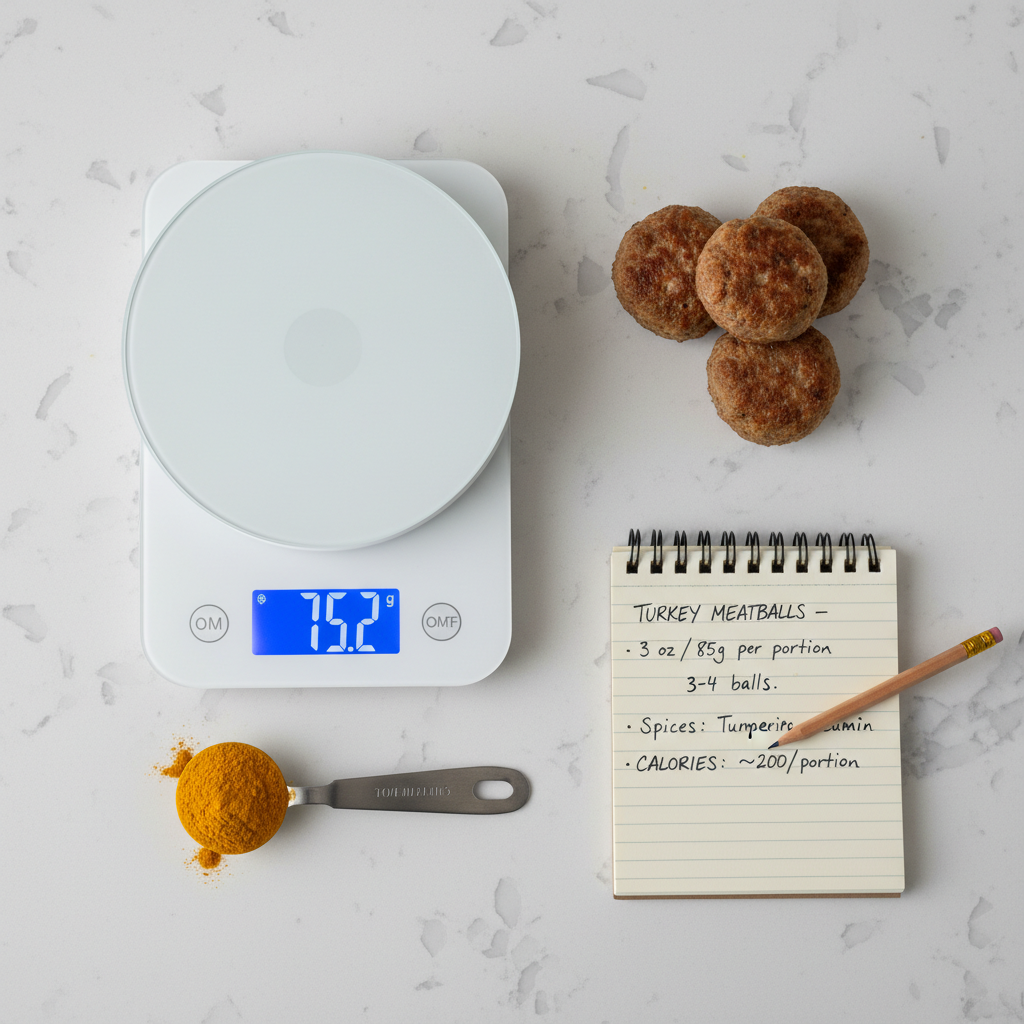
You now have an arsenal of healing treats, but the final piece of the puzzle is responsible execution. A recovering dog is on strict activity restriction, meaning their calorie needs are significantly lower. Over-treating can lead to weight gain, which puts unnecessary stress on their body.
The Canine Nutrition Hacker’s Golden Rules of Recovery Treating:
- Treats Are Not Meals: All treats combined should make up no more than 10% of your dog’s daily caloric intake. Reduce their regular food slightly to accommodate.
- The One-Ingredient Rule: When introducing any new food post-op, introduce only one new item per day so you can immediately identify the source of any digestive upset.
- Observe Relentlessly: Watch for any signs of diarrhea, vomiting, or gas. If you see any, stop the new treats immediately and consult your vet.
- Size Matters: All treats should be small enough to be swallowed easily, posing no choking hazard.
- When in Doubt, Ask: Your veterinarian is your partner in this. Run these ingredients by them before you begin. They know your dog’s specific health profile.
Cost Breakdown: DIY Healing vs. Store-Bought ‘Junk’
Let’s run the numbers. A bag of popular ‘premium’ soft chew treats can cost upwards of $15 for 6 ounces. A closer look at the label often reveals glycerin, sugar, and various ‘meal’ byproducts. Compare that to our DIY options.
| Treat Type | Approximate DIY Cost (per batch) | Key Healing Ingredients | Store-Bought Alternative Cost | Common Store-Bought Fillers |
|---|---|---|---|---|
| Turkey Meatballs | $5.00 – $7.00 (for ~50-60 small meatballs) | Lean Protein, Parsley | $15.00 (for ~6 oz bag) | Glycerin, Sugar, Wheat Flour, Artificial Flavors |
| Broth Gelatin Squares | $3.00 – $4.00 (for a full tray) | Collagen, Glycine, Amino Acids | N/A (Functional equivalent is rare) | N/A |
The conclusion is clear. For a fraction of the price, you provide superior, targeted nutrition free from inflammatory fillers. You control every single ingredient, which is the ultimate power in your dog’s recovery.
Conclusion
Navigating your dog’s post-neuter recovery can be a stressful experience, but it’s also an opportunity. It’s your chance to step up as your dog’s primary health advocate and prove that love isn’t just about cuddles and walks—it’s about providing precise, healing nutrition when they need it most. By trading factory-made treats for these simple, homemade alternatives, you are removing inflammatory junk and replacing it with functional ingredients that soothe, hydrate, and rebuild. You are taking control. You are not just comforting your pup; you are actively participating in their healing process. That’s the core philosophy of a Canine Nutrition Hacker.