Kidney Support: 5 Low Phosphorus Homemade Dog Food Recipes
Receiving a diagnosis of chronic kidney disease (CKD) for your dog is a gut punch. The second hit often comes at the checkout counter when you see the price of a bag of prescription renal diet food. You’re told it’s the only way, but as the Canine Nutrition Hacker, I’m here to tell you there’s another path. A path where you control every single ingredient, save a significant amount of money, and provide a fresh, palatable meal that can support your dog’s health.
But before we dive in, let’s be crystal clear. This is not a replacement for professional veterinary advice. It is a powerful tool to use in partnership with your vet.
MEDICAL DISCLAIMER
The information and recipes provided in this article are for educational purposes only and are not a substitute for professional veterinary advice, diagnosis, or treatment. Chronic Kidney Disease is a serious medical condition that requires management by a qualified veterinarian. Do not make any changes to your dog’s diet or medical care without first consulting your veterinarian. The recipes herein must be supplemented as directed by a veterinary nutritionist to be considered complete and balanced. Failure to do so can lead to serious nutritional deficiencies.
Decoding the Enemy: Why Phosphorus is the Target in Canine Kidney Disease
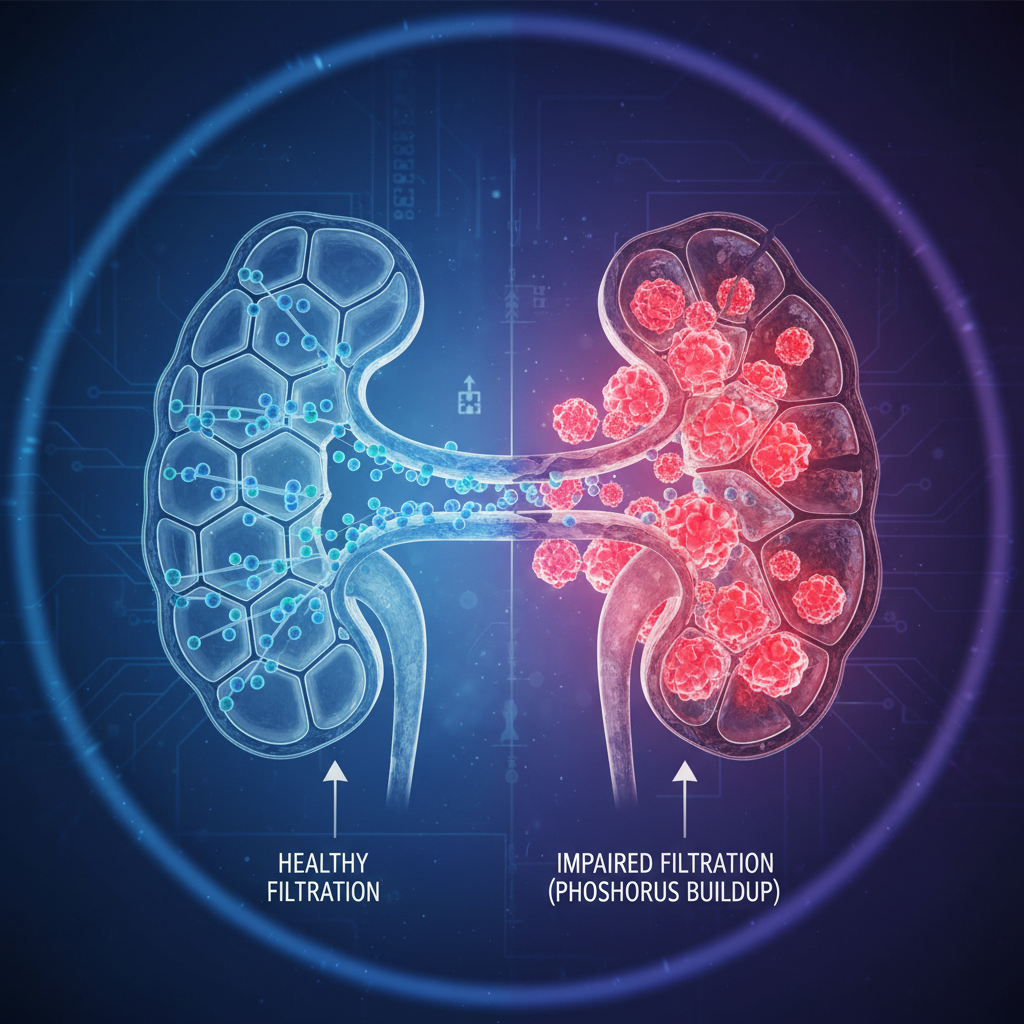
To win this battle, you must understand your enemy. In CKD, the kidneys lose their ability to efficiently filter waste products from the blood. One of the most dangerous of these is phosphorus. Healthy kidneys keep phosphorus levels in check, but failing kidneys allow it to build up, a condition called hyperphosphatemia. This excess phosphorus acts like a poison, accelerating kidney damage, causing mineral loss from bones, and making your dog feel lethargic and sick.
The primary goal of a renal diet is to reduce the workload on the kidneys by strictly limiting phosphorus intake. This isn’t about eliminating it—it’s a necessary mineral—but about precise control. This is where commercial foods often use fillers to lower mineral content, but we can do better with whole foods.
Enemy Ingredients: High-Phosphorus Foods to Avoid
- Organ Meats: Liver, kidney, and heart are packed with nutrients but are extremely high in phosphorus.
- Bones and Bone Meal: A primary source of calcium and phosphorus, these are strictly forbidden.
- Most Fish: Especially sardines, salmon, and other oily fish are phosphorus-dense.
- Dairy Products: Cheese, yogurt, and milk are high in phosphorus.
- Egg Yolks: While egg whites are a fantastic protein source, the yolks contain the majority of the phosphorus.
- Legumes, Nuts, and Seeds: Beans, lentils, and peas are often too high in this mineral for a renal diet.
Our mission is to build recipes using high-quality, bioavailable protein that is low in phosphorus, giving the kidneys the easiest job possible.
The Cost Hack: DIY Kidney Support vs. Prescription Diets
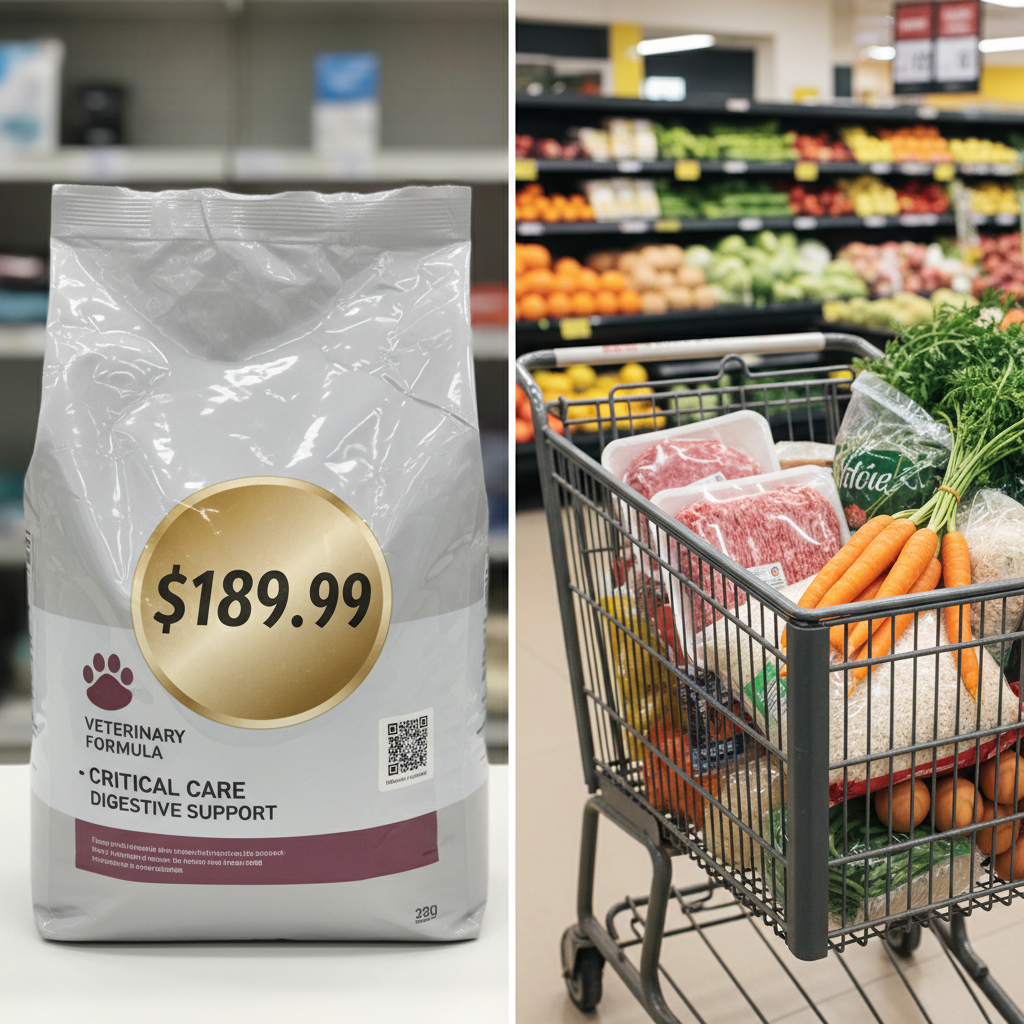
Let’s talk numbers. The convenience of a prescription diet is undeniable, but it comes at a premium price, and a quick scan of the ingredient label can be disheartening. You’ll often find ingredients like corn gluten meal or beet pulp high on the list. When you cook at home, you are the quality control expert. You choose human-grade ingredients for a fraction of the cost.
Here is a direct, no-nonsense comparison for a hypothetical 50lb dog requiring approximately 800 calories per day.
| Feature | Major Prescription Diet (e.g., Hill’s k/d) | Homemade Recipe 1 (Turkey & Sweet Potato) |
|---|---|---|
| Primary Protein Source | Chicken Fat, Pork Liver | Ground Turkey (93% Lean) |
| Notable ‘Filler’ Ingredients | Brewers Rice, Corn Starch, Beet Pulp | None. Every ingredient serves a purpose. |
| Phosphorus Control | Formulated to be low | Naturally low through ingredient selection |
| Approximate Cost Per Day (50lb dog) | $4.50 – $6.00 | $2.75 – $3.50 (Varies by location) |
| Ingredient Control & Palatability | Fixed formula, often less palatable | Total control, highly palatable for picky eaters |
Insider Secret: The massive savings from DIY cooking can be redirected towards essential supplements and more frequent veterinary blood work to monitor your dog’s progress, giving you a much clearer picture of their health than simply hoping a bag of kibble is working.
Essential Safety Protocols: Before You Start Cooking
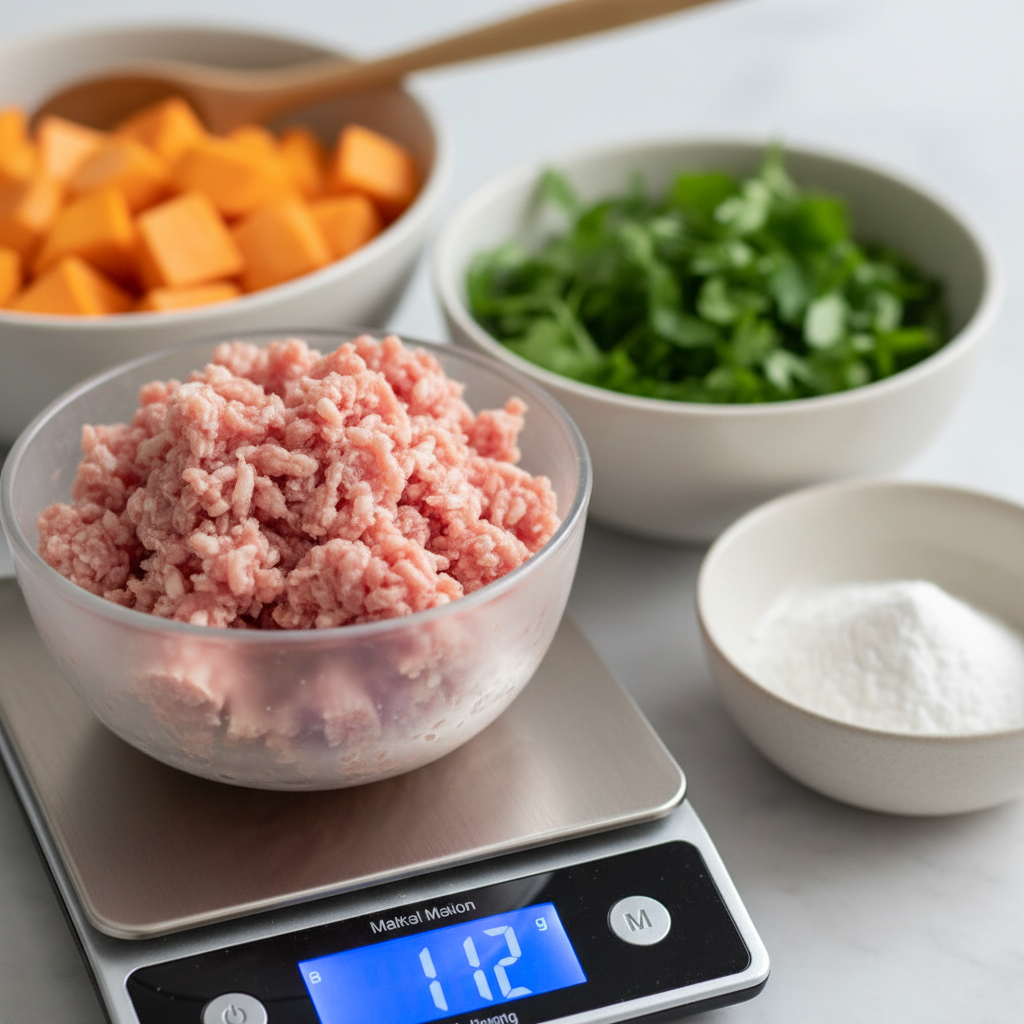
Jumping into homemade diets without a plan is dangerous, especially for a medically compromised dog. These are not suggestions; they are the absolute rules of engagement.
- Your Vet is Your Co-Pilot: You MUST work with your veterinarian or a board-certified veterinary nutritionist. They will analyze your dog’s blood work to determine the precise level of protein, phosphorus, and sodium restriction required. They will also guide you on the necessary supplements.
- Supplements Are Non-Negotiable: A diet of just meat and carbs is dangerously unbalanced. A renal diet has unique needs that go beyond standard multivitamins. Key supplements often include:
- Calcium: Since we can’t use bones, we must add calcium. Plain calcium carbonate or finely ground eggshells (baked for sanitation) are common choices. The goal is to balance the phosphorus in the meat.
- Omega-3 Fatty Acids: Specifically EPA and DHA from a high-quality fish oil (not cod liver oil) have anti-inflammatory properties that can support kidney health.
- B-Vitamins: Damaged kidneys often leak water-soluble B-vitamins, so they need to be replenished.
- Iron: Anemia is common with CKD.
- Phosphorus Binders: In some cases, your vet may prescribe a binder to be mixed with food, which chemically traps phosphorus in the gut to prevent its absorption.
- Measure Everything: Consistency is paramount. Use a digital kitchen scale for accuracy. A little extra meat or a slightly different vegetable can throw the delicate phosphorus balance off.
Hacker Tip: Cook in large batches for the week. Portion out daily meals into separate containers and freeze them. Thaw one or two days’ worth in the refrigerator at a time. This ensures consistency and saves you an immense amount of time.
The Arsenal: 5 Low-Phosphorus Recipes for Kidney Support
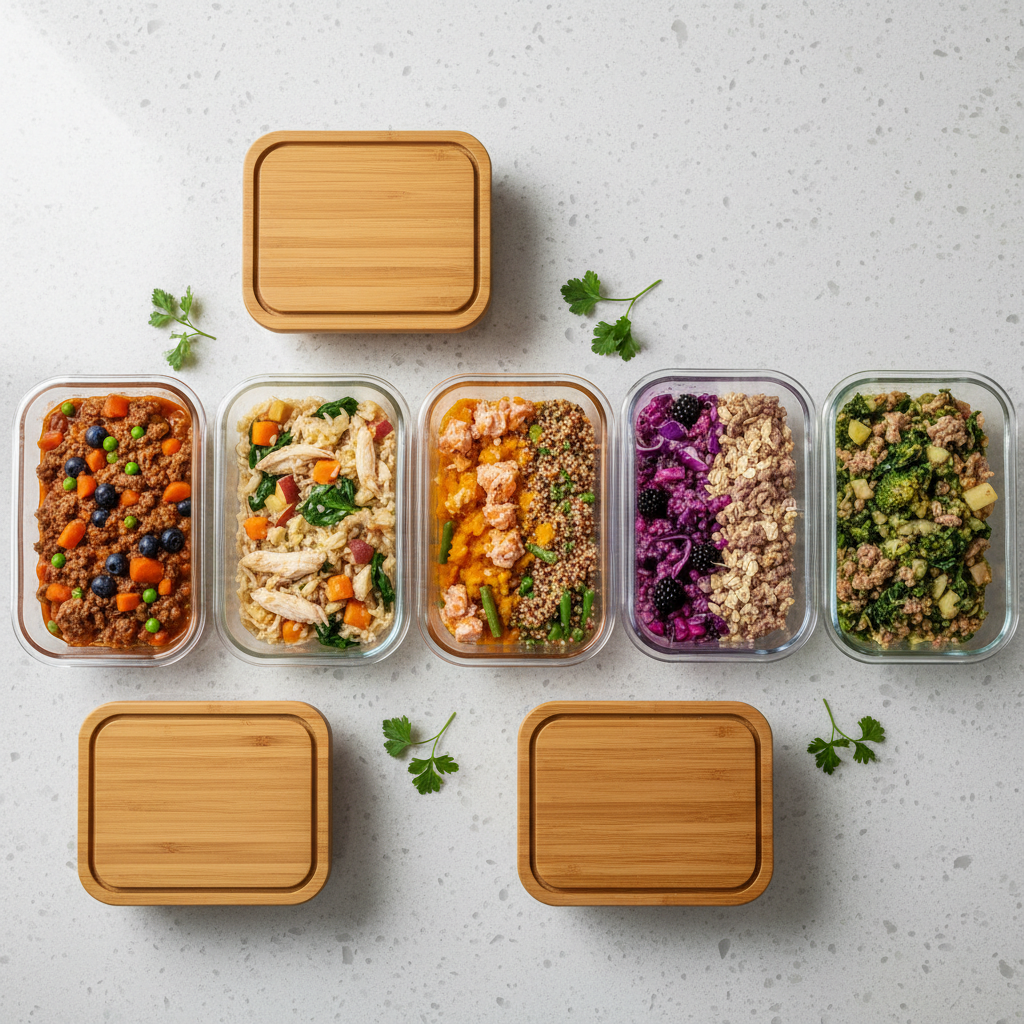
These recipes are foundational templates. The exact amounts should be adjusted based on your dog’s caloric needs and your veterinarian’s specific recommendations for protein and phosphorus levels. All meat should be cooked thoroughly, and vegetables should be cooked until soft for easy digestion. The amounts listed are a starting point for a single day’s food for an approximately 20-25lb dog. Scale up or down as needed.
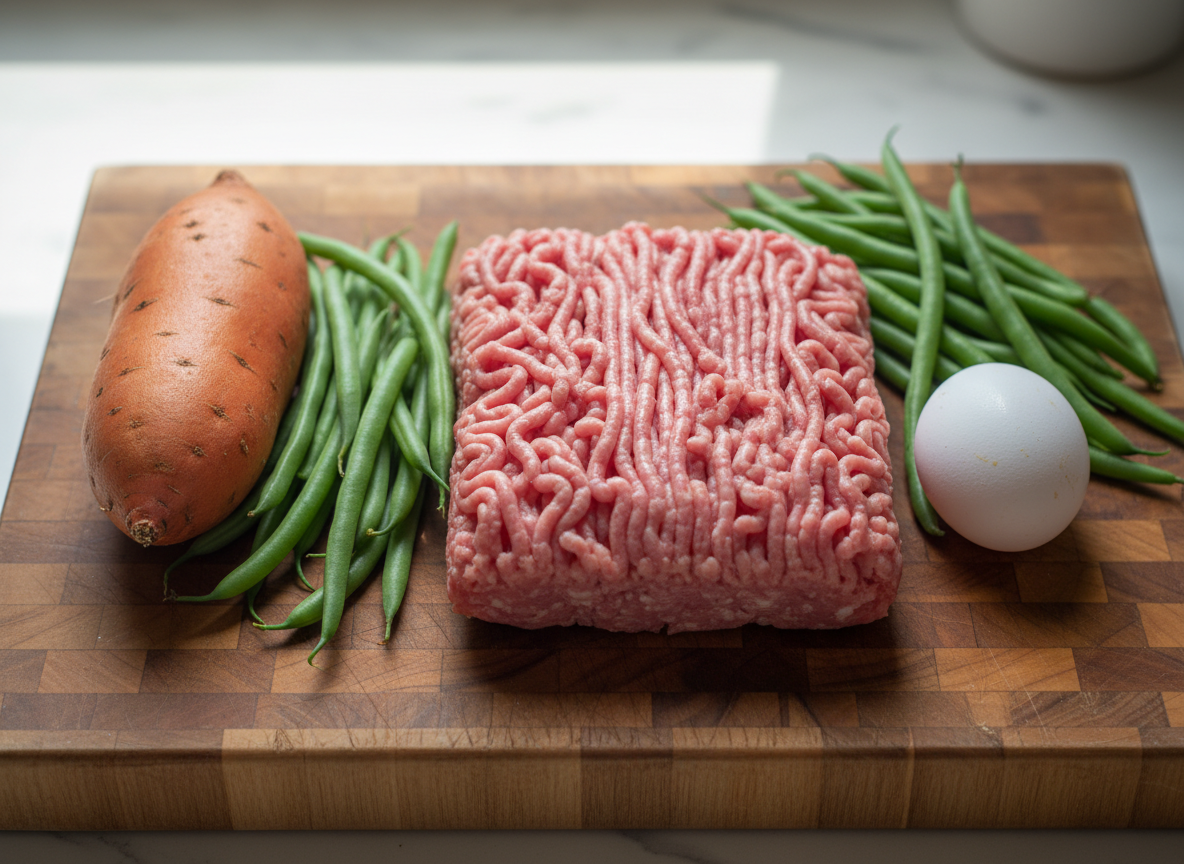
1. The Ground Turkey & Sweet Potato Staple
A highly palatable and balanced starting point. Turkey is a lean, low-phosphorus protein, and sweet potatoes provide fiber and essential vitamins.
- 1/2 lb Ground Turkey (93% lean), cooked
- 1 1/2 cups Sweet Potato, boiled and mashed
- 1/4 cup Green Beans, cooked and chopped
- 1 tsp High-Quality Fish Oil (for Omega-3s)
- Prescribed Calcium and other supplements
- Boil the sweet potato until very tender, then mash.
- In a separate pan, cook the ground turkey until no longer pink. Drain off all fat.
- Steam or boil the green beans until soft, then chop finely.
- Combine all ingredients in a large bowl. Add the fish oil and prescribed supplements, mixing thoroughly.
- Serve once cooled to room temperature.
2. The Lean Beef & White Rice Powerhouse
White rice is used instead of brown rice because it’s lower in phosphorus. This recipe is excellent for maintaining weight.
- 1/2 lb Ground Beef (90-95% lean), cooked and fat drained
- 2 cups White Rice, cooked
- 2 hard-boiled Egg Whites, chopped (no yolk)
- 1/4 cup Carrots, boiled and mashed
- Prescribed Calcium and other supplements
- Cook the white rice according to package directions.
- Brown the ground beef, being sure to drain all rendered fat very well.
- Boil eggs, peel, and separate the whites. Discard yolks and chop the whites.
- Boil and mash the carrots.
- Combine all ingredients and mix in supplements thoroughly.
3. The Egg White & Oatmeal Breakfast Scramble
A great option for dogs with lower protein needs or as a topper for picky eaters. Egg whites are considered the ‘perfect protein’ and are very low in phosphorus.
- 4-5 large Egg Whites, scrambled
- 1 cup Oatmeal, cooked with extra water to be soupy
- 1 tbsp Pumpkin Puree (100% pure pumpkin, not pie filling)
- 1 tsp Fish Oil
- Prescribed Calcium and other supplements
- Cook oatmeal until soft and well-hydrated.
- Scramble egg whites in a non-stick pan without oil or butter.
- Combine the cooked oatmeal, scrambled egg whites, and pumpkin puree.
- Mix in the fish oil and any other prescribed supplements once the mixture has cooled slightly.
4. The Whitefish & Pumpkin Soother
Ideal for dogs with sensitive stomachs. Use only low-phosphorus whitefish.
- 1/2 lb Cod or Tilapia, baked or boiled (no bones)
- 1 1/2 cups Pumpkin Puree (100% pure pumpkin)
- 1/2 cup Green Beans, cooked and chopped
- 1 tsp Fish Oil
- Prescribed Calcium and other supplements
- Bake or boil the fish until it flakes easily. Ensure there are absolutely no bones.
- Steam or boil the green beans until soft.
- Combine the flaked fish, pumpkin puree, and green beans.
- Mix in supplements and fish oil. This recipe will have a very soft consistency.
5. The Chicken Thigh & Zucchini Classic
Using boneless, skinless chicken thighs (with fat trimmed) provides flavor and healthy fats, which are important for energy in a protein-restricted diet.
- 1/2 lb Boneless, Skinless Chicken Thighs, boiled and shredded (trim visible fat)
- 1 1/2 cups White Rice, cooked
- 1/2 cup Zucchini, grated and cooked
- 1 tsp Fish Oil
- Prescribed Calcium and other supplements
- Boil chicken thighs until cooked through. Let cool, shred the meat, and discard the cooking water.
- Cook the white rice.
- Grate the zucchini and lightly cook it (steam or boil) to soften.
- Combine the shredded chicken, rice, and zucchini.
- Mix in the fish oil and prescribed supplements thoroughly.
Lifestyle Support: Water Intake and Vigilant Monitoring

The diet is only one part of a comprehensive kidney support plan. Lifestyle adjustments are just as critical.
Hydration is Everything
Failing kidneys can’t concentrate urine effectively, meaning your dog loses more water and can become dehydrated quickly. Dehydration is extremely dangerous for a dog with CKD.
- Encourage Drinking: Use a pet water fountain, as many dogs are attracted to moving water. Place multiple fresh water bowls throughout the house.
- Add Water to Food: Your homemade food is already moisture-rich, but adding a few tablespoons of warm water to each meal can significantly boost their daily intake.
- Low-Sodium Broth: A small amount of homemade, no-salt-added chicken or beef broth can be used to flavor their water or food, encouraging them to consume more fluids.
You Are the First Line of Defense
You see your dog every day. You are the expert on what is normal for them. Keep a simple daily log (digital or paper) to track:
- Appetite: Are they eating eagerly, or are they hesitant?
- Water Intake: Is the water bowl emptying at a normal rate?
- Urination: Note any changes in frequency, volume, or color.
- Vomiting or Diarrhea: Any gastrointestinal upset should be reported to your vet.
- Weight and Body Condition: Weigh your dog weekly. Unexplained weight loss is a major red flag.
This log will be invaluable to your veterinarian during check-ups. Regular blood work (BUN, creatinine, phosphorus) is the only way to objectively measure how well the diet and treatment plan are working. Do not skip these appointments.
Conclusion
Taking control of your dog’s renal diet is one of the most proactive and loving things you can do in the face of a CKD diagnosis. It transforms you from a passive consumer into an active participant in their healthcare. While it requires dedication, precision, and an unbreakable partnership with your veterinarian, the benefits are profound. You’re not just hacking their diet; you’re providing fresh, high-quality nutrition tailored specifically to their medical needs, potentially saving money and, most importantly, giving them the best possible quality of life. You have the power to make a difference, one carefully measured, homemade meal at a time.