Coprophagia Cure: Dietary Adjustments to Stop Your Dog Eating Poop
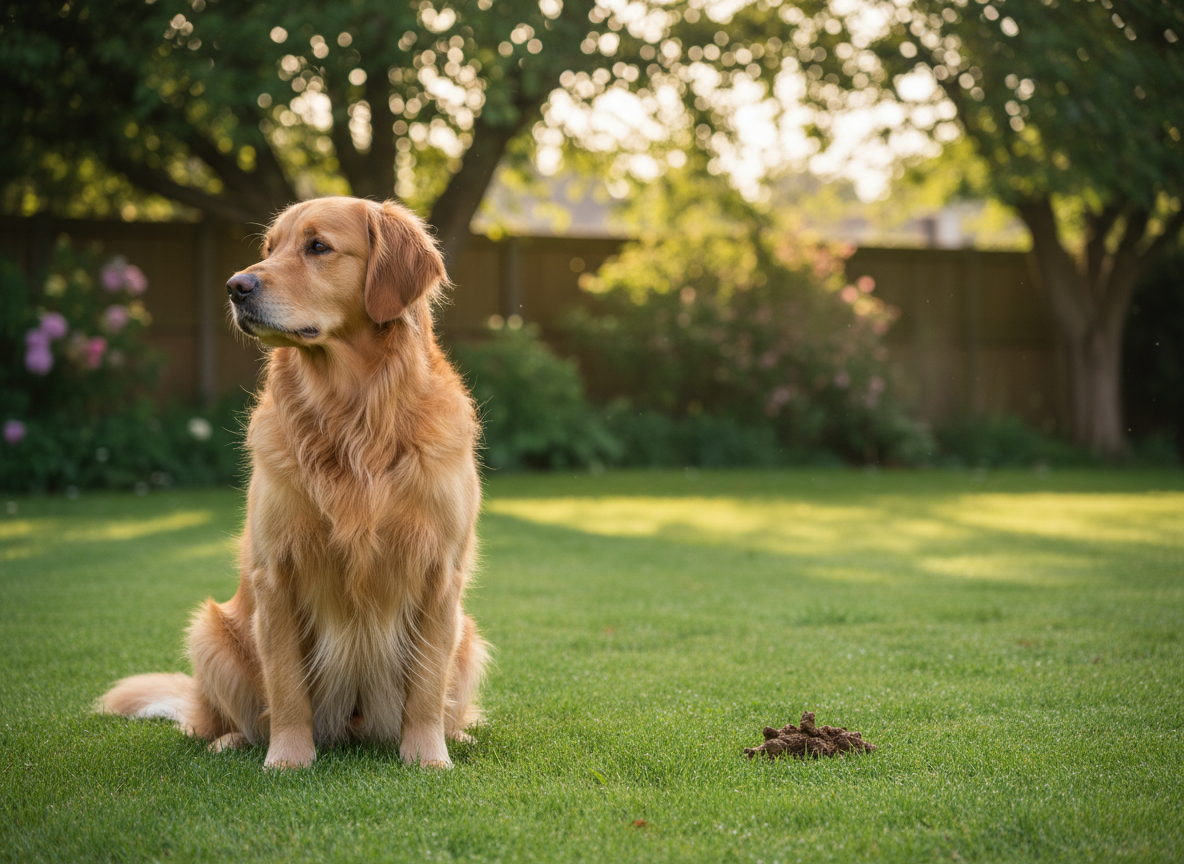
Let’s be blunt: watching your dog eat poop is one of the most disgusting and frustrating behaviors a pet owner can face. It’s a habit that turns stomach, ruins puppy kisses, and leaves you wondering where you went wrong. But I’m here to tell you this isn’t just a ‘bad habit’ or a sign of a ‘bad dog.’ It’s a distress signal. Coprophagia, the clinical term for this behavior, is often a glaring symptom of deep nutritional voids in your dog’s diet. Your dog isn’t doing it to spite you; it’s trying to reclaim nutrients its body is screaming for.
As The Canine Nutrition Hacker, I don’t waste time on gimmicks. I go straight to the source: the food bowl. The commercial pet food industry is rife with slick marketing that masks low-quality, biologically inappropriate ingredients. These ‘fillers’ pass through your dog’s system largely undigested, creating nutrient-deficient animals and, ironically, ‘appealing’ waste. In this guide, we will bypass the marketing fluff and conduct a forensic analysis of your dog’s diet. We will identify the enemy ingredients that trigger this behavior and arm you with an arsenal of ‘hero ingredients’ to eliminate it permanently. This is your first step to reclaiming your dog’s health and your own peace of mind.
MEDICAL DISCLAIMER: I am a canine nutrition analyst, not a veterinarian. The information in this article is for educational purposes and is not a substitute for professional veterinary advice, diagnosis, or treatment. Always seek the advice of your veterinarian with any questions you may have regarding a medical condition or before making any changes to your pet’s diet or health regimen.
Decoding the ‘Why’: The Nutritional Deficiencies Behind Poop Eating
Before you can fix the problem, you have to understand the mechanism. When a dog eats feces, it’s often a desperate attempt at nutritional recycling. The modern canine diet, dominated by highly processed kibble, is a primary culprit. Here’s a breakdown of the nutritional voids and dietary failures that fuel this behavior.
The Poor Digestibility Problem
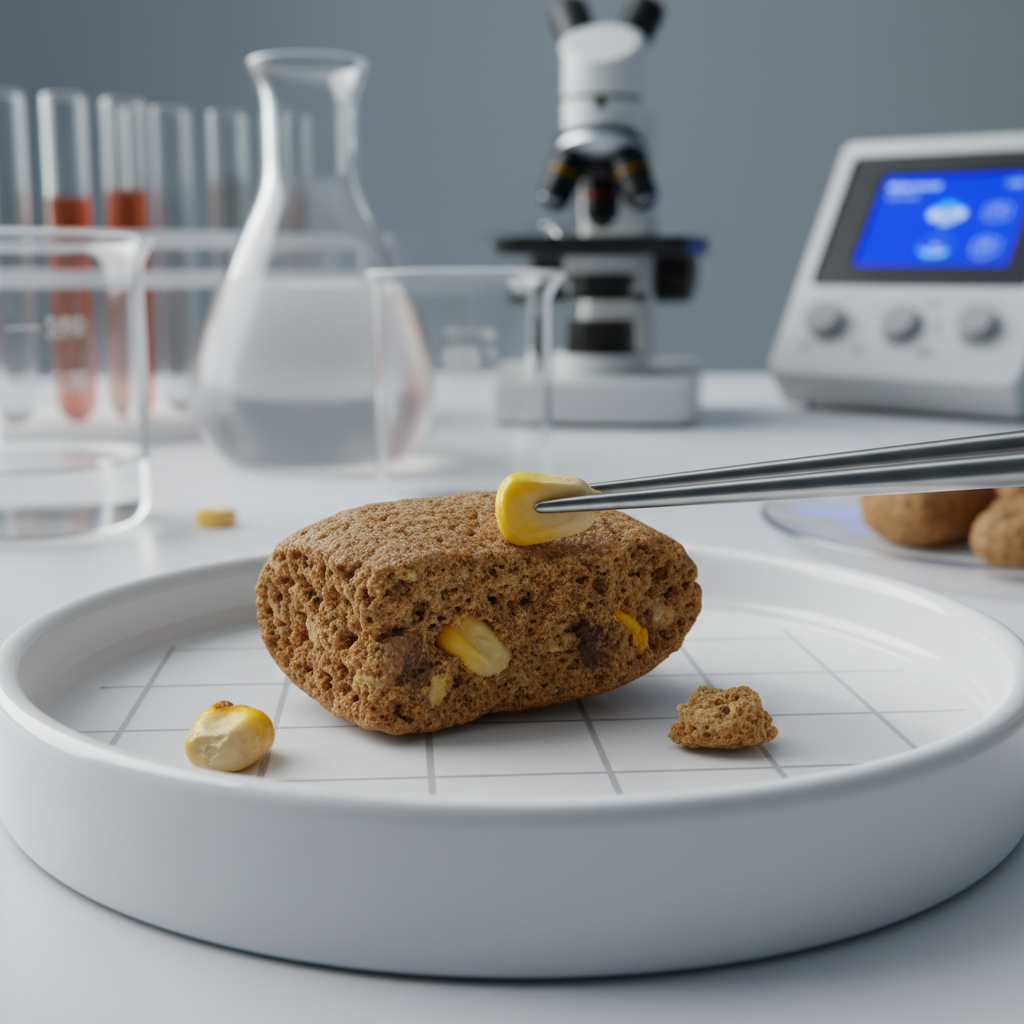
The core issue is often poor protein digestion. Many commercial dog foods are packed with low-cost protein sources and fillers that a dog’s digestive system is not designed to handle efficiently. Ingredients like corn gluten meal, wheat gluten, soy protein concentrate, and generic ‘meat by-products’ are difficult for a dog to break down. When these ingredients pass through the digestive tract undigested, they are expelled in the stool. To your dog, this undigested protein smells like a potential food source, making the feces attractive. Essentially, their current diet is creating a ‘secondhand meal’ that still contains the nutrients they failed to absorb the first time.
Insider Secret
If your dog’s stool volume is excessively large relative to its food intake, it’s a red flag for poor digestibility. A nutrient-dense, high-quality food should result in smaller, firmer, and less frequent stools because more of the food is being absorbed and utilized by the body.
Enzyme and Nutrient Starvation
Highly processed kibble is subjected to extreme heat during manufacturing, a process called extrusion. This heat destroys or severely denatures the naturally occurring digestive enzymes found in raw food ingredients. These enzymes—protease (for protein), amylase (for carbs), and lipase (for fats)—are critical for breaking down food and absorbing nutrients. Without them, digestion is inefficient. Your dog may be instinctually driven to eat the stool of other animals (or their own) in an attempt to ingest these missing enzymes and unlock the nutrients in their food. Furthermore, crucial vitamins, particularly B-complex vitamins, are often degraded by processing. A deficiency in Vitamin B1 (Thiamine), for example, has been anecdotally linked to coprophagia.
Malabsorption and Chronic Underfeeding
Sometimes the issue isn’t the quality of the food but an underlying medical condition preventing nutrient absorption. Conditions like Exocrine Pancreatic Insufficiency (EPI), Inflammatory Bowel Disease (IBD), or intestinal parasites can lead to malabsorption. The dog eats, but its body can’t pull the nutrients from the food, leading to a state of constant hunger and a search for any available source of nutrition—including stool. On a simpler note, some owners may inadvertently be underfeeding their dogs, especially highly active or working breeds. A perpetually hungry dog will scavenge, and feces are a readily available option. It’s crucial to ensure your dog’s caloric intake matches their energy expenditure, a factor often miscalculated by generic feeding guides on the bag.
The Dietary Fix: Your Arsenal of Hero Ingredients and Supplements
Now that we’ve identified the enemy, let’s build your defense. Curing coprophagia from the inside out requires a strategic deployment of highly digestible foods and targeted supplements. This is about upgrading your dog’s nutritional intake so their body is fully satiated and no longer needs to scavenge.
Hero Ingredient #1: Highly Digestible, Named Animal Proteins
Ditch the mystery meats. The foundation of an anti-coprophagia diet is high-quality, easily digestible protein. When you read the label, you want to see specific, named sources at the top of the list. Look for terms like ‘Deboned Chicken,’ ‘Lamb Meal,’ ‘Beef,’ or ‘Salmon.’ ‘Meal’ (e.g., ‘Chicken Meal’) is a concentrated protein source and is an excellent ingredient. Avoid vague terms like ‘Meat and Bone Meal’ or ‘Animal By-Product Meal,’ which can be a mix of low-quality, less digestible sources.
Hero Ingredient #2: Digestive Enzymes and Probiotics
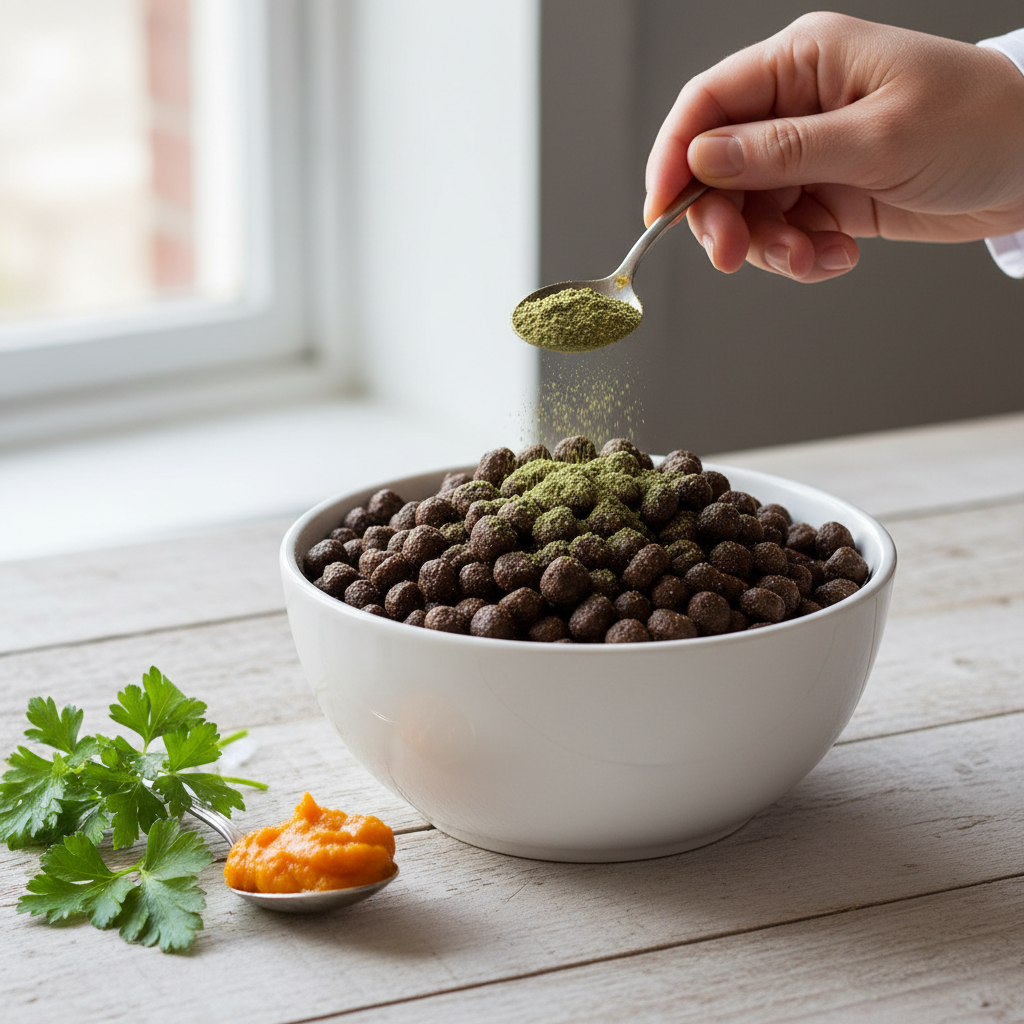
This is your primary weapon against poor digestion. Since processed foods are enzyme-deficient, you must add them back in. A high-quality digestive enzyme supplement for dogs will contain a blend of protease, amylase, lipase, and cellulase. This supercharges their digestive system, ensuring they break down and absorb the maximum amount of nutrients from their food. Pair this with a potent probiotic. Probiotics populate the gut with beneficial bacteria, which aids digestion, improves nutrient absorption, and supports overall immune health. A healthy gut microbiome is directly linked to better health and can even influence behavior.
Hacker Tip
You don’t always need a separate supplement. Fermented foods like plain kefir or goat’s milk can be a great source of natural probiotics. Start with a small amount (e.g., a teaspoon for a small dog) to ensure they tolerate it well.
Hero Ingredient #3: Fiber and Micronutrients
Sometimes, the texture and nutrient profile of the stool itself can be altered. Adding a source of healthy fiber can support digestive regularity. Pure canned pumpkin (NOT pumpkin pie filling) is an excellent choice. For a micronutrient boost to address potential deficiencies, consider adding a small amount of nutritional yeast for B-vitamins or a dash of kelp powder for essential trace minerals.
Commercial Stool-Eating Deterrents
While fixing the diet is the primary goal, some owners need an immediate intervention. Products containing ingredients like Monosodium Glutamate (MSG), yucca schidigera, or chamomile are designed to be fed to the dog, passing through their system and making the resulting stool taste extremely bitter and unpleasant. These are not a long-term cure but can be an effective tool to break the cycle while you implement the necessary dietary changes. Think of them as a behavioral bridge to a permanent nutritional solution.
The Label Doesn’t Lie: Choosing a Coprophagia-Busting Commercial Food
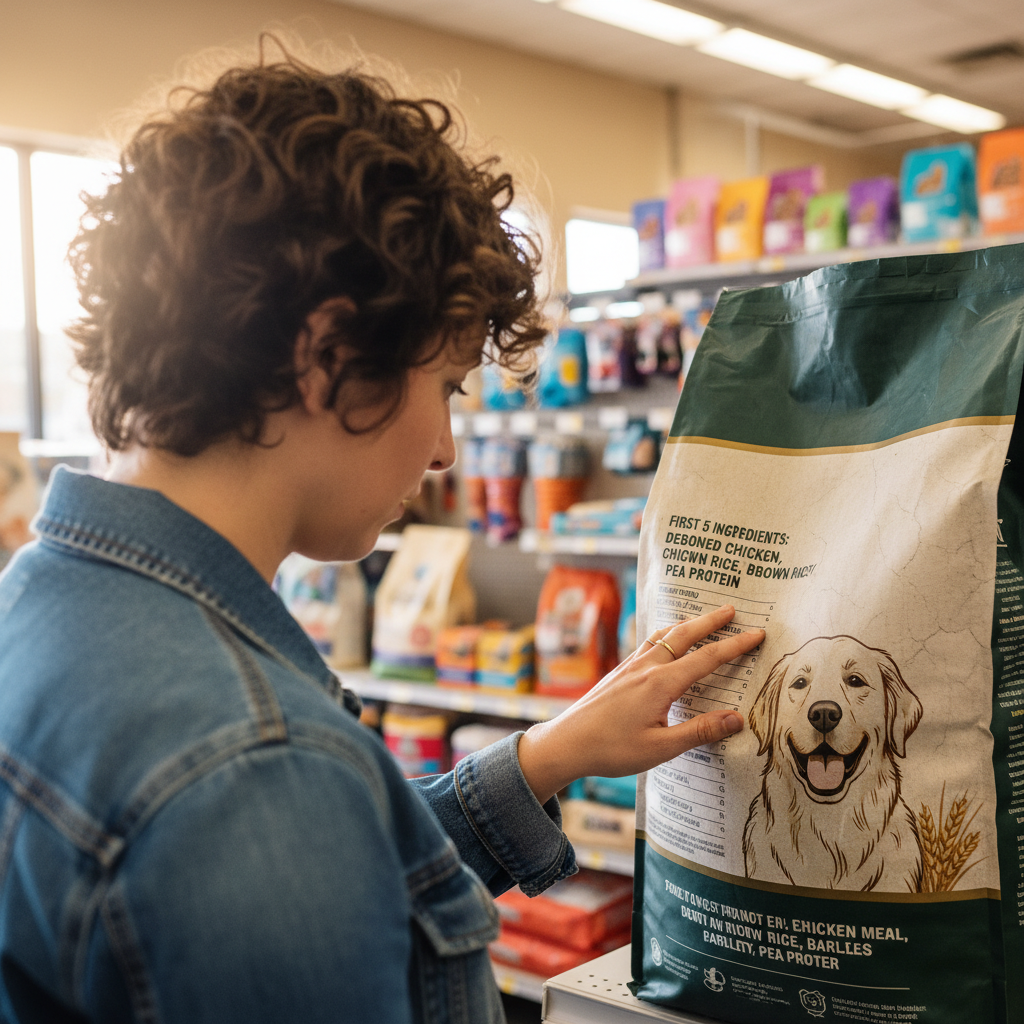
Navigating the pet food aisle is a masterclass in deciphering marketing jargon. To truly solve coprophagia, you must become a forensic label analyst. The truth of a food’s quality is not on the front of the bag with pictures of happy dogs and fresh vegetables; it’s in the fine print of the ingredient panel and guaranteed analysis.
The ‘First 5 Ingredients’ Truth
The first five ingredients make up the bulk of the food. This is where your focus should be. Let’s compare a low-quality formula with a high-quality one:
- Low-Quality Example: Ground Yellow Corn, Chicken By-Product Meal, Corn Gluten Meal, Soybean Meal, Animal Fat Preserved with Mixed-Tocopherols.
- Forensic Analysis: This is a nutritional nightmare. The first ingredient is a cheap filler. The protein comes from an unnamed, low-grade by-product meal, followed by two more filler ingredients. This is a recipe for poor digestibility and a prime trigger for coprophagia.
- High-Quality Example: Deboned Salmon, Menhaden Fish Meal, Peas, Lentils, Canola Oil.
- Forensic Analysis: This is what you want to see. Two specific, high-quality animal protein sources lead the list. They are followed by digestible carbohydrates. This formula is built for nutrient absorption.
Your mission is to find a food where the first two or three ingredients are named animal proteins. This is the single most effective change you can make.
Comparing Food Philosophies for Digestive Health
Instead of recommending specific brands, which can vary, let’s analyze the types of food best suited to combat this issue. Your choice will depend on your dog’s specific needs and your budget.
| Food Philosophy | Key Benefit for Coprophagia | Potential Drawback | Price Tier |
|---|---|---|---|
| High-Protein, Grain-Free Kibble | High concentration of digestible animal protein, mimics an ancestral diet, often lower in common allergens and fillers. | Can be calorie-dense, may not be suitable for all dogs (e.g., those with specific kidney issues). | $$ – $$$ |
| Limited Ingredient Diet (LID) | Uses a single novel protein (like duck or venison) and a single carb source. Excellent for identifying food sensitivities that can cause poor digestion. | Less variety in micronutrients, may require rotation with other foods over the long term. | $$ – $$$ |
| Fresh / Gently Cooked Food | Highest digestibility as ingredients are whole and minimally processed. Retains natural enzymes and nutrients. Often highly palatable. | Requires refrigeration/freezing. Significantly more expensive than kibble. Short shelf life. | $$$$ |
| Raw Diet (Commercial or DIY) | Biologically appropriate, contains live enzymes, and is extremely digestible. Often results in very small, non-odorous stools. | Risk of bacterial contamination (for humans and pets), requires careful handling and balancing to be nutritionally complete. | $$$ – $$$$ |
Beyond the Bowl: Critical Environmental and Behavioral Management
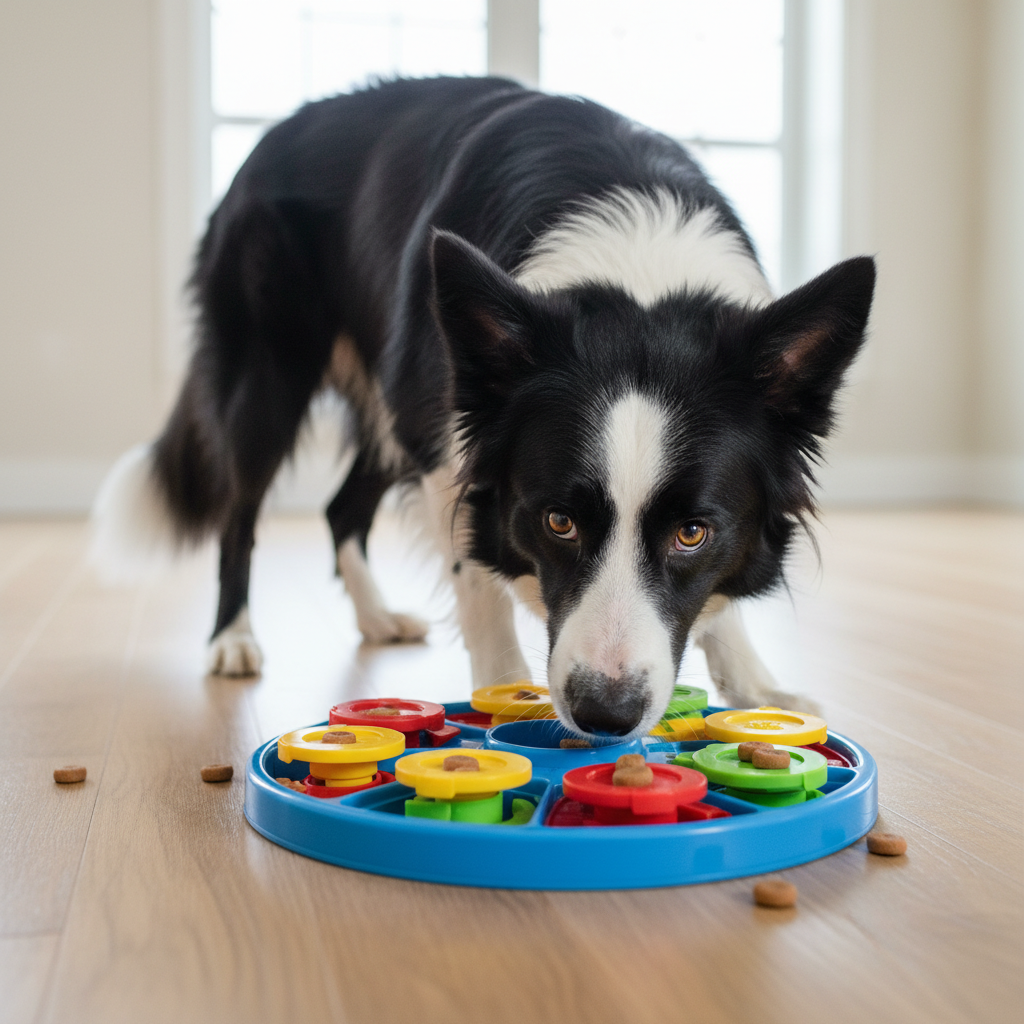
While diet is the foundation of a coprophagia cure, you must also manage your dog’s environment and behavior to fully break the habit. An ounce of prevention is worth a pound of cure, and in this case, that means immediate and consistent management.
The Most Important Command: ‘Leave It’
A rock-solid ‘leave it’ command is non-negotiable. This command teaches your dog to disengage from a forbidden object (in this case, stool) on cue. Practice this daily in low-stakes situations with treats or toys, gradually increasing the difficulty. When you’re in the yard, you can then use this command the moment you see your dog showing interest in feces. A successful ‘leave it’ should be rewarded with a very high-value treat—something far more appealing than the poop.
Immediate Yard Hygiene
This is the simplest yet most effective management technique: remove the temptation. Supervise all potty breaks and pick up stool the second it hits the ground. If there is nothing there to eat, the behavior cannot be reinforced. For owners with large yards or multiple dogs, this can be a chore, but it is the most critical step in breaking the physical habit while the dietary changes take effect. A clean environment prevents the cycle of self-reinforcement.
Enrichment and Stress Reduction
Sometimes, coprophagia can be a displaced behavior stemming from boredom, anxiety, or stress. A dog left alone in a yard for hours with nothing to do may resort to this behavior out of sheer lack of stimulation. Increase their mental and physical exercise.
- Mental Stimulation: Use puzzle toys, snuffle mats, and food-dispensing toys to feed them their meals. This forces them to work for their food and engages their brain.
- Physical Exercise: Ensure they are getting enough structured exercise like walks, runs, or games of fetch. A tired dog is a well-behaved dog.
- Training: Short, positive training sessions throughout the day can build confidence and reduce anxiety.
Rule Out Underlying Medical Conditions
Finally, and most importantly, you must work with your veterinarian. Before you assume the problem is purely dietary or behavioral, your vet needs to run tests to rule out serious underlying conditions. Parasites like giardia or coccidia, and metabolic conditions like Cushing’s disease or EPI, can all cause malabsorption and lead to coprophagia. A fecal test and a senior blood panel can provide crucial information and ensure you’re treating the correct problem.
Conclusion
Curing coprophagia is not about finding a magical powder to sprinkle on your dog’s food. It’s about a fundamental shift in your approach to their nutrition. This disgusting habit is a symptom of a biological system that is out of balance. By addressing the root cause—a diet lacking in high-quality, digestible nutrients—you can solve the problem permanently. Stop looking at your dog as the problem and start looking at their food bowl. Become a forensic investigator of that ingredient label. Prioritize named animal proteins, supplement with the digestive aids their processed food lacks, and manage their environment to break the cycle.
You are your dog’s sole provider and greatest advocate. By hacking their diet and providing them with the biologically appropriate nutrition they were designed to eat, you not only eliminate this frustrating behavior but also unlock a new level of health and vitality. Start today: turn over that bag of dog food and let the label tell you the truth. Your dog, and your sanity, will thank you for it.