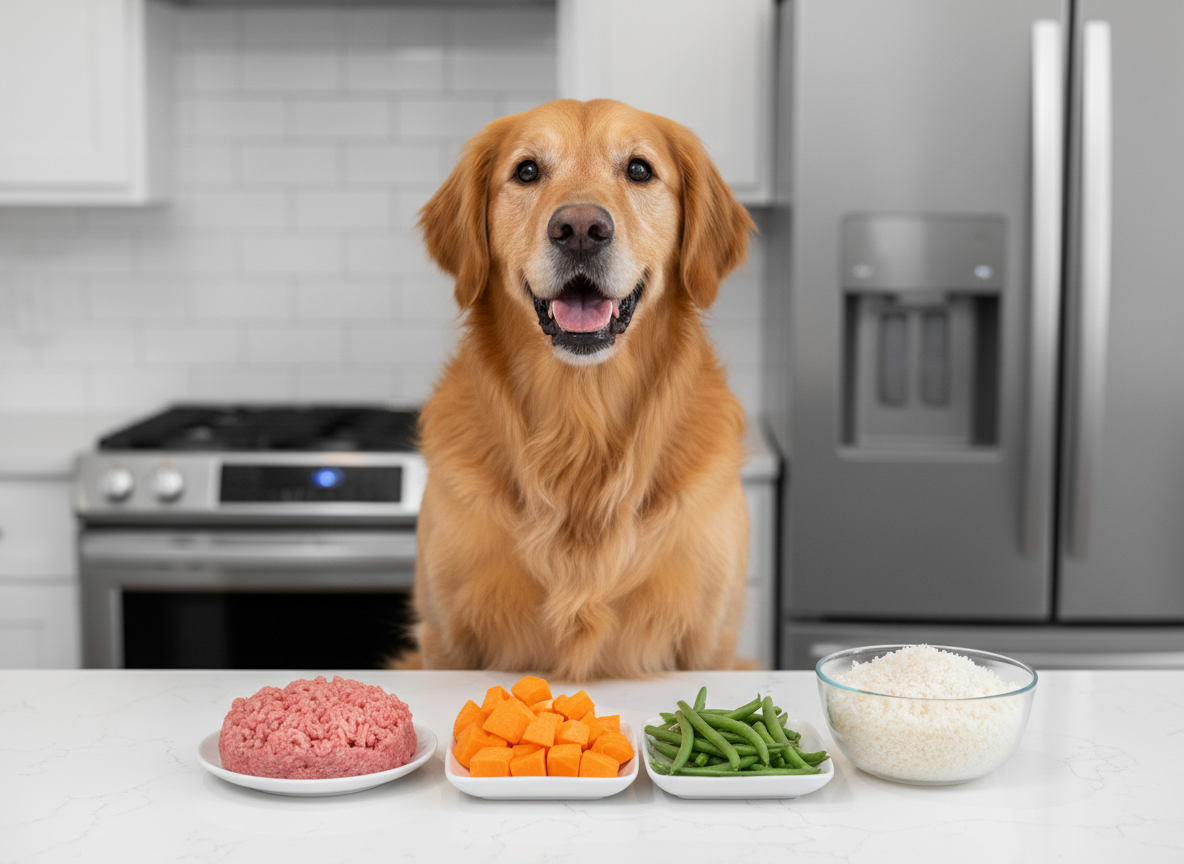
Low Iodine Dog Food Recipes for Hyperthyroid Support
Receiving a hyperthyroidism diagnosis for your dog can be unsettling. This condition, caused by an overactive thyroid gland producing excess hormones, can lead to weight loss, increased appetite, and heart issues. While medication is a common treatment, nutritional management is a powerful, non-invasive tool that can work in tandem with veterinary care to regulate the condition. The secret lies in controlling one specific element: iodine.
Iodine is the essential fuel for thyroid hormone production. By strategically limiting your dog’s iodine intake, you can effectively starve the overactive thyroid, helping to normalize hormone levels. This guide is your blueprint for taking back control. We will dissect the science, identify enemy and hero ingredients, and provide you with precise, safe, homemade low-iodine recipes. This is not about generic advice; this is about becoming a nutrition hacker for your dog’s specific needs.
CRITICAL MEDICAL DISCLAIMER: The information and recipes in this article are for educational purposes only and are not a substitute for professional veterinary advice. Canine hyperthyroidism is a serious medical condition that requires a proper diagnosis and treatment plan from a licensed veterinarian. Before making any changes to your dog’s diet, especially for a medical condition, you MUST consult with your veterinarian or a board-certified veterinary nutritionist.
The Thyroid Battlefield: Why Iodine is the Key Target
To effectively manage hyperthyroidism, you must first understand the enemy. Your dog’s thyroid gland is like a factory that produces hormones (T3 and T4) essential for metabolism. In hyperthyroidism, this factory is in overdrive. The primary raw material it uses to create these hormones is iodine. If you cut off the supply of this raw material, the factory’s production slows down. It’s a simple, yet profoundly effective, biological hack.
The challenge is that iodine is hidden in many common dog food ingredients, often in unpredictable amounts. Commercial processing and ingredient sourcing can lead to massive variations. This is why a controlled, homemade diet offers unparalleled precision.
Enemy Ingredients: High-Iodine Foods to Eliminate
These ingredients are strictly off-limits. Even small amounts can sabotage your efforts and disrupt thyroid regulation. Scrutinize every label and banish these from your dog’s bowl:
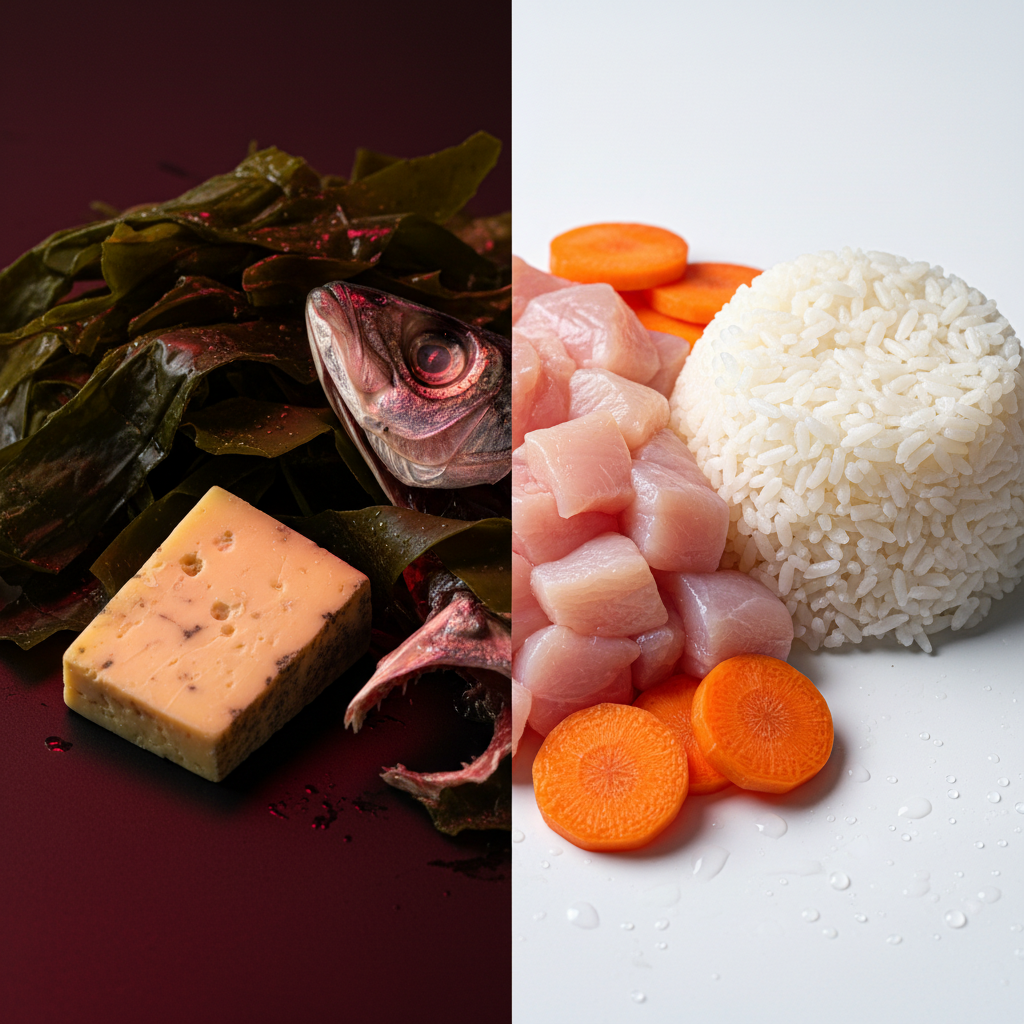
- All Seafood & Sea Products: This includes fish (like salmon, tuna, whitefish), fish oil, shellfish, and especially sea vegetables like kelp and seaweed, which are extremely high in iodine.
- Dairy Products: Milk, cheese, and yogurt contain significant levels of iodine.
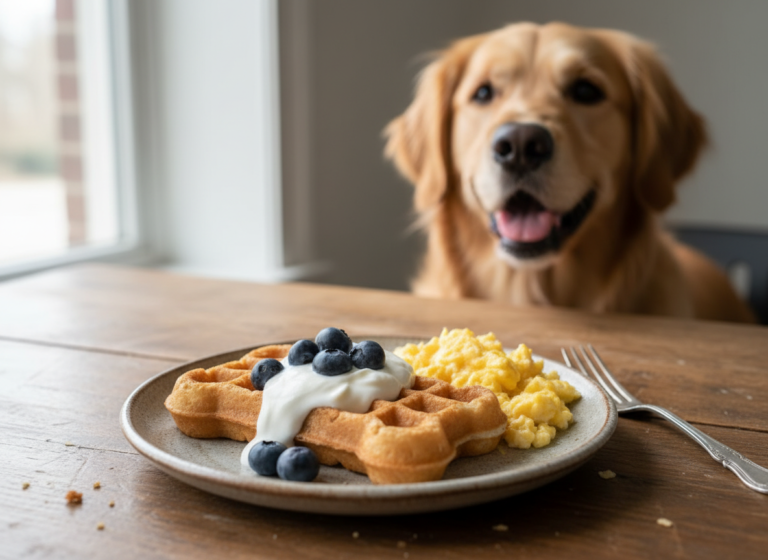
- Egg Yolks: While egg whites are a safe source of protein, the yolk is a concentrated source of iodine.
- Iodized Salt: This is a major contributor. You must use non-iodized salt if any is required, but it’s often best to omit it entirely.
- Certain Breads and Grains: Commercial bread products may contain iodate dough conditioners. Stick to plain, cooked grains like white rice.
- Many Commercial Treats & Supplements: Most over-the-counter treats and multivitamins are not formulated for iodine restriction and can contain hidden sources. All treats and supplements must be approved by your vet.
Hero Ingredients: Your Low-Iodine Arsenal
These are the safe, foundational components of your new dietary strategy. Focus on these whole foods to build your dog’s meals:
- Select Proteins: Ground turkey, chicken breast, lean ground beef, and egg whites are excellent low-iodine protein sources. Ensure they are cooked without iodized salt or broths containing it.
- Approved Vegetables: Sweet potatoes, green beans, carrots, peas, and pumpkin are generally low in iodine and provide essential vitamins and fiber.
- Simple Carbohydrates: Plain, well-cooked white rice is the gold standard as it’s low in iodine and highly digestible. Oatmeal is another suitable option.
- Healthy Fats: Safflower oil or canola oil can be used in small amounts for essential fatty acids, as they are typically low in iodine.
The Safe Chef Guide: Your Step-by-Step Protocol
Transitioning to a homemade diet for a medical condition is a serious undertaking that demands precision. You are not just cooking a meal; you are preparing a therapeutic diet. Follow this protocol without deviation.
Step 1: The Veterinary Partnership
This is non-negotiable. Before you buy a single ingredient, have a detailed discussion with your veterinarian. They will confirm the diagnosis and determine if a low-iodine diet is the appropriate course of action. They must also guide you on the specific supplements needed to make the diet complete and balanced. An unbalanced homemade diet can lead to severe nutritional deficiencies.
Step 2: Sourcing and Supplementation
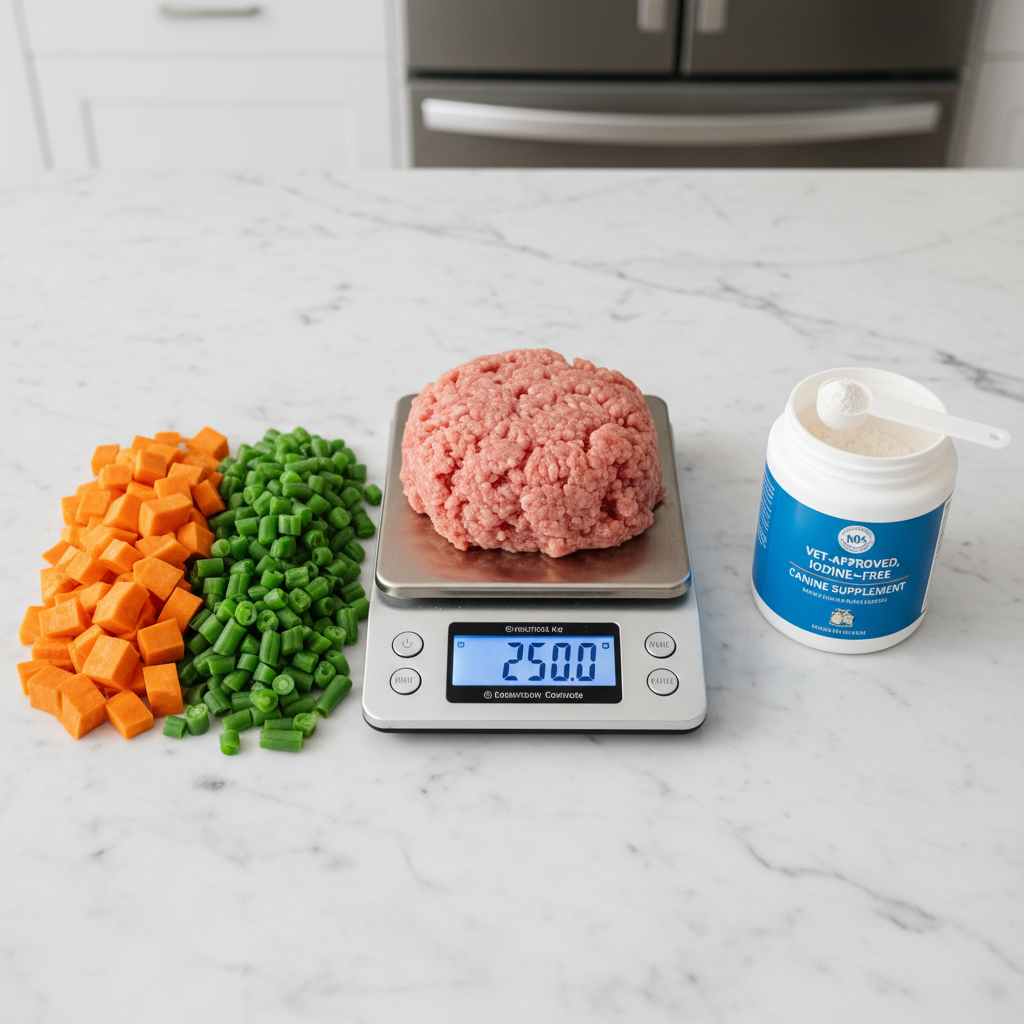
Your vet will recommend a specific vitamin and mineral supplement that is free of iodine. This is crucial for providing nutrients like calcium, zinc, and B vitamins without adding iodine. You cannot skip this. You will also need to source high-quality, fresh ingredients and avoid anything with added broths, seasonings, or iodized salt.
Hacker Tip: Use distilled water for both cooking and your dog’s drinking water. The iodine content in tap water can vary significantly by region. Using distilled water eliminates this variable, giving you absolute control over your dog’s iodine intake.
Step 3: Kitchen Sanctity and Preparation
Dedicate specific cutting boards, utensils, and storage containers for your dog’s food to prevent cross-contamination with high-iodine foods from your own kitchen. A digital kitchen scale is mandatory for accurate portioning of ingredients and supplements. Precision is your greatest ally.
Recipe 1: The Ground Turkey & Sweet Potato Foundation
This recipe is a balanced starting point, designed to be palatable and nutritionally effective. The amounts below are for a single batch, which you can then portion according to your dog’s weight and your vet’s calorie recommendations.
Ingredients (makes approximately 4 cups):
- 1 lb (454g) 93% lean ground turkey
- 1.5 cups (approx. 280g) sweet potato, peeled and diced into ½-inch cubes
- 1 cup (approx. 125g) fresh or frozen green beans, chopped
- 1 cup (approx. 185g) uncooked white rice, rinsed
- 2 cups distilled water (for cooking rice)
- 1 tablespoon safflower oil
- Veterinarian-prescribed iodine-free vitamin/mineral supplement (dosage as per vet’s instructions)
Instructions:
- Cook the Rice: In a medium saucepan, bring 2 cups of distilled water to a boil. Add the rinsed white rice, reduce heat to low, cover, and simmer for 15-20 minutes, or until all water is absorbed. Fluff with a fork.
- Cook the Protein: In a large skillet or pot, cook the ground turkey over medium heat until browned, breaking it up with a spoon. Drain off any excess fat.
- Steam the Vegetables: While the turkey cooks, steam the diced sweet potato and green beans until tender (approx. 10-12 minutes). You can also boil them in distilled water.
- Combine: In a large bowl, combine the cooked turkey, cooked rice, and steamed vegetables. Add the safflower oil and mix thoroughly.
- Cool Completely: Allow the mixture to cool to room temperature. This is a critical step, as heat can degrade some nutrients in the supplement.
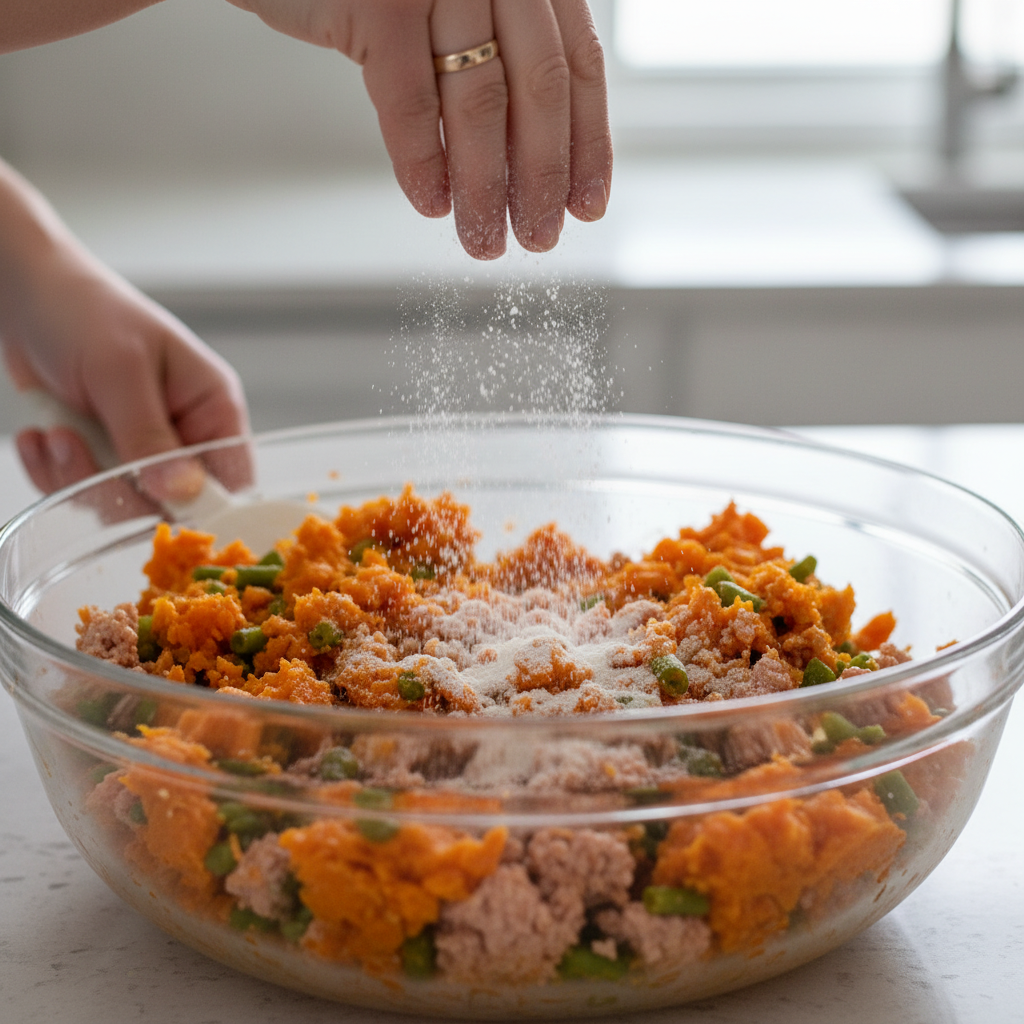
- Add Supplements: Once cool, add the prescribed amount of your vet-approved supplement and mix until it is evenly distributed throughout the food.
Batch Cooking Tip: Triple the recipe and cook a large batch for the week. Once cooled, portion the food into daily servings in airtight, freezer-safe containers. Thaw one day’s portion in the refrigerator overnight before serving.
Cost Analysis: DIY vs. Prescription Diets
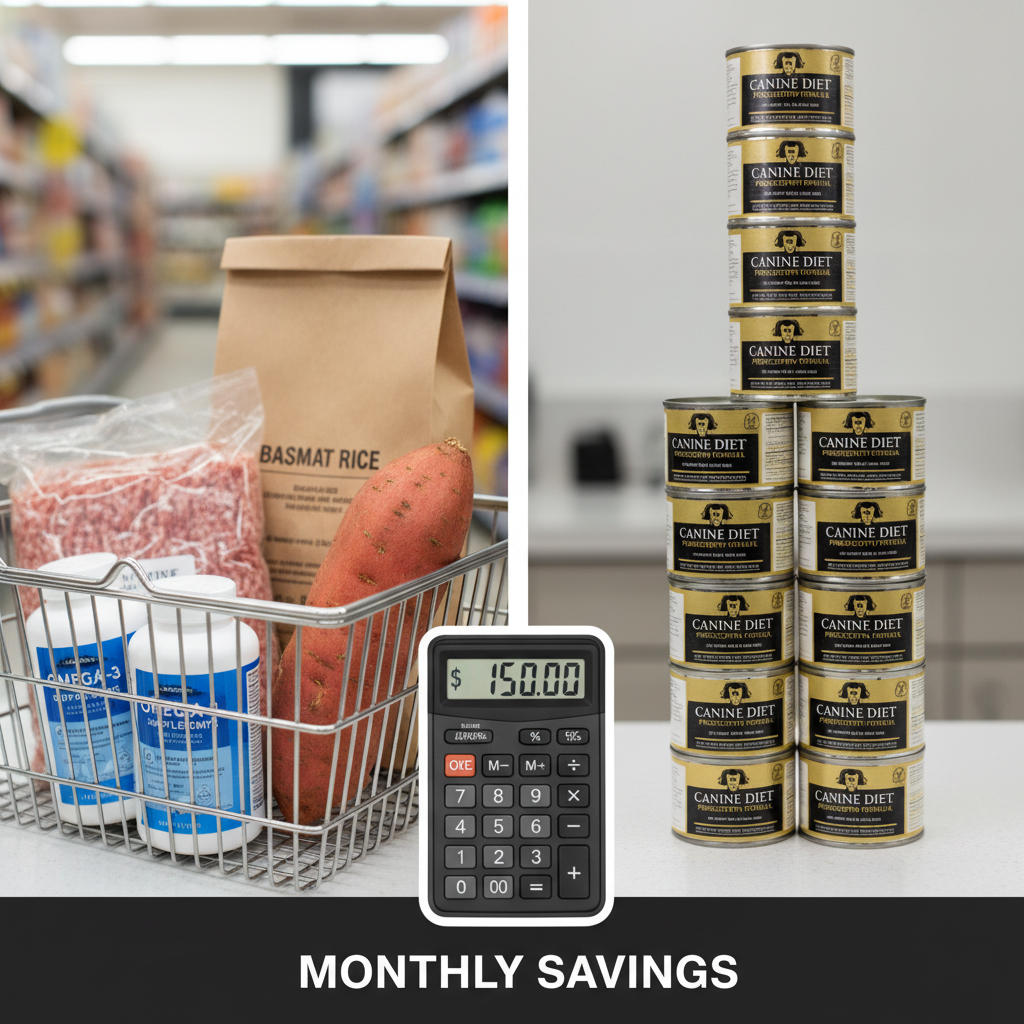
One of the primary advantages of a homemade diet, beyond ingredient control, is the potential for significant cost savings. Veterinary prescription diets are highly effective but come with a premium price tag. Let’s break down the real-world costs for a hypothetical 40lb dog requiring approximately 800 calories per day.
The analysis below compares our DIY Ground Turkey recipe against a leading canned prescription diet for thyroid care. Prices are estimates and will vary based on your location and retailer.
| Expense Category | DIY Homemade Diet | Prescription Diet (e.g., Hill’s y/d) | Verdict |
|---|---|---|---|
| Protein (Ground Turkey) | ~$5.00 per lb | N/A (Included in can price) | DIY is cost-effective per unit. |
| Carbs/Veggies (Rice, Sweet Potato) | ~$2.50 per batch | N/A (Included in can price) | Whole ingredients are cheaper. |
| Supplements | ~$0.50 per day | N/A (Included in can price) | An essential added cost for DIY. |
| Approx. Cost Per Day (40lb dog) | ~$3.75 per day | ~$7.50 per day (approx. 2 cans) | Significant Savings with DIY |
| Approx. Monthly Cost | ~$112.50 | ~$225.00 | Potential to save over $100/month. |
| Primary Benefit | Total ingredient control & cost savings. | Convenience & proven formulation. | Choice depends on priority. |
As the table clearly shows, preparing a therapeutic diet at home can cut your monthly food bill in half. While it requires an investment of time, the financial savings and the peace of mind that comes from knowing exactly what is in your dog’s bowl are powerful motivators.
The Feedback Loop: Monitoring and Long-Term Success

A low-iodine diet is a dynamic, long-term strategy, not a one-time fix. Success depends on strict adherence and a continuous feedback loop with your veterinarian.
The Importance of Regular Check-ups
Your vet will need to perform regular blood tests to monitor your dog’s thyroid hormone levels (specifically, the Total T4). These tests are the only way to know if the diet is working effectively. Based on the results, your vet may recommend slight adjustments to the diet or other aspects of the treatment plan. Expect to have these check-ups every few months initially, and then perhaps every six months once your dog is stable.
Observing Physical and Behavioral Changes
You are on the front lines of observation. Keep a journal and track key metrics:
- Weight: Is your dog regaining lost weight in a healthy manner?
- Appetite & Thirst: Are their previously ravenous appetite and excessive thirst normalizing?
- Energy Levels: Is your dog showing improved energy and a better mood?
- Coat Condition: Is their coat becoming healthier and less brittle?
These physical signs provide valuable data to share with your veterinarian.
Zero-Tolerance for Dietary Cheating
This is the most critical rule for long-term success. There can be no exceptions. One high-iodine commercial treat, a lick of cheese, or a scrap of fish from the table can provide enough iodine to counteract the diet and throw their hormone levels out of balance. You must educate your entire family, friends, and any pet sitters on the absolute strictness of this diet. All treats must be low-iodine and vet-approved (e.g., pieces of carrot or cooked chicken breast).
Conclusion
Managing canine hyperthyroidism through a homemade low-iodine diet is a powerful demonstration of a pet owner’s dedication. It requires precision, commitment, and an unbreakable partnership with your veterinarian. By taking on the role of your dog’s personal chef and nutrition hacker, you gain absolute control over the single most important factor in their treatment: iodine intake. The benefits—improved health for your dog and significant long-term cost savings for you—are substantial. This is not just about feeding your dog; it’s about actively participating in their recovery and ensuring their golden years are as healthy and vibrant as possible. Take this knowledge, consult your vet, and start the journey to reclaiming your dog’s health today.