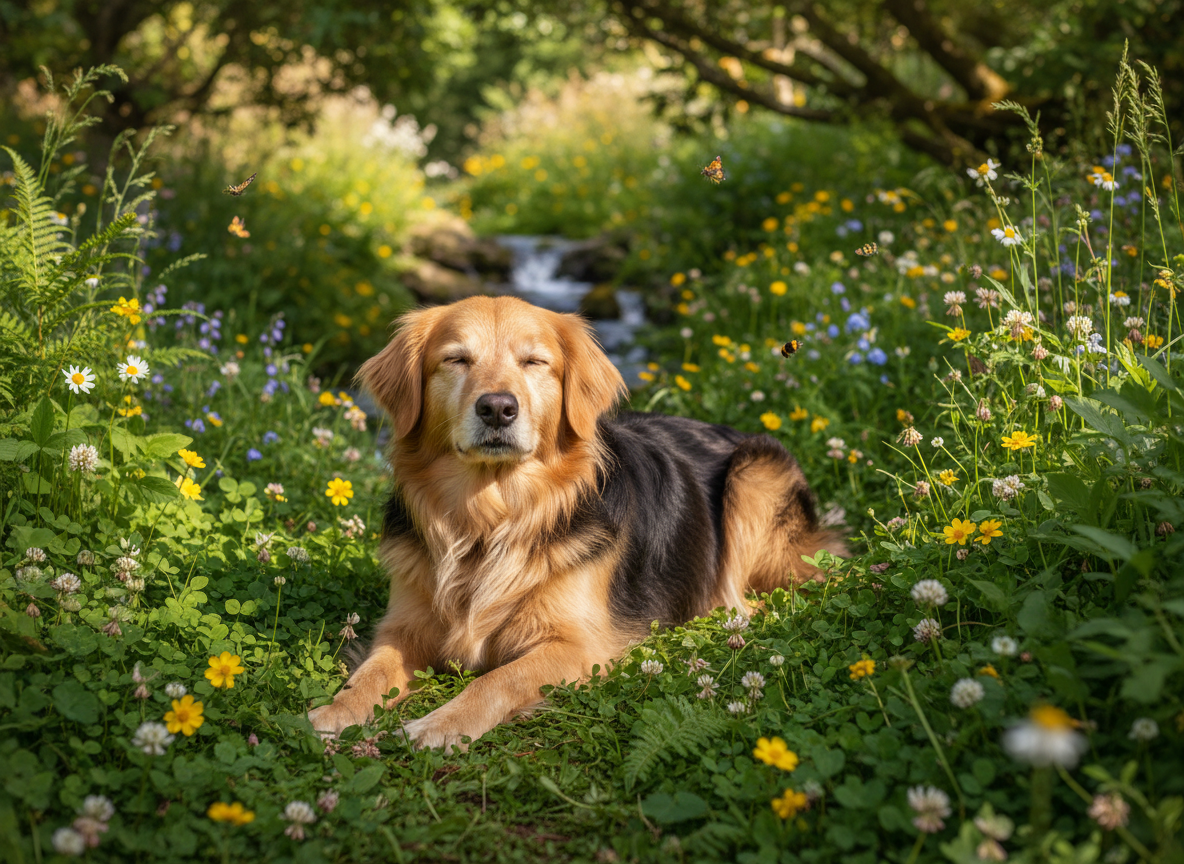
Ayurvedic Dog Diet: How to Balance Your Pup’s Dosha
Forget the marketing hype on the front of the kibble bag. The secret to unlocking your dog’s peak health isn’t a single ‘superfood’ or a trendy grain-free formula; it’s radical individualization. Welcome to the world of Ayurvedic nutrition for dogs—an ancient system of holistic medicine from India that’s been optimizing health for thousands of years. The core principle is simple yet profound: health is achieved when the body’s three fundamental energies, or doshas, are in balance. These doshas are Vata (energy of movement), Pitta (energy of digestion and metabolism), and Kapha (energy of lubrication and structure).
Every dog has a unique combination of these doshas, with one or two typically being dominant. This unique constitution dictates their personality, physical build, and, most importantly, their predispositions to certain health issues. A hyperactive, anxious dog that gets cold easily is likely Vata-dominant. A fiery, intense dog prone to skin rashes is a classic Pitta type. The easy-going, sturdy dog who gains weight just by looking at food is Kapha. By feeding foods that pacify the dominant dosha, you can counteract these imbalances, leading to improved digestion, better skin and coat, stable energy levels, and a more resilient immune system. This isn’t just feeding; it’s forensic nutrition tailored to your dog’s core nature.
MEDICAL DISCLAIMER: I am The Canine Nutrition Hacker, not a veterinarian. The information in this article is for educational purposes only. An Ayurvedic approach should complement, not replace, conventional veterinary care. Always consult with a qualified veterinarian or a certified canine nutritionist before making significant changes to your dog’s diet, especially if your dog has an existing health condition.
Decoding the Doshas: Is Your Dog Vata, Pitta, or Kapha?
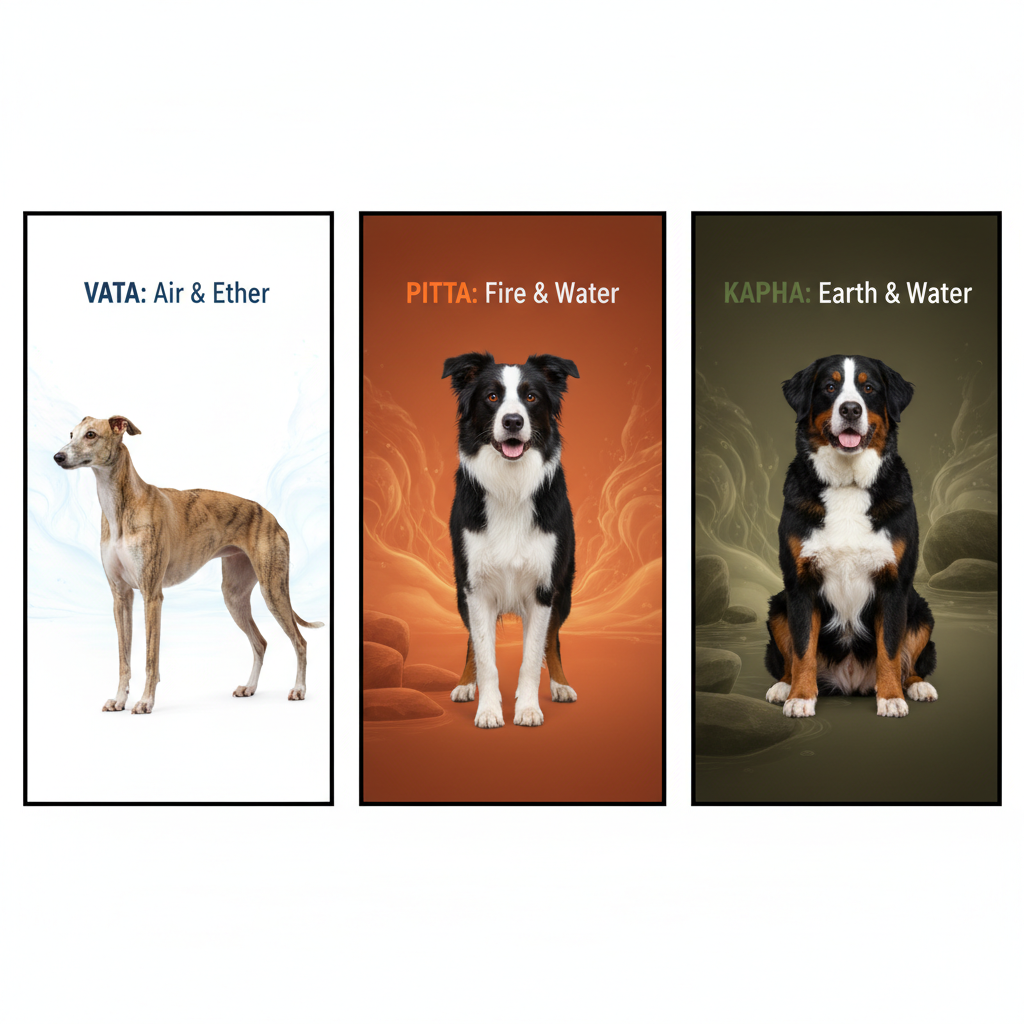
Before you can balance your dog’s diet, you must first identify their dominant dosha. This isn’t a rigid science but an exercise in careful observation. Most dogs are a combination of two doshas, but one will almost always stand out as the primary driver of their physical and emotional tendencies. Look at your dog’s baseline, not how they act when they’re sick or stressed.
The Vata Dog (Air + Ether)
The Vata dog is the embodiment of movement and change. They are unpredictable, energetic, and full of life, but this energy can easily tip into anxiety and nervousness if not properly grounded.
- Physical Build: Lean, often lanky or wiry, with prominent joints. They struggle to gain weight. Their skin and coat tend to be dry.
- Personality: Enthusiastic, quick-moving, and playful. They learn fast but also forget fast. They can be anxious, fearful of loud noises, and are prone to separation anxiety.
- Metabolism & Digestion: Irregular appetite and digestion. They might be ravenous one day and picky the next. Prone to gas, constipation, and dry stools.
- Common Breeds: Greyhounds, Whippets, Poodles, and many terriers often exhibit Vata characteristics.
The Pitta Dog (Fire + Water)
The Pitta dog is intensity personified. They are driven, intelligent, and possess a powerful metabolic ‘fire.’ When in balance, they are brilliant leaders; when out of balance, that fire can manifest as inflammation and aggression.
- Physical Build: Athletic and muscular with a well-proportioned body. They maintain weight easily and have good muscle definition.
- Personality: Sharp, intelligent, and determined. They are natural alphas and can be demanding or bossy. They can become irritable or aggressive when overheated or challenged.
- Metabolism & Digestion: Strong appetite and powerful digestion—the ‘can eat anything’ types. However, they are prone to acidic stomach, loose stools, and inflammatory conditions.
- Common Breeds: Pit Bulls, German Shepherds, Border Collies, and Rottweilers often have strong Pitta traits.
The Kapha Dog (Earth + Water)
The Kapha dog is the steady, loving foundation of the pack. They are calm, loyal, and possess immense physical and emotional stamina. Their challenge is overcoming inertia and a naturally slow metabolism.
- Physical Build: Sturdy, heavy-set, with a large frame and thick bones. They gain weight very easily and can quickly become obese if overfed. Their coat is often thick and oily.
- Personality: Calm, gentle, affectionate, and sometimes possessive. They are slow to learn but have excellent long-term memory. They love to sleep and can be lazy if not motivated.
- Metabolism & Digestion: Slow but steady digestion. Their slow metabolism makes them prone to obesity, lethargy, congestion, and allergies.
- Common Breeds: Saint Bernards, Basset Hounds, Bernese Mountain Dogs, and English Bulldogs are classic Kapha examples.
The Vata-Balancing Diet: Grounding Your Energetic Pup
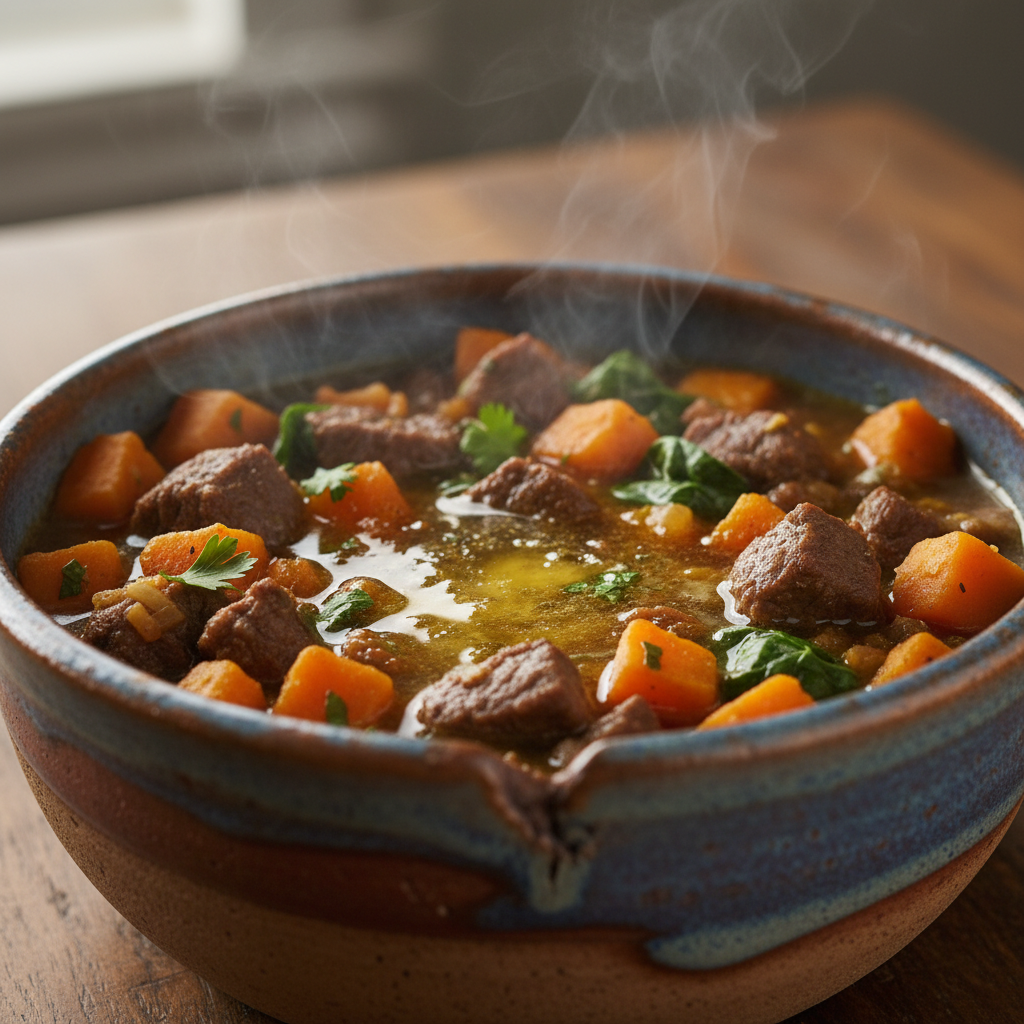
The goal for a Vata dog is to counteract its cold, dry, and light nature with foods that are warm, moist, and grounding. Think of a hearty, nourishing stew on a cold day—that’s the essence of a Vata-pacifying meal.
Hero Ingredients for Vata Dogs
- Proteins: Warming, heavier proteins are ideal. Think beef, lamb, buffalo, and eggs. These provide the substance Vata dogs need.
- Grains: Cooked, mushy grains are excellent for grounding. Oats and brown rice served warm are perfect.
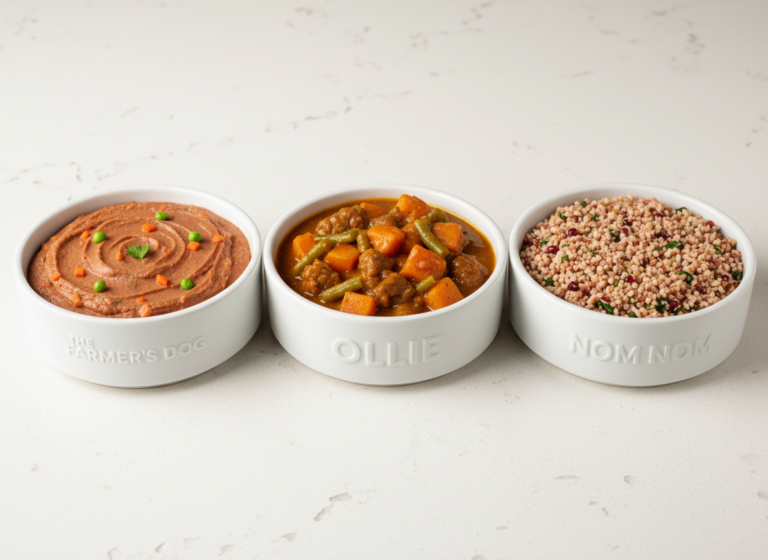
- Vegetables: Root vegetables are king. Cooked sweet potatoes, carrots, and squash provide warmth and healthy carbohydrates.
- Fats: Healthy fats are crucial for lubricating their dry systems. A spoonful of ghee (clarified butter), sesame oil, or coconut oil can work wonders.
Enemy Ingredients for Vata Dogs
- Temperature: Cold or frozen foods are the number one enemy. Serving food straight from the refrigerator can disrupt their delicate digestion.
- Texture: Excessively dry and crunchy foods, like a plain bowl of kibble, can exacerbate Vata’s dryness. Always add a little warm water or broth.
- Vegetables: Raw, gas-producing vegetables like broccoli or cauliflower should be given in moderation and always cooked.
Hacker Tip: For a quick Vata-balancing meal topper, mash a cooked sweet potato with a teaspoon of ghee and mix it into your dog’s regular food. This adds moisture, healthy fat, and grounding energy instantly.
The Pitta-Cooling Diet: Soothing the Fiery Spirit

For the fiery Pitta dog, the dietary strategy is all about cooling, calming, and avoiding anything that adds more ‘heat’ to their system. We want to douse the flames of inflammation before they can start.
Hero Ingredients for Pitta Dogs
- Proteins: Cooling proteins are essential. Turkey, duck, rabbit, and whitefish are excellent choices. Beef and lamb should be limited.
- Grains: Cooling and slightly drying grains help balance Pitta’s heat. Barley and white rice are good options.
- Vegetables & Fruits: Sweet and bitter flavors are pacifying. Think cucumber, broccoli, leafy greens, and sweet fruits like melon or berries (in moderation).
- Fats & Herbs: Coconut oil and sunflower oil are cooling fats. Herbs like cilantro and mint can also be beneficial.
Enemy Ingredients for Pitta Dogs
- Spices: Hot spices are a major trigger. Avoid anything with cayenne or excessive black pepper. Even warming spices like ginger should be used sparingly.
- Proteins: Red meat and organ meats are very heating and can aggravate Pitta tendencies like skin inflammation.
- Vegetables: Nightshades like tomatoes, potatoes, and eggplant can be inflammatory for sensitive Pitta types.
- Acidity: Sour foods like yogurt or fermented vegetables can increase stomach acid and should be given with caution.
Hacker Tip: During hot summer months, a fantastic Pitta-cooler is a spoonful of pureed cucumber and mint mixed into their food. It’s hydrating and naturally anti-inflammatory.
The Kapha-Stimulating Diet: Invigorating the Gentle Giant

The Kapha dog’s metabolism is naturally slow, so the diet must be light, stimulating, and warming to spark their internal fire and prevent stagnation. We aim to counteract their heavy, oily, and cold nature.
Hero Ingredients for Kapha Dogs
- Proteins: Lean and light proteins are non-negotiable. Chicken, turkey, rabbit, and whitefish are ideal. Fatty proteins must be avoided.
- Grains: Light and drying grains are best. Millet, quinoa, and buckwheat are superior to heavy oats or wheat.
- Vegetables: Astringent and bitter vegetables help reduce fluid retention and stimulate digestion. Load up on leafy greens like kale and spinach, as well as broccoli and cauliflower.
- Spices: Warming spices are a Kapha dog’s best friend. A small amount of ginger or turmeric can help boost their sluggish metabolism.
Enemy Ingredients for Kapha Dogs
- Fats & Oils: This is the most critical category. Excessive fats and oils will directly lead to weight gain. Portions must be strictly controlled.
- Grains: Heavy, glutenous grains like wheat and oats can contribute to lethargy and congestion.
- Dairy: Most dairy products, especially cheese, are very Kapha-aggravating and can increase mucus production.
- Quantity: The biggest enemy for a Kapha dog is simply too much food. They often have soulful eyes that beg for more, but portion control is paramount to their health.
Hacker Tip: Replace a portion of your Kapha dog’s regular food with steamed, pureed leafy greens. This reduces the overall calorie count while adding fiber and nutrients that support their metabolism.
Putting It Into Practice: A Safe and Actionable Guide

Understanding the theory is one thing; applying it is another. Here’s how to safely integrate Ayurvedic principles into your dog’s daily routine without causing digestive upset or nutritional deficiencies.
Step 1: Observe and Confirm the Dosha
Spend a full week observing your dog with this new lens. Keep a journal. When are they most energetic? How are their stools? Are they heat-seeking or do they prefer cool tiles? Confirm your initial assessment before making any changes.
Step 2: Transition Gradually
Never change a dog’s diet overnight. Start by introducing one new ‘hero’ ingredient as a small topper. For a Vata dog, add a tablespoon of warm, mashed sweet potato. For a Pitta, a little shredded turkey. For a Kapha, some steamed kale. Do this for 3-4 days and watch for any digestive changes. Gradually increase the new foods while slowly decreasing the old over a period of 1-2 weeks.
Step 3: Focus on Whole, Fresh Foods
The power of this approach comes from using fresh, unprocessed ingredients. Whether you are home-cooking or upgrading a commercial diet, prioritize quality. If you’re using kibble as a base, choose a high-quality, limited-ingredient formula and use the dosha-balancing ingredients as powerful toppers.
Step 4: Ensure Complete Nutritional Balance
This is the most critical step. Simply mixing proteins and vegetables is not a complete diet. Dogs have specific needs for calcium, phosphorus, and other micronutrients. If you are preparing more than 25% of your dog’s diet at home, it is absolutely essential to work with a veterinary nutritionist to add the necessary supplements to ensure the diet is balanced and complete. Do not skip this step.
Insider Secret: Cook in batches. Once a week, prepare a large batch of dosha-appropriate grains and vegetables. You can freeze them in ice cube trays. Each day, simply thaw a few cubes and mix them with your dog’s protein for a fresh, customized meal with minimal effort.
Conclusion
Adopting an Ayurvedic approach to your dog’s diet is a commitment to seeing them as the unique individual they are. It moves beyond generic feeding guidelines and empowers you, the owner, to become a forensic expert on your dog’s specific needs. By identifying your dog’s dominant dosha and tailoring their meals to provide balance, you’re not just filling their bowl—you are practicing preventative medicine, soothing chronic issues, and optimizing their vitality from the inside out. Remember, the goal is not perfection, but balance. Start small, observe closely, and always partner with your veterinarian to ensure your dog is receiving a complete and wholesome diet designed for their unique constitution.