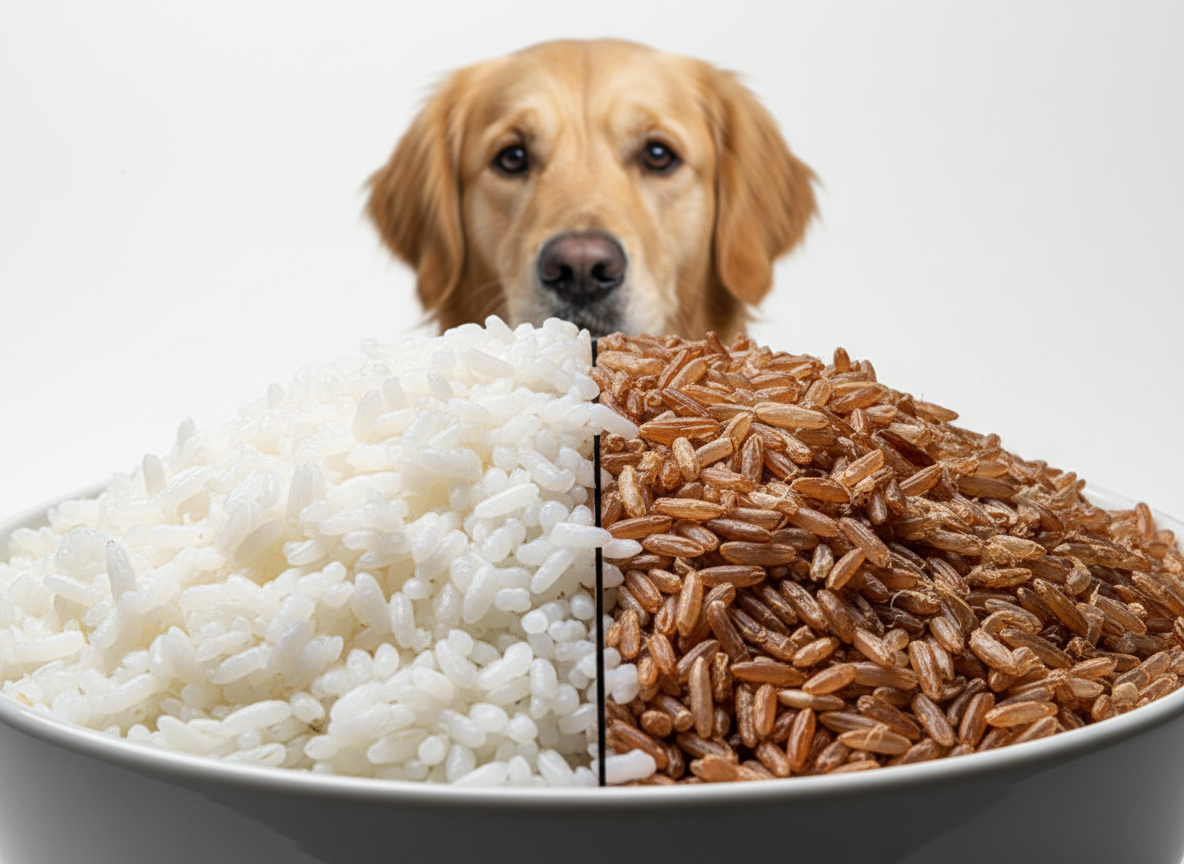
Brown Rice vs. White Rice: Which is Better for Usec Stomachs?
When your dog is suffering from an upset stomach, you’ll do anything to provide comfort. In the search for a soothing meal, many well-intentioned owners reach for rice, a staple of bland diets. But this is where a critical mistake is often made. The common wisdom says brown rice is healthier, packed with fiber and nutrients. This is true—for a healthy, thriving dog. But for a dog with a compromised, inflamed gastrointestinal (GI) tract, brown rice can be an enemy, not an ally.
As the Canine Nutrition Hacker, my job is to dissect these nutritional myths and give you the unvarnished truth. We’re not talking about long-term wellness diets today. We’re in emergency triage mode. The goal is to calm the system, provide easily accessible energy, and stop the cycle of digestive upset. In this battle, the refined, often-maligned white rice emerges as the clear and definitive winner.
This guide will break down the science behind why white rice is superior for GI distress, expose the ‘fiber fallacy’ of brown rice in this context, and provide a step-by-step protocol for preparing the perfect bland diet to get your companion back on their paws.
MEDICAL DISCLAIMER: I am a canine nutrition analyst, not a veterinarian. The information in this article is for educational purposes and is not a substitute for professional veterinary advice, diagnosis, or treatment. A bland diet is a short-term solution. If your dog’s upset stomach persists for more than 24-48 hours, or is accompanied by severe symptoms like vomiting, lethargy, fever, or blood in the stool, contact your veterinarian immediately.
The Nutritional Showdown: Deconstructing Brown vs. White Rice
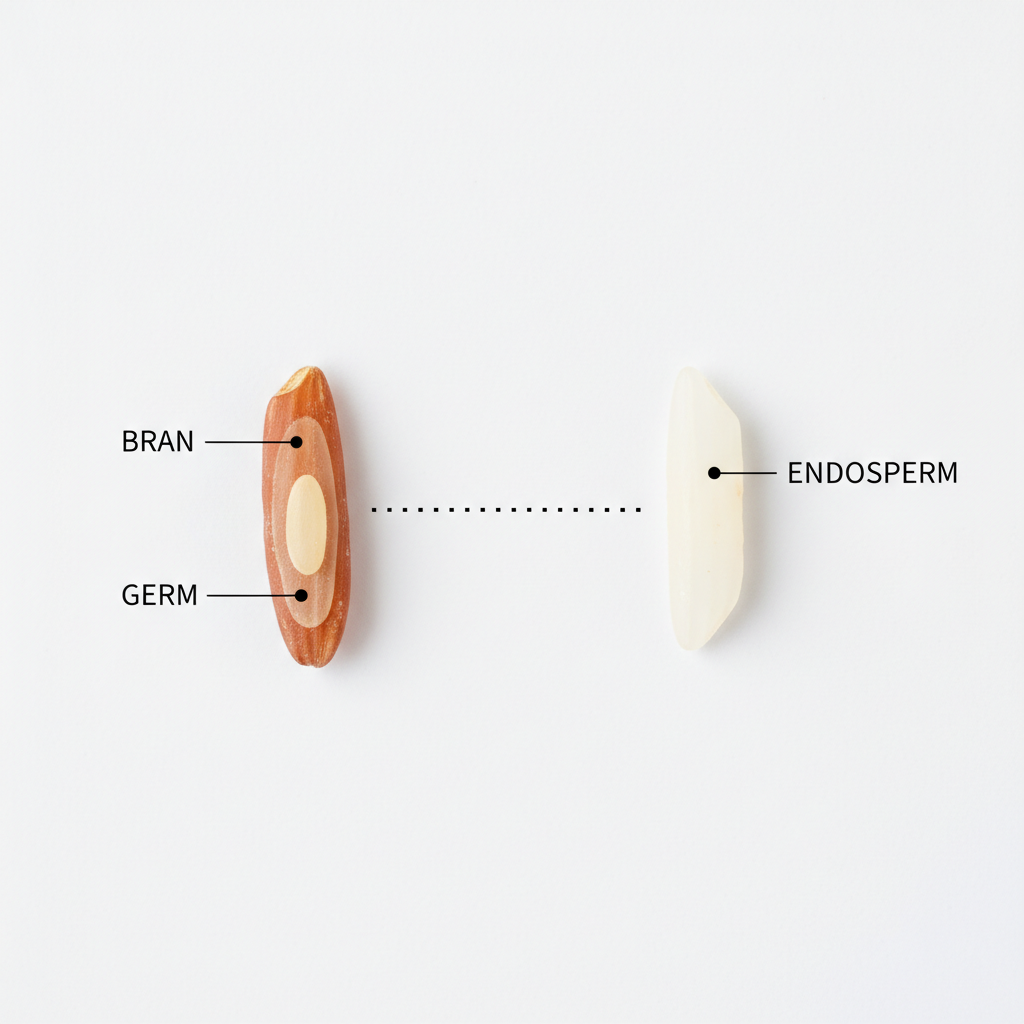
To understand why one is better than the other for a sick gut, we first need to analyze the physical and nutritional differences between these two grains. They both start from the same plant, but their processing dictates their effect on the digestive system.
Understanding the Kernel
A whole grain of rice consists of three main parts:
- The Bran: The tough, fibrous outer layer. It’s packed with fiber, minerals, and antioxidants.
- The Germ: The nutrient-rich core where sprouting occurs. It contains B vitamins, healthy fats, and other minerals.
- The Endosperm: The largest part of the kernel. It’s almost entirely starch (carbohydrates) and contains a small amount of protein.
Brown rice is a whole grain, meaning it retains the bran and the germ. This is what gives it its color, texture, and higher nutrient profile. White rice is a refined grain. It has been milled and polished to remove the bran and the germ, leaving only the starchy endosperm. This process strips away much of the fiber and nutrients but makes it fundamentally different from a digestive standpoint.
Head-to-Head Comparison for a Sensitive Gut
Let’s put them side-by-side, analyzing the factors that matter most when a stomach is in turmoil.
| Nutritional Factor | Brown Rice | White Rice | Verdict for Upset Stomachs |
|---|---|---|---|
| Dietary Fiber | High (approx. 3.5g per cup, cooked) | Very Low (approx. 0.6g per cup, cooked) | White Rice Wins. High fiber is an irritant to an inflamed gut and can worsen diarrhea. |
| Digestibility | Lower | Very High | White Rice Wins. The simple starch of the endosperm requires minimal effort from the digestive system to break down and absorb. |
| Nutrient Profile | Higher in B vitamins, magnesium, manganese, and phosphorus. | Lower in micronutrients (unless enriched). | Brown Rice Wins (in a healthy dog). However, for short-term recovery, digestibility trumps nutrient density. |
| Potential Irritants | The fibrous bran can be physically abrasive to an inflamed intestinal lining. | Essentially none. It’s a bland, simple starch. | White Rice Wins. Its simplicity is its greatest strength in this scenario. |
The Fiber Fallacy: Why ‘Healthy’ Isn’t Always Better for an Ailing Gut

In the world of nutrition, fiber is almost always touted as a hero. It aids digestion, promotes satiety, and feeds beneficial gut bacteria. However, this applies to a healthy, functioning digestive system. When that system is inflamed and irritated—as is the case with gastritis or enteritis—that same heroic fiber becomes a villain.
The Abrasive Nature of Insoluble Fiber
The majority of fiber in brown rice is insoluble fiber. Think of insoluble fiber as a ‘bulking agent’ or nature’s scrub brush. In a healthy dog, it does a great job of sweeping the intestines and promoting regular bowel movements. But for a dog with diarrhea or an inflamed gut lining, this ‘scrubbing’ action is like rubbing sandpaper on a raw wound. It can increase irritation, cause more inflammation, and speed up transit time, potentially making diarrhea worse.
Insider Secret: The goal with a bland diet is to give the GI tract a vacation. You want to provide calories in the most easily accessible form possible, demanding almost zero work from the stomach and intestines. The complex structure of brown rice forces the gut to work harder, which is the exact opposite of what’s needed for healing.
Starch vs. Fiber: The Energy Equation
A sick dog often has a poor appetite and needs energy to fuel its recovery. The starchy endosperm of white rice is a source of quick, easily metabolized energy. The body can break down the simple carbohydrates into glucose with minimal digestive effort. Brown rice, with its fibrous coating, slows down this process. The energy is less accessible, and the digestive system has to expend more of its already limited resources to get to it.
Essentially, by choosing brown rice, you are forcing an already exhausted system to run a marathon. By choosing white rice, you’re providing fuel intravenously. The choice for a sick dog is clear.
White Rice: The Bland Diet Champion for a Reason
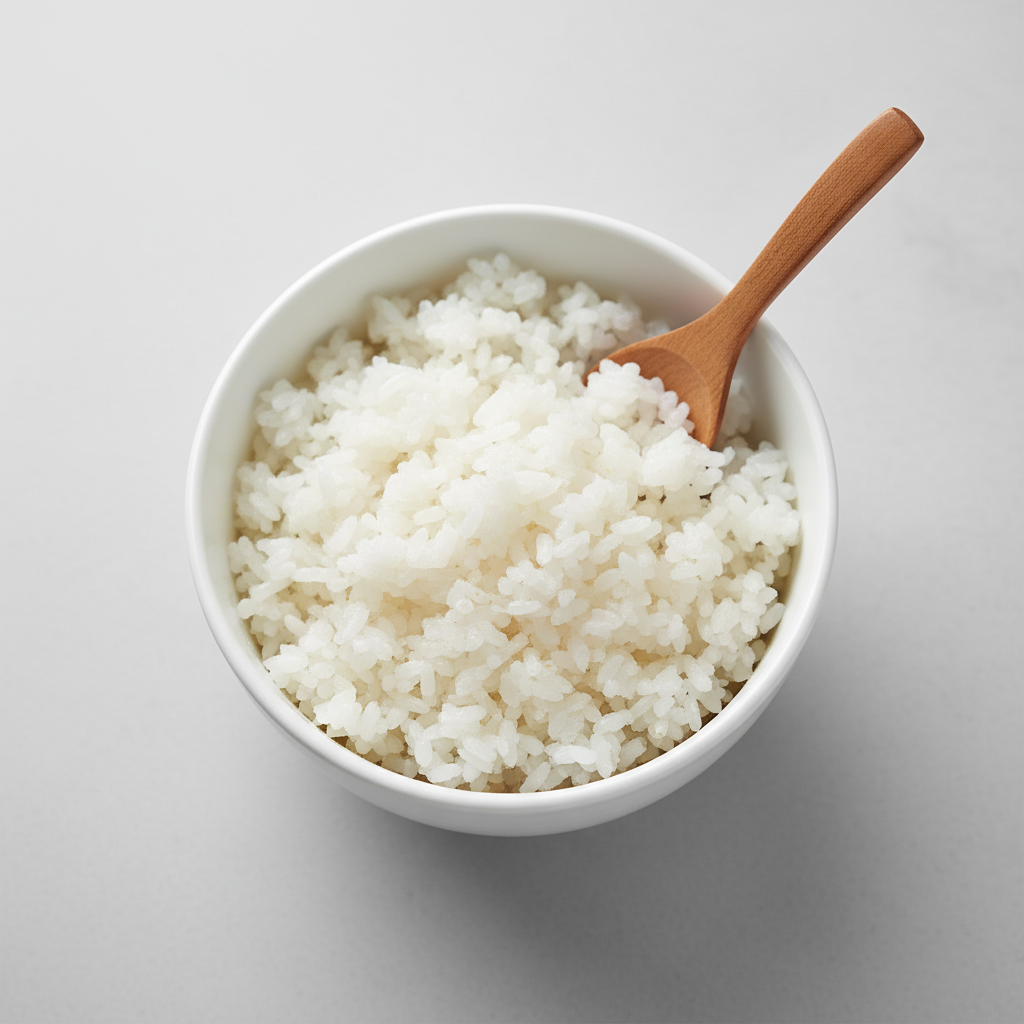
Veterinarians have recommended white rice as part of a bland diet for decades, and for good reason. It’s not an old wives’ tale; it’s based on sound digestive science. Its properties make it the perfect therapeutic food for short-term recovery.
The Three Pillars of White Rice’s Effectiveness
- Exceptional Digestibility: With the fibrous bran and fatty germ removed, white rice is almost pure starch. This makes it one of the most easily digestible foods a dog can eat. The digestive enzymes have a straight shot at the carbohydrates, converting them to glucose for energy without delay or irritation.
- Low Fiber, Low Residue: White rice is a ‘low-residue’ food. This means that after digestion, very little waste material is left over to pass through the colon. This reduces stool volume and gives the colon a much-needed rest, which is particularly beneficial for dogs suffering from diarrhea.
- Gentle Binding Action: The starches in white rice can help absorb water in the intestine, which can help firm up loose stools. This gentle binding effect can provide relief and help resolve diarrhea faster than a food that adds more bulk.
When is White Rice the Right Call?
White rice is the primary carbohydrate source to use in a temporary bland diet for common, mild cases of GI upset, such as:
- Simple diarrhea caused by dietary indiscretion (eating something they shouldn’t have).
- Mild vomiting.
- Post-operative recovery, as recommended by a vet.
- A transition food when switching to a new dog food brand.
Remember, this is a temporary therapeutic tool, not a long-term diet. Its lack of a complete nutrient profile makes it unsuitable for daily feeding beyond a few days.
The Canine Nutrition Hacker’s Protocol: Preparing Rice for Recovery
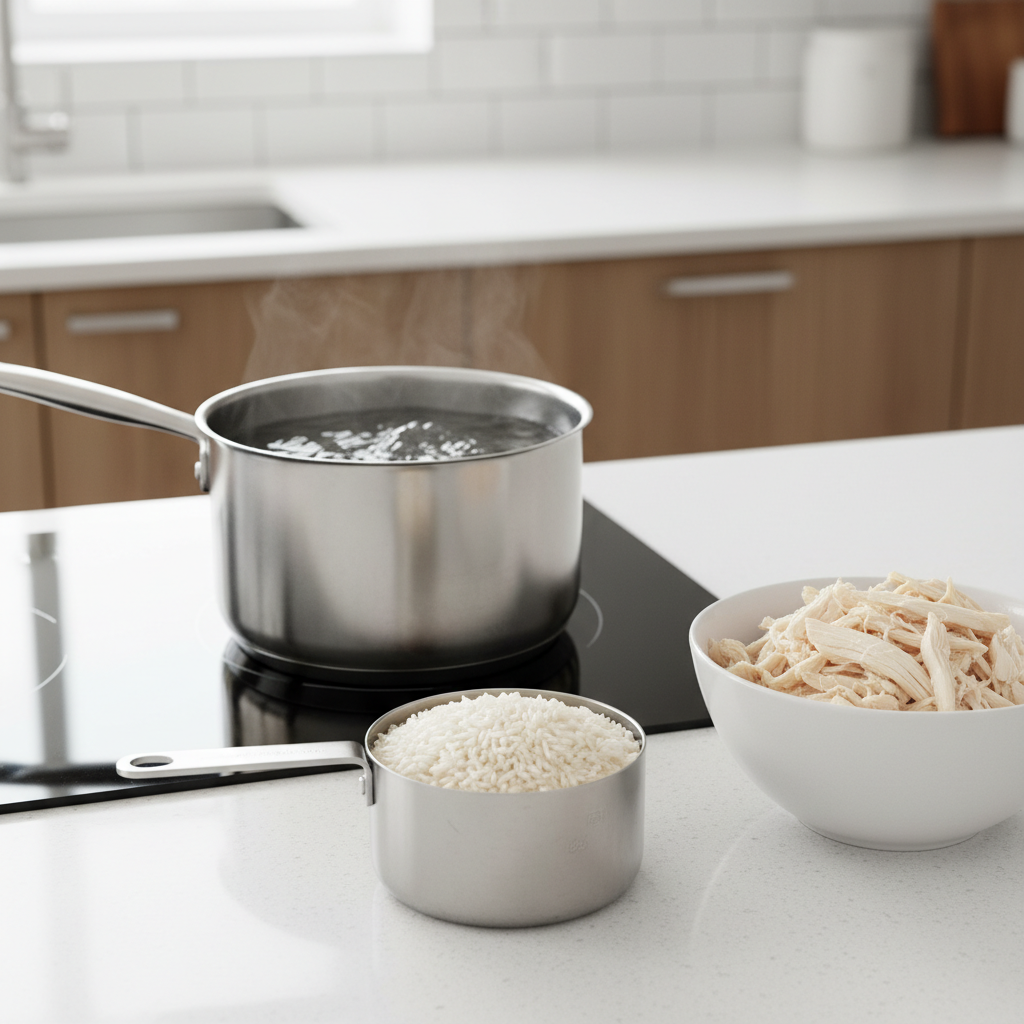
Preparing a bland diet is simple, but precision is key. Cutting corners or adding ‘extras’ can undermine the entire purpose of the diet and delay your dog’s recovery. Follow this protocol exactly.
Step 1: Choose the Right Ingredients
- Rice: Use plain, long-grain white rice. Do NOT use instant rice, as it is processed differently and can contain added sodium or other ingredients. Avoid aromatic varieties like Jasmine or Basmati. Simple is best.
- Protein: The classic pairing is boiled, boneless, skinless chicken breast. Other good options include lean ground turkey (99% lean) or low-fat cottage cheese. The protein should be boiled, with all fat drained away.
Step 2: The Cooking Process
- Cook the Rice: Cook the white rice with extra water to make it soft and mushy. A good ratio is 1 cup of rice to 4 cups of water. Do not add any salt, butter, oil, or seasonings of any kind. These can severely irritate your dog’s stomach.
- Cook the Protein: Boil the boneless, skinless chicken breast or lean ground meat in plain water until thoroughly cooked. Do not add any seasoning. Once cooked, shred the chicken or break up the ground meat. Be sure to drain off all fat.
Step 3: The Bland Diet Ratio and Feeding Schedule
The initial goal is to feed small, frequent meals to avoid overloading the stomach.
- The Ratio: Start with a ratio of 75% cooked white rice to 25% boiled lean protein. For example, 3/4 cup of rice mixed with 1/4 cup of shredded chicken.
- The Schedule: Instead of two large meals, feed 3-4 small meals throughout the day. This keeps the digestive system working gently without being overwhelmed.
Step 4: The Transition Back to Normal
A bland diet should only be used for 2-3 days. Once your dog’s stools are firm and normal, you must transition them back to their regular food. Abruptly stopping the bland diet can cause a relapse.
- Day 1-2 of Transition: Feed a mix of 75% bland diet and 25% of their regular kibble.
- Day 3-4 of Transition: Move to a 50/50 mix of bland diet and regular kibble.
- Day 5-6 of Transition: Feed 25% bland diet and 75% regular kibble.
- Day 7: Return to 100% of their regular food.
This slow transition allows the digestive system to re-adapt to the higher fiber and fat content of their normal diet, preventing another upset.
Conclusion
In the direct comparison of brown rice versus white rice for a dog with an upset stomach, the verdict is absolute: white rice is the superior choice. Its low-fiber, high-digestibility profile makes it the perfect tool for calming an inflamed GI tract and providing quick energy for recovery. The nutritional benefits of brown rice are irrelevant in a short-term therapeutic context; in fact, its high fiber content can actively work against your goal of soothing your dog’s gut.
Think like a hacker: use the right tool for the specific job. For long-term health in a robust dog, whole grains like brown rice have their place. For short-term digestive triage, simple, plain white rice is your most effective and reliable asset.
Always remember that this is a temporary solution. A diet of rice and chicken is not balanced for long-term health. Monitor your dog closely, and if symptoms do not improve within 48 hours or worsen at any point, cease the home remedy and seek immediate professional advice from your veterinarian.