How to Make Dog Friendly Hummus (No Tahini or Garlic)
You’re enjoying a snack, and you feel the familiar weight of a chin on your knee. You look down into those pleading eyes, watching every move of the pita chip from the bowl of hummus to your mouth. The temptation to share is real, but stop right there. Traditional hummus is a minefield of ingredients that are hazardous to your canine companion. I’m The Canine Nutrition Hacker, and my mission is to empower you to see past the marketing and understand what’s really going into your dog’s body. Today, we’re not just making a treat; we’re reverse-engineering a human favorite into a safe, nutritious, and delicious canine snack. Forget the store-bought mystery treats. We’re taking control.
CRITICAL SAFETY DISCLAIMER
Before we begin, the mandatory legal briefing: I am not a veterinarian. The information provided here is for educational purposes only. This recipe is intended as a treat and should not be used as a meal replacement. All treats, homemade or otherwise, should make up no more than 10% of your dog’s daily caloric intake. Always consult with your veterinarian before introducing new foods into your dog’s diet, especially if they have pre-existing health conditions like pancreatitis, diabetes, or food allergies.
Deconstructing the Danger: Why Your Hummus is a No-Go for Dogs
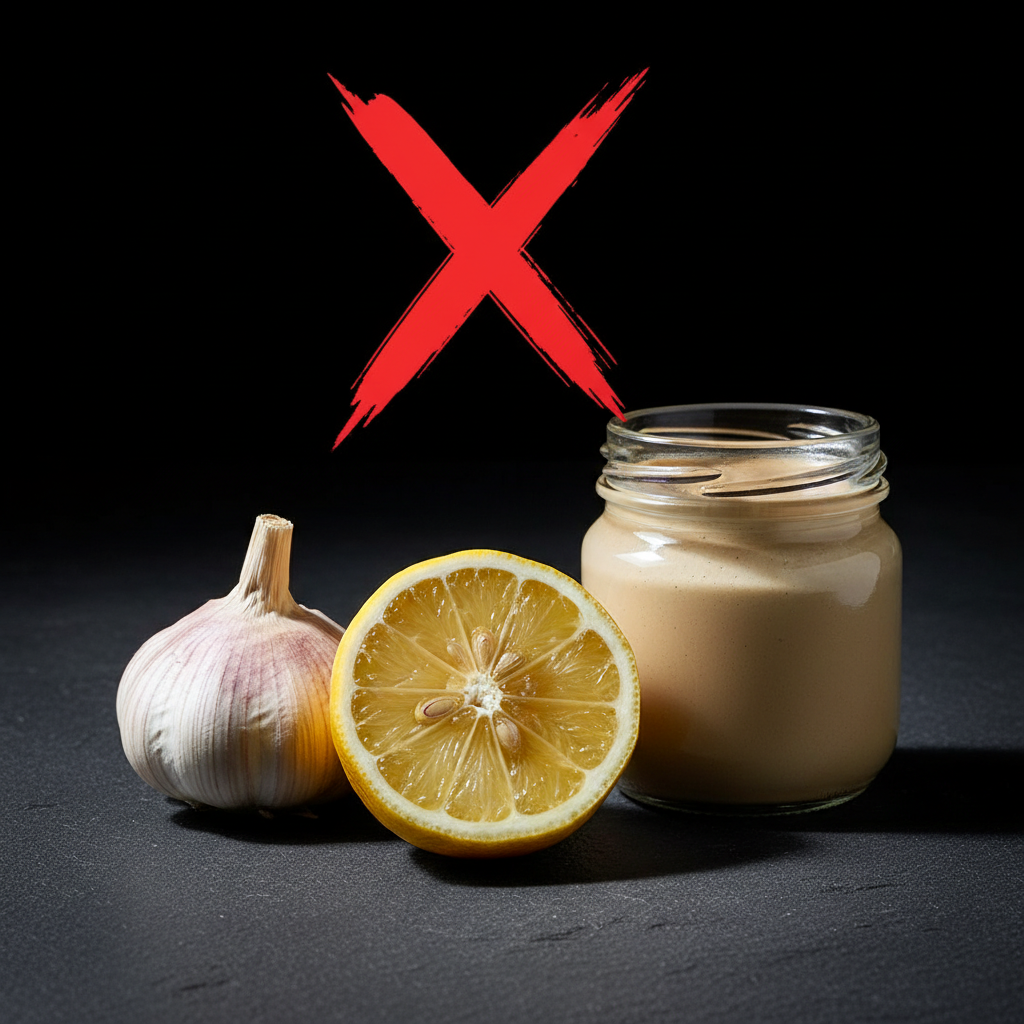
To understand why we need a dog-safe version, we must first perform a forensic analysis of traditional hummus. On the surface, it seems healthy—chickpeas, sesame paste, lemon, and spices. But for a dog’s unique physiology, this combination is a toxic cocktail. Let’s break down the primary offenders.
The Allium Alibi: Garlic and Onions
The number one culprit in nearly every hummus recipe is garlic. While a superfood for humans, garlic belongs to the Allium family, alongside onions, leeks, and chives, all of which are toxic to dogs. They contain compounds called thiosulfates. Dogs lack the enzyme to properly digest these compounds, which leads to oxidative damage to their red blood cells. This can cause hemolytic anemia, a serious condition where the body destroys its own red blood cells. Symptoms can range from vomiting and diarrhea to pale gums, lethargy, and an elevated heart rate. The toxicity is dose-dependent, but even small, repeated exposures can cause cumulative damage. There is no ‘safe’ amount.
The Fat Trap: Tahini (Sesame Seed Paste)
While sesame seeds themselves are not toxic to dogs, tahini is a highly concentrated paste made from them. This means it has an incredibly high fat content. A sudden influx of high-fat food is a primary trigger for pancreatitis in dogs, a painful and potentially life-threatening inflammation of the pancreas. Dogs with a predisposition to pancreatitis, such as Schnauzers or Yorkshire Terriers, are at an even greater risk. We eliminate it completely to avoid this unnecessary danger.
The Acid Test: Lemon Juice
The high citric acid content in lemons and lemon juice can wreak havoc on a dog’s digestive system. It can lead to stomach upset, vomiting, and diarrhea. While a tiny lick is unlikely to cause major harm, the amount used in traditional hummus is enough to cause significant discomfort. It’s an easy ingredient to omit for a much happier canine gut.
The Sodium Overload: Salt
Hummus is often heavily salted to enhance its flavor for the human palate. A dog’s sodium requirement is far lower than ours. Excessive salt can lead to sodium ion poisoning, with symptoms including extreme thirst, vomiting, diarrhea, and in severe cases, seizures and kidney damage. When we make our own, we control the salt—which means we add none.
The Canine Nutrition Hacker’s Blueprint: A Safe & Simple Hummus Recipe
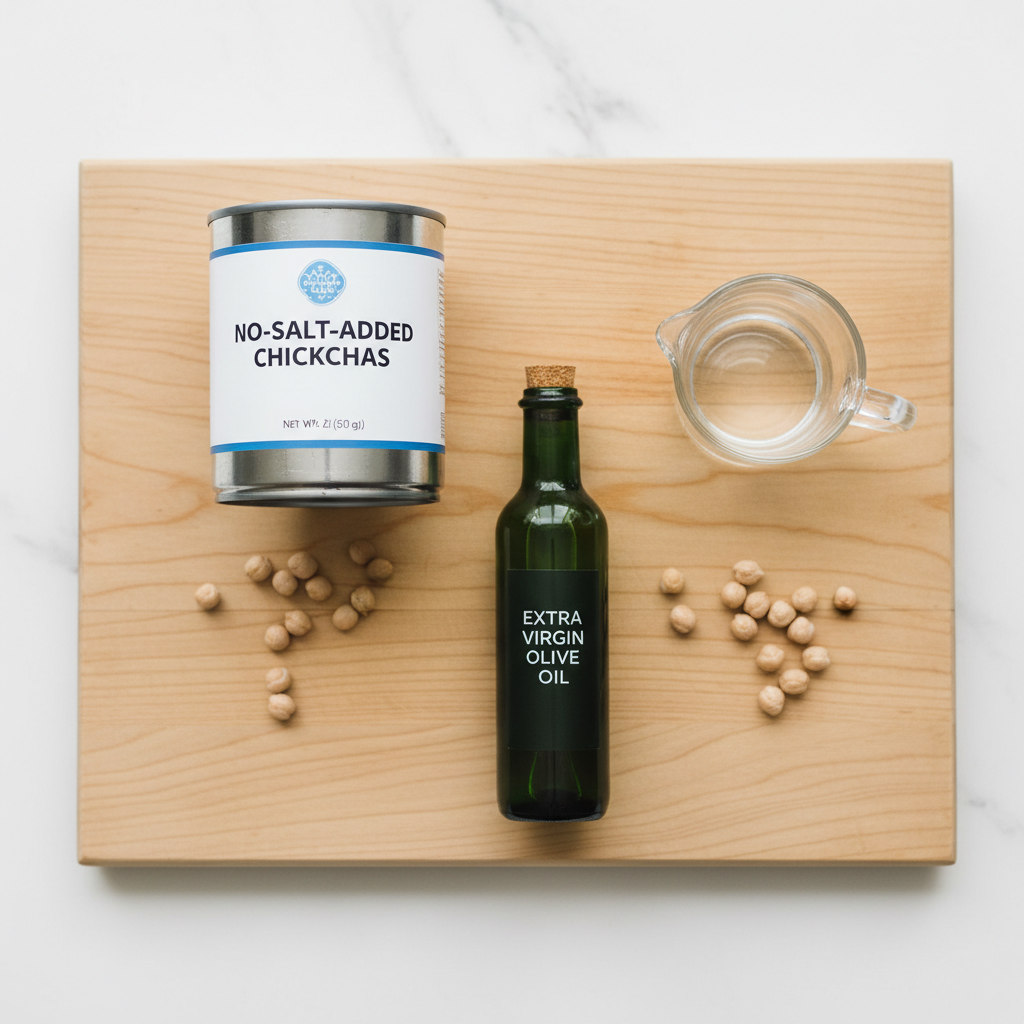
Now that we’ve identified and eliminated the threats, we can build our recipe from the ground up using only beneficial, dog-safe ingredients. This core recipe is the foundation. It’s simple, fast, and requires minimal equipment. The star of the show is the humble chickpea (garbanzo bean), a fantastic source of fiber, protein, and essential nutrients for your dog.
Core Ingredients
- 1 can (15 ounces) chickpeas (garbanzo beans), preferably no-salt-added. If you can only find regular, rinse them thoroughly under cold water for at least a minute to wash away excess sodium.
- 1/4 cup of water. You can use the liquid from the can (aquafaba) if it’s salt-free, or just plain water.
- 2 tablespoons of olive oil. A good quality extra virgin olive oil provides healthy monounsaturated fats and antioxidants.
- A food processor or high-powered blender.
Step-by-Step Protocol
- Prep the Chickpeas: Open the can of chickpeas and pour them into a colander. Rinse them under cold, running water for at least 60 seconds. This step is non-negotiable if your can contains added salt.
- Combine Ingredients: Add the rinsed chickpeas, water, and olive oil to the bowl of your food processor.
- Blend to Perfection: Secure the lid and blend on high for 2-3 minutes. Stop and scrape down the sides of the bowl with a spatula to ensure everything is incorporated. Continue blending until you achieve a smooth, creamy consistency. If the mixture is too thick, add another tablespoon of water and blend again until it’s perfect.
Hacker Tip: The Secret to Ultra-Smooth Hummus
For a texture that rivals the best human-grade hummus, take an extra five minutes to peel the chickpeas. After rinsing, gently pinch each chickpea and the skin will slide right off. It’s tedious, but the resulting creamy texture is worth the effort, especially for picky dogs who are sensitive to textures.
Nutritional Upgrades: Hacking Your Hummus for Targeted Health Benefits
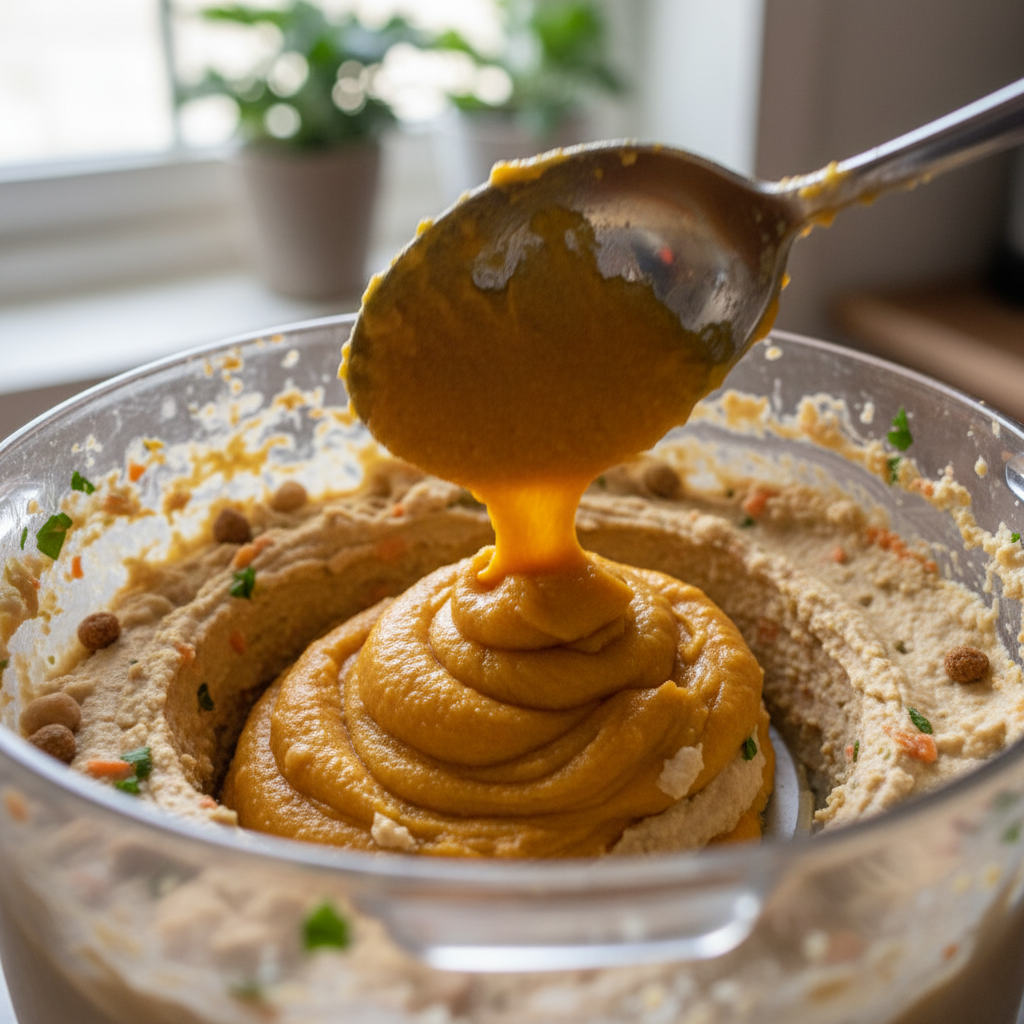
The core recipe is great on its own, but a true Canine Nutrition Hacker knows how to upgrade a recipe for maximum benefit. Think of the basic hummus as your chassis; these additions are the performance upgrades. Choose one or two based on your dog’s specific needs.
Upgrade 1: The Anti-Inflammatory Hack for Joint Support
For senior dogs or breeds prone to joint issues, this is a must. Add 1/4 teaspoon of turmeric to the food processor. Turmeric contains curcumin, a powerful anti-inflammatory compound. To increase its bioavailability (the body’s ability to absorb it), add a tiny pinch of finely ground black pepper. The piperine in pepper dramatically boosts curcumin absorption.
Upgrade 2: The Digestive Aid Hack for Gut Health
If your dog has a sensitive stomach, this is the perfect addition. Add 1 tablespoon of 100% pure canned pumpkin puree (NOT pumpkin pie filling, which is loaded with sugar and spices). Pumpkin is a fiber-rich superfood that aids in digestive regularity, helping with both constipation and diarrhea.
Upgrade 3: The Protein Boost Hack for Active Dogs
For an extra dose of protein and probiotics, swirl in 1 tablespoon of plain, unsweetened Greek yogurt after blending. Ensure the yogurt has no added sugars or artificial sweeteners like xylitol. Alternatively, a tablespoon of dog-safe peanut butter (again, check for xylitol, which is highly toxic) can also boost protein and flavor.
Upgrade 4: The Fresh Breath Hack
Combat doggy breath from the inside out. Add 1 tablespoon of finely chopped fresh parsley to the mix. Parsley is known to contain compounds that can help neutralize bad breath odors. It also adds a boost of vitamins K and C.
Insider Secret: Ingredient Sourcing
Always read the labels. When buying canned goods like chickpeas or pumpkin, the only ingredient should be the item itself (and maybe water). For peanut butter, the label should read ‘Peanuts’ and nothing else. Your diligence on the front end prevents health issues on the back end. This is the hacker’s code.
The Cost Breakdown: DIY Hummus vs. Premium Store-Bought Treats
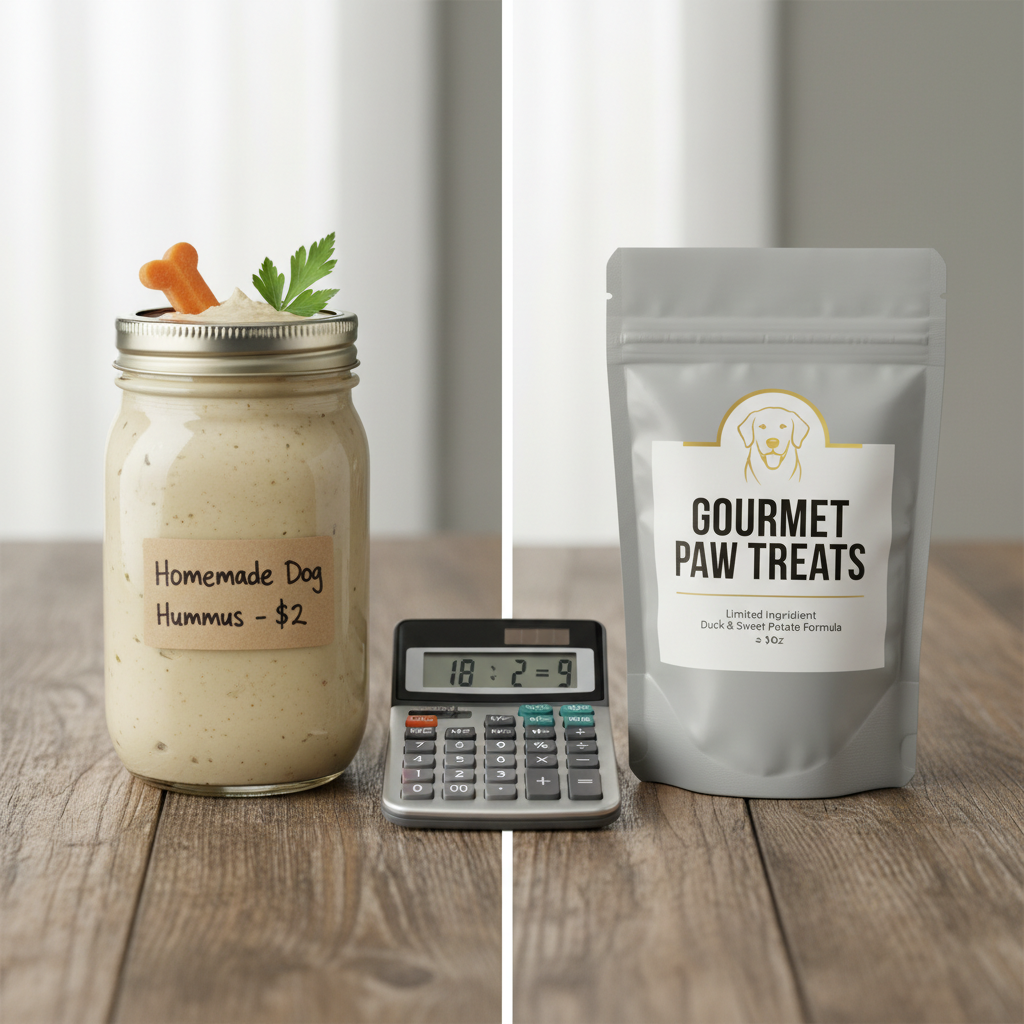
Part of being a nutrition hacker is being smart with your money. Why pay a premium for fancy ‘gourmet’ treats when you can make a higher quality, healthier product at home for a fraction of the price? Let’s run the numbers. Prices are approximate and will vary by location.
| Item | Typical Cost | Cost Per Batch | Notes |
|---|---|---|---|
| 1 Can No-Salt Chickpeas | $1.50 | $1.50 | The core ingredient. |
| Olive Oil (2 Tbsp) | $8.00 / bottle | $0.50 | Calculated for a standard 16oz bottle. |
| Optional: Pumpkin Puree (1 Tbsp) | $2.50 / can | $0.15 | One can will make over a dozen batches. |
| TOTAL DIY BATCH COST | – | ~$2.15 | Makes approximately 1.5 cups of treats. |
| Premium ‘Gourmet’ Dog Treats | $12.00 | $12.00 | For a typical 8oz bag of jerky or bites. |
The analysis is clear. For less than the price of a fancy coffee, you can produce a large batch of fresh, healthy, preservative-free dog treats. You’re getting at least four times the product for about one-fifth of the price. More importantly, you have 100% control over every single ingredient that goes into your dog’s body. That’s a return on investment you can’t put a price on.
Serving & Storage Protocol: The Canine Hacker’s Rules of Engagement
You’ve made the perfect dog-friendly hummus. Now, let’s establish the protocol for serving and storing it to maintain freshness and ensure you’re treating responsibly.
Serving Methods
How you serve the hummus can provide additional enrichment for your dog. Move beyond just a blob in a bowl.
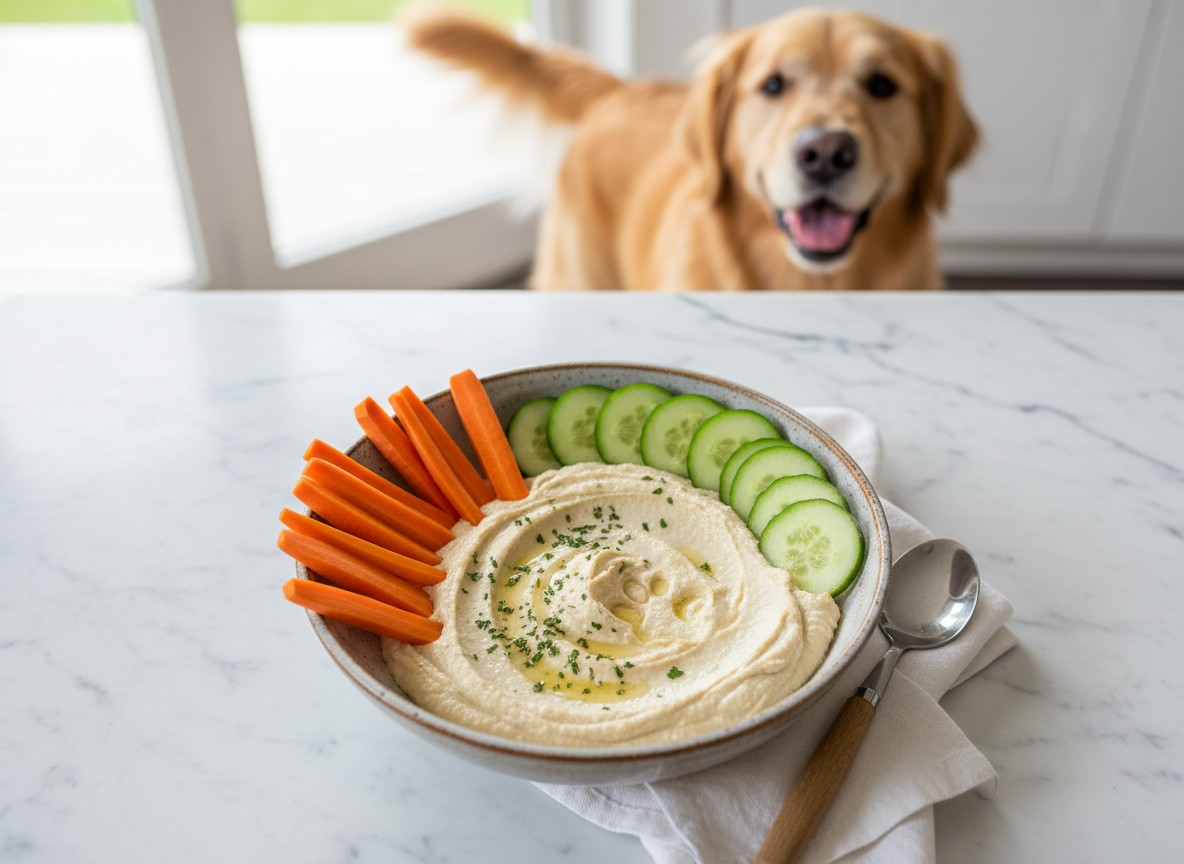
- Veggie Dippers: Serve with dog-safe vegetable sticks like carrots, cucumbers, celery, or bell peppers. This adds a satisfying crunch and extra nutrients.
- KONG Filler: This hummus has the perfect consistency for stuffing into a KONG or other puzzle toys. Smear it on the inside walls and freeze for a long-lasting, mentally stimulating challenge.
- Food Topper: A small spoonful mixed into their regular kibble can entice picky eaters and add a boost of fiber.
Portion Control: The 10% Rule
This is the most critical rule. All treats combined should not exceed 10% of your dog’s total daily caloric intake. Hummus is nutrient-dense, so a little goes a long way. Stick to these general guidelines:
- Small Dogs (under 20 lbs): Up to 1 teaspoon per day.
- Medium Dogs (20-50 lbs): Up to 1 tablespoon per day.
- Large Dogs (over 50 lbs): Up to 2 tablespoons per day.
Storage & Freezing Protocol
Fresh is best, but proper storage is key for batch prepping.
- Refrigeration: Store the hummus in an airtight container in the refrigerator. It will stay fresh for 5-7 days.
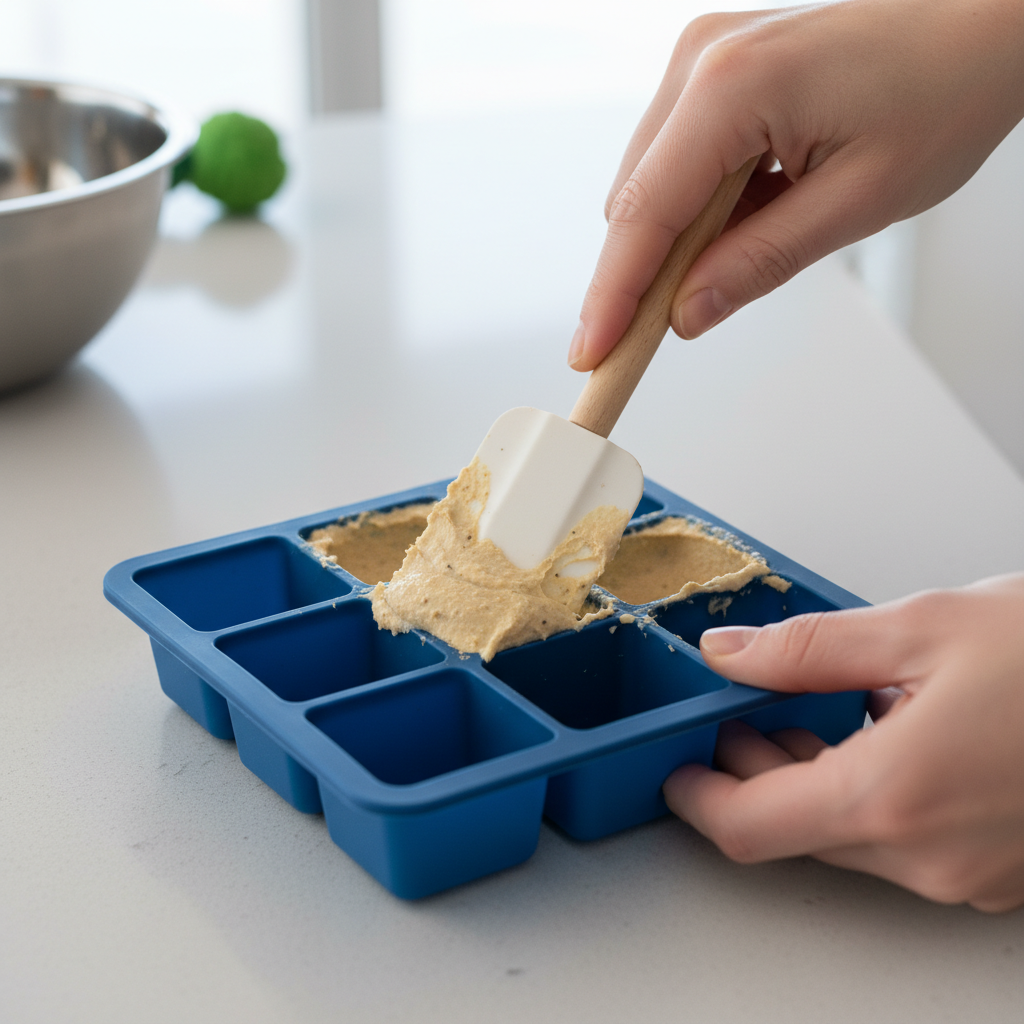
- Freezing: This is the ultimate hacker move for long-term storage. Spoon the hummus into a silicone ice cube tray. This creates perfect, pre-portioned frozen pucks. Once frozen solid, pop them out and store them in a freezer bag. They will last for up to 3 months. You can serve them frozen on a hot day for a cooling treat or let one thaw in the fridge before serving.
Conclusion
You’ve now successfully hacked a human favorite and transformed it into a powerful tool in your canine nutrition arsenal. By understanding the science behind why certain ingredients are harmful, you’ve moved beyond simply following a recipe—you’ve learned to analyze and adapt. This dog-friendly hummus is more than just a treat; it’s a testament to your commitment to your dog’s health. It’s cost-effective, free of preservatives and fillers, and fully customizable to your dog’s needs. You are your dog’s advocate and chef. Keep questioning labels, keep prioritizing whole foods, and continue to hack your way to a healthier, happier life for your best friend.