Best Diet for Dogs with Hypothyroidism: Losing Weight Safely
MEDICAL DISCLAIMER: This article is for informational purposes only and does not constitute veterinary medical advice. The Canine Nutrition Hacker is not a veterinarian. Always consult with your licensed veterinarian before making any changes to your dog’s diet, especially when managing a medical condition like hypothyroidism.
You’ve gotten the diagnosis: hypothyroidism. You’re diligently giving the medication, but the scale isn’t budging. Or worse, it’s still creeping up. The frustration is real. Your once-active companion is lethargic, and their weight feels like an unsolvable puzzle. Here’s the hard truth: for a hypothyroid dog, the standard ‘feed less, move more’ advice is woefully inadequate. Their entire metabolic engine is running in low gear, meaning their body is programmed to store energy as fat, even on a reduced-calorie diet.
This is where we, as savvy owners, need to become nutrition hackers. It’s not just about cutting calories; it’s about providing the right fuel—fuel that supports thyroid function, preserves precious muscle mass, and helps reset their sluggish metabolism. In this guide, we will conduct a forensic analysis of what should and should not be in your dog’s bowl. We’ll move beyond marketing hype and arm you with the knowledge to choose or create a diet that facilitates safe, sustainable weight loss.
Understanding the Metabolic Slowdown: Why Your Hypothyroid Dog Gains Weight
Before we can fix the problem, we must understand the mechanics behind it. Hypothyroidism means your dog’s thyroid gland isn’t producing enough thyroxine (T4), the primary hormone responsible for regulating metabolism. Think of metabolism as the engine of the body, converting food into energy. In a healthy dog, this engine hums along at an efficient pace. In a hypothyroid dog, that engine is idling, barely burning enough fuel to keep things running.
This metabolic slowdown has several critical consequences:
- Reduced Caloric Needs: A hypothyroid dog can require up to 20-30% fewer calories than a healthy dog of the same size and age. The feeding guidelines on a standard dog food bag are now dangerously high for your pet.
- Increased Fat Storage: With a slow metabolism, the body is quick to convert any excess calories—especially from simple carbohydrates and fats—into fat reserves. It’s a survival mechanism that works against our weight loss goals.
- Lethargy and Muscle Loss: The lack of energy (lethargy) is a classic symptom. This inactivity means muscle mass can begin to decline. This is a critical problem because muscle is metabolically active tissue; the more muscle a dog has, the more calories they burn, even at rest. Losing muscle further slows the metabolism, creating a vicious cycle.
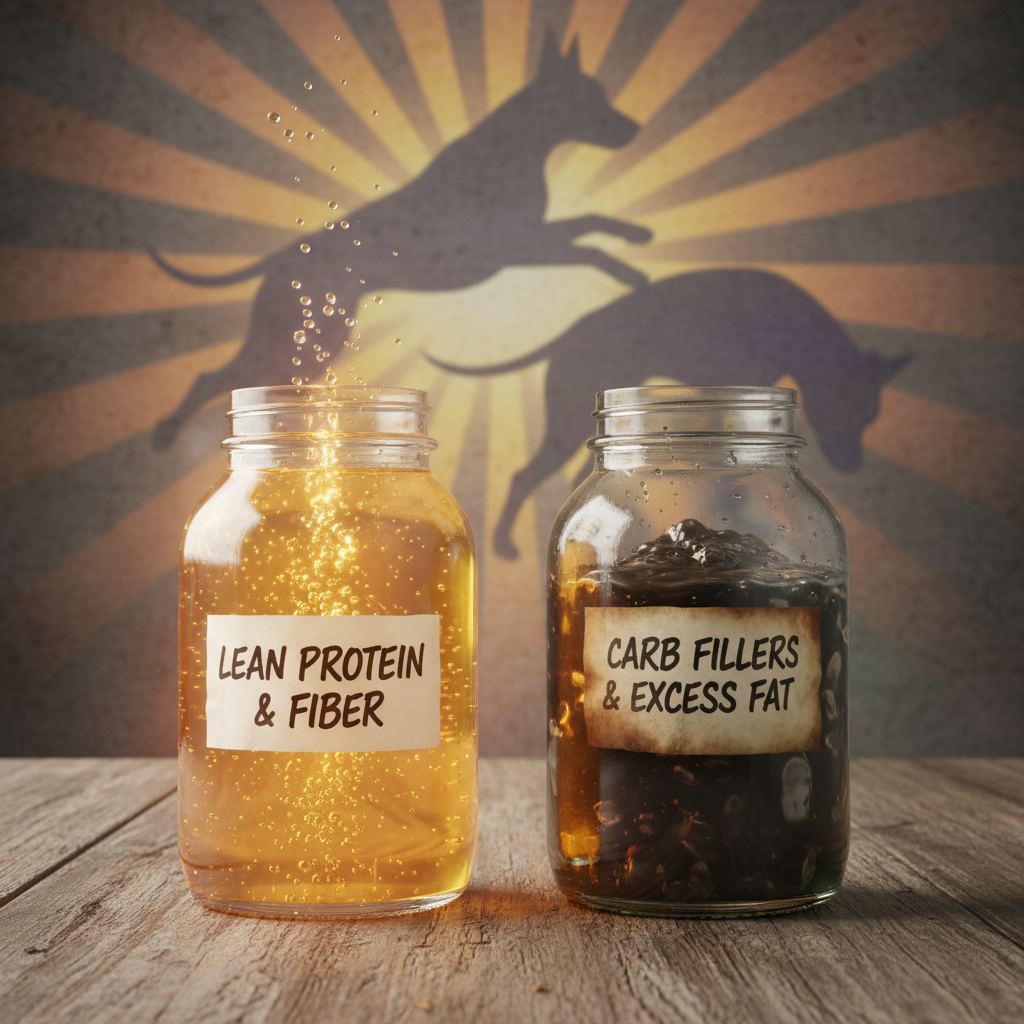
This is why simply feeding a smaller amount of their old food, or even switching to a generic ‘light’ or ‘weight control’ formula, often fails. Many of these formulas slash fat and protein but compensate with high levels of carbohydrate fillers, which do little to support muscle mass or make a dog feel full. We must adopt a more strategic, nutrient-focused approach.
Hacker Tip: Stop thinking in terms of ‘less food’ and start thinking in terms of ‘more efficient fuel.’ Every calorie that enters your dog’s bowl must serve a specific purpose: building muscle, providing sustained energy, or supporting thyroid function.
The Thyroid Saboteurs: Ingredients to Purge from Your Pantry
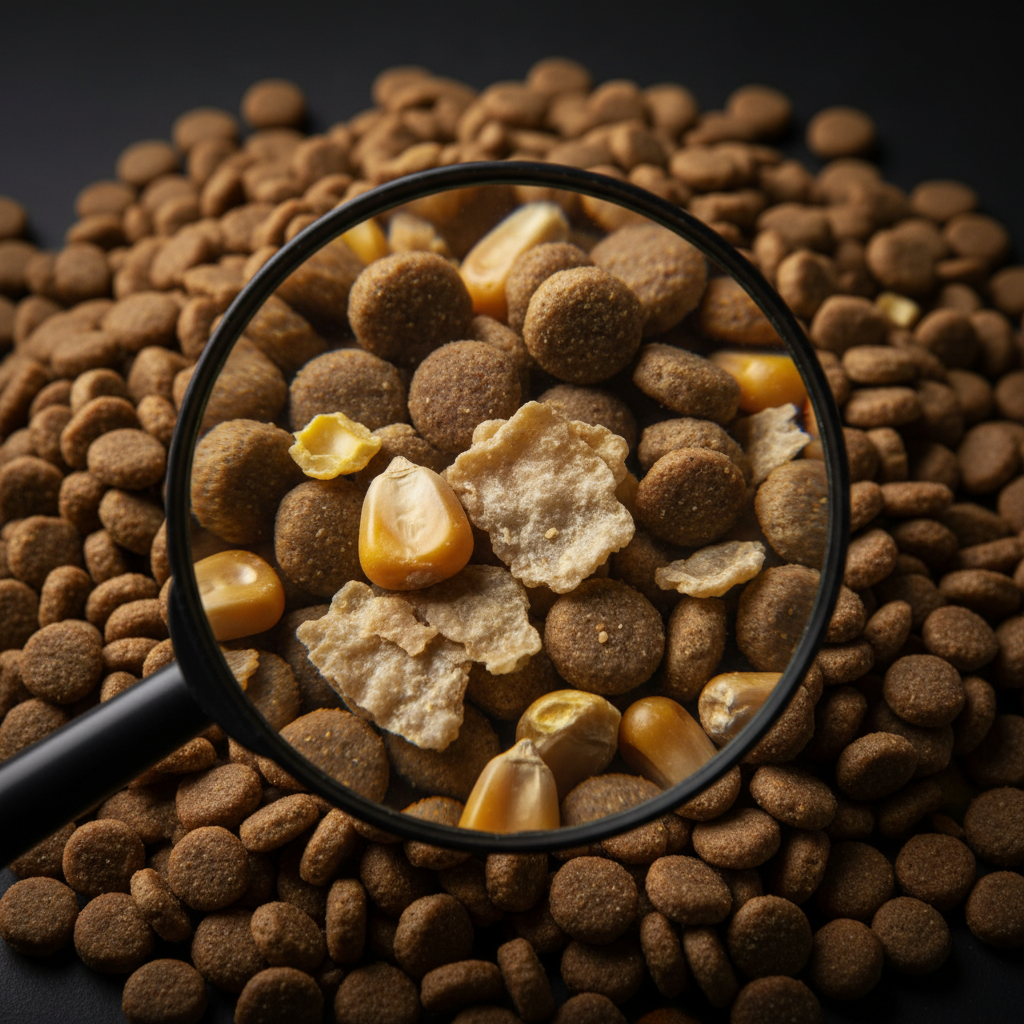
The first step in hacking your dog’s diet is to remove the saboteurs. These are ingredients that either directly interfere with thyroid function or contribute disproportionately to weight gain in a metabolically compromised dog. Read your labels with forensic scrutiny and eliminate foods containing these culprits.
Goitrogens: The Thyroid Disruptors
Goitrogens are natural substances found in certain foods that can suppress the function of the thyroid gland by interfering with iodine uptake. While healthy dogs can typically handle them in moderation, they should be strictly limited or properly prepared for a hypothyroid dog.
- Soy: This is a major one. Soy isoflavones are known goitrogens. Unfortunately, soy is a cheap protein filler used in many lower-quality dog foods. Eliminate soy-based foods and treats entirely.
- Cruciferous Vegetables: This includes broccoli, cauliflower, cabbage, and kale. In their raw form and in large quantities, they can have a goitrogenic effect. However, they are also nutritious. The solution? Serve them only in small amounts and always cooked, as steaming or boiling can deactivate most of the goitrogenic compounds.
Simple Carbohydrates & Fillers: The Fat-Storage Triggers
These are the nutritional dead weight in your dog’s food. They provide a quick spike in blood sugar, which promotes insulin release and signals the body to store fat. For a slow metabolism, they are poison.
- Corn: Whether it’s ground corn, corn gluten meal, or corn syrup, this is a cheap, low-quality filler with minimal nutritional value for a dog.
- Wheat: Another common allergen and filler. Look for wheat flour, wheat middlings, and other wheat-based ingredients.
- Unnamed ‘Grain Products’ or ‘By-products’: Vague labeling is a huge red flag. If a manufacturer can’t tell you exactly what’s in the bag, you can’t trust it.
Excessive or Low-Quality Fats
Fat is a calorie-dense nutrient. While some fats are essential (like Omega-3s), high-fat diets are a recipe for disaster. Avoid foods with generic fat sources like ‘animal fat’ (which could be anything) and look for formulas with a moderate fat content, ideally below 12% on a dry matter basis.
The Metabolic Power-Up: Hero Ingredients for Thyroid Health and Weight Loss
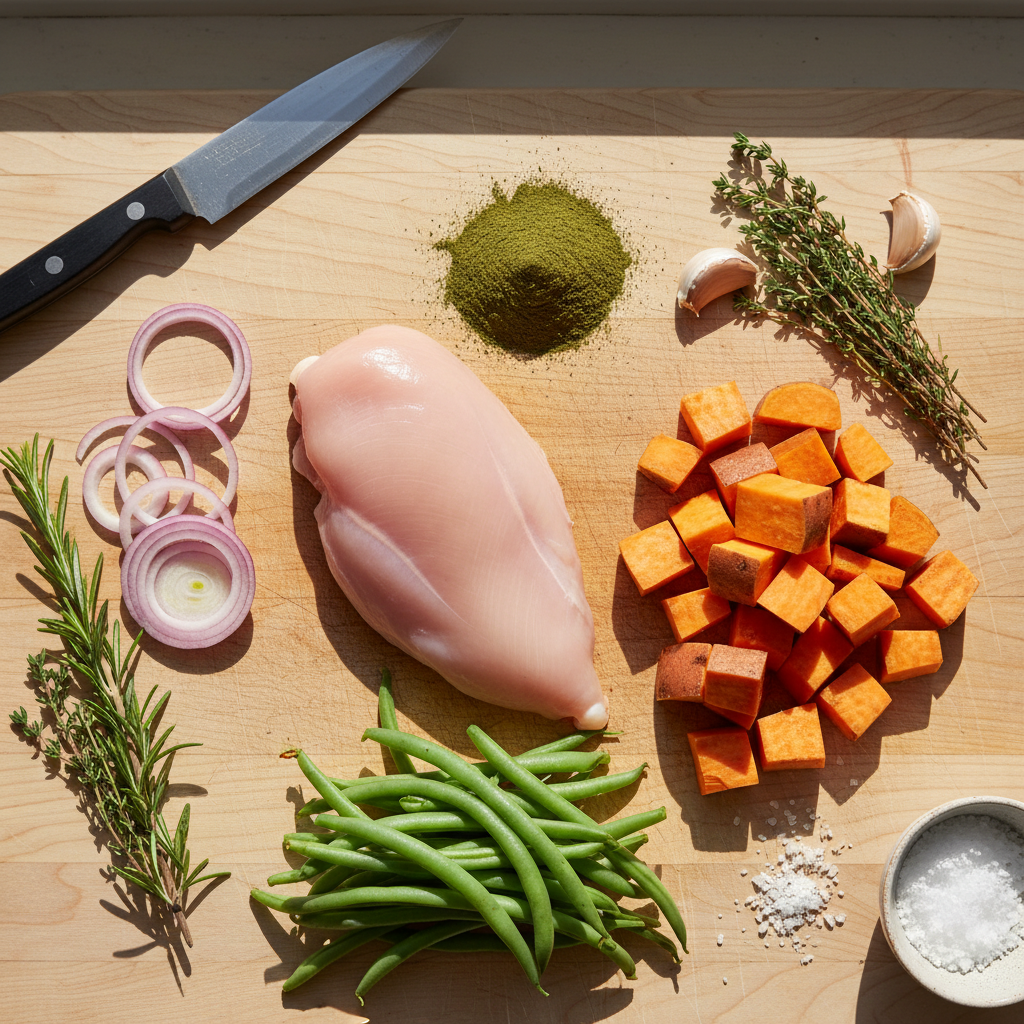
Now for the positive reinforcement. Building the right bowl is about choosing nutrient-dense, high-quality ingredients that support your dog’s body where it needs it most.
High-Quality, Lean Protein
Protein is the single most important macronutrient for a weight-loss diet. It builds and maintains lean muscle mass, which, as we know, is crucial for keeping the metabolism from slowing down further. It also promotes satiety, helping your dog feel fuller for longer.
- Hero Sources: Look for foods with named, whole meat sources as the first ingredient. Examples include deboned chicken, turkey, salmon, whitefish, or lean cuts of beef.
- Target Percentage: Aim for a food with at least 25-30% protein on a dry matter basis.
Fiber: The Satiety Superstar
Fiber adds bulk to food without adding significant calories. This helps your dog feel full, reducing begging and scavenging behaviors. It also aids in digestive regularity.
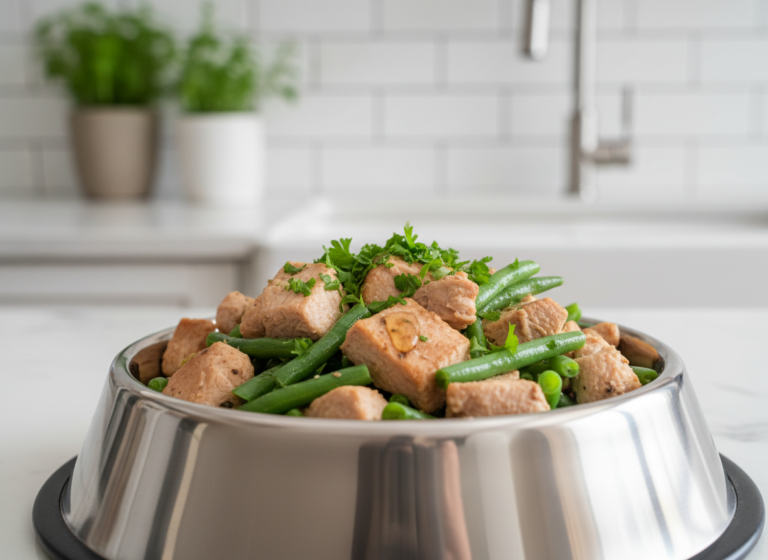
- Hero Sources: Pumpkin, sweet potato, green beans, beet pulp, and psyllium husk are all excellent fiber sources.
Essential Nutrients for Thyroid Support
Certain micronutrients are cofactors in the production and conversion of thyroid hormones. Ensuring your dog’s diet is rich in these can provide foundational support.
- Iodine: A critical component of thyroid hormones. The best natural source is seaweed or kelp. Warning: Do not supplement with iodine without veterinary guidance, as too much can be as harmful as too little. A balanced commercial food should have adequate levels.
- Selenium & Zinc: These minerals are crucial for converting T4 (the storage hormone) into T3 (the active hormone). Good sources include fish, eggs, and lean meats.
- L-Carnitine: This amino acid derivative helps transport fatty acids into the cells’ mitochondria to be burned for energy. It essentially helps the body utilize fat more efficiently. Many therapeutic weight-loss diets are supplemented with it.
- Omega-3 Fatty Acids: Found in fish oil (salmon, sardines), these fatty acids have powerful anti-inflammatory properties, which is beneficial as obesity is an inflammatory state.
Commercial Food Forensic Analysis: Hacking the Pet Food Aisle
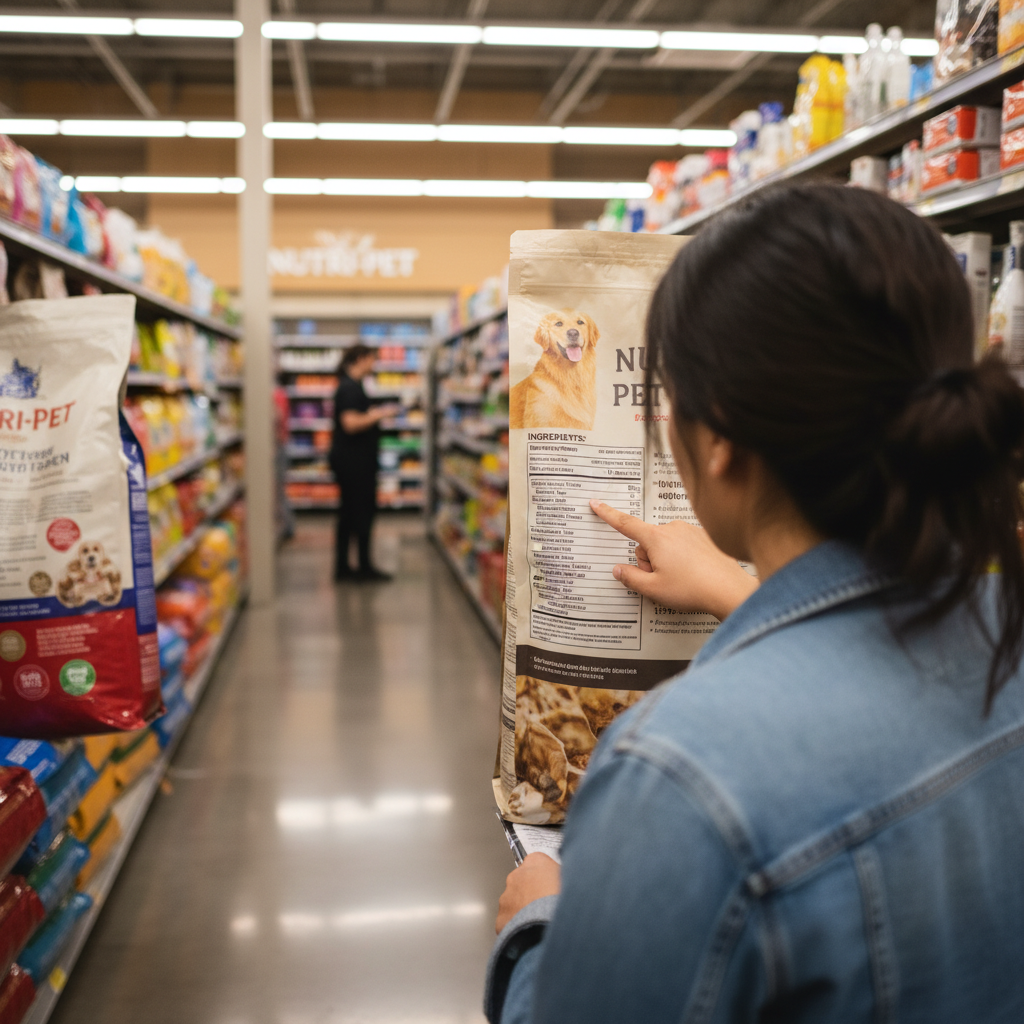
Navigating the pet food aisle can feel overwhelming. Brands use beautiful packaging and buzzwords like ‘natural,’ ‘holistic,’ or ‘grain-free’ to lure you in. Your job is to ignore the front of the bag and become an expert at reading the back. A prescription therapeutic diet from your vet is often the safest and most effective starting point, but if you are selecting an over-the-counter food, here is your hacking guide.
The Non-Negotiable Rules
- The First 5 Ingredients Rule: The first ingredient should be a named, high-quality animal protein (e.g., ‘Deboned Chicken,’ not ‘Meat and Bone Meal’). At least two of the first five ingredients should be protein sources.
- Analyze the Guaranteed Analysis: This is the box that lists the minimum/maximum percentages of key nutrients. For a hypothyroid dog needing to lose weight, look for:
- Crude Protein: Minimum 25% (higher is often better)
- Crude Fat: Maximum 10-12%
- Crude Fiber: Minimum 4% (higher can help with satiety)
- Check for Added Support: Look for beneficial supplements on the ingredient list, such as L-carnitine, taurine, and Omega-3 sources like fish oil or flaxseed.
Brand Type Comparison
Let’s analyze three common types of ‘weight management’ foods you might encounter. This is a representative analysis, not an endorsement of specific brands.
| Food Type | Typical First 5 Ingredients | Hacker Analysis | Verdict |
|---|---|---|---|
| Prescription Therapeutic Weight Loss | Chicken, Powdered Cellulose, Corn Gluten Meal, Whole Grain Corn, Chicken Fat | Engineered for low calories and high satiety. The high fiber (cellulose) makes the dog feel full. While it may use some corn products, the formulation is clinically tested and proven for weight loss under veterinary supervision. Cost Per Day (50lb dog): ~$3.00 | Gold Standard: Often the most effective and safest option, despite some less-than-ideal ingredients. The science and clinical trials behind it provide reliability. |
| Premium ‘Healthy Weight’ OTC | Deboned Chicken, Chicken Meal, Brown Rice, Barley, Pea Fiber | Good quality protein sources up front. Uses complex carbs like brown rice instead of corn/wheat. Includes a dedicated fiber source. A solid over-the-counter choice. Cost Per Day (50lb dog): ~$2.25 | Strong Contender: A great option if a prescription diet isn’t feasible. Focuses on quality ingredients while managing fat and calories. |
| Grocery Store ‘Light & Fit’ | Ground Whole Grain Corn, Chicken By-Product Meal, Soybean Meal, Animal Fat, Corn Gluten Meal | Corn is the first ingredient, a huge red flag. Uses lower-quality by-product meal and soy (a goitrogen). This is a filler-heavy food designed to be cheap, not optimal. Cost Per Day (50lb dog): ~$1.25 | Avoid: This is a thyroid saboteur in a bag. The low price is not worth the poor nutrition and potential to hinder weight loss. |
Conclusion
Managing your hypothyroid dog’s weight is a marathon, not a sprint. It requires a fundamental shift in how you perceive their nutritional needs. The old rules no longer apply. By eliminating thyroid saboteurs like soy and simple carb fillers and focusing on a diet rich in high-quality lean protein and beneficial fiber, you are giving their compromised metabolism the best possible chance to succeed.
Whether you choose a veterinarian-prescribed therapeutic diet, a carefully selected over-the-counter food, or a vet-approved homemade plan, the principles remain the same. Read every label. Question every ingredient. Become the ultimate advocate for your dog’s health. Your diligence at the food bowl is one of the most powerful tools you have to combat this disease, helping your companion feel lighter, more energetic, and healthier for years to come. Your partnership with your veterinarian, combined with these nutritional strategies, is the key to successfully managing this condition.