Low Histamine Dog Food: A Complete Food List for Mast Cell Issues
When your veterinarian utters the words ‘Mast Cell Tumor,’ the world narrows. Suddenly, you’re not just a pet owner; you’re a frontline researcher and your dog’s primary health advocate. The constant itching, the unexplained welts, the digestive turmoil—it all points to an internal battle being waged by your dog’s own immune system. The culprit? An overload of histamine, released by malfunctioning mast cells. While veterinary medicine provides the primary treatment, there’s a powerful weapon you control directly: your dog’s food bowl.
I am The Canine Nutrition Hacker. I don’t follow trends; I follow the science and scrutinize the labels. The pet food industry is a minefield of misleading marketing, inflammatory fillers, and histamine-triggering preservatives. This guide is your map. We will cut through the noise, identify the enemy ingredients, and build a nutritional arsenal to support your dog’s fight against mast cell disease. This is not about boutique brands; it’s about understanding the fundamental principles of a low-histamine diet to give your dog the best possible quality of life.
MEDICAL DISCLAIMER: This article is for informational purposes only and is not a substitute for professional veterinary advice. Mast cell disease is a serious medical condition. Always consult with your veterinarian or a board-certified veterinary nutritionist before making any changes to your dog’s diet or treatment plan.
Understanding the Mast Cell-Histamine Connection
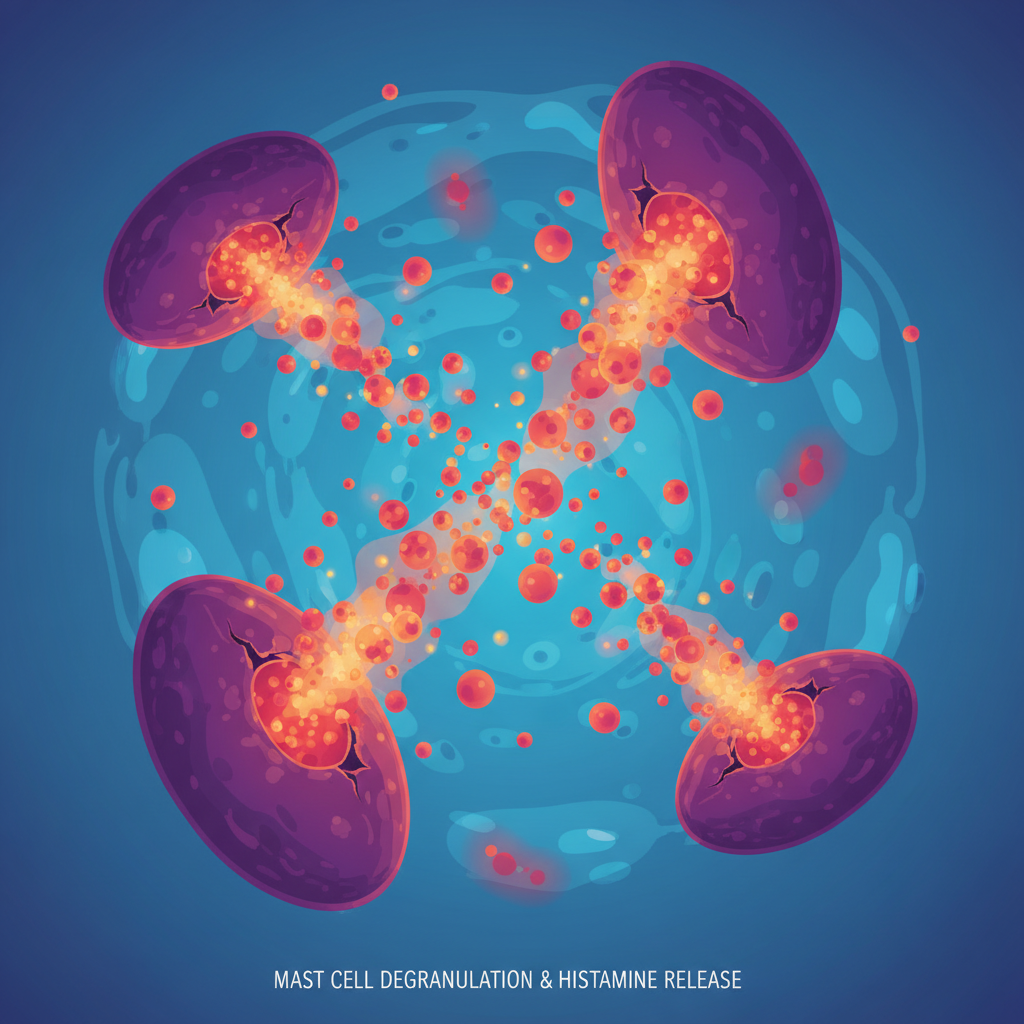
Before we can effectively manage the problem, we must understand the adversary. Mast cells are a type of white blood cell and a normal part of your dog’s immune system. Think of them as first responders. When they detect a threat—like an allergen, toxin, or injury—they ‘degranulate,’ releasing a flood of chemicals, the most famous of which is histamine.
In a healthy dog, this is a perfectly normal inflammatory response that helps protect the body. However, in dogs with Mast Cell Tumors (MCTs) or Mast Cell Activation Syndrome (MCAS), this system goes haywire. MCTs are tumors composed of abnormal mast cells that can release massive amounts of histamine spontaneously. MCAS is a condition where mast cells are overly sensitive and are triggered too easily. The result is the same: a chronic, systemic overload of histamine.
Symptoms of Histamine Overload in Dogs:
- Intense, persistent itching and scratching
- Red, inflamed skin, hives, or welts (dermatographia)
- Gastrointestinal distress, including vomiting and diarrhea
- Swelling (edema), often around the face or paws
- Respiratory issues like coughing or wheezing
- Fluctuations in blood pressure, leading to weakness or collapse in severe cases
Feeding a dog with mast cell issues a diet high in histamine is like throwing gasoline on a fire. The body is already struggling to clear excess histamine; adding more through food exacerbates every symptom and puts immense strain on their system. Our mission is to starve the inflammation by cutting off its dietary fuel supply.
The Offender’s List: Foods That Fuel the Fire
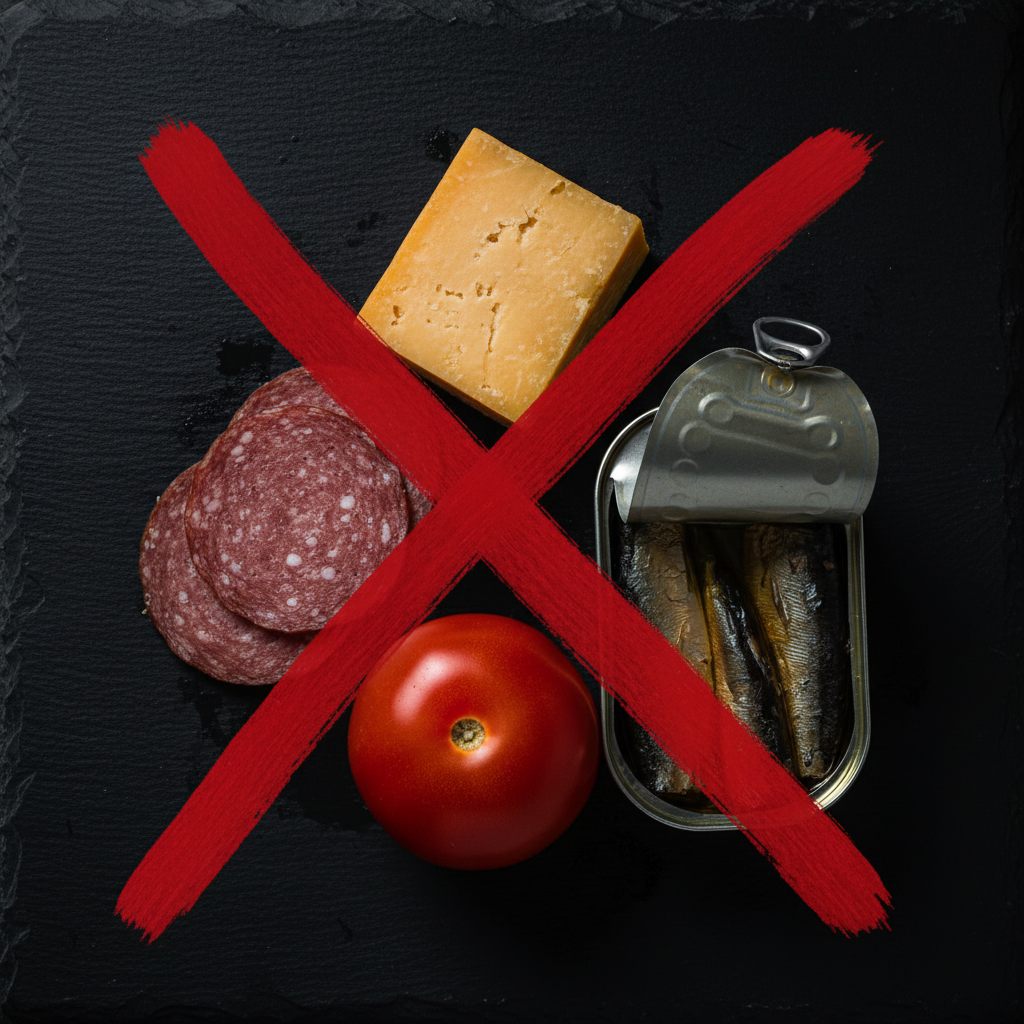
Eliminating problematic foods is the most critical first step. The offenders fall into two categories: foods that are naturally high in histamine, and foods that trigger the body to release its own histamine stores (known as histamine liberators). Both must be removed from your dog’s diet immediately.
High-Histamine Foods to Avoid:
- Processed, Cured, or Smoked Meats: This includes bacon, sausage, salami, hot dogs, and most jerky treats. The processing and aging process dramatically increases histamine levels.
- Aged Cheeses: Any cheese that has been aged is a histamine bomb. Avoid parmesan, cheddar, and blue cheese.
- Certain Fish: Especially those in the Scombridae family like tuna and mackerel. Canned fish is particularly problematic as histamine levels climb rapidly after the fish is caught. Avoid fish meal in kibble.
- Leftover Meat: This is a crucial point many owners miss. Histamine levels in cooked meat rise as it sits in the refrigerator. Only feed freshly cooked meat or meat that was frozen immediately after cooking.
- Fermented Foods: While often touted for gut health, foods like yogurt, kefir, and sauerkraut are extremely high in histamine.
- Certain Vegetables: Spinach, tomatoes, eggplant, and avocado are known to be high in histamine. Look for ‘tomato pomace’ on kibble labels—it’s a common filler and a source of histamine.
- Dried Fruit: Raisins (which are toxic anyway), dates, and figs contain high levels of histamine.
Histamine-Releasing Foods (Liberators):
- Pork: While not excessively high in histamine itself, pork is a known histamine liberator in many dogs.
- Citrus Fruits: Oranges, lemons, and grapefruit can trigger mast cells.
- Strawberries and Bananas: These popular fruits are potent histamine liberators.
- Artificial Additives: Artificial colors, flavors, and preservatives like BHA, BHT, and ethoxyquin are major triggers for mast cell degranulation.
Hacker Tip: Scrutinize every ingredient label on treats and supplements, not just food. Vague terms like ‘meat by-products’ or ‘animal digest’ can hide high-histamine protein sources. If you don’t know exactly what it is, don’t feed it.
The Safe List: Your Low-Histamine Food Arsenal
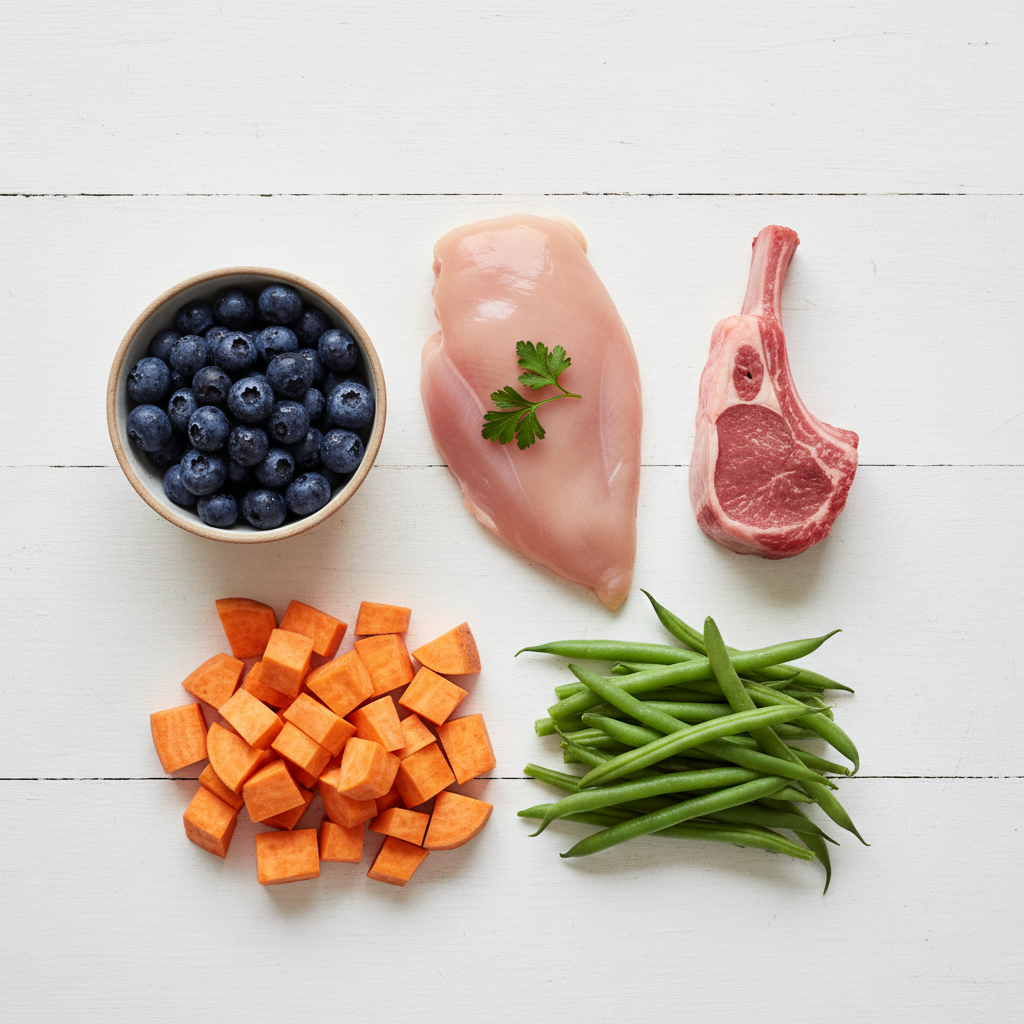
Now we build. The goal is a diet based on fresh, whole foods that are naturally low in histamine. Freshness is not a luxury here; it is a non-negotiable requirement for minimizing histamine content.
Fresh, Low-Histamine Proteins:
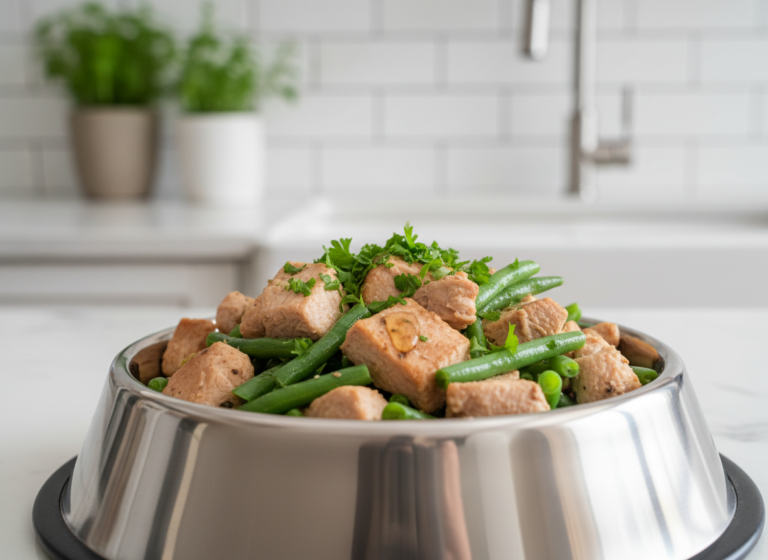
- Freshly Cooked Poultry: Chicken and turkey are excellent options. The key is ‘freshly cooked.’ Do not let it sit in the fridge for days. Cook and serve, or cook and freeze immediately.
- Freshly Cooked Lamb: A great novel protein for many dogs.
- Freshly Cooked Beef: Can be used in moderation; ensure it’s a lean cut and served fresh.
- Rabbit: Another excellent novel protein that is very well-tolerated.
- Quail Eggs (Yolks Only): Egg whites can be histamine liberators, but the yolks are a nutrient-dense, low-histamine option.
Safe Vegetables:
- Carrots
- Cucumber
- Sweet Potato / Yams
- Zucchini / Summer Squash
- Broccoli (in moderation)
- Cauliflower
- Bell Peppers (red, yellow, orange)
- Green Beans
- Pumpkin
Low-Histamine Fruits:
- Blueberries
- Blackberries
- Apples (core and seeds removed)
- Pears (skin and seeds removed)
- Watermelon (no rind or seeds)
- Cantaloupe
Clean Carbohydrates & Grains:
- White Rice
- Oats (ensure gluten-free if your dog is sensitive)
- Quinoa
- Millet
Healthy Fats:
- Coconut Oil
- Olive Oil (in moderation)
- Flaxseed Oil
Hacker Tip: Batch cook your dog’s protein for the week, portion it into daily servings, and flash-freeze immediately. This halts the histamine development process completely. Thaw one serving at a time right before feeding. This is the single most effective strategy for homemade diets.
Decoding Commercial Dog Food for Low-Histamine Safety
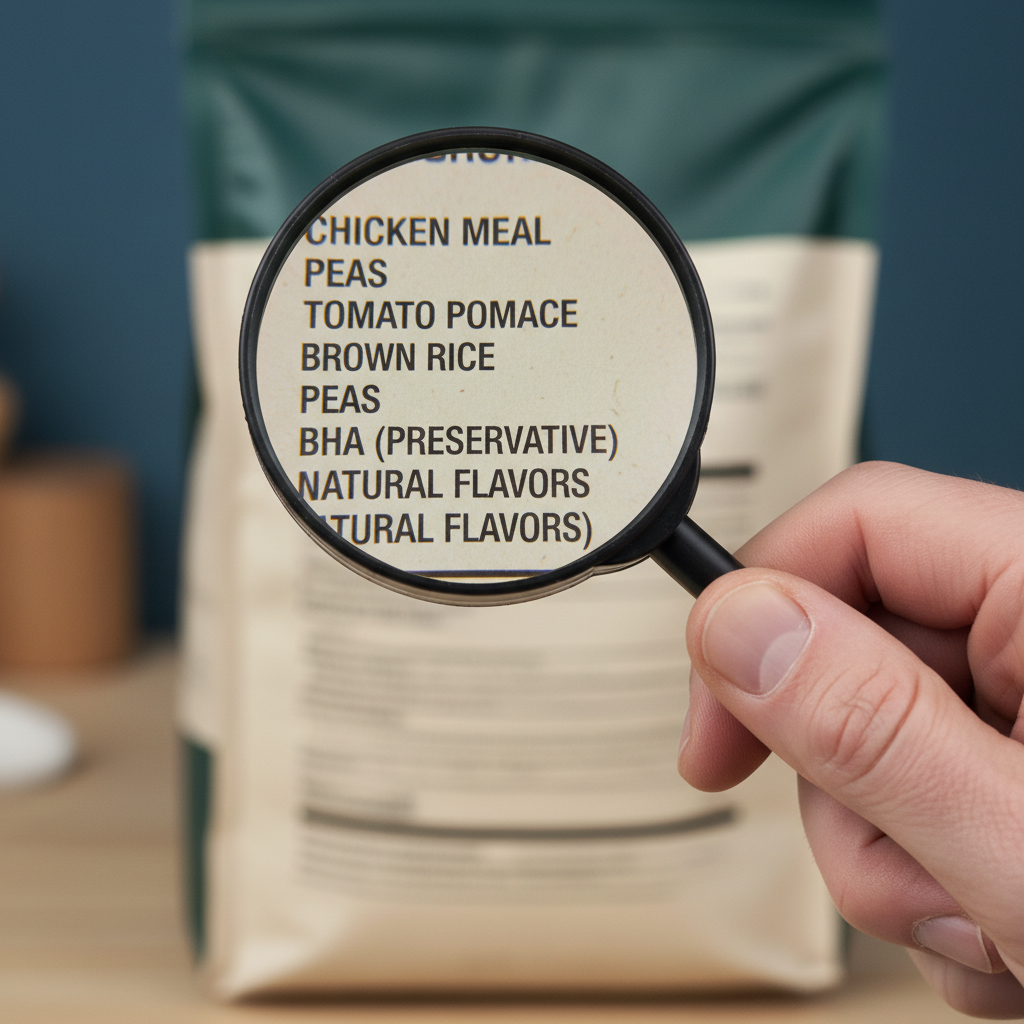
A fully homemade diet is the gold standard, but it’s not feasible for everyone. Navigating the commercial pet food aisle requires a forensic level of scrutiny. Most conventional kibbles are a minefield of histamine triggers. Here’s how to analyze your options.
Key Principles for Label Analysis:
- Prioritize Limited Ingredient Diets (LID): The fewer ingredients, the fewer potential triggers. LIDs make it easier to isolate what does and does not work for your dog.
- Seek Out Novel Proteins: A novel protein is one your dog has likely never been exposed to, such as rabbit, kangaroo, or venison. These are less likely to trigger an immune response.
- Reject High-Histamine Fillers: Actively scan for and reject any food containing tomato pomace, spinach, peas (a borderline legume that can be problematic), and fish meal.
- Demand Natural Preservation: Avoid chemical preservatives like BHA, BHT, and ethoxyquin at all costs. Look for foods preserved with mixed tocopherols (Vitamin E).
- Buy Small and Store Smart: Kibble, by its nature, is not fresh. The fats can go rancid and histamine levels can rise over time. Buy the smallest bag possible that makes sense for your dog’s size. Store it in its original bag, inside an airtight container, in a cool, dark place.
To simplify the decision, let’s break down the main categories of commercial foods.
| Food Type | Pros for Low-Histamine Diet | Cons & Watch-Outs | Hacker Verdict |
|---|---|---|---|
| Fresh Food Delivery (e.g., The Farmer’s Dog, Nom Nom) | Made with fresh, human-grade ingredients. Gently cooked to preserve nutrients. Often limited ingredient recipes are available. | Can be expensive. You must check each recipe for specific triggers like spinach or fish. | Excellent choice if budget allows. Verify ingredients for your specific dog. The closest you can get to homemade without the work. |
| Freeze-Dried/Dehydrated Raw | Minimal processing preserves nutrients. Often single-protein and limited ingredient. Lightweight and shelf-stable. | Rehydration is essential. Some formulas contain high-histamine fruits/veg like strawberries. Can be costly. | A strong contender. Scrutinize the entire ingredient list. A great option for travel or as a meal topper. |
| Limited Ingredient Diet (LID) Kibble | Fewer variables to track. Often uses novel proteins like lamb, duck, or rabbit. More affordable than fresh or raw. | Highly processed at high heat. Potential for histamine build-up during storage. Check for hidden fish oils or tomato. | A viable budget-friendly option. This is your best bet in the kibble aisle. Buy small bags and store properly. |
| Standard Kibble | Widely available and affordable. | Often full of fillers (corn, soy, wheat), allergens, chemical preservatives, and high-histamine ingredients (fish meal, tomato pomace, animal digest). | Generally not recommended. The risk of hidden triggers is extremely high. Avoid unless there are no other options. |
Strategic Supplements: Your Dog’s Support System
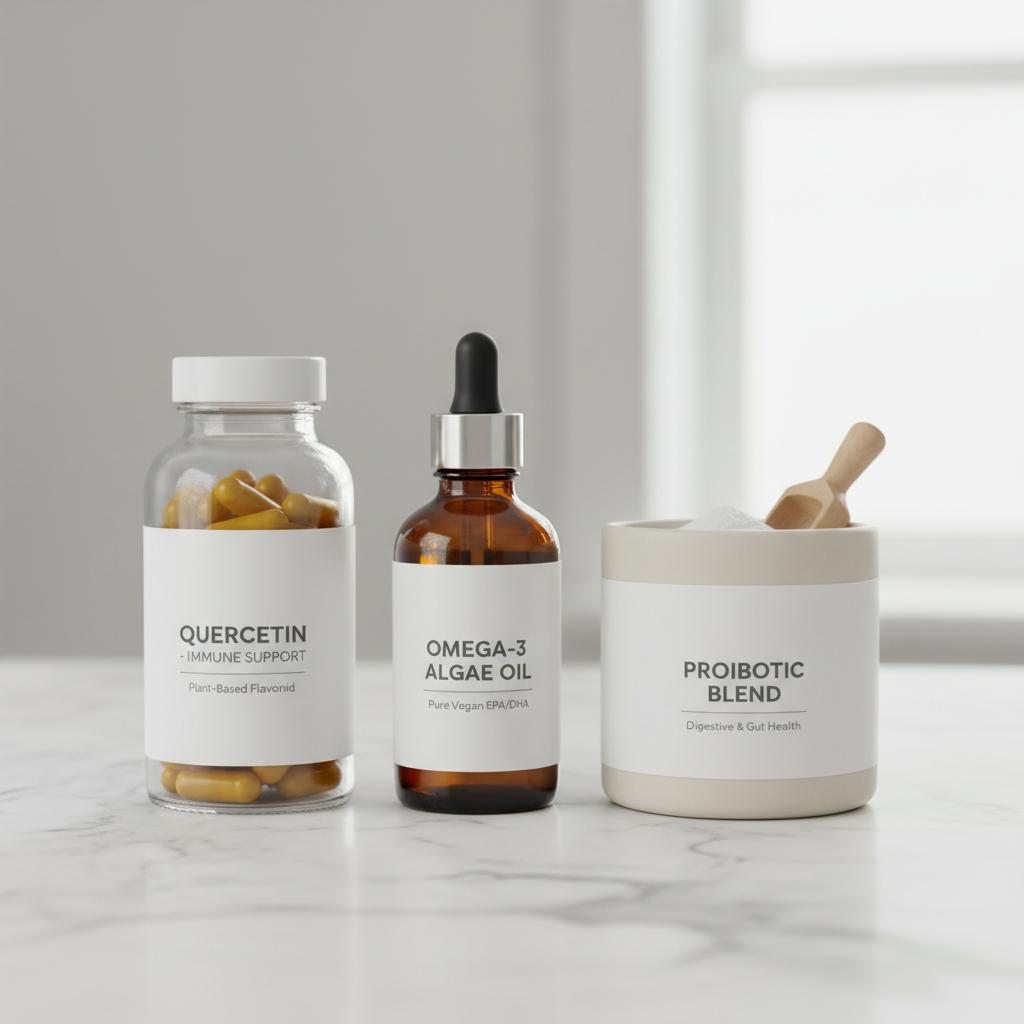
Diet is the foundation, but certain supplements can provide powerful support by helping to stabilize mast cells and manage the body’s histamine load. Think of these as tactical tools to support the overall strategy. Always consult your veterinarian before adding any new supplements to your dog’s regimen.
Key Supportive Supplements:
- Quercetin: This plant-derived flavonoid is often called ‘Nature’s Benadryl.’ It has powerful antihistamine and anti-inflammatory properties and is known to be a mast cell stabilizer, meaning it can help prevent mast cells from degranulating in the first place.
- Omega-3 Fatty Acids: These are powerful anti-inflammatories. However, the source matters immensely. Avoid standard fish oil, as it can be high in histamine. Instead, opt for a high-quality, third-party tested, purified fish oil from small fish (like sardines or anchovies) or, even better, a vegan algae-based DHA oil to eliminate the fish-related histamine risk.
- Probiotics: Gut health is intricately linked to immune function. A healthy gut microbiome can help break down and process histamine more effectively. However, be aware that some probiotic strains actually produce histamine. Focus on strains known to be low-histamine, such as those from the Bifidobacterium family (*B. infantis*, *B. longum*).
- Vitamin C: This essential vitamin is involved in the production of diamine oxidase (DAO), the primary enzyme that breaks down histamine in the digestive tract. A buffered Vitamin C can be a gentle and effective addition.
These supplements do not replace veterinary care or a proper diet, but they can be a valuable part of a comprehensive management plan to keep your dog comfortable and stable.
Conclusion
Managing a dog with mast cell disease requires a paradigm shift. You must become the gatekeeper of everything that enters their body. The power to reduce inflammation, minimize symptoms, and improve their daily comfort lies directly in their food bowl. This is not a passive process; it is an active, ongoing strategy.
The core principles are your new rules: prioritize freshness above all else, eliminate known offenders without compromise, and read every single label like a forensic scientist. Whether you choose a carefully sourced commercial food or a meticulously prepared homemade diet, these principles remain the same.
Partner with your veterinarian, use this guide as your nutritional playbook, and be observant. Your dog’s body will tell you what’s working. By hacking their nutrition and removing the inflammatory triggers, you are not just managing a disease—you are actively building a stronger, more resilient foundation for their health and giving them the best possible chance at a long, happy life.