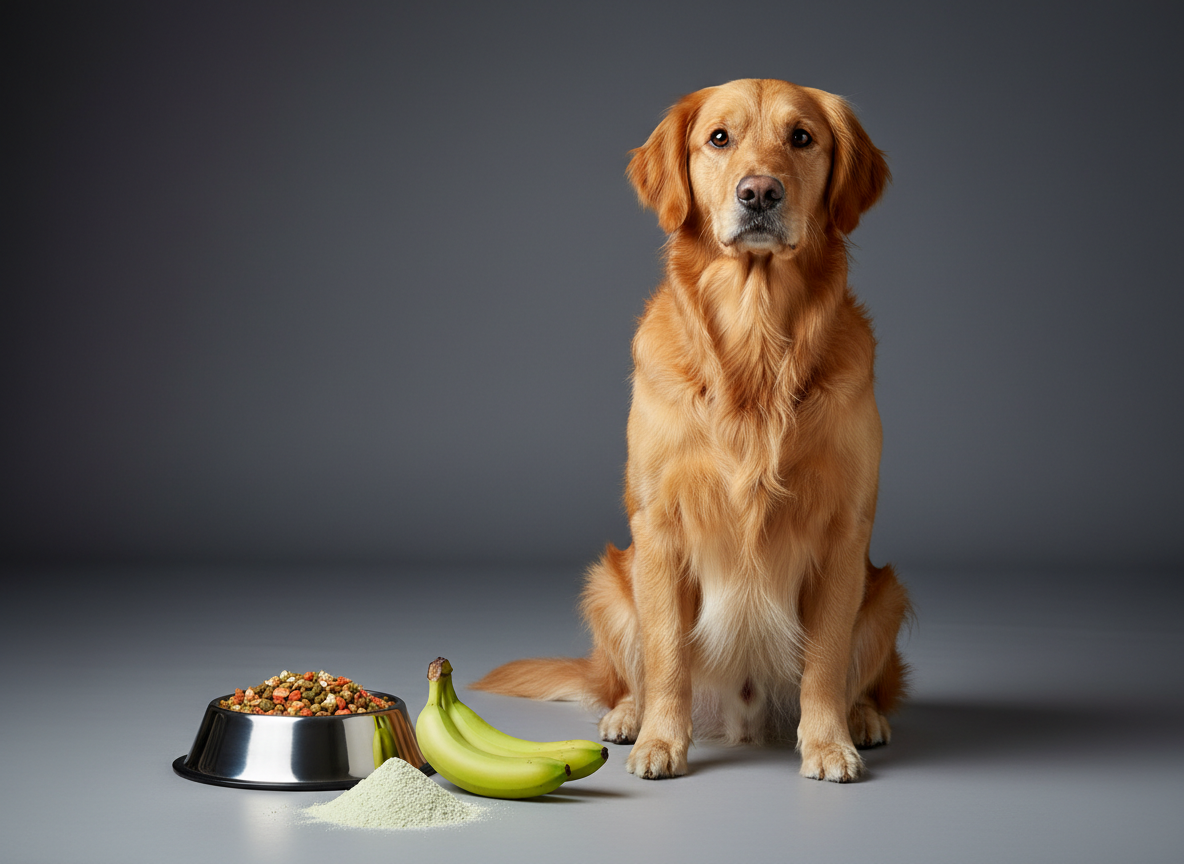
Green Banana Flour: The Secret Gut Healer for Dogs
As a pet owner, you’ve likely faced the frustrating cycle of canine digestive issues: the unexplained loose stools, the noxious gas, the constant stomach gurgling. You’ve tried different foods, spent a fortune on supplements, and listened to conflicting advice. The truth is, the answer isn’t always in a more expensive bag of kibble. It’s in understanding the complex world within your dog’s gut. Most commercial dog foods are failing our dogs at a microbial level. They are packed with inflammatory fillers and lack the specific nutrients required to cultivate a healthy gut microbiome—the command center for your dog’s overall health. Today, we’re pulling back the curtain on a powerful, overlooked tool in the canine nutrition hacker’s arsenal: green banana flour. This isn’t a fad; it’s a scientifically-backed prebiotic supercharger that can fundamentally change your dog’s digestive health from the inside out. Forget the marketing hype. Let’s look at the data.
Decoding the Canine Gut: Why It’s More Than Just a Food Processor

Before we introduce our hero ingredient, we must first understand the battlefield: the canine gastrointestinal tract. It’s not merely a tube for processing food. It is a complex ecosystem, home to trillions of microorganisms—bacteria, fungi, and viruses—collectively known as the gut microbiome. Think of it as your dog’s second brain. A balanced, diverse microbiome is critical for nearly every aspect of your dog’s well-being.
The Ecosystem Within
In a healthy gut, beneficial bacteria flourish. They perform critical functions:
- Nutrient Synthesis & Absorption: They help break down food your dog can’t digest on its own, unlocking vital nutrients and producing essential vitamins like B12 and K.
- Immune System Regulation: A staggering 70-80% of your dog’s immune system resides in the gut. A healthy microbiome trains the immune system to distinguish between friend and foe, reducing the risk of allergies and autoimmune diseases.
- Defense Against Pathogens: A thriving colony of good bacteria forms a protective barrier, crowding out and fighting off harmful pathogens like Salmonella and E. coli.
When this delicate ecosystem is thrown out of balance—a condition called dysbiosis—harmful bacteria proliferate. This imbalance is the root cause of many chronic health issues that plague modern dogs, extending far beyond simple diarrhea. Chronic inflammation from a compromised gut can manifest as skin allergies, yeast infections, joint pain, and even behavioral issues. Fixing the gut is the first, most critical step to resolving these seemingly unrelated problems.
The Usual Suspects: Identifying the ‘Enemy Ingredients’ in Your Dog’s Bowl
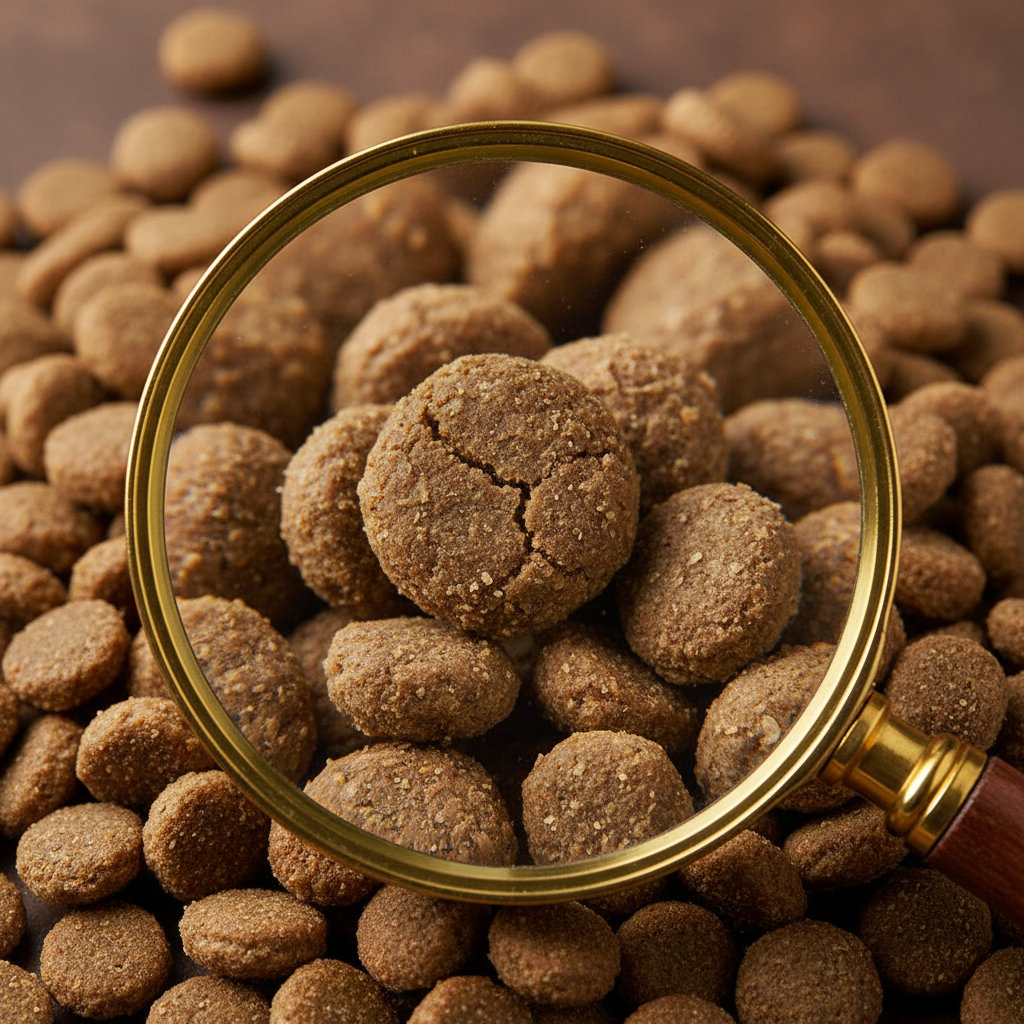
Why are so many dogs suffering from dysbiosis? The answer is often right in their food bowl. The commercial pet food industry, driven by profit margins, has perfected the art of using cheap, biologically inappropriate ingredients that wreak havoc on the canine gut. These are the enemy agents we, as nutrition hackers, must identify and eliminate.
Common Gut Agitators:
- High-Glycemic Fillers: Ingredients like corn gluten meal, wheat flour, and soy hulls are cheap binders and fillers. They offer minimal nutritional value and are rapidly converted to sugar, feeding the harmful yeast and bacteria in the gut.
- Vague Protein ‘Meals’: Watch out for non-specific terms like “meat and bone meal” or “animal by-product meal.” These can be low-quality, high-heat processed ingredients from questionable sources, often triggering inflammatory responses.
- Artificial Preservatives & Colors: Chemical preservatives like BHA, BHT, and ethoxyquin, along with artificial colors (e.g., Red 40), are foreign to a dog’s digestive system and can contribute to gut inflammation and cellular damage over time.
- Over-Reliance on a Single Protein: Feeding the same protein, often chicken, for years can contribute to the development of food sensitivities and intolerances, further stressing the gut lining.
Insider Secret: Manufacturers use a technique called “ingredient splitting.” Instead of listing “corn” as the first ingredient, they might list “chicken,” followed by “ground yellow corn,” “corn gluten meal,” and “corn bran.” Individually, these corn products appear lower on the list, but combined, they often make up the bulk of the food, deceptively hiding the true primary ingredient.
The Hero Ingredient: Why Green Banana Flour is a Prebiotic Supercharger

Now that we’ve identified the enemy, let’s introduce the hero: Green Banana Flour. This is not the same as the sweet, ripe bananas you eat. It’s made from unripe, green bananas, and its nutritional profile is radically different. Its superpower lies in a specific type of fiber called Resistant Starch Type 2 (RS2).
Unlike regular starches that are quickly broken down into glucose in the small intestine, resistant starch—as its name implies—’resists’ digestion. It travels intact all the way to the large intestine. There, it becomes the ultimate fuel for your dog’s beneficial gut bacteria. This process of fermentation by the good bacteria is what makes it a world-class prebiotic.
The Science of Gut Healing
When beneficial bacteria feast on the resistant starch from green banana flour, they produce incredibly valuable compounds called Short-Chain Fatty Acids (SCFAs). The most important of these is butyrate.
- Butyrate: This is the primary energy source for the cells lining the colon (colonocytes). A steady supply of butyrate helps strengthen the gut wall, reducing ‘leaky gut’ syndrome and lowering inflammation.
- Improved Stool Quality: The fermentation process helps absorb water in the colon, leading to firmer, more consistent, and less odorous stools. It’s highly effective for managing chronic loose stools or diarrhea.
- Nutrient Absorption: By lowering the pH of the colon, SCFAs make it easier for the body to absorb essential minerals like calcium, magnesium, and iron from food.
- Blood Sugar Regulation: Because it’s not digested as a sugar, green banana flour has a very low glycemic index and can help support stable blood sugar levels.
In short, you’re not just adding fiber; you’re providing the precise fuel needed to cultivate a thriving internal ecosystem that can heal the gut lining, fight inflammation, and optimize nutrient absorption. This is a targeted, strategic intervention, not just a shot in the dark.
The Canine Hacker’s Protocol: Safely Integrating Green Banana Flour
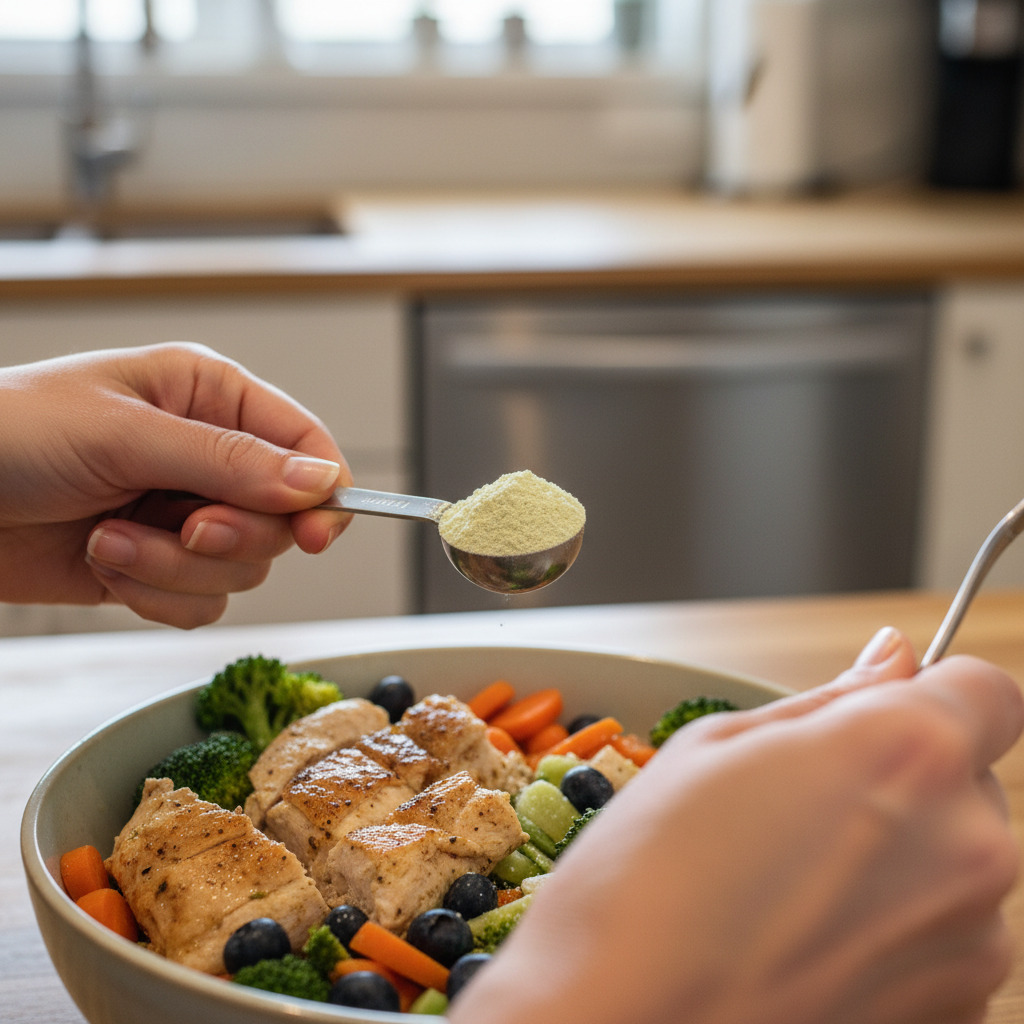
Introducing any new, powerful supplement requires a methodical approach. The goal is to support the gut, not shock it. Flooding the system with too much prebiotic fiber too quickly can cause temporary gas and bloating as the microbiome adjusts. Follow this protocol precisely.
MEDICAL DISCLAIMER: I am not a veterinarian. The information provided here is for educational purposes only. Always consult with your veterinarian before adding any new supplement to your dog’s diet, especially if your dog has a pre-existing health condition like IBD, pancreatitis, or diabetes.
Dosage and Administration
The cardinal rule is: start low and go slow. The goal is to find the minimum effective dose for your individual dog. The following are conservative starting points. You may need to adjust based on your dog’s response.
| Dog’s Weight | Starting Daily Dose |
|---|---|
| Under 20 lbs (9kg) | 1/8 teaspoon |
| 20 – 50 lbs (9 – 22kg) | 1/4 teaspoon |
| 51 – 80 lbs (23 – 36kg) | 1/2 teaspoon |
| Over 80 lbs (36kg+) | 3/4 teaspoon |
Maintain this starting dose for at least 5-7 days and monitor your dog’s stool quality. If the response is positive, you can slowly increase the dose over several weeks, but many dogs do well on the starting dose long-term. More is not better.
How to Serve:
- Never serve dry. Do not sprinkle the dry powder directly onto kibble. It can be slightly astringent and some dogs may inhale the fine powder.
- Create a slurry. Mix the measured dose of green banana flour with a small amount of water, bone broth, or plain kefir/yogurt to form a thin paste.
- Mix thoroughly. Add the slurry to your dog’s food and mix it in completely to ensure even distribution.
Hacker Tip: Source 100% human-grade, organic green banana flour. Products intended for human consumption undergo stricter quality control, ensuring there are no additives or contaminants. It’s a small extra cost for a significant increase in safety and purity.
Forensic Comparison: Green Banana Flour vs. Other Prebiotics
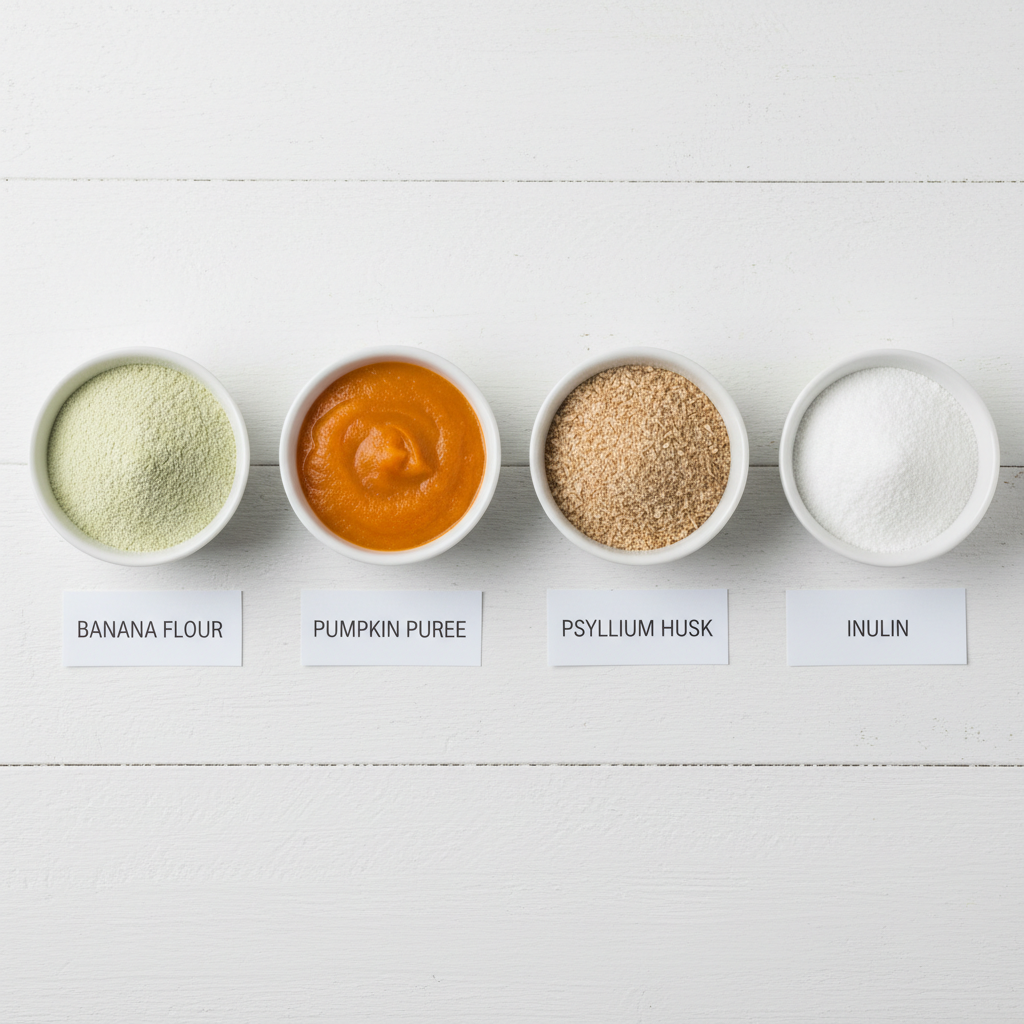
Green banana flour isn’t the only prebiotic on the block. How does it stack up against other common gut-support supplements? As a nutrition hacker, it’s our job to analyze the options and understand the specific use case for each. Not all fibers are created equal.
Here’s a breakdown of how our hero ingredient compares to other popular choices:
| Prebiotic Source | Primary Fiber Type | Key Benefit | Potential Downside |
|---|---|---|---|
| Green Banana Flour | Resistant Starch (Insoluble) | Feeds beneficial bacteria to produce butyrate; firms stool effectively. | Must start with a very small dose to avoid gas as the microbiome adapts. |
| Pumpkin Puree | Soluble & Insoluble Fiber | Gentle; good for both mild diarrhea and constipation due to its high water content. | High in sugar (compared to GBF); requires large volume for effect; less potent as a prebiotic. |
| Psyllium Husk | Mostly Soluble Fiber | Forms a gel; excellent for adding bulk to stool and managing constipation. | Can interfere with nutrient absorption if used excessively; not as effective at feeding beneficial bacteria. |
| Chicory Root (Inulin/FOS) | Soluble Fiber (Fructans) | Potent prebiotic, but ferments very rapidly. | Can easily cause gas, bloating, and discomfort. Some dogs are very sensitive to it. |
While ingredients like pumpkin are excellent for acute, temporary digestive upset, green banana flour is a more powerful and strategic tool for long-term microbiome modulation and healing. Its unique resistant starch composition provides a more targeted approach to nourishing the specific bacteria that produce the anti-inflammatory SCFA, butyrate, making it the superior choice for chronic gut health management.
Conclusion
Navigating the world of canine nutrition can feel overwhelming, but it doesn’t have to be. By focusing on the foundational principle of gut health, you can cut through the noise and make targeted, effective changes. Green banana flour is more than just a supplement; it’s a tool that empowers you to re-engineer your dog’s gut microbiome for optimal health. By understanding the enemy ingredients to avoid and the hero ingredients to incorporate, you shift from being a passive consumer to an active canine nutrition hacker. Armed with this knowledge, you can take decisive action to resolve digestive woes, boost immunity, and give your dog the foundation for a long, vibrant life. Take control of your dog’s health, one strategic scoop at a time.