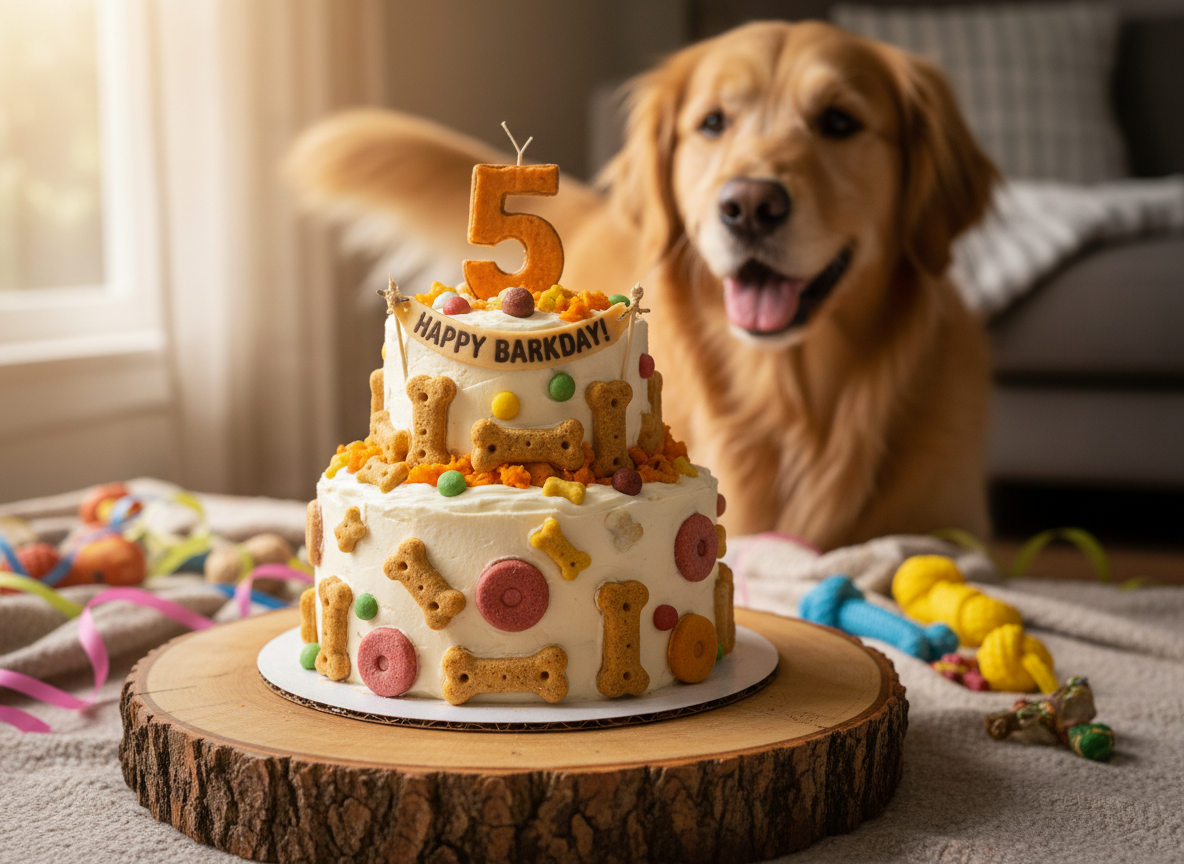
The Ultimate Dog Birthday Cake Recipe (With Yogurt Frosting)
Why settle for a store-bought, preservative-laden puck of questionable ingredients for your dog’s most important day of the year? Commercial ‘dog cakes’ are often a minefield of sugar, artificial colors, and cheap fillers disguised under a premium price tag. As The Canine Nutrition Hacker, my mission is to empower you to see through the marketing fluff and take control of what goes into your dog’s bowl—and their birthday cake.
This isn’t just a recipe; it’s a blueprint for a healthier, safer, and more meaningful celebration. We’re going to build a cake from the ground up using wholesome, human-grade ingredients that you can actually pronounce. You’ll not only save money but also have the peace of mind that comes from knowing exactly what your loyal companion is eating. Forget the boutique pet bakery. Your kitchen is about to become the best one in town.
SAFETY DISCLAIMER: I am a canine nutrition analyst and a passionate dog owner, not a veterinarian. The information provided here is for educational purposes only. This cake is a treat and should be given in moderation as part of a balanced diet. Always consult with your veterinarian before introducing new foods into your dog’s diet, especially if they have health conditions, allergies, or dietary sensitivities. Ensure all ingredients, particularly peanut butter, are free from xylitol, which is highly toxic to dogs.
Why Go DIY? Deconstructing the Store-Bought Dog Cake Scam
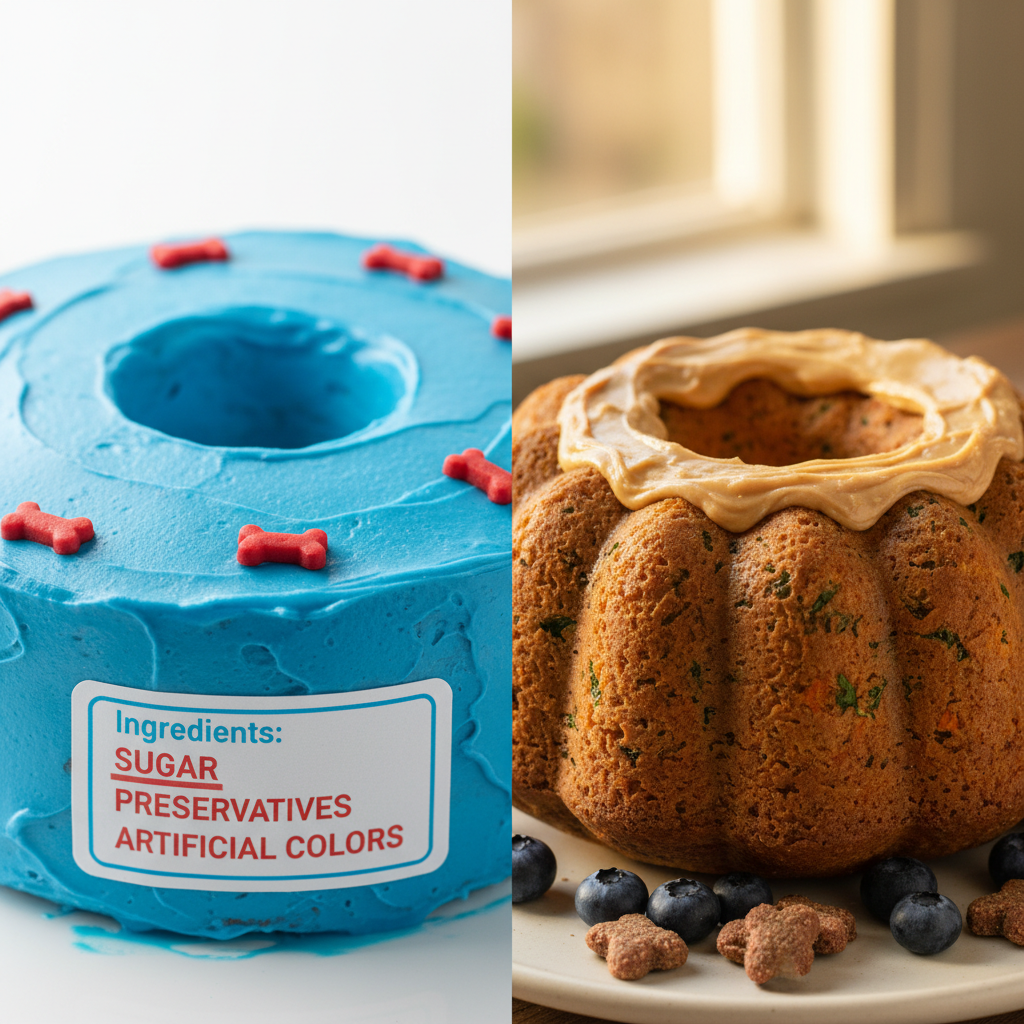
Let’s perform a forensic analysis of a typical store-bought dog birthday cake. Flip over that fancy box from the pet boutique, and the truth is often disappointing. The ingredient list is where the secrets hide, and they are rarely good ones.
The First 5 Ingredients Truth
The first five ingredients make up the bulk of any product. In many commercial dog cakes, you’ll find a lineup like this: rice flour, cane molasses, sugar, vegetable glycerin, canola oil. Let’s break down this disaster:
- Rice Flour: Often a cheap binding agent with minimal nutritional value compared to whole-grain flours.
- Cane Molasses & Sugar: Pure, unnecessary sugar. Dogs do not need added sugars, which contribute to obesity, dental problems, and metabolic stress. Manufacturers use them to make the product more palatable, a trick to mask low-quality base ingredients.
- Vegetable Glycerin: A sweetener and binder that keeps treats moist. While generally considered safe, it’s another form of sugar alcohol that provides no nutritional benefit.
- Canola Oil: A highly processed, often GMO oil that is a source of Omega-6 fatty acids. A healthy diet requires a balance of Omega-3 and Omega-6, and an excess of the latter can promote inflammation.
What’s missing? High-quality protein, real fruits or vegetables, and identifiable whole foods. Instead, you’re paying a premium—often upwards of $20-30—for a product built on a foundation of cheap fillers and sweeteners. You’ll also find a host of artificial preservatives (like BHA or BHT) and synthetic dyes to make the cake look festive. These chemicals have been linked to a range of health issues and have no place in your dog’s diet. Making your own cake isn’t just about love; it’s a strategic move to eliminate this nutritional junk.
The Canine Nutrition Hacker’s Blueprint: Safe & Savvy Ingredients
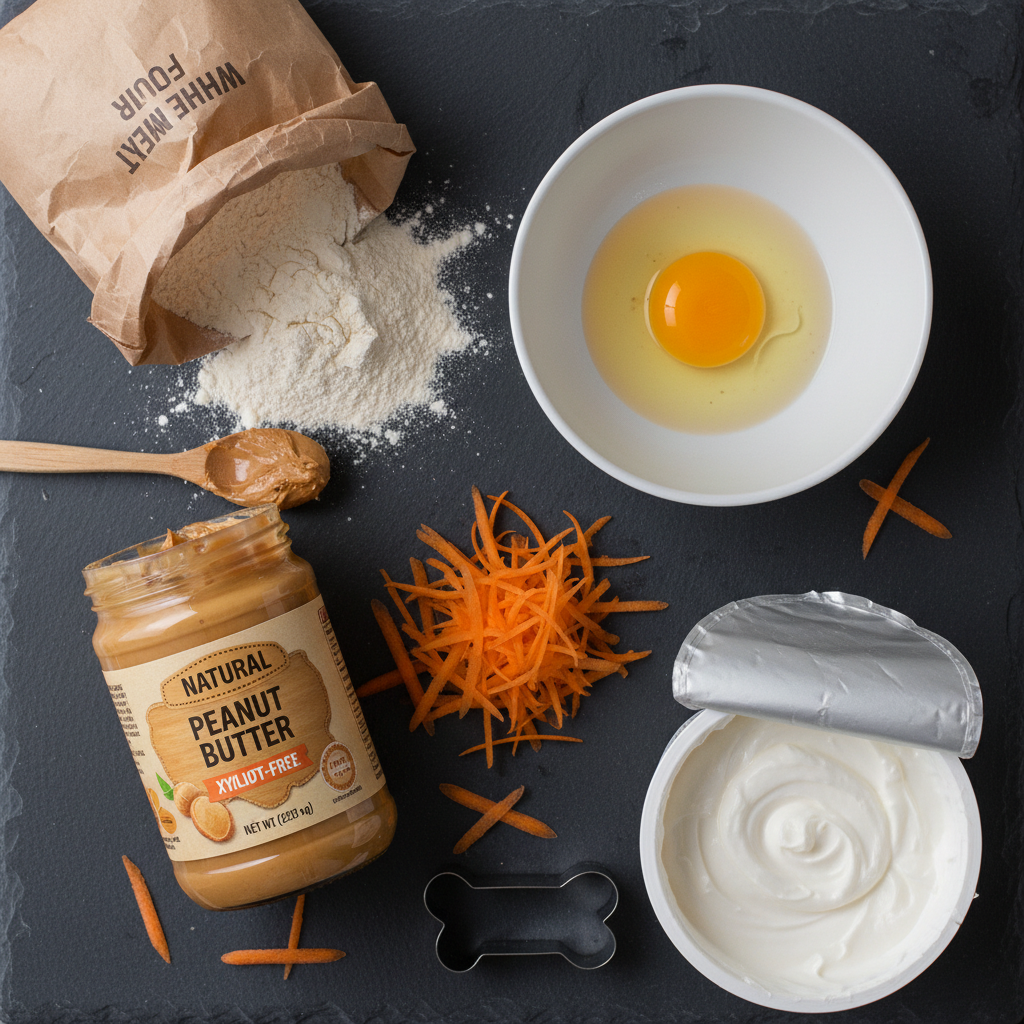
Our blueprint is simple: use real, whole foods with functional benefits. Every ingredient in this recipe is chosen for its safety and nutritional value. This is how you build a treat that’s both delicious and genuinely good for your dog.
The Cake Base: Power-Packed and Wholesome
- Whole Wheat Flour: Unlike refined white or rice flour, whole wheat flour provides fiber for digestive health, along with protein and essential B vitamins. If your dog has a grain sensitivity, you can easily substitute this with oat flour or chickpea flour.
- Unsweetened Applesauce: This acts as a natural sweetener and binder, replacing the need for sugar and processed oils. It’s a great source of Vitamin C and dietary fiber. Ensure it is 100% applesauce with no added sugar or sweeteners.
- Natural Peanut Butter: A fantastic source of protein and healthy fats that dogs love. The number one rule: check the label to ensure it does NOT contain xylitol (sometimes listed as ‘birch sugar’), which is extremely toxic to dogs. Look for a brand with only peanuts and maybe a little salt.
- Eggs: A nutritional powerhouse, providing easily digestible protein, amino acids, and vitamins. They also act as a crucial binder to hold the cake together.
- Shredded Carrots: A low-calorie source of beta-carotene (which converts to Vitamin A) and fiber. They add natural sweetness and moisture to the cake.
The Frosting: Simple, Safe, and Delicious
- Plain Greek Yogurt: This is the secret to a healthy, tangy frosting. It’s packed with probiotics for gut health and is a great source of calcium. Choose a plain, unsweetened variety with no artificial flavors. Full-fat will create a thicker, richer frosting.
- More Natural Peanut Butter: This adds flavor and helps thicken the yogurt to a frosting-like consistency.
By using this combination, you create a cake that is rich in protein, healthy fats, and fiber, while being completely free of the artificial junk found in commercial alternatives.
The Ultimate Dog Birthday Cake: The Step-by-Step Protocol
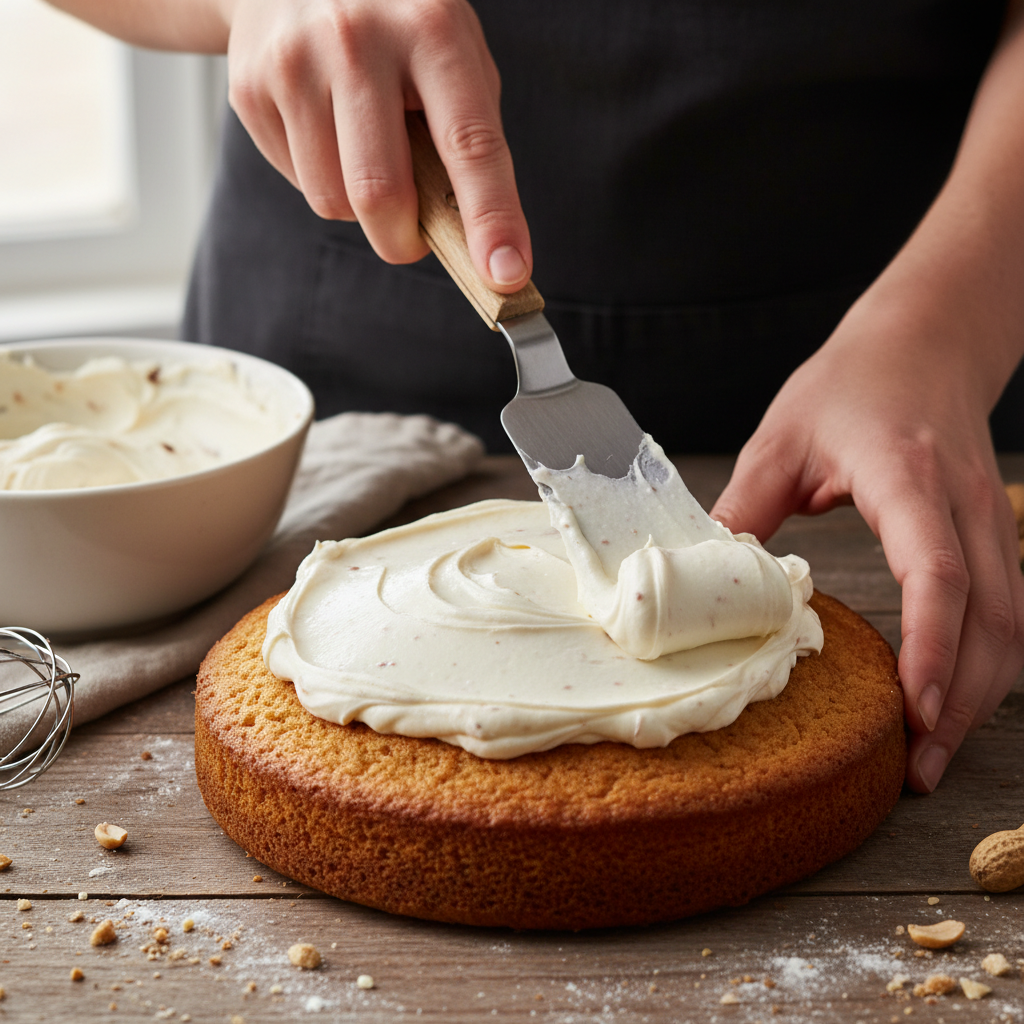
This recipe is designed to be straightforward and foolproof. Follow these steps precisely for a perfect result that will have your dog’s tail wagging. This recipe makes one 6-inch round cake, perfect for a small celebration.
Cake Ingredients
- 1 cup whole wheat flour (or oat flour for a grain-free option)
- 1 teaspoon baking soda
- 1/4 cup natural, xylitol-free creamy peanut butter
- 1/4 cup vegetable oil or melted coconut oil
- 1/2 cup unsweetened applesauce
- 1/2 cup shredded carrots
- 1 large egg
Yogurt Frosting Ingredients
- 1/2 cup plain, unsweetened Greek yogurt
- 1/4 cup natural, xylitol-free creamy peanut butter
The Protocol: Instructions
- Pre-heat and Prep: Preheat your oven to 350°F (175°C). Grease and flour a 6-inch round cake pan. You can also use two standard cupcake tins to make ‘pupcakes’.
- Combine Dry Ingredients: In a large bowl, whisk together the whole wheat flour and baking soda. This ensures the leavening agent is evenly distributed, which is key for a good rise.
- Combine Wet Ingredients: In a separate medium bowl, mix the peanut butter, oil, unsweetened applesauce, and the egg until smooth. It’s important to get this mixture well-combined before introducing it to the dry ingredients.
- Mix It All Together: Pour the wet ingredient mixture into the bowl of dry ingredients. Stir until just combined. Do not overmix; a few lumps are perfectly fine. Overmixing can result in a dense, tough cake.
- Fold in the Veggies: Gently fold in the shredded carrots.
- Bake: Pour the batter into your prepared pan and spread it evenly. Bake for 25-30 minutes, or until a toothpick inserted into the center comes out clean.
- Cool Completely: Let the cake cool in the pan for about 10 minutes before inverting it onto a wire rack to cool completely. This step is critical. Do not attempt to frost a warm cake, as the frosting will melt and slide right off.
- Prepare the Frosting: While the cake cools, prepare the frosting. In a small bowl, mix the Greek yogurt and peanut butter until smooth and creamy.
- Frost and Decorate: Once the cake is completely cool, spread the frosting over the top and sides. You can get creative and decorate with your dog’s favorite crunchy treats, some extra shredded carrot, or a sprinkle of parsley for color.
The Real Cost Breakdown: DIY vs. Boutique Bakery
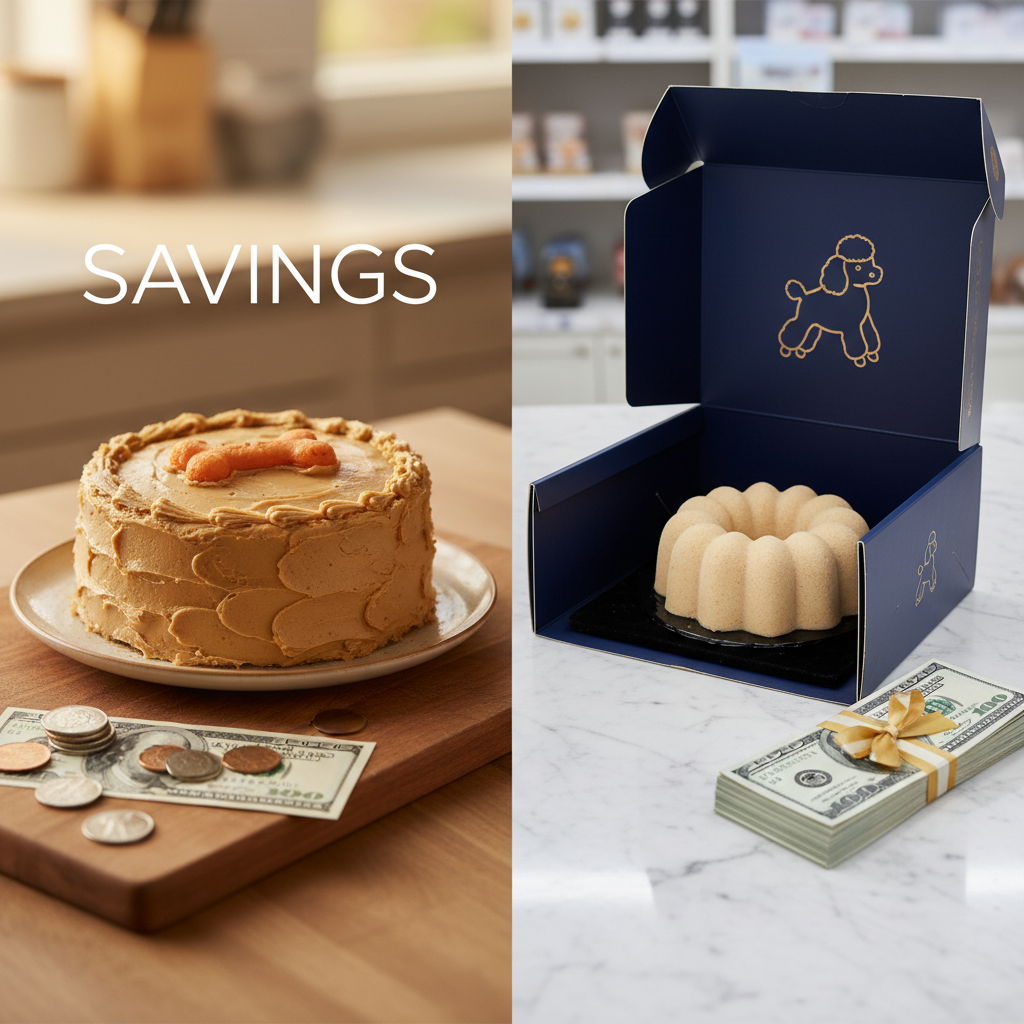
The ‘gourmet’ label on commercial dog cakes comes with a gourmet price tag. But are you paying for quality? Let’s break down the numbers. The analysis below is based on average US grocery store prices. Your costs may vary slightly, but the savings conclusion remains the same.
By investing a small amount of time, you’re not only creating a superior product but also achieving significant cost savings. That’s money that can be better spent on high-quality daily food, a new toy, or a vet check-up.
| Item / Ingredient | DIY Cost (Approximate) | Boutique Bakery Cost (Approximate) | The Canine Hacker’s Verdict |
|---|---|---|---|
| The Cake Base | Flour ($0.20), Peanut Butter ($0.50), Applesauce ($0.40), Egg ($0.30), Carrots ($0.25), Oil ($0.20) = $1.85 |
Hacker Tips: Storage, Customization, and Serving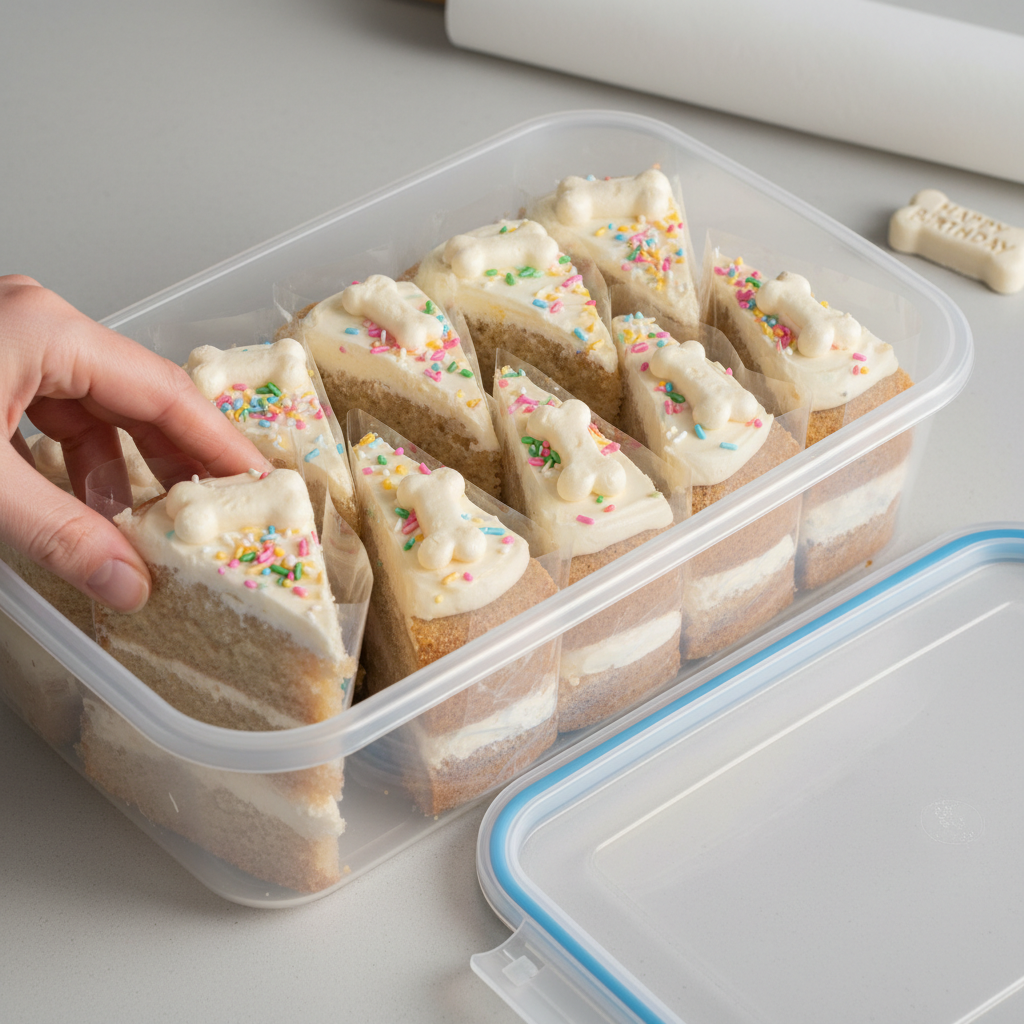 A true Canine Nutrition Hacker knows how to maximize value and safety. Here are the insider tips for getting the most out of your homemade creation. Smart Storage ProtocolBecause our cake uses fresh ingredients like Greek yogurt and contains no artificial preservatives, proper storage is non-negotiable. Store the cake in an airtight container in the refrigerator for up to 3-4 days. The frosting will set up nicely in the cold. The Batch-and-Freeze ManeuverDon’t let any of your hard work go to waste. This cake freezes beautifully.
Customization & UpgradesThis recipe is a fantastic base. Feel free to customize it based on your dog’s preferences and dietary needs.
Serving Size and ModerationRemember, this is a treat, not a meal replacement. A small slice is plenty for a medium to large dog. For a small dog, a pupcake-sized portion or half a slice is appropriate. Always supervise your dog when they are eating any new food or treat. ConclusionYou now possess the blueprint to bypass the overpriced, under-nourishing world of commercial dog treats. By creating this birthday cake, you’ve done more than just bake; you’ve provided a treat made with transparency, quality, and genuine care. You’ve hacked the system, saving money while simultaneously upgrading your dog’s celebratory dining experience. Celebrating another year with your loyal companion should be a joyous occasion, free from worry about hidden sugars, mystery ingredients, or toxic additives. Embrace your role as your dog’s personal chef and nutrition advocate. They depend on you to make the right choices, and now, you have one more powerful, delicious tool to do just that. Happy baking, and more importantly, happy birthday to your dog. Similar Posts
|