
Goodbye Tear Stains: Best Dog Foods for Maltese and Bichons
Let’s cut to the chase. You’re here because you’re locked in a losing battle against the reddish-brown streaks marring your beautiful dog’s face. You’ve tried wipes, powders, and supplements, but the tear stains persist. The pet industry wants you to believe this is a grooming issue. It’s not. It’s a nutrition issue. Those stains are a billboard advertising what’s going on inside your dog’s body, and the culprit is almost always hiding in plain sight: their food bowl.
As The Canine Nutrition Hacker, I don’t peddle myths or sell you on gimmicky products. I analyze dog food labels with forensic precision to expose the fillers, allergens, and low-quality ingredients that trigger health problems. Tear stains are not just a cosmetic annoyance; they are an external symptom of an internal imbalance. This guide will arm you with the insider knowledge to dismantle your dog’s current diet, identify the enemy ingredients, and rebuild it with a strategic arsenal of foods that promote a clean face from the inside out. Prepare to become the expert your dog deserves.
The Forensic Analysis: What Tear Stains Really Are
Understanding the Enemy: Porphyrins
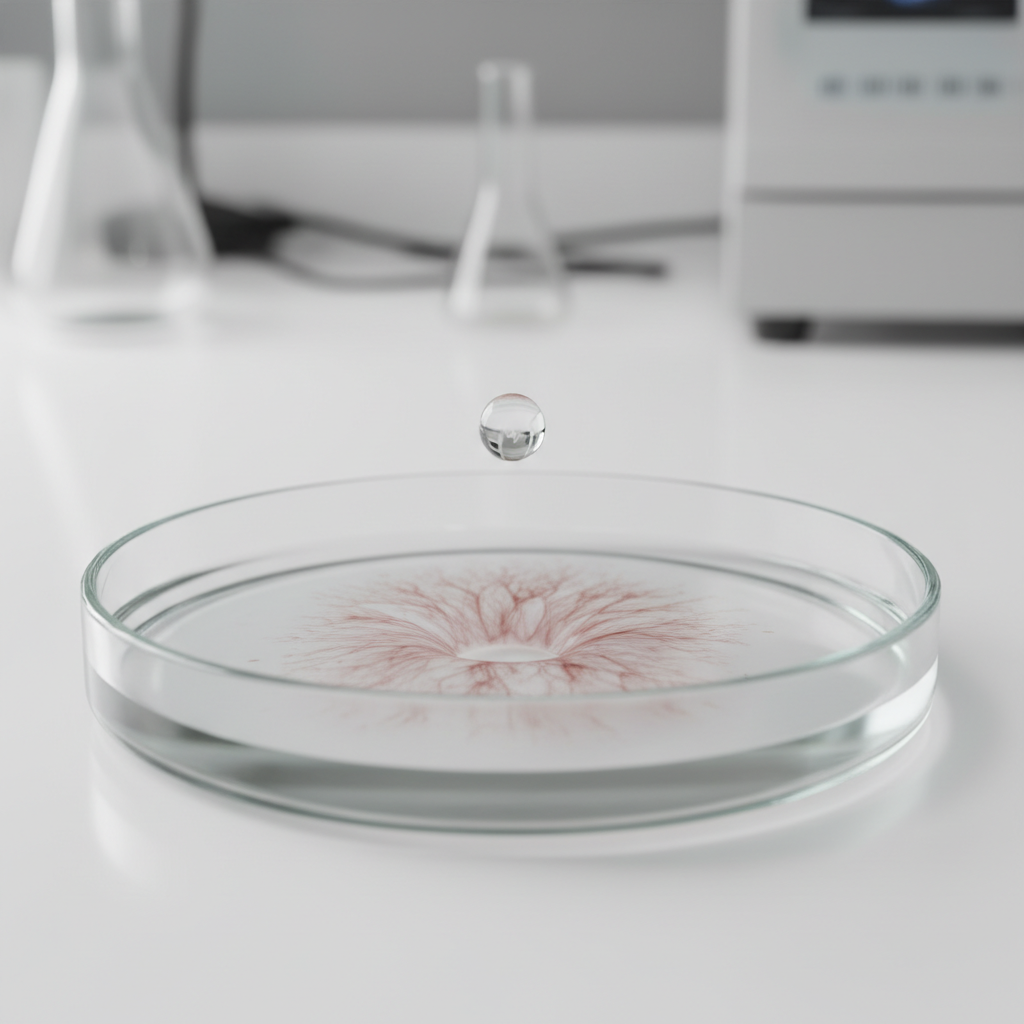
Before you can win the war, you must understand the enemy. Tear stains are caused by a compound called porphyrin. Porphyrins are iron-containing molecules produced when the body breaks down red blood cells. These are excreted through various bodily fluids, including tears, saliva, and urine.
For most dogs, this process is invisible. But for Maltese, Bichons, and other light-coated breeds, the iron in the porphyrins is a potent dye. When their tears sit on the fur, exposure to light causes the iron to oxidize—essentially, it rusts. This is what creates those stubborn, reddish-brown stains. The problem isn’t that your dog is producing tears; it’s that their tears are saturated with an excessive amount of these staining compounds. And the primary source of that excess iron and other inflammatory triggers? A diet that isn’t optimized for their system.
Why Maltese and Bichons Are Prone to Stains
Several factors make these breeds particularly susceptible:
- Genetics: They may have shallower eye sockets or blocked tear ducts (epiphora), causing more tears to spill onto the face rather than draining properly.
- Facial Structure: Hair growth around the eyes can wick tears onto the surrounding fur, creating a constantly damp environment perfect for staining.
- Dietary Sensitivity: These breeds are often more sensitive to common allergens and inflammatory ingredients in commercial dog foods, leading to systemic inflammation that can increase porphyrin production.
While you can’t change genetics, you have absolute control over their diet. This is your primary and most powerful weapon.
The Enemy Ingredients List: Purge These From Your Pantry Now
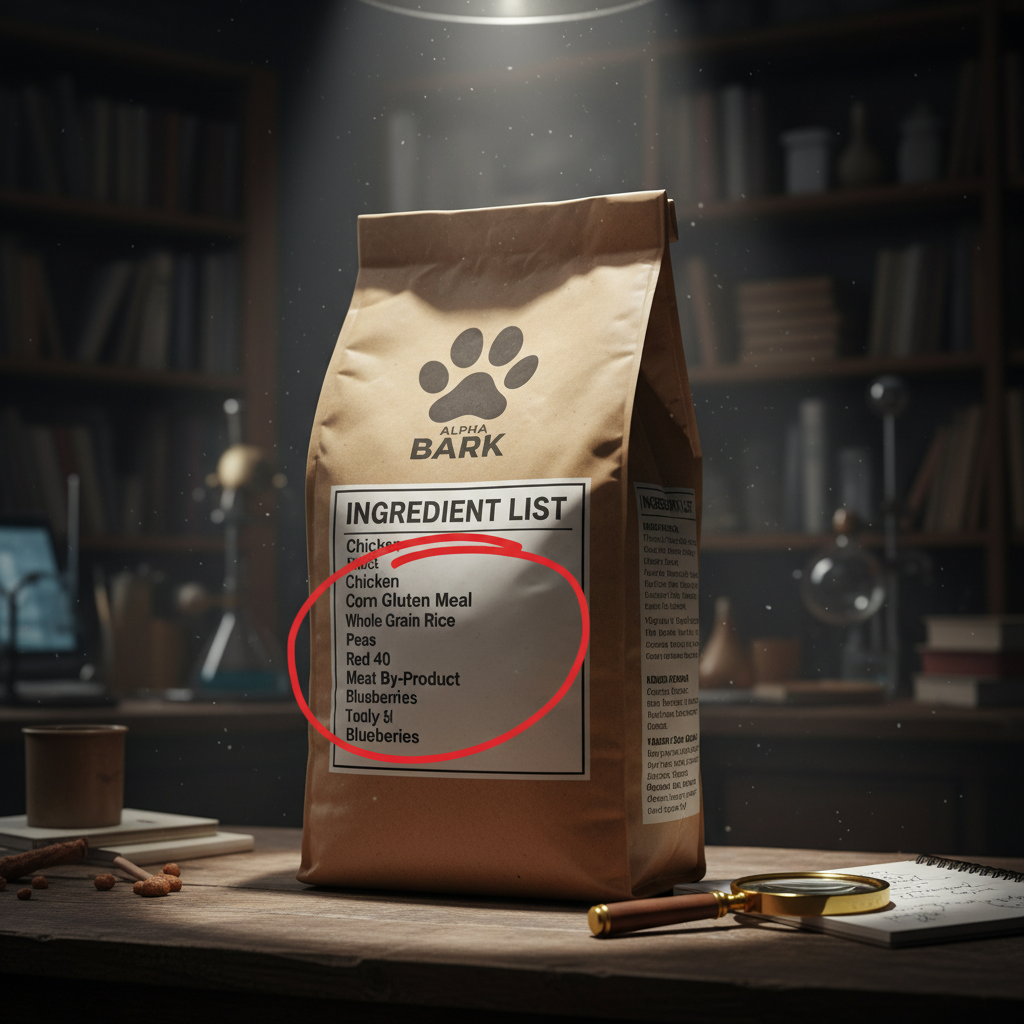
The first step in any successful mission is eliminating threats. Walk to your pantry, grab your current bag of dog food, and let’s analyze the label together. If you see any of the following ingredients, especially in the first 5-7 listed, you’ve likely found a primary contributor to your dog’s tear stains.
Common Culprits Hiding in Kibble
- High-Iron Meats & Fillers: While dogs need iron, an overabundance from sources like beef and organ meats can lead to excess porphyrins. Many low-quality foods use cheap, high-iron fillers that exacerbate the problem.
- Artificial Colors, Flavors, and Preservatives: Ingredients like Red 40, Yellow 5, BHA, BHT, and ethoxyquin are synthetic chemicals. They serve no nutritional purpose and can trigger allergic reactions and inflammation, leading to excessive tearing and staining. If the kibble is unnaturally colorful, it’s a major red flag.
- Common Protein Allergens: The most common food allergens for dogs are chicken and beef. An allergic reaction causes systemic inflammation, which can manifest as watery eyes. Your dog might not have a full-blown allergy, but even a low-grade sensitivity can be enough to cause a problem.
- Grains and Glutens: Wheat, corn, and soy are often used as cheap binders and fillers. They are difficult for many dogs to digest and are common inflammatory triggers. Ingredients like corn gluten meal or wheat flour are prime suspects.
- High Mineral Content & Tap Water: It’s not just the food. If your tap water has a high mineral content (hard water), you’re adding more fuel to the fire with every lap from the water bowl. The iron and other minerals contribute directly to the staining.
Hacker Tip: The ‘First 5 Ingredients’ rule is non-negotiable. These make up the bulk of the food. If you see corn, wheat, soy, or vague terms like ‘meat by-product meal’ in that top 5, you’re paying a premium price for fillers that could be causing the very problem you’re trying to solve.
The Hero Ingredients Arsenal: Building the Anti-Tear Stain Diet
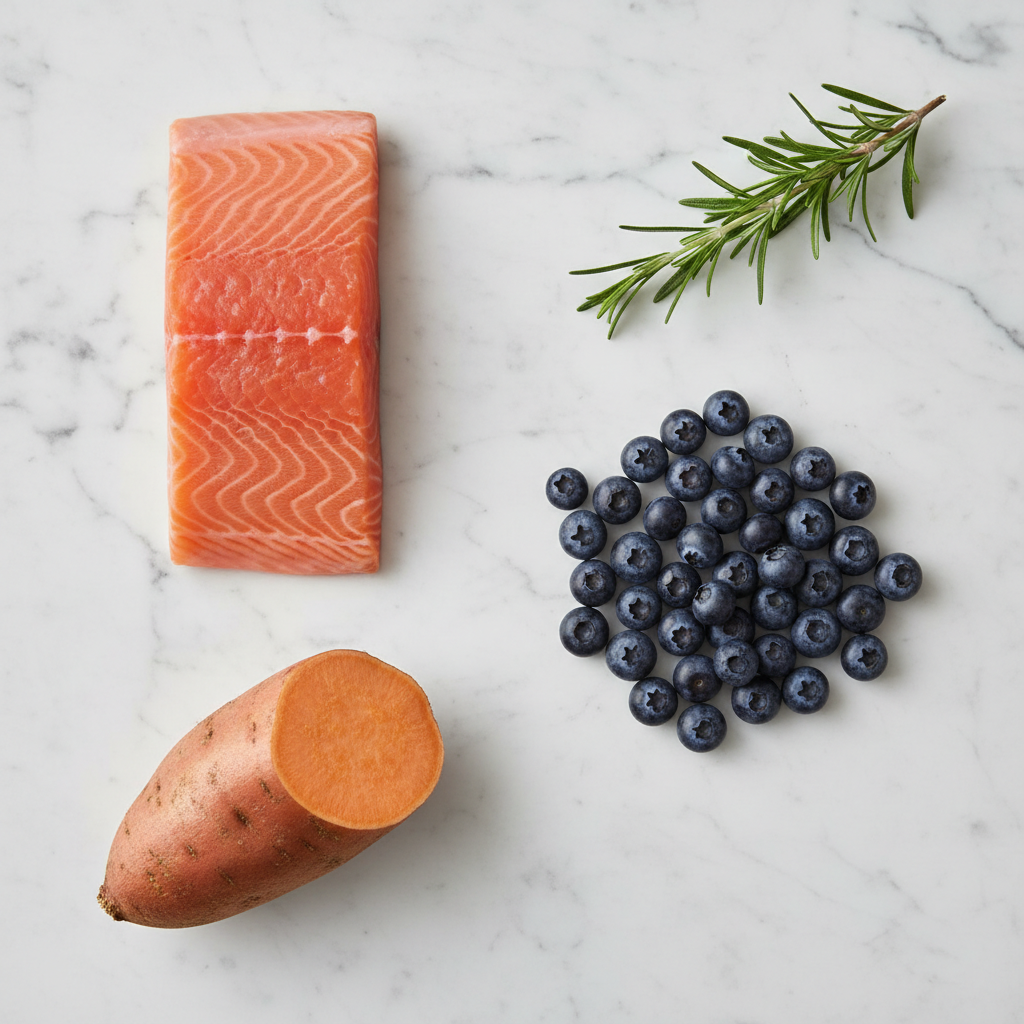
Now that we’ve identified the enemy, let’s build your dog’s defense. The goal is to create a diet that is anti-inflammatory, easily digestible, and free from artificial triggers. This is about strategic ingredient selection.
Your New Shopping List:
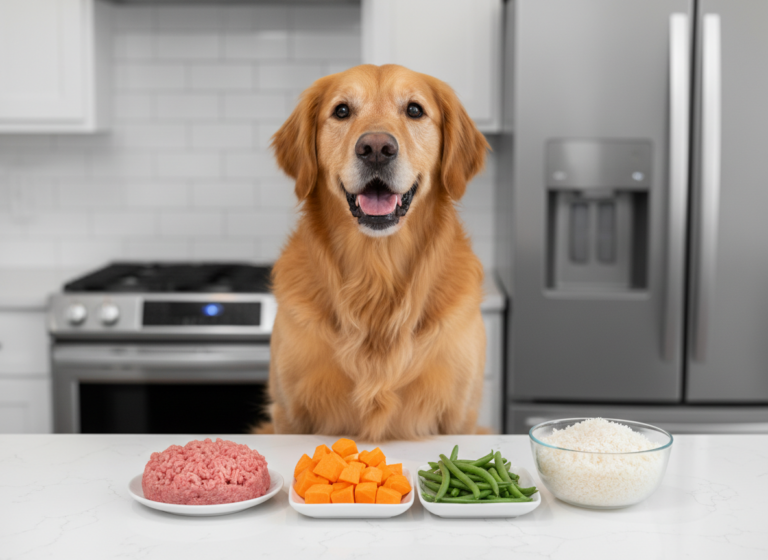
- Novel Proteins: Switch from common allergens like chicken and beef to high-quality novel proteins. Think duck, lamb, salmon, turkey, or whitefish. These are less likely to cause an allergic or inflammatory response.
- Limited Ingredient Diets (LID): The fewer ingredients, the fewer potential triggers. LID foods are designed specifically for sensitive dogs. They typically feature a single protein source and a handful of easily digestible carbohydrates like sweet potato or peas.
- Natural Preservatives: Look for foods preserved with mixed tocopherols (a source of Vitamin E), rosemary extract, or other natural substances. This eliminates the chemical load from BHA/BHT.
- Grain-Free (or Wholesome Grain) Options: Opt for grain-free formulas that use carbohydrates like sweet potatoes, lentils, or chickpeas. If you prefer a grain-inclusive food, ensure the grains are high-quality and easily digestible, like oatmeal or brown rice, not corn or wheat fillers.
- Filtered or Distilled Water: This is a critical, often-overlooked hack. Switching to filtered or distilled water removes the excess minerals and iron found in tap water, cutting off a major supply line for porphyrin production.
Making the switch must be done gradually. Start by mixing 25% of the new food with 75% of the old food for a few days, then move to a 50/50 mix, then 75/25, until you’ve fully transitioned over 7-10 days. This prevents digestive upset.
The Hacker’s Shortlist: Forensic Reviews of Top Tear Stain Foods
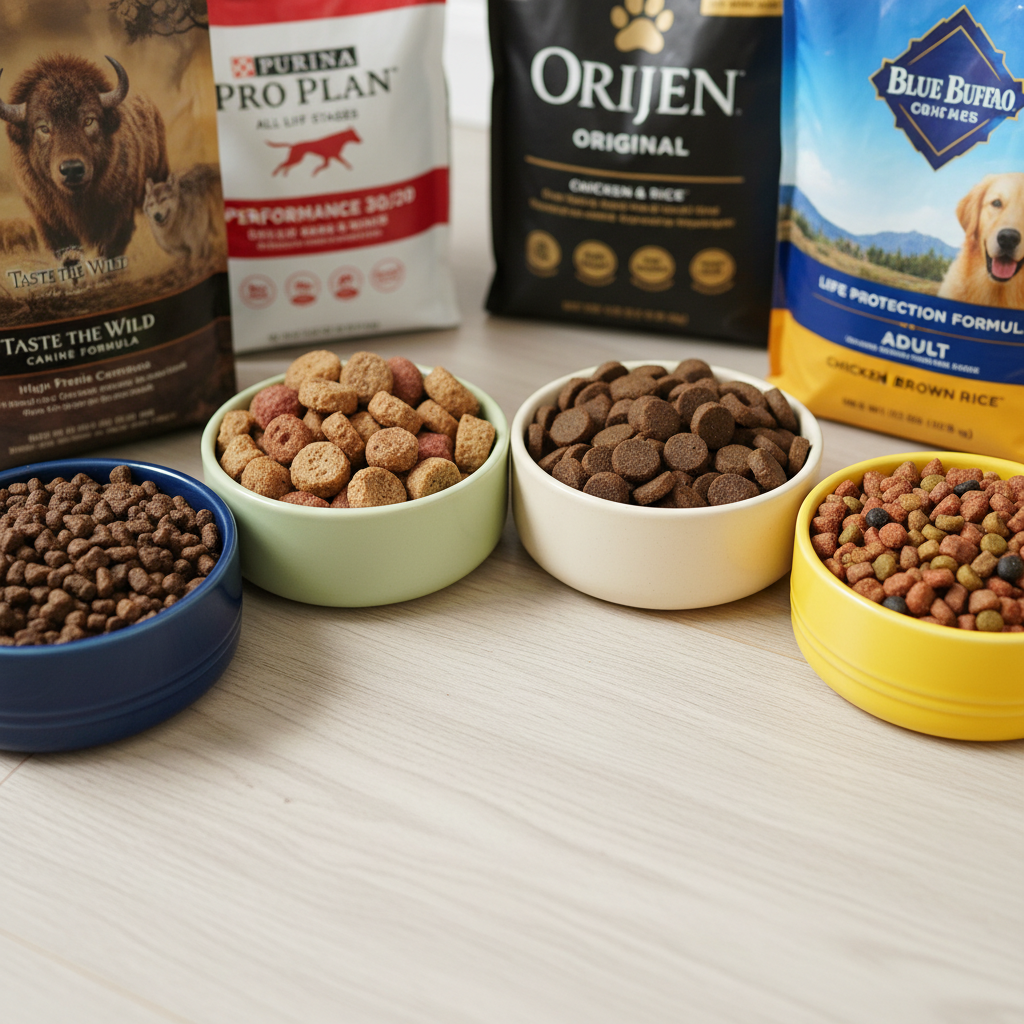
Theory is useless without application. I’ve analyzed several brands known for their effectiveness against tear stains. Here is a forensic breakdown of top contenders suitable for Maltese and Bichons. Remember to always check with your vet before making a switch.
The Forensic Review Table
This table provides a high-level comparison. Detailed analysis follows below.
| Brand & Formula | Key Protein Source | Grain Status | Price Tier | Verdict |
|---|---|---|---|---|
| Taste of the Wild Pacific Stream Puppy | Salmon | Grain-Free | Mid-Range | Excellent novel protein choice for sensitive systems. |
| Natural Balance L.I.D. Lamb & Brown Rice | Lamb | Grain-Inclusive | Mid-Range | A classic, trusted LID formula that avoids common allergens. |
| Fromm Gold Small Breed Adult | Duck, Chicken, Lamb | Grain-Inclusive | Premium | High-quality, diverse proteins, but contains chicken which can be a trigger for some. |
| Wellness Simple Limited Ingredient Diet Duck & Oatmeal | Duck | Grain-Inclusive | Premium | Top-tier LID with a high-quality novel protein and soothing oatmeal. |
Deep Dive Analysis
1. Wellness Simple Limited Ingredient Diet Duck & Oatmeal
- First 5 Ingredients Truth: Deboned Duck, Oatmeal, Peas, Ground Rice, Potato Protein. Analysis: A single, high-quality novel protein leads the list. Oatmeal is a gentle, soothing grain. No corn, wheat, soy, or artificial additives. This is a clean label.
- Recall Check: Wellness has had recalls in the past, but this specific line has a strong safety record. Always check the FDA database for the most current information.
- Cost Per Day (10lb dog): Approximately $0.75/day.
2. Natural Balance L.I.D. Lamb & Brown Rice
- First 5 Ingredients Truth: Lamb, Brown Rice, Lamb Meal, Brewers Rice, Rice Bran. Analysis: Lamb is a great novel protein. Brown rice is a quality grain. ‘Brewers Rice’ is a lower-quality carb fragment, but in the context of this LID formula, it’s an acceptable compromise for many dogs.
- Recall Check: Natural Balance has also had recalls, a common issue for large manufacturers. Their LID line is generally considered reliable.
- Cost Per Day (10lb dog): Approximately $0.65/day.
Medical Disclaimer: I am not a veterinarian. The information provided here is for educational purposes based on extensive research into canine nutrition. Always consult with a qualified veterinarian to address your dog’s specific health needs and before making any changes to their diet.
Beyond the Bowl: Lifestyle Hacks to Eradicate Stains
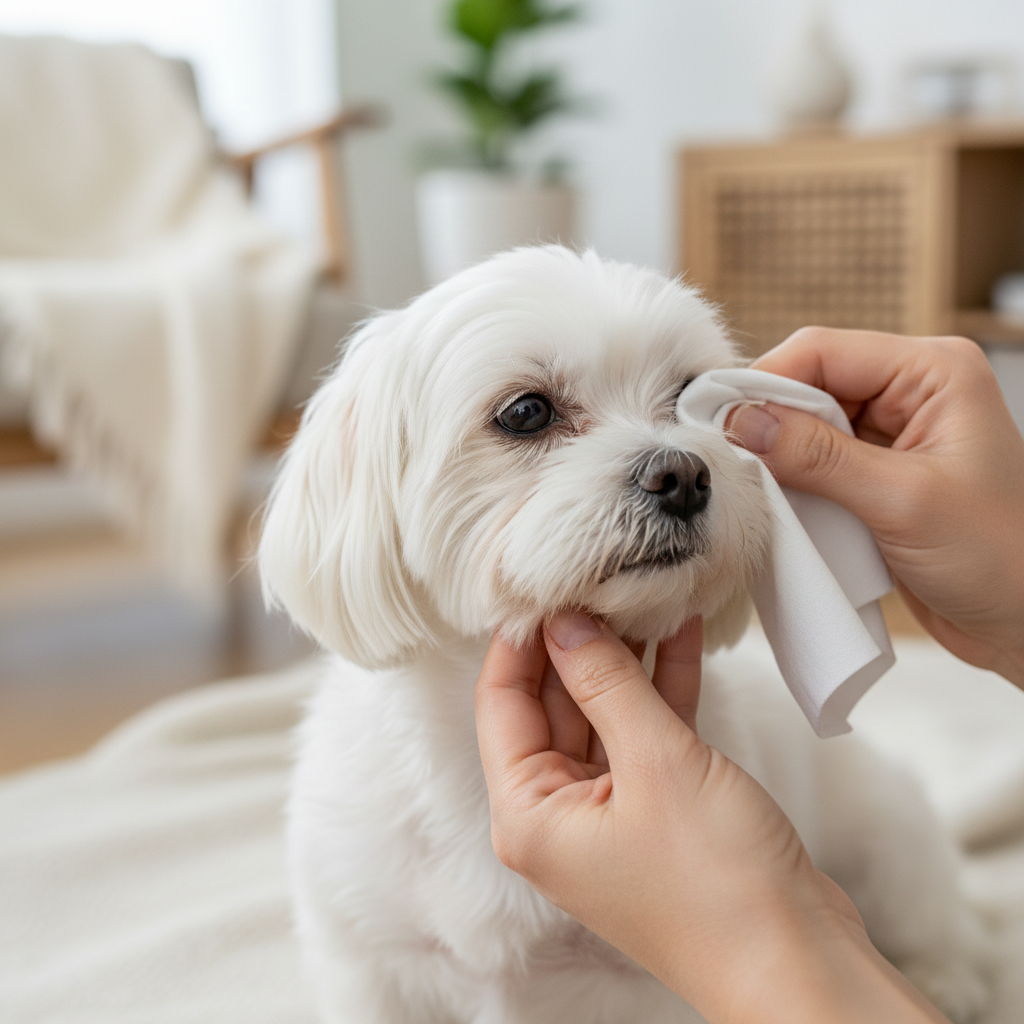
While diet is 80% of the battle, reinforcing your efforts with smart lifestyle and grooming habits will get you to the finish line faster. These are non-negotiable steps for maintaining a stain-free face.
1. Upgrade Your Bowls
Plastic bowls can develop microscopic scratches that harbor bacteria. This bacteria can lead to facial irritation and infection, causing more tearing. Immediately switch to stainless steel or ceramic bowls. They are non-porous and easy to sanitize. Clean them daily to prevent bacterial buildup.
2. Master Your Grooming Routine
- Keep Fur Trimmed: Have a professional groomer or learn to carefully trim the hair around your dog’s eyes. This prevents fur from poking the eyeball and causing irritation, and it stops the hair from wicking tears across the face.
- Daily Wiping: Use a soft, damp cloth or a saline-based (not alcohol-based) wipe designed for dog eyes to gently clean the area twice a day. This removes the tear moisture before the porphyrins have a chance to oxidize and stain the fur. Consistency is key.
3. Consider a Probiotic Supplement
A healthy gut contributes to a healthy immune system and can reduce overall inflammation. A probiotic supplement can help balance the gut microbiome, which may have a positive downstream effect on inflammatory responses that lead to excessive tearing. Discuss adding a canine-specific probiotic with your veterinarian.
Insider Secret: Some owners report success with adding a tiny pinch of organic apple cider vinegar to their dog’s (filtered) water. The theory is that it changes the pH of the dog’s system, making it less hospitable for yeast growth (which can cause secondary brown staining). This is a hack to be used with extreme caution and only after consulting your vet, as it is not suitable for all dogs.
Conclusion
Eliminating tear stains is not a quick fix; it’s a strategic overhaul of your dog’s nutrition and daily care. You must move from being a passive consumer to a forensic investigator of every ingredient that goes into their body. By purging inflammatory fillers, artificial chemicals, and common allergens, and by introducing high-quality novel proteins and clean, filtered water, you are treating the problem at its source. You are not just cleaning a stain; you are reducing systemic inflammation and upgrading your dog’s overall health.
The power is now in your hands. Use this guide to analyze your dog’s current food, make an informed switch, and implement the lifestyle hacks that support your efforts. The reward—a healthy, happy companion with a bright, clean face—is well worth the effort. You are now equipped with the knowledge to be your dog’s ultimate health advocate.
Final Disclaimer: Always consult your veterinarian to rule out underlying medical issues such as blocked tear ducts, eye infections, or other health problems before assuming the cause is purely dietary. This information is not a substitute for professional veterinary advice.