Feeding Whole Sunflower Heads to Dogs: The Ultimate Enrichment
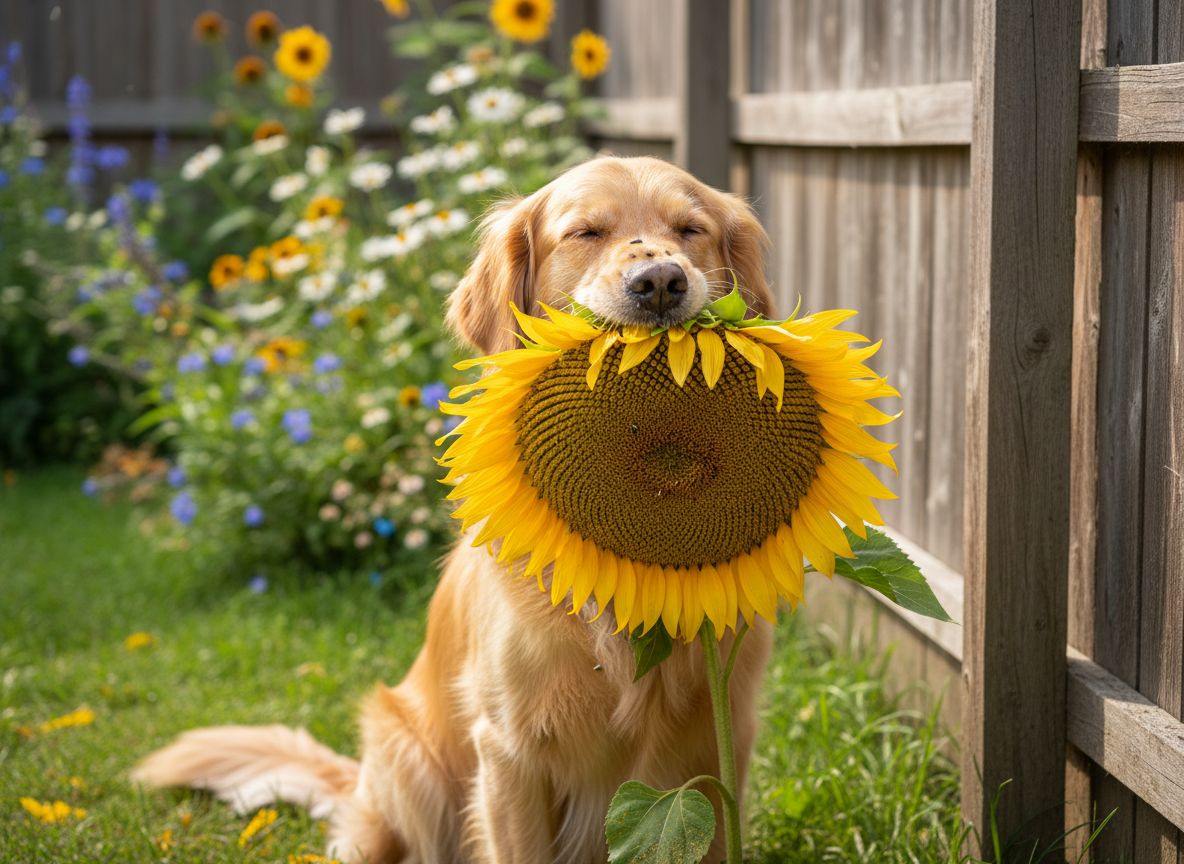
In the world of canine enrichment, the market is saturated with plastic puzzles, expensive subscription boxes, and complex gadgets. We’re told these are essential to prevent boredom and destructive behavior. But what if the most effective tool was sitting in a farmer’s market, costing less than your morning coffee? As the Canine Nutrition Hacker, I’m here to pull back the curtain on a powerful, natural, and criminally underrated enrichment activity: the whole sunflower head.
This isn’t just about giving your dog a snack; it’s about providing a ‘job.’ It’s a sensory experience that taps into primal foraging instincts, offering mental and physical stimulation that a plastic toy simply cannot replicate. But before you rush out to buy one, understand this: safety and sourcing are non-negotiable. This guide provides the full, no-nonsense protocol.
SAFETY DISCLAIMER: I am not a veterinarian. The information in this article is for educational purposes based on extensive research and experience. It is not a substitute for professional veterinary advice. Always consult your veterinarian before introducing new foods into your dog’s diet, especially if your dog has pre-existing health conditions, allergies, or a sensitive stomach. Proper supervision during this activity is mandatory to prevent choking or other accidents.
Deconstructing the Sunflower: More Than Just a Snack
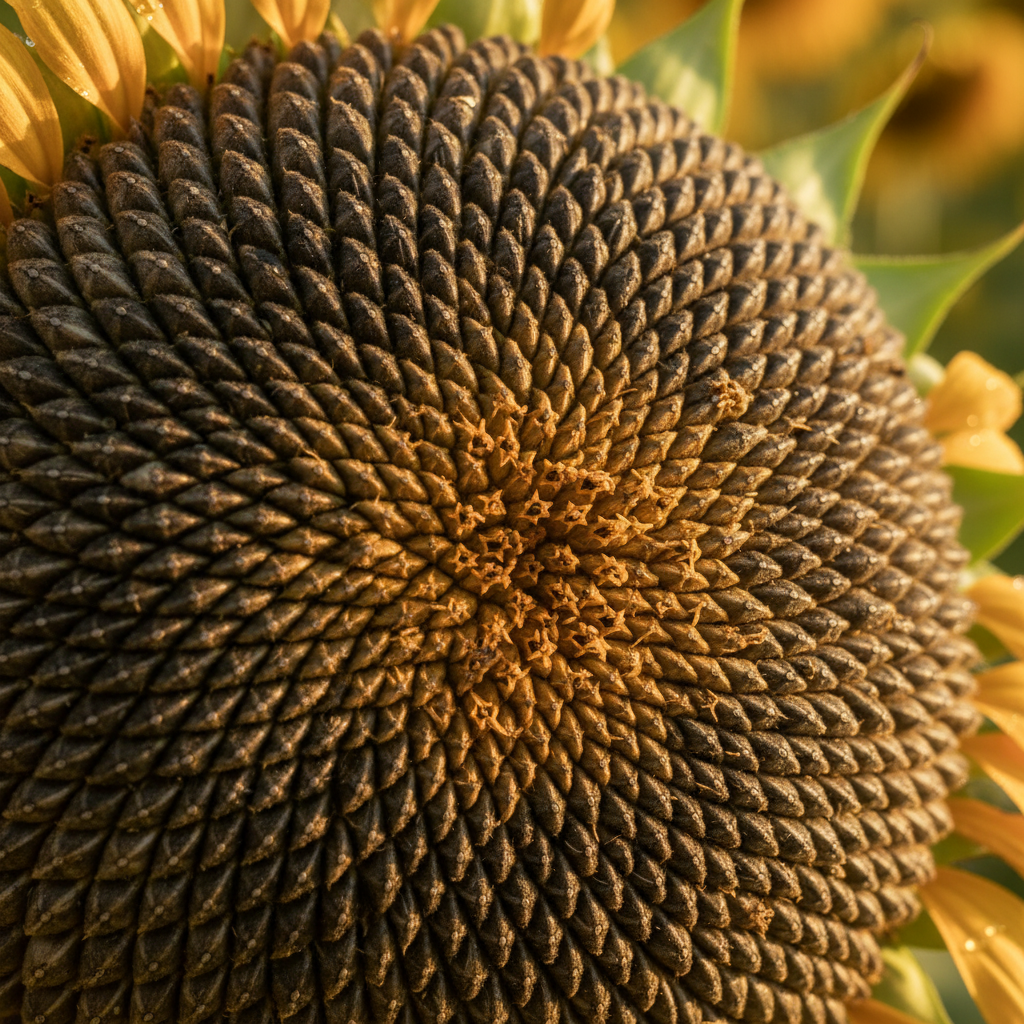
Forget the idea of this being ‘junk food.’ When sourced and served correctly, a sunflower head is a powerhouse of benefits. Let’s break down the ‘why’ behind this hack.
Behavioral Engineering: The ‘Work-to-Eat’ Principle
Dogs are natural foragers. In the wild, they would spend a significant portion of their day seeking out food. Domestication has largely removed this essential task, leading to boredom and anxiety. A sunflower head reintroduces this concept of ‘working to eat.’ The dog must use its nose, paws, and mouth to figure out how to extract the seeds. This problem-solving process is mentally taxing in a positive way, leading to a calmer, more fulfilled dog. It’s an activity that can occupy a dog for 30 minutes or more, providing more value than a treat that’s gone in seconds.
Nutritional Payload: The Power of the Seed
The real prize inside the head is the raw sunflower seed. These aren’t the salted, roasted versions we eat. Raw, unsalted sunflower seed kernels offer a potent nutritional punch in moderation:
- Vitamin E: An essential, fat-soluble antioxidant that is vital for fat metabolism and cell function. It’s a cornerstone of a healthy immune system.
- Healthy Fats: Rich in linoleic acid (an omega-6 fatty acid) and oleic acid (an omega-9 fatty acid), which are crucial for skin and coat health, cellular function, and managing inflammation.
- Selenium: A powerful antioxidant mineral that plays a key role in thyroid health and protecting the body from oxidative stress.
- Magnesium: Important for muscle function, heart health, and maintaining a steady heartbeat.
A word of caution: These benefits are tied to moderation. Due to their high fat content, sunflower seeds are calorie-dense. They must be treated as a high-value treat, not a meal replacement.
Insider Secret: A sunflower head is superior to a standard snuffle mat because the challenge is dynamic. As the dog removes seeds, the structure of the head changes, requiring new strategies to get the remaining rewards. It’s a self-adjusting puzzle created by nature.
Sourcing and Selection: Your Due Diligence Checklist
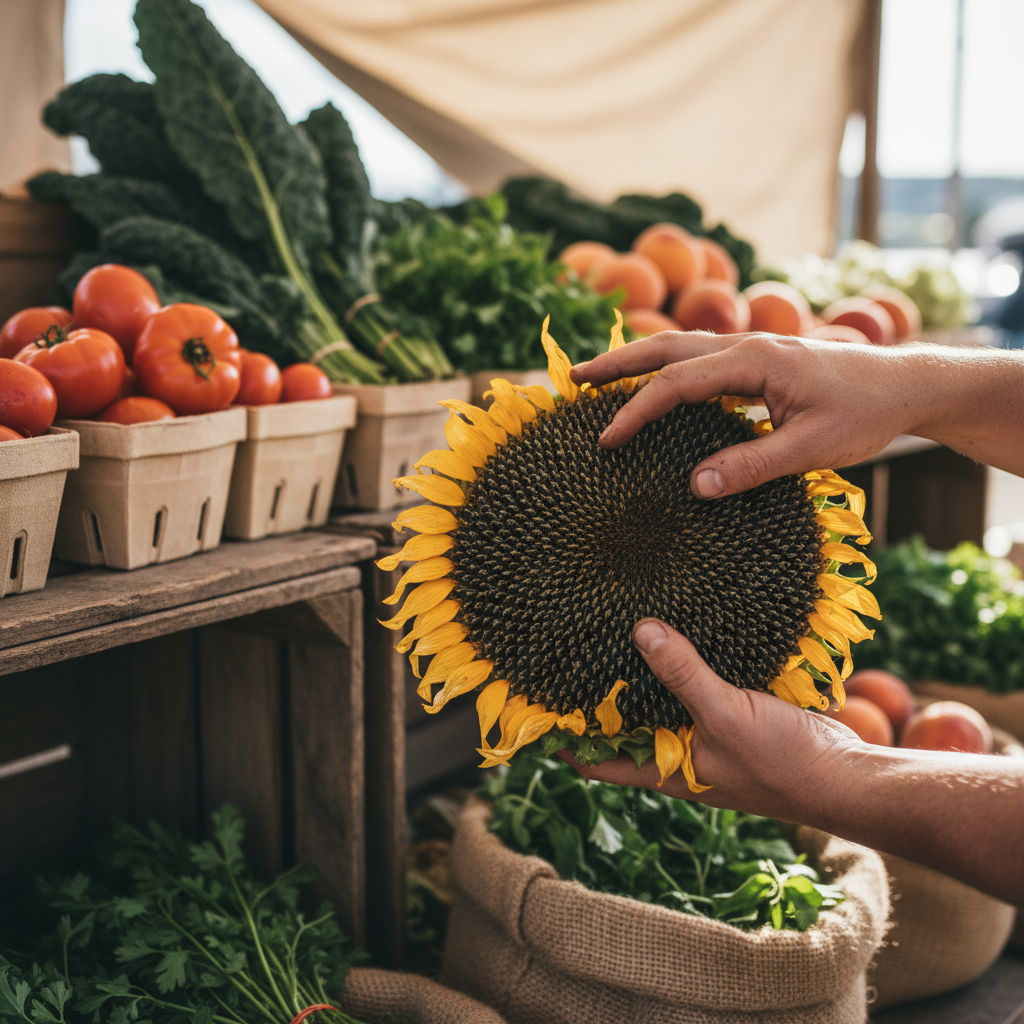
This is the most critical step. Handing your dog the wrong sunflower head can be dangerous. Your mission is to source a clean, untreated head. Not all sunflowers are created equal, and your forensic skills are required.
Acceptable Sources: Where to Look
- Organic Farms & CSAs: This is your gold standard. These sources are least likely to use harmful pesticides or herbicides.
- Farmer’s Markets: Speak directly to the grower. Ask them if they spray their flowers. Be direct and clear that it’s for an animal to consume.
- Homegrown: If you have a garden, growing your own (from organic seeds, in clean soil) is the safest method of all. Ensure your garden is free from pesticides, snail bait, and other toxins.
Red Flags: What to Absolutely Avoid
- Florists & Garden Centers: These sunflowers are almost always treated with pesticides and preservatives to prolong their vase life. They are not safe for consumption.
- Roadside Flowers: Wildflowers growing by the road absorb pollutants and toxins from vehicle exhaust. Avoid these at all costs.
- Immature or ‘Green’ Heads: The head should be mature, typically with the back of the head turning from green to a yellowish-brown. The seeds should be plump and firm.
- Signs of Mold or Rot: Inspect the head thoroughly, especially the back. Any signs of black, white, or fuzzy mold mean the head should be discarded immediately.
Your goal is a large, dry, mature head brimming with seeds, sourced from a place you trust. When in doubt, throw it out. The risk is not worth it.
The Safe Protocol: Preparation and Serving Guide
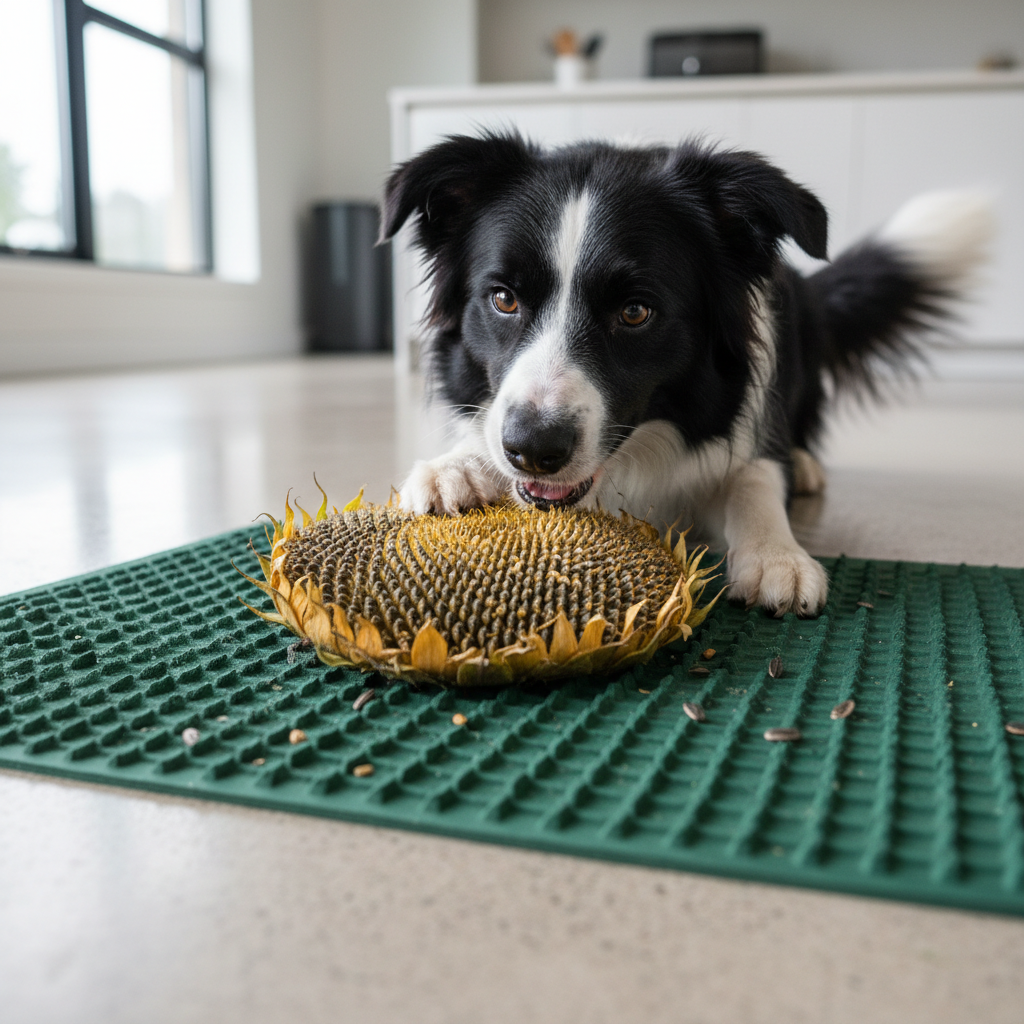
Once you have a safely sourced sunflower head, follow this protocol precisely to ensure a positive and safe experience for your dog.
- Final Inspection: Even from a trusted source, give the head one last thorough check at home. Look for any hidden pests, mold spots, or sharp pieces of stalk.
- Rinse and Dry: Give the head a gentle rinse under cool water to remove any surface dirt or dust. Pat it thoroughly dry with a towel or let it air dry completely. Introducing a wet item can lead to a mess and may promote mold if stored.
- The Introduction: For a dog new to this activity, don’t just throw it on the floor. Hold it and let them sniff and investigate. You can dislodge a few seeds to show them the prize inside. This helps them understand the game.
- Supervised Engagement: Place the sunflower head on an easy-to-clean surface, like a tile floor or an old towel. You must actively supervise your dog for the entire duration of the activity. The primary risk is not the seeds, but the dog potentially tearing off and swallowing large chunks of the fibrous head material, which can be a choking hazard or cause intestinal blockage.
- Know When to Intervene: Once your dog has extracted most of the easily accessible seeds and begins to aggressively tear at the head itself, it’s time to end the session. Trade them for a high-value treat and remove the sunflower head.
- Portion Control & Storage: A large sunflower head can contain thousands of seeds. A 50lb dog should not consume more than a small handful of kernels in a day. A single session might be 15-20 minutes. To store the rest, place the partially-eaten head in a paper bag (not plastic, which traps moisture) and keep it in a cool, dry, and dark place for a few days.
The Bottom Line: Cost-Benefit Analysis vs. Commercial Toys
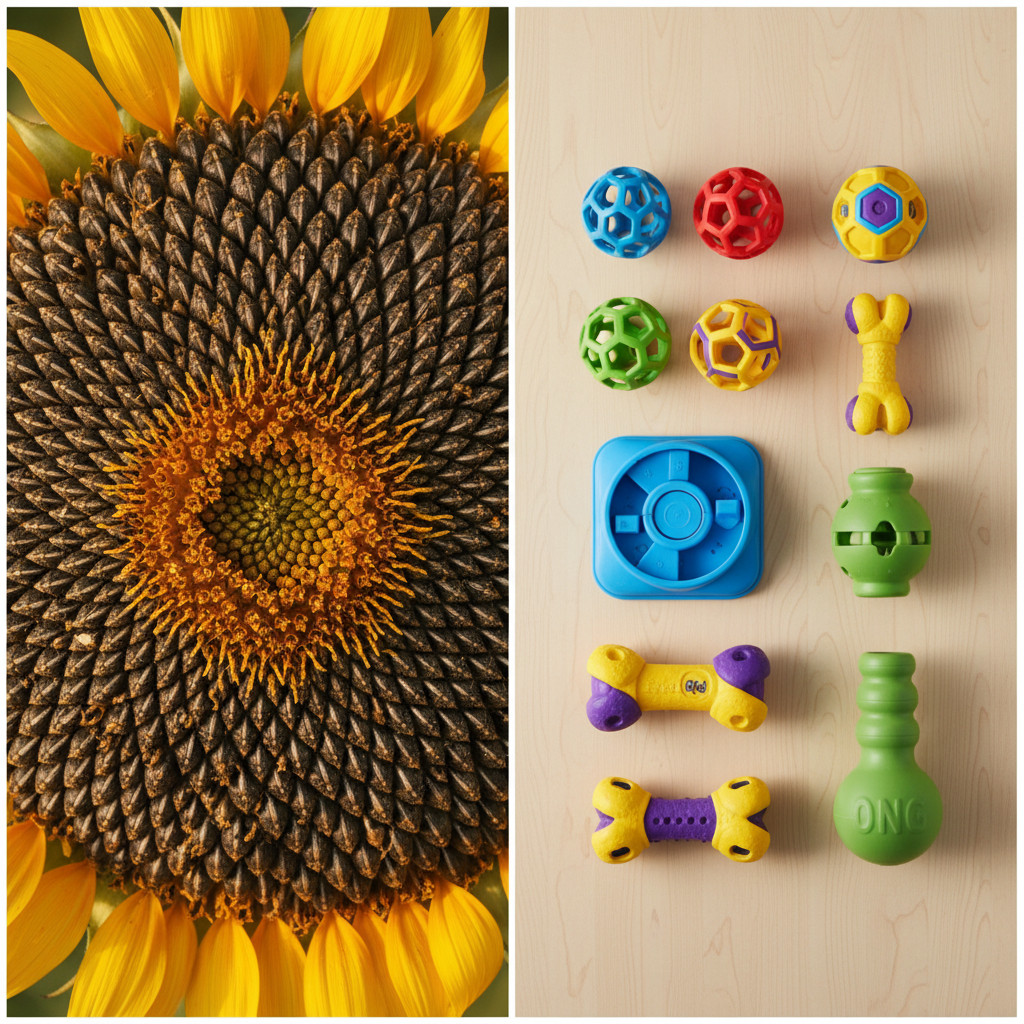
An analytical owner always considers the return on investment. How does a simple, consumable sunflower head stack up against durable, reusable commercial enrichment toys? The answer lies in the type of value you’re seeking.
While a plastic toy is a one-time purchase, it can lose its novelty. The sensory feedback—the smell, the texture, the taste—of a real sunflower head is something plastic can never replicate. Let’s look at the data:
| Enrichment Item | Approximate Cost | Reusability | Material | Primary Benefit |
|---|---|---|---|---|
| Whole Sunflower Head | $2 – $5 | Consumable (1-3 sessions) | Natural Plant Fiber & Seeds | Novelty, Scent Work, Foraging Instinct |
| KONG Wobbler | $15 – $25 | High (Years) | Hard Plastic | Dispenses Kibble, Physical Play |
| LickiMat / Licking Mat | $8 – $15 | High (Years) | Silicone / Rubber | Calming (Licking), Slow Feeding |
| Snuffle Mat | $20 – $40 | High (Years) | Fabric (Fleece) | Scent Work, Simulates Foraging in Grass |
As you can see, the cost per session for a sunflower head is remarkably low. For less than $5, you can provide an intensely satisfying enrichment session that engages all of your dog’s senses. While a KONG is durable, its function is predictable. The sunflower head offers a unique, biodegradable, and ultimately more natural challenge. It’s the perfect tool to add to your rotation to keep your dog guessing and prevent ‘puzzle toy burnout’.
Risk Assessment: Potential Downsides and How to Mitigate Them

A responsible owner anticipates problems. Being a ‘Canine Nutrition Hacker’ means understanding the risks just as well as the benefits. Here are the potential issues and the clear-cut strategies to prevent them.
- Choking Hazard: This is the most significant risk. The danger comes from the dog ingesting large, indigestible pieces of the fibrous head.
Mitigation Strategy:
Active, undistracted supervision is non-negotiable. Do not leave the room. When the dog’s focus shifts from extracting seeds to ripping the head apart, the session is over.
- Gastrointestinal Upset: The high fat content in a large quantity of sunflower seeds can lead to pancreatitis or an upset stomach (diarrhea/vomiting), especially in sensitive dogs.
Mitigation Strategy:
Strict portion control. Limit the activity to a short session (15-20 minutes) and don’t offer it every day. This is a special treat, not a daily meal. For a small dog, you may want to pre-loosen some seeds to make it easier and shorter.
- Allergies: While uncommon, dogs can have allergies to seeds.
Mitigation Strategy:
The first time you offer a sunflower head, watch for any signs of an allergic reaction for the next 24 hours, such as excessive scratching, hives, or swelling.
- Unshelled Seeds: Some worry about dogs eating the shells. For most dogs, the small, thin shells of raw sunflower seeds pass through their digestive system without issue in small quantities. However, a massive quantity could theoretically cause an impaction.
Mitigation Strategy:
This again comes back to moderation and supervision. By limiting session time, you inherently limit the number of shells consumed.
By understanding and actively managing these risks, you can make this a safe and incredibly rewarding activity for your dog.
Conclusion
The whole sunflower head is more than just a novelty; it’s a testament to the fact that the best solutions are often the simplest. By ditching the expensive plastic and looking to nature, you can provide your dog with a premium enrichment experience that satisfies their mind, body, and primal instincts. It’s a low-cost, high-reward strategy that smart owners can use to elevate their dog’s quality of life.
Remember the core principles: source safely, prepare properly, and supervise relentlessly. Armed with this knowledge, you can confidently add this incredible tool to your canine enrichment arsenal. You’re not just giving your dog a treat; you’re giving them a fulfilling challenge that honors their natural abilities. That’s the ultimate hack.