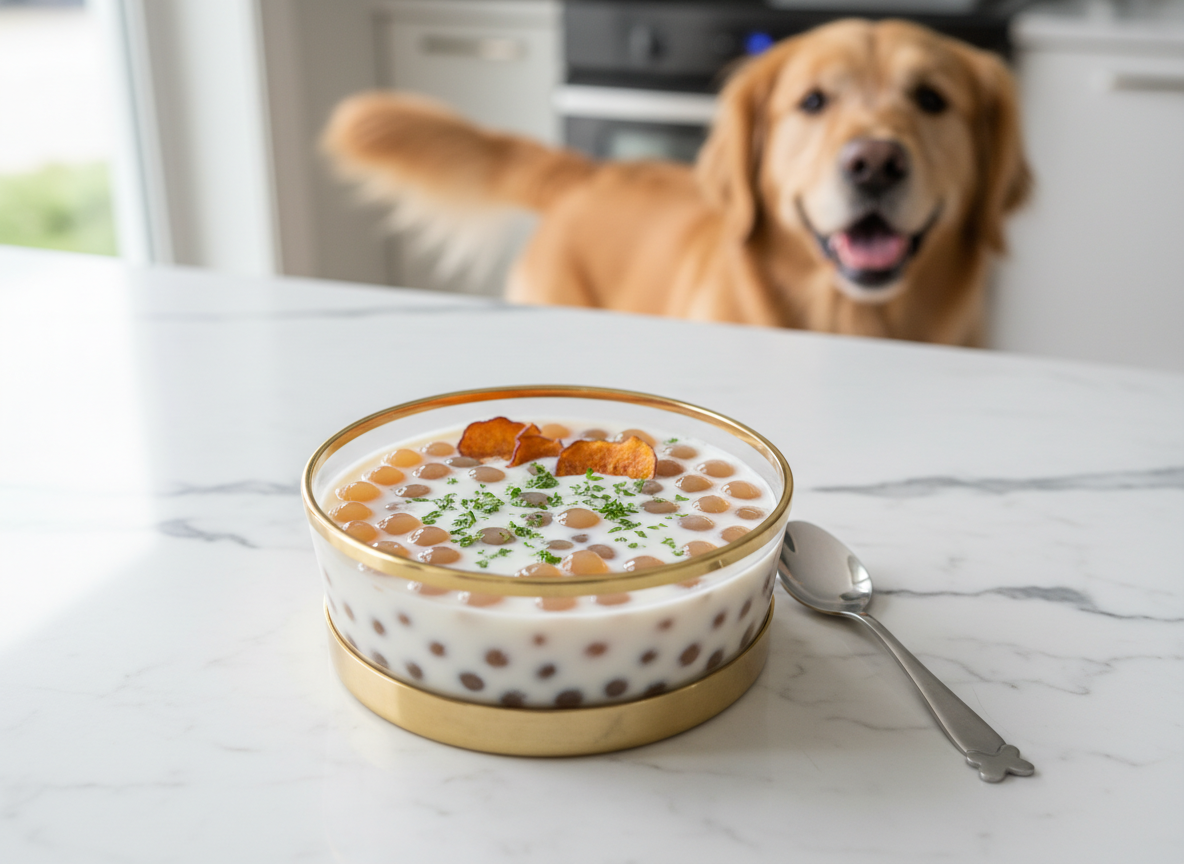
Viral Recipe: How to Make Dog-Safe Boba Tea with Bone Broth Pearls
You’ve seen it all over social media: dogs lapping up colorful, pearl-filled drinks in a cute imitation of their owners’ favorite boba tea. While the visuals are compelling, the reality is a nutritional minefield. As The Canine Nutrition Hacker, my job is to cut through the marketing fluff and viral noise to find what truly benefits your dog. Handing your dog a standard boba tea is a dangerous, potentially toxic mistake. The combination of caffeine, refined sugar (or worse, xylitol), and indigestible tapioca is a recipe for disaster.
But the core concept—a fun, hydrating treat—has potential. It just needs a complete nutritional overhaul. That’s what we’re doing today. We are hijacking this trend and transforming it from a liability into a powerhouse of canine health. We will replace the hazardous ingredients with functional, beneficial components that support your dog’s joints, gut health, and hydration. Forget the empty calories and choking risks. Prepare to learn how to craft a ‘Doggy Boba’ that’s not only safe but actively good for your companion. This isn’t just a recipe; it’s a lesson in nutritional alchemy.
Deconstructing the Dangers: Why Your Dog Can’t Have Your Boba Tea
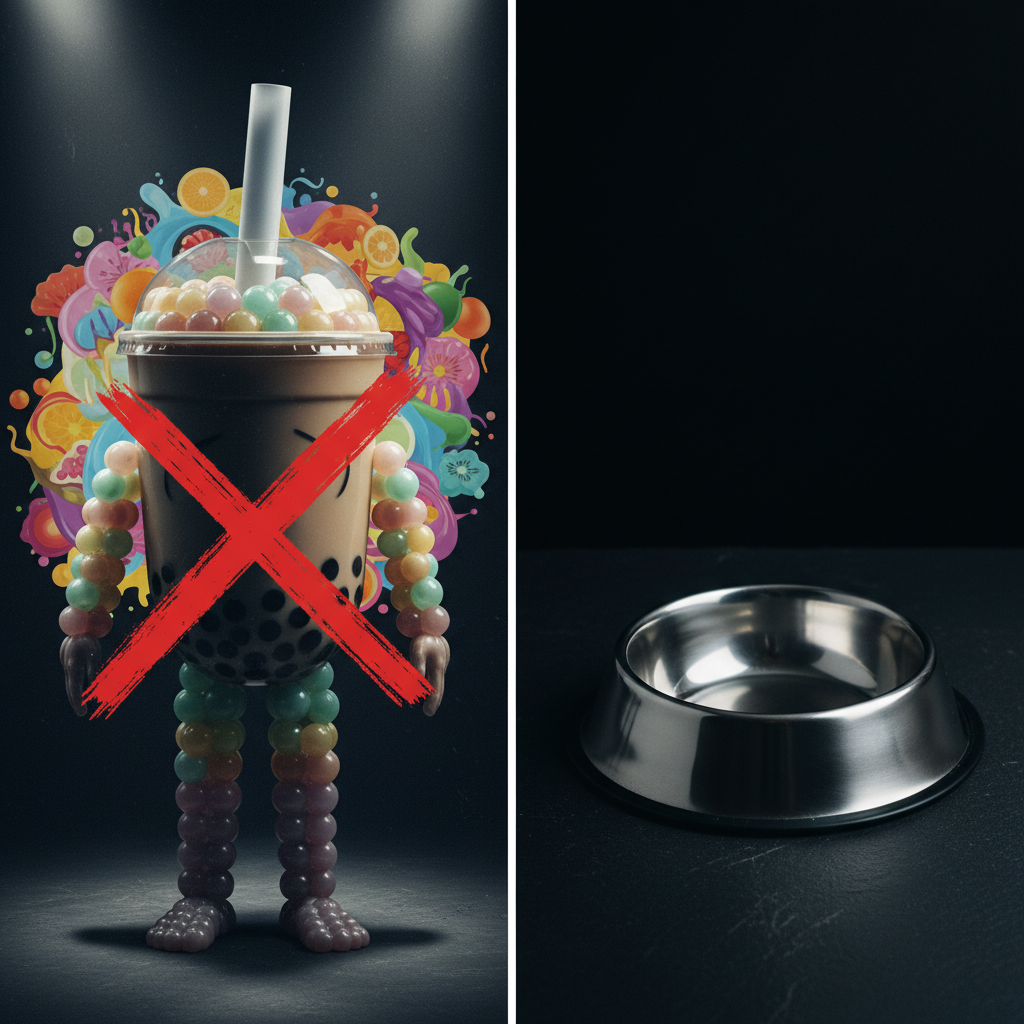
The Canine Nutrition Hacker’s Mandatory Safety Briefing
Before we build, we must first understand what to demolish. A standard boba or bubble tea is a cocktail of ingredients that are fundamentally incompatible with a dog’s digestive system and overall health. It’s not about ‘a little treat’; it’s about avoiding genuine harm. Let’s put the typical ingredient list under the microscope.
Insider Secret: The first step to becoming a nutrition hacker is learning to identify ‘red flag’ ingredients. If you wouldn’t feed your dog a cup of sugary coffee, you have no business giving them boba tea. It’s that simple.
The Sugar & Sweetener Trap
The sweet, milky tea base is loaded with sugar. This leads to unnecessary weight gain, dental issues, and can contribute to metabolic conditions like diabetes. More acutely, it can cause severe gastrointestinal upset. The gravest danger, however, comes from ‘sugar-free’ versions that often use xylitol, an artificial sweetener that is extremely toxic to dogs and can cause rapid insulin release, hypoglycemia, seizures, liver failure, and death.
Caffeine & Theobromine Toxicity
Most boba is made with black or green tea, both of which contain caffeine. Dogs are far more sensitive to caffeine than humans. Ingestion can lead to heart palpitations, muscle tremors, restlessness, and in severe cases, seizures. Some milk tea powders also contain cocoa, introducing the risk of theobromine poisoning, the same toxin found in chocolate.
The Tapioca Pearl Problem
Those chewy ‘pearls’ are made from tapioca starch. Nutritionally, they are pure starch with virtually no protein, fiber, or micronutrients. They are empty calories, plain and simple. More importantly, their size and rubbery texture present a significant choking hazard, especially for smaller breeds or dogs who tend to gulp their food. If not chewed properly, they can also lead to intestinal blockages.
The Dairy Disaster
The ‘milk’ in milk tea is typically cow’s milk, often sweetened and condensed. A majority of adult dogs are lactose intolerant, meaning they lack the enzyme lactase needed to properly digest the sugars in cow’s milk. This can result in bloating, gas, vomiting, and diarrhea. There is simply no justification for giving your dog this combination of ingredients.
The Hacker’s Toolkit: Upgrading Ingredients for Peak Canine Health
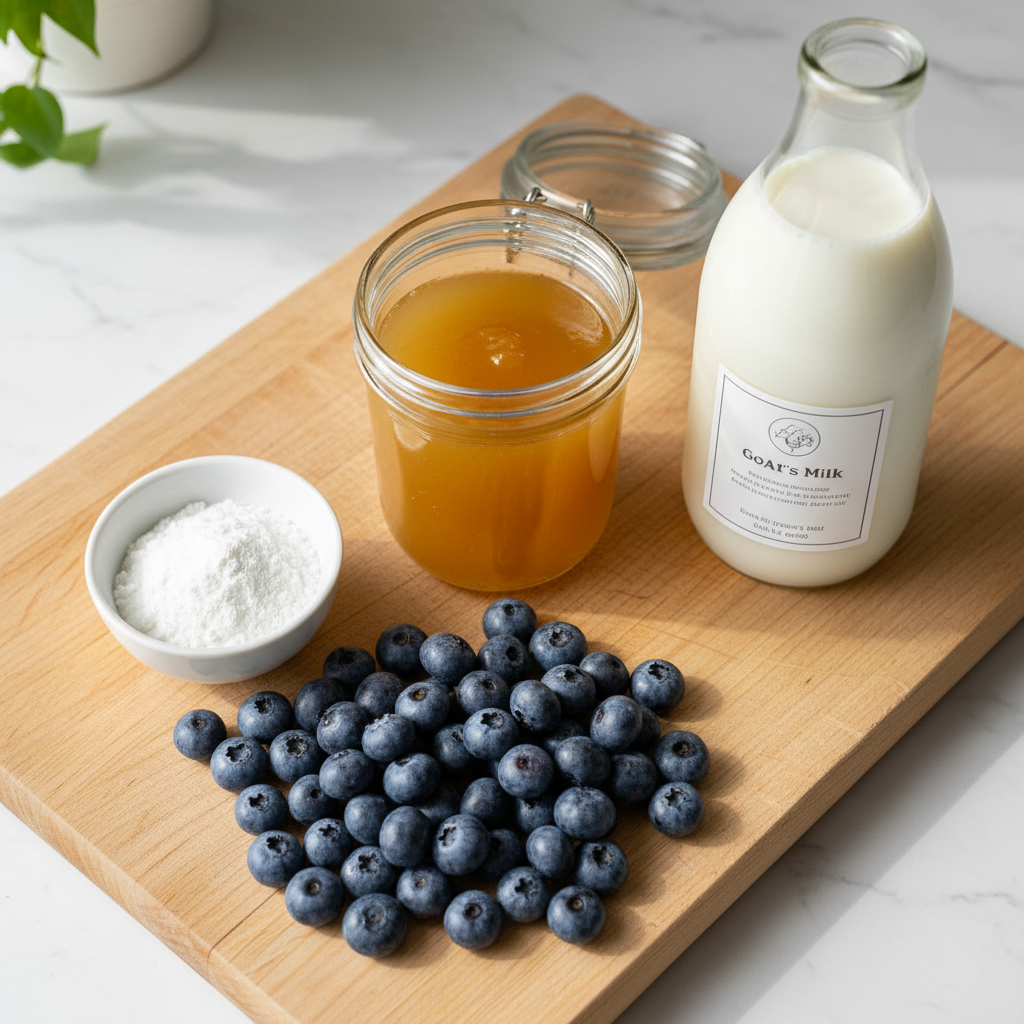
Hacking the Recipe for Maximum Benefit
Now that we’ve identified the enemy ingredients, we can systematically replace them with functional, health-promoting alternatives. Our goal isn’t just to make a safe treat, but to create something that actively contributes to your dog’s well-being. Every component in our hacked recipe serves a purpose.
The ‘Pearl’ Upgrade: Bone Broth & Gelatin
Instead of useless tapioca starch, our pearls will be crafted from two powerhouse ingredients:
- High-Quality Bone Broth: A hydrating liquid rich in minerals like magnesium and calcium. More importantly, it’s a natural source of glucosamine and chondroitin, compounds renowned for supporting joint health and mobility. Ensure you use a brand with no added salt or onions.
- Unflavored Beef or Pork Gelatin: This is our binding agent and a concentrated source of collagen. Collagen is the primary protein that makes up connective tissues, skin, and coat. Supplementing with gelatin can help maintain joint integrity, promote a shiny coat, and support healthy skin.
The ‘Milk Tea’ Base: Probiotic Powerhouses
To replace the problematic dairy base, we’ll use options that support gut health:
- Plain Goat’s Milk: The protein globules in goat’s milk are smaller than those in cow’s milk, making it significantly easier for most dogs to digest. It’s a great source of calcium and healthy fats.
- Plain Kefir: This fermented beverage is one of the most potent sources of probiotics available. A healthy gut microbiome is the cornerstone of a strong immune system, and adding kefir to your dog’s diet is an excellent way to support it.
- Hydrating Alternatives: For dogs with sensitivities, you can skip the ‘milk’ altogether and use more bone broth or even just plain water as the liquid base.
Optional Power-Ups: Functional Add-Ins
For an extra nutritional boost, consider adding a small amount of one of these to the liquid base:
- Pureed Pumpkin: A fantastic source of soluble fiber for digestive regularity.
- Blueberries: Packed with antioxidants to combat oxidative stress.
- Turmeric Paste: Known for its natural anti-inflammatory properties (always use with a pinch of black pepper to aid absorption).
The Blueprint: Your Step-by-Step Guide to Crafting Bone Broth Pearls
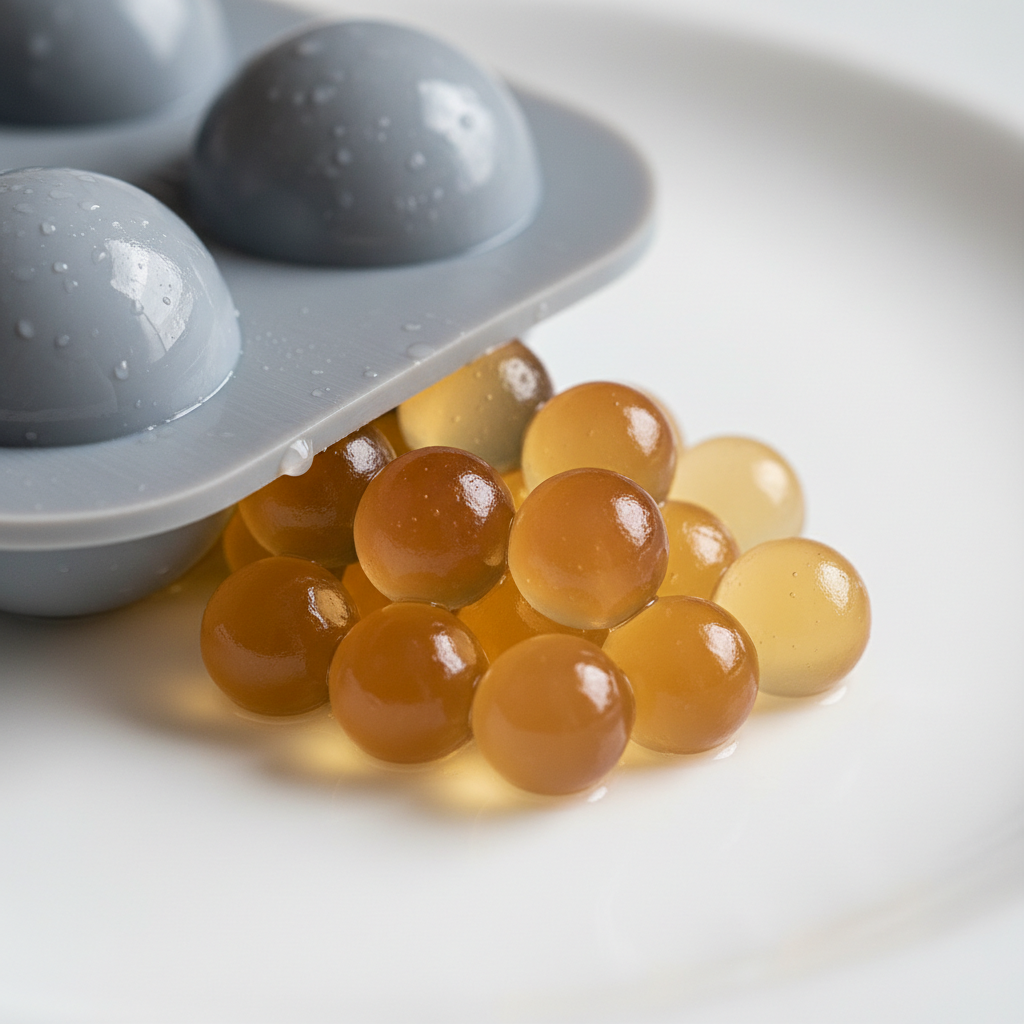
The Actionable Recipe
This is the core blueprint. Follow these instructions precisely for perfect, nutrient-dense bone broth pearls. The process is simple and requires minimal equipment. This recipe makes approximately 1 cup of pearls, suitable for multiple servings.
Ingredients & Equipment
- 1 cup high-quality, dog-safe bone broth (no added salt, onions, or garlic)
- 2 tablespoons of unflavored beef or pork gelatin powder
- A small saucepan
- A whisk
- A silicone sphere mold (1/2 inch to 1 inch diameter) or a shallow glass dish
- Optional: A liquid dropper or small funnel for filling molds
Step-by-Step Instructions
- Prepare the Gelatin: Pour 1/2 cup of the cold bone broth into the saucepan. Sprinkle the 2 tablespoons of gelatin powder evenly over the surface. Do not stir yet. Let it sit for 5-10 minutes. This process, called ‘blooming,’ allows the gelatin to absorb the liquid and ensures a smooth final texture without clumps.
- Gently Heat: Place the saucepan on the stove over low heat. Add the remaining 1/2 cup of bone broth. Whisk the mixture continuously and gently. Do not let it boil. You only need to heat it until all the gelatin granules have completely dissolved. The liquid should be smooth and clear.
- Fill the Molds: Carefully pour the warm liquid into your silicone sphere molds. A dropper can make this process cleaner and more precise. If you don’t have a mold, pour the liquid into a shallow glass dish to create a sheet of gelatin about 1/2 inch thick.
- Chill to Set: Place the mold or dish in the refrigerator. Let it chill for at least 3-4 hours, or until the gelatin is completely firm to the touch.
- De-mold or Cut: Once fully set, pop the pearls out of the silicone mold. If you used a glass dish, run a knife around the edge and turn the gelatin sheet out onto a cutting board. Cut the sheet into small, bite-sized cubes.
Assembling the Final ‘Boba Tea’
- Place a desired amount of bone broth pearls (see serving guide below) into your dog’s bowl.
- Pour 1/4 to 1/2 cup of your chosen liquid base (goat’s milk, kefir, or more bone broth) over the pearls.
- Serve immediately as a special, hydrating treat.
Hacker Tip: Using silicone sphere molds is the secret to getting that authentic ‘boba pearl’ look. They are inexpensive and can be found online or in kitchen supply stores. This small investment seriously elevates the final product.
Financial Forensics: The True Cost of a Premium Treat
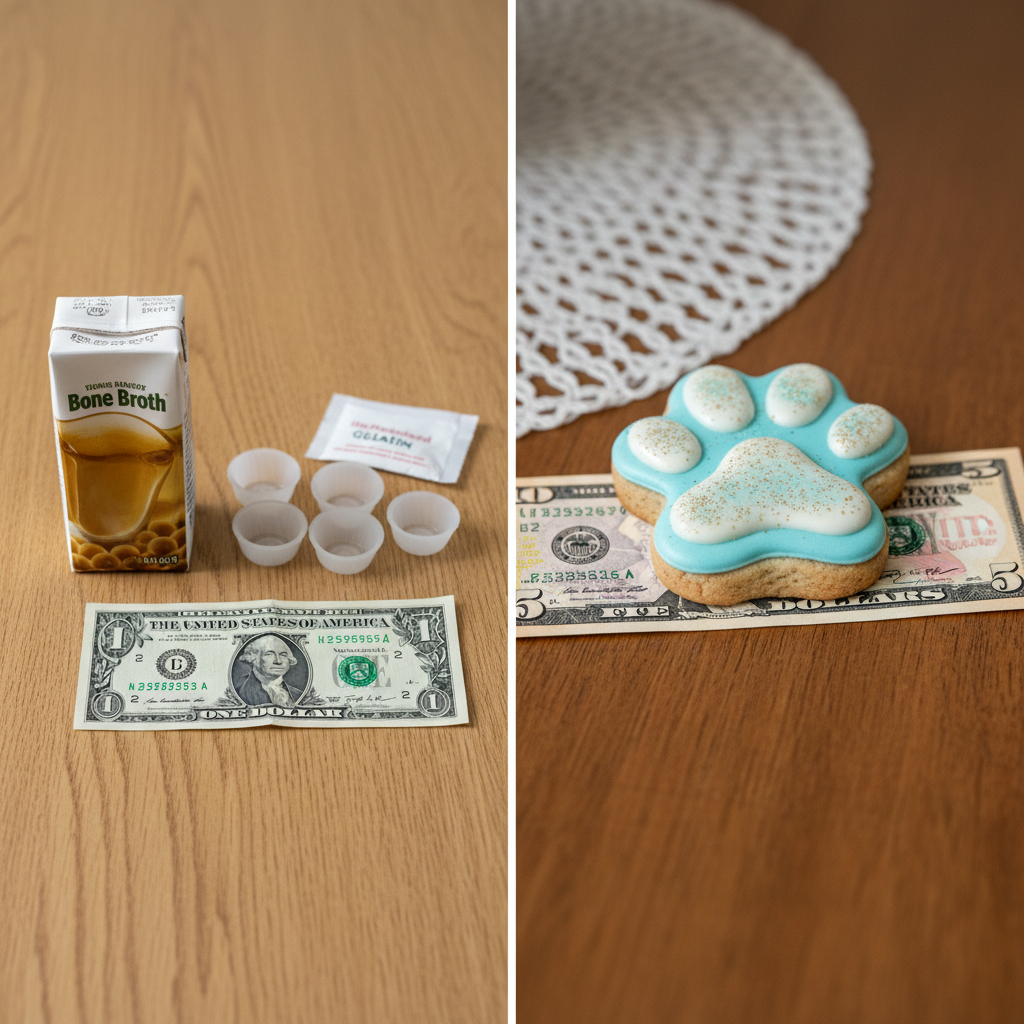
DIY Nutritional Value vs. Boutique Markup
A common misconception is that making high-quality treats at home is expensive. Let’s run the numbers. We’ll compare the cost of making a batch of our Bone Broth Boba against purchasing a single, comparable ‘gourmet’ treat like a ‘puppuccino’ or decorated cookie from a high-end pet boutique.
Assumptions are based on average US retail prices. Your costs may vary slightly.
| Component | DIY Bone Broth Boba | Boutique ‘Puppuccino’ |
|---|---|---|
| Primary Ingredients | Bone Broth, Beef Gelatin, Goat’s Milk/Kefir | Whipped Cream (Sugar, Dairy), Flavored Syrup (Sugar), Sprinkles (Sugar, Wax) |
| Nutritional Value | High (Collagen, Probiotics, Minerals, Hydration) | Extremely Low (Primarily Sugar & Fat) |
| Approximate Cost (Per Ingredient) | Bone Broth ($6/32oz), Gelatin ($8/lb), Goat’s Milk ($5/32oz) | N/A (Single Purchase) |
| Cost Per Serving (DIY makes ~8 servings) | Approx. $0.95 per serving | $4.00 – $7.00 per serving |
| Verdict | Vastly superior nutrition at a fraction of the cost. Provides functional benefits for joints and gut health. | Extremely overpriced for what is essentially a cup of sugar and air. Offers zero functional health benefits and can cause digestive upset. |
The analysis is clear. For less than a dollar, you can provide a treat packed with health benefits. The boutique alternative costs over 500% more and delivers a payload of sugar and dairy that can actively work against your dog’s health. Hacking your dog’s treats isn’t just about safety; it’s about financial intelligence and prioritizing genuine nutritional value over marketing gimmicks.
The Logistics: Batching, Storage, and Serving Protocols
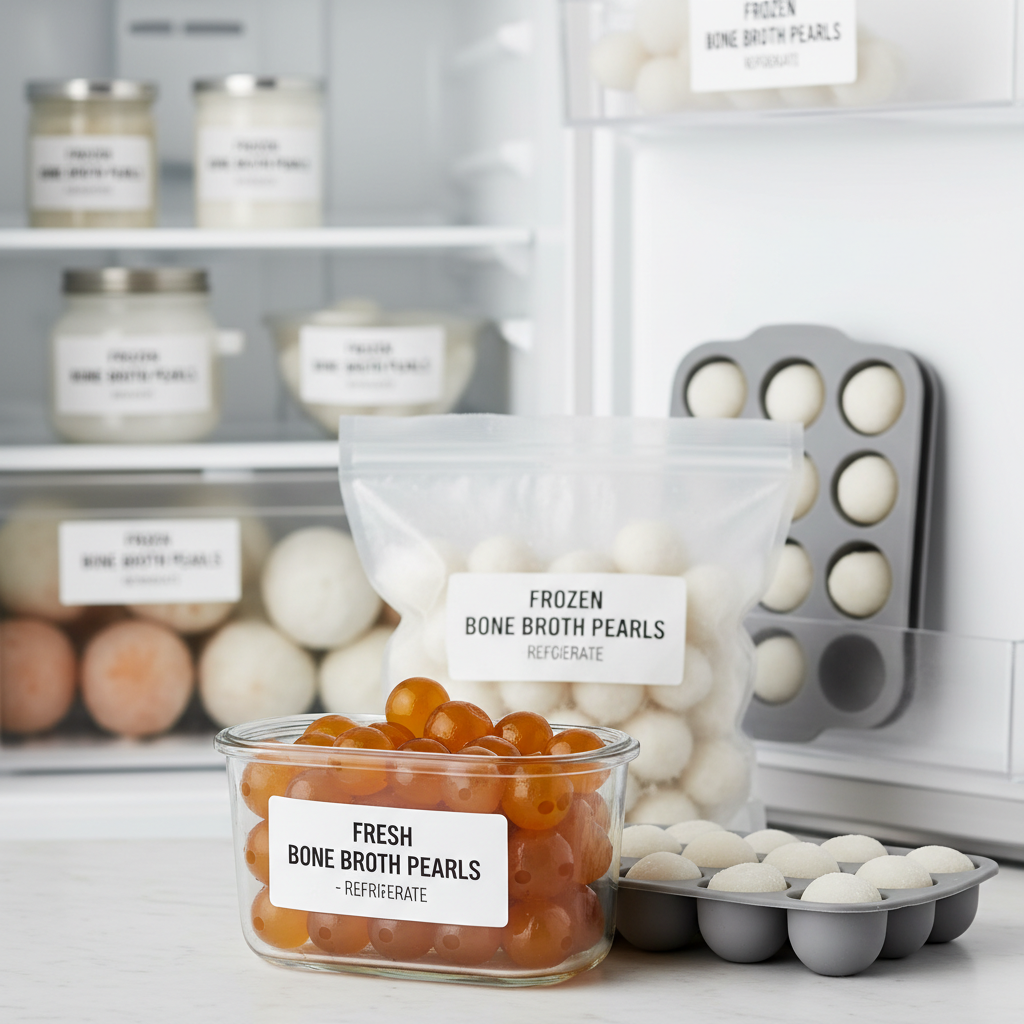
Storage and Serving Guidelines
Proper storage is critical to maintain freshness and safety. You’ve invested the time to make a quality product; don’t let it go to waste.
Refrigeration
Store the finished bone broth pearls in an airtight container in the refrigerator. They will remain fresh for up to 5 days. Do not pre-mix them with the liquid base until you are ready to serve, as this can cause the pearls to degrade faster.
Freezing for Long-Term Use
This recipe is perfect for batching. You can easily double or triple the ingredients to make a large supply.
- Spread the finished pearls in a single layer on a parchment-lined baking sheet.
- Place the sheet in the freezer for 1-2 hours, or until the pearls are frozen solid. This step, known as flash-freezing, prevents them from clumping together.
- Transfer the frozen pearls into a freezer-safe bag or container.
- They can be stored in the freezer for up to 3 months.
Hacker Tip: For perfect portion control, place the pearls into an ice cube tray, top with a little extra bone broth or water, and freeze. You’ll have ready-to-serve, single-portion ‘boba cubes’ you can thaw or serve frozen on a hot day.
Serving Size Guidelines
Remember, this is a treat and should not replace a balanced meal. It should constitute no more than 10% of your dog’s daily caloric intake.
- Small Dogs (under 25 lbs): 1-2 tablespoons of pearls.
- Medium Dogs (25-60 lbs): 3-4 tablespoons of pearls.
- Large Dogs (over 60 lbs): 1/4 cup of pearls.
Always introduce any new food slowly and monitor your dog for any signs of digestive upset. Adjust serving sizes based on your dog’s individual activity level and dietary needs.
Conclusion
You have now successfully deconstructed a potentially harmful viral trend and re-engineered it into a genuinely beneficial, functional treat for your dog. This is the core philosophy of The Canine Nutrition Hacker: to look past the cute fads and analyze the fundamental nutrition. You’ve replaced empty-calorie choking hazards with joint-supporting collagen pearls. You’ve swapped sugary, inflammatory dairy for gut-healthy probiotics. You’ve done this all while saving a significant amount of money compared to store-bought gimmicks.
Empowerment in canine nutrition comes from knowledge and action. By taking the time to understand ingredients and prepare food for your dog, you become their greatest health advocate. Continue to question what’s in their bowl, read every label, and never be afraid to take control of their nutrition. You have the power to provide a diet that doesn’t just sustain them, but helps them thrive.