
Dietary Support for Westies with Lung Disease (IPF) Recipes
MEDICAL DISCLAIMER: This guide provides nutritional information for supportive care and is not a substitute for professional veterinary advice, diagnosis, or treatment. Idiopathic Pulmonary Fibrosis (IPF) is a serious medical condition that requires management by a qualified veterinarian. Do not make any changes to your dog’s diet or health regimen without consulting your vet first. The author is a nutrition analyst, not a veterinarian.
When your West Highland White Terrier is diagnosed with Idiopathic Pulmonary Fibrosis (IPF), the world can feel like it’s shrinking. This progressive disease, which causes scarring of the lungs, often leaves owners feeling helpless. But I’m here to tell you that while there is no cure, you are not powerless. Nutrition is one of the most powerful tools you have to fight back against the inflammation that fuels this disease. Standard commercial dog foods, often packed with fillers and pro-inflammatory ingredients, can be like throwing gasoline on a fire. We’re not going to do that. As the Canine Nutrition Hacker, my job is to show you how to bypass the marketing hype and build a targeted dietary arsenal from the ground up. We will analyze the enemy ingredients that worsen inflammation and build a strategic, home-prepared diet focused on extinguishing those flames, supporting respiratory function, and maximizing your Westie’s quality of life.
The Nutritional Battlefield: Understanding IPF in Westies

To effectively fight an enemy, you must first understand it. IPF creates a state of chronic, low-grade inflammation and oxidative stress within your dog’s lung tissue. Think of it as a constant, simmering fire at a cellular level. This fire damages healthy tissue, leading to the scarring (fibrosis) that makes breathing difficult. The standard canine diet can inadvertently fuel this fire. Our mission is to starve the inflammation and provide the body with the resources to protect itself.
Enemy Ingredients: The Pro-Inflammatory Agitators
Many popular dog foods contain ingredients that can actively promote inflammation. You must become a forensic analyst of the ingredient label.
- High-Glycemic Grains & Fillers: Ingredients like corn, wheat, and soy are cheap fillers that break down into sugar rapidly. This sugar spike can trigger an inflammatory response. Scrutinize labels for terms like ‘corn gluten meal’ or ‘wheat middlings’—these are red flags.
- Excessive Omega-6 Fatty Acids: While some Omega-6 is necessary, the balance is critical. Diets high in poultry fat (from factory-farmed chicken), corn oil, and safflower oil can tilt the scales towards a pro-inflammatory state.
- Artificial Additives: Chemical preservatives (like BHA, BHT), artificial colors, and synthetic flavors have no nutritional value and can place an additional burden on your dog’s system, potentially contributing to inflammation.
Hero Ingredients: The Anti-Inflammatory Elite
These are the nutritional powerhouses we will build our plan around. They actively work to cool inflammation and combat cellular damage.
- Potent Omega-3 Fatty Acids (EPA & DHA): Found in cold-water fish, these are the single most important anti-inflammatory nutrient. They work directly on cellular pathways to reduce the production of inflammatory compounds.
- Antioxidants: Oxidative stress is a byproduct of inflammation. Antioxidants are the cleanup crew. We’ll source them from deeply colored fruits and vegetables.
- High-Quality, Lean Proteins: Muscle mass is crucial for dogs with respiratory compromise. We need clean, easily digestible proteins that provide essential amino acids without excessive inflammatory fats.
Building the Anti-Inflammatory Arsenal: Key Nutrients and Foods
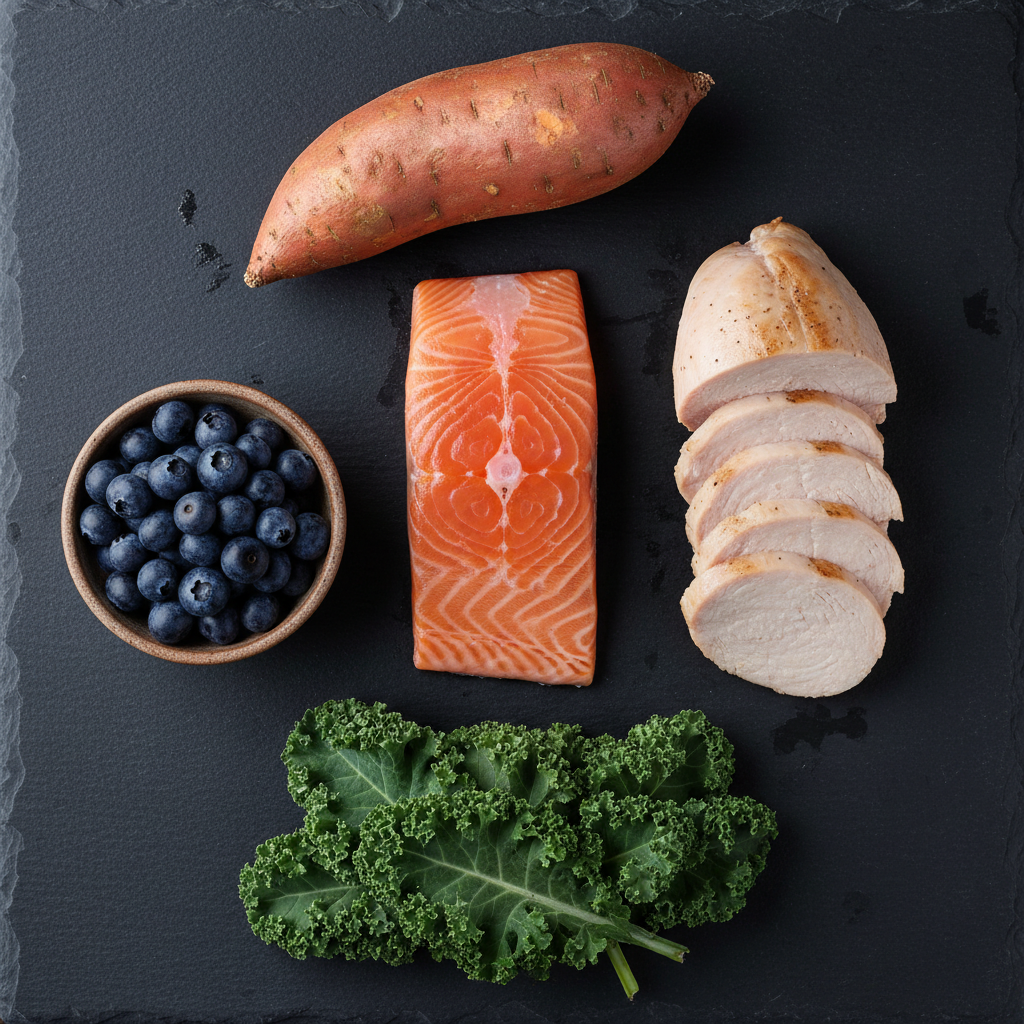
Now we move from theory to practical application. Stocking your kitchen with these hero ingredients is the first step in building your Westie’s new dietary defense system. Quality is non-negotiable.
Omega-3 Fatty Acids: The Inflammation Extinguisher
This is your primary weapon. The specific fatty acids we’re after are eicosapentaenoic acid (EPA) and docosahexaenoic acid (DHA). While some plants offer Omega-3s (like flax), the most potent and bioavailable sources are marine-based.
- Sources: Wild-caught salmon, sardines packed in water (no salt), mackerel, and high-quality fish oil supplements (more on this later).
- Mechanism: EPA and DHA directly compete with pro-inflammatory fats in the body, effectively turning down the dial on the inflammatory response.
Antioxidant Powerhouses: Neutralizing Cellular Damage
Free radicals are unstable molecules produced during inflammation that damage cells, much like rust on metal. Antioxidants neutralize them. We want a rainbow of sources to provide a broad spectrum of protection.
- Sources: Blueberries, raspberries, cranberries (use unsweetened), finely chopped or steamed kale and spinach, and orange-fleshed vegetables like pumpkin and sweet potato.
- Mechanism: These foods are rich in vitamins C and E, beta-carotene, and flavonoids, which donate electrons to free radicals, rendering them harmless and protecting delicate lung tissue.
Lean Protein Sources: Fueling Without Fanning the Flames
Maintaining lean body mass is critical for strength and energy. Protein provides the building blocks, but the source matters.
- Sources: 93% lean ground turkey, cod, rabbit, and venison. These are ‘novel proteins’ for many dogs, which can also be beneficial if food sensitivities are a concern.
- Mechanism: They offer high biological value protein with a lower concentration of inflammatory arachidonic acid compared to fatty red meats or factory-farmed poultry.
The ‘Lung Support’ Base Recipe: A Safe Chef’s Guide

SAFETY DISCLAIMER: Before you begin, understand this critical point. This recipe is a base. On its own, it is NOT a complete and balanced diet for long-term feeding. It lacks crucial minerals, particularly calcium. You MUST work with your veterinarian or a board-certified veterinary nutritionist to ensure the diet is properly balanced with the necessary supplements for your individual dog.
This recipe is designed to be simple, consistent, and packed with the anti-inflammatory ingredients we’ve discussed. The ratios are based on cooked weight.
The Core Ratio
- 50% Lean Protein: Gently cooked 93% lean ground turkey or poached cod.
- 25% Low-Glycemic Carbohydrates: Steamed and mashed sweet potato or pumpkin.
- 25% Antioxidant-Rich Vegetables & Fruits: Finely chopped (or puréed) steamed kale/spinach, plus a small amount of fresh blueberries.
Sample Weekly Batch for a 20lb Westie:
(This yields approximately 7 days of food, with a portion size of about 1 cup, twice per day. Your vet will determine the exact caloric needs.)
- Protein (approx. 3.5 lbs): Gently cook the ground turkey in a skillet with a little water until no longer pink. Do not brown it heavily or add oils. Drain off all excess fat. If using fish, poach it until it flakes easily.
- Carbohydrates (approx. 1.75 lbs): Peel and cube the sweet potatoes. Steam until very tender, then mash thoroughly.
- Vegetables (approx. 1.75 lbs): Lightly steam the kale or spinach until wilted. Transfer to a food processor and pulse until finely chopped. This step is crucial for digestibility.
- Assembly: In a large bowl, combine the cooked protein, mashed sweet potato, and processed greens. Mix thoroughly. Once the mixture has cooled completely, stir in a handful of fresh blueberries.
Hacker Tip: Never serve this food hot or warm. Cool it completely to room temperature. Hot food can sometimes increase respiratory rate, which we want to avoid in dogs with compromised lung function.
Batch Cooking & Storage
Portion the cooled food into daily servings in airtight containers or freezer bags. You can refrigerate up to 3 days’ worth. Freeze the rest. To serve, thaw a portion in the refrigerator overnight. Never microwave the food, as it can destroy nutrients and create hot spots.
Essential Supplements: The Non-Negotiables for Homemade Diets

Feeding the base recipe without supplementation is nutritional malpractice. It will lead to severe deficiencies over time. This is the part where you absolutely must follow your veterinarian’s specific recommendations. The following are the typical supplements required to balance a recipe like the one above.
1. Calcium & Mineral Balance
Meat is high in phosphorus, and a diet without a calcium source to balance it can lead to skeletal problems and metabolic disease. This is the most critical supplement.
- What to use: You need a product specifically designed to balance homemade diets. Do not guess. Brands like Balance IT Canine or the Just Food For Dogs DIY Nutrient Blend are formulated by veterinary nutritionists. Your vet can help you choose and calculate the exact amount needed per batch. Using plain calcium carbonate or eggshells requires complex calculations and is best left to professionals.
2. Concentrated Omega-3s (Fish Oil)
While the recipe may contain fish, a therapeutic dose of anti-inflammatory EPA and DHA requires a concentrated supplement.
- What to use: Look for a high-purity, third-party tested fish oil from small-catch fish to avoid heavy metals. A reputable brand like Nordic Naturals Omega-3 Pet is a solid choice. Look for a product in a liquid or capsule form that clearly states the amount of EPA and DHA per serving. Your vet will prescribe the correct therapeutic dose.
3. Targeted Lung Support Nutrients (Veterinarian-Directed)
Certain supplements may offer additional respiratory benefits, but they act like medicine and must only be used under the direct supervision of your veterinarian.
- N-acetylcysteine (NAC): An antioxidant that can help thin mucus, making it easier to clear from the lungs.
- Vitamin E: A powerful fat-soluble antioxidant that works synergistically with other nutrients to protect cell membranes in the lungs. Dosage is critical as it can be toxic in high amounts.
- Milk Thistle: Often used to support the liver, which can be under strain from medications used to manage IPF.
Cost Analysis: The Real Price of Targeted Nutrition
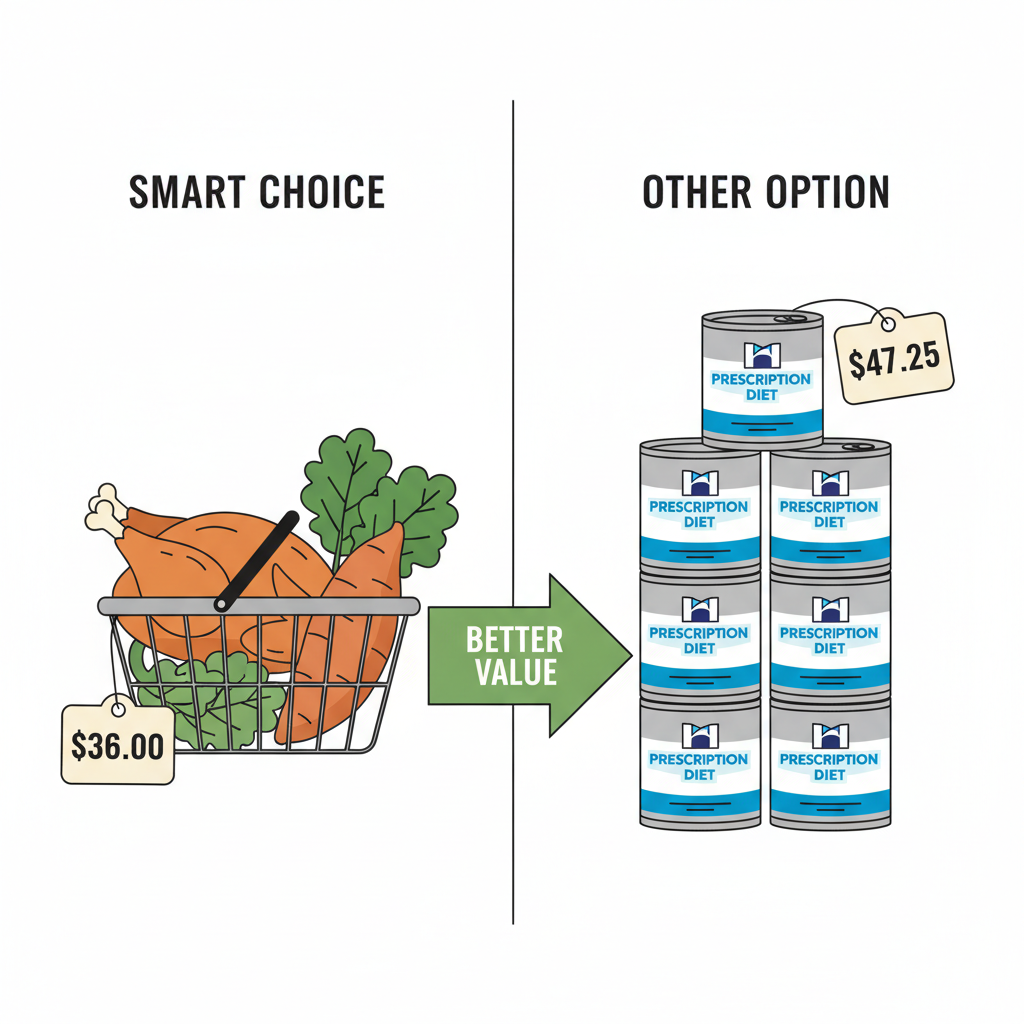
Investing in a fresh, whole-food diet can seem expensive upfront compared to a bag of kibble. However, when compared to the cost of specialized veterinary therapeutic diets, the price is often competitive, and you gain absolute control over every single ingredient. Let’s break down the approximate weekly cost for a 20lb Westie.
| Item | DIY Homemade Diet (Weekly Cost) | Veterinary Therapeutic Diet (Weekly Cost) |
|---|---|---|
| Base Food Ingredients | Ground Turkey (~$15), Sweet Potatoes (~$5), Organic Greens (~$4), Berries (~$3) = $27.00 | Based on a leading brand’s canned prescription diet for respiratory health, a 20lb dog would require ~1.5 cans/day. At ~$4.50/can, this totals $47.25. |
| Supplements | Balance IT Canine (~$5), Nordic Naturals Fish Oil (~$4) = $9.00 | Included in formulation. |
| Total Weekly Cost | ~$36.00 | ~$47.25 |
| Verdict | Higher initial effort but offers superior ingredient quality, complete control over sourcing, and a potential cost savings of over 20%. This is a direct investment in your dog’s well-being. | Convenient and scientifically formulated, but often uses lower-quality ingredients (e.g., chicken by-products, corn starch) and comes at a premium price. |
The analysis reveals that not only can you provide a diet free from the fillers and potential inflammatory triggers found in many commercial foods, but you can do so for a comparable or even lower price than the prescription alternative. You are paying for quality and therapeutic benefit, not marketing and convenience.
Conclusion
Managing a diagnosis of Idiopathic Pulmonary Fibrosis in your Westie requires a proactive, multi-faceted approach, and nutrition is your frontline defense. By eliminating pro-inflammatory fillers and building a diet rich in targeted, therapeutic nutrients like Omega-3s and antioxidants, you can create a powerful internal environment that supports respiratory health and combats the chronic inflammation at the heart of IPF. This is not about simply feeding your dog; it’s about arming their body with the precise tools it needs to function optimally in the face of disease. Remember, this journey must be a partnership. The information here is your strategic brief, but your veterinarian is your commanding officer. Work with them to implement these changes safely and correctly, and you will become the most powerful advocate for your Westie’s health and well-being.