

7 Best Low Sodium Dog Foods for Managing Heart Murmurs
Managing a heart murmur in your dog feels like walking a tightrope. Every decision, especially about their diet, is loaded with weight. The market is flooded with foods claiming to be ‘healthy,’ but when your dog’s heart is on the line, marketing jargon is your enemy. As The Canine Nutrition Hacker, my job is to arm you with the data to see past the slick packaging and analyze what’s actually in the bowl. We’re going to dissect ingredient labels, expose high-sodium culprits, and identify the formulas that genuinely support canine cardiac function.
MEDICAL DISCLAIMER: I am not a veterinarian. This guide is for informational purposes and is based on extensive research into canine nutrition. A heart condition is a serious medical diagnosis that requires professional veterinary care. You must consult with your veterinarian before making any changes to your dog’s diet, especially when managing a heart murmur or congestive heart failure. They can assess your dog’s specific stage of heart disease and recommend a diet with the precise sodium and nutrient levels required.
Decoding the Label: What ‘Low Sodium’ Really Means for Your Dog’s Heart
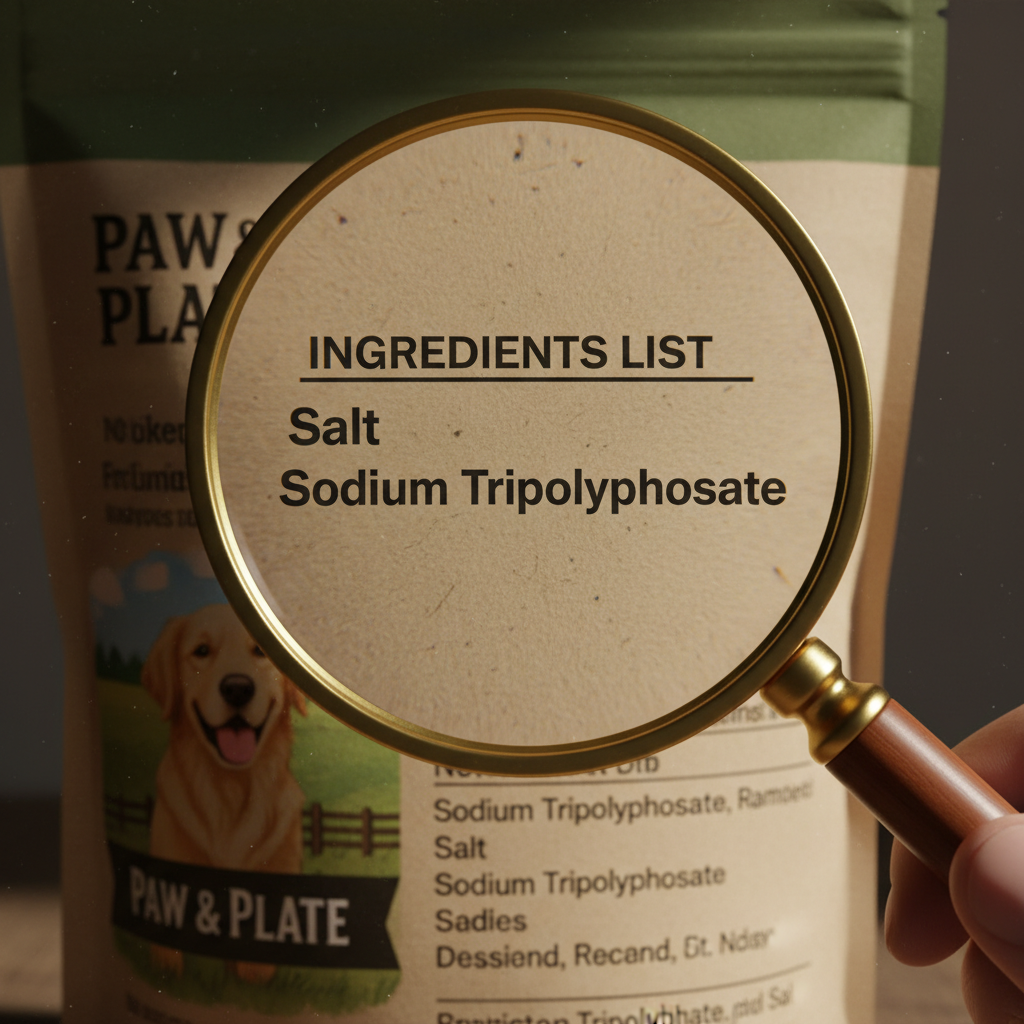
When a dog has a compromised heart, its body struggles to handle excess sodium. Like in humans, sodium causes the body to retain water, increasing blood volume and blood pressure. This forces the already weakened heart to work much harder to pump blood, accelerating the progression of heart disease. The goal of a low-sodium diet is to reduce this workload.
But ‘low sodium’ isn’t a regulated term on pet food labels. You have to be a detective. Vets typically measure sodium on a dry matter basis or, more accurately, in milligrams per 100 kilocalories (mg/100 kcal). According to veterinary guidelines, dogs with advanced heart disease may need a diet with less than 80 mg of sodium per 100 kcal. For mild to moderate cases, under 100 mg/100 kcal is often the target.
Enemy Ingredients: The Sodium Smugglers
Scan the ingredient list for more than just ‘salt.’ Manufacturers use various sodium-based compounds for flavor and preservation. Be on high alert for:
- Salt: The most obvious culprit. If it’s in the first half of the ingredient list, the food is likely too high in sodium.
- Sodium Tripolyphosphate (STPP): A preservative often found in processed meats and fish.
- Sodium Nitrite/Nitrate: Used to cure meats and can contribute to the overall sodium load.
- Soy Sauce or Broth: Often used for flavor in wet foods and treats, these can be packed with sodium.
- High-Sodium Meats: Processed meats like bacon, sausage, or rendered meat meals can have surprisingly high sodium content.
Hacker Tip: Don’t trust the front of the bag. Words like ‘natural’ or ‘holistic’ mean nothing in terms of sodium content. You must get the specific nutritional analysis from the company, usually found on their website or by calling their customer service line. Ask for the sodium content in mg/100 kcal.
The Cardiac Support Arsenal: Hero Ingredients to Champion
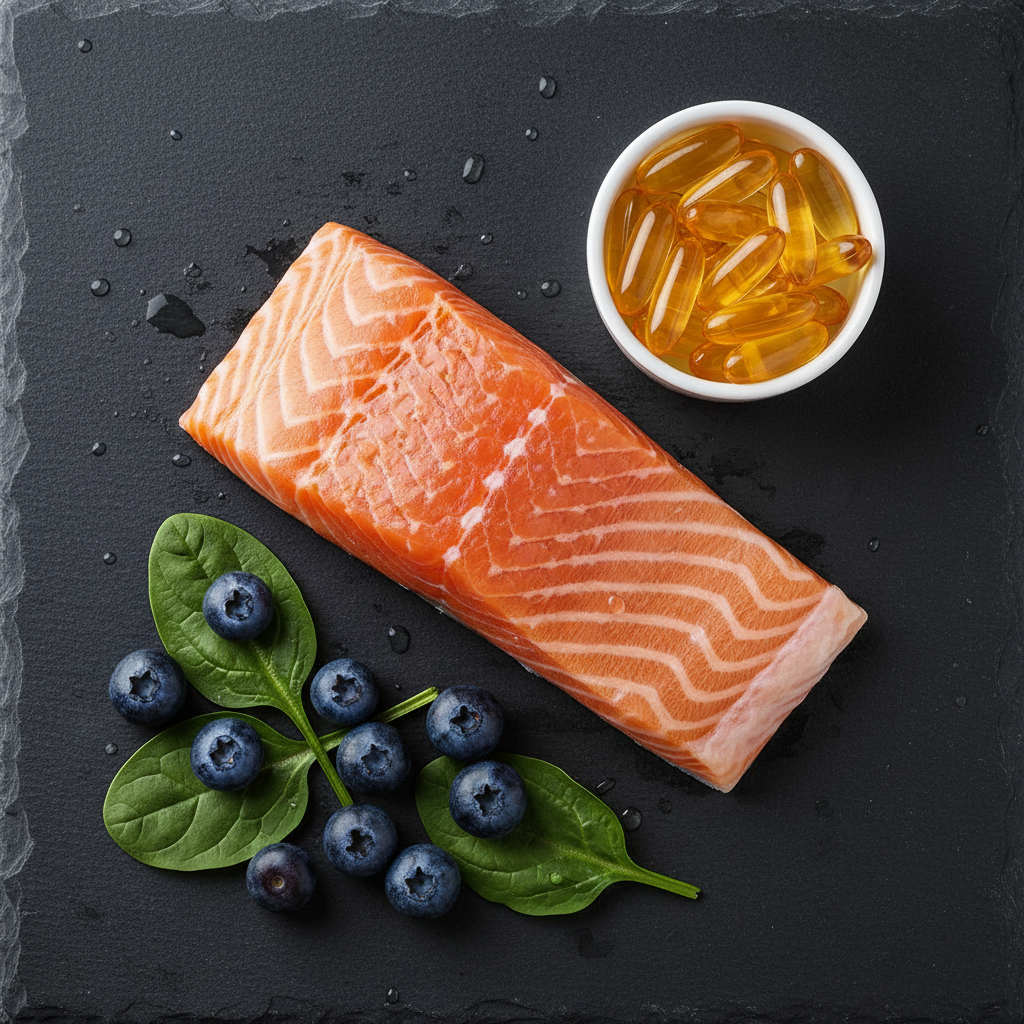
Reducing sodium is only half the battle. The best cardiac diets also include specific nutrients that actively support heart muscle function and overall cardiovascular health. Think of these as your dog’s nutritional support system.
Key Nutrients for a Healthy Heart:
- Omega-3 Fatty Acids (EPA & DHA): Found in fish oil (like salmon, sardines, or krill), these fatty acids have powerful anti-inflammatory properties. They can help reduce cardiac cachexia (muscle wasting associated with heart failure) and may help stabilize heart rhythm.
- Taurine & L-Carnitine: These two amino acids are critical for heart muscle metabolism and function. While most dogs can synthesize their own, dogs with certain heart conditions (like Dilated Cardiomyopathy or DCM) benefit greatly from supplementation. Deficiencies can directly cause heart problems.
- Antioxidants (Vitamin E, Vitamin C, Selenium): Heart disease creates oxidative stress, which damages cells. A powerful antioxidant cocktail helps neutralize these damaging free radicals, protecting the heart muscle. Look for natural sources like blueberries, cranberries, and spinach.
- B-Vitamins (B6, B12, Folic Acid): This group of vitamins is essential for numerous metabolic processes, including those that support energy production within the heart muscle cells.
- Magnesium & Potassium: These electrolytes are crucial for maintaining a normal heart rhythm. A proper balance is essential, and a well-formulated cardiac diet will manage these levels carefully.
The Forensic Review: Top 7 Low-Sodium Foods Uncovered

Here is our breakdown of the top-tier options, from veterinary-exclusive formulas to carefully selected over-the-counter foods. We analyze the first five ingredients, provide a cost estimate, and deliver a final verdict. Remember to discuss these specific options with your vet.
1. Hill’s Prescription Diet h/d Heart Care
This is a therapeutic diet, available only through a veterinarian, specifically designed for advanced cardiac care.
- First 5 Ingredients Analysis: Water, Corn Starch, Pork By-Products, Pork Liver, Chicken Fat. The list starts with water and starch, which isn’t ideal for a ‘hacker’ who prefers meat-first formulas. However, in a therapeutic diet, nutrient precision trumps ingredient romance. The formulation is designed for extreme palatability and digestibility for sick dogs.
- Sodium Content: Extremely low, typically around 53 mg/100 kcal.
- Recall Check: Hill’s has had recalls in the past, most notably in 2019 for elevated Vitamin D levels. However, their quality control is generally considered among the industry’s best.
- Approximate Cost Per Day (50lb dog): $4.50 – $5.50
2. Royal Canin Veterinary Diet Cardiac
Another heavy-hitter in the prescription space, Royal Canin focuses on a synergistic nutrient approach.
- First 5 Ingredients Analysis: Brewers Rice, Chicken By-Product Meal, Corn, Chicken Fat, Natural Flavors. Similar to Hill’s, this is a purpose-built formula where specific nutrient ratios are prioritized over a ‘whole foods’ ingredient list. It’s engineered for a clinical outcome.
- Sodium Content: Very low, around 50 mg/100 kcal.
- Recall Check: Royal Canin has a solid safety track record with infrequent recalls.
- Approximate Cost Per Day (50lb dog): $4.75 – $5.75
3. Purina Pro Plan Veterinary Diets CC Cardiocare
This diet is unique for its inclusion of a specific nutrient blend called Cardiac Protection Blend, which includes omega-3s, medium-chain triglycerides (MCTs), and antioxidants.
- First 5 Ingredients Analysis: Trout, Pea Starch, Cassava Root Flour, Potato Protein, Animal Fat. Starting with a whole fish is a strong point. The rest of the ingredients are carbohydrate sources chosen for their specific properties within this medical formulation.
- Sodium Content: Low, approximately 78 mg/100 kcal.
- Recall Check: Purina has a long history and, like other large brands, has had recalls, but their veterinary line is subject to stringent quality control.
- Approximate Cost Per Day (50lb dog): $5.00 – $6.00
4. The Farmer’s Dog (Custom Plans)
A fresh, human-grade food delivery service. While not a specific ‘cardiac’ formula, their recipes are naturally low in sodium and you can work with your vet to select the best option.
- First 5 Ingredients Analysis (Pork Recipe): USDA Pork, Sweet Potatoes, Potato, Green Beans, Cauliflower. This is a clean, whole-food ingredient list that is highly digestible. The lack of preservatives and artificial flavorings keeps sodium down.
- Sodium Content: Varies by recipe, but their Pork recipe is reported around 71 mg/100 kcal. You must verify this with their customer service for your specific plan.
- Recall Check: No recalls to date.
- Approximate Cost Per Day (50lb dog): $7.00 – $9.00
5. JustFoodForDogs Joint & Skin Support
This is an over-the-counter fresh food formula that happens to be very low in sodium, making it a potential ‘hacker’ choice for dogs needing a less restrictive diet, approved by a vet.
- First 5 Ingredients Analysis: Pork, Quinoa, Kale, Carrots, Apples. Another excellent whole-food list. The use of pork loin and quinoa provides high-quality protein and complex carbs.
- Sodium Content: Very low, approximately 59 mg/100 kcal.
- Recall Check: No recalls to date.
- Approximate Cost Per Day (50lb dog): $8.00 – $10.00
6. Blue Buffalo Natural Veterinary Diet KS Kidney Support
Wait, a kidney diet? Yes. Diets for kidney disease are also strictly controlled for sodium, making them a potential off-label option *if your vet approves*. They also manage phosphorus, which can be beneficial for some cardiac patients.
- First 5 Ingredients Analysis: Deboned Chicken, Potato Starch, Potatoes, Water, Pea Starch. A decent start with deboned chicken. This is a veterinary diet, so it’s formulated for a medical purpose.
- Sodium Content: Very low, around 70 mg/100 kcal.
- Recall Check: Blue Buffalo has had several recalls over the years, which is a factor to consider.
- Approximate Cost Per Day (50lb dog): $4.50 – $5.50
7. Wellness CORE RawRev Ocean (With Wholesome Grains)
An over-the-counter option for owners looking for a high-quality kibble. This is not a therapeutic diet, but it is naturally lower in sodium than many commercial foods. Best for early-stage management under veterinary guidance.
- First 5 Ingredients Analysis: Whitefish, Herring Meal, Menhaden Fish Meal, Oatmeal, Barley. An excellent, fish-forward ingredient panel, providing natural sources of Omega-3s.
- Sodium Content: Around 110 mg/100 kcal. This is higher than prescription diets and only suitable for dogs in the very early stages of heart disease, or for prevention, as advised by a vet.
- Recall Check: Wellness has had some recalls in its history, but CORE is generally well-regarded.
- Approximate Cost Per Day (50lb dog): $2.75 – $3.50
Comparative Analysis: The Low-Sodium Showdown

To make your decision easier, here is a head-to-head comparison of our top 7 picks. Use this table as a starting point for your discussion with your veterinarian. They can help you weigh the pros and cons based on your dog’s specific health profile.
| Brand & Formula | Diet Type | Primary Protein | Sodium (mg/100 kcal) | Verdict |
|---|---|---|---|---|
| Hill’s Prescription Diet h/d | Prescription (Rx) | Pork By-Products, Pork Liver | ~53 mg | The clinical gold standard for severe cases; ingredient list is functional, not fancy. |
| Royal Canin Cardiac | Prescription (Rx) | Chicken By-Product Meal | ~50 mg | Extremely low sodium with decades of research behind it; a top vet recommendation. |
| Purina Pro Plan CC Cardiocare | Prescription (Rx) | Trout | ~78 mg | Excellent choice with a unique MCT oil blend for cognitive and cardiac support. |
| The Farmer’s Dog | Fresh (OTC) | Pork, Beef, Chicken, or Turkey | ~71 mg (Pork) | Highest quality whole-food ingredients; great for picky eaters but requires subscription and freezer space. |
| JustFoodForDogs J&S | Fresh (OTC) | Pork | ~59 mg | A fantastic, vet-designed fresh food that is incidentally perfect for many cardiac dogs. Premium price. |
| Blue Buffalo NV KS | Prescription (Rx) | Deboned Chicken | ~70 mg | A potential vet-approved alternative if primary cardiac diets aren’t tolerated. |
| Wellness CORE RawRev Ocean | Kibble (OTC) | Whitefish, Herring | ~110 mg | A good OTC starting point for early-stage cases only, with vet approval. High in natural Omega-3s. |
Beyond the Bowl: Lifestyle Hacks for Canine Heart Health

Nutrition is the cornerstone, but managing a heart condition requires a holistic approach. These adjustments can further reduce the strain on your dog’s heart.
Treats are Trouble
Commercial dog treats are often loaded with salt for palatability. They can single-handedly sabotage a carefully planned low-sodium diet.
- Read Every Label: The same ‘enemy ingredients’ apply to treats.
- Choose Wisely: Opt for single-ingredient treats like dehydrated sweet potato or specific low-sodium commercial options.
- Use ‘Hero’ Foods: Small pieces of apple (no seeds), blueberries, or carrots make excellent, heart-healthy rewards.
Rethink the Water Bowl
Believe it or not, tap water can be a source of sodium. While usually not a major issue, if you live in an area with ‘hard’ water or use a water softener that adds salt, it’s worth investigating. Consider using filtered or bottled water for dogs with severe heart conditions.
Exercise: Smart, Not Strenuous
Regular, gentle exercise is vital for maintaining muscle mass and cardiovascular tone. However, overexertion is dangerous.
- Consult Your Vet: Get clear guidelines on the duration and intensity of exercise that is safe for your dog’s specific condition.
- Short & Sweet: Multiple short, gentle walks on flat ground are often better than one long, strenuous hike.
- Watch for Warning Signs: Never push your dog. Be vigilant for signs of fatigue, excessive panting, or coughing, and stop immediately if they occur.
Conclusion
Choosing the right food is one of the most powerful actions you can take to support your dog’s heart health. It’s not about finding a ‘miracle cure,’ but about intelligently managing the condition to give your dog the best possible quality of life. By learning to decode labels, prioritizing cardiac-supporting nutrients, and scrutinizing every ingredient, you move from being a worried owner to an empowered advocate for your dog’s well-being.
Your most critical ally in this journey is your veterinarian. Use this guide to formulate intelligent questions and discuss these options with them. Together, you can create a comprehensive nutritional and lifestyle plan that keeps your loyal companion’s tail wagging for as long as possible. You have the knowledge; now it’s time to take control.