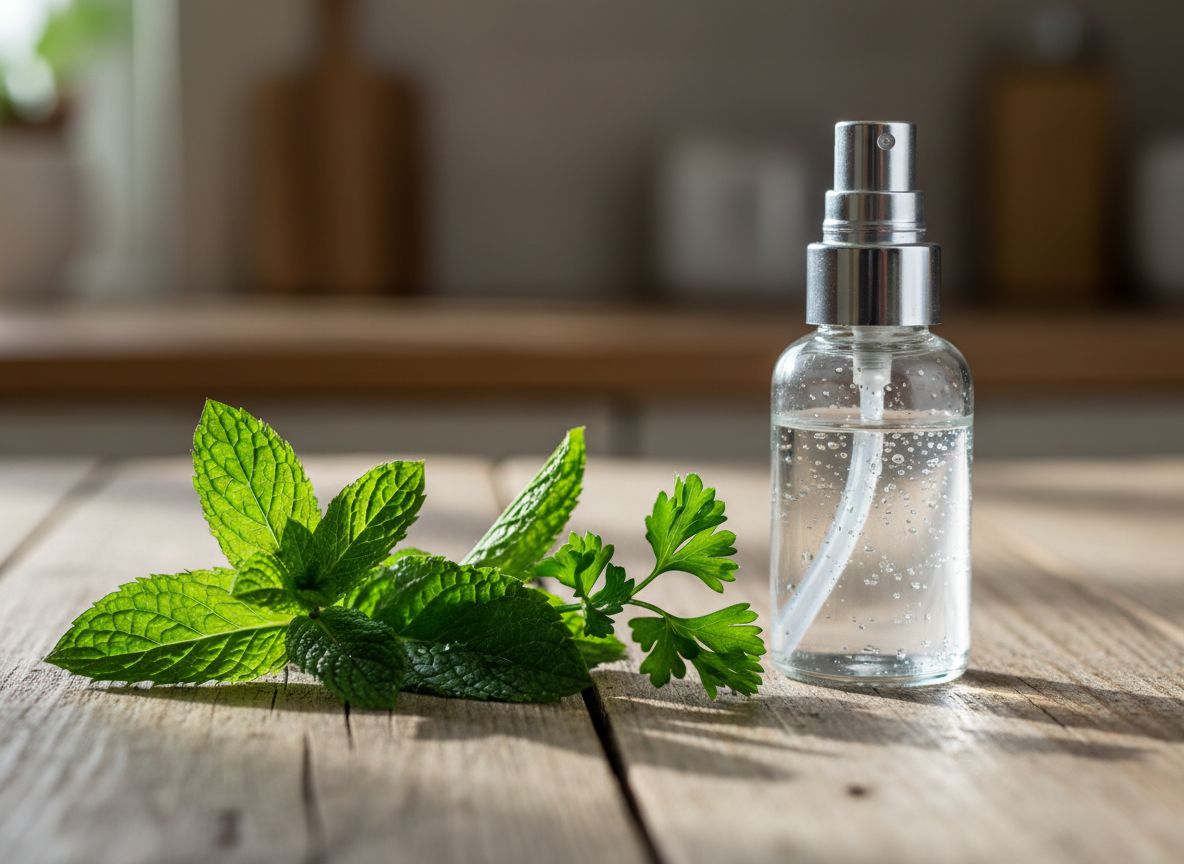
DIY Fresh Mint Dog Breath Spray: 2-Minute Recipe
IMPORTANT DISCLAIMER: I am The Canine Nutrition Hacker, not a veterinarian. This recipe is intended for cosmetic, temporary breath freshening and is not a substitute for professional veterinary dental care. Bad breath can be a sign of serious underlying health issues, including periodontal disease, which requires a veterinarian’s diagnosis and treatment. Always consult your vet before introducing new foods or supplements into your dog’s routine.
Let’s get one thing straight: the commercial pet care industry has sold you a bill of goods. You walk down the pet store aisle and see a wall of brightly colored bottles promising ‘fresh breath,’ ‘tartar control,’ and a ‘gleaming smile’ for your dog. The truth? Most of them are little more than canine mouthwash, packed with questionable chemicals, artificial flavorings, and ingredients that merely mask the problem for a few minutes. You’re paying a premium for cleverly marketed water. Today, we’re hacking the system. We’re going to create a superior, safer, and ridiculously inexpensive breath-freshening spray in two minutes flat, using ingredients you probably already have. It’s time to stop being a consumer and start being a savvy pet owner.
The Forensic Analysis of Commercial Dog Breath Sprays
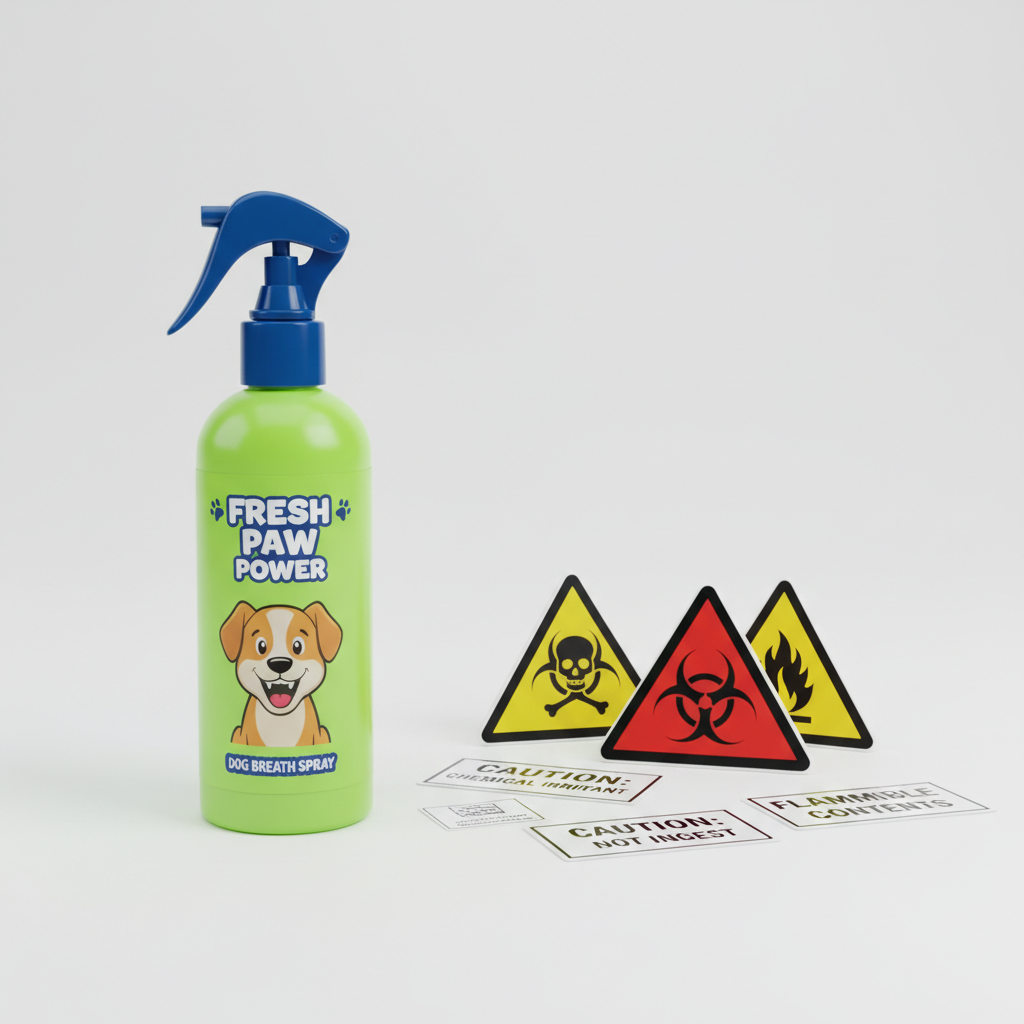
Before we build a better solution, we must first dissect the problem. The average dog owner grabs a bottle off the shelf based on marketing claims, not ingredient analysis. That ends now. Let’s pull back the curtain on the common components of these so-called ‘dental sprays’ and expose what you’re actually spraying into your dog’s mouth.
Enemy Ingredients Uncovered
- Alcohol (SD Alcohol, Ethanol): Often used as a solvent and antiseptic, alcohol is incredibly drying to the tissues in your dog’s mouth. A dry mouth is a breeding ground for odor-causing bacteria, meaning the spray can ironically make bad breath worse over time. Furthermore, alcohol can be irritating and is not meant to be ingested, even in small amounts.
- Artificial Sweeteners (Sorbitol, Xylitol WARNING): Sorbitol is often used to make products more palatable. While generally safe in small doses, it can cause gastrointestinal upset. The real danger is Xylitol, a sugar substitute that is EXTREMELY TOXIC to dogs. While less common in sprays than in dental chews, you must always check for it.
- Artificial Colors & Flavors: Does your dog care if their breath spray is neon green or tastes like ‘peppermint blast’? No. These are purely for the human consumer. Dyes like FD&C Blue 1 or Yellow 5 are synthetic chemicals with no nutritional value and are potential allergens for sensitive dogs.
- Chlorhexidine Gluconate: This is a powerful, clinical-grade antiseptic. While effective at killing bacteria, it’s a serious chemical that can stain teeth with long-term use and disrupt the natural, healthy balance of oral flora. It has its place in treating severe dental disease under veterinary supervision, but it’s overkill for a simple breath freshener.
- Cetylpyridinium Chloride (CPC): Another antiseptic agent found in human mouthwash. It can cause mild oral irritation or staining in some dogs. Why use a chemical agent when a natural one works just as well?
The business model is simple: create a cheap-to-produce chemical cocktail, put it in a fancy bottle, and charge you a 1000% markup. It’s a temporary, surface-level fix that fails to address the underlying cause and introduces unnecessary chemicals into your dog’s system.
The 2-Minute Hacker Recipe: All-Natural Breath Neutralizer
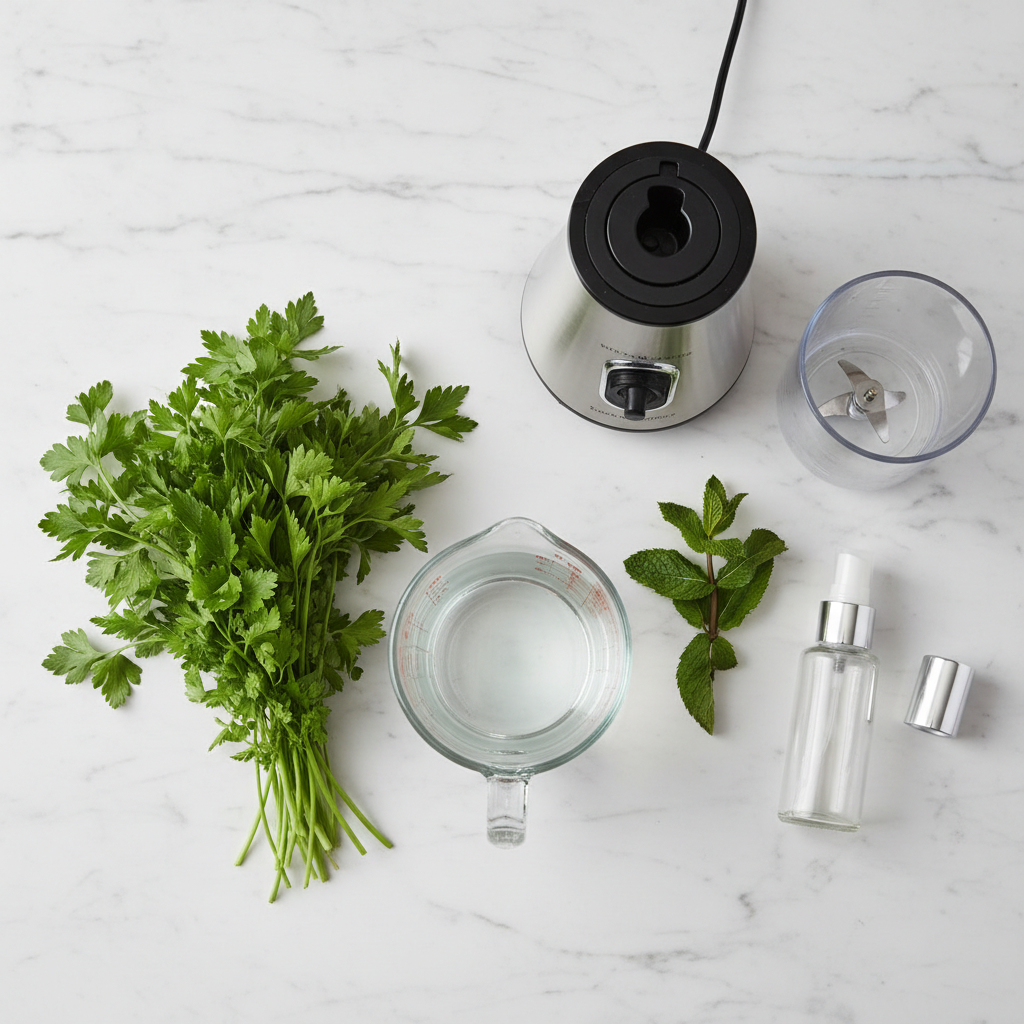
Forget the chemicals. We’re using the power of nature to not just mask, but actively neutralize the volatile sulfur compounds that cause bad breath. This recipe is based on two powerhouse botanicals known for their deodorizing properties. It’s simple, safe, and effective.
Hero Ingredients & Ratios
- 1 cup of fresh, filtered water
- A large handful of fresh parsley (about 1/4 cup, loosely packed)
- A handful of fresh mint leaves (about 1/4 cup, loosely packed)
Required Equipment
- A small blender or food processor
- A fine-mesh sieve or cheesecloth
- A clean, empty spray bottle (glass is preferred)
Step-by-Step Instructions: The 120-Second Process
- Combine Ingredients: Place the 1 cup of water, the fresh parsley, and the fresh mint leaves into your blender.
- Blend Thoroughly: Blend on high for 30-45 seconds, or until the leaves are completely pulverized and the water has turned a vibrant green. You are essentially creating a potent herbal infusion.
- Strain the Liquid: Place your fine-mesh sieve or a double layer of cheesecloth over a bowl or measuring cup. Pour the blended green liquid through the strainer. Press down on the pulp with the back of a spoon to extract every last drop of the beneficial liquid. Discard the pulp.
- Bottle the Spray: Carefully pour the strained, bright green liquid into your clean spray bottle. Screw the top on tightly. That’s it. You’re done.
Why This Works: The Science
This isn’t magic; it’s plant science. Parsley and Mint are rich in chlorophyll, the pigment that gives plants their green color. Chlorophyll is a natural deodorizer that binds to odor-causing compounds and helps neutralize them. Mint also contains natural aromatic oils (menthol) that provide an immediate cooling and freshening sensation, while parsley’s slightly astringent properties help to clean the palate.
Hacker Tip: For an extra boost, you can add a single drop of organic coconut oil to the mix before blending. It has natural antibacterial properties, but use it sparingly to avoid adding too much oil to your dog’s diet.
Cost Analysis: The Shocking Truth of DIY vs. Store-Bought
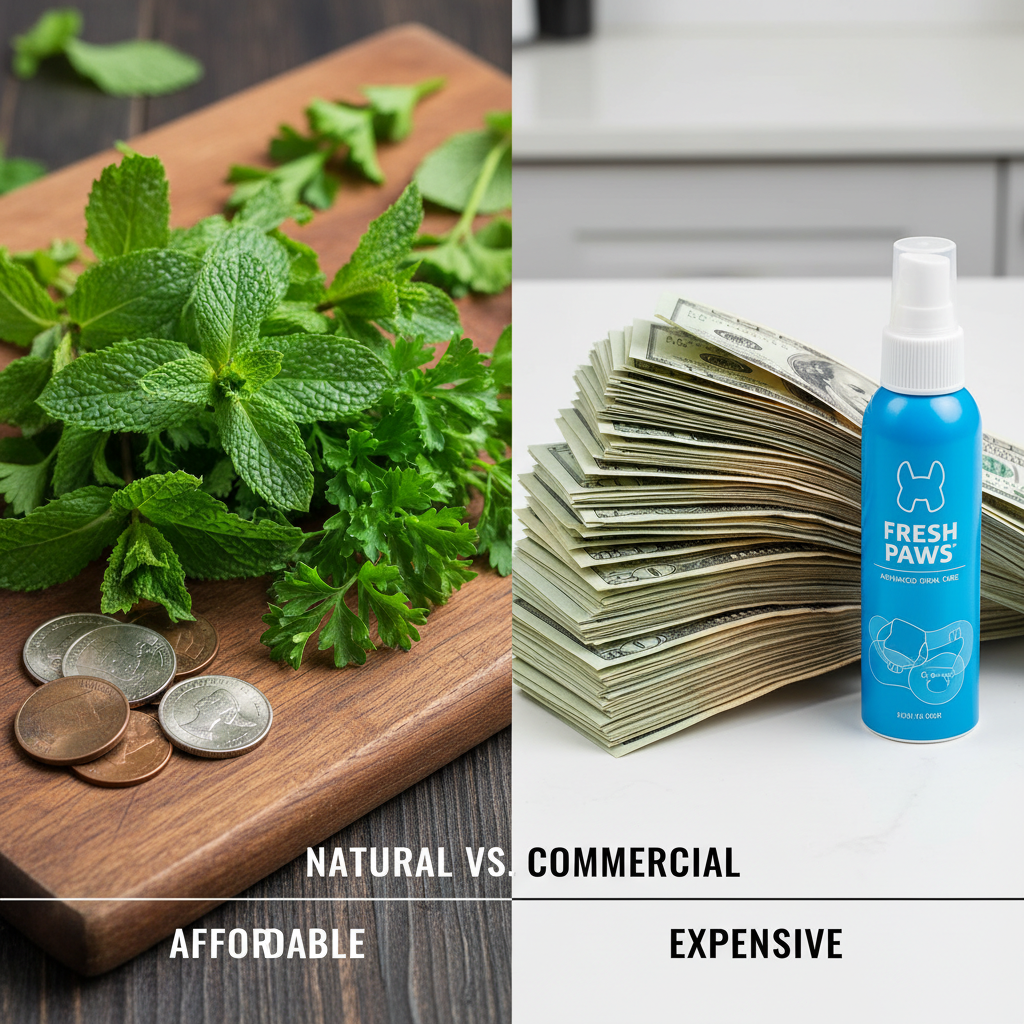
The effectiveness and safety are clear, but the financial argument is what truly solidifies the superiority of the DIY approach. Let’s break down the real cost of fresh breath. We’ll compare our 2-minute recipe against a popular, mid-range commercial brand.
| Metric | DIY Hacker Spray | Typical Commercial Spray |
|---|---|---|
| Primary Ingredients | Fresh Mint, Fresh Parsley, Water | Water, Glycerin, Sorbitol, Polysorbate 20, Flavor, Sodium Bicarbonate, Lysozyme, Proteases, Thymol, Chlorhexidine |
| Volume Produced | Approx. 8 oz | 4 oz |
| Upfront Cost | ~$2.00 (for bunches of herbs) | $10.00 – $15.00 |
| Cost Per Ounce | ~$0.25 / oz | ~$2.50 – $3.75 / oz |
| Chemical Load | Zero artificial chemicals | Contains multiple preservatives, solvents, and antiseptics |
| Verdict | Dramatically cheaper, safer, and uses fresh, active ingredients. | Overpriced for what amounts to chemically-treated water with a temporary masking effect. |
The numbers don’t lie. You can produce double the amount of a higher quality product for a fraction of the price. A single purchase of fresh herbs can often yield multiple batches, driving your cost per ounce down even further. You are looking at a potential savings of over 90% by simply investing two minutes of your time. This is the essence of being a Canine Nutrition Hacker: achieving superior results while cutting out the expensive, over-marketed middleman.
Professional Application and Safe Storage Protocol
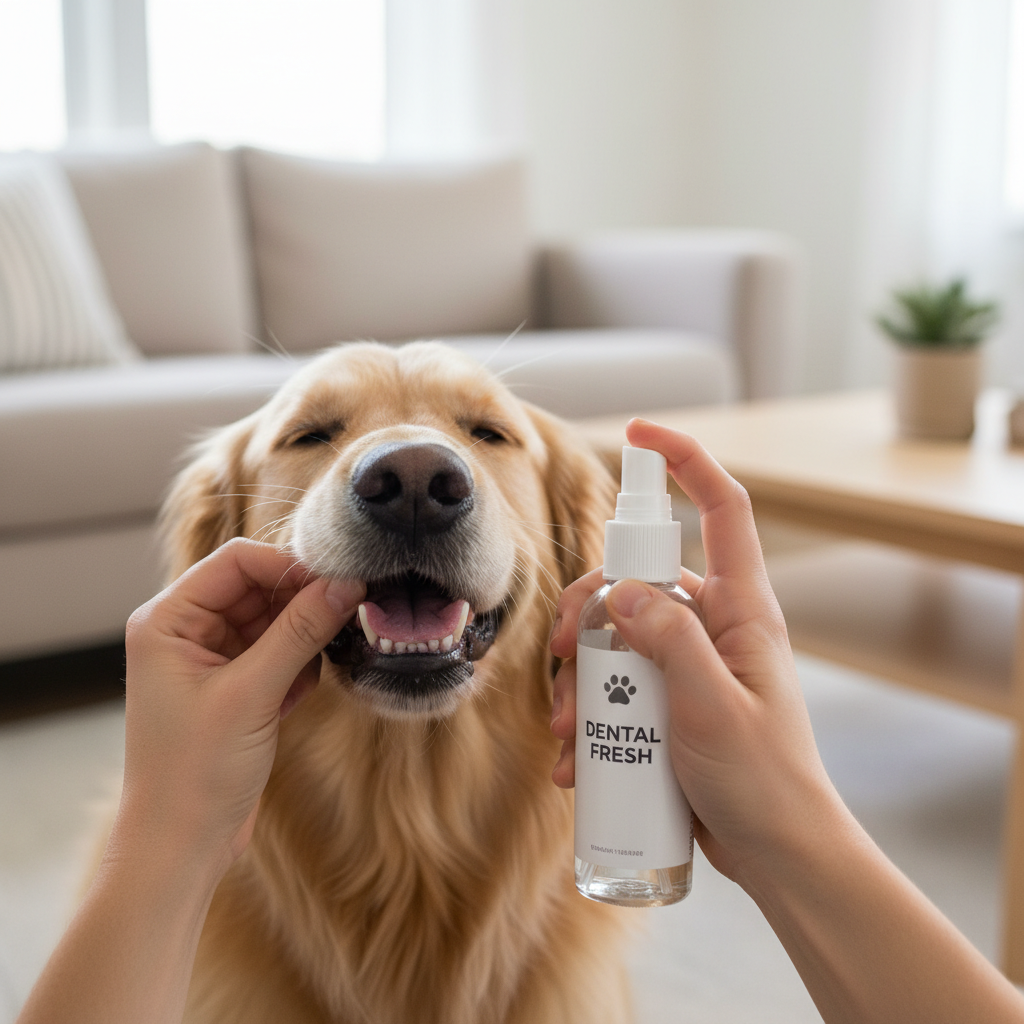
How to Use the Spray Correctly
Creating the spray is easy, but applying it correctly ensures your dog has a positive experience. Never ambush your dog or spray it directly in their face without warning. The goal is to make this a quick, pleasant routine.
- Start Slow: Let your dog sniff the spray bottle first. Then, spray a small amount on your finger and let them lick it. They’ll get used to the fresh, minty taste.
- Lift the Lip: Gently lift your dog’s lip on one side to expose their teeth and gums.
- Quick Spritz: Administer one or two quick spritzes directly onto the teeth and gums. Repeat on the other side. Avoid spraying directly down their throat.
- Reward: Immediately follow up with praise or a small, healthy treat. This creates a positive association with the breath spray. Use 1-2 times daily, ideally after meals.
Shelf Life and Storage
Because this spray contains no artificial preservatives, it must be treated like a fresh food product.
- Refrigeration is Mandatory: Store the spray bottle in the refrigerator at all times to keep it fresh and inhibit bacterial growth.
- Shelf Life: The spray will remain potent and safe for 7-10 days. After that, discard any remaining liquid and make a fresh batch. The small batch size is designed for this purpose.
Hacker Tip: To make a larger batch, pour the finished liquid into an ice cube tray and freeze it. You can then store the ‘breath cubes’ in a freezer bag. Thaw one cube at a time in the spray bottle as needed. This extends the life of your batch for months.
Beyond the Spray: Attacking the Root Cause of Halitosis
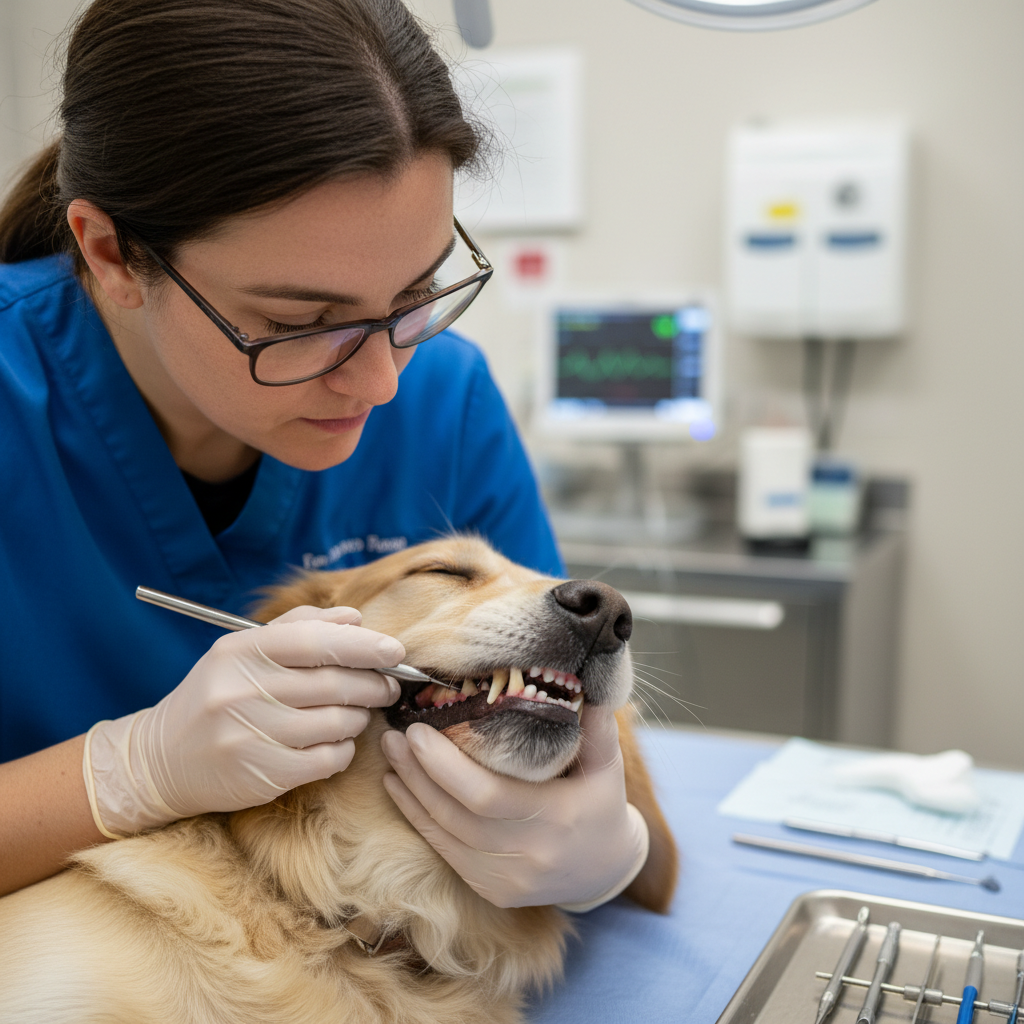
This spray is an excellent tool in your arsenal, but it is a tool for managing a symptom, not a cure for the underlying problem. A truly savvy owner knows that persistent bad breath (halitosis) is a warning sign. If your dog’s breath is consistently foul, you must investigate the root cause.
The Real Culprits
- Dental and Gum Disease: This is the number one cause. Plaque and tartar buildup harbor bacteria that release foul-smelling sulfur compounds. This can lead to gingivitis, painful infections, and even tooth loss. A professional veterinary cleaning is non-negotiable for dental health.
- Poor Diet: A diet high in processed grains, sugars, and low-quality ingredients can disrupt the gut microbiome, leading to systemic inflammation and poor digestion, which often manifests as bad breath. A species-appropriate, high-quality diet is foundational.
- Gastrointestinal Issues: Sometimes the smell isn’t coming from the mouth, but from the stomach. Issues like acid reflux or digestive upset can cause foul odors to emanate from the mouth.
- Systemic Illness: In some cases, bad breath can be a sign of a more serious underlying health problem. A sweet, fruity smell can indicate diabetes, while a urine-like smell can be a sign of kidney disease.
Use this spray to manage the day-to-day freshness, but use your intellect to address the core issue. Regular tooth brushing with a dog-specific toothpaste, providing safe dental chews, feeding a high-quality diet, and scheduling regular veterinary check-ups are the pillars of true oral health.
Conclusion
You now possess the knowledge and the recipe to take control of your dog’s breath without relying on overpriced, chemical-filled products. This 2-minute DIY spray is more than just a recipe; it’s a new mindset. It’s about questioning what you’re sold, analyzing ingredients like a professional, and realizing that often the most powerful solutions are also the simplest and most natural. By investing a few minutes each week, you’re not only saving money but also providing a safer, higher-quality product for your canine companion. Welcome to the world of the Canine Nutrition Hacker.