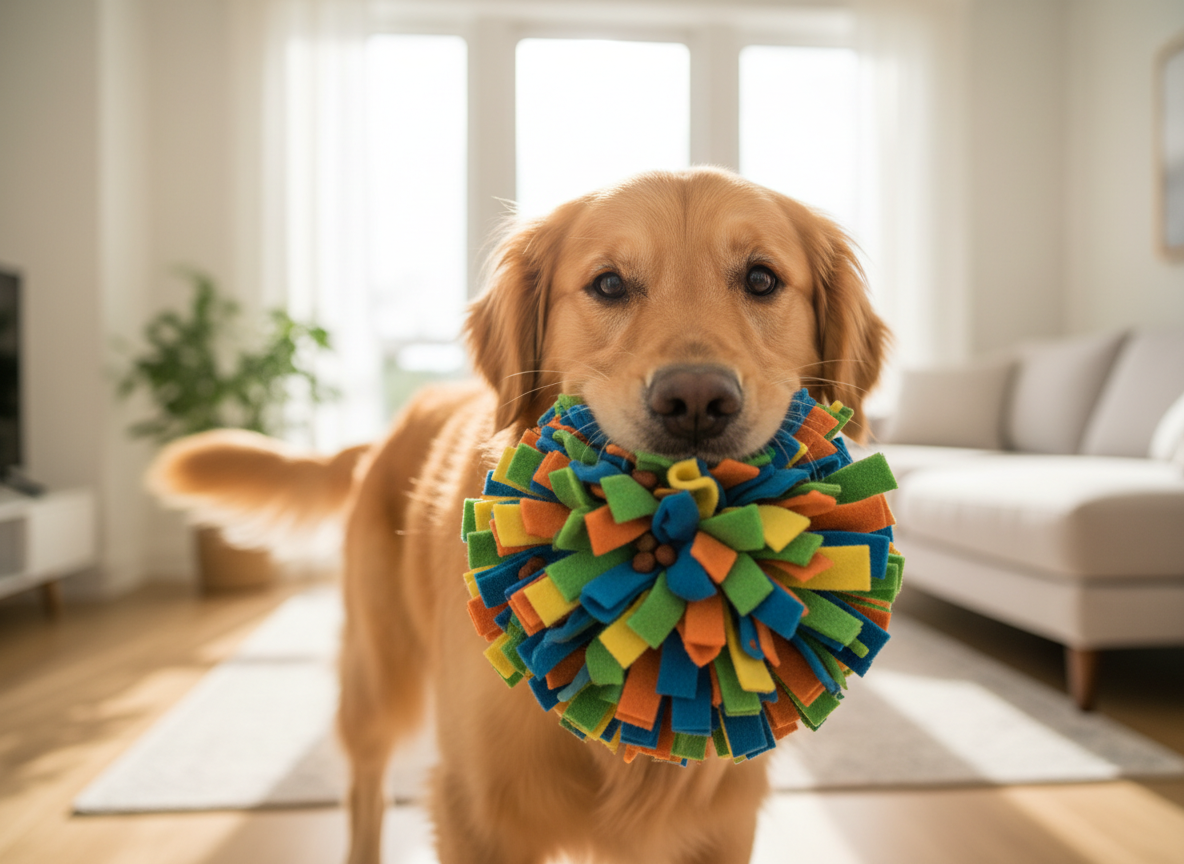
DIY Snuffle Ball: The Interactive Boredom Buster Toy
Let’s talk about the pet enrichment industry. It’s a multi-million dollar market built on a simple premise: your dog is bored. They sell you complex plastic puzzles and overpriced toys, promising a solution to your dog’s destructive chewing or incessant barking. The truth? You’re often paying a 500% markup for basic materials and a clever marketing campaign. As the Canine Nutrition Hacker, I analyze value, whether it’s in a bag of kibble or in the toys meant to dispense it. The snuffle ball is one of the most effective enrichment tools on the market, but the cost is often absurd for what it is: fleece and a rubber base.
This guide is your blueprint to bypass the system. We’re going to build a durable, effective, and completely customized snuffle ball for a fraction of the retail cost. More importantly, we’re going to dive deep into why this simple toy is a powerhouse for your dog’s mental health. A tired dog is not always a happy dog, but a mentally fulfilled dog is. Before we begin, a critical safety protocol: This is an interactive feeding toy, not a chew toy. Always supervise your dog during use, and inspect the toy for damage before each session. Know your dog’s chewing habits; if you have a power-chewer who ingests materials, this DIY project may not be suitable. Now, let’s get hacking.
The Hidden Epidemic: Canine Boredom and Its Consequences
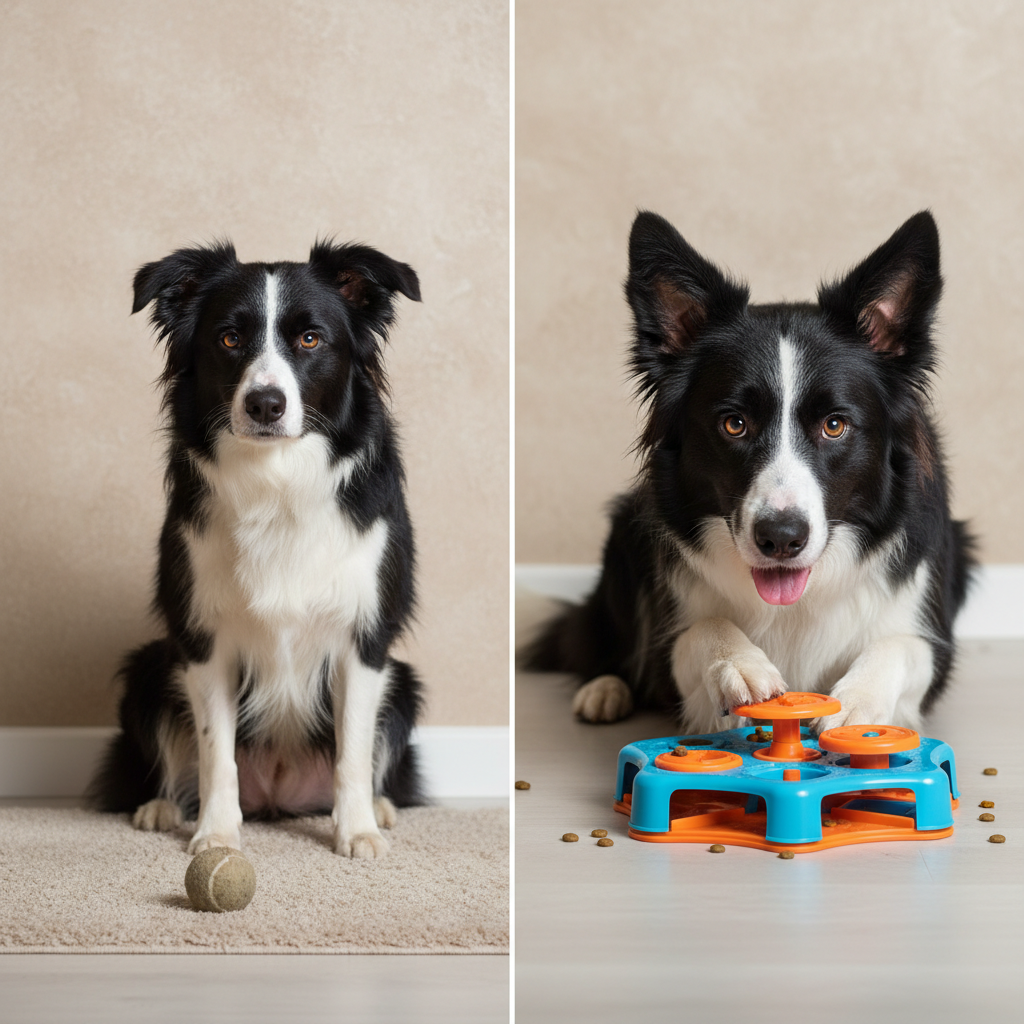
We obsess over physical exercise. We track miles on our running apps and boast about long hikes. But we consistently neglect a far more critical aspect of canine wellness: mental exercise. A dog’s brain is wired for problem-solving, and their most powerful tool is their nose. A dog’s sense of smell is estimated to be 10,000 to 100,000 times more acute than ours. Forcing them to only use their eyes and ears is like asking a human to navigate the world with their hands tied behind their back. This sensory deprivation leads to boredom, which is the root cause of countless behavioral issues.
When a dog lacks mental stimulation, they will find their own ‘jobs’ to do, and you probably won’t like their choices. These can include:
- Destructive Behavior: Chewing furniture, digging up the garden, shredding pillows. This isn’t malice; it’s a desperate attempt to engage their mind and relieve stress.
- Nuisance Barking: Barking at every leaf that blows by is a symptom of an under-stimulated mind looking for any input.
- Anxiety and Stress: A bored brain can quickly become an anxious one, leading to separation anxiety or generalized nervousness.
The snuffle ball directly combats this by engaging their primary sense: smell. The act of searching for food, known as olfactory enrichment or ‘nose work,’ is incredibly taxing and rewarding for a dog. Ten to fifteen minutes of intense sniffing is often more tiring for a dog than a 30-minute walk. It triggers the release of endorphins, reduces cortisol (the stress hormone), and builds confidence as they successfully solve the ‘puzzle’ of finding their food. You’re not just feeding them; you’re providing a critical outlet for their natural instincts.
Exposing the Markup: A Cost-Benefit Analysis
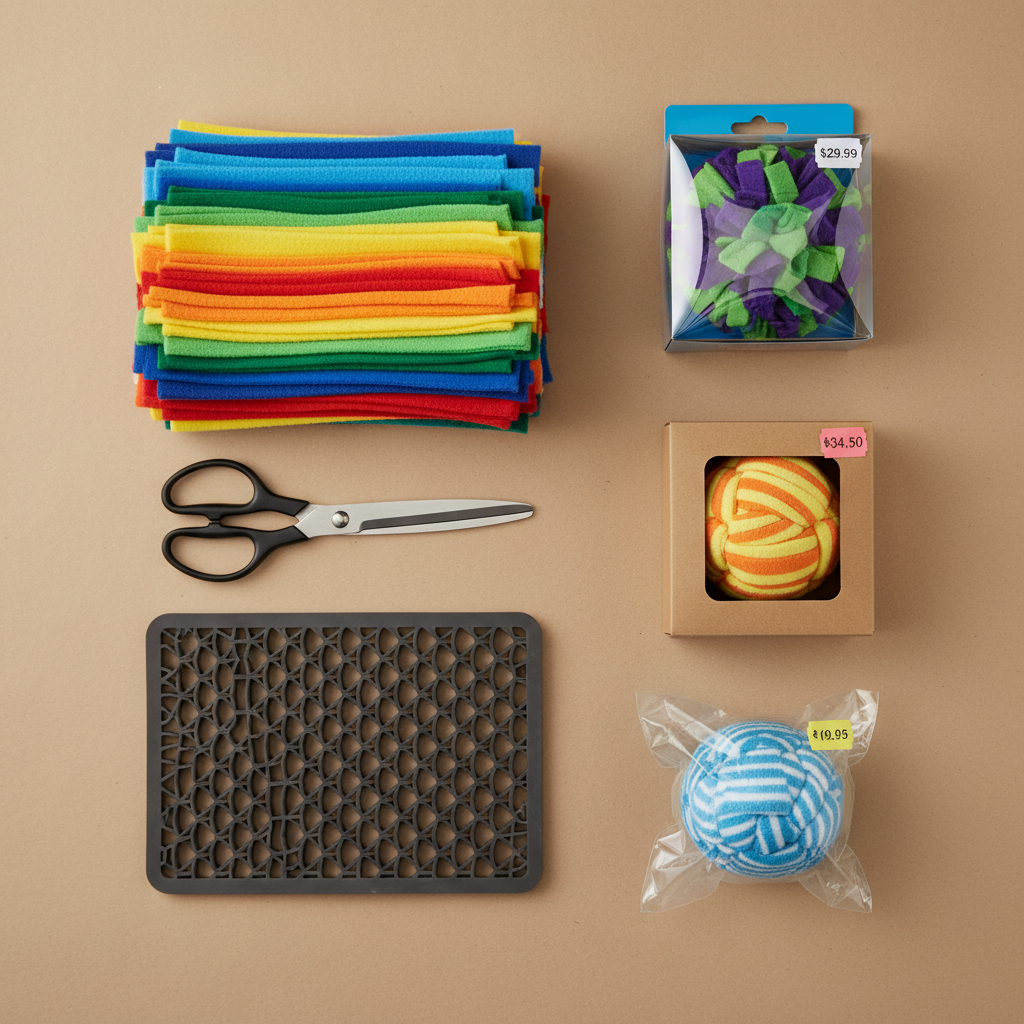
Before we build, let’s analyze the market. Why spend your time on a DIY project? Because you’re being overcharged. A typical store-bought snuffle ball is nothing more than fleece fabric tied to a fabric or rubber base. The materials are inexpensive, but the price tag is not. Let’s break down the real costs.
DIY Snuffle Ball Cost
- Fleece Fabric: 1.5 yards of fleece from a craft store. Often on sale for $5-$8 per yard. Total: ~$10.00
- Base: A heavy-duty rubber sink mat. Available at any hardware or dollar store. Total: ~$5.00
- Your Time: Approximately 60-90 minutes.
Total DIY Investment: ~$15.00 for a large, durable, custom-colored snuffle ball.
Store-Bought Snuffle Ball Cost
Now let’s compare that to what’s available at major pet retailers. We’ll look at the mid-range options, not even the ‘premium’ designer models.
| Brand/Type | Typical Price | Materials | Verdict |
|---|---|---|---|
| Generic Online Retailer Ball | $25.00 – $30.00 | Thin fleece, lightweight fabric base | Overpriced for the quality. The light base often slides around, frustrating the dog. |
| Mid-Tier Pet Store Brand | $35.00 – $45.00 | Decent quality fleece, sometimes a heavier non-slip base | Functionally identical to the DIY version, but at 2-3 times the cost. |
| ‘Designer’ Boutique Ball | $50.00+ | Often uses ‘upcycled’ materials, fancy colors | You are paying for branding, not superior function. The dog does not care about the color palette. |
Insider Secret: The most important component for a good snuffle mat is a heavy base. Many store-bought versions use flimsy fabric bases to save on shipping costs. This causes the mat to slide across the floor, turning a fun game into a frustrating chase. By choosing your own heavy rubber mat, your DIY version is functionally superior from the start.
The Canine Hacker’s Blueprint: Building Your Snuffle Ball
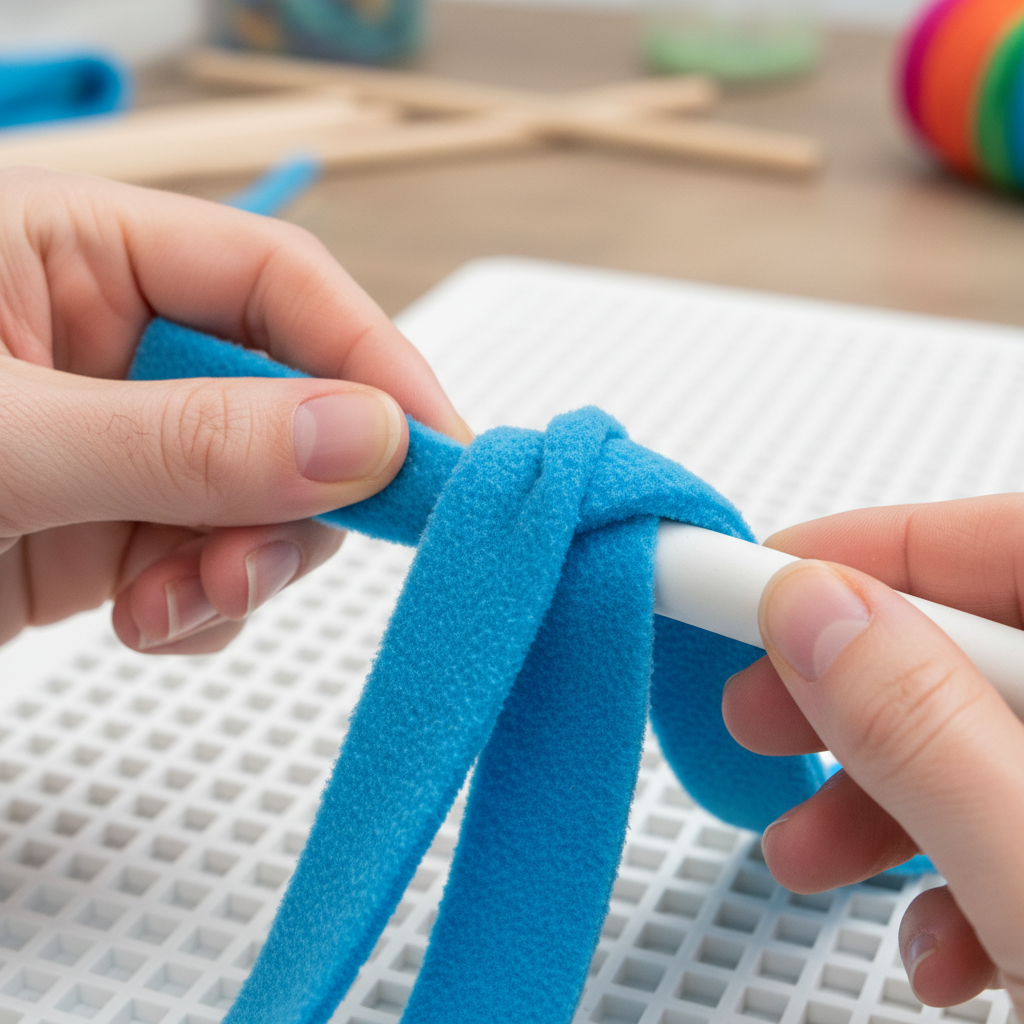
This is where the magic happens. Follow these steps precisely for a snuffle ball that will outlast and outperform most store-bought options. Precision and consistency are key.
Materials and Tools
- Base: One rubber sink or door mat with holes. A 12×15 inch mat is a good starting size. Ensure it is made from non-toxic, heavy-duty rubber.
- Fabric: 1.5 yards of fleece. You can use multiple colors. Do not use fabric that frays easily, like cotton. Fleece is ideal because it’s soft, durable, and machine-washable.
- Cutting Tool: A sharp pair of fabric scissors or a rotary cutter and cutting mat for faster, cleaner cuts.
Step-by-Step Instructions
- Prepare Your Fleece: Wash and dry the fleece to remove any chemicals from the manufacturing process. Once clean, lay it flat. Cut the entire 1.5-yard piece into strips. The ideal dimensions for each strip are approximately 6 inches long and 1-2 inches wide. Consistency is more important than perfection. You will need a lot of strips—several hundred, depending on the size of your mat.
- The Larks Head Knot: We will not use a simple double knot. We will use a Larks Head knot (also known as a cow hitch). This creates a secure, dense pile. To tie it: Fold one fleece strip in half to create a loop at one end.
- Attach the First Strip: Push the looped end of the fleece strip down through one hole in your rubber mat. Now, from the underside of the mat, pull the loop open. Take the two loose ends of the strip and feed them through the loop. Pull tight. The knot should be secure on the underside of the mat, with the two ends sticking up on the top side.
- Create Your Pattern: Begin attaching strips to the holes. You must decide on a pattern. For the densest possible snuffle ball, you should tie a strip through every single hole. For a slightly less challenging (or faster to build) version, you can tie one strip in every other hole.
- Work From the Outside In: Start on the outer edge of the mat and work your way towards the center. This makes handling the mat much easier as it becomes fuller and heavier.
- Check for Density: Once you have filled all the designated holes, fluff up the fleece strips with your hands. You should not be able to easily see the rubber mat underneath. If you can see large gaps, you may need to go back and add more strips in the empty holes.
Hacker Tip: To cut the fleece strips with maximum efficiency, fold the fabric over on itself several times. Use a rotary cutter and a straight edge to cut through multiple layers at once. This will turn an hour of cutting into 15 minutes.
Care and Maintenance: Keeping the Fun Safe and Clean
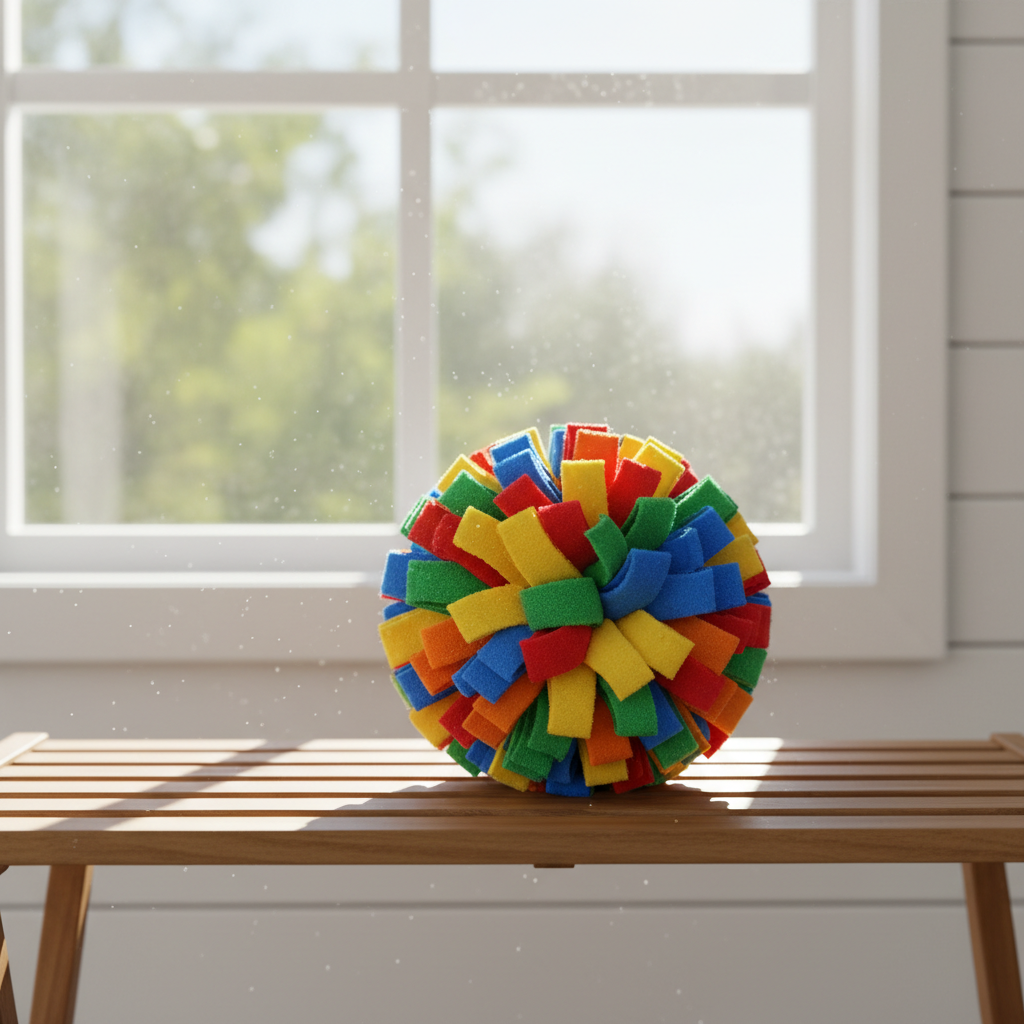
A DIY project is only as good as its durability and safety over time. Your snuffle ball will get filled with food crumbs, drool, and dirt. Regular cleaning is not optional; it’s a critical part of safe pet ownership to prevent bacteria growth.
Cleaning Protocol
- Shake It Out: After each use, take the snuffle ball outside and give it a vigorous shake to remove any loose crumbs or leftover kibble.
- Machine Washing: Most fleece and rubber mats are machine washable. Place the snuffle ball in a pillowcase or a delicates laundry bag to prevent the strips from getting tangled. Wash on a cold, gentle cycle with a small amount of pet-safe detergent. Do not use fabric softener, as it can leave a residue that may be harmful to your pet.
- Air Dry Only: Never put your snuffle ball in the dryer. The high heat can degrade the rubber mat, making it brittle and causing it to crack. Hang it up or lay it flat to air dry completely. This may take 24-48 hours. Ensure it is 100% dry before the next use to prevent mildew.
Regular Inspection
Before you load the snuffle ball with treats, perform a quick 2-point inspection:
- Check the Knots: Pull on a few random fleece strips to ensure the knots are still tight and secure, especially around the edges.
- Inspect the Base: Bend the rubber mat slightly to check for any cracks or signs of degradation. If the mat is breaking apart, it’s time to retire the toy immediately to prevent your dog from ingesting a piece of rubber.
With proper care, a well-made DIY snuffle ball can last for years, providing countless hours of safe, stimulating fun. This long-term value further justifies the initial time investment over a disposable, cheaply made store-bought alternative.
Conclusion
You’ve now moved beyond being a simple consumer and have become a creator of high-quality canine enrichment. You haven’t just built a toy; you’ve engineered a tool to improve your dog’s mental health, reduce their anxiety, and provide a healthy outlet for their most fundamental instincts. You’ve done it for a fraction of the cost, with superior materials, and with the satisfaction of knowing you provided the best for your dog. This is the core philosophy of the Canine Hacker: analyze the system, identify the inefficiencies, and create a better solution. By investing a little bit of time, you’ve saved significant money and provided your dog with one of the most powerful boredom-busting tools available. Now, go load it up with some high-value treats and watch your dog’s brain light up. You’ve earned it.