How to Grow Broccoli Sprouts: A Superfood for Dogs
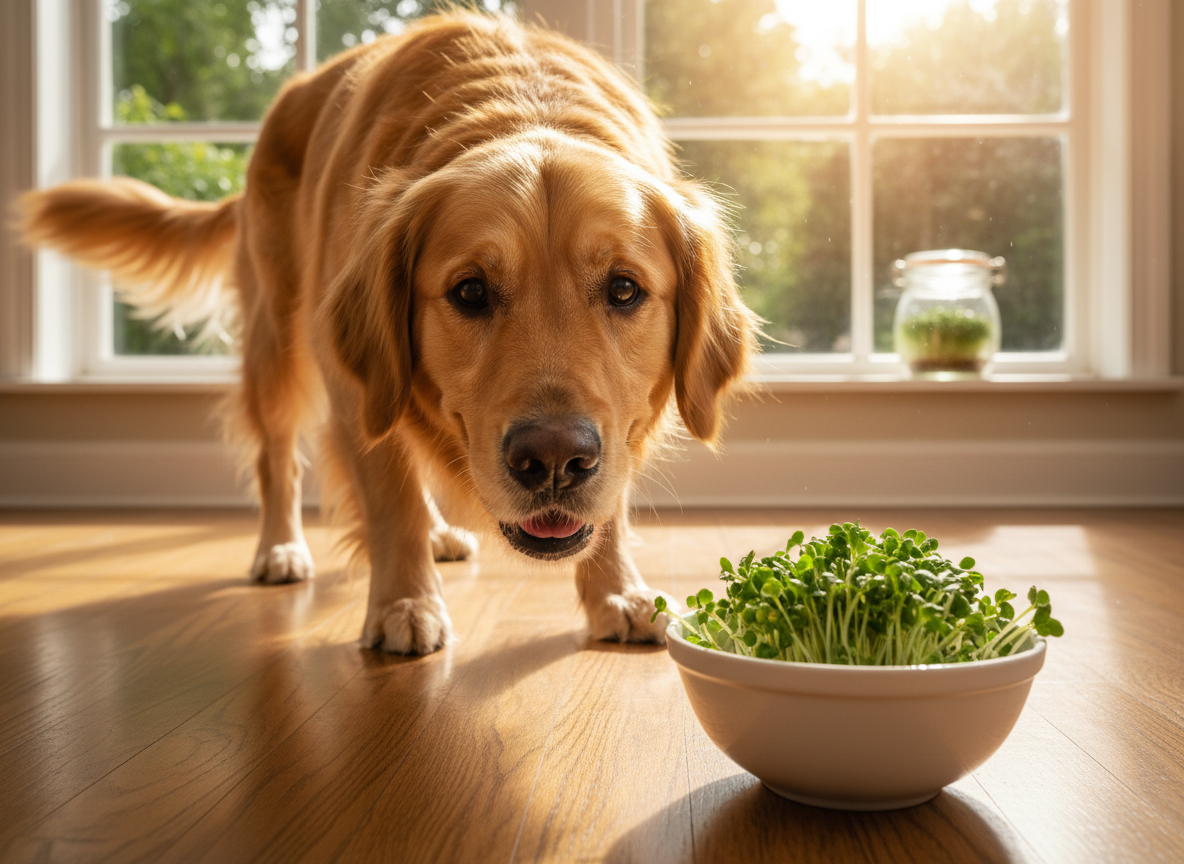
Forget the aisles of overpriced, over-hyped supplements. The most powerful, scientifically-backed nutritional booster for your dog doesn’t come in a pill or a powder—it comes from a seed you can grow on your kitchen counter in five days. We’re talking about broccoli sprouts, a concentrated source of a powerhouse compound called sulforaphane. As the Canine Nutrition Hacker, I’m here to cut through the marketing noise and give you the actionable intelligence you need. This is your complete protocol for cultivating a potent, fresh, and ridiculously cost-effective superfood for your dog.
SAFETY DISCLAIMER: Before we begin, let’s be clear. I am not a veterinarian. The information in this guide is for educational purposes and is based on extensive research and personal experience. Broccoli sprouts are a supplemental food, not a complete diet or a cure for disease. Always consult with your veterinarian or a certified canine nutritionist before introducing any new food or supplement into your dog’s diet, especially if they have pre-existing health conditions.
The ‘Why’: Deconstructing the Broccoli Sprout Hype
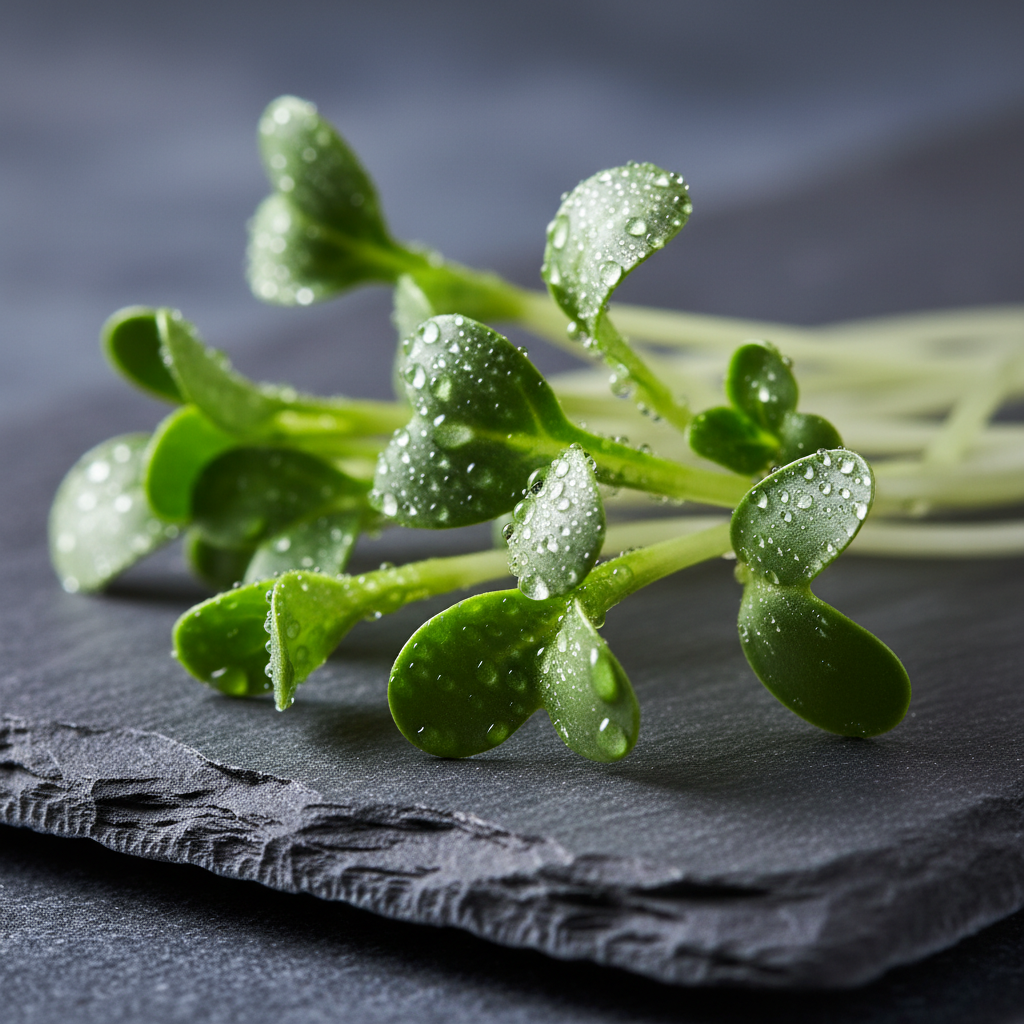
So, what’s the big deal? Why are we dedicating an entire guide to what looks like a tiny salad? The answer lies in a molecule: sulforaphane. This isn’t just another antioxidant; it’s a potent activator of the body’s own detoxification pathways. Mature broccoli has it, but broccoli sprouts contain up to 100 times more of its precursor, a compound called glucoraphanin.
Here’s the forensic breakdown: when the plant’s cell walls are crushed (by chewing, chopping, or blending), glucoraphanin mixes with an enzyme called myrosinase. This reaction creates sulforaphane. For our dogs, this process can provide a cascade of benefits:
- Potent Anti-Inflammatory: Chronic inflammation is the root of many canine diseases, from arthritis to skin conditions. Sulforaphane helps down-regulate inflammatory pathways.
- Powerful Antioxidant Effects: It doesn’t just neutralize free radicals; it switches on the body’s own antioxidant defense systems for long-lasting protection.
- Cellular Detoxification: It activates Nrf2, a protein often called the ‘master regulator’ of the body’s detoxification system, helping to eliminate environmental toxins.
- Cancer Research: Extensive studies (primarily in vitro and in human trials) have shown sulforaphane’s potential to inhibit the growth of cancer cells. While not a cure, it’s a powerful area of nutritional research for preventative health.
Feeding your dog mature broccoli is good. Feeding them a small amount of freshly grown broccoli sprouts is like giving them a targeted, super-concentrated nutritional bomb. You are hacking their biology for optimal health.
The Gear: Your Countertop Sprouting Arsenal
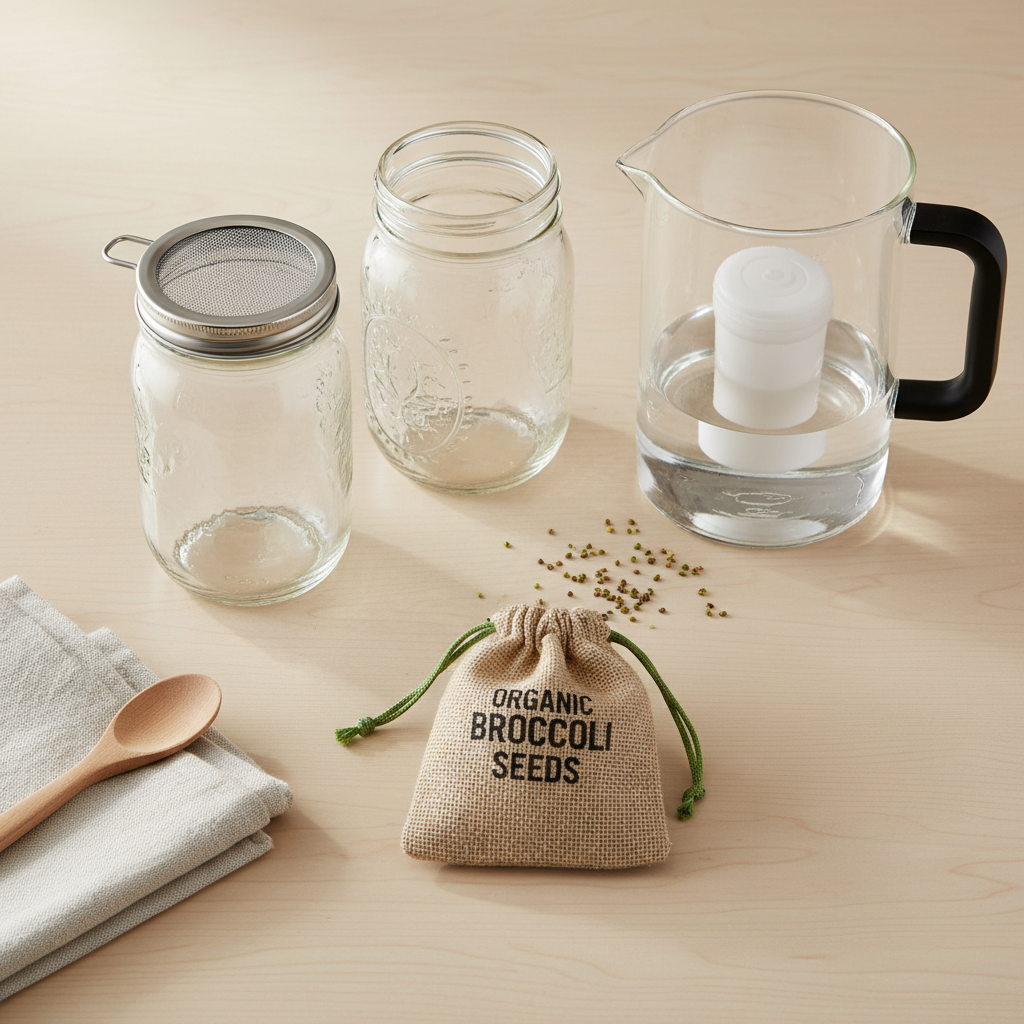
You don’t need a fancy hydroponic setup. This is a low-tech, high-reward operation. Here is your complete, non-negotiable gear list. Get these items right and you eliminate 99% of potential problems.
- Wide-Mouth Mason Jars (32oz): The wide mouth is critical for airflow and easy rinsing. Glass is non-negotiable to avoid plastic contaminants. Get at least two so you can have a continuous cycle going.
- Sprouting Lids: These are typically stainless steel mesh lids that screw onto your mason jars. They make rinsing and draining foolproof. You can use cheesecloth and a rubber band, but the dedicated lids are a cheap investment that prevents frustration and contamination.
- Organic Broccoli Sprouting Seeds: This is the most important component. Do not use garden seeds. They can be treated with fungicides and other chemicals not safe for consumption. Source your seeds from a reputable supplier that specifically labels them for sprouting. Look for high germination rates and recent crop dates.
- Filtered Water: If you drink filtered water, your sprouts should too. Tap water can contain chlorine and other chemicals that may inhibit sprout growth.
Hacker Tip: Don’t overpay for seeds in tiny packets at a health food store. Buy them in bulk online from sprouting supply companies. A one-pound bag costs around $20-$25 and will last you for dozens and dozens of batches, driving your cost per batch down to literal pennies.
The Step-by-Step Protocol: From Seed to Superfood in 5 Days
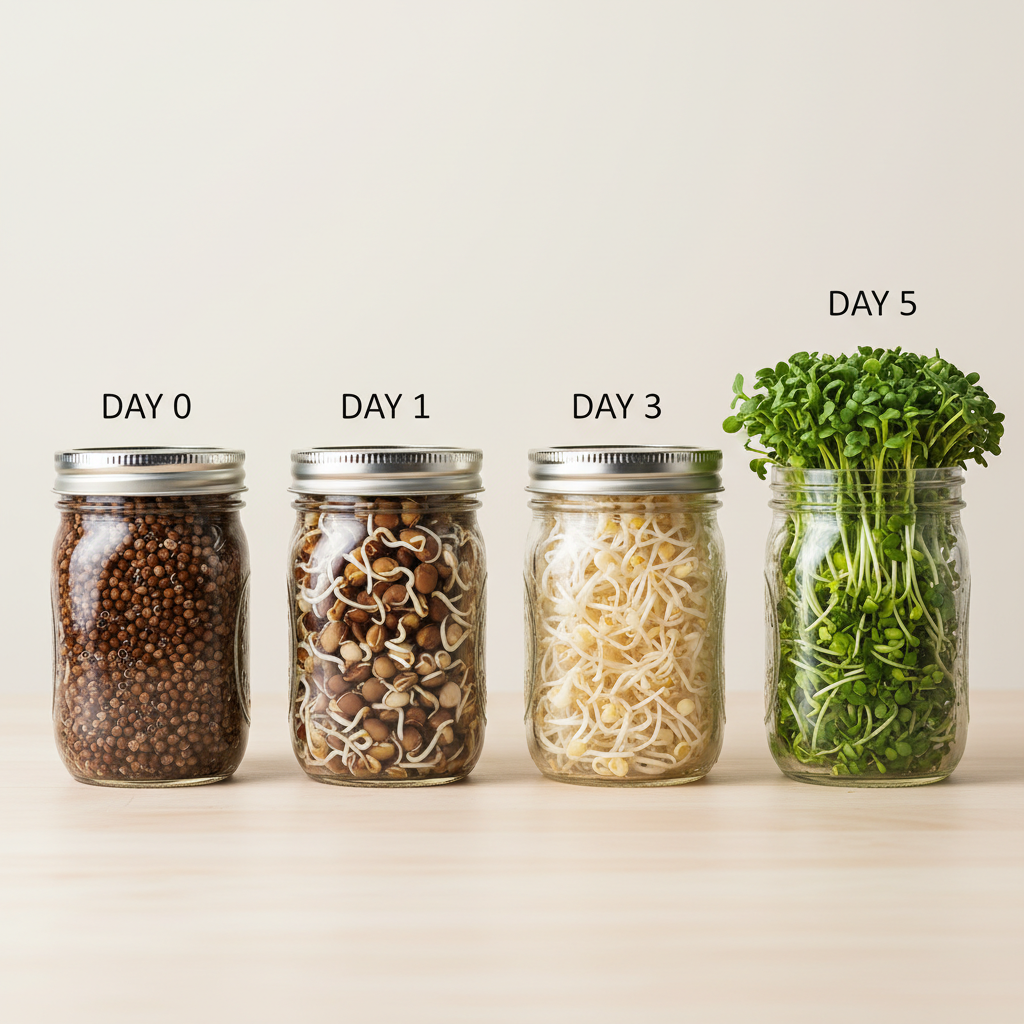
This is the core of the operation. Follow this protocol exactly. Do not cut corners. Consistency is your key to success.
-
Day 1 (Evening) – The Soak:
Measure 2 tablespoons of organic broccoli sprouting seeds into your clean mason jar. This seems like a small amount, but they will expand significantly. Rinse the seeds thoroughly with cool, filtered water a couple of times, swishing and draining. After the final rinse, fill the jar about halfway with cool, filtered water. Screw on your sprouting lid and let the seeds soak in a dark place, like a cupboard, for 8-12 hours (overnight is perfect).
-
Day 2-4 – The Rinse & Drain Cycle:
This is the most critical phase. After soaking, drain the water completely. You want the seeds damp, not wet. Rinse them thoroughly with cool, filtered water. Swirl the water around to ensure all seeds are rinsed. Then, drain again. This next step is vital: Prop the jar upside down at an angle in a bowl or on a dish rack. This allows excess water to drain and air to circulate, which prevents mold and rot. Repeat this rinse and drain process 2-3 times per day. Keep the jar out of direct sunlight during this time.
-
Day 5 – The Green & Harvest:
By day 5, your sprouts should have filled most of the jar and have small, yellowish leaves. It’s time to ‘green’ them up. After your morning rinse and drain, place the jar in indirect sunlight for a few hours (e.g., near a window but not in a direct, hot beam of light). This will activate chlorophyll production, turning the leaves a vibrant green. After they’ve greened up, give them one final, thorough rinse. Drain them as completely as possible. Your superfood is now harvested and ready for deployment.
The Cost Analysis: DIY Sprouts vs. Commercial Supplements
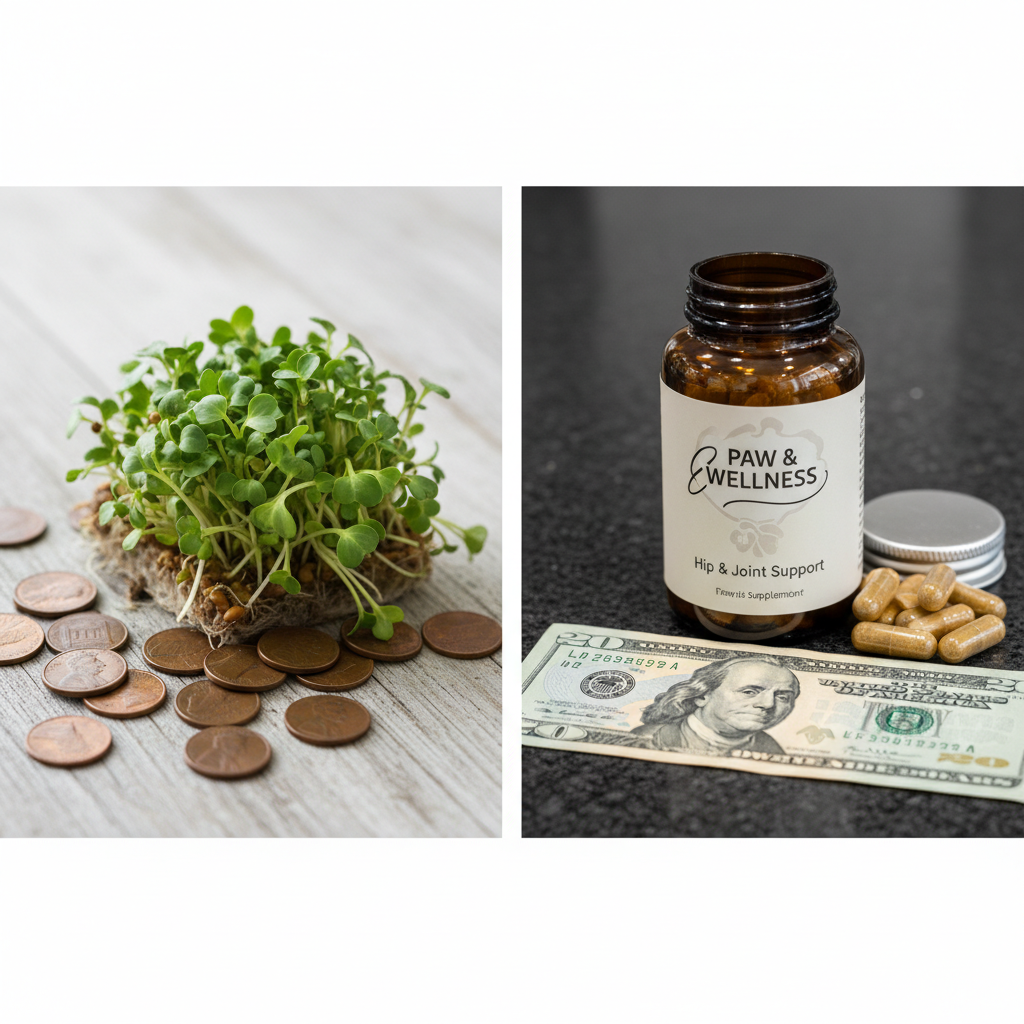
Let’s run the numbers. The pet supplement industry is a multi-billion dollar market built on convenience and clever marketing. But are you getting value? We’ll compare a one-month supply for a 50lb dog.
| Metric | DIY Broccoli Sprouts | Commercial Sulforaphane Supplement |
|---|---|---|
| Source Material | 1lb bag of organic seeds (~$25) | Bottle of 60 capsules |
| Yield / Doses | One bag yields ~40-50 batches. One batch is ~20 doses for a 50lb dog. Total ~900 doses. | 60 capsules (60 doses) |
| Cost per Dose | $25 / 900 doses = ~ $0.03 per dose | $45 / 60 doses = $0.75 per dose |
| Cost per Month (50lb dog) | $0.03 x 30 days = $0.90 | $0.75 x 30 days = $22.50 |
| The Hacker’s Verdict | Fresh, whole-food source with all synergistic compounds intact. Unbelievably low cost. Requires 5 minutes of labor per day. | Highly processed extract. Often contains fillers and binders. Extremely high cost for a single isolated compound. |
The data is undeniable. By investing a few minutes each day, you are not only providing a fresher, more biologically complete supplement but you are also saving over $20 per month. That’s nearly $260 a year back in your pocket while providing superior nutrition. This is the essence of being a Canine Nutrition Hacker.
Dosage, Administration, & Storage
Dosage, Administration, & Storage
Now that you have your harvest, how do you use it safely and effectively? Precision and a slow introduction are paramount.
Safe Dosage Protocol
The general guideline is to start with approximately 1/4 teaspoon of sprouts for every 10 pounds of your dog’s body weight per day.
- 10lb Dog: 1/4 tsp
- 25lb Dog: ~1/2 – 3/4 tsp
- 50lb Dog: ~1 1/4 tsp
- 75lb Dog: ~1 3/4 tsp
CRITICAL: Start with just a quarter of the recommended dose for the first few days to ensure it doesn’t cause any digestive upset (gas, loose stools). Broccoli sprouts are cruciferous vegetables and can cause gas if introduced too quickly. Gradually work up to the full dose over a week.
Administration & Bioavailability
Simply mix the fresh sprouts into your dog’s food. To maximize the sulforaphane conversion, you can chop them finely or give them a quick pulse in a blender before mixing. This helps ensure the glucoraphanin and myrosinase enzyme combine effectively.
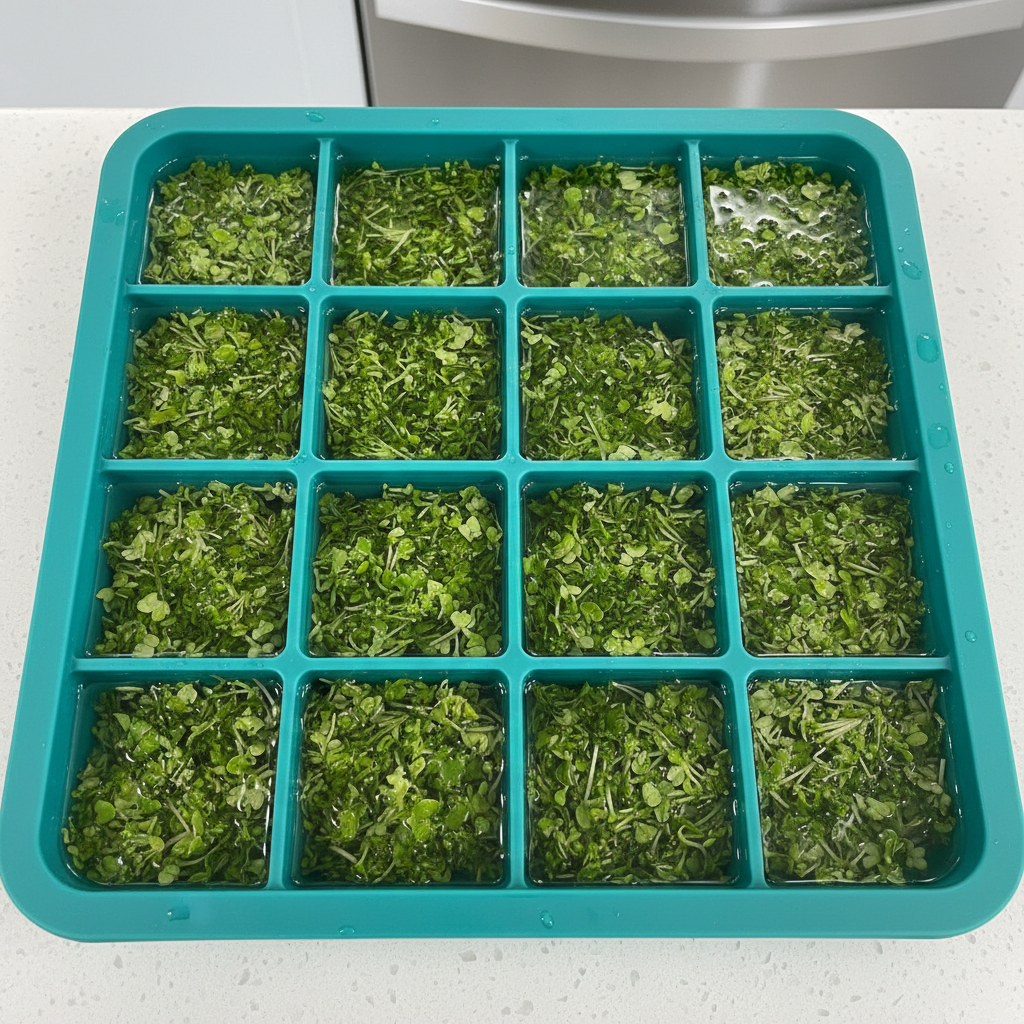
Hacker Tip: To potentially boost sulforaphane bioavailability even further, freeze your harvested sprouts. Some research suggests that the freezing process breaks down the plant cells, leading to an even more efficient conversion to sulforaphane upon thawing and consumption. You can freeze them in ice cube trays with a little water for perfectly portioned daily doses.
Storage Protocol
Your sprouts are a fresh, live food and must be stored properly. After the final harvest rinse, ensure they are as dry as possible. You can gently pat them with a paper towel or use a salad spinner on a low setting. Store them in a sealed container (a glass jar or a container lined with a paper towel) in the refrigerator. They will stay fresh for 5-7 days. If you’ve harvested more than you can use, freezing is your best option for long-term storage.
Troubleshooting: The Hacker’s FAQ
Troubleshooting: The Hacker’s FAQ
Sprouting is simple, but issues can arise. Here’s how to diagnose and solve the most common problems.
My sprouts smell funky. Is this normal?
Broccoli sprouts have a distinct earthy, peppery smell. It should smell fresh, like a garden. If they smell sour, musty, or like rotten eggs, something is wrong. This is almost always caused by insufficient draining or poor air circulation. Your sprouts are rotting. Unfortunately, this batch must be discarded. Clean and sanitize your jar thoroughly before starting over, and be meticulous about your draining process next time.
I see fuzzy white stuff. Is it mold?
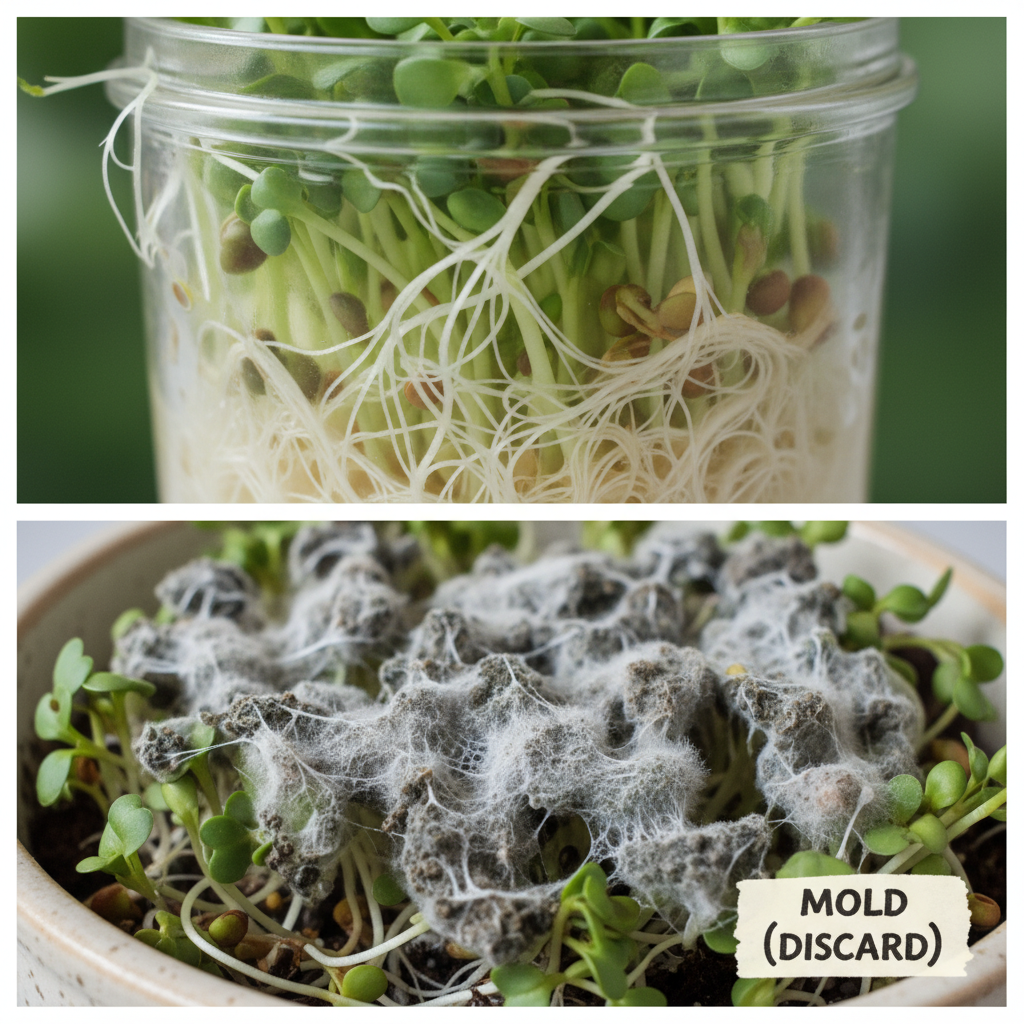
This is the most common panic point for new sprouters. In 99% of cases, the fine, fuzzy white stuff you see on the roots is not mold. These are root hairs, a normal part of the plant’s development as it seeks out moisture. The key difference: root hairs are uniform and look like a fuzzy halo around the individual roots. They will disappear temporarily when you rinse them. Mold, on the other hand, looks like a web or a patch of lint, often has black or grey spots, and will not rinse off easily. If you see mold, discard the batch.
My seeds aren’t sprouting (low germination).
This is almost always a seed quality issue. The seeds are either old or were stored improperly. There is no fix for this. This is why it’s critical to buy high-quality seeds from a dedicated sprouting supplier. They will have better quality control and fresher stock than seeds you might find at a general store.
Conclusion
You now possess the complete protocol to turn your kitchen into a canine nutrition powerhouse. You’ve moved beyond being a passive consumer and have become a proactive creator of your dog’s health. By investing just a few minutes a day, you are providing a fresh, potent, whole-food supplement that is scientifically recognized for its powerful health benefits—all while saving hundreds of dollars a year. This is the core philosophy of the Canine Nutrition Hacker: leveraging insider knowledge to provide the absolute best for our dogs, without falling for expensive marketing hype. Start your first batch today. Your dog’s health is worth it.