Homemade Dog Toothpaste Recipe With Coconut Oil & Baking Soda
SAFETY DISCLAIMER: Before we begin, let’s be clear. I am not a veterinarian. The information provided here is for educational purposes based on extensive research and personal experience. This homemade toothpaste is intended for supplemental and preventative care, not as a treatment for existing, severe dental disease like periodontitis. Always consult with your veterinarian before introducing any new health regimen for your dog, especially if they have pre-existing health conditions. Professional dental cleanings are non-negotiable for long-term health.
Now, let’s get down to business. Have you ever flipped over a tube of commercial dog toothpaste and read the ingredient list? It’s often a paragraph of unpronounceable chemicals, artificial sweeteners like sorbitol, and mystery ‘flavoring’ agents. You’re paying a premium for a product that might be more filler than function. The pet care industry thrives on convincing you that complex, expensive formulas are the only solution. That’s a myth. As a Canine Nutrition Hacker, my job is to cut through that noise and give you effective, transparent, and budget-friendly solutions. Poor dental health isn’t just about bad breath; it’s a gateway to systemic health issues, including heart and kidney disease. Taking control of your dog’s oral hygiene is one of the most impactful things you can do for their longevity. This guide will equip you with a simple, powerful recipe that uses two pantry staples to revolutionize your dog’s dental care routine.
Why Most Commercial Dog Toothpastes Are a Scam
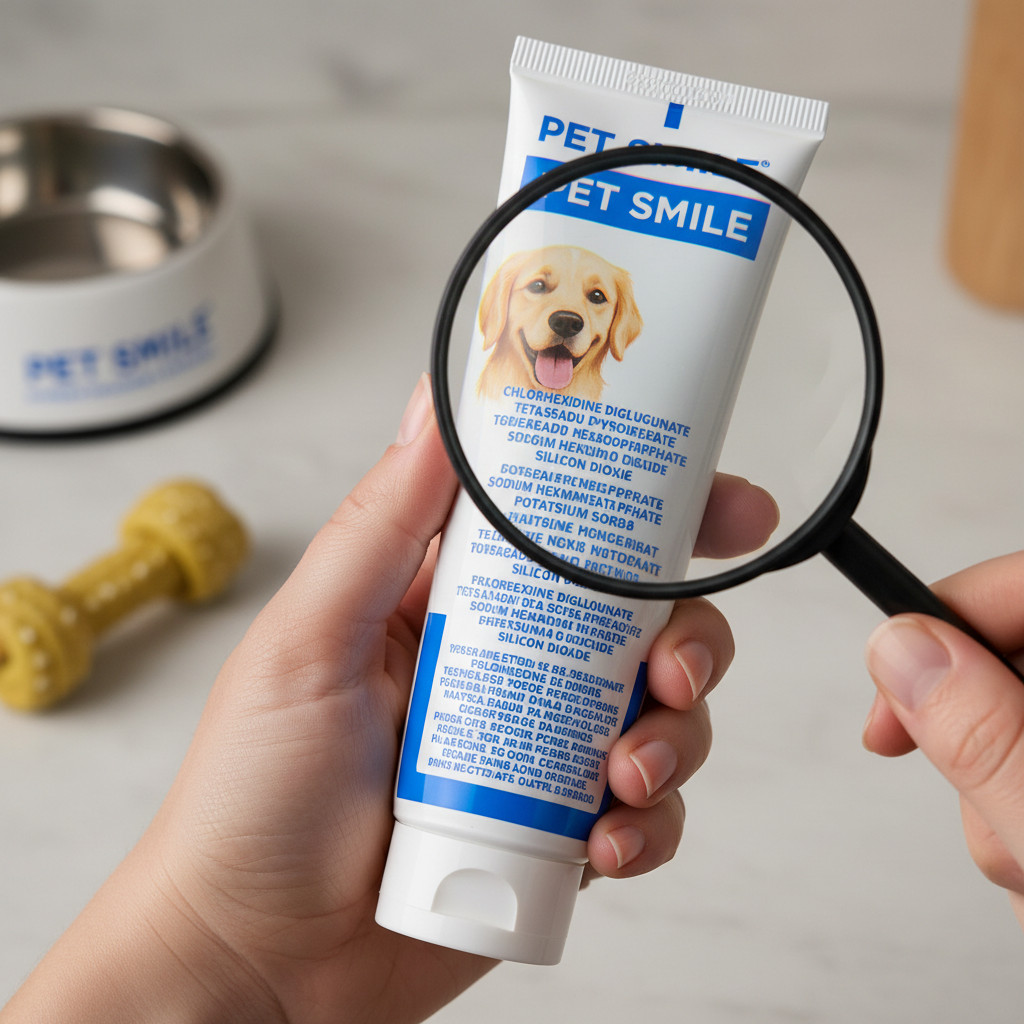
The shelves of pet stores are lined with dozens of dental products, all promising pearly whites and fresh breath for your canine companion. But when you apply a forensic lens to their labels, a troubling picture emerges. Many are packed with ingredients that offer little therapeutic value or could even be problematic for sensitive dogs.
The Filler-Ingredient Forensics
Let’s dissect a typical label. You’ll often find:
- Sorbitol: A sugar alcohol used for sweetness and as a humectant. While generally considered safe in small amounts, it can cause gastrointestinal upset in some dogs. Why is a sweetener necessary in a product meant to clean teeth?
- Hydrated Silica: A common abrasive. In the right formulation, it’s effective. In cheaper formulas, the particle size can be too harsh, potentially damaging enamel over the long term.
- Artificial Flavorings: ‘Beef Flavor’ or ‘Chicken Flavor’ rarely comes from actual beef or chicken. These are laboratory-created chemical concoctions designed to make the paste palatable. For dogs with food sensitivities, these mystery ingredients can be a trigger.
- Preservatives: Ingredients like potassium sorbate or sodium benzoate are used to extend shelf life. While necessary in water-based products, they are another variable you’re introducing into your dog’s system.
The core issue is a lack of transparency and an over-reliance on chemical engineering to solve a biological problem. Plaque is simply a biofilm of bacteria. You don’t need a complex chemical cocktail to disrupt it; you need safe, effective mechanical and antibacterial action.
Insider Secret: The term ‘enzymatic’ is the latest marketing buzzword. While enzymatic toothpastes (using glucose oxidase and lactoperoxidase) can be effective, their efficacy depends entirely on the quality and concentration of the enzymes. Many budget brands contain such low levels that their effect is negligible compared to the simple mechanical action of brushing.
The Forensic Breakdown: Coconut Oil & Baking Soda’s Dental Power
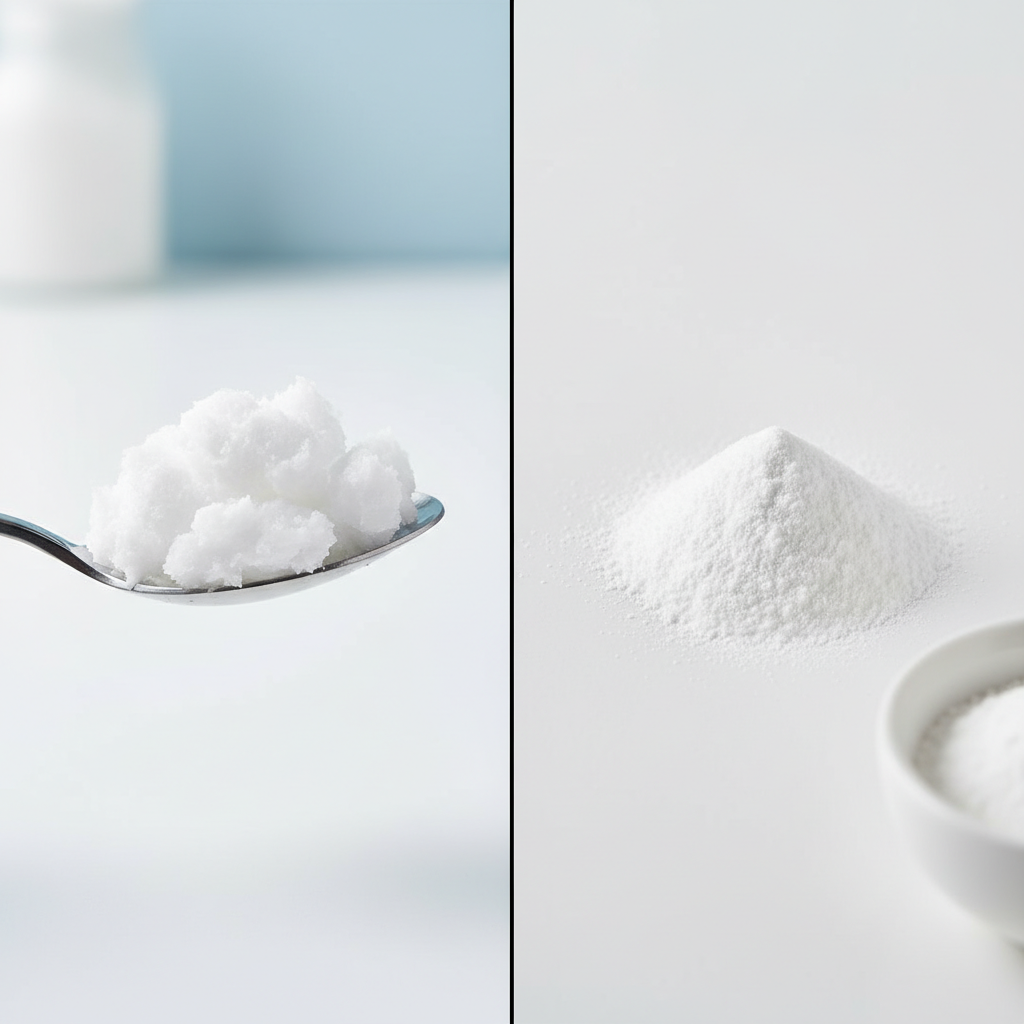
Instead of relying on a factory-formulated paste, we can turn to two powerful ingredients with proven properties. This isn’t about folk remedies; it’s about leveraging the inherent chemical properties of natural compounds to achieve a superior result. Simplicity is sophistication.
Coconut Oil: The Antibacterial Agent
The star player in coconut oil is lauric acid, which makes up about 50% of its fatty acid content. When ingested, the body converts lauric acid into a monoglyceride called monolaurin. Both lauric acid and monolaurin are potent antimicrobial agents. They work by disrupting the lipid membranes of bacteria, effectively killing them. The primary culprit behind plaque and gingivitis is the bacterium Streptococcus mutans. Studies have shown that coconut oil is remarkably effective at inhibiting the growth of this specific bacteria. By using it as the base for our toothpaste, we are not just cleaning the teeth; we are actively fighting the bacterial source of dental disease. Furthermore, its oily texture helps it coat the teeth and gums, providing a longer-lasting protective barrier.
Baking Soda (Sodium Bicarbonate): The Gentle Abrasive & Deodorizer
Baking soda is a time-tested cleaning agent for a reason. Its power lies in its structure as a mild abrasive. The fine, crystalline particles are hard enough to scrub away soft plaque biofilm from the tooth surface but not so hard that they scratch or damage the precious enamel. This mechanical action is the most critical part of any tooth brushing routine. Beyond its physical properties, baking soda is alkaline. A dog’s mouth, especially one with developing dental issues, can become acidic, which allows bacteria to thrive. Baking soda helps to neutralize these acids, creating a less hospitable environment for plaque-forming bacteria. This same property makes it an exceptional deodorizer, tackling the volatile sulfur compounds that cause halitosis (bad breath) at their source, rather than just masking the scent like many ‘minty’ commercial products.
A Critical Warning: It is crucial to use baking soda in the correct, diluted ratio. On its own, it can be too abrasive and unpalatable. When mixed into a coconut oil paste, it is perfectly suspended and buffered, delivering its benefits safely.
The Canine Hacker’s Two-Ingredient Toothpaste Recipe
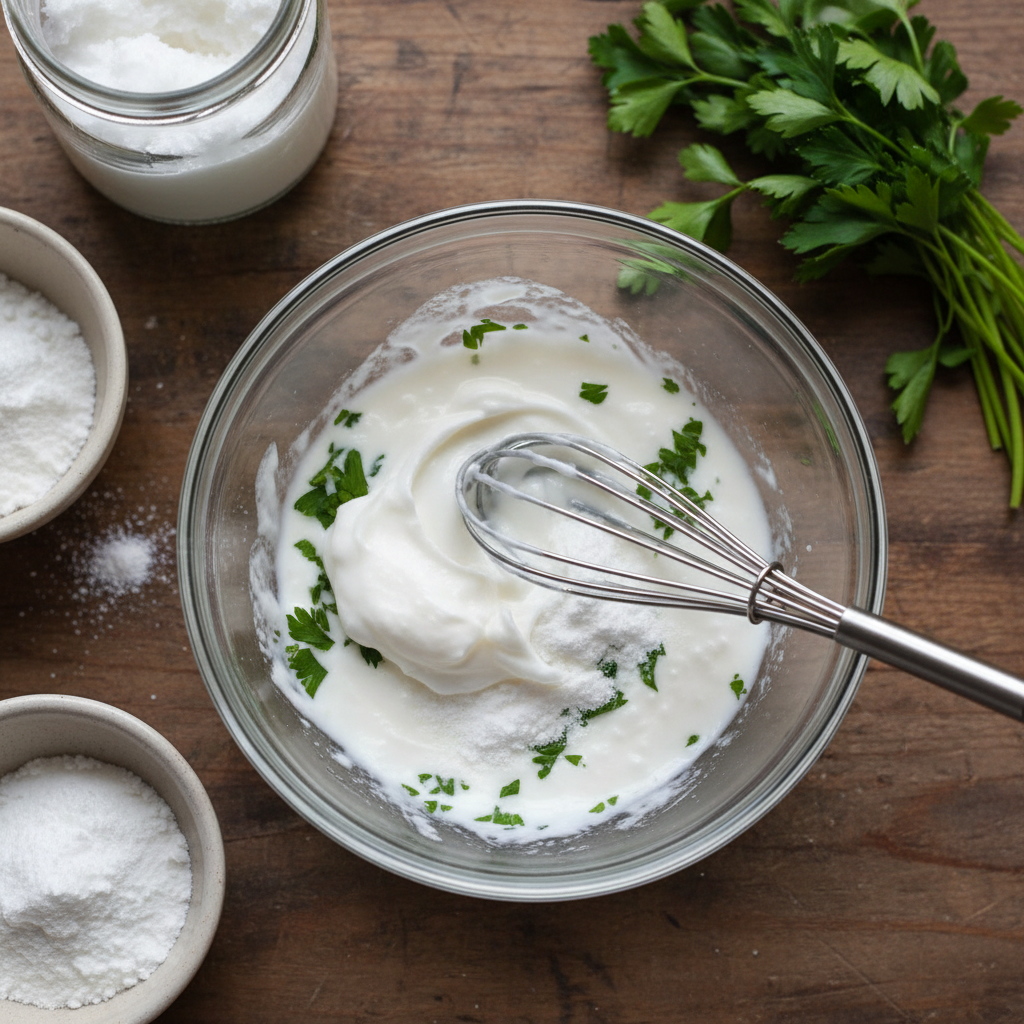
This recipe is the epitome of the Canine Hacker philosophy: maximum efficacy, minimal ingredients, and full control. Prepare to be amazed by its simplicity and effectiveness.
Core Ingredients:
- 2 Tablespoons of Organic, Virgin, Cold-Pressed Coconut Oil
- 2 Tablespoons of Pure Baking Soda (make sure it is not baking powder)
The Recipe Instructions:
- Soften the Coconut Oil: If your coconut oil is solid, place the jar in a bowl of warm water for a few minutes until it softens to a paste-like consistency. You do not want it to be a complete liquid, but soft enough to mix easily.
- Combine Ingredients: In a small glass bowl or jar, add the 2 tablespoons of softened coconut oil and the 2 tablespoons of baking soda.
- Mix Thoroughly: Use a small spoon or fork to mix the ingredients together until they form a smooth, consistent paste. There should be no lumps of either coconut oil or baking soda.
- Store Properly: Transfer the finished paste into a small, airtight glass jar. Store it in the refrigerator to keep it firm and fresh. It will last for several weeks.
Hacker Tip: Power-Up Your Paste (Optional Add-ins)
For advanced users, you can enhance the paste with a hero ingredient. Use these sparingly.
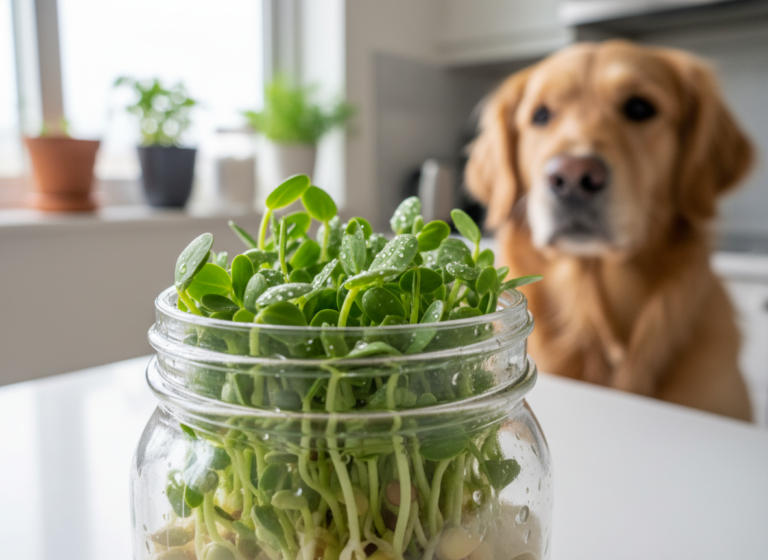
- Finely Chopped Parsley (1/2 Teaspoon): Parsley contains chlorophyll, a natural and powerful breath freshener. Chop it as finely as possible before mixing it in.
- Turmeric Powder (1/4 Teaspoon): Turmeric contains curcumin, which has well-documented anti-inflammatory properties. This can be beneficial for dogs with mild gum inflammation (gingivitis). Be aware it can cause temporary yellow staining on surfaces.
Application Technique: How to Brush Your Dog’s Teeth Without a Fight

Having the world’s best toothpaste is useless if you can’t get it into your dog’s mouth. The goal is to make this a calm, routine, and even enjoyable bonding experience, not a wrestling match. Consistency is more important than perfection.
Phase 1: Acclimation
- Introduce the Paste: Before you ever bring a brush near their mouth, let your dog lick a small amount of the coconut oil paste off your finger. Most dogs love the taste of coconut oil. Do this for a few days, praising them enthusiastically.
- Touch the Gums: Once they are happy to lick the paste, put a dab on your finger and gently rub it on their outer gums and teeth. Don’t try to brush the whole mouth. Just a few seconds of gentle rubbing is a huge win. Reward them immediately.
Phase 2: Introducing the Tool
You have a few options for a brushing tool:
- Your Finger: For small dogs or beginners, your finger wrapped in a bit of gauze is an excellent, non-threatening tool.
- Finger Brush: A small, silicone brush that fits over your fingertip offers a bit more scrubbing power while still feeling less invasive than a long-handled brush.
- Dog Toothbrush: A dedicated dog toothbrush with a long handle and angled head is the most effective tool for reaching back molars once your dog is comfortable with the process.
Start by letting your dog lick the paste off the tool of your choice. Then, gradually progress to using it to brush one or two teeth. Always use small, circular motions and focus on the outer surfaces, as that’s where most plaque accumulates.
Phase 3: The Full Routine
Once your dog is comfortable, aim for a 1-2 minute brushing session 3-5 times per week. Lift their lip gently and work on one quadrant of the mouth at a time. Always end on a positive note with a high-value reward or a favorite game. Never use human toothpaste, as it often contains xylitol, which is extremely toxic to dogs.
Cost Analysis: DIY Hacking vs. The Commercial Mark-up
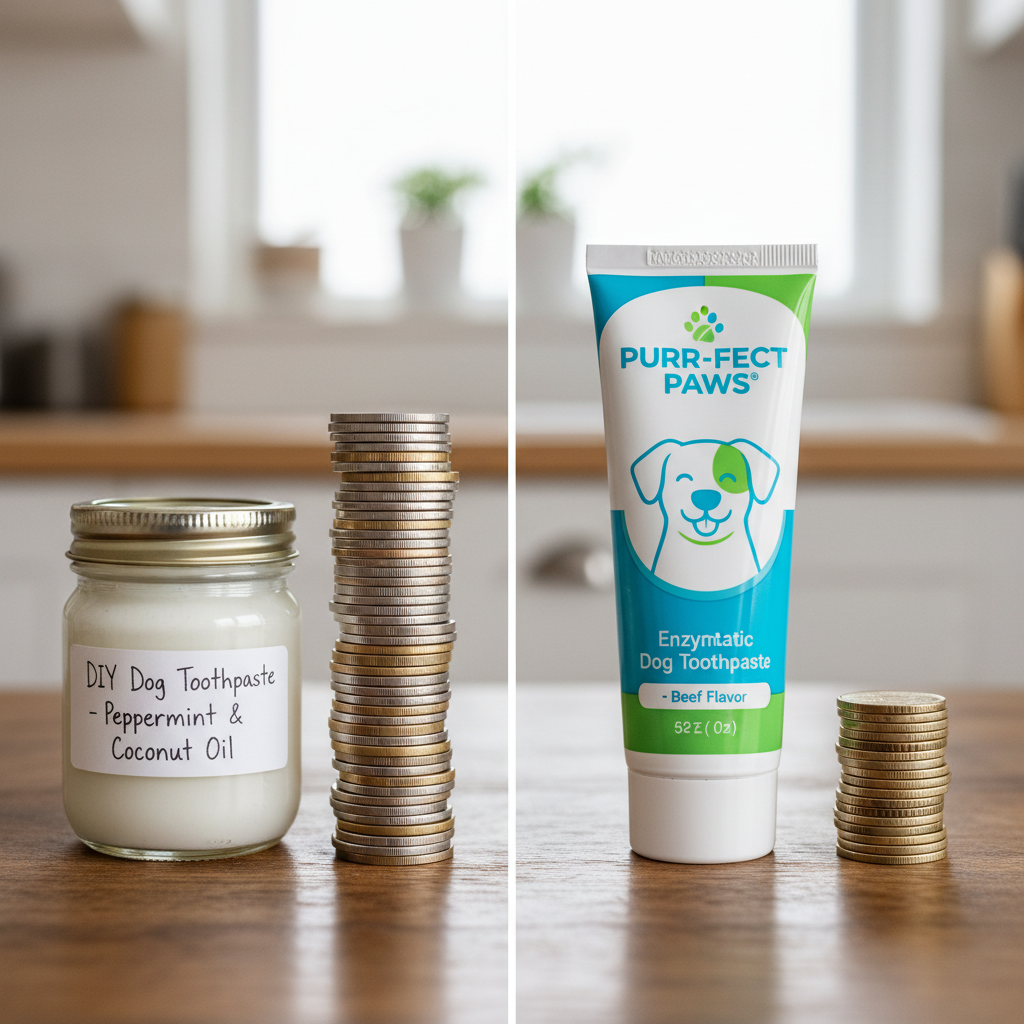
The financial argument for making your own dog toothpaste is staggering. Let’s break down the real numbers. We’ll compare our 4-tablespoon batch (approximately 2 ounces) against a popular 2.5-ounce tube of commercial enzymatic toothpaste.
| Metric | DIY Homemade Toothpaste | Premium Commercial Brand |
|---|---|---|
| Core Ingredients | Organic Coconut Oil, Baking Soda | Sorbitol, Hydrated Silica, Glycerin, Poultry Digest, etc. |
| Approx. Ingredient Cost (for one batch) | Coconut Oil (~$0.50), Baking Soda (~$0.05) = $0.55 | N/A |
| Retail Price (for ~2-2.5 oz) | $0.55 | $9.00 – $12.00 |
| Cost Per Ounce | ~$0.28 per ounce | ~$4.80 per ounce |
| Annual Savings (Est. 6 tubes/year) | Total DIY Cost: ~$3.30 | Total Commercial Cost: ~$72.00. You save nearly $70! |
| Verdict | Drastically cheaper, complete ingredient control, highly effective. Requires 5 minutes of prep time. | Convenient but extremely expensive. Contains unnecessary fillers and artificial ingredients. |
The numbers don’t lie. You are paying over 17 times more for a product that is arguably less pure and transparent than what you can make in your kitchen in under five minutes. This isn’t just about saving a few dollars; it’s about rejecting a marketing model that preys on a lack of information. By investing five minutes, you gain a superior product, save a significant amount of money, and know exactly what you’re putting into your dog’s body. That is the essence of being a Canine Hacker.
Conclusion
You now possess the knowledge to opt out of the overpriced, over-complicated world of commercial dog dental care. This simple recipe of coconut oil and baking soda isn’t a compromise; it’s an upgrade. It provides powerful antibacterial and mechanical cleaning action without the fillers, sweeteners, and mystery ingredients found in mass-market products. By taking a few minutes to create your own toothpaste, you gain absolute control over your dog’s health, strengthen your bond through the routine of brushing, and make a significant dent in your annual pet care budget.
Remember, consistency is the key to success. A daily or every-other-day brushing routine with this paste will dramatically improve your dog’s breath and help prevent the buildup of plaque that leads to costly and dangerous dental disease. Pair this routine with regular veterinary check-ups and professional cleanings as recommended by your vet. You have the power to be your dog’s primary advocate for their health, and it starts with smart, informed decisions just like this one.