7 Vet-Approved Low Copper Dog Food Recipes for Liver Health
Receiving a diagnosis of liver disease for your canine companion is a moment that stops you in your tracks. The path forward can seem confusing, filled with complex terminology and expensive prescription diets. As The Canine Nutrition Hacker, I’m here to cut through the noise. The single most critical dietary adjustment for many dogs with liver issues is managing copper intake. Commercial foods, even high-quality ones, are often fortified with copper levels that are too high for a compromised liver to handle. This guide empowers you to take back control. We will break down the science, analyze the ingredients, and provide you with actionable, vet-approved recipes to create safe, therapeutic meals in your own kitchen.
CRITICAL SAFETY DISCLAIMER: I am a canine nutrition analyst, not a veterinarian. The information and recipes provided here are for educational purposes and must be discussed with your veterinarian before implementation. A dog with liver disease has complex medical needs. These recipes are a base and MUST be balanced with a vitamin and mineral supplement recommended by your veterinarian to ensure complete and balanced nutrition without adding excess copper. Never make dietary changes for a sick dog without professional veterinary guidance.
The Copper Conundrum: Why Your Dog’s Liver Needs a Break
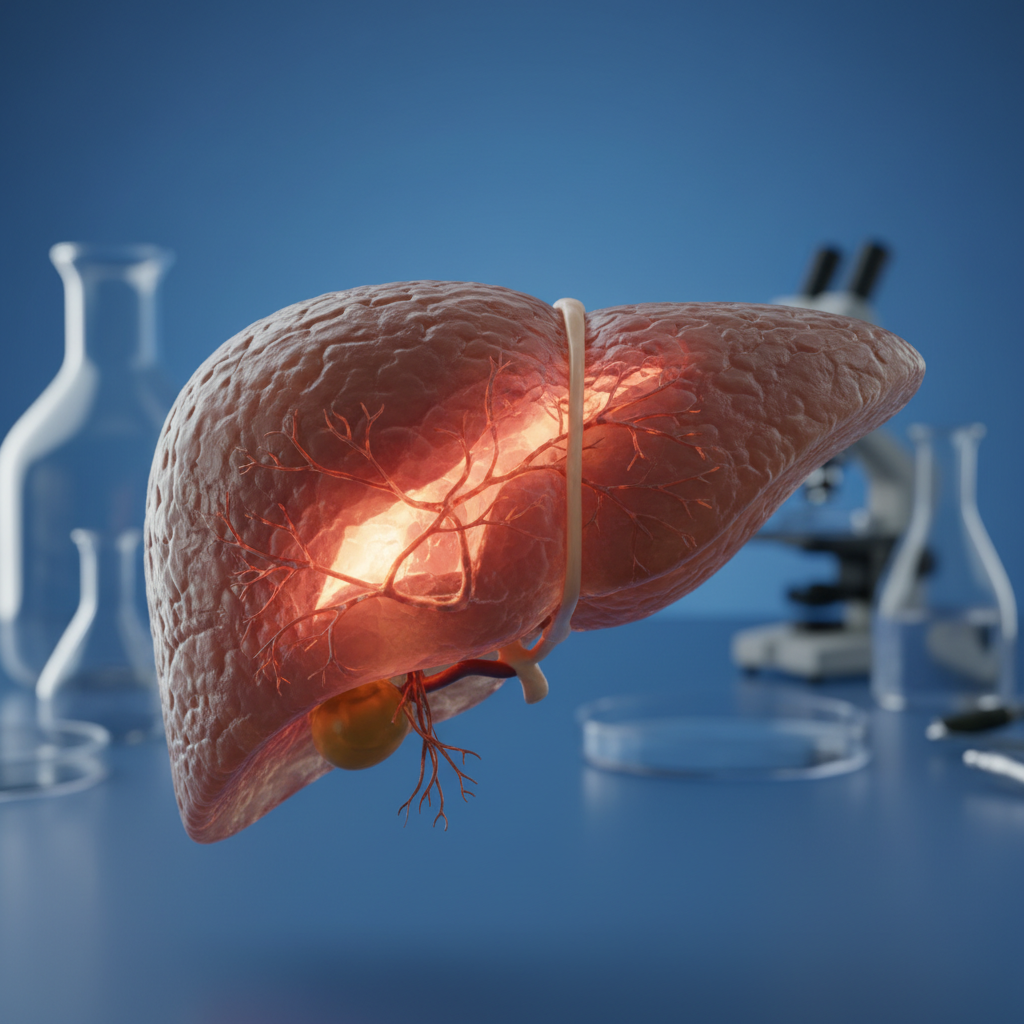
To understand the solution, you must first become an expert on the problem. Copper is an essential micronutrient, vital for functions like red blood cell formation and connective tissue health. A healthy liver processes and stores copper, excreting any excess. However, in dogs with certain genetic predispositions (like Copper Storage Hepatopathy, common in Bedlington Terriers, Labradors, and Dobermans) or chronic liver disease, this process fails. Copper accumulates to toxic levels, causing oxidative damage, inflammation, and further destruction of liver cells. It’s a vicious cycle.
Enemy Ingredients: The High-Copper Culprits
When you start reading labels like a forensic scientist, you’ll see these everywhere. These ingredients, while often healthy for normal dogs, are a danger to a dog with copper metabolism issues:
- Organ Meats: The number one offender. Liver and kidney meats are extremely high in copper because that’s where the mineral is stored in an animal’s body.
- Lamb, Duck, and Salmon: These protein sources are naturally higher in copper than poultry or whitefish.
- Shellfish: Oysters and other shellfish are packed with copper.
- Legumes: Chickpeas, lentils, and beans, common in grain-free formulas, can contribute significant copper.
- Certain Nuts and Seeds: While less common in dog food, ingredients like sunflower seeds should be avoided.
- Standard Vitamin/Mineral Premixes: Many commercial dog foods use a generic premix that contains copper sulfate. While necessary for healthy dogs, the amount can be too high for a dog needing copper restriction.
The Foundation of a Safe Low-Copper Diet: Core Principles
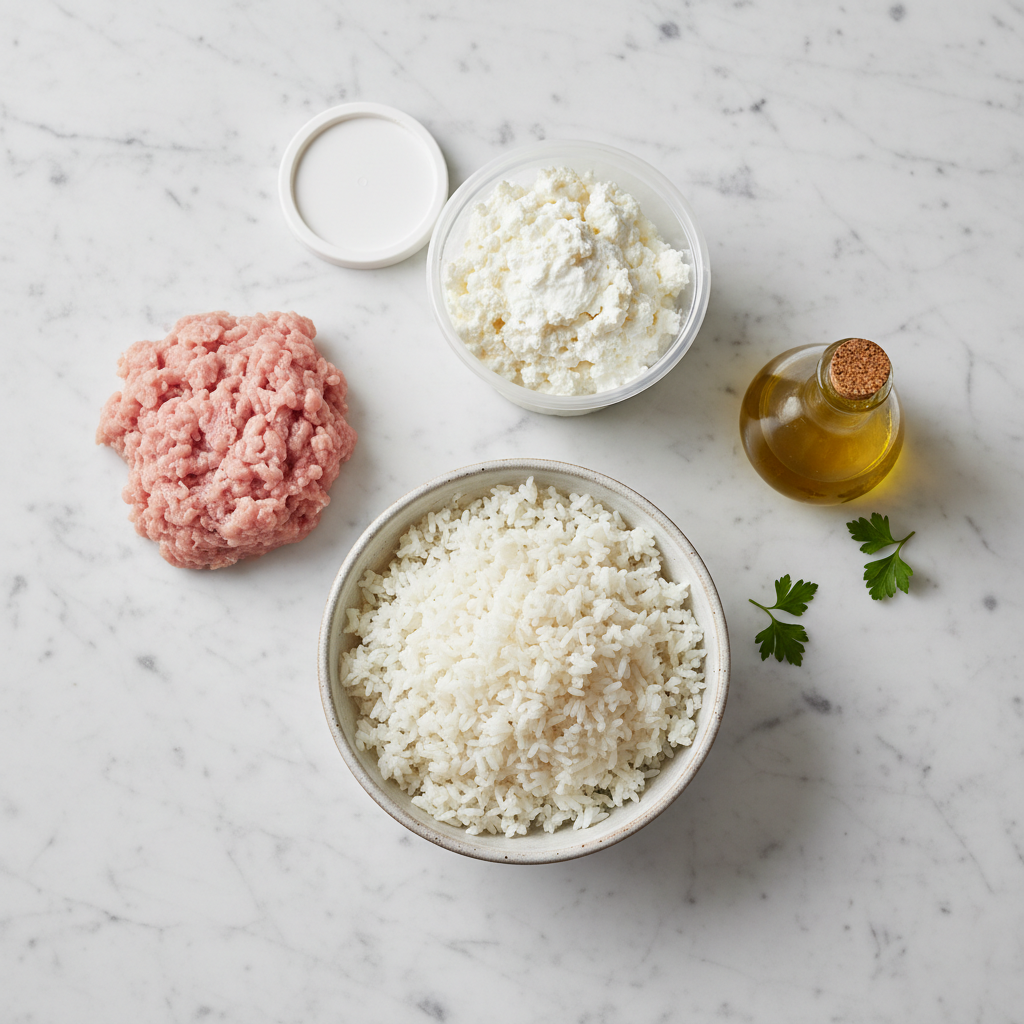
Building a safe homemade diet isn’t about randomly mixing ingredients. It’s a calculated formula based on selecting the right components to nourish your dog while protecting their liver. Every ingredient serves a purpose.
Hero Ingredients: Your Low-Copper Arsenal
These are your go-to components for building a safe and effective meal plan:
- Proteins: The focus is on high-quality, highly digestible proteins that are naturally low in copper. Your best choices are egg whites, low-fat cottage cheese, lean ground turkey or chicken breast, and whitefish (like cod or tilapia).
- Carbohydrates: Energy must come from easily digestible sources. White rice is often preferred over brown rice as it’s lower in fiber and certain minerals. Other excellent options include boiled potatoes (skin removed), sweet potatoes, and pumpkin puree (ensure it’s 100% pure pumpkin).
- Fats: Healthy fats are crucial for energy and reducing inflammation, but the source matters. A small amount of flaxseed oil or olive oil can provide essential fatty acids. Avoid cod liver oil, which can be high in copper.
- Vegetables: Low-copper vegetables add fiber and phytonutrients. Good choices include green beans, carrots, and squash.
The Absolute Necessity of Supplementation
This is the most critical rule and cannot be ignored. Simply feeding your dog turkey and rice will lead to severe nutritional deficiencies over time. You are removing the standard vitamin/mineral premix found in commercial food, so you MUST replace it.
- Veterinary-Formulated Supplements: Work with your vet to find a specific multivitamin and mineral supplement designed for homemade diets that does not contain copper. Brands like Balance IT or Just Food For Dogs offer custom formulations.
- Zinc: This is a secret weapon. Oral zinc supplementation (as zinc acetate or gluconate) can help reduce copper absorption from the gut. This must be prescribed and dosed by your veterinarian.
- Liver Support Supplements: Your vet may also recommend supplements like SAM-e (S-adenosylmethionine) or milk thistle (silymarin) to provide antioxidant support and help protect liver cells.
The Canine Nutrition Hacker’s Vault: 7 Vet-Approved Low-Copper Recipes
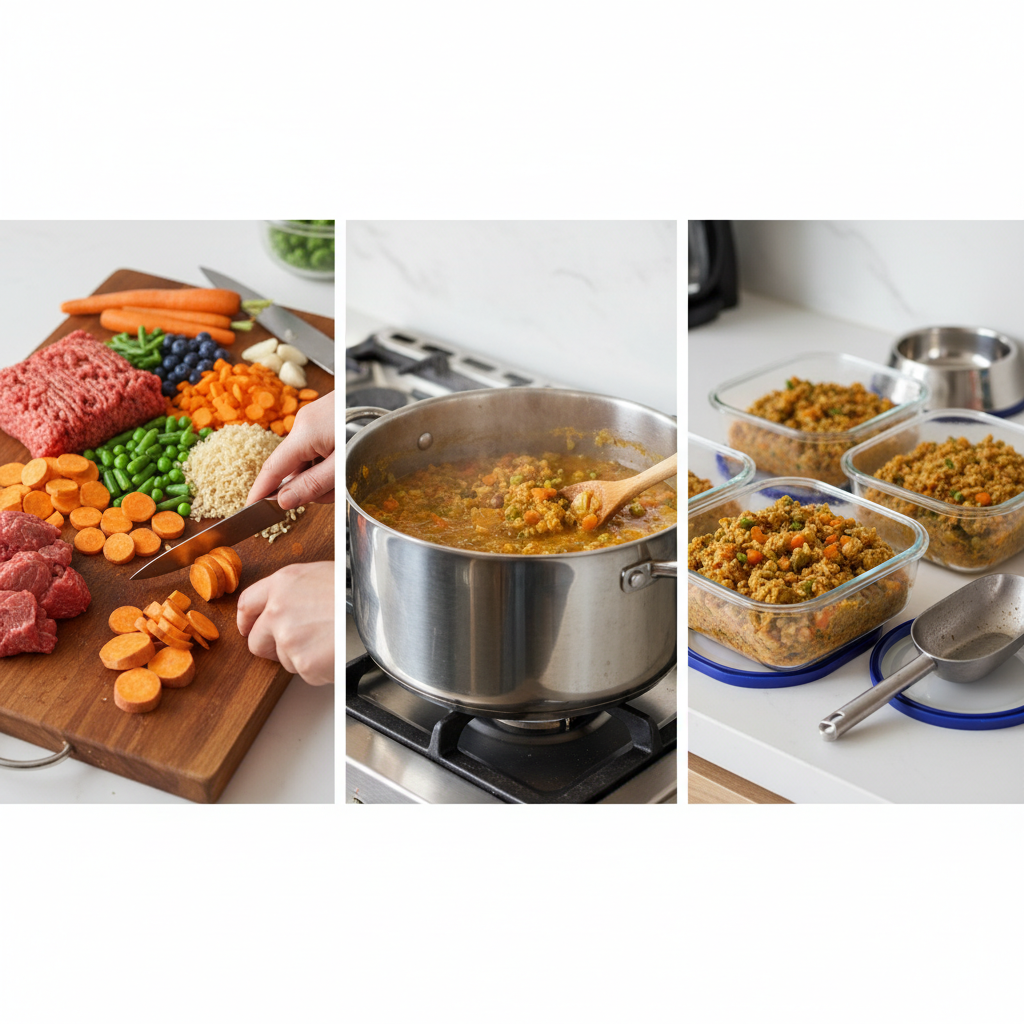
Before you begin, remember the golden rules: all meats must be cooked thoroughly. Do not add any salt, onions, garlic, or other human seasonings. All recipes are a base; your vet-prescribed supplement mix must be added just before serving, once the food has cooled. The following ingredient amounts are guidelines for a single day’s feeding for a 25lb dog, split into two meals. Adjust portions based on your dog’s weight, activity level, and your vet’s recommendation.
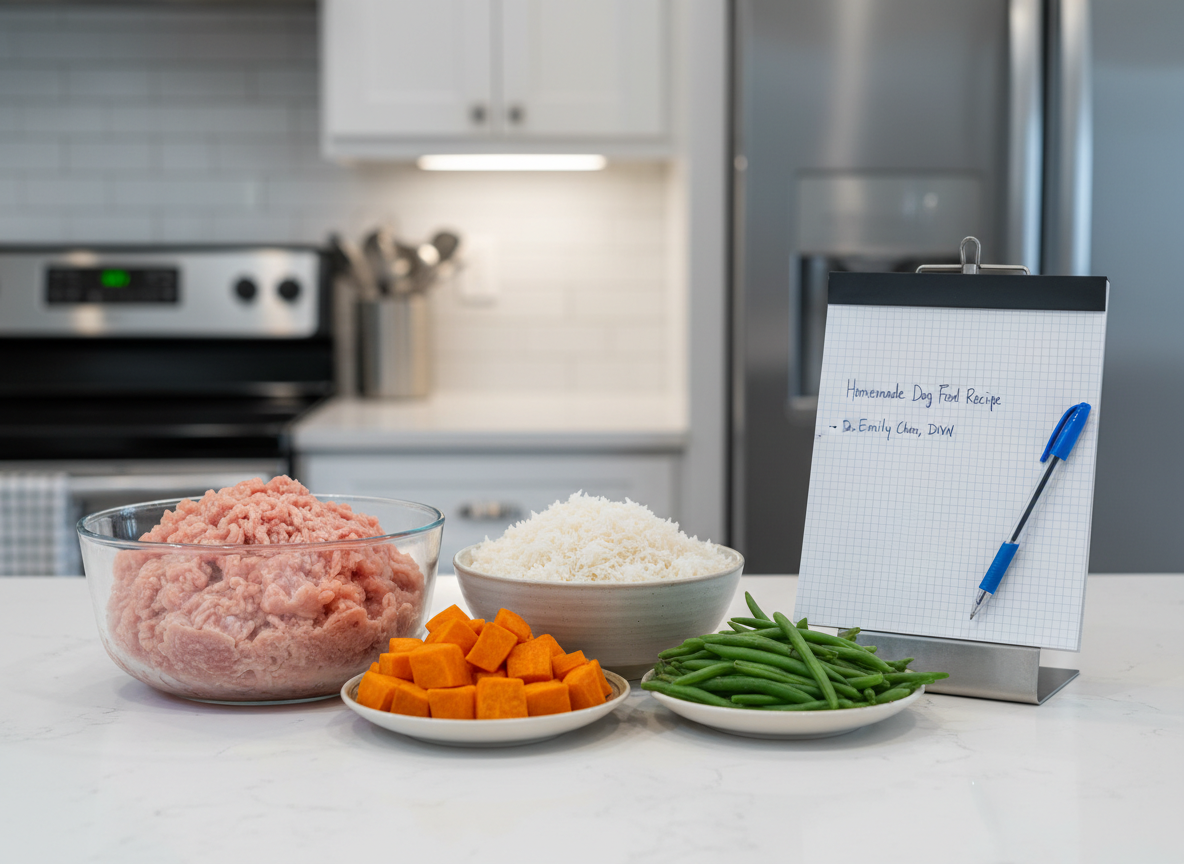
Recipe 1: The Basic Turkey & Rice Healer
- Ingredients: 4 oz cooked lean ground turkey (99% lean), 1.5 cups cooked white rice, 2 tablespoons cooked carrots (diced).
- Instructions:
- Boil or pan-cook the ground turkey without oil until no longer pink. Drain all fat thoroughly.
- Cook white rice according to package directions.
- Boil or steam carrots until soft.
- Combine all ingredients and allow to cool completely before adding supplements and serving.
Recipe 2: The Whitefish & Potato Soother
- Ingredients: 4 oz cooked whitefish (cod, tilapia), 1 cup boiled potato (no skin, mashed), 2 tablespoons green beans (cooked, chopped).
- Instructions:
- Bake or poach the whitefish until it flakes easily.
- Boil potato until very soft, remove skin, and mash.
- Steam or boil green beans until tender.
- Mix all ingredients, let cool, and serve with prescribed supplements.
Recipe 3: The Egg & Cottage Cheese Power Bowl
- Ingredients: 3 large egg whites (scrambled), 1/4 cup low-fat cottage cheese, 1 cup cooked white rice.
- Instructions:
- Scramble egg whites in a non-stick pan without oil or butter.
- Cook white rice.
- Combine the cooked rice, scrambled egg whites, and cottage cheese. This high-protein, low-fat meal is extremely digestible.
Recipe 4: The Lean Chicken & Pumpkin Mix
- Ingredients: 4 oz boiled chicken breast (shredded), 1 cup cooked white rice, 2 tablespoons 100% pure pumpkin puree.
- Instructions:
- Boil chicken breast until fully cooked, then shred.
- Cook rice.
- Mix the shredded chicken, rice, and pumpkin puree together. Let cool before serving.
Recipe 5: Turkey & Sweet Potato Variation
A simple twist on Recipe 1 for added nutrients.
- Ingredients: 4 oz cooked lean ground turkey, 1 cup cooked white rice, 1/2 cup mashed sweet potato (no skin).
- Instructions: Follow the same cooking procedure as Recipe 1, substituting mashed sweet potato for the carrots.
Recipe 6: Whitefish & Squash Gut-Friendly Blend
A variation on Recipe 2 for dogs who tolerate squash well.
- Ingredients: 4 oz cooked whitefish, 1 cup cooked white rice, 1/2 cup cooked butternut squash (mashed).
- Instructions: Prepare fish and rice as in Recipe 2. Steam or bake butternut squash until very tender, then mash. Combine all ingredients.
Recipe 7: The ‘Kitchen Sink’ Scramble
A combination for variety and balanced amino acids.
- Ingredients: 2 oz cooked lean ground turkey, 2 large egg whites (scrambled), 1 cup cooked white rice, 1 tablespoon chopped parsley.
- Instructions:
- Cook turkey and drain fat.
- Scramble egg whites separately.
- Cook rice.
- Combine all ingredients with fresh parsley (a good source of Vitamin K) and serve once cool.
The Bottom Line: Cost Breakdown of DIY vs. Prescription Diets
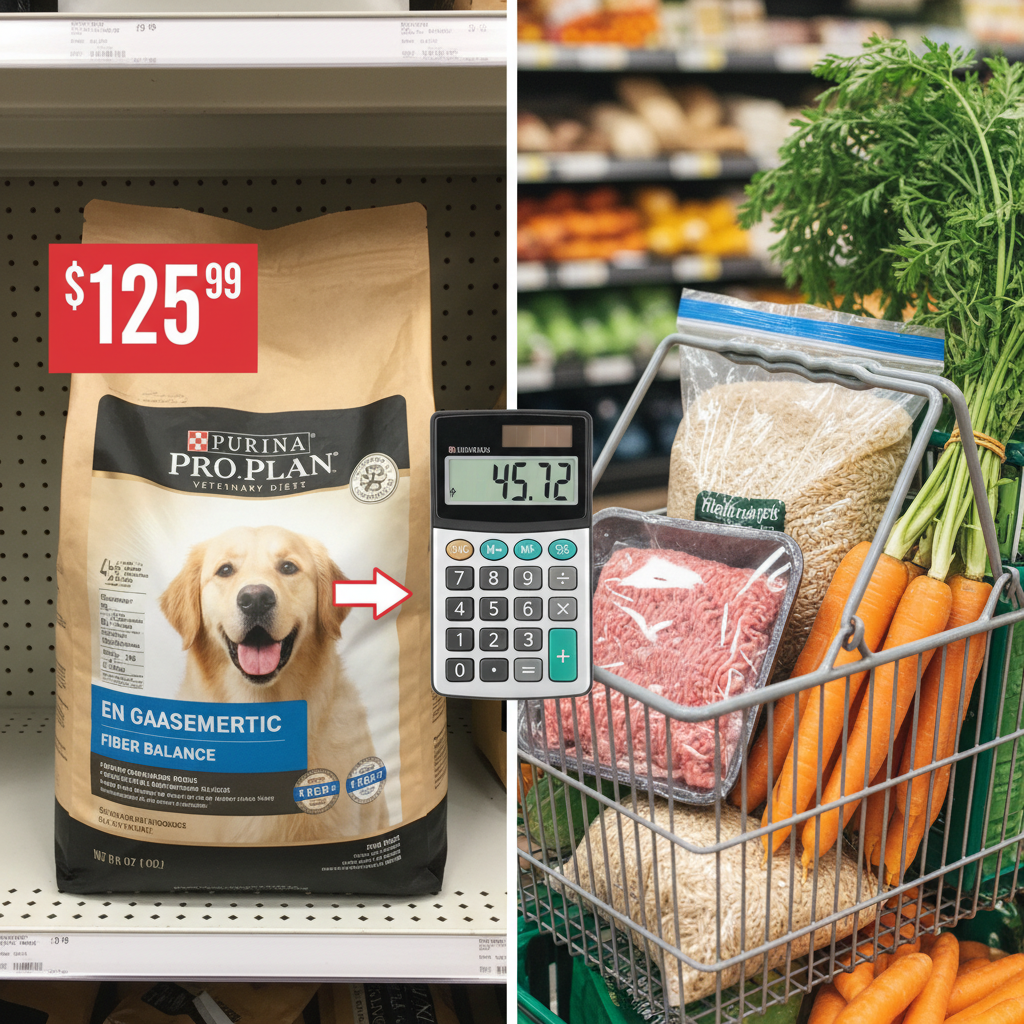
One of the biggest hurdles for owners is the sticker shock of veterinary prescription diets. While convenient, the cost can be substantial. Let’s break down the real numbers for a hypothetical 50lb dog requiring approximately 1000 calories per day.
| Factor | Prescription Diet (e.g., Hill’s l/d) | DIY Recipe (Turkey & Rice) |
|---|---|---|
| Primary Protein | Chicken, Pork Liver | Lean Ground Turkey |
| Primary Carb | Brewers Rice, Corn | White Rice |
| Approx. Cost per Bag/Batch | $110 per 27.5 lb bag | ~$25 for ingredients for 7 days |
| Approx. Cost Per Day (50lb Dog) | $4.50 – $5.50 | $3.50 (food) + $0.50 (supplements) = $4.00 |
| Control Over Ingredients | Fixed formula, potential for unknown allergens | 100% control over quality and sourcing |
| Convenience | Very high (scoop and serve) | Low (requires shopping, cooking, storage) |
| Verdict | Excellent, proven therapeutic option but costly and less transparent. | Potentially more affordable with superior ingredient quality, but requires significant time commitment and strict veterinary oversight. |
The analysis shows that while not drastically cheaper, the DIY route offers significant savings over time and, more importantly, gives you complete authority over every single ingredient that goes into your dog’s body. The money saved can be reallocated to vital liver-support supplements and regular veterinary check-ups.
Hacker Tip: Batch Cooking and Storage for Efficiency
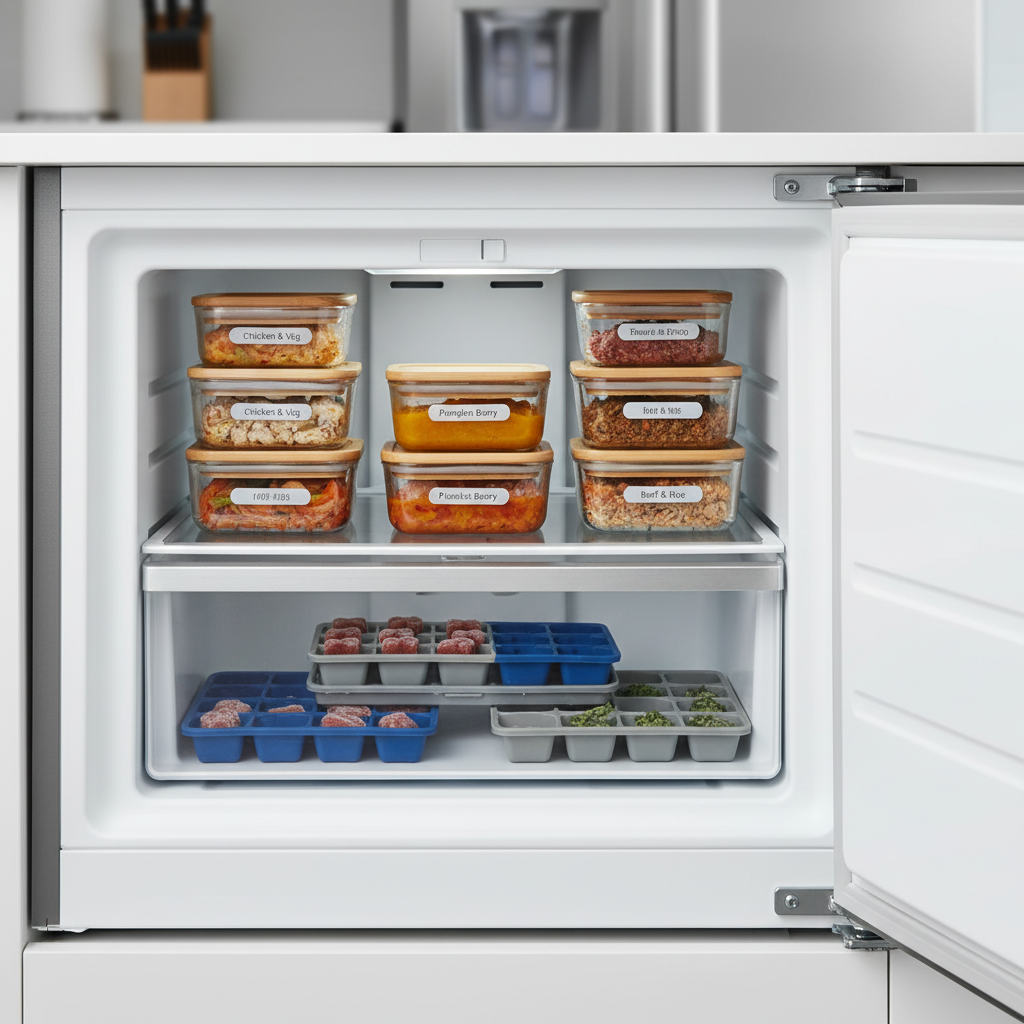
The biggest argument against homemade diets is the time commitment. But you can hack the system by being efficient. Don’t cook daily; cook weekly or bi-weekly. Dedicate one or two hours on a Sunday to prepare a large batch of your dog’s food.
The Batch Cooking Workflow
- Calculate the Batch Size: Determine your dog’s daily portion size and multiply by the number of days you want to prep for (e.g., 7 or 14 days).
- Cook in Bulk: Use a large stockpot to cook the rice and another to cook the protein. Steam or boil vegetables in a separate pot.
- Cool Completely: This is a critical food safety step. Spread the cooked food on baking sheets to cool down faster before portioning.
- Portion and Store: Use a kitchen scale for accuracy. Portion daily or individual meal amounts into freezer-safe containers or reusable bags.
Insider Secret: For small dogs, use silicone ice cube trays. Each cube can be a perfectly portioned amount. Once frozen, pop the food cubes out and store them in a large freezer bag. You can just grab the number of cubes you need for each meal. This also helps the food thaw faster.
Prepared food can be stored safely in the refrigerator for up to 3-4 days. Anything beyond that must be frozen to prevent bacterial growth. Frozen meals are good for up to 3 months.
Conclusion
Switching to a homemade, low-copper diet is a profound act of love and advocacy for your dog. It moves you from a position of helpless anxiety to one of empowered control. By understanding the ‘why’ behind copper restriction and mastering the ‘how’ of safe recipe preparation, you become the most important member of your dog’s healthcare team. You are no longer just a pet owner; you are a nutrition hacker, meticulously building the foundation for your dog’s health, one meal at a time.
Remember, this journey must be a partnership. Maintain an open dialogue with your veterinarian, schedule regular blood work to monitor liver function, and never hesitate to ask questions. Your diligence, combined with their medical expertise, is the ultimate recipe for giving your loyal companion the best possible quality of life.