Feeding Guinea Fowl to Dogs: A Novel Protein Guide
Let’s cut to the chase. You’re here because your dog is suffering. The constant scratching, the hot spots, the digestive upset—it’s a frustrating and expensive cycle. You’ve tried every ‘premium,’ ‘grain-free,’ and ‘limited-ingredient’ kibble on the market, yet the problem persists. The truth is, the commercial pet food industry has a vested interest in keeping you guessing. Many so-called ‘hypoallergenic’ foods are still packed with the same overused proteins—chicken, beef, and lamb—that are often the root cause of your dog’s immune response.
This is where we, as savvy owners, need to think like nutrition hackers. We need to look beyond the slick marketing and analyze the ingredient panel with forensic precision. The solution isn’t another bag of the same old kibble; it’s about introducing a truly novel protein. A protein your dog’s system has likely never encountered, and therefore, has no antibodies against. Enter the guinea fowl. This lean, game-like bird is a nutritional powerhouse that is flying completely under the radar of mainstream pet food manufacturers. This guide is your definitive blueprint for understanding, sourcing, and safely incorporating guinea fowl into your dog’s diet to break the allergy cycle for good.
The Protein Problem: Unmasking the Culprits in Your Dog’s Bowl
Before we can fix the problem, we must identify the enemy. The primary culprits behind most canine food allergies are not grains, as popular marketing suggests, but proteins. Through decades of over-farming and inclusion in nearly every dog food formula, proteins like chicken and beef have become ubiquitous. This constant exposure can trigger an immunologic response in sensitive dogs, leading to the inflammatory conditions you know all too well.
The ‘First 5 Ingredients’ Deception
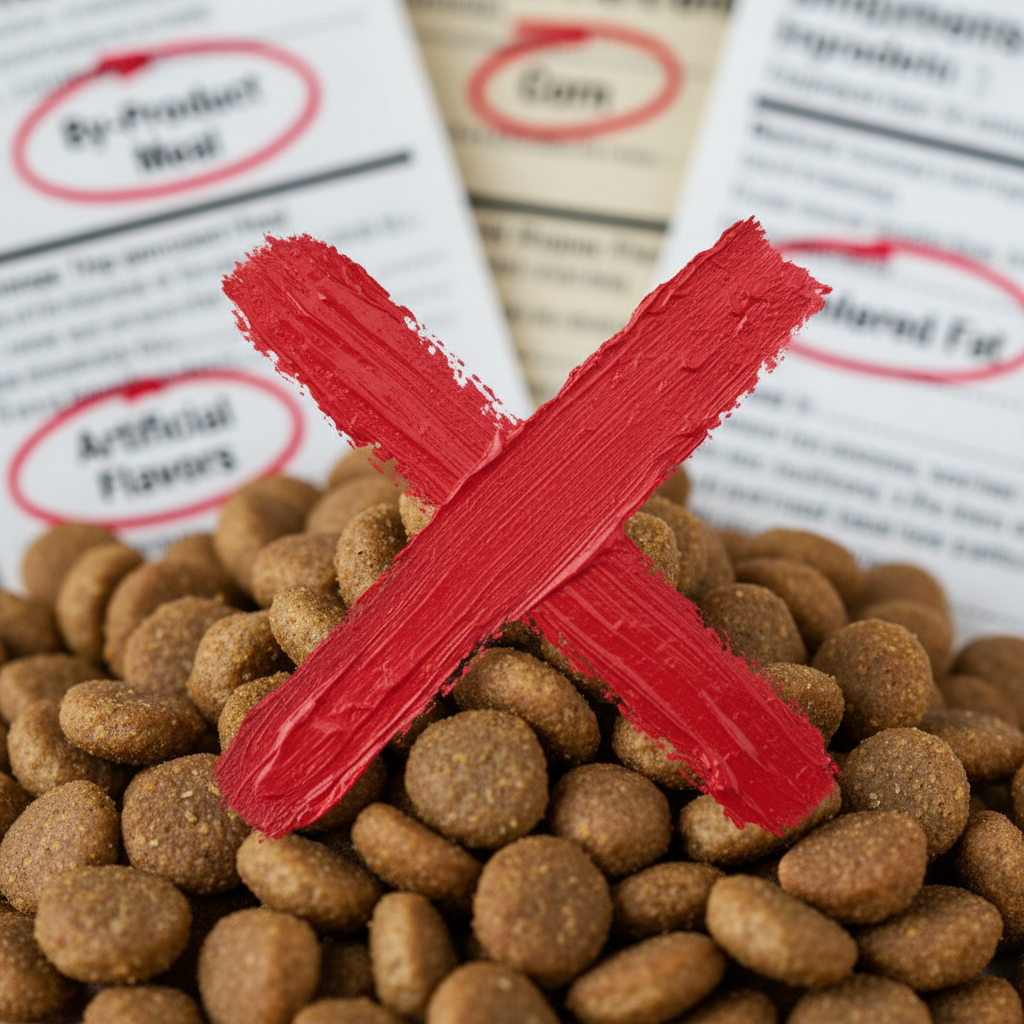
Pick up any bag of dog food and look at the first five ingredients. This is where the bulk of the nutritional content (or lack thereof) resides. Manufacturers have become masters of ‘ingredient splitting’ and using vague terminology to disguise poor-quality components.
- Chicken/Beef Meal: While not inherently bad, the quality can vary dramatically. It’s a rendered product, and its nutritional value depends on the source material, which is often opaque to the consumer.
- Corn Gluten Meal: A cheap, plant-based protein booster used to inflate the protein percentage on the label. It’s not a biologically appropriate protein source for a carnivore.
- Animal By-Product Meal: An ambiguous term that can include anything from beaks and feathers to hooves. It’s a low-cost, low-quality ingredient.
- Soy: A common allergen for dogs and another cheap protein filler.
Insider Secret: The term ‘natural flavors’ on an ingredient list is often a proprietary recipe of palatants designed to make low-quality food more appealing to your dog. A common ingredient in these ‘flavors’ is hydrolyzed chicken liver—a potential trigger for a chicken-allergic dog, even in a food that claims to be ‘beef recipe’.
Recognizing the symptoms is the first step. If your dog exhibits any of the following, a food sensitivity trial with a novel protein is a logical next step: chronic ear infections, obsessive licking of paws, red or inflamed skin, hot spots, vomiting, or loose stools.
Enter the Guinea Fowl: A Nutritional Breakdown
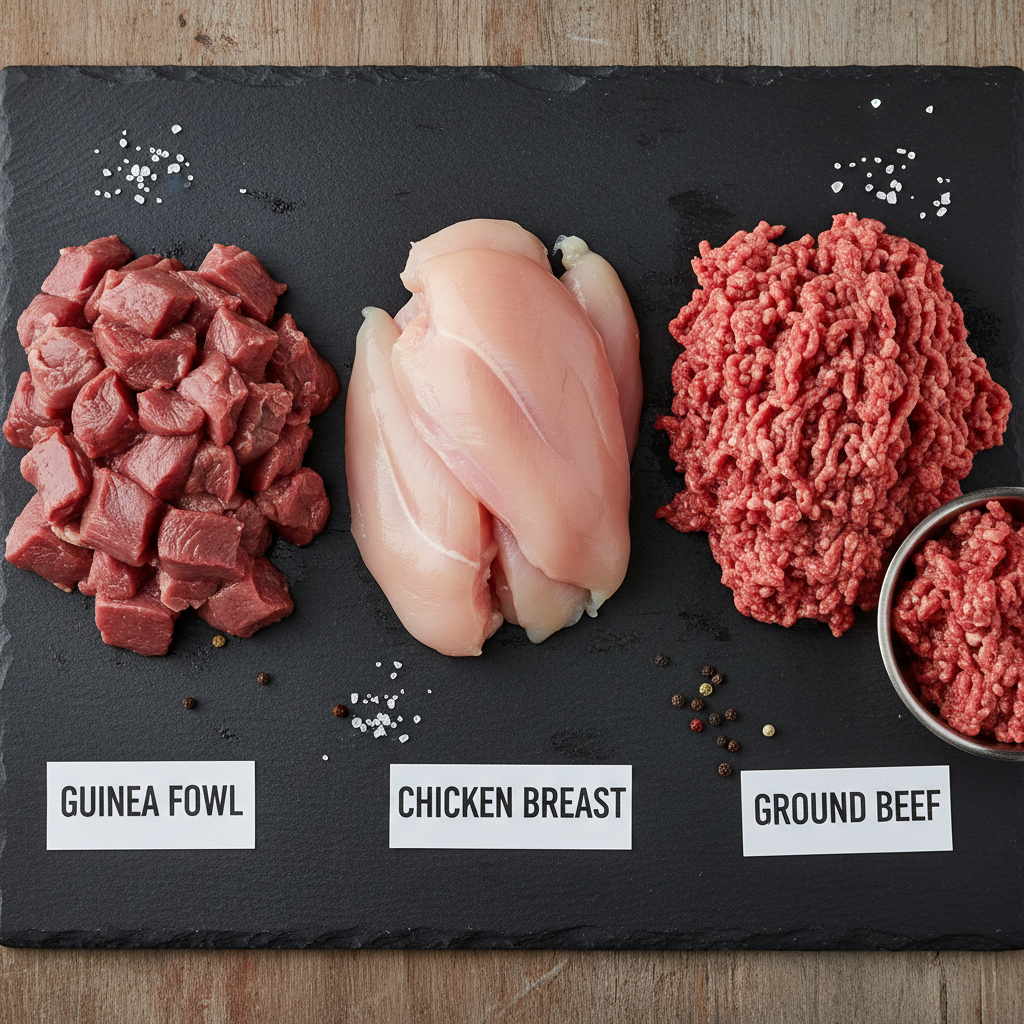
Guinea fowl is not just another bird. It’s a game bird, genetically distinct from chicken, with a nutritional profile that makes it a superior choice for sensitive dogs. Its primary advantage is its novelty. For a dog whose immune system is on high alert against chicken or beef, guinea fowl presents a clean slate. But its benefits go far beyond that.
It is exceptionally lean, with significantly less fat than chicken, particularly when the skin is removed. This makes it an excellent option for dogs needing to manage their weight or those prone to pancreatitis. It boasts a higher protein content per gram and is densely packed with essential amino acids, iron, and Vitamin B6, which are crucial for energy metabolism and nervous system function.
Nutritional Profile Comparison: The Hard Data
Let’s look at the numbers. While exact values vary, this table provides a clear comparison of why guinea fowl is a nutritionally superior option for many dogs, especially those with specific dietary needs.
| Nutrient (per 100g cooked meat) | Guinea Fowl (skinless) | Chicken Breast (skinless) | Beef (85% lean ground) |
|---|---|---|---|
| Protein | ~28g | ~25g | ~22g |
| Fat | ~4.5g | ~7g | ~15g |
| Allergenicity | Very Low (Novel) | High (Common) | High (Common) |
| Verdict | Excellent lean, hypoallergenic protein source. Ideal for elimination diets and sensitive dogs. | A good protein, but its overuse in pet food has made it a primary allergen for many. | High in fat and a common allergen. Often too rich for dogs with sensitive stomachs. |
The key takeaway is the combination of high protein, low fat, and its novel status. This trifecta makes it a powerful tool in your nutritional arsenal for combating food sensitivities and optimizing your dog’s health.
The Safe Preparation Protocol: Commercial vs. DIY

Incorporating guinea fowl requires a strategic approach. You have two primary paths: sourcing a pre-made commercial food or preparing it yourself. Both have merits and require careful consideration.
MEDICAL DISCLAIMER: I am not a veterinarian or a certified canine nutritionist. The following information is for educational purposes based on extensive research and experience. Always consult with a qualified veterinary nutritionist before making significant changes to your dog’s diet, especially when feeding raw or homemade food. A DIY diet MUST be properly balanced with supplements to avoid nutritional deficiencies.
Option 1: Sourcing Commercial Guinea Fowl Dog Food
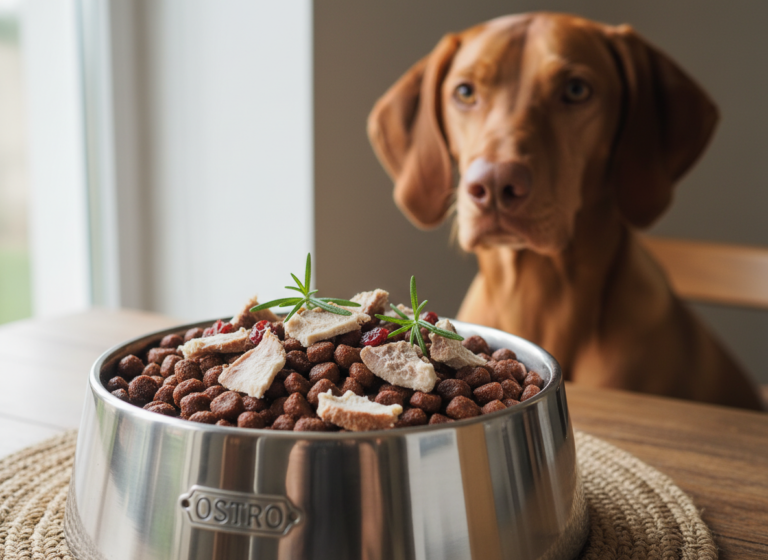
This is the simplest and safest entry point. A handful of boutique and high-end pet food companies offer guinea fowl formulas in frozen raw, freeze-dried, or canned formats. It is rarely found in kibble due to processing costs.
- Pros: Nutritionally balanced, convenient, and removes the guesswork and risk of improper handling.
- Cons: Can be extremely expensive (expect to pay $5.00-$8.00/day for a 50lb dog) and difficult to find in local stores. You’ll likely need to order online.
- What to Look For: Ensure guinea fowl is the first ingredient. Avoid formulas that also include other common proteins like chicken fat, which can defeat the purpose of a novel protein diet.
Option 2: The DIY Approach (For the Committed Owner)
The DIY route offers complete control over quality and can be more cost-effective long-term, but it carries significant responsibility.
WARNING: NEVER feed cooked bones to your dog. They become brittle and can splinter, causing choking or severe internal damage. Raw, non-weight-bearing bones (like guinea fowl wings or necks) can be fed to experienced raw-fed dogs under supervision, but grinding them is the safest method.
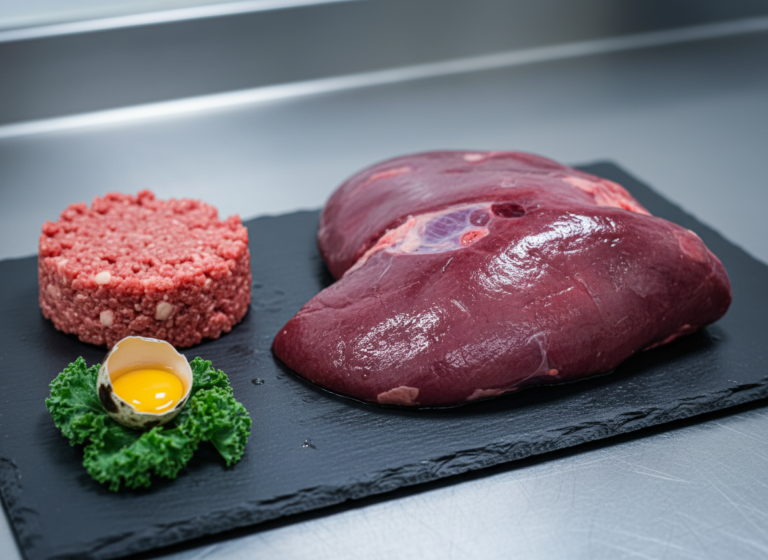
A balanced raw diet generally follows a ratio:
- 80% Muscle Meat: This is the bulk of the guinea fowl meat.
- 10% Edible Bone: Provides essential calcium. You MUST grind this or use a safe alternative calcium supplement like eggshell powder.
- 5% Liver: A powerhouse of Vitamin A.
- 5% Other Secreting Organ: Such as kidney, spleen, or pancreas.
To this base, you must add other essential nutrients. This includes a source of Omega-3 fatty acids (like green-lipped mussel oil or fish oil), trace minerals (kelp), and often pureed, low-glycemic vegetables for fiber and phytonutrients.
Hacker Tip: Buy guinea fowl in bulk from a local farm or a raw co-op. Dedicate one afternoon a month to processing. Grind the meat, bone, and organs, portion into daily servings in freezer-safe containers, and freeze. This ‘batch cooking’ method saves a tremendous amount of time and money, bringing the cost down to potentially $3.50-$4.50/day for a 50lb dog.
Navigating the Transition: A Hacker’s Checklist

Switching your dog’s primary protein source, especially to a rich, novel one like guinea fowl, must be done gradually to avoid digestive chaos. A sudden switch is a recipe for diarrhea and vomiting. Follow this proven transition protocol over a 7-10 day period.
- Days 1-2: Feed 75% of the old food and 25% of the new guinea fowl food. Mix them together thoroughly. Monitor your dog’s stool for any signs of upset.
- Days 3-4: Move to a 50/50 ratio. At this stage, you should have a good idea of how your dog is tolerating the new protein.
- Days 5-6: Shift the balance to 25% old food and 75% new food. Your dog’s system is now primarily fueled by the guinea fowl.
- Day 7 onwards: Transition to 100% guinea fowl. Continue to monitor your dog closely.
Key Considerations During Transition
- Probiotics: Adding a high-quality canine probiotic supplement during the transition can help support gut health and make the switch smoother.
- Stool Quality: The goal is a firm, well-formed stool. If you notice persistent loose stools, slow down the transition, extending each stage by a day or two.
- Sourcing is Non-Negotiable: If you are going the DIY route, your supplier is everything. Use human-grade guinea fowl from a reputable source. The risk of salmonella or other pathogens is real, and proper safe-handling procedures (washing hands and surfaces, avoiding cross-contamination) are mandatory.
- Watch for Improvement: During and after the transition, keep a journal. Note any changes in your dog’s skin, coat, energy levels, and scratching. For many dogs with a chicken or beef allergy, you may see a dramatic reduction in symptoms within 2-4 weeks of being exclusively on the novel protein.
Patience is key. Every dog is an individual, and some may require a longer transition period. Do not rush the process. A successful, stress-free transition sets the stage for long-term dietary success.
Conclusion
Navigating the world of canine nutrition can feel like a minefield, especially when your dog is suffering from allergies. Guinea fowl is not a magic cure, but it is an incredibly effective tool for the informed owner. By acting as a truly novel protein, it allows you to hit the ‘reset’ button on your dog’s overactive immune system. It offers a lean, nutritionally dense alternative to the overused proteins that dominate the pet food industry.
Whether you choose a carefully vetted commercial brand or embrace the control and cost-savings of a balanced DIY approach, the power is now in your hands. Stop relying on marketing claims and start analyzing ingredients. Your dog’s health depends on your willingness to look beyond the conventional and hack their nutrition for optimal results. Take this knowledge, consult with a trusted veterinary professional, and make the change that could finally bring your dog the relief they deserve.