Raw Oysters for Dogs: Zinc Boost or Bacteria Risk?
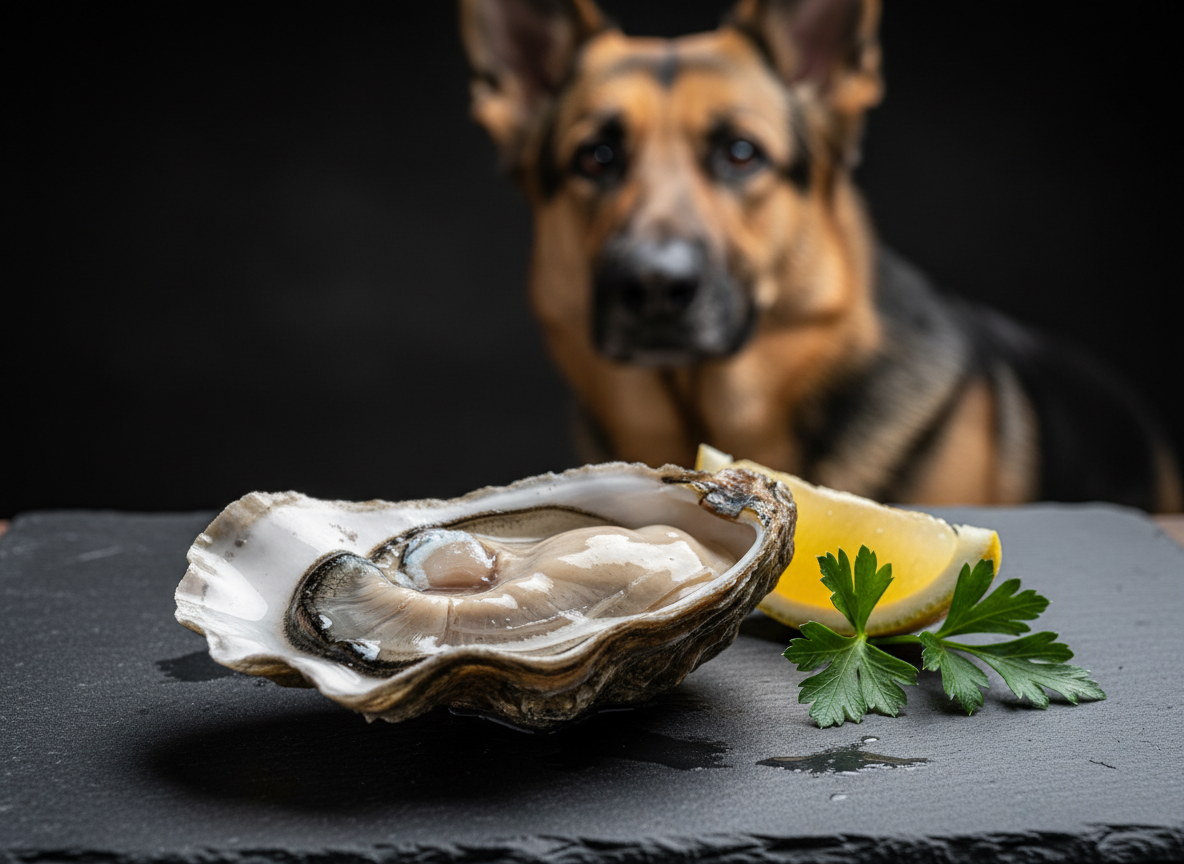
In the world of canine nutrition, the push towards ancestral diets and ‘superfoods’ has owners exploring ingredients far beyond traditional kibble. Among these, the humble oyster has emerged as a controversial powerhouse. Hailed as one of the planet’s most potent sources of zinc, a critical mineral for dogs, it promises benefits from a bolstered immune system to a lustrous coat. But as The Canine Nutrition Hacker, I’m here to tell you that where there’s a superfood, there’s often a super-risk. Feeding raw oysters to your dog is a high-stakes decision, pitting incredible nutritional density against the very real dangers of pathogenic bacteria, environmental toxins, and even physical harm. This guide will cut through the hype, analyze the data, and provide you with the unfiltered truth so you can make a safe, informed decision for your canine companion.
The Nutritional Forensics: Why Oysters Are a Zinc Powerhouse
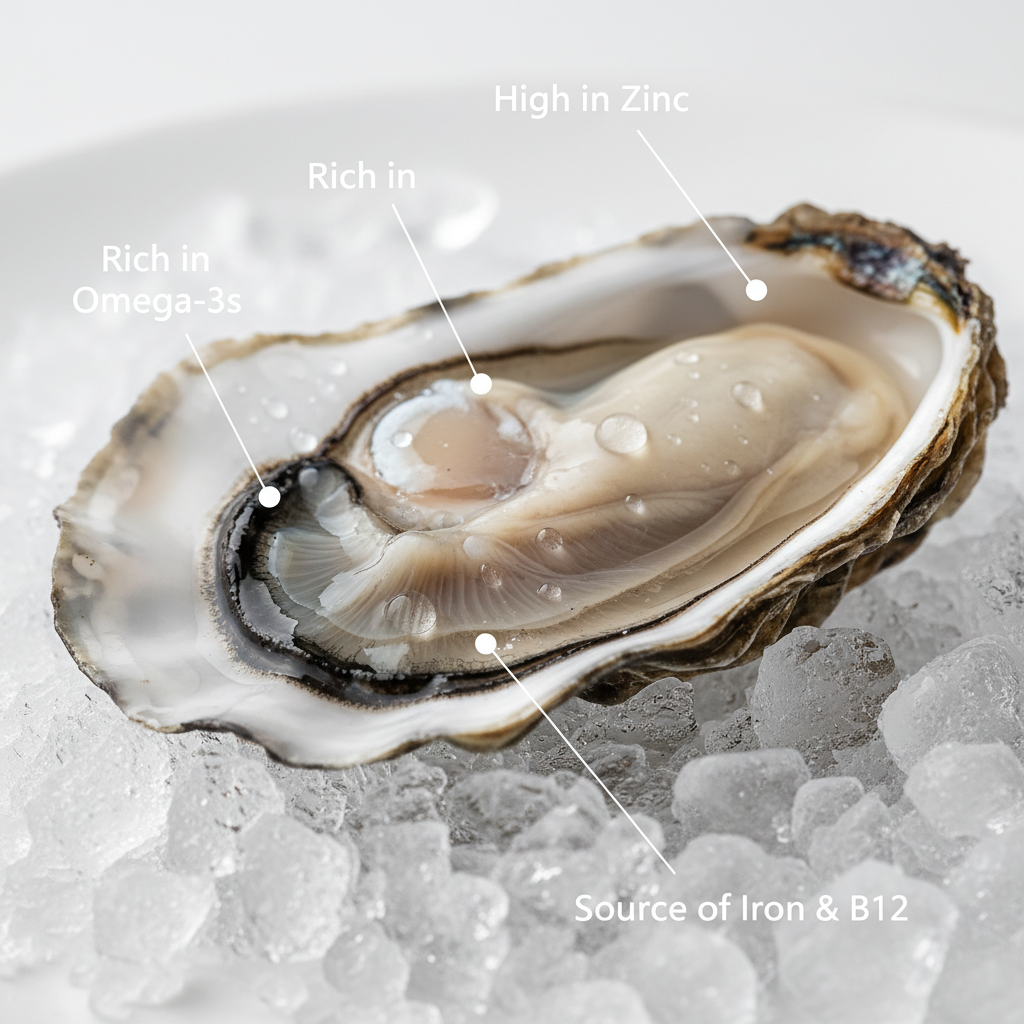
Before we dissect the dangers, it’s crucial to understand the appeal. Oysters aren’t just trendy; they are, from a purely nutritional standpoint, one of the most nutrient-dense foods you can find. For dogs, the primary benefit is their astronomical zinc content.
The Critical Role of Zinc
Zinc is not a ‘nice-to-have’ mineral; it’s a non-negotiable requirement for canine health. It acts as a catalyst in over 300 enzymatic functions within your dog’s body. A deficiency can lead to a cascade of health problems.
- Immune Function: Zinc is fundamental for a properly functioning immune system. It helps moderate the immune response, ensuring it’s strong enough to fight off pathogens but not so overactive that it leads to autoimmune issues.
- Skin & Coat Health: Many frustrating skin issues, from dermatitis to a dull, brittle coat and hyperkeratosis (thickening of paw pads), can be linked directly to insufficient zinc. It’s vital for cell replication and wound healing.
- Thyroid Function: The thyroid gland cannot function properly without adequate zinc, which can impact your dog’s entire metabolism, energy levels, and weight.
- Cognitive Health: Zinc plays a role in neurotransmitter function, supporting brain health and cognitive processes, especially in aging dogs.
A single medium-sized oyster can contain over 5 mg of zinc, which can be a significant portion of a dog’s daily requirement. But the benefits don’t stop there. Oysters are also packed with:
- Omega-3 Fatty Acids: Excellent for reducing inflammation, supporting joint health, and promoting a healthy heart.
- Iron: Essential for creating hemoglobin, the molecule that transports oxygen in the blood.
- Vitamin B12: Crucial for nervous system function and the formation of DNA and red blood cells.
- Selenium: A powerful antioxidant that works in tandem with Vitamin E to protect cells from damage.
From a numbers perspective, oysters look like a miracle supplement. However, this nutritional profile is only one half of a much more complex and dangerous equation.
The Insider’s Warning: Deconstructing the Risks of Raw Shellfish
This is where we separate informed owners from wishful thinkers. The pristine nutritional profile of an oyster is overshadowed by its nature as a filter feeder, which makes it a potential vessel for some of the most dangerous contaminants in the ocean.
The Bacterial Threat
Raw or undercooked oysters can harbor pathogenic bacteria that are not only harmful but can be lethal. The two primary culprits are:
- Vibrio vulnificus: This bacteria thrives in warm, coastal waters where oysters are harvested. Ingestion can cause severe gastroenteritis (vomiting, explosive diarrhea), but more dangerously, it can enter the bloodstream and cause life-threatening septicemia.
- Vibrio parahaemolyticus: More common than V. vulnificus, this bacteria typically causes a less severe but still debilitating bout of gastrointestinal illness. For puppies, seniors, or immunocompromised dogs, it can be far more serious.
It’s a common misconception that a ‘fresh’ smell or clear appearance indicates safety. These bacteria are invisible, odorless, and tasteless.
Red Tides and Biotoxins
Oysters filter gallons of water daily, and in doing so, they can accumulate toxins from algae blooms, often called ‘red tides.’ These biotoxins are potent neurotoxins and are not destroyed by freezing or light cooking.
- Paralytic Shellfish Poisoning (PSP): Caused by saxitoxin, symptoms can appear within an hour and include drooling, numbness, uncoordinated movement, respiratory distress, and paralysis. It is a veterinary emergency.
- Amnesic Shellfish Poisoning (ASP): Caused by domoic acid, leading to GI distress, and in severe cases, neurological symptoms like seizures and memory loss.
Heavy Metals & Pollutants
As filters, oysters also accumulate what’s in their environment. In polluted waters, this can include heavy metals like mercury, cadmium, and lead. While a single oyster is unlikely to cause acute toxicity, regular consumption can lead to a dangerous bioaccumulation of these metals over time, potentially causing neurological and kidney damage.
The Safe Chef Protocol: Sourcing, Preparation, and Safer Alternatives

If, after understanding the severe risks, you are still considering oysters, following a strict protocol is non-negotiable. This is not about being fancy; it’s about mitigating potentially lethal risks.
Hacker’s Disclaimer: I am not a veterinarian. This information is for educational purposes only. The risks associated with feeding raw shellfish are significant. The safest option is to avoid it entirely. Always consult with a qualified veterinarian before introducing new, high-risk foods into your dog’s diet.
Step 1: Sourcing is Everything
You cannot compromise here. Do not buy oysters from a questionable source or a simple grocery store fish counter unless you can verify their origin. You must source them from a reputable seafood supplier that engages in regular testing and can provide information about the harvest location and date. Check your state’s public health or fish and wildlife department website for current shellfish advisories and closures. If an area is closed to human consumption, it is absolutely closed to your dog.
Step 2: The Only Safe Preparation Method
The only way to significantly reduce the primary risk—bacterial contamination—is to cook the oyster thoroughly. While this may slightly degrade some of the delicate fats, it preserves the vast majority of the mineral content (including zinc) and kills dangerous bacteria like Vibrio.
- Inspect: Discard any oysters with cracked or open shells.
- Clean: Scrub the shells thoroughly under cold running water.
- Cook: The best methods are steaming or baking. Steam them until the shells open wide, and then continue cooking for another 3-5 minutes. If baking, cook at 450°F (232°C) for about 10 minutes. The internal temperature must reach at least 145°F (63°C) to ensure bacteria are killed.
- Serve Plain: Let it cool completely. Remove the meat from the shell, ensuring no sharp fragments are attached. Serve it plain, with no butter, salt, or seasonings.
Dosage: A Treat, Not a Meal
Due to their richness, oysters should be treated as a rare, high-value treat. A safe guideline is one small, cooked oyster per 30-40 pounds of body weight, no more than once a week.
Cost-Benefit Analysis: The Hacker’s Verdict
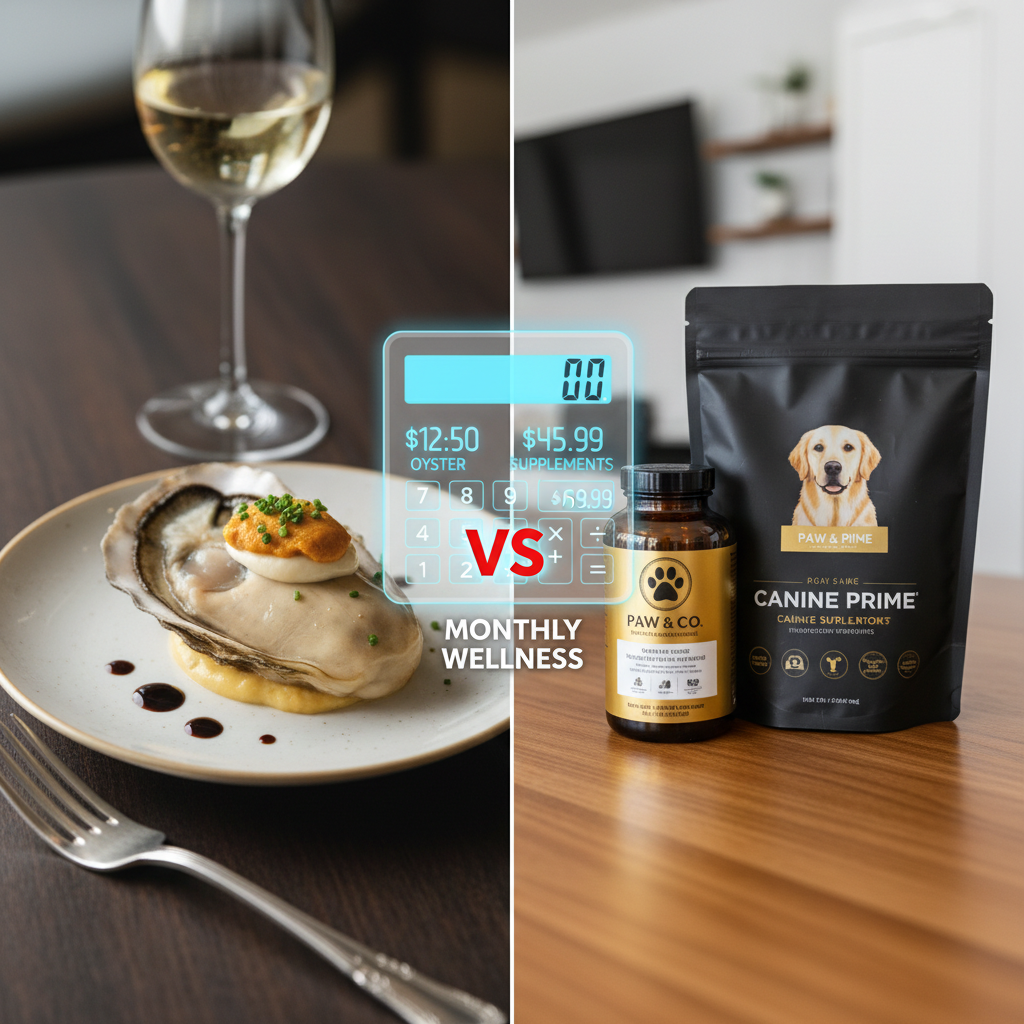
As a Canine Nutrition Hacker, my goal is to find the most effective and efficient way to deliver optimal nutrition. This means weighing the benefits against the risks and the cost. Is feeding your dog oysters—even cooked ones—a smart nutritional strategy?
Let’s break down the cost of providing supplemental zinc through different methods for a hypothetical 50lb dog.
| Zinc Source | Approximate Cost | Risk Profile | The Hacker’s Verdict |
|---|---|---|---|
| Fresh Oysters (Cooked) | $1.50 – $3.00 per oyster | Low (if cooked) to Extreme (if raw). Requires careful sourcing and preparation. | Expensive and high-effort for a single nutrient. The risk of error in sourcing or prep is significant. |
| High-Quality Canine Zinc Supplement | $0.10 – $0.25 per day | Very Low. Formulated for dogs, with precise dosage. | The most cost-effective, reliable, and safest method for targeted zinc supplementation. |
| Zinc-Fortified Premium Dog Food | $2.00 – $3.50 per day (total food cost) | Very Low. Formulated to meet AAFCO standards for complete nutrition. | Zinc is already included in a balanced diet. No extra supplementation is needed for most healthy dogs. |
When analyzed this way, the conclusion is clear. While oysters offer a ‘natural’ source of zinc, the cost, effort, and inherent risks make them an inefficient and impractical choice for consistent nutritional support. The romance of feeding a ‘superfood’ is outweighed by the pragmatic reality that safer, cheaper, and more reliable options are readily available.
Conclusion
The allure of the raw oyster as a canine superfood is strong, backed by an impressive nutritional profile bursting with zinc and essential fatty acids. However, a thorough, no-nonsense analysis reveals a food fraught with peril. The risks of severe bacterial infections from Vibrio species, neurological damage from biotoxins, and the slow accumulation of heavy metals are not theoretical—they are documented dangers. As The Canine Nutrition Hacker, my advice is to prioritize safety and consistency over novelty. The potential for one catastrophic outcome far outweighs the benefits, especially when superior alternatives exist. If you want to boost your dog’s zinc intake, invest in a high-quality, formulated canine supplement or ensure their primary diet is from a reputable brand that provides complete and balanced nutrition. If you insist on sharing the bounty of the sea, serve a thoroughly cooked oyster as a rare and special treat. The ultimate hack isn’t finding the most exotic ingredient; it’s making the smartest, safest choice for your dog’s long-term health.