3-Ingredient Carob Dog Treat Icing That Actually Hardens
You’ve baked the perfect, healthy dog treats. The aroma fills your kitchen, and your dog is already drooling. Now for the final touch: the icing. You whip up a standard recipe, dip your masterpiece, and wait. And wait. Instead of a crisp, professional shell, you get a sticky, tacky mess that smears on everything and never truly sets. It’s a frustratingly common problem that plagues even the most dedicated dog-owning home baker.
The commercial pet industry’s solution is ‘dog-safe’ yogurt or carob melts, but a quick forensic look at their ingredient labels reveals the truth: they are often little more than sugar, hydrogenated oils, and artificial binders. As The Canine Nutrition Hacker, I reject these subpar options. Your dog deserves better, and your wallet deserves a break.
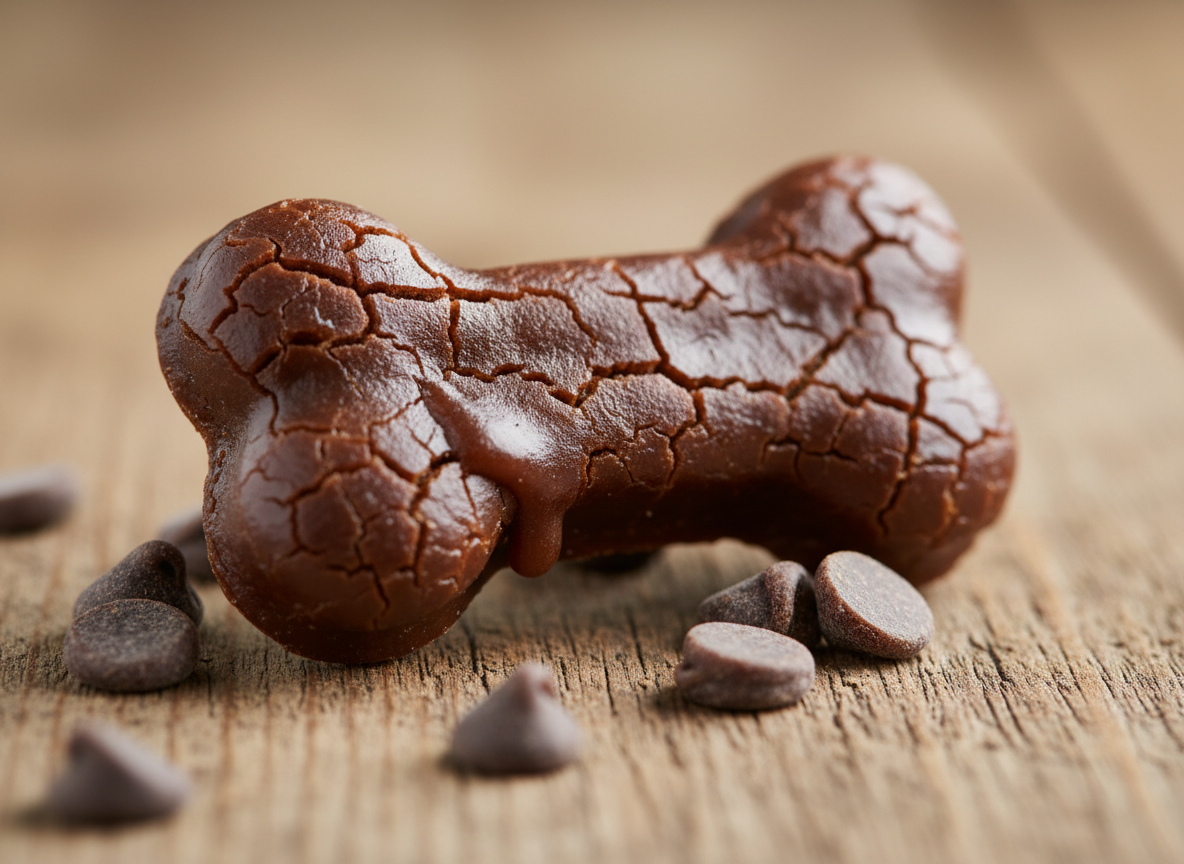
This guide provides the definitive blueprint for a 3-ingredient carob icing that actually hardens. We will delve into the science of why it works, expose the failures of store-bought alternatives, and provide a foolproof recipe that delivers a glossy, durable, and completely dog-safe coating. It’s time to stop guessing and start creating treats that look as good as they are for your dog.
Critical Safety Protocol: Understanding the Ingredients

Critical Safety Protocol: Understanding the Ingredients
Before we begin, a mandatory disclaimer is in order. I am a canine nutrition analyst, not a veterinarian. This recipe is for supplemental feeding only and should not replace your dog’s balanced diet. Always consult with your veterinarian before introducing new foods, especially if your dog has underlying health conditions or allergies.
The Chocolate Impostor: Why Carob is King
The number one rule of dog ownership is common knowledge: chocolate is toxic to dogs. This toxicity comes from two key compounds: theobromine and caffeine, both of which are stimulants that a dog’s metabolism cannot process effectively. Ingestion can lead to severe symptoms ranging from vomiting and diarrhea to seizures and heart failure.
This is where our hero ingredient, carob powder, enters. Derived from the pod of the carob tree, it is naturally sweet, rich in flavor, and, most importantly, contains absolutely no theobromine or caffeine. It provides that desirable chocolate-like appearance and taste without any of the associated risks, making it the only acceptable substitute for creating ‘chocolate’ treats for canines.
The Supporting Cast: Coconut Oil & Tapioca Starch
Our other two ingredients are not just fillers; they are chosen for their specific functional and nutritional properties.
- Coconut Oil: This will be our base fat. Specifically, we use unrefined or virgin coconut oil. Not only does it provide healthy medium-chain triglycerides (MCTs) which can support skin, coat, and cognitive health, but its chemical properties are key. Coconut oil is solid at a cool room temperature (below 76°F or 24°C), which is the secret to our icing’s hardening power.
- Tapioca Starch: Extracted from the cassava root, this is our grain-free binding and thickening agent. It helps create a smooth, non-gritty texture and provides the structural integrity needed for the icing to set into a crisp shell rather than a greasy film. It’s a far superior alternative to cornstarch or flour, which can be potential allergens for some dogs.
Hacker Tip: Always use 100% pure, unsweetened carob powder. Some ‘human-grade’ carob chips or powders can have added sugars or other ingredients. Read the label like a forensic scientist—if it’s not just ‘carob powder,’ put it back on the shelf.
Ingredient Forensics: DIY Icing vs. Store-Bought ‘Dog-Safe’ Melts

Ingredient Forensics: DIY Icing vs. Store-Bought ‘Dog-Safe’ Melts
Let’s put on our lab coats and analyze what you’re really buying when you grab a bag of commercial ‘dog-friendly’ carob or yogurt melts. The marketing promises a convenient, safe topping, but the ingredient panel tells a different story. A typical bag of store-bought melts often lists its first five ingredients as: Sugar, Palm Kernel Oil, Whey Powder, Dried Nonfat Yogurt Powder, and Soy Lecithin.
This is, frankly, appalling. Sugar is the primary ingredient, offering zero nutritional value and contributing to obesity and dental issues. Palm Kernel Oil is a highly processed, low-quality fat. The other ingredients are cheap binders and fillers. You are essentially paying a premium for sugar and bad oil.
Our 3-ingredient recipe offers complete transparency and nutritional superiority. Let’s break down the direct comparison in a forensic table.
| Feature | The Canine Hacker’s DIY Icing | Typical Store-Bought Melts |
|---|---|---|
| Primary Sweetener | None (Natural sweetness from Carob) | Refined Sugar (Often the first ingredient) |
| Primary Fat Source | Virgin Coconut Oil (Beneficial MCTs) | Hydrogenated Palm Kernel Oil (Highly processed) |
| Binders & Fillers | Tapioca Starch (Grain-free starch) | Whey Powder, Soy Lecithin, Artificial Flavors |
| Preservatives | None | Often contains chemical preservatives |
| Control Over Quality | 100% Control. You choose the brands. | Zero. You are subject to their manufacturing choices. |
| The Verdict | Nutritionally superior, simple, transparent. | A candy product marketed for dogs. Avoid. |
The conclusion is undeniable. By investing a few minutes to make your own icing, you are not only saving money but also protecting your dog from a host of unnecessary and potentially harmful ingredients. This isn’t just about making treats; it’s about taking control of your dog’s nutrition from the ground up.
The Foolproof Blueprint: The 3-Ingredient Hardening Icing Recipe
The Foolproof Blueprint: The 3-Ingredient Hardening Icing Recipe
This is the core protocol. Follow these steps precisely for a perfect, hard-shell icing every single time. There is no guesswork here, only a reliable formula for success.
Ingredients & Equipment
- 1/2 cup (64g) Unrefined Virgin Coconut Oil
- 1/2 cup (48g) Unsweetened Carob Powder
- 2 Tablespoons (16g) Tapioca Starch (also known as tapioca flour)
- Small saucepan or microwave-safe bowl
- Whisk
- Spatula
- Parchment paper-lined baking sheet
- Your baked and completely cooled dog treats
Step-by-Step Protocol
- Melt the Fat Base: Gently melt the 1/2 cup of coconut oil in a small saucepan over low heat. Do not let it boil or simmer. You simply want it to become a clear liquid. Alternatively, you can melt it in a microwave-safe bowl in 15-second increments, stirring in between.
- Combine the Dry Ingredients: While the oil is melting, whisk the 1/2 cup of carob powder and 2 tablespoons of tapioca starch together in a separate small bowl. This prevents clumps from forming later.
- Create the Icing: Once the coconut oil is fully melted, remove it from the heat. Gradually pour the dry ingredient mixture into the melted oil, whisking constantly. Continue to whisk until the mixture is completely smooth, glossy, and free of any lumps. It should have the consistency of slightly thin chocolate sauce.
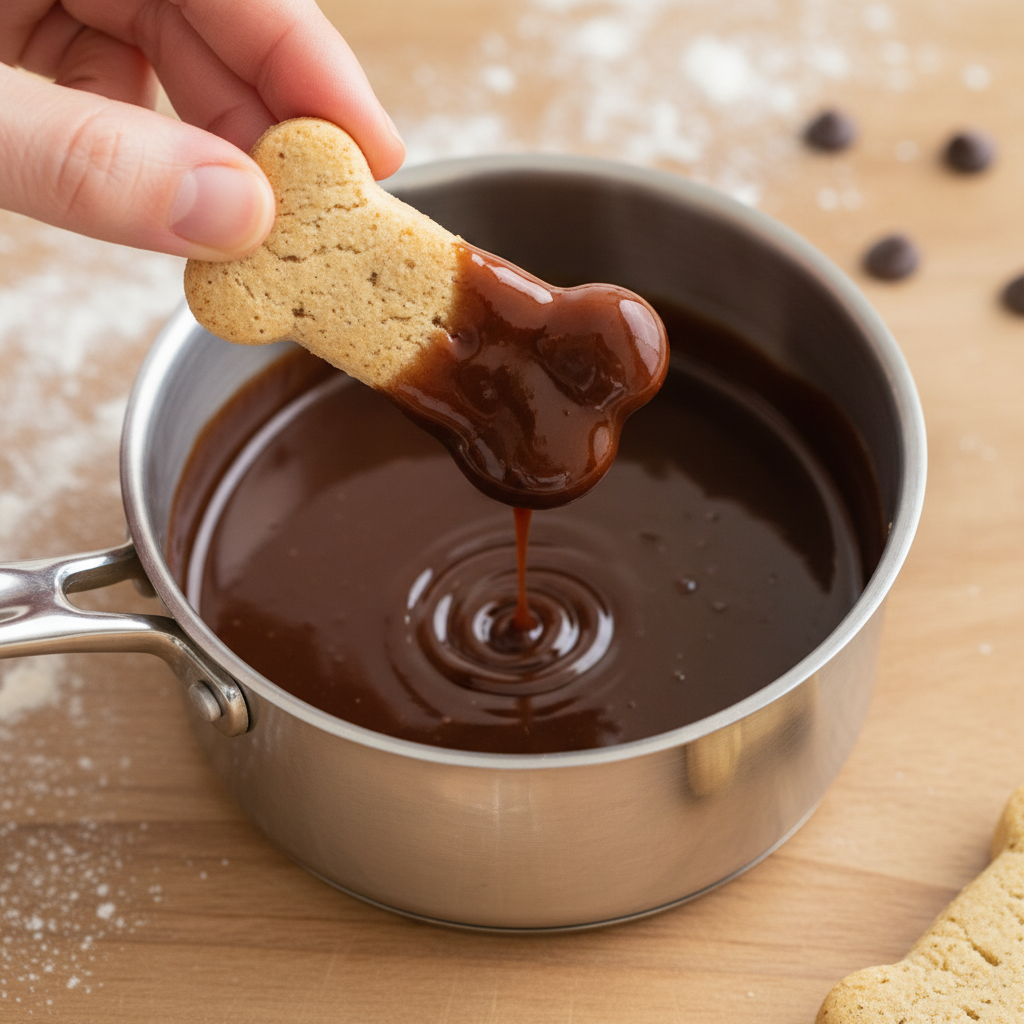
- The Dipping Process: Work quickly, as the icing will begin to thicken as it cools. Hold a dog treat by one end and dip the desired portion into the carob icing. Lift it out and allow the excess to drip back into the pan for a moment.
- Setting and Hardening: Place the dipped treat onto your parchment paper-lined baking sheet. Repeat for all your treats. To achieve the hard shell, you have two options:
- Room Temperature: If your room is cool (below 70°F / 21°C), the icing will harden on its own in about 30-60 minutes.
- Refrigerator (Recommended): For the fastest and hardest set, place the entire baking sheet into the refrigerator for 10-15 minutes. The icing will transform into a crisp, solid shell that doesn’t smudge.
Insider Secret: The temperature of your treats matters. Dipping chilled or frozen treats will cause the icing to set almost instantly upon contact, creating an extra-thick and satisfyingly crisp shell. This is the pro-level technique for bakery-quality results.
Advanced Tactics: Customization, Storage, and Cost Analysis
Advanced Tactics: Customization, Storage, and Cost Analysis
Mastering the base recipe is just the beginning. Now we optimize for efficiency, flavor, and budget.
Customization & Flavor Hacks
While the 3-ingredient recipe is perfect as is, you can make minor, dog-safe additions for variety. Before adding to the coconut oil, you can whisk a small amount of a dry spice into your carob/tapioca mixture.
- A pinch of Ceylon Cinnamon: Known for its anti-inflammatory properties.
- A sprinkle of Ginger Powder: Can aid in digestion.
Warning: Always ensure any additions are dog-safe. Never use nutmeg, allspice, or artificial sweeteners like xylitol, which is highly toxic to dogs.
Batching & Long-Term Storage Protocol
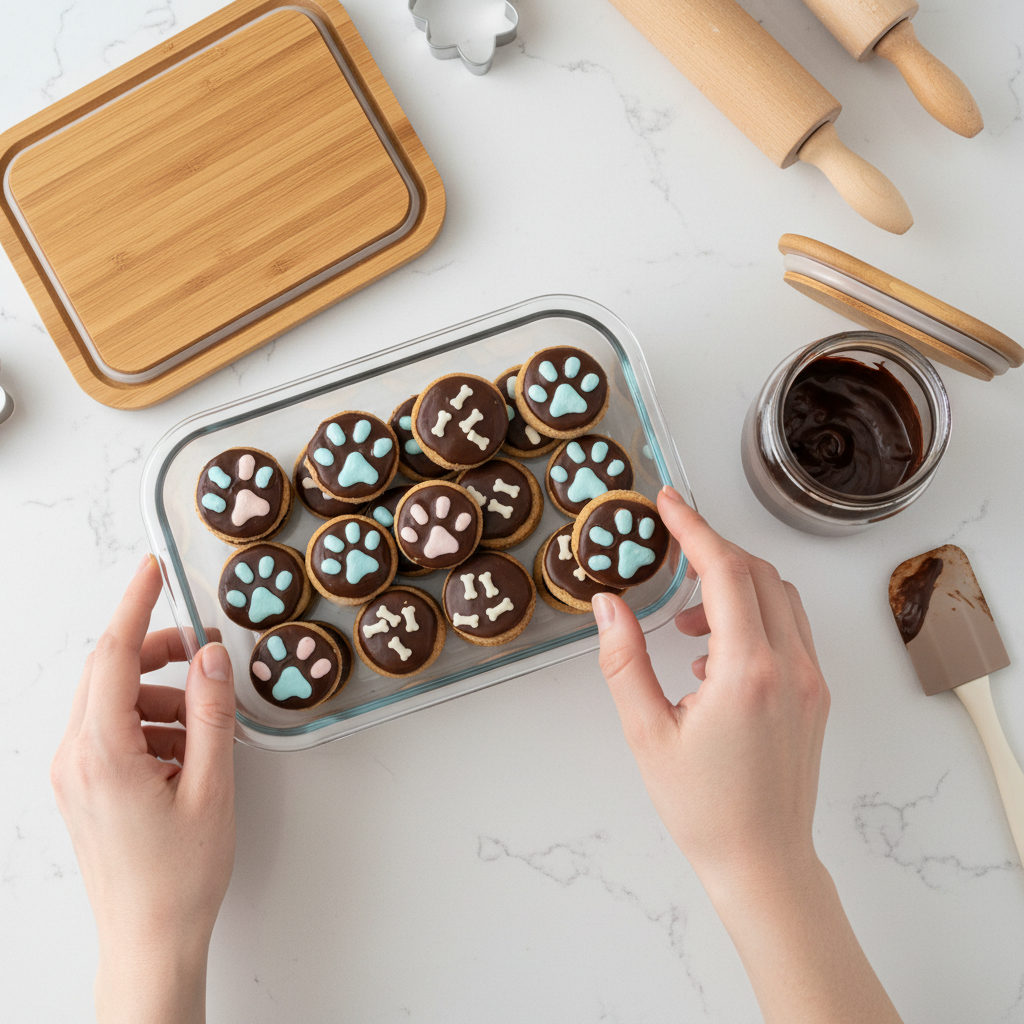
Your finished treats, once the icing has fully hardened, should be stored in an airtight container in the refrigerator. Due to the coconut oil base, the icing will soften and potentially melt in a warm environment. They will last for up to two weeks in the fridge.
For the leftover icing, don’t discard it! Pour the excess into a small glass jar and store it in the refrigerator. It will solidify completely. When you need it again, simply scoop out the desired amount and gently re-melt it over low heat or in the microwave. This ‘master batch’ can last for months.
The Real Cost Breakdown: Hacking Your Treat Budget
The financial argument for DIY is just as compelling as the nutritional one. Let’s analyze the cost of making this icing versus buying a typical 12 oz bag of commercial carob melts for $9.99.
| Ingredient | Typical Price (Bulk) | Cost Per Ounce | Recipe Cost (Approx. 6 oz yield) |
|---|---|---|---|
| Virgin Coconut Oil | $10.00 for 16 oz | $0.63 | $2.52 (for 4 oz) |
| Unsweetened Carob Powder | $8.00 for 12 oz | $0.67 | $1.14 (for 1.7 oz) |
| Tapioca Starch | $5.00 for 16 oz | $0.31 | $0.17 (for 0.56 oz) |
| DIY Icing Total | – | ~$0.64 / ounce | $3.83 |
| Store-Bought Melts | $9.99 for 12 oz | ~$0.83 / ounce | – |
The numbers are clear. You save nearly 25% per ounce, and that’s before factoring in the vastly superior ingredient quality. You’re not just saving money; you’re investing it in your dog’s health instead of a corporation’s marketing budget.
Conclusion
You now possess the formula to elevate your homemade dog treats from simple snacks to professional-grade confections. This 3-ingredient carob icing is more than just a recipe; it’s a strategic tool. It’s a method for eliminating processed sugars, low-quality fats, and unnecessary fillers from your dog’s diet. It’s a way to ensure every single component of their treats serves a purpose and contributes to their well-being.
The frustration of sticky, messy toppings is a thing of the past. You are no longer reliant on overpriced, nutritionally-void commercial products. With coconut oil, carob powder, and tapioca starch, you have a reliable, cost-effective, and safe system for creating beautiful, durable, and delicious treats.
Welcome to the next level of canine nutrition hacking. Get baking.